The best bird aviary for a first-time owner is the one that matches your specific bird species, your available space, and your actual cleaning habits. It is not the biggest one you can afford, and it is definitely not the prettiest one on the shelf. I made the mistake of picking an aviary based on looks before I understood the basics, and it cost me more time, money, and stress than I care to admit. This guide will help you skip that phase entirely.
Best Bird Aviary Guide for Beginners: Choose Size, Type
Marcus Chen
19 Apr 2026
What 'best' actually means for a home bird aviary
When people search for the best bird aviary, they usually expect a product recommendation. What they actually need is a checklist of criteria, because the right aviary for two budgies in a suburban apartment is completely different from the right setup for a pair of cockatiels in a backyard. So let's define 'best' in practical terms you can actually apply.
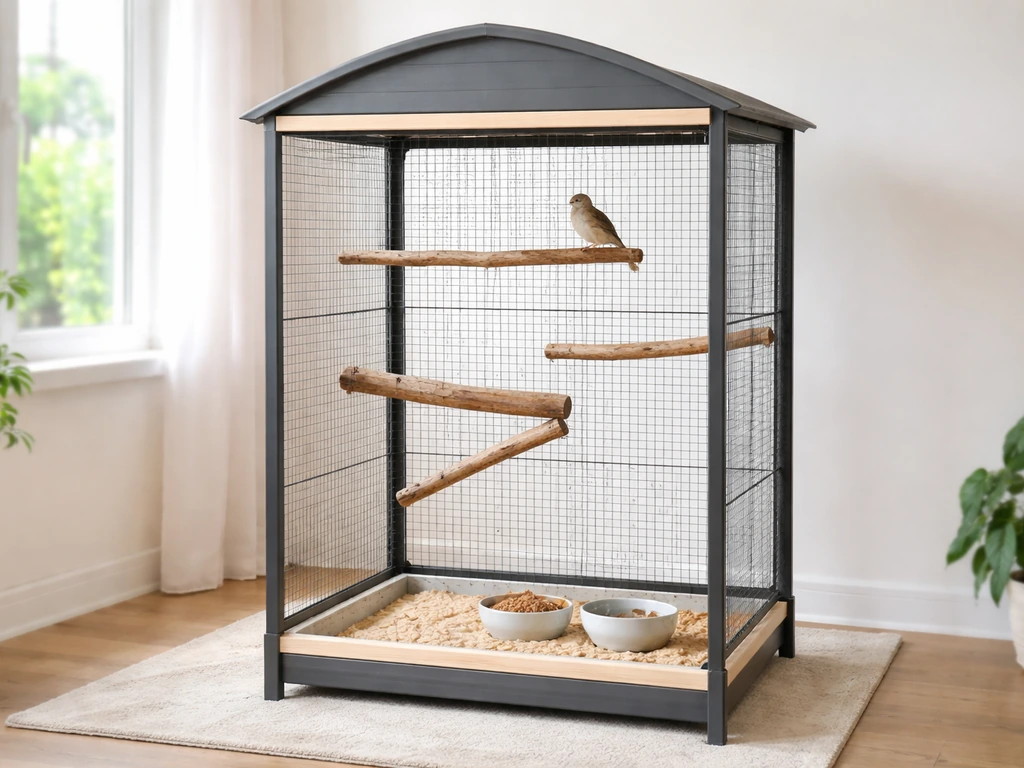
- Floor area that is genuinely easy to clean, not just big on paper
- Dimensions matched to your bird species' minimum space requirements
- Bar spacing that prevents head entrapment or escape
- Ventilation that allows air movement without creating cold drafts
- A secure door system that prevents accidental openings (more on this below)
- Materials free of zinc, lead, and toxic coatings
- Placement options that keep the aviary away from kitchen fumes, tobacco smoke, and direct drafts
Notice that 'large' is on that list only indirectly. Size matters, but floor area you can physically reach into and scrub matters more. An aviary you cannot clean properly is a health hazard, no matter how spacious it looks.
Indoor vs outdoor, and how big to actually go
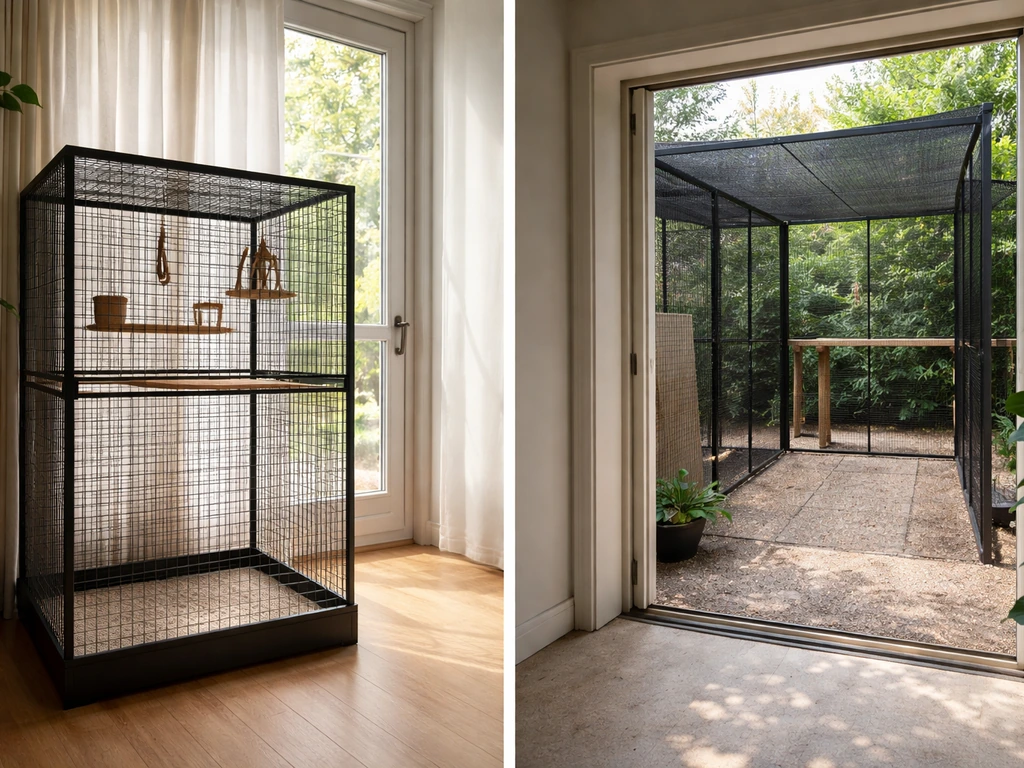
The indoor vs outdoor decision shapes almost every other choice you make. Indoor aviaries give you climate control, protection from predators, and easier daily monitoring. Outdoor aviaries give birds more natural light, fresh air, and room to fly, but they introduce weather, predator, and biosecurity risks that beginners often underestimate.
Indoor cage-style aviaries
For most first-time owners with one to four small birds, a large cage or small flight cage is the right starting point. These are easier to manage, keep warm, and clean consistently. The absolute minimum dimension in any direction should not be less than 60 cm, and that is genuinely a minimum. For budgies, a workable starting cage is around 18 x 18 x 24 inches (roughly 46 x 46 x 61 cm). For larger birds like cockatiels or small parrots, you need meaningfully more floor area, with larger cockatoos and parrots requiring at least 70 x 70 x 90 cm as a species minimum. Anything smaller than these numbers is a welfare concern, not a cost-saving option.
Outdoor walk-in aviaries
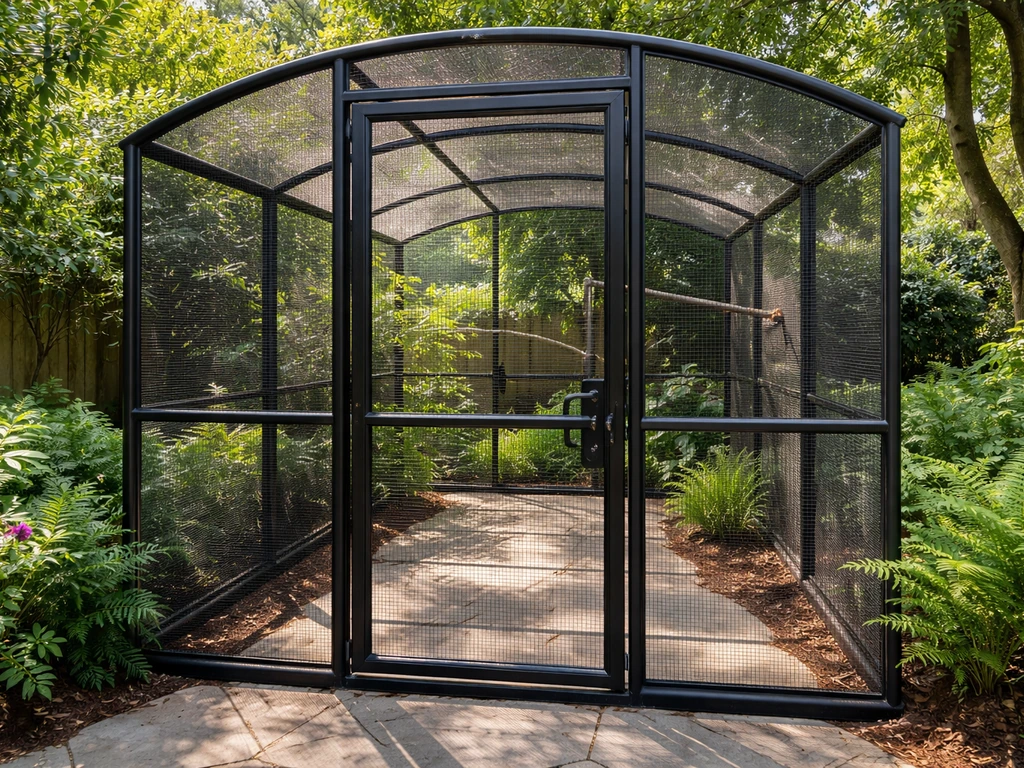
Walk-in outdoor aviaries make sense once you have more birds, larger species, or are keeping finches or softbills that do well with natural daylight cycles. The trade-off is complexity: you need to manage temperature swings, predator-proof the structure, and think about orientation. A practical rule from experienced keepers is to face the main flight area north (in the Southern Hemisphere) to reduce direct draft exposure. In the Northern Hemisphere, a south-facing aspect catches more winter sun and limits cold wind exposure. Predator risk from cats, owls, and hawks is real for open outdoor flights, so any outdoor aviary needs a fully enclosed night shelter or covered roost zone where birds cannot be reached from outside.
Sizing for multiple birds
If you are planning to keep finches, a useful design rule is at least 12 cm of aviary length per bird, with the width no less than half the total length. So for six finches, you want at least 72 cm of length and 36 cm of width as a floor-area minimum. For mixed-species setups, plan separate feeding and perching stations to reduce aggression, and if you have adjacent aviaries, use a double layer of wire mesh between them so birds cannot reach through and injure each other. For wire mesh and double-layer barriers, follow guidance such as keeping bar spacing to no more than 1/2 inch to reduce the risk of birds poking heads through blank" rel="noopener noreferrer">National Bird Day Shelters.
Matching your aviary to beginner bird species
Different birds have very different space, social, and behavioral needs. Getting this match right from day one prevents overcrowding problems, stress-related illness, and territorial aggression. Here is a practical reference based on recognized minimum space guidelines: The EBHS Bird Housing Handout provides example minimum cage size ranges and bar-spacing notes by bird group, which can support “size and layout” decisions as you plan, while still verifying species-specific minimums recognized minimum space guidelines.
| Species | Minimum cage footprint | Key notes |
|---|---|---|
| Budgerigar | 18" x 18" x 24" (46 x 46 x 61 cm) | Bar spacing max 12mm; social but territorial at perches |
| Canary / Finch | 30 x 25 x 40 cm per bird (minimum) | Pairs/small groups common; 12 cm aviary length per bird for flights |
| Cockatiel | 60 cm minimum in any direction; larger preferred | Needs horizontal space for flight; not suited to narrow tall cages |
| Small parrot / Lovebird | 60 x 60 x 90 cm and up | Chews on materials; needs bar spacing and non-toxic coating check |
| Large cockatoo / Parrot | 70 x 70 x 90 cm absolute minimum | This is a minimum; a proper aviary is far larger in practice |
Budgies are a common beginner choice and they genuinely are manageable, but they are territorial around feeding stations and will peck at cage mates. This means your aviary layout needs multiple feeders spaced apart, not one central bowl. Canaries and finches are lower-maintenance socially but need flight length more than height. If you are choosing between a tall ornamental cage and a longer horizontal flight cage, always go longer.
Mixing species in one aviary is an advanced move, not a beginner one. If you eventually want to keep different species together, research compatibility carefully before combining them. Some combinations that look fine on a pet store shelf turn into aggression problems in an enclosed space.
Core setup essentials you cannot skip
Once you have the right size and type of aviary, the setup inside it determines whether birds thrive or just survive. Here is what matters and why.
Perches
Natural wooden perches of varying diameters are far better than the uniform plastic dowels most cages come with. Variable diameter forces foot muscle use and prevents pressure sores. Place perches at different heights but keep the highest perches away from food and water bowls so droppings do not contaminate them. Never position a perch directly over a feeder or water bowl.
Feeders and water
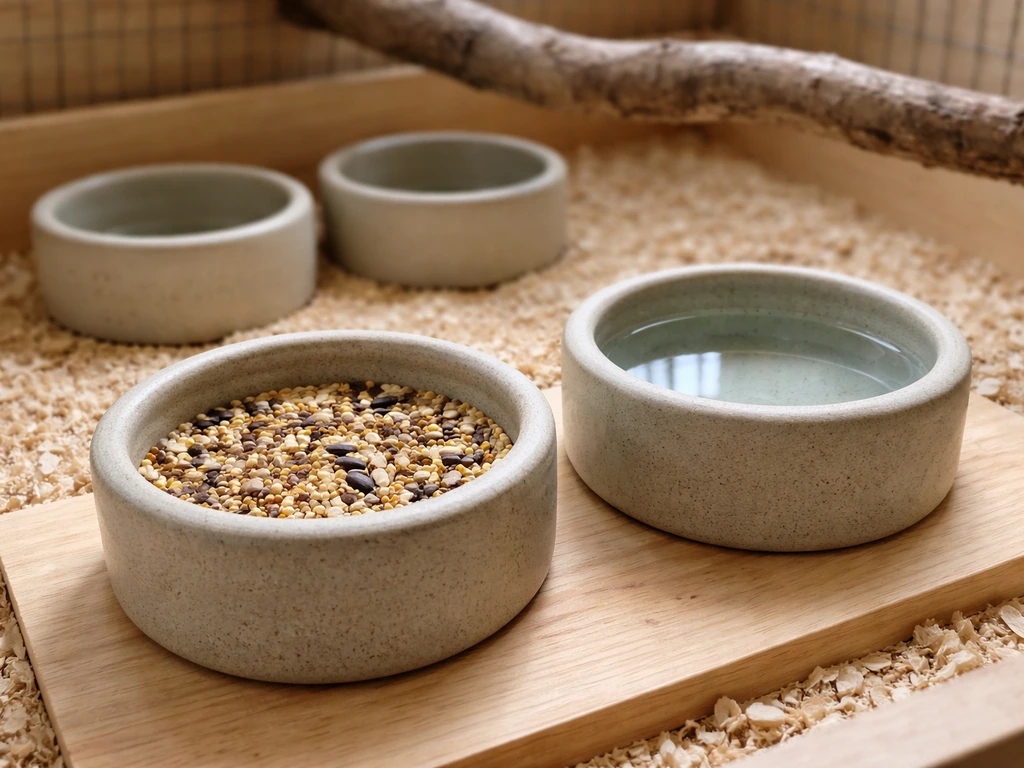
Use heavy ceramic or stainless steel bowls rather than plastic, which scratches and harbors bacteria. For multi-bird setups, provide at least one more feeding station than the number of birds to reduce competition. Water should be in a bowl large enough for the bird to drink comfortably, changed daily without exception. Stale water is one of the most common and preventable causes of illness in captive birds.
Flooring and substrate
Cage paper or a non-adhesive shelf liner on the floor tray is the easiest substrate for beginners because it lets you see droppings clearly, which is one of your primary health indicators. Sand sheets are popular but can harbor mites if not changed frequently. Avoid sand on open aviary floors unless you are doing regular deep cleans. For outdoor walk-in aviaries, a concrete base with drainage is the gold standard for hygiene, as it can be hosed down and disinfected properly.
Security and door safety
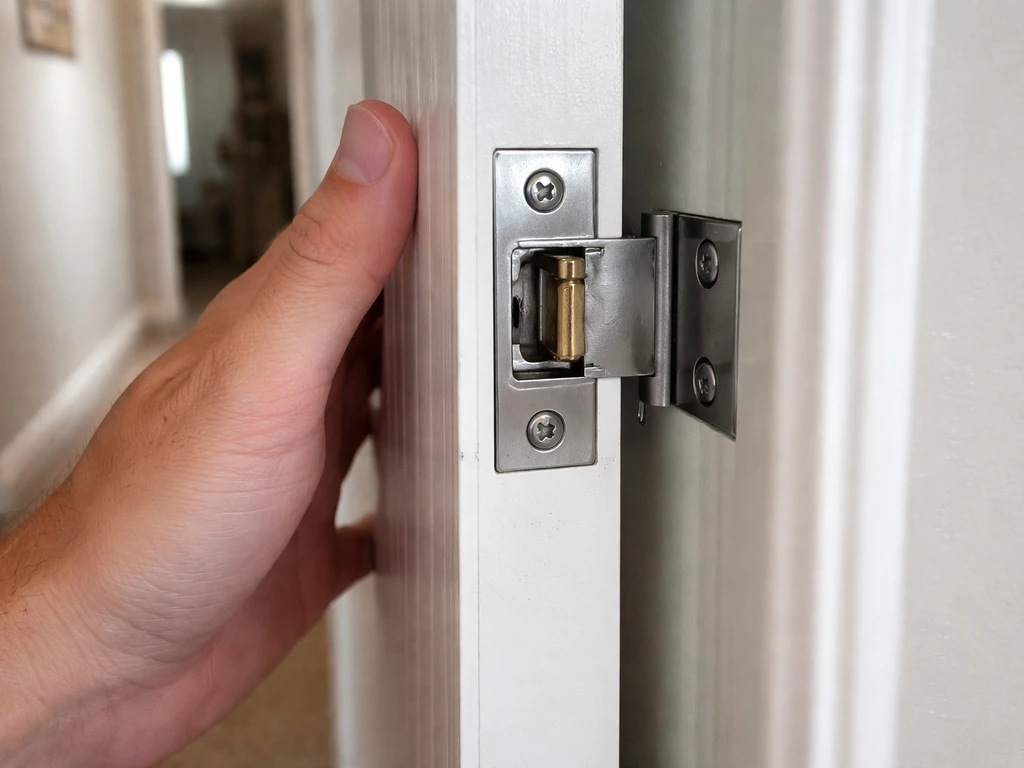
Doors and locks deserve more attention than most beginners give them. Parrots and budgies are escape artists, and a sprung door that fails is how birds end up loose in the house or outside. Look for aviaries with a safety entrance (also called a double-door or catch entry), which gives you a buffer zone so you cannot accidentally let a bird fly out when you open the main door. Locks should require deliberate two-step action to open, not just a push. For larger outdoor aviaries, a padlock on the outer door is good predator and security practice.
Air quality, temperature, and where you actually put the aviary
This is the section most beginners skip, and it is arguably the most important one from a health and safety standpoint. Birds have an extremely efficient respiratory system that also makes them uniquely vulnerable to airborne toxins. Most birds that inhale toxic fumes die suddenly or within a very short window of exposure. This is not a minor risk to manage loosely. It is a hard rule to take seriously from day one.
Do not place an aviary in the kitchen. This rule is non-negotiable. Cooking fumes, overheated non-stick cookware (Teflon and similar PTFE-coated surfaces release fumes that are odorless to humans but fatal to birds), smoke, cleaning product vapors, and aerosol sprays all make kitchens genuinely dangerous environments for birds. One moment of forgetfulness with a hot pan can kill a bird in an adjacent room if the ventilation is poor.
Beyond the kitchen, avoid placing an aviary in direct draft paths from air conditioning vents, exterior doors, or open windows. At the same time, stagnant air is its own problem: an aviary pushed against a wall with no airflow around it can trap ammonia vapors from droppings, especially in warmer months. Allow at least 15 to 20 cm of clearance behind and beside the aviary for air circulation. In a room, place the aviary against an interior wall rather than an exterior one to buffer against temperature swings and drafts.
For temperature, most common pet birds (budgies, cockatiels, canaries, finches) are comfortable in the same ambient range as humans, roughly 18 to 25 degrees Celsius. Sudden temperature drops are more dangerous than a stable cool temperature, so consistency matters more than chasing an exact number. Never place an aviary in a conservatory or glassed room that gets no shade, as these spaces overheat quickly in summer.
Cleaning and maintenance: what to do and how often
Consistent cleaning is the single biggest factor in your birds' long-term health. The good news is that a structured routine is not time-consuming once it becomes habit. If you are just starting out, building a weekly cleaning routine first is more realistic than trying to do daily deep cleans. Once you understand your birds' droppings patterns and food consumption habits, you can calibrate from there.
Daily tasks (5 minutes or less)
- Replace water in all bowls, rinse bowls before refilling
- Remove and replace fresh food items before they spoil
- Check floor tray or substrate for obvious soiling and spot-remove if needed
- Observe bird behavior, droppings consistency, and activity level
Weekly tasks (15 to 30 minutes)
- Replace all substrate/floor liner fully
- Wipe down perches, bars, and feeder bowls with a bird-safe detergent (products like Oxyfresh Cleansing Gele are popular in the finch aviary community for exactly this)
- Clean and rinse all food and water containers thoroughly
- Check for any feather or debris buildup in corners
- Rotate one or two enrichment items (toys, foraging items)
Monthly deep clean (1 to 2 hours)
At least once or twice a month, take the entire aviary apart as much as possible and scrub it down with hot water and a non-toxic disinfectant. F10SC veterinary disinfectant is widely used in avian circles; dilute it at 1:50 for general aviary cleaning. Chlorhexidine solution (generic Nolvasan) is another option: a practical mixing ratio is roughly 5 teaspoons (25 ml) per quart of water in a spray bottle. Virkon S works too, typically at a 1% solution (1:100 dilution) for routine disinfection. Whatever product you use, follow the dilution ratio on the label exactly. More concentrated is not more effective for a clean surface and residue can harm birds.
Rinse everything thoroughly after disinfecting and allow surfaces to dry fully before returning birds to the aviary. This deep-clean day is also the ideal time to swap out all enrichment items and do a full inspection of bars, welds, perch fittings, and door hardware for any signs of rust or damage.
Enrichment and daily care inside the aviary
An aviary that meets minimum space requirements but has nothing interesting in it is still a stressful environment. Birds that are bored develop feather-destructive behaviors, excessive screaming, and stress-related health problems. Enrichment does not have to be expensive or complicated, but it does need to be intentional and rotated regularly.
Rotate toys and foraging items on a schedule, ideally tying rotation to your deep-clean days so you are not introducing items that carry old contamination from the previous setup. The rotation is what maintains novelty. A bird that has had the same bell toy in the same spot for three months is not enriched by it anymore. Swap two to three items at a time rather than replacing everything at once, which can be stressful for birds that are already bonded to their environment.
Foraging opportunities (hiding food in treat holders, wrapping seeds in paper, using puzzle feeders) are especially effective for parrots and budgies because they satisfy natural feeding behaviors. For finches and canaries, live or sprouted food items, bathing water, and nesting material (when breeding) serve similar behavioral needs.
Daily interaction also matters, even for birds kept in pairs or groups. Speaking to your birds during feeding, allowing supervised out-of-aviary time when possible, and responding to their behavioral cues builds trust and lets you catch health changes early. A bird that goes quiet, sits fluffed, or stops interacting with enrichment items is often showing early signs of illness before any physical symptoms are obvious.
If you are considering adding plants to the aviary for enrichment and visual interest, make sure every species is confirmed safe for birds before introducing it. If you want the best bird attracting plants, choose bird-safe varieties that also provide shelter, foraging spots, and safe chewing options. Some common houseplants are toxic, and birds will chew on anything within reach.
Your practical buying checklist and next steps
Before you buy anything, work through this decision sequence in order. Skipping steps is how people end up with an aviary that looked fine in the store and creates problems at home.
- Decide on your bird species first, then size the aviary to match the species minimum dimensions, not the other way around
- Measure the room or outdoor space where the aviary will live and confirm clearance from walls (15 to 20 cm minimum on sides and back)
- Rule out the kitchen and any room with regular aerosol, smoke, or cooking fume exposure before choosing a location
- Check that your chosen aviary has a secure door mechanism, ideally a double-door or safety entry system
- Verify bar spacing is appropriate for your species (e.g., max 12 mm for budgies and small finches)
- Confirm materials are zinc and lead free with no PTFE-coated components inside the aviary footprint
- Purchase disinfectant (F10SC, Chlorhexidine solution, or Virkon S) and substrate/floor liner before the birds arrive
- Set up all perches at varied heights, multiple feeders and water bowls, and one to two enrichment items before introducing birds
- Establish your daily 5-minute check habit and block time for a weekly clean in the first week, before you need it
The cost of the aviary itself is almost a secondary consideration once these criteria are met. If you are trying to budget, you can also look at how much is a bird aviary based on size, materials, and setup needs the cost of the aviary itself is almost a secondary consideration. A mid-range flight cage that checks all the boxes is a better investment than a premium decorative cage that forces you into bad cleaning habits or unsafe placement. Spend on the setup and the routine, not just the structure. Your birds will live in the environment you create every day, and getting the fundamentals right from the start is what makes this rewarding rather than stressful.
Once your aviary is set up and running smoothly, you will naturally start thinking about what goes inside it beyond the basics: which plants are safe to add, how to improve the overall design, and whether your birds need a more elaborate layout as your confidence grows. When you are figuring out what to put in a bird aviary, prioritize safe enrichment, proper bowls, and easy-clean materials for your routine. When you are figuring out what to put in a bird aviary, prioritize safe enrichment, and also use this as your starting point for the best plants for bird aviary options that are confirmed bird-safe. Those are all worth exploring once the foundation is solid.
FAQ
If I already have a cage that meets the minimum dimensions, do I still need a “bigger” aviary to be safe?
For a first aviary, the most practical rule is to pick a setup you can fully clean on schedule. Even if a “bigger” cage has more floor space, if you cannot comfortably reach every corner and remove trays, you effectively lose the health benefit of extra size. If you are between sizes, choose the one that fits your cleaning routine, not your shopping budget.
Can I use sand or loose substrate under the birds instead of paper liner?
No, you should treat substrate as a hygiene tool, not a one-time choice. If you use sand or any loose substrate, you will usually need more frequent spot removal or full changes, otherwise mites and caking can build up. Paper or a shelf liner makes droppings monitoring easier, and that helps you catch early health issues.
How much clearance should I leave around an indoor aviary for air circulation without causing drafts?
Aim for a clear airflow gap, but avoid drafts that blow directly across your birds. The safer placement is usually an interior-facing wall with space behind and beside the aviary, and then using the room layout rather than aiming fans or vents toward the cage. If you notice the birds puffing up more than usual or huddling at one spot, recheck for drafts or cold air pathways.
What are the most overlooked safety requirements for outdoor aviaries?
A walk-in outdoor aviary still needs protection from more than predators. You should provide a fully enclosed, weatherproof sleeping shelter plus shaded and sheltered roost zones, and ensure the enclosure design blocks direct line-of-access from outside. Also plan for ventilation gaps that prevent moisture buildup, since damp air can worsen respiratory issues even when predators are excluded.
How do I prevent bullying at food and water in a multi-bird aviary?
When keeping multiple birds, you need extra feeding and watering points so dominant birds cannot monopolize resources. A practical starting approach is at least one additional station beyond the number of birds, then adjust based on behavior. If you see one bird guarding, blocking, or chasing at feeders, add spacing or relocate stations rather than assuming the layout is “large enough.”
Can I use air fresheners, candles, or sprays in the same home as my birds?
Yes, but only if you control airborne risks and airflow. If you must use any scented or aerosol products in your home, assume the safest choice is to keep the aviary in a room separated from those activities, with doors closed and no direct air exchange. Birds can be sensitive to fumes and residues on surfaces, so avoid spraying near the aviary and keep cleaning activities physically separated.
How often should I replace toys and enrichment items, not just rotate them?
If you are using enrichment toys that are easy to sanitize, remove and replace them on your deep-clean day, then also check them sooner if they get dirty, chewed to a point where edges splinter, or show buildup under attachments. In humid conditions, porous toys can harbor moisture and microbes, so switch to non-porous or replace-on-a-schedule items.
What door features matter most, a double-door or stronger locks?
Locking matters differently for indoor versus outdoor. Indoors, a double-door or safety entrance is important to prevent accidental escapes during door handling. Outdoors, add physical security beyond locks, such as a night shelter that prevents reach-through access and hardware designed to resist tampering.
Can I add any live plant to an aviary as long as it looks “bird-friendly”?
You can add live plants only after confirming they are bird-safe for your species, and then manage the risk of chewing and droppings exposure. Choose plants that can survive the watering routine and do not require pesticides or frequent chemical treatments, since residues can become a problem when birds chew or sample leaves.
What should I do if my room temperature fluctuates a lot during the day?
You do not need exact-for-your-day perfect temperatures, but you do need stability. If your room’s climate swings between hot and cold, relocate the aviary away from exterior temperature fluctuations, and avoid placing it in conservatory-like areas where summer sun spikes can overheat quickly. If you see birds panting or spending unusual time in one shaded corner, treat that as a placement and airflow signal.
What changes in behavior are early warning signs that my bird is unwell?
Use behavior as your first health signal. A bird that becomes quieter, fluffs more than normal, avoids perches it usually uses, or stops interacting with enrichment may be sick even before obvious droppings or breathing issues appear. In those cases, move slowly, minimize stress, and contact an avian-experienced veterinarian promptly rather than waiting for the problem to “pass.”
Next Articles
Garden Bird Checklist: Wild Species, IDs, and Tracking Tips
Ready-to-use wild garden bird checklist with IDs, field marks, tracking tips, and a bird station setup for beginners.
Printable Backyard Bird Guide for Beginners and First IDs
Printable backyard bird guide for beginners: simple ID key, look-alikes, and a ready-to-fill checklist for backyard sigh
The Backyard Bird Lover’s Guide to Nesting and Feeding
Step by step guide to attract nesting birds with the right feeders, foods, water, safe placement, and beginner tips.