When people search 'tiny bird garden codes,' they're usually looking for one of three things: local rules about keeping birds outdoors, manufacturer codes on cages or mesh products, or snippets they found online claiming to unlock something. If you're setting up an outdoor space or aviary for a small pet bird, the first two are the ones that actually matter. Local ordinances and HOA rules govern whether you can legally keep birds in an outdoor enclosure, and product codes on mesh, cage panels, and accessories tell you whether those materials are safe and appropriate for tiny birds. Neither is complicated once you know what you're looking at.
Tiny Bird Garden Codes: How to Plan a Safe Outdoor Setup

Marcus Chen
28 Apr 2026
What 'tiny bird garden codes' usually refers to
The phrase is genuinely ambiguous, and that's worth sorting out before you go any further. Here are the three most common things people mean by it:
- Local government or HOA rules: Cities, counties, and homeowner associations often have specific codes about keeping birds on your property. South San Francisco, for example, requires birds to be kept in an escape-proof enclosure, cage, coop, or aviary, and ties that requirement to a permit covering sanitation and other ordinance compliance. HOA rules in communities like Sunland Ranches go further, requiring birds to be caged or otherwise controlled, and prohibiting continuous squawking that disturbs neighbors.
- Product and material codes: Cage manufacturers and wire mesh suppliers use code designations to describe mesh size, wire gauge, and coating type. These matter enormously for small birds because a mesh opening that's fine for a chicken run is dangerous for a finch or budgie.
- Online 'codes' or cheat codes: Some people searching this phrase are coming from a gaming or app context and landed here by accident. If that's you, this article is about real-world bird habitat setup, but stick around because the checklist at the end is genuinely useful if you ever do get a bird.
The rest of this guide focuses on the first two because those are the ones with real consequences for your bird's safety and your legal standing.
Where to find the right codes for your location or enclosure type today
Start local. Your city or county's animal services or planning department website is the first place to check. Search your municipality's name plus 'animal keeping ordinance' or 'pet bird permit.' Hawaii, for instance, requires a Pigeon/Aviary Game Bird Permit for anyone raising aviary game birds, renewable every three years. That kind of requirement is easy to miss if you assume birds are permit-free. If you're in a subdivision, pull your HOA's CC&Rs and look for the animals or livestock section. These documents are legally binding and override your personal preferences about what's 'just a small bird.'
For product and material codes, look at the manufacturer's specification sheet for any mesh, cage panel, or netting you're buying. The two numbers you need are mesh opening size (how big each hole is) and wire gauge (how thick the wire is). Reputable suppliers like BZ Wire Mesh publish these in their product listings, and aviary netting suppliers like Christensen Net Works categorize products specifically as bird and predator barrier solutions, which is the right category to shop from.
Also check whether bird flu housing measures apply in your region. The UK's GOV.UK guidance, for example, includes provisions about when birds must be brought indoors based on disease control zones. Similar biosecurity-based housing rules can appear in the US during avian influenza outbreaks. Your state's Department of Agriculture website is the right place to monitor this.
How to translate codes into real habitat requirements
Once you have the rules and specs in front of you, here's how to turn them into actual build and purchase decisions.
Mesh and wire spacing
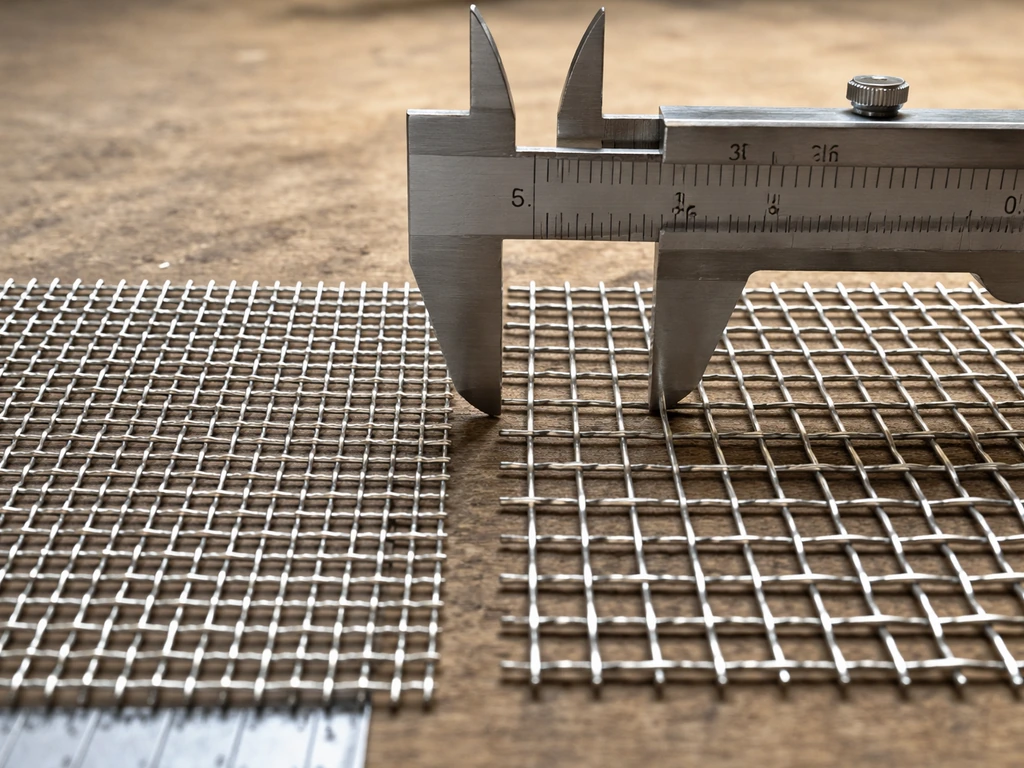
For tiny birds, this is the single most important measurement. Wildlife damage management guidance recommends 1/2 x 1/2 inch mesh for excluding small animals, and that's a good benchmark for your outer predator barrier. For the cage panels your bird is in direct contact with, you want spacing small enough that a finch, canary, or budgie cannot get their head through. For most small birds that means no more than 1/2 inch between wires. Galvanized hardware cloth at 1/2 x 1/2 inch is a reliable, durable choice for aviary walls.
Enclosure dimensions and shelter
UK animal welfare licensing guidance ties minimum aviary size to wingspan, and that's a sensible starting framework even if you're not in the UK: the bird needs room to fully spread its wings and move between perches. For a pair of budgies or zebra finches, most avian vets recommend a minimum of 30 inches long, but bigger is always better. Design the enclosure so part of the roof is solid, providing weather protection, and part is mesh for airflow and light. The Association of Avian Veterinarians specifically recommends this partially solid, partially mesh ceiling design for predator proofing and weather protection.
Ventilation and temperature
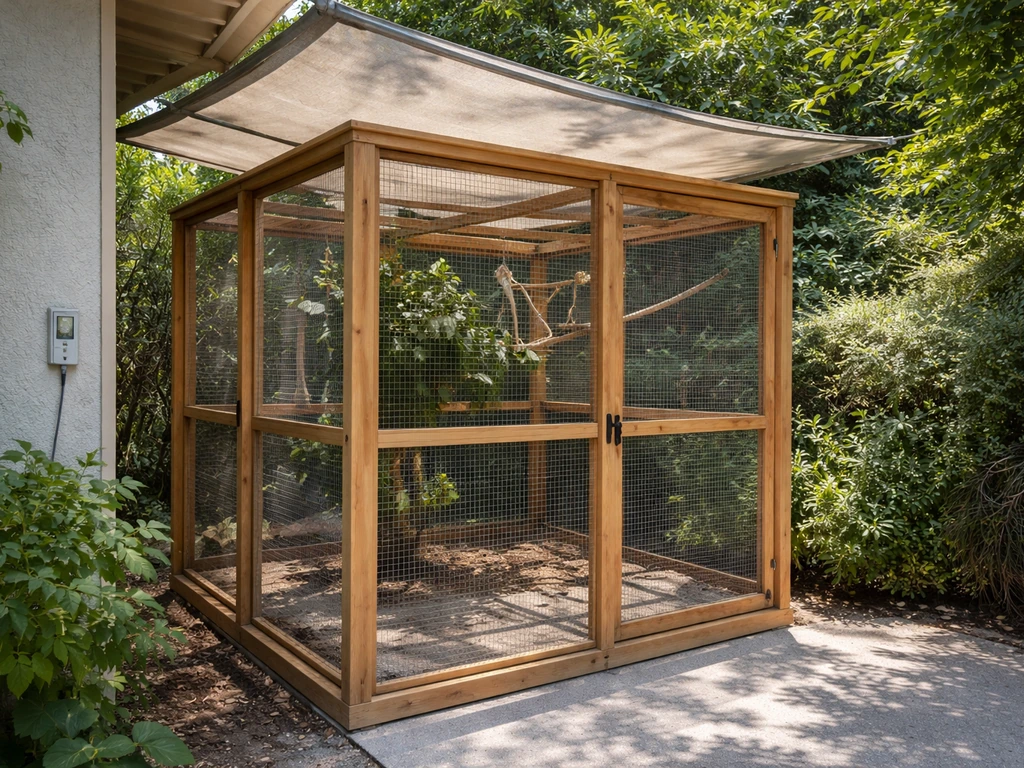
Purdue veterinary guidance makes a point that's easy to underestimate: many caged birds cannot tolerate rapid temperature swings, including those produced by HVAC systems. Outdoors, this translates to positioning your aviary so it's shielded from cold wind but not sitting in full afternoon sun all day. Mesh walls provide passive airflow, which is good, but the solid roof and back wall sections should block the prevailing wind direction in your area. The RSPCA recommends introducing birds to an outdoor aviary during the warmest part of the day, especially when there's wind, so they can acclimate gradually.
Outdoor and aviary safety for small birds
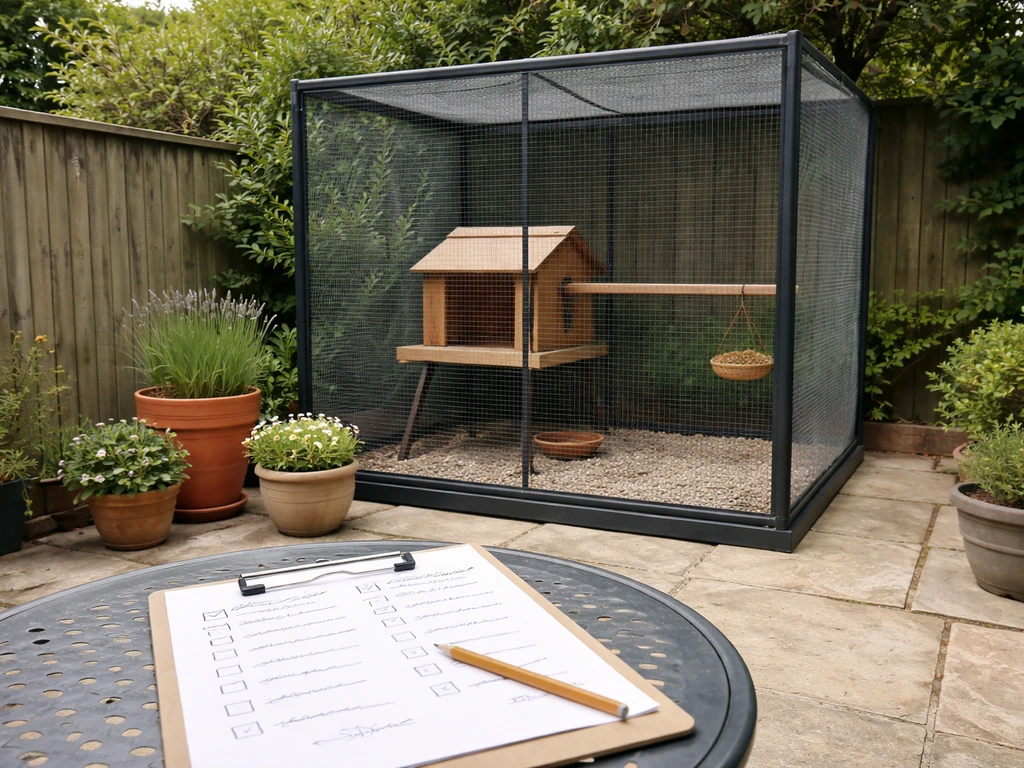
Predator pressure is the biggest thing first-timers underestimate. Cats, raccoons, hawks, and rats can all injure or kill small birds through mesh if the wire gauge is too thin or the openings are too large. Here's what a solid predator-proof setup looks like:
- Use 16-gauge or heavier galvanized hardware cloth, not plastic-coated chicken wire. Chicken wire rusts and can be torn by a determined raccoon.
- Bury the wire skirt or apron at least 12 inches into the ground around the perimeter to stop digging predators.
- Add a double-door entry system (a small pass-through corridor) so birds can't escape when you open the enclosure.
- Cover the full top of the enclosure with mesh or a solid panel. An open-top aviary is an invitation for hawks.
- Inspect the enclosure at dawn and dusk when predators are most active. Look for bent mesh, claw marks, or disturbed soil.
Weather protection beyond just temperature matters too. Heavy rain driving through mesh walls can soak birds and chill them rapidly. A waterproof roof panel covering at least the back third of the enclosure gives birds a dry retreat. If you're in a climate with hard winters, plan for a way to bring birds indoors when temps consistently drop below 40°F, since most small companion birds are tropical and not adapted to sustained cold.
Beginner mistakes when using codes and how to avoid them
I've seen (and made) most of these errors. They're all avoidable once you know what to watch for.
- Buying mesh by looks, not specs. A mesh that looks fine-gauge at the store can have 3/4 inch openings, large enough for a small bird to get its head stuck or for a rat to reach through. Always check the product spec sheet for opening size before buying.
- Assuming birds are permit-free. Many first-time owners don't check local ordinances because they're 'just getting a couple of finches.' Then they get a complaint from a neighbor about noise or an HOA violation notice. Check first.
- Ignoring air quality indoors when transitioning birds. Even if your aviary is outdoors, birds spend time inside too. Nonstick cookware (Teflon/PTFE) releases gases at temperatures around 280°C/536°F that are fatal to birds. Self-cleaning ovens, aerosol sprays, air fresheners, and strong cleaning products are also documented hazards. University of Illinois veterinary guidance and the Merck Veterinary Manual both specifically flag these risks. Keep birds out of kitchens and away from any room where aerosols are used.
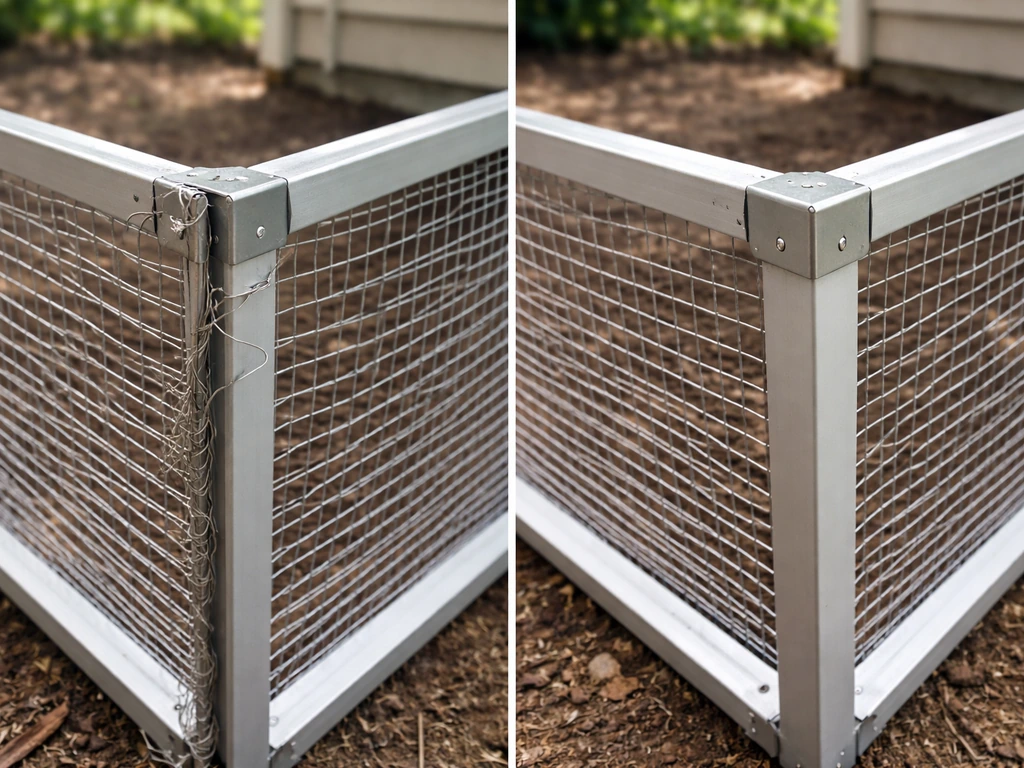
- Neglecting escape-proofing on doors and seams. The most common escape route isn't through a broken panel, it's through a poorly latched door or an unsealed seam between panels. Use carabiner-style latches on all doors.
- Skipping sanitation routines. VCA recommends scrubbing the full cage with non-toxic disinfectant and hot water at least one to two times a month. AvianVet.com points out that droppings and perch contamination promote bacterial growth and mold, so spot-cleaning daily and deep-cleaning monthly isn't optional, it's disease prevention.
- Placing the enclosure in a draft or in full sun. Merck Veterinary Manual advises moving birds away from drafty windows and vents. Outdoors, that means avoiding spots where wind tunnels between structures or where afternoon sun bakes the mesh walls for hours.
Bird-friendly accessories and daily routine for a code-compliant setup
Getting the structure right is only half the job. What goes inside the enclosure and how you manage it daily determines whether your bird actually thrives. Avoid using PTFE (Teflon) products near pet birds, since aerosolized or heated fumes can be dangerous and are documented as PTFE (Teflon) toxicosis concerns in birds by Texas A&M’s Veterinary Medical Diagnostic Laboratory PTFE (Teflon) fumes and aerosolized irritants can be dangerous to pet birds.
Perches and enrichment
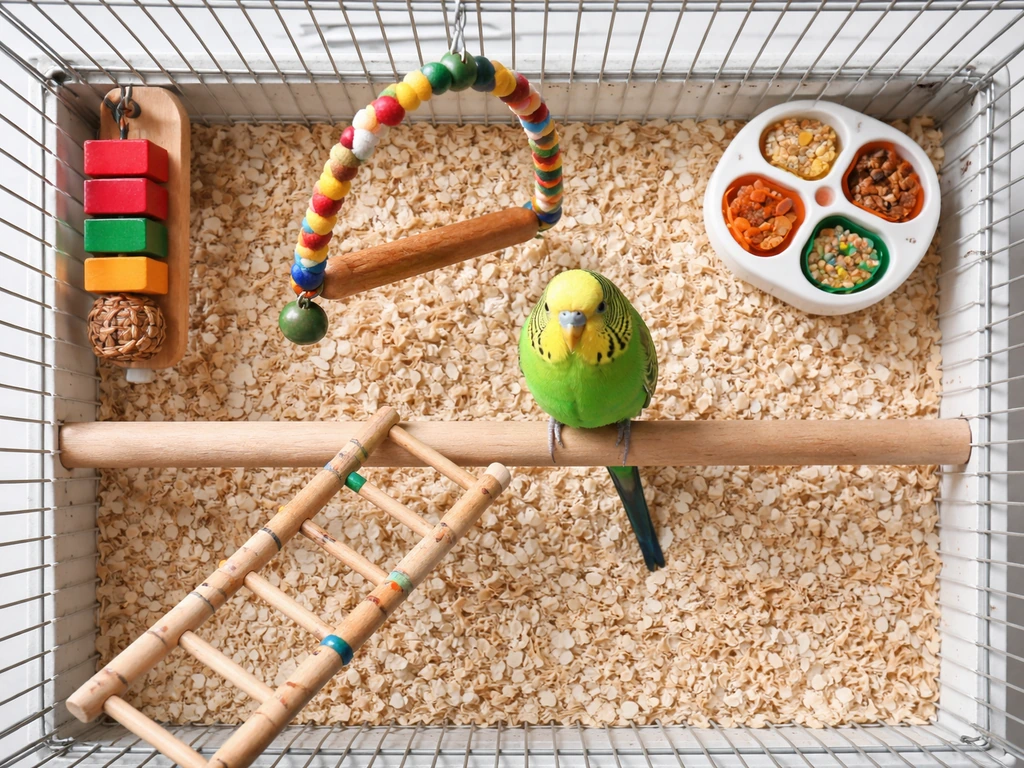
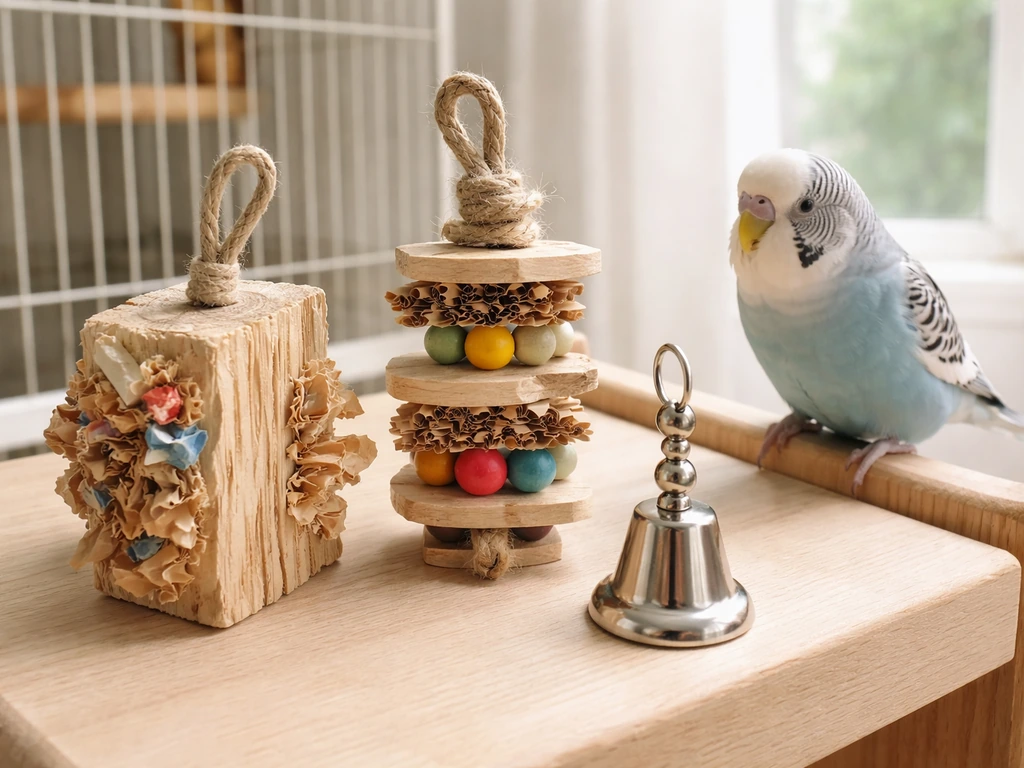
Use natural wood perches of varying diameters. Small birds need different perch thicknesses to exercise their feet and prevent pressure sores. Vary the height and position so the bird can choose comfort level. Foraging toys, grass seed bundles, and shreddable materials give small birds the mental activity they need. A shallow dish of water for bathing is essential and doubles as enrichment because most small birds love it.
Daily routine
- Morning: Uncover the cage or open the aviary access panel, refresh water, spot-check for droppings and uneaten food, give fresh food.
- Midday: Check temperature and shade situation. In summer heat, make sure the bird has a shaded retreat and fresh cool water.
- Evening: Remove uneaten fresh food to prevent bacterial growth, close and latch all doors securely, cover indoor cages if your bird is used to a cover.
- Weekly: Clean and rotate perches, wipe down cage bars, inspect mesh and hardware for wear or damage.
- Monthly: Full scrub of enclosure with non-toxic disinfectant and hot water as recommended by VCA.
Indoor-outdoor transition safety
If your bird moves between an indoor cage and an outdoor aviary, keep the transition gradual, especially in spring and fall when temperature swings are largest. Start outdoor time on calm, warm days and bring the bird in before evening cools. Never move a bird directly from a warm indoor room to a cold outdoor enclosure.
Your practical setup checklist and next steps
Use this as your working list. Check each item off before your bird goes into the space.
| Task | What to do | Done? |
|---|---|---|
| Check local ordinances | Search your city/county for animal keeping permits and bird-specific rules | [ ] |
| Review HOA rules | Pull CC&Rs and look for animals/birds section, note noise and enclosure requirements | [ ] |
| Choose correct mesh | Buy 1/2 x 1/2 inch, 16-gauge galvanized hardware cloth for walls; verify opening size on spec sheet | [ ] |
| Size the enclosure | Minimum wingspan x 6 in length; bigger if housing multiple birds | [ ] |
| Install predator barriers | Bury wire apron 12 inches, cover full top, add double-door entry | [ ] |
| Add partial solid roof | Cover at least one-third of ceiling with weatherproof solid panel for rain and sun | [ ] |
| Position for weather | Sheltered from prevailing wind, not in all-day direct sun, not in a draft corridor | [ ] |
| Fit secure latches | Carabiner-style latches on all doors and access points | [ ] |
| Set up perches | At least 2-3 natural wood perches of varying diameters at different heights | [ ] |
| Add enrichment and bath dish | Foraging toy, shreddable material, shallow water dish for bathing | [ ] |
| Remove indoor air hazards | No nonstick cookware use near birds, no aerosols, no strong cleaners in shared air | [ ] |
| Establish cleaning schedule | Daily spot-clean, monthly full scrub with non-toxic disinfectant and hot water | [ ] |
| Plan indoor retreat | Have an indoor cage ready for cold snaps, storms, or disease-zone housing orders | [ ] |
Once you've worked through this list, you're in genuinely good shape. Most first-time setups fail on two things: mesh sizing and ignoring local rules. Get those right first, then layer in the enrichment and routine. If you want to go deeper on attracting and observing wild birds in your garden alongside your pet birds, a garden bird checklist is a natural companion resource. A printable backyard bird guide can also help you identify visitors and choose bird-safe plants and shelter garden bird checklist. And for more context on the broader outdoor garden environment, tips on tiny bird garden habitat design can help you think about planting and layout beyond the enclosure itself.
FAQ
When I search “tiny bird garden codes,” what should I ignore versus verify?
Those “unlock” snippets are usually not relevant to pet bird safety or legality. If you are trying to interpret tiny bird garden codes, start by separating (1) local permitting or enclosure rules, (2) manufacturer mesh or cage material specs, and (3) any disease-control housing requirements. Only the first two typically determine what you can build and what materials you can use.
Can HOA rules override local bird-keeping ordinances?
HOA CC&Rs often have stricter limits than city or county ordinances, especially for outdoor structures and “animal keeping.” Before you buy materials, confirm you can legally install an outdoor enclosure on your property, then check whether the HOA requires approvals for dimensions, visibility, or predator-proofing measures.
Do I need the same mesh size everywhere in an aviary?
In many setups, the cage mesh the bird can reach and the outer predator barrier mesh must meet different protection goals. Use the smaller opening size and appropriate wire gauge on all surfaces the bird might touch, then use predator-proofing specs on the outer barrier to reduce damage from cats, hawks, or rodents.
If two products list the same mesh opening, will they work the same for tiny birds?
Yes, because “1/2 x 1/2 inch” is not the only variable. Two products can share similar opening measurements but differ in wire gauge, coating quality, and how the mesh is fastened. Verify both mesh opening size and wire gauge from the specification sheet, and confirm the supplier identifies it for bird or predator barrier use.
What are the most common “weak spots” that bypass predator-proof mesh?
Mesh alone is not always enough, especially at entry points. Seal gaps where doors meet frames, cover any soffits or vents, and prevent birds from pushing through hardware cloth edges by using overlapping seams and secure attachment (not just staples or loose zip ties).
How do bird flu or disease-control rules change outdoor aviary requirements?
Many regions treat aviary requirements differently during avian influenza alerts. Even if your everyday rules allow outdoor housing, disease zones can require bringing birds indoors or restricting outdoor contact. Check your state or national agriculture updates during outbreaks, not just your usual local ordinance.
Should I size the aviary only for the bird’s current body size?
Don’t base the plan only on your bird’s current size. Small birds can grow quickly and may also need access to perches and space that reduces stress. Choose an enclosure size that supports full wing spread, then add extra margin for growth and for at least two perch levels.
How can I protect tiny birds from wind and driving rain without fully enclosing the aviary?
A partially solid, partially mesh roof approach helps, but you still need to prevent direct wind and blowing rain from reaching the bird. Plan a windward solid section and a dry retreat area, then confirm water can drain away from the enclosure instead of pooling against mesh.
What is a safe way to acclimate a bird from indoor life to outdoor housing?
Accurate acclimation matters. Start outdoor time on calmer, warmer days, increase exposure gradually, and avoid moving birds directly from a heated indoor space to cold outdoor air. If your birds show stress behaviors or huddling, shorten outdoor sessions and adjust positioning away from cold drafts.
What temperature mistakes trip people up when placing outdoor aviaries?
Yes. Temperature and humidity swings can affect birds even when it does not feel “freezing” to people. Use wind shielding, avoid placing the enclosure in full afternoon sun with no shade, and monitor conditions during HVAC-driven temperature drops nearby.
Is a bathing dish still safe in an outdoor enclosure during cooler weather?
Use food and water items that won’t become chilling hazards. Shallow bathing dishes can be enrichment, but in cool weather they can lower body temperature if birds stay wet. In colder or windy conditions, provide bathing on warmer parts of the day and keep a dry, sheltered area available.
Do outdoor bird permits depend on the species, not just the fact that it’s a small bird?
Permits and licensing can depend on species type and whether you are effectively keeping aviary or game birds versus pet birds. If your jurisdiction mentions pigeons, aviary game birds, or similar categories, treat that as a red flag to confirm your specific species classification before you build.
What should I do if I get conflicting guidance from different sources?
If you find conflicting information, use primary sources first (municipality animal services or planning, HOA governing documents, and your supplier’s specification sheet). When uncertainty remains, call animal services or the relevant agriculture office with your enclosure dimensions, mesh opening size, and wire gauge so they can confirm compliance for your exact setup.