For most first-time breeders, budgerigars (budgies), cockatiels, lovebirds, zebra finches, and canaries are the best birds to start with. They're prolific, well-studied, widely available, and forgiving of beginner mistakes compared to larger parrots. If you're new to breeding, bird breeding for beginners resources can help you set realistic expectations and plan for the care required. If I had to pick one species for a complete novice, I'd say budgies or cockatiels: both are hardy, breed reliably in modest setups, and have a deep community of experienced keepers you can lean on when something goes sideways.
Best Bird for Breeding: Beginner Options and Steps
Marcus Chen
24 Apr 2026
What breeding actually looks like for pet birds (set your expectations now)
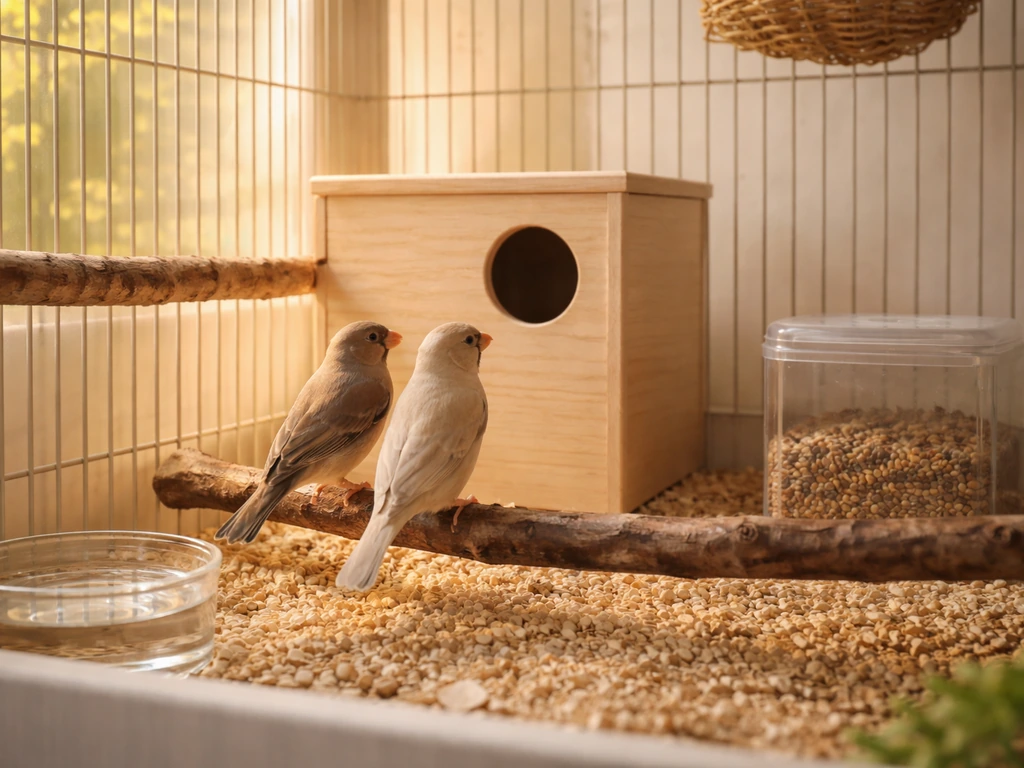
Breeding pet birds at home is not a passive hobby. You're not just putting two birds in a cage and waiting. You're managing pair compatibility, diet, nest conditions, egg viability, chick development, and eventual placement of the babies. Some clutches fail entirely. Some hens become egg bound, which is a life-threatening emergency. Some chicks don't survive their first week. I'm not saying this to scare you off, but because the people who go in expecting a simple, automatic process are the ones who end up overwhelmed or, worse, with sick birds they're not equipped to help.
In a home pet-bird context, a "breeding attempt" typically involves: confirming a true male-female pair, setting up an appropriately sized cage or aviary with a nest box, adjusting diet to support egg production, monitoring egg laying and incubation, and then rearing chicks through to weaning before placing them in new homes or keeping them yourself. That whole cycle, from first egg to fully weaned chick, takes anywhere from about six weeks for canaries to nearly two months for lovebirds. Plan your time and space accordingly.
There's also a legal and ethical layer worth naming upfront. In the US, the USDA APHIS published updated bird welfare standards in early 2023, and depending on the scale of your operation, you may need to look into whether licensing or registration applies to you. The ASPCA and the Avian Welfare Coalition both encourage checking that all birds are fully weaned before placement, and both organizations ask breeders to think carefully about whether they're adding to an already strained pet-bird population. Breeding responsibly means having a plan for every single chick before the eggs even hatch.
The best bird species for first-time breeding
Here's a practical breakdown of the five species I'd actually recommend to a beginner, with honest notes on what makes each one a good or complicated choice. If you're looking for bird breeds for beginners specifically, start by matching your space and time to species known to breed reliably at a basic level.
| Species | Clutch Size | Incubation Period | Weaning Age | Noise Level | Best For |
|---|---|---|---|---|---|
| Budgerigar (Budgie) | 4–6 eggs | 17–19 days | 6–8 weeks | Low–moderate | Absolute beginners, small spaces |
| Cockatiel | 4–7 eggs | 18–21 days | 8–10 weeks | Moderate | Beginners with slightly more space |
| Lovebird | 4–8 eggs | 22–23 days | 7–8 weeks | Moderate–high | Beginners who want a more hands-on challenge |
| Zebra Finch | 4–6 eggs | 12–15 days | 3–4 weeks | Low | Hands-off observers; small spaces |
| Canary | 3–5 eggs | ~14 days | 4–5 weeks | Low (males sing) | Solo breeders; visual appeal |
Budgerigars
Budgies are the classic beginner breeding bird for good reason. They're small, inexpensive, easy to sex visually (the cere color is your guide), and they take well to nest boxes without much coaxing. The Budgerigar Society recommends waiting until hens are at least 12 months old and cocks at least 10 months before pairing, which is worth taking seriously because early breeding strains young hens and produces weaker clutches. Budgie chicks typically fledge around the fifth week and are fully weaned between six and eight weeks, which means turnaround is manageable even for a first attempt.
Cockatiels
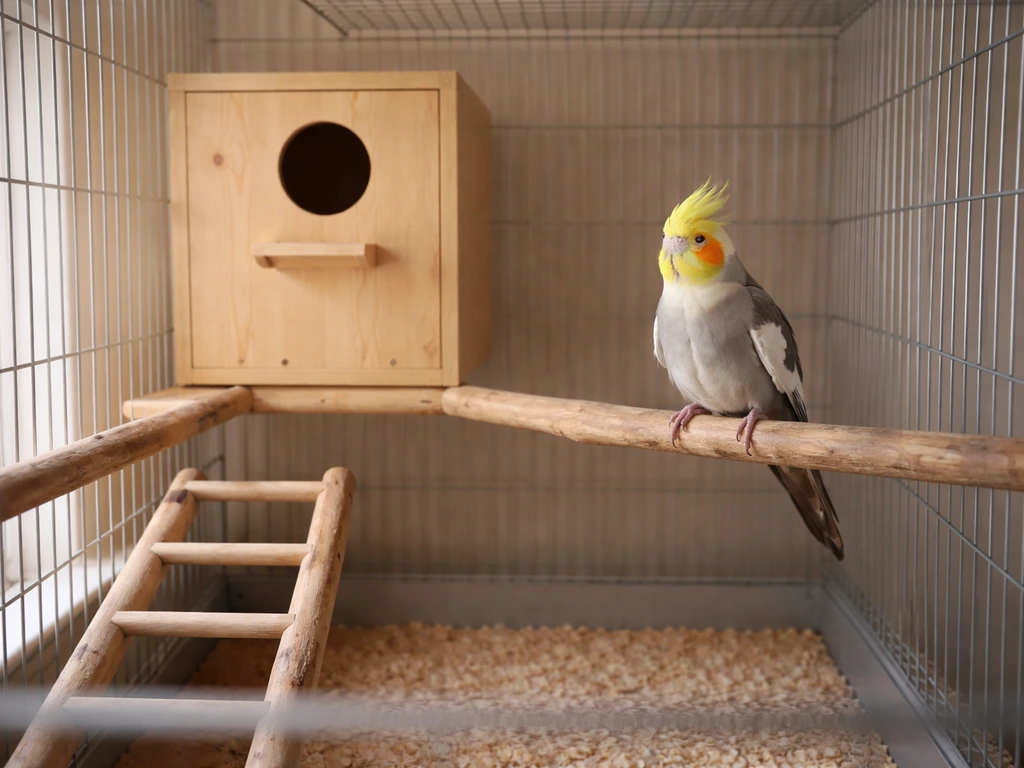
Cockatiels are my personal recommendation if you want birds that are also enjoyable to interact with outside of breeding season. They're calm, they bond well with people, and their incubation behavior is predictable: eggs are laid on alternate days, and true incubation doesn't begin until the last egg is laid, so you can track the timeline cleanly. A typical clutch is 4 to 7 eggs, with an 18 to 21 day incubation period. That steady rhythm makes it much easier to know when to be alert for problems.
Lovebirds
Lovebirds are enthusiastic breeders but need more careful management. They can be aggressive toward each other if incompatible, so pairing chemistry matters more than with budgies or cockatiels. Clutch size ranges from about 4 to 8 eggs, incubation runs roughly 22 to 23 days, and fledging happens around 35 to 44 days after hatching. The lovebird breeding setup deserves its own attention: nest box dimensions and material access (they're famous for tucking nesting material in their feathers) are both critical. If this interests you, diving into a dedicated lovebird breeding setup guide before you start is well worth the time.
Zebra finches and canaries
These two are excellent if you want a more hands-off observation experience. Zebra finches breed readily but pair chemistry can be variable: not every male will impress his hen, and forced pairings often fail. Canaries have a straightforward 14-day incubation and will readily use provided nesting materials like coconut fibre. The important note with canaries is that only the hen incubates, so you can keep the male separated after mating if needed. Neither finches nor canaries are good candidates for hand-rearing as a beginner, since their chicks are extremely delicate.
Choosing the right breeding setup: space, cages, and nest boxes
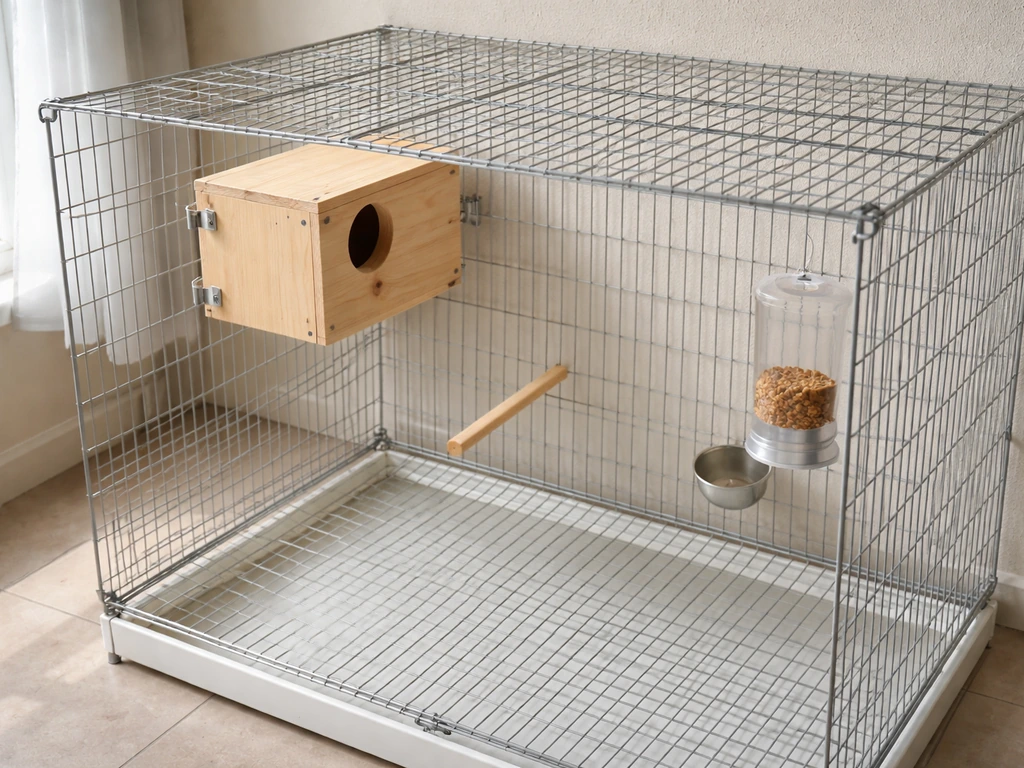
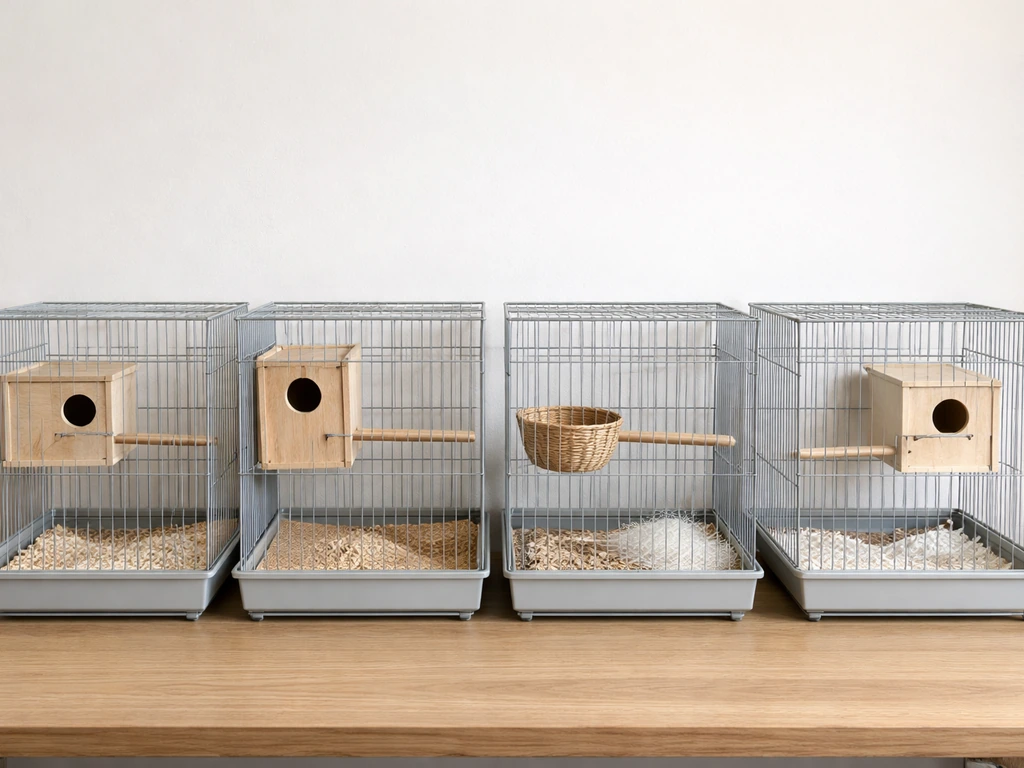
The cage or aviary you use directly affects whether your birds feel safe enough to breed. Stressed birds don't breed consistently, and cramped conditions are one of the most common reasons first-time attempts fail. For budgies, a dedicated breeding cage of at least 24 inches wide x 16 inches deep x 16 inches tall per pair is a practical starting point, with a horizontal nest box mounted on the outside to preserve interior space. For cockatiels, go bigger: at least 24 x 24 x 36 inches per pair is a reasonable minimum, with an upright nest box (roughly 12 x 12 x 12 inches) positioned high in the cage.
Nest box placement matters more than most beginner guides admit. The entry hole should give the hen a degree of privacy during incubation, positioned so she isn't startled every time you approach. Line the base of the nest box with a shallow concave insert (for budgies and cockatiels) or appropriate nesting material so eggs don't roll. Lovebirds specifically need strips of palm fronds, willow, or similar bark to build their own nest, and providing that material is non-negotiable for successful rearing.
If you're planning to breed more than one pair at a time, or want to try finches in a colony setup, an aviary gives you much more flexibility. The downside is it makes individual monitoring harder, which is risky when you're still learning to spot early signs of egg binding or chick distress. My advice for beginners: start with a single breeding pair in a dedicated cage before scaling up. A well-planned bird breeding setup also helps you manage pair compatibility and nest conditions without getting overwhelmed. A proper bird breeding setup deserves careful planning regardless of species.
Health, compatibility, and prep before you put a pair together
This is the step most beginners skip or rush, and it's the one that causes the most regret. Before you even think about introducing a breeding pair, both birds need a clean bill of health from an avian vet. That means a physical exam and ideally a fecal check for parasites. Psittacosis screening is worth discussing with your vet too: the CDC has specific testing protocols for avian specimens, and while it's not glamorous to think about, it's a real zoonotic risk and responsible breeders address it proactively.
Beyond health, check for age appropriateness. Zebra finches can reach puberty as early as two months old, but that doesn't mean they should breed that young. The Lafeber reproductive behavior guidelines flag early breeding in small parrots and finches as something to actively manage and prevent. For budgies, the minimum safe ages are 12 months for hens and 10 months for cocks. Cockatiels and lovebirds should similarly be at least 12 to 18 months before their first breeding attempt.
Compatibility isn't guaranteed just because you have a male and a female. Birds have preferences. If a pair is showing aggression rather than courtship behaviors (mutual preening, feeding each other, staying close), separate them and try a different pairing. Forcing incompatible birds together leads to injuries and failed clutches. Watch for at least two to four weeks of positive interaction before introducing the nest box, which effectively acts as the "go signal" for breeding attempts.
- Avian vet exam and parasite screening for both birds before pairing
- Confirm correct sexing (visual, DNA testing, or vet confirmation depending on species)
- Verify both birds meet minimum safe breeding age
- Two to four weeks of supervised introduction to confirm compatible behavior
- Calcium sources available: cuttlebone, mineral block, or calcium-fortified soft food
- Remove nest box until courtship behaviors are established
Step-by-step breeding timeline: from pairing to weaning
Every species has its own rhythm, but the general flow is consistent across beginner-friendly birds. Here's what a realistic timeline looks like using cockatiels as the primary example, with notes for budgies and lovebirds.
- Week 1–2 (Introduction phase): Place the pair in the breeding cage without the nest box. Observe for positive courtship. Feed a conditioning diet: higher protein and fresh vegetables alongside regular seed or pellets. Add cuttlebone and a mineral block immediately.
- Week 2–4 (Nest box introduction): Once courtship is consistent, mount the nest box. Watch for the hen inspecting the box, which is a strong signal she's ready. For cockatiels, you should see the male becoming more attentive and starting to feed the hen.
- Egg laying (Day 1 of clutch): The hen lays her first egg. In cockatiels, she'll lay on alternate days until the clutch is complete (typically 4–7 eggs). For lovebirds, expect 4–8 eggs on a similar alternate-day schedule. Do not disturb the nest box frequently during this period.
- Incubation begins (after last egg is laid): Cockatiels and lovebirds don't begin full incubation until the last egg is laid. Incubation runs 18–21 days for cockatiels and 22–23 days for lovebirds. Budgies are slightly shorter at 17–19 days. Mark your calendar from the day incubation begins.
- Hatching window: Candle the eggs gently around day 7 if you want to check fertility, but minimize disturbance. Expect staggered hatching mirroring the laying order. Have your avian vet's emergency number accessible from this point forward.
- Chick development (Week 1–3): Parents do most of the work. Ensure fresh soft food and protein sources are always available since the parents feed chicks crop milk and regurgitated food. Watch nest box opening for signs of parental neglect or aggression.
- Fledging (Week 4–5 for budgies, Week 5–6 for cockatiels and lovebirds): Chicks begin leaving the nest box. Provide accessible perches low in the cage and ensure food and water are reachable at multiple heights.
- Weaning (Week 6–8 for budgies, Week 8–10 for cockatiels, Week 7–8 for lovebirds): Chicks become fully independent. Do not separate chicks from parents before they are completely weaned. Place them in their own cage before introducing to new homes.
Feeding, environment, and enrichment during breeding

Diet during breeding season has to work harder than regular maintenance feeding. Egg production depletes calcium rapidly, and a hen on an inadequate diet is a hen at risk for egg binding or hypocalcemia. The Merck Veterinary Manual flags hypocalcemia as capable of causing wide-based stance, broody behavior changes, and even pathological fractures in breeding hens. Prevent it by making cuttlebone freely available at all times and offering calcium-rich soft foods like cooked egg, leafy greens, and fortified pellets in addition to seed.
Protein needs go up significantly during chick rearing. Egg food (hard-boiled egg mashed with a small amount of the shell or biscuit base) is a classic supplement that works well for budgies, cockatiels, and finches. Offer it fresh daily and remove any uneaten portion after a few hours to prevent spoilage. For lovebirds, cooked grains, corn, and sprouted seeds round out their rearing diet well.
Environment matters just as much as food. Keep temperature stable between 65 and 75 degrees Fahrenheit, avoid drafts, and maintain a photoperiod of 12 to 14 hours of light daily to support breeding behavior. Air quality is genuinely important: breeding birds and young chicks are sensitive to cooking fumes (especially from non-stick cookware), aerosols, candles, and cigarette smoke. Keep the breeding cage in a quiet, low-traffic room where the pair won't be startled constantly. Enrichment during breeding looks different than normal: skip anything that creates competition for nest-box space, but do offer foraging opportunities outside of incubation periods to keep the non-incubating bird occupied.
Common beginner mistakes, real risks, and when to stop
Egg binding is the emergency every new breeder needs to know about. A hen straining to pass an egg, sitting fluffed on the cage floor, or showing labored breathing needs an avian vet immediately, not a wait-and-see approach. It can be fatal within hours. According to the Merck Veterinary Manual, reproductive problems in pet birds also include egg yolk peritonitis, oviduct impaction, and cloacal prolapse: all serious conditions that require veterinary care, not home remedies you find on a forum.
Other common mistakes that trip up beginners include pairing birds that are too young, over-breeding a hen by allowing too many consecutive clutches (two clutches per year is a reasonable maximum for most small species), and neglecting to remove infertile eggs promptly after a reasonable incubation period, which leaves the hen sitting indefinitely and stressing her body. And please don't candle eggs obsessively or open the nest box multiple times a day: you risk chilling eggs, stressing the parents, and causing abandonment.
- Breeding birds under the minimum safe age
- Allowing more than two clutches per hen per year
- Using a nest box that's too small or poorly positioned
- Inadequate calcium supplementation leading to egg binding risk
- Frequent nest disturbance causing parental abandonment
- No avian vet contact established before breeding begins
- Pairing without a real compatibility observation period
- No plan for rehoming or housing chicks before eggs are laid
Know when to pause entirely. If a hen has had two failed clutches in a row, she needs rest, a vet check, and a dietary review before trying again. If a bird shows any signs of illness, remove the nest box and prioritize treatment. CDC notes psittacosis often presents as an upper respiratory tract infection, so it’s important to handle and clean around birds safely to reduce the risk to humans. Breeding a sick bird compounds the problem and puts chicks at risk before they even hatch.
What to do after the chicks hatch: weaning, housing, and responsible placement
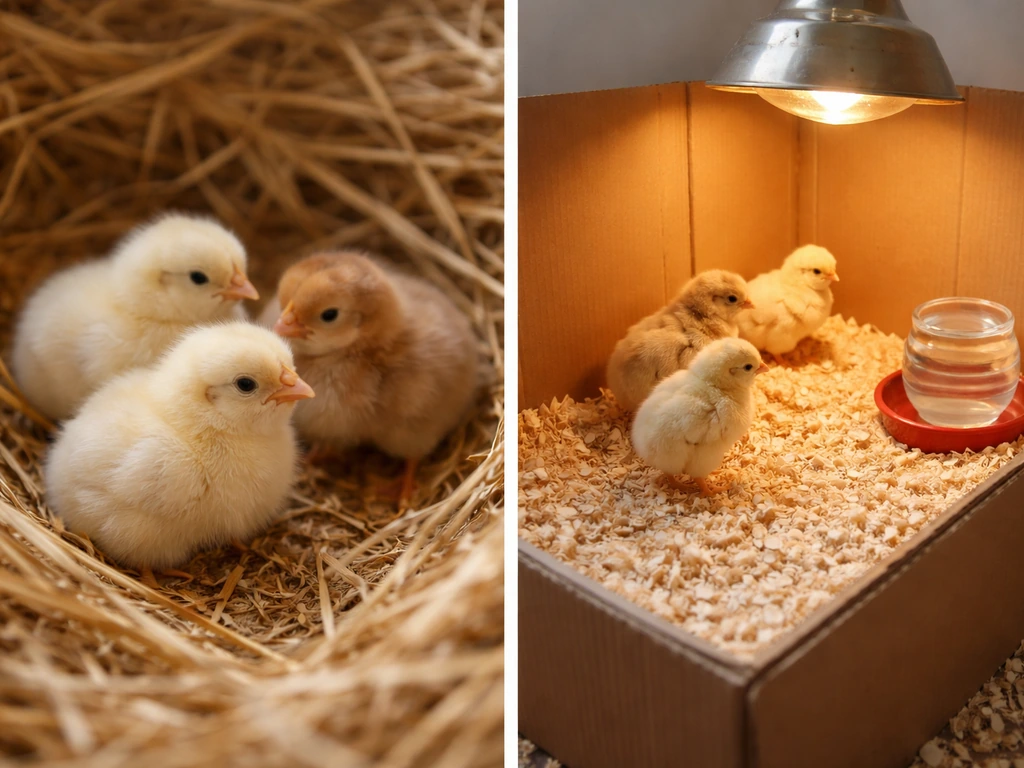
The post-hatching period is where responsible breeding really shows. The single most important rule: never separate chicks from their parents before they are fully weaned. The ASPCA's position explicitly states that birds should be completely weaned before placement, and this isn't just a welfare guideline, it's practical too. Prematurely weaned chicks develop poorly, have weaker immune systems, and are much harder to socialize successfully.
Once chicks are weaned, house them in their own cage separate from the breeding pair. This gives the parents a break and allows you to assess each chick's health, temperament, and socialization needs before they move on. Handle chicks daily during this period if you want them to be friendly pets for their new owners. Birds that are rarely handled during this window become significantly harder to tame later.
Finding good homes takes more effort than most people expect, especially for the more common species like budgies. Start lining up potential homes before the eggs even hatch. Be upfront with prospective owners about the species' care needs, and avoid placing chicks with anyone who hasn't thought through housing, diet, and the time commitment involved. The Avian Welfare Coalition advises researching any placement organization carefully and cautions against placing birds with people who intend to use them for further breeding without a clear, responsible plan. If you end up with more chicks than you can place, local bird clubs and reputable avian rescues are better options than rehoming apps or general classified ads.
One final note: if you find yourself wanting to expand beyond a single breeding pair, look into what the best bird incubator options are for your species, since hand-incubation gives you more control when parents abandon a clutch. And if you're curious about scaling up further, understanding what bird farming involves as a formal practice will help you think through whether that's a direction you actually want to go, and what the regulatory obligations look like at that scale. Bird farming is called commercial poultry farming, and it refers to organized breeding and raising operations at a larger scale. If you’re specifically looking to raise meat birds for food production, it helps to compare options like broilers and other dual-purpose breeds before you buy your first flock best meat bird to raise.
Quick-reference checklist before you start
- Choose a beginner-friendly species: budgerigar or cockatiel for most first-timers
- Confirm both birds are at minimum safe breeding age (12 months for hens, 10 months for cocks in budgies; 12–18 months for cockatiels and lovebirds)
- Schedule avian vet exams and parasite screening before pairing
- Set up a dedicated breeding cage with correct dimensions and an appropriately sized nest box
- Stock cuttlebone, mineral block, egg food, and fresh greens before introducing the nest box
- Observe the pair for two to four weeks of compatible courtship before introducing the nest box
- Mark your calendar on day one of incubation and know your expected hatch window
- Have your avian vet's emergency contact saved and a plan for egg-binding response
- Commit to keeping chicks until fully weaned before any placement
- Have homes lined up before eggs are laid, not after chicks hatch
FAQ
What is the best bird for breeding if I want the lowest risk of losing chicks?
Budgies and cockatiels are usually the safest starts because they are hardy and their breeding timelines are predictable, which makes it easier to notice problems early. Even then, you must keep nest checks minimal and provide correct temperature, calcium support, and a vet baseline exam before pairing.
Can I breed a bird pair more than once a year, or should I limit clutches?
For most small companion species, plan for no more than about two clutches per year, and pause earlier if the hen shows weight loss, poor appetite, or repeated clutch failure. After each clutch, reassess body condition and diet, and consider a vet check before attempting another cycle.
How do I tell if my eggs are infertile versus just not developing?
Avoid frequent egg handling, but do use a single, scheduled fertility check after a reasonable incubation window for your species. If eggs never show development by that point, remove them promptly so the hen is not stuck incubating indefinitely.
Is it okay to candle eggs often or to open the nest box multiple times to check on progress?
It’s not recommended. Opening the nest box can chill eggs, interrupt incubation behavior, and increase stress that may lead to abandonment. If you need to check, choose one carefully timed observation instead of repeated nest visits.
What should I do if my hen becomes broody but never lays, or she keeps straining?
Do not wait and see. Straining, labored breathing, fluffed sitting on the floor, or repeated attempts without laying are red flags for egg binding. Contact an avian vet immediately, and remove the nest box only if a vet instructs you to, since removal can worsen stress depending on the situation.
Can I let the birds free-breed in a larger cage or aviary to save space?
It can work for experienced keepers, but beginners usually do better with a dedicated single breeding pair setup. Group housing reduces your ability to monitor who is incubating, who is feeding, and which chicks need intervention, which raises the risk during the most delicate early days.
What is a good way to confirm real pair bonding before introducing the nest box?
Look for consistent courtship and bonding behavior, such as mutual preening and feeding, not just proximity. Give the pair time for a positive period (often a couple of weeks), then introduce the nest box as the “go signal” only when aggression is absent.
Do I have to use a male-female pair, or can I breed a single bird with another randomly?
Successful breeding depends on true compatibility, not only on sex. If the pair shows aggression or persistent chasing instead of courtship, separate them and try a different pairing, since forced pairing can injure birds and cause repeat clutch failure.
What age is safest for a first breeding attempt for budgies, cockatiels, and lovebirds?
Use species-specific minimums and don’t rush. Budgie hens should be at least 12 months, and budgie cocks at least 10 months. For cockatiels and lovebirds, aim for at least 12 to 18 months before the first attempt to reduce strain and improve clutch quality.
What diet mistake most commonly leads to breeding emergencies?
Inadequate calcium intake during egg production. Provide cuttlebone available at all times and add calcium-rich options such as cooked egg, leafy greens, and fortified pellets. Without this, hens are more vulnerable to hypocalcemia and egg-related complications.
Should I hand-feed chicks if parents seem uninterested?
Not as a beginner’s default. If parents abandon a clutch, you may need an incubator or specialist help depending on species, but the safest next step is to coordinate with an avian vet or an experienced aviculturist before attempting hand-rearing.
When can I separate chicks from their parents, and how soon can they be moved to a new home?
Do not separate chicks until they are fully weaned, because premature removal leads to weaker development and poorer taming outcomes. After weaning, move chicks to their own cage to monitor health and temperament, and only place them when the prospective owner can meet the full care needs.
What are the main reasons beginners end up overwhelmed mid-cycle?
Most overload comes from poor planning for time, space, and chick placement. Before eggs hatch, line up potential homes or a reputable rescue plan, and decide how you will handle additional cages for weaned chicks so you are not scrambling at the peak workload.
Do I need extra setup beyond a nest box, like specific nest materials?
Yes, nest material and nest box design can be make-or-break. For example, lovebirds often require suitable fibrous bark or palm fronds to build successfully, while budgies and cockatiels benefit from appropriate inserts that prevent eggs from rolling. Wrong materials can lead to failed rearing even when the birds are otherwise healthy.
Next Articles
Garden Bird Checklist: Wild Species, IDs, and Tracking Tips
Ready-to-use wild garden bird checklist with IDs, field marks, tracking tips, and a bird station setup for beginners.
Printable Backyard Bird Guide for Beginners and First IDs
Printable backyard bird guide for beginners: simple ID key, look-alikes, and a ready-to-fill checklist for backyard sigh
The Backyard Bird Lover’s Guide to Nesting and Feeding
Step by step guide to attract nesting birds with the right feeders, foods, water, safe placement, and beginner tips.