
Yes, you can pick up bird feathers, but you should not do it with bare hands, and you definitely should not bring a wild bird feather straight into your home without taking a few basic precautions first. The real risk is not the feather itself. It is what might be on it: bacteria, mites, dried secretions, or traces of droppings that can carry pathogens like Chlamydia psittaci (the bacteria behind psittacosis) or even avian influenza. If you have pet birds at home, the stakes are a little higher, because wild feathers can introduce things your birds have no immunity to.
Can You Pick Up Bird Feathers Safely? What to Do

Marcus Chen
23 Apr 2026
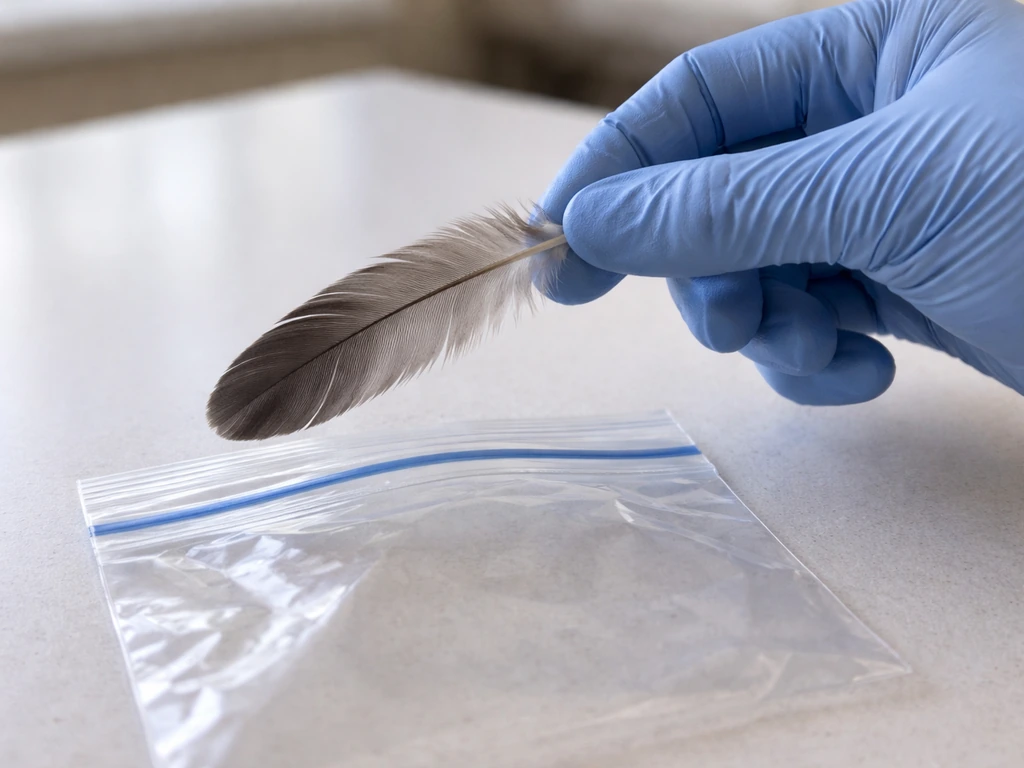
Is it actually safe to pick up bird feathers?
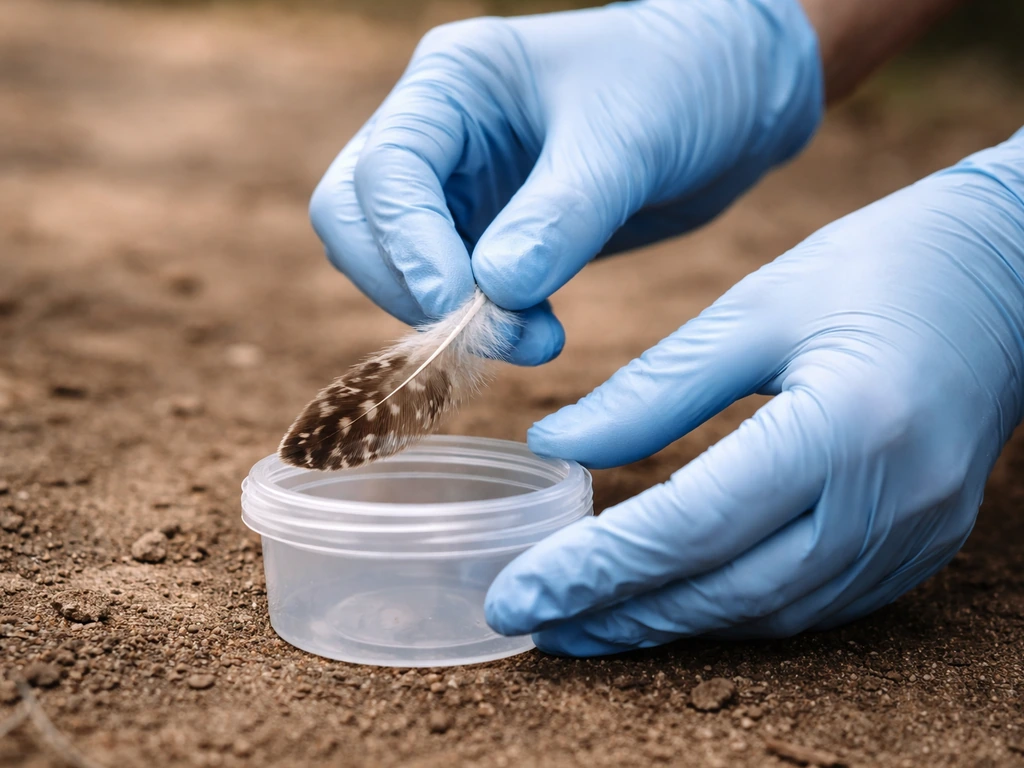
Physically picking one up will not immediately harm you. The risk is low for a healthy adult who handles it carefully and washes up afterward. But the CDC advises avoiding contact with wild birds altogether, including surfaces and materials contaminated with their saliva, mucus, or droppings. A feather that has been sitting on the ground outside has probably touched all three. Bird mites are another real concern: they can transfer to your hands and cause irritating bites even though they cannot reproduce on human blood. The word 'safe' really depends on what you do next.
Wild feather or indoor feather: the source changes everything
This is the question most people do not think to ask. For a quick reality check, also see what bird feathers can i keep before deciding whether that source is worth keeping. A feather your cockatiel dropped on the floor of your living room is a completely different situation from a blue jay feather you found by the bird feeder. One came from an animal you know, whose health history you track, and who lives in a controlled environment. The other came from a wild bird whose health status is completely unknown.
Wild bird feathers carry the full range of outdoor exposures: other birds, standing water, soil with potential fungal spores (histoplasma is a real thing to be aware of), and parasites. Feathers from your own healthy pet bird that molt naturally are much lower risk, though you should still wash your hands after handling them, and you should not toss them back into the cage without thinking about it. To make pens, manufacturers typically use materials derived from feathers, such as quills, rather than loose feathers themselves what pens are made from bird feathers. There is also a legal dimension to wild feathers that catches a lot of people off guard.
Under the Migratory Bird Treaty Act (16 U. S. C. § 703), it is actually illegal to possess feathers from most native North American wild birds without a permit, even if you just found one on the ground.
The U. S. Fish and Wildlife Service [enforces this](https://www. fws.
gov/law/migratory-bird-treaty-act-1918), and the list of protected species is long. So before you pocket that gorgeous hawk feather, know that keeping it could technically be a federal violation. The topic of which feathers you can legally keep is worth reading up on separately, and the same goes for understanding what permits are available if you have a specific need.
If you are trying to collect bird feathers for a specific use, looking into the permits available can help you do it legally and responsibly. If you are deciding whether you can collect bird feathers, keep in mind the legal and health cautions that apply to wild finds can you collect bird feathers.
The health risks: what you actually need to worry about
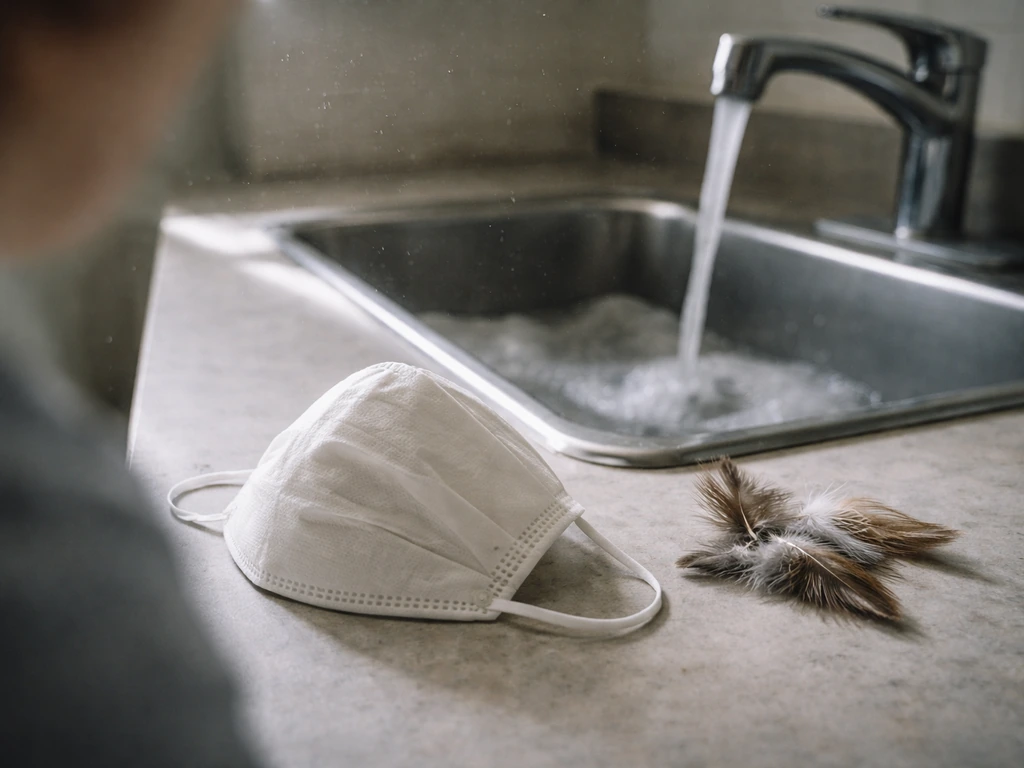
Here is the honest breakdown of what wild feathers can carry and how serious each risk actually is for a typical person handling one casually.
| Risk | How it spreads from feathers | Realistic concern level |
|---|---|---|
| Psittacosis (Chlamydia psittaci) | Breathing in dust from dried secretions or droppings on the feather | Moderate — especially if you shake or dry-handle the feather indoors |
| Avian influenza | Contact with saliva, mucus, or feces on contaminated surfaces/feathers | Low for most, higher if you have backyard flocks or handle many feathers |
| Histoplasmosis | Inhaling fungal spores aerosolized from disturbed droppings near feathers | Low from a single feather, higher in areas with heavy bird activity |
| Bird mites | Direct transfer from feather to skin | Low health risk but genuinely annoying — bites cause itching |
| Salmonella / other bacteria | Contaminated feather touching mouth or food prep surfaces | Moderate if hand hygiene is skipped |
The single biggest mistake I see people make is shaking a feather or tapping it against their hand to 'clean it off.' That is exactly the wrong move. The CDC is very clear that aerosolizing dried bird material is the main way psittacosis gets transmitted. Do not shake it, do not blow on it, and do not handle it near your face. The same reasoning applies to why you should never dry-sweep or vacuum up bird droppings.
How to handle a feather and clean up after
The process is straightforward. You do not need a hazmat suit, but you do need to be deliberate about it.
- Use gloves if you have them. Disposable nitrile gloves are ideal. If you are caught without gloves and want to pick something up, use a plastic bag turned inside out over your hand.
- Pick it up gently and without shaking it. Place it directly into a sealed zip-lock bag.
- Remove your gloves by turning them inside out so the contaminated surface stays contained. Bag those too.
- Wash your hands with soap and running water for at least 20 seconds. This is the step the CDC specifically emphasizes for anyone who handles birds or bird-related materials.
- If you touched any surfaces (car door, phone, bag strap) between picking it up and washing your hands, wipe those down with a disinfectant wipe.
- Change your clothes before interacting with your pet bird, especially if you were in an area with heavy bird activity.
If you want to keep the feather for display or a craft project, the safest approach is to leave it sealed in the bag for 48 hours, then handle it with gloves in a well-ventilated space. Some people try to sanitize feathers by rinsing or using diluted disinfectant, but be aware that this can damage the feather structure significantly. Heat treatment (like a low oven) is sometimes suggested online but can cause feathers to curl or become brittle. For most pet bird owners, the honest advice is: if it is a wild feather, weigh whether keeping it is worth the effort and the legal risk.
Feathers and your pet bird: storage, display, and cage safety
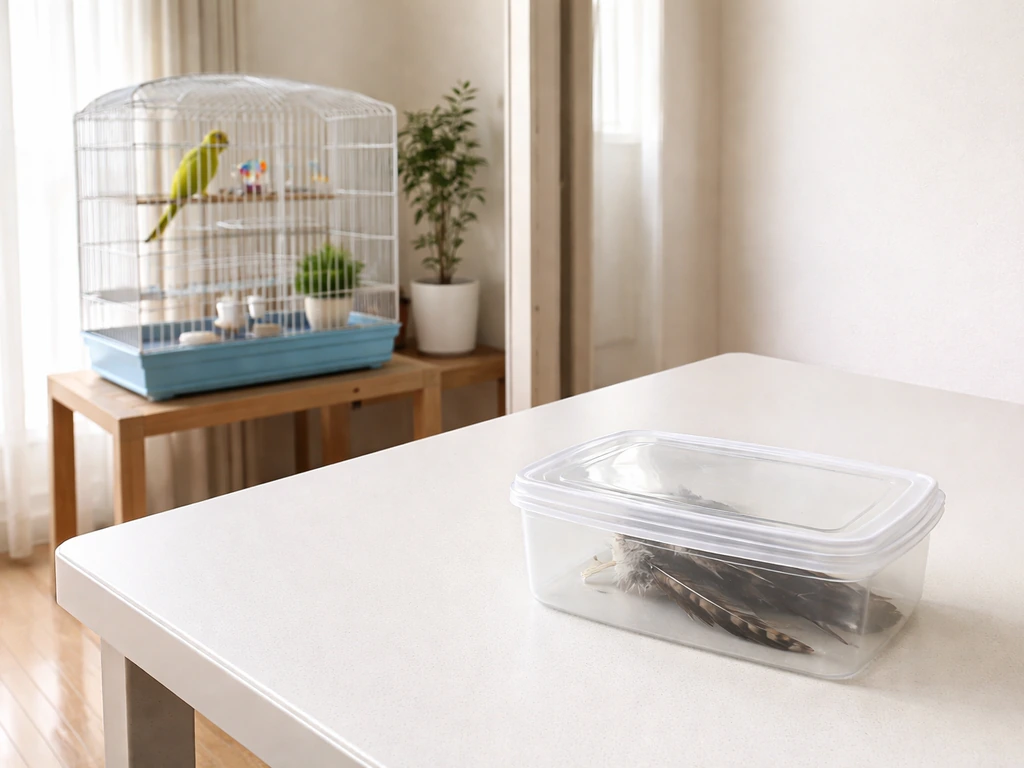
If you keep wild feathers in a home with pet birds, you need to treat them like you would any item with unknown contamination. Never place a wild feather inside or directly next to a bird's cage. Wild feathers can carry parasites or pathogens your pet bird has never been exposed to and has no resistance to. The risk is real enough that I would not even display a wild feather in the same room as an open cage unless it has been fully sealed (framed behind glass, for example).
Feathers your own bird has naturally molted are a different story. You can safely collect and store those. Keep them in a dry, sealed container away from the cage to avoid reintroducing dust into the bird's breathing space. Bird air quality is genuinely important: pet birds have highly sensitive respiratory systems, and feather dust plus dander accumulates faster than most new owners expect. Storing loose feathers in a closed container rather than leaving them on a shelf helps keep that dust level down.
- Never put wild feathers inside a bird cage or run them along cage bars
- Display wild feathers in sealed frames or in rooms where your bird has no access
- Store your own pet bird's molted feathers in a sealed container, not loose on a shelf
- Wash your hands before handling your bird after touching any stored feathers
- Do not use feathers as enrichment toys for your pet bird unless you know their exact origin and they have been properly cleaned
When the feather looks wrong: sick bird signals and who to call
If you found the feather near a dead or obviously sick bird, do not pick up the feather at all with bare hands, and honestly reconsider picking it up at all. The CDC recommends avoiding bare-handed contact with any dead wild animal. If you are finding multiple dead birds in the same area over a short period, that is a potential disease outbreak situation and your state wildlife agency wants to know about it.
The U.S. Geological Survey recommends contacting your closest state or federal wildlife agency if you find sick or dead wildlife, and also suggests reaching out to your local health department. California's Wildlife Health Lab, as one example of a state-level resource, actively encourages the public to report bird deaths because it helps track outbreaks like West Nile virus and avian influenza. Most states have a similar reporting line. Do not try to treat or rehabilitate a sick wild bird yourself. Contact a licensed wildlife rehabilitator instead.
Signs that a feather may have come from a sick bird include: unusual coloring or texture that does not match typical molting patterns, a strong foul odor, visible mites or insects still present on the feather, or a feather that looks wet with discharge rather than just damp from rain. If you see any of these, bag it with gloves and leave it sealed, or skip picking it up entirely.
Your next steps as a beginner bird owner
If you are new to bird ownership and found this because you picked up a feather and are now wondering what to do, here is the short version: wash your hands right now if you have not already, do not touch your bird or their cage until you do, and bag the feather if you kept it. The CDC recommends washing your hands with soap and water and scrubbing for at least 20 seconds wash your hands right now. You are probably fine. Just do not make a habit of handling wild feathers casually around your pet birds.
For the bigger picture, it is worth getting familiar with which feathers you can legally collect and keep, since the rules are more restrictive than most people realize. The legal side of feather collecting and what permits exist for specific uses are genuinely useful things to understand before you start a collection. For now, here is a simple checklist to keep on hand.
Quick reference checklist: picking up a feather safely
- Use gloves or a bag turned inside out — do not use bare hands
- Do not shake, blow on, or tap the feather to clean it
- Place it directly into a sealed zip-lock bag
- Wash your hands with soap and water for 20+ seconds immediately after
- Wipe down any surfaces you touched before washing your hands
- Change clothes before interacting with pet birds if you were near heavy bird activity
- Never place wild feathers in or near a pet bird's cage
- If the feather was near a sick or dead bird, contact your state wildlife agency
- Check the legal status of the feather before keeping it — most wild native bird feathers are federally protected
- Store any feathers you keep in sealed containers away from your bird's living space
FAQ
What should I do immediately if I picked up a wild bird feather and now I’m worried?
If you have touched a wild feather, wash your hands with soap and water right away, avoid rubbing your face, and do not let it contact your pet bird or the bird cage area. If the feather was on your clothing, change the clothes or bag them until you can launder them separately. If you wear gloves, remove them carefully (without snapping or shaking) and discard them, then wash hands again.
Are gloves enough to make picking up a bird feather safe?
Yes, gloves reduce direct contact risk, but they do not eliminate inhalation risk from aerosolized dried material. Do not shake, blow, or brush the feather off, and keep it away from your face while bagging it. For a pet-bird home, treat it as contaminated and keep it sealed until you decide what to do with it.
Can I vacuum or dry-sweep to clean up after finding feathers?
Do not use a regular home vacuum to clean up feather bits or droppings, because it can spread fine particles into the air. Use a method that avoids disturbing material, for example, careful scooping with a disposable tool into a bag, then wash the area after. If you already vacuumed, ventilate the room and avoid having pet birds in that space until it is settled and cleaned.
How long should I wait after finding a wild feather before handling it for a craft or display?
If a feather was sealed in a bag and left undisturbed for 48 hours, you can handle it with gloves in a well-ventilated area for display or craft. But you should still avoid bringing it near open bird cages, and you should not store it loosely in a way that lets feather dust circulate. Framing behind glass is a practical way to prevent particles from becoming airborne.
Are feathers from my pet bird always safe to store and handle?
Molted feathers from your own bird are generally lower risk, but not risk-free. Dust and dander can build up quickly around sensitive pet birds, so store feathers in a dry sealed container away from the cage. If your bird has been ill recently or you see abnormal molt patterns, do not reuse or store feathers for crafts indoors near your birds.
What’s the best way to handle a feather if I have pet birds and I found a wild one nearby?
If you are finding feathers because you have pet birds, the best move is prevention, do not allow any wild feathers in the same room as an open cage. Keep the bird out of the area while you manage cleanup, and focus on hand hygiene and removing the feather without agitation. After cleanup, change into fresh clothes if you were heavily exposed.
Can I sanitize a wild feather with heat or disinfectant so it’s safe to display?
Heat or chemical “sanitizing” can damage feather structure, and some methods can increase brittleness or shedding later, which can be worse for dust control around birds. If you choose to treat anything beyond sealing, use a method that does not aerosolize material and does not create residue. In most casual situations, leaving it sealed and handling it minimally is the safer decision.
What if the feather is near a dead or sick bird, can I still pick it up?
If the feather came from an area where birds are sick or dead, or if you notice signs like strong foul odor, visible mites, or wet-looking discharge, skip bare-handed contact and keep it sealed or double-bagged. Report sick or dead wildlife to your state or federal wildlife agency, and do not attempt rehabilitation yourself. If multiple birds are involved in a short period, treat it as a potential outbreak.
If I found a feather, how can I tell whether it’s legal to keep it?
Legal possession is species-dependent and rules are stricter than many people expect. Even “found on the ground” can still be protected under the Migratory Bird Treaty Act for most native North American species. If you plan to keep or sell feathers, check the specific species and whether permits apply to your intended use before collecting more.
What’s the safest way to store wild feathers at home if I decide to keep them anyway?
For craft storage, the goal is containment. Use a dry, sealed container (not a porous box left open on a shelf), label it as “wild” if applicable, and keep it away from HVAC airflow that reaches your pet bird’s breathing space. When handling, glove up and work in a ventilated area, then wash hands and store it immediately.
Next Articles
Garden Bird Checklist: Wild Species, IDs, and Tracking Tips
Ready-to-use wild garden bird checklist with IDs, field marks, tracking tips, and a bird station setup for beginners.
Printable Backyard Bird Guide for Beginners and First IDs
Printable backyard bird guide for beginners: simple ID key, look-alikes, and a ready-to-fill checklist for backyard sigh
The Backyard Bird Lover’s Guide to Nesting and Feeding
Step by step guide to attract nesting birds with the right feeders, foods, water, safe placement, and beginner tips.