
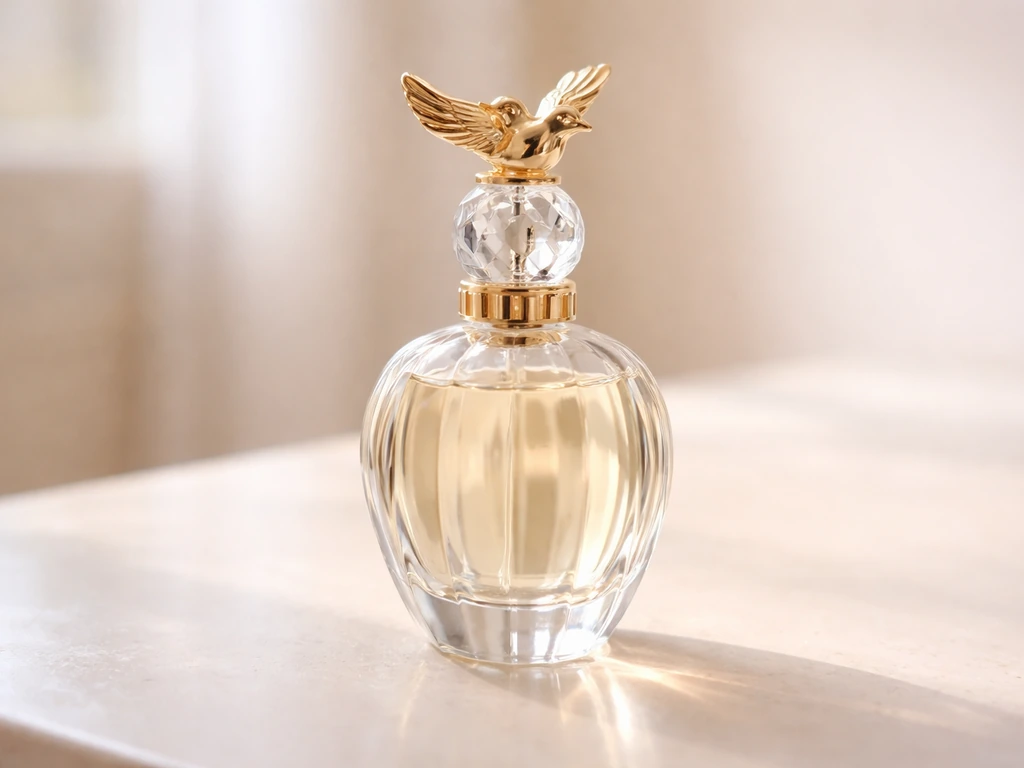
If you're searching for a perfume bottle with a bird on top, you already know the frustrating part: the listings are all over the place. Some sellers call it a 'bird stopper,' others say 'bird topper,' and a few just call it 'vintage glass bottle with figurine.' What you need is a clear way to identify exactly what you're looking at, where to find it today, and how to avoid wasting money on a replica or a misdescribed piece. I'll walk you through all of that, plus some important notes if you're a bird owner about how to use any new fragrance safely around your pet.
Perfume Bottle with Bird on Top: Buying Guide

Marcus Chen
18 Apr 2026
How to identify the exact bottle you're looking for
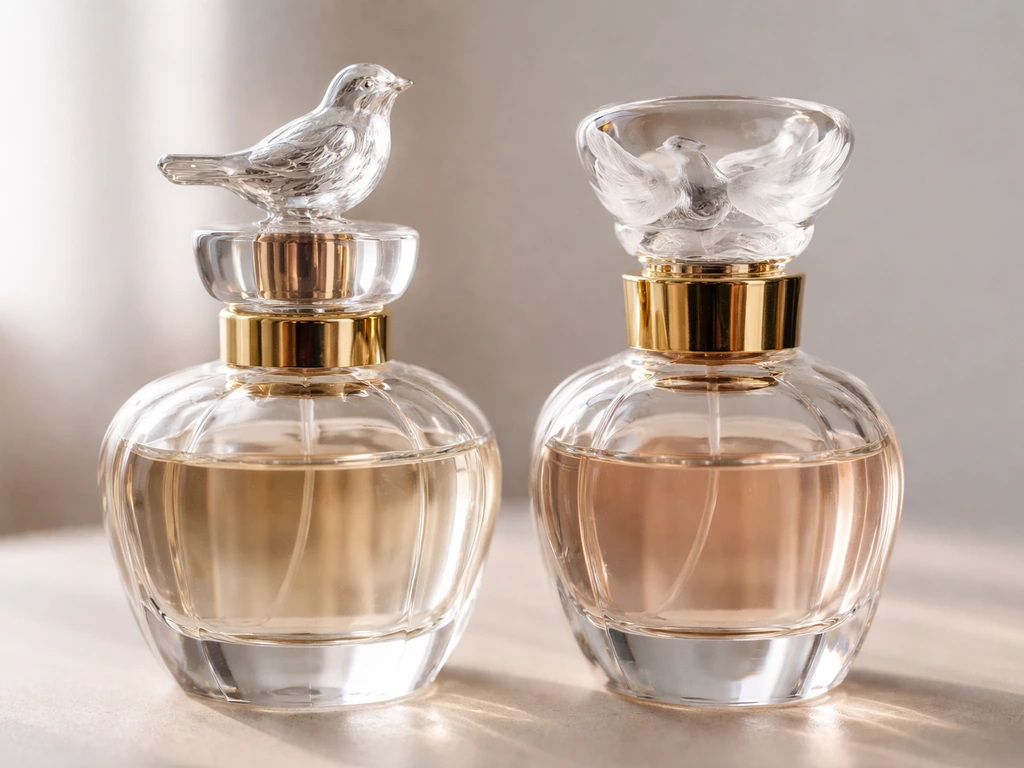
Start with the bird itself. Is it a three-dimensional figure sitting on top of the stopper, or is it a flat, frosted, or etched design wrapping around the bottle's body? These are two very different things. A true 'bird topper' bottle has a sculptural bird (sometimes a dove, peacock, swan, or parrot) that forms the stopper or crown of the bottle. A 'bird motif' bottle uses the bird as decoration on the glass but may have a plain stopper. Knowing which one you want will cut your search time significantly.
Look at the bottle's silhouette next. Is it a tall, slender atomizer with a bulb pump, or a squat, round dauber bottle with an internal wand? Atomizers have threaded metal components and a bell-shaped or cylindrical reservoir, while dauber bottles rely on the stopper itself for application. The International Perfume Bottle Association organizes bird collectibles across categories including art glass, commercial bottles, Victorian pieces, atomizers, and vanity items, so mentally placing your bottle in one of those categories before you search will make your results much more targeted.
Brand clues matter enormously for valuation and authenticity. The most commonly referenced names in collector markets are Lalique (which uses acid-etched 'LALIQUE FRANCE' marks and hand-etched numbering on the underside), DeVilbiss (identifiable by specific atomizer hardware and maker marks), and Murano-style art glass makers (usually unsigned but described by material and technique). One iconic example you'll encounter repeatedly is Nina Ricci's L'Air du Temps, which features twin doves on the stopper and has specific dating clues like a plastic band at the stopper neck on early-1960s versions. A Lalique auction listing will typically read something like 'faceted glass with a band of frosted glass birds, etched Lalique France to underside,' so train your eye to look for that kind of language.
- Bird type on the stopper: dove, peacock, swan, parrot, hummingbird, or abstract bird shape
- Stopper style: figural (3D sculpture) vs. flat/frosted/etched bird design
- Bottle function: atomizer (spray pump) vs. dauber (internal wand) vs. decorative-only
- Maker marks: check the underside for acid-etched, engraved, or painted signatures
- Material: clear blown glass, pressed/crystal glass, porcelain body, or art glass
- Hardware details: threaded metal collar, gilt-metal mount, magnetic screwed top
Where to look right now
Etsy is your best starting point for breadth. Search 'bird stopper perfume bottle' or 'birds perfume bottle' and you'll find everything from handmade artisan pieces to vintage collectibles. Sellers on Etsy tend to use highly descriptive titles like 'Beautiful Bird Stopper Perfume Bottle' or 'Bird with Outstretched Wings Crystal Bottle,' which makes filtering easier. Mercari is the next stop, especially for unbranded or mass-market vintage finds. Listings there often include the height (like '6.5 inches tall') and will say 'unbranded' for the brand field, which is a signal that you're looking at a decorative collectible rather than a named designer piece.
For higher-end or authenticated pieces, 1stDibs is worth the browse. Their listings use premium language like 'Rare Art Deco Cranberry Red to Crystal Perfume Bottle' with 'Bird on Tree' and 'magnetic screwed top' details. Prices are higher but the seller descriptions are usually more complete. Selkirk Auctions and similar auction houses list pieces with full provenance notes and photos of maker marks, which is ideal when you want to be sure of what you're buying. iCollector's auction database also shows sold price estimates (one glass bird perfume bottle sold in the $25 to $50 range), which is useful for calibrating what fair market looks like before you shop.
For the deepest inventory of bird-themed bottles specifically, visit the International Perfume Bottle Association's 'Let's Go Birdwatching!' virtual collection. It's organized by type, shows examples like 'Green Bottle With Peacock Stopper,' and gives you a visual vocabulary for what these bottles actually look like. Use it as an identification reference even if you're buying elsewhere. If you're stuck on a specific bottle, try reverse image search: take the clearest photo from a listing and drop it into Google Images or Bing Visual Search. You'll often find the same bottle sold elsewhere, sometimes with better photos or a lower price.
Search terms that actually work
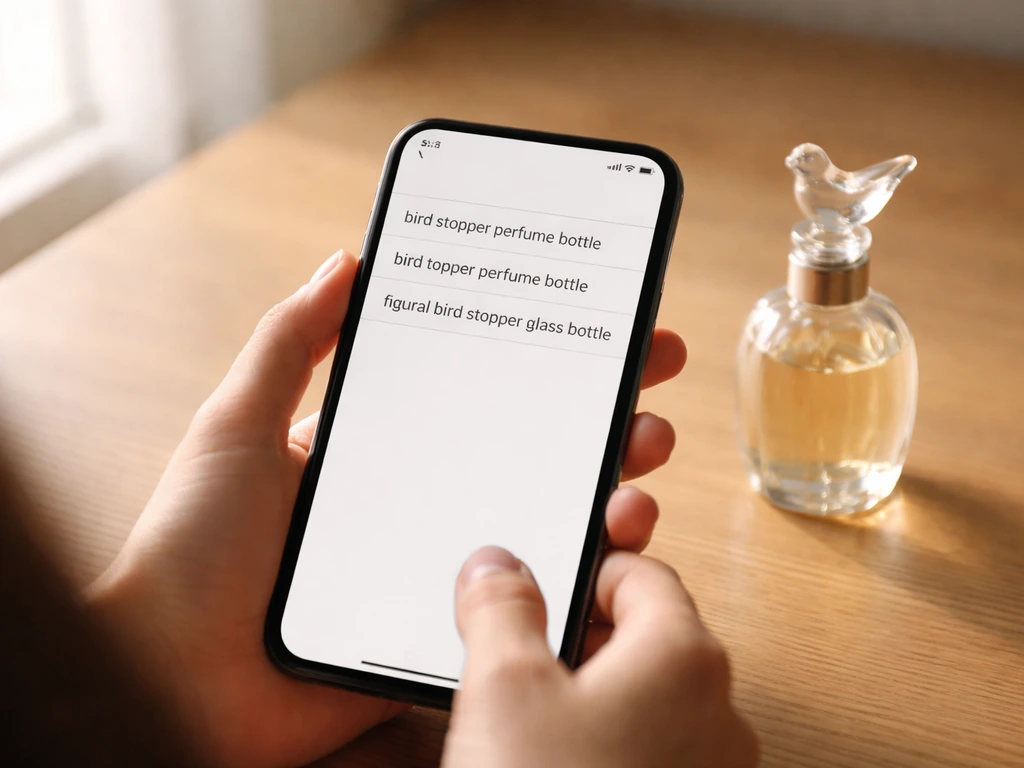
- 'Bird stopper perfume bottle' (highest-yield term on Mercari and Etsy)
- 'Bird topper perfume bottle' (good for artisan and handmade listings)
- 'Figural bird stopper glass bottle' (narrows to sculptural 3D bird tops)
- 'Peacock stopper perfume bottle' or 'dove stopper perfume bottle' (use the specific bird species if you know it)
- 'Lalique bird perfume bottle' or 'DeVilbiss atomizer bird' (for named brands)
- 'Murano-style art glass bird stopper' (for Italian-influenced blown glass)
Authenticity vs. replicas: what to check before you pay
This is where most buyers make expensive mistakes. The first thing to check is the maker mark. On Lalique pieces specifically, the mark should be acid-etched (not painted or printed) and reads 'LALIQUE FRANCE' on the underside. Some authentic pieces also have a hand-etched number. If a seller claims it's Lalique but can't show a clear photo of the underside mark, that's a red flag. For porcelain-bodied bottles, look for an inscribed base with maker information, similar to the level of detail documented in museum collections.
On commercial or newer bottles, check for a matching serial or batch code on both the box and the bottle itself. A missing or mismatched code is one of the clearest signs of a replica. Font quality matters too: authentic bottles from established brands have clean, consistent engraving or printing. Blurry, pixelated, or uneven fonts in the listing photos are a warning sign. Ask the seller to send a close-up photo of any text on the bottle and the base.
For atomizer-style bottles, the spray mechanism should deliver a fine, even mist with no leaking or sputtering. If a listing says the atomizer 'works but may need servicing,' factor in repair costs or skip it. DeVilbiss atomizers have specific threaded metal hardware characteristics that genuine examples share, so if a listing claims DeVilbiss but the hardware looks off in photos, ask for more angles before committing. Blown glass bird stoppers described as 'Murano-style' should have the subtle irregularities of handmade glass rather than the uniform look of mass-produced cast glass.
What bird owners need to know before using any fragrance
This is the section most perfume-buying guides skip, and it's the one I wish I'd read first as a bird owner. Birds have an extraordinarily efficient respiratory system, which makes them far more vulnerable than mammals to airborne toxins and irritants. The American Association of Avian Veterinarians explicitly lists aerosols among household dangers to birds, alongside scented products. Avian vets will tell you that a bird's lung-to-body efficiency is what makes them canaries in a coal mine, literally. That efficiency works against them when there are fragrance particles in the air.
Fragrance allergens are a real concern for humans too. The California Department of Public Health identifies common fragrance allergens including linalool, limonene, citronellol, geraniol, and citral, all of which can trigger contact skin reactions and asthma-like symptoms (wheezing, chest tightness, coughing, shortness of breath). Before wearing a new fragrance, do a standard patch test: apply a small amount to the inside of your wrist, wait 24 hours, and check for redness or irritation. This is especially important if you've had reactions to scented products before.
For bird owners, the practical rules are simple. Never spray perfume in the same room as your bird's cage. Apply it in a separate room, let the initial mist fully settle (at least 10 to 15 minutes), and allow the strongest volatiles to dissipate before you're near your bird. blank" rel="noopener noreferrer">The ASPCA advises avoiding essential oil diffusers entirely in homes with birds, and the same logic applies to high-aerosol perfume application. A decorative dauber bottle that you dab rather than spray is actually a better choice for bird households because it produces far less airborne mist than an atomizer. To keep your home and cooking setup bird-safe, choose best bird safe cookware made with non-toxic, heat-safe materials.
Value and budgeting: what drives the price and how to avoid overpaying
Prices for bird-topper perfume bottles range from about $25 for a basic unbranded glass stopper bottle at auction all the way to several hundred dollars for signed artisan pieces or authenticated vintage designer bottles. Knowing what drives value will help you avoid paying premium prices for a bottle that doesn't warrant them.
| Price Driver | What It Means for Value | Typical Impact |
|---|---|---|
| Brand/Maker | Named makers like Lalique or DeVilbiss command significant premiums over unbranded | High |
| Rarity | Limited edition runs, discontinued designs, or early production pieces are harder to find | High |
| Condition | Chips, cracks, missing stoppers, or non-functional atomizers reduce value significantly | High |
| Size | Larger bottles (full-size vs. miniature) generally fetch more, except in miniature collector markets | Medium |
| Full vs. partial fill | Sealed, full bottles are worth more than partially used ones for collector pieces | Medium |
| Provenance/documentation | Original box, receipts, or auction history adds credibility and value | Medium |
| Bird species/design | Specific birds like peacocks or detailed figural doves attract more collector interest than generic birds | Medium |
| Material | Hand-blown or crystal glass commands more than pressed or cast glass | Medium |
A practical baseline: a handmade, signed artisan bottle like the Debi Coules shabby-chic bird topper piece runs around $135 and comes with gift packaging. Unbranded vintage glass bird stopper bottles on Mercari typically land in the $20 to $60 range depending on size and condition. Auction estimates for glass bird perfume bottles at places like iCollector show sold prices in the $25 to $50 range for non-designer pieces. For anything a seller claims is Lalique or DeVilbiss at a price that seems low, be skeptical and ask for verification photos before buying.
If it's a gift: what to confirm before you order
Buying a decorative perfume bottle as a gift has a few unique traps. The biggest one is assuming 'gift-ready' means the same thing to every seller. One listing I've come across from an artisan seller explicitly states the bottle arrives in a soft organza bag and is signed, which counts as gift packaging. But most marketplace listings, especially on Mercari, ship in whatever the seller has on hand. Always confirm.
- Confirm the bottle volume or height: many listings state height (like 5.5 or 6.5 inches) but not the fragrance capacity in milliliters. If it's meant to hold perfume, ask how much it holds.
- Ask about the stopper fit: dauber stoppers need to fit snugly. Ask if the stopper is original to the bottle or a replacement, and whether it seals properly.
- Verify packaging condition: is the original box included? Is it in good shape? If there's no box, is there gift packaging (bag, tissue, insert)?
- Check for authenticity documentation: for any designer piece, ask if there's a certificate, original receipt, or authentication mark you can photograph.
- Ask about the fragrance fill status: is the bottle empty (decorative only), sealed full, or partially used? A partially used bottle may not make the impression you want as a gift.
- Confirm shipping method: decorative glass bottles are fragile. Ask if the seller ships with adequate padding and insurance for the listed value.
Can't find the exact bottle? Here's how to get close
If you've been searching for a specific bottle and it's just not available right now, don't give up on the aesthetic entirely. The International Perfume Bottle Association's bird-themed collection is organized by bird species and bottle type, so you can broaden your search from one specific stopper to related styles: peacock, swan, stork, parrot, or hummingbird stoppers all fall under the same collecting umbrella and often share visual appeal.
Museum collections like the British Museum document bird motifs in multiple stopper styles, including bird-and-cage figurative stoppers with gilt-metal mounts. Using those documented stopper concepts as a search reference gives you a much wider net to cast on Etsy or 1stDibs. Search terms like 'swan stopper perfume bottle,' 'peacock crystal perfume bottle,' or 'bird on branch glass stopper' will surface near-matches that share the same visual spirit even if the exact species or bottle shape differs.
If the fragrance itself is what matters more than the bottle design, look at perfumes in the same family as the bird-topped originals you've admired. Light, floral, or fresh scents are the most common pairings with bird-themed bottles, and many modern niche perfumers sell their fragrances in decorative bottles with nature-inspired stoppers. Pressed-glass or crystal bottles with animal toppers (not just birds) can offer a similar display effect if the specific bird design is unavailable.
And if you're drawn to bird-themed accessories more broadly, there's a whole world of bird-shaped decorative objects worth exploring, from glass jars with bird lids to bird-themed pour accessories, all of which carry a similar aesthetic and make great companion pieces. If you’re also after the chirpy top bird wine pourer look, those bird-themed pour accessories can be a practical way to tie the same aesthetic to your serving setup.
If you like this style, you can also look for a glass jar with bird on top for a matching, display-ready accent glass jars with bird lids.
The bottom line: identify the bird type, bottle style, and any maker marks before you search. Use 'bird stopper perfume bottle' as your primary search term. Use 'best out of waste bird' ideas to guide what to look for in upcycled, bird-themed creations and styling. Verify authenticity with underside photos and code checks.
If you own birds, apply fragrance well away from their space and consider a dauber bottle over an atomizer. Budget $25 to $60 for unbranded vintage, $100 to $200-plus for signed artisan or verified designer pieces. And if the exact bottle isn't available today, a same-species or same-stopper-style near-match will almost always scratch the same itch.
If what you really want is an orange bird watering can look, search for ceramic or garden-themed pieces that match that exact color and bird-and-can motif.
FAQ
How can I tell if the bird is actually the stopper, or just decoration on the bottle?
Yes, but “bird on top” can describe two very different constructions. A stopper-topper bottle uses the bird as part of the closure hardware, while a bird motif bottle only decorates the glass and may still be a separate stopper. If you need the bird to be functional for dispensing or sealing, ask the seller whether the bird piece is the actual stopper mechanism or a fixed figurine.
What exact photos should I ask the seller for to avoid replicas or misdescribed bottles?
For authenticity checks, prioritize underside photos and any base inscriptions. Many replicas omit or blur the underside mark, or they show printed text instead of the kind of crisp etched lettering you expect from established makers. Request a close-up taken in natural light, plus one photo of the bottle with the underside fully in frame.
Which flaws are “deal breakers” versus cosmetic issues on these bird-topped bottles?
Condition matters more than most listings make it seem. Ask whether the stopper-bird has chips, cracks, loose joints, or hairline fractures, since those flaws often affect both display value and how securely the bottle closes. For atomizers, confirm whether the dip tube and valve move freely, and whether the bottle still holds liquid without weeping around seals.
If the atomizer works but might need servicing, how do I evaluate the risk before buying?
If it’s an atomizer, a “works but may need servicing” note is a cost signal. Ask for whether it sprays a consistent fine mist or spits, and whether it leaks when left upright for an hour. If the listing is unclear, budget for a cleaning, gasket replacement, or full mechanism replacement before assuming you can use it as intended.
What should I check for mismatched branding when the seller claims it is Lalique, DeVilbiss, or another named maker?
Replicas often look correct from the front but fail on manufacturing details. Compare the maker mark style (etch depth and alignment), the typography consistency across the bottle and base, and the hardware look on atomizers (threading, metal finish, and how the reservoir connects). If a seller cannot provide matching close-ups of both the bottle and box codes, treat the listing as unverified.
Can I safely use these bottles to store or apply fragrance, or are some strictly decorative?
Not always. Some bottles are purely decorative and do not have a safe or reliable dispensing function. Before purchasing for display plus use, ask if the bottle is currently functional, whether the closure seals tightly, and if the bottle material is compatible with your intended fragrance type (oil-based vs alcohol-based). If you plan to refill, request whether the bottle has any residue and how it was cleaned.
If I’m a bird owner, what changes when I use a dauber bottle instead of spraying?
For scent sensitivity and bird safety, “dabbing” is usually less risky than misting, but you still need ventilation and spacing. Even with dauber bottles, apply in a separate room, keep the bird’s primary space untouched, and wash hands thoroughly before returning to the bird’s area to avoid transferring fragrance particles on your skin.
Does ventilation matter if I apply perfume away from the bird’s cage, and how long should I wait?
Yes, because fragrance particles can remain suspended longer in poorly ventilated rooms. A practical safeguard is to turn on a fan or open windows during and right after application, then wait until you cannot smell the fragrance strongly before going near the bird. Also avoid applying right before cooking or in the bird’s direct airflow path.
What if my bird is especially sensitive, can I still keep using fragrance bottles at home?
Most listings do not fully describe suitability for all birds. If your bird is respiratory-sensitive or already has a history of reactions, consider avoiding scented items altogether around the house and choose unscented, bird-safe enrichment alternatives. If you do use fragrance, keep application to minimal contact and never allow the bird to investigate the bottle or stopper.
How should I compare prices if one listing says it works well and another says it may need repairs?
Budgeting is easier when you separate “display value” from “function value.” A functional atomizer with no leaks or consistent mist typically costs more than one that needs servicing, even if the bird topper looks identical. When comparing prices, factor in expected repair or replacement for the dispensing mechanism, not just the bottle’s look.
What search terms help me find a near-match if the exact bird-topped bottle I want is unavailable?
If the exact bottle is sold out, search by bottle mechanics plus stopper style, not just the bird species. Try combinations like “crystal bird stopper,” “bird topper atomizer,” “swan dauber perfume bottle,” or “bird stopper vanity bottle,” then filter for the same glass type (acid-etched, frosted, signed vs unsigned). This usually finds near-matches that still look right on a shelf.
What should I confirm to ensure a “gift-ready” listing won’t arrive broken or poorly protected?
In many marketplaces, “gift-ready” is not standardized. Ask whether the bottle ships in a rigid box, whether the stopper is protected (separate wrap or foam), and whether the seller includes any signature packaging on purpose (not just a bag). For fragile bird toppers, packaging details often predict arrival condition more reliably than the price does.
Next Articles
Garden Bird Checklist: Wild Species, IDs, and Tracking Tips
Ready-to-use wild garden bird checklist with IDs, field marks, tracking tips, and a bird station setup for beginners.
Printable Backyard Bird Guide for Beginners and First IDs
Printable backyard bird guide for beginners: simple ID key, look-alikes, and a ready-to-fill checklist for backyard sigh
The Backyard Bird Lover’s Guide to Nesting and Feeding
Step by step guide to attract nesting birds with the right feeders, foods, water, safe placement, and beginner tips.