Bird feet are made of keratin-based scales and claws on the outside, a layered skin beneath those scales, and an internal framework of small bones (phalanges and the fused tarsometatarsus), connected and controlled by flexor and extensor tendons, ligaments, and connective tissue. That's the short answer. The longer version matters a lot if you're keeping a pet bird, because understanding what those materials are and how they work helps you spot problems early and set up a cage environment that actually supports foot health rather than quietly damaging it.
What Are Bird Feet Made Of? Materials and Care
Marcus Chen
22 Apr 2026
Bird foot anatomy basics
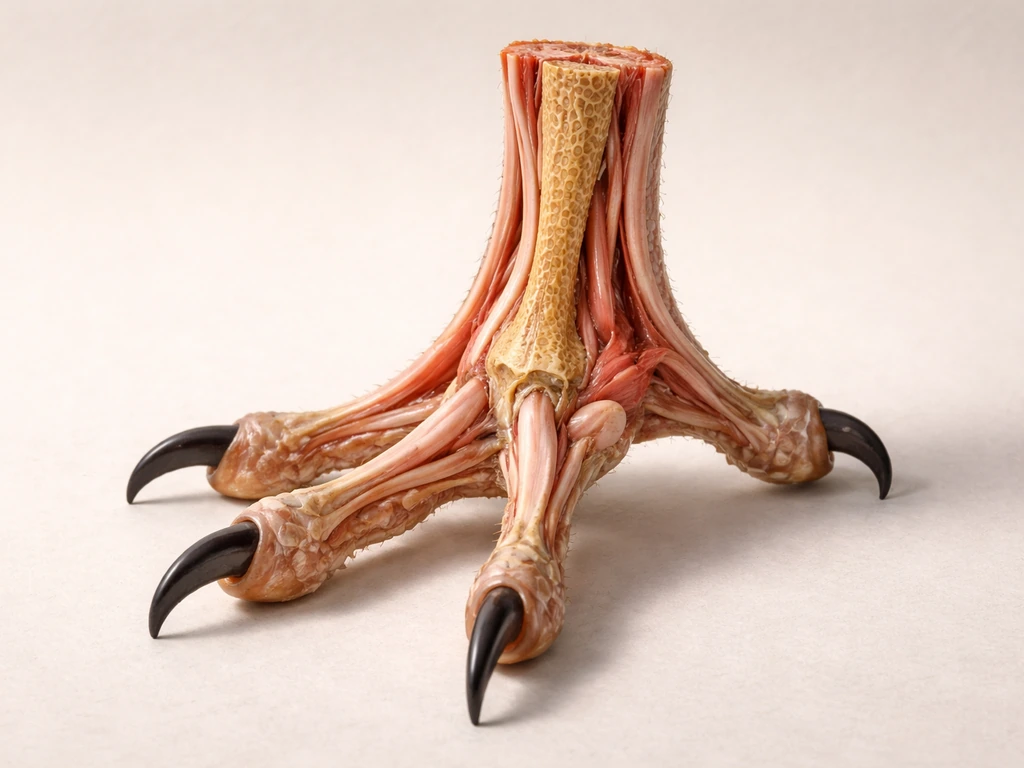
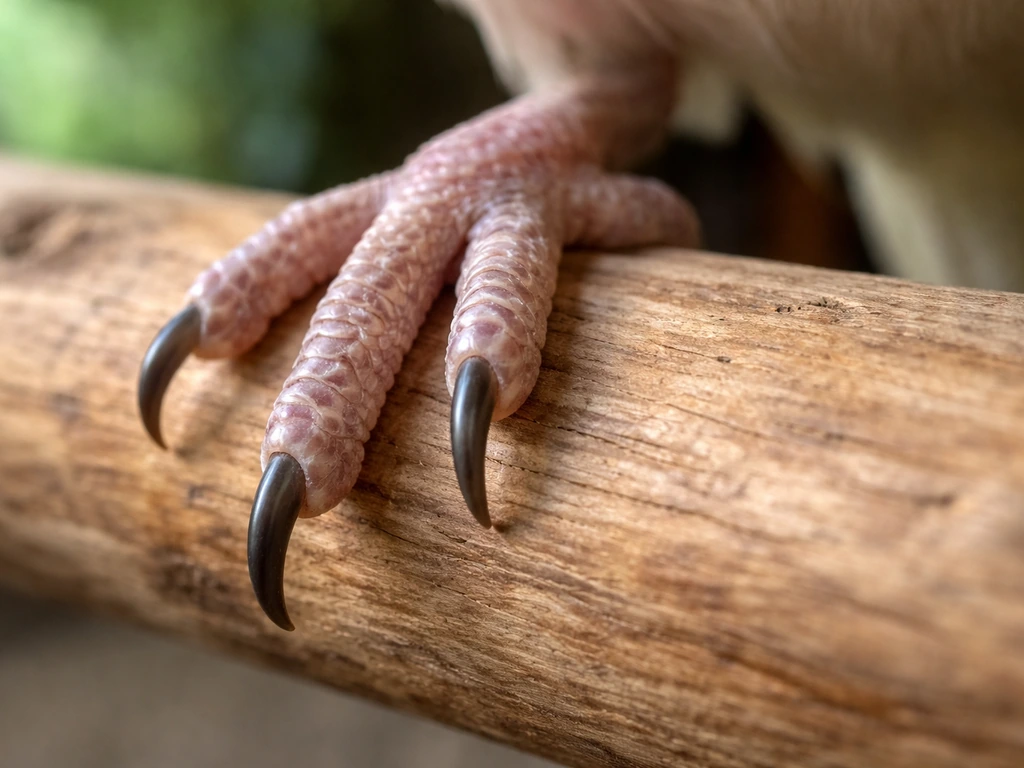
Most pet birds have four toes, and the arrangement of those toes tells you a lot about how the bird lives. The classic perching arrangement, called anisodactyly, puts three toes pointing forward and one pointing backward. Each toe is made up of small bones called phalanges, and the number of phalanges per toe follows a recognizable pattern in perching birds: the innermost toe (digit I) has two phalanges, digit II has three, digit III has four, and digit IV has five. More phalanges in the outer toes means more surface area wrapping around a perch, which is exactly what you want if you spend most of your life sleeping and resting on a branch.
The bones of the lower leg and upper foot are fused in birds into a single structure called the tarsometatarsus. This fusion is an evolutionary efficiency: it reduces the number of joints that need active muscle control while still giving the foot enough range of motion for landing, perching, and manipulating food. At the base of each toe, the phalanges branch off from the tarsometatarsus, and each toe ends in a claw. The whole structure is compact, lightweight, and surprisingly strong given how small it looks.
What the outer surface is actually made of
The visible scales covering a bird's feet and lower legs are made of keratin, specifically a combination of alpha-keratins and what researchers call corneous beta-proteins (CBPs). These are the same basic protein family that makes up human fingernails and hair, reptile scales, and bird beaks. In avian foot scales (called scutate scales), cells migrate outward from deeper skin layers into the stratum corneum, the tough outermost layer, where they flatten, fill with keratin proteins, and die, leaving behind a hard, protective plate.
The claws themselves are also keratin, growing continuously from the base just like your fingernails do. They're harder and denser than the surrounding scale tissue because of how tightly packed the keratin fibers are at the tip. Underneath the scales, the skin has the same basic layers you'd find in most vertebrates: an epidermis, dermis, and subcutaneous tissue, but the keratinized outer layer is much thicker and more structured than mammal skin. One thing worth knowing: the underside of the foot (the plantar surface, what actually contacts the perch) is keratinized but less heavily scaled compared to the top and sides, which is partly why the sole is more vulnerable to pressure injuries.
Inside the foot: tendons, bones, and the perching lock
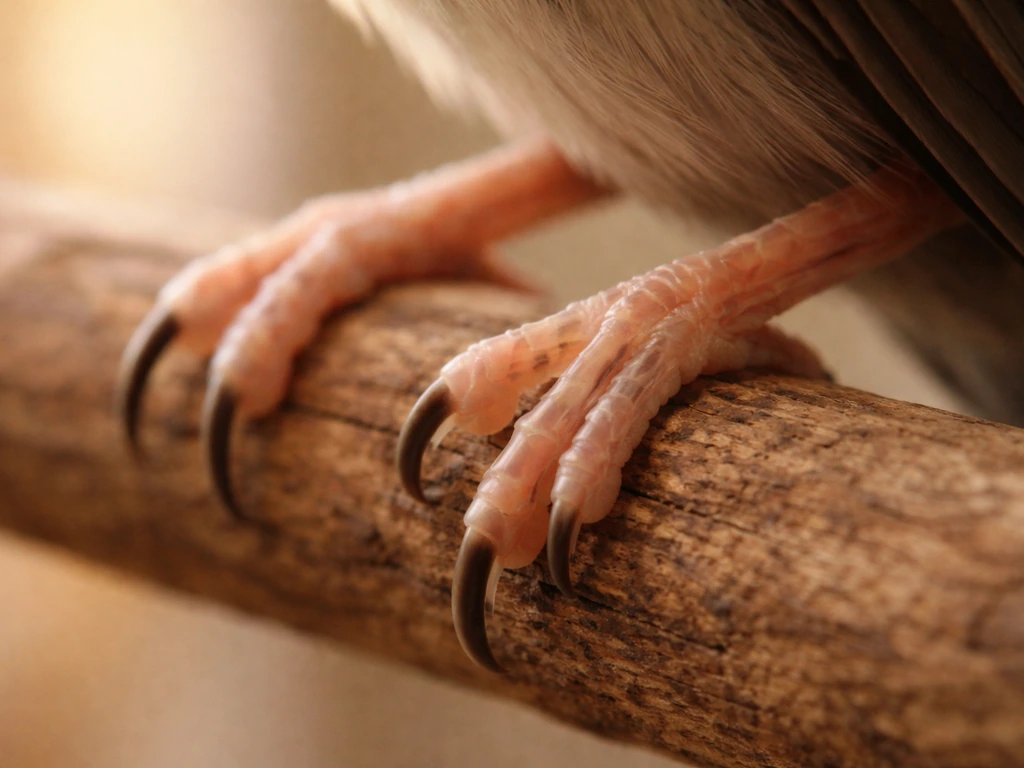
Here's something most new bird owners find genuinely surprising: birds don't have to actively grip a perch while they sleep. They have a passive tendon-locking mechanism that does it for them. A biomechanics-oriented study describes the avian [tendon-locking mechanism](https://colab. ws/articles/10.
1007%2Fbf00312195) as involving localized specialization of flexor tendons and adjacent portions of the flexor tendon sheath, and notes it is widespread across many sampled avian species. When a bird lowers its body onto a perch, the flexor tendons, which run behind the heel along the back of the tarsus and insert on the underside of each toe's phalanges, are pulled taut automatically by the bird's own weight. This tightens the toes around the perch without any conscious muscle effort.
The extensor tendons, running along the front of the leg and inserting on the top surface of the phalanges, work in opposition to release the grip when the bird straightens up to fly or walk away.
This system is elegant from a biomechanics standpoint: the same force that would cause the bird to fall (its body weight) is the force that keeps it locked to the branch. For pet birds, this means that a properly sized perch is not a luxury, it's essential. If the perch is too wide or too smooth, the tendons can't engage the locking mechanism correctly, and the bird either grips weakly or fatigues trying to compensate with active muscle tension. Over time, that chronic strain contributes to foot soreness and long-term injury.
Why these materials are so well-suited for bird life
Keratin is an ideal material for bird feet because it hits a sweet spot between hardness and flexibility. The scales are tough enough to resist abrasion and minor impact, but the layered epidermal structure allows them to flex under localized pressure rather than cracking. This is especially important for birds that land on irregular surfaces repeatedly throughout the day. The scaly surface also provides traction without being so rough that it creates friction injuries, and because keratin grows continuously, minor surface wear gets replaced over time.
The tendon and bone arrangement adds to this by distributing grip force across multiple joints simultaneously. Rather than one hinge point bearing all the load, the multiarticular (multi-joint) tendon system spreads the grasping force across the whole toe, reducing stress concentration at any single point. The result is a foot that can grip hard, handle irregular surfaces, and sustain that grip for hours, all with relatively little energy expenditure.
Why bird feet look so different across species
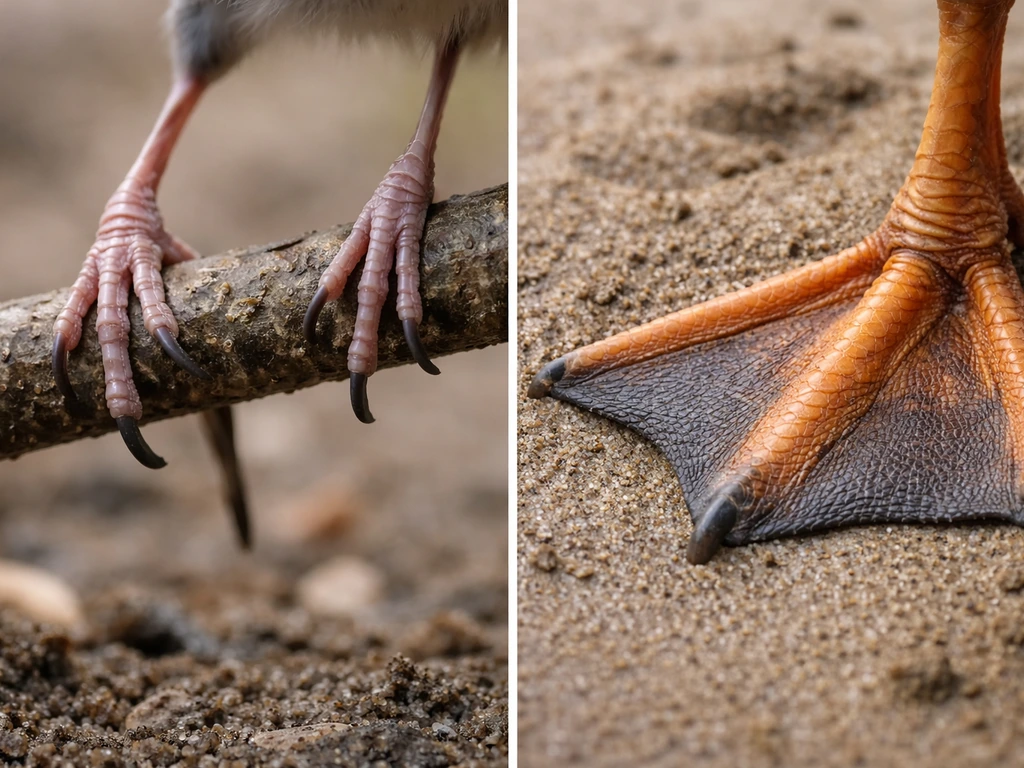
The basic keratin-and-tendon recipe is consistent, but the design varies a lot depending on how a species makes its living. Pet birds are almost all perching birds, so they follow the anisodactyl pattern described above. But if you've ever looked at a duck or a loon, you know bird feet can look completely different.
| Foot Type | Who Has It | Key Structural Feature | Function |
|---|---|---|---|
| Anisodactyl (perching) | Parrots, finches, canaries, most songbirds | 3 toes forward, 1 back; tendon-locking grip | Gripping branches and perches, sleeping on branches |
| Zygodactyl | Cockatiels, macaws, cockatoos, woodpeckers | 2 toes forward, 2 back | Powerful grip; climbing vertical surfaces and manipulating food |
| Palmate (webbed) | Ducks, geese, swans | Three forward toes connected by webbing | Propulsion through water |
| Lobate | Grebes, coots | Individual toes with lobed flaps of skin | Toes splay on the push stroke; fold on recovery, like a paddle |
| Raptorial | Hawks, eagles, owls | Strong curved talons; thick plantar pads | Seizing and holding prey |
For waterfowl, the triangular webbing between toes is essentially a flexible paddle: it opens wide when the foot is pushed backward through water and collapses when the leg swings forward for the next stroke. The webbing itself is skin and connective tissue, still covered in keratinized scales, but thin enough to flex with each stroke. Lobate feet in grebes and coots work similarly, but with separate lobed flaps on each toe rather than full webbing between them, which helps those birds navigate soft marsh substrates as well as open water.
Most pet birds fall into the anisodactyl or zygodactyl categories. Parrots are zygodactyl, which is why you see them hanging sideways on cage bars and using one foot to hold food up to their beak. Understanding your specific bird's foot design helps you choose the right perch diameter, texture, and placement.
Healthy feet vs. problem feet: what to look for
Healthy bird feet have smooth, evenly scaled skin with a consistent color, usually pink, gray, or slightly reddish depending on species. The scales should lie flat and look somewhat shiny rather than lifted, cracked, or crusty. Claws should be smooth, symmetrical, and curved to a moderate point. The plantar surface (the underside of the foot) should be smooth and slightly pink, with no sores, swelling, or discoloration.
The most common serious foot problem in pet birds is pododermatitis, commonly called bumblefoot. It starts as a thinning and reddening of the sole's skin from repeated pressure, especially on hard or narrow perches. If left untreated, it progresses to swelling, edema, ulceration, and eventually abscess formation. Advanced cases can involve bone infection. This is not something to manage at home with ointment and hope. The USDA's guidance on bumblefoot specifically instructs owners to contact an avian veterinarian immediately when symptoms are noticed, and that's the right call, because by the time visible swelling or an open sore appears, the condition has already progressed beyond surface-level.
The second common issue is scaly mite infestation from the parasite Knemidocoptes. These mites burrow into the keratinized skin and feed on it, causing whitish, crusty buildup on the legs and toes that progresses to thick, bark-like plaques if untreated. The texture change is usually the first thing owners notice: scales that were once flat and smooth start looking raised and powdery. Again, this needs veterinary treatment, not home remedies.
Here's a quick reference for what to watch for during your routine handling sessions:
- Reddened, shiny, or thinning skin on the sole: early bumblefoot, see a vet
- Swelling, sores, or ulcers on the plantar surface: advanced bumblefoot, urgent vet visit
- Whitish crusty buildup on legs or toes: likely scaly mites, vet-prescribed treatment needed
- Overgrown claws curling back toward the foot: trimming needed, risk of abnormal stance and pressure injury if left
- Bird shifting weight constantly or reluctant to perch: pain, worth a vet exam
- Discoloration (dark patches or bruising) on foot skin: possible injury or circulatory issue, vet check recommended
Practical foot care for pet birds
Perches matter more than most people realize
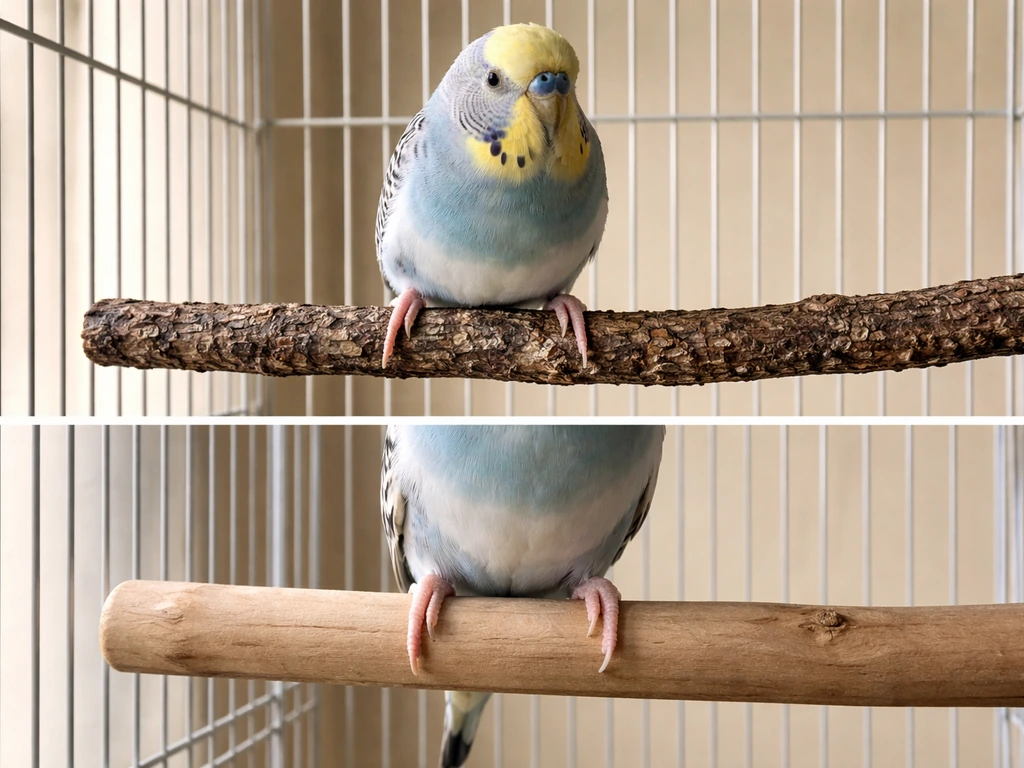
The single most impactful thing you can do for your bird's foot health is provide varied perch diameters and textures. A perch that's too uniform means the same points on the foot bear weight every single time the bird lands. Over months, that repetitive pressure is exactly what triggers bumblefoot. Aim for at least two or three different diameters in the cage so the foot's contact points change throughout the day.
Natural wood perches with slight irregularities in diameter are genuinely better than perfectly round dowels for this reason. Rope perches add another texture dimension and tend to be gentle on the plantar surface. Avoid sandpaper perch covers: the grit doesn't file nails the way the marketing suggests, it just abrades the sole skin and creates exactly the kind of micro-injury that leads to infection.
Humidity and skin condition
Keratin needs some moisture to stay flexible. In very dry environments (particularly homes with forced-air heating in winter), the scaly skin on bird feet can become drier and more prone to cracking. Regular bathing opportunities or a gentle misting a few times a week helps maintain the moisture balance in the skin and keeps the keratin in good condition. This matters especially for species from tropical or subtropical habitats, like many parrots, that didn't evolve for extremely arid air.
Nail trimming: when to DIY and when to step back
Overgrown nails change how the foot contacts the perch, shifting weight distribution and contributing to exactly the kind of abnormal pressure that causes bumblefoot. So keeping nails at an appropriate length genuinely matters. You can trim nails at home with proper bird nail scissors or a small clipper, but there's a real risk if you cut too deeply and hit the quick, the vascular structure inside the nail. That causes pain and bleeding.
If you're new to this, having your avian vet or a vet tech do the first few trims and show you the technique in person is worth it. Some clinics use a cautery pen to seal the nail tip during trimming, but this tool should only be used by trained professionals because it gets extremely hot and can cause serious burns if the bird moves suddenly. Don't try to replicate that at home.
When to call the vet instead of waiting
Foot problems in birds tend to look minor right up until they're not. The skin on the bottom of the foot doesn't have a lot of tissue depth before you're dealing with tendons and bone, so infections that start at the surface can reach deeper structures faster than you'd expect. If you notice any swelling, sores, or sustained behavior changes (not wanting to perch, sitting on the cage floor, favoring one foot), don't try to manage it at home with topical treatments. Contact an avian vet. For advanced bumblefoot, treatment involves proper examination, cleaning and debriding the wound, and in some cases lancing abscesses under anesthesia, none of which is safely done at home.
The cage floor environment connects to foot health too. What you put on the cage bottom affects hygiene and whether dropped food or waste stays in contact with your bird's feet. The flooring materials and bedding choices you make for the overall habitat directly support or undermine the foot health work you're doing with perch selection and regular checks.
Good bedding also helps keep the cage bottom comfortable and hygienic, which can reduce the risk of pressure problems and irritation on the feet bedding choices. Choosing the best flooring for bird room setups can further protect your bird’s feet by improving traction, cushioning, and cleanup. Choosing the best bird bedding also helps keep the cage floor clean and cushioned enough to reduce pressure on the feet.
If you're comparing cage options, picking the best bird litter for comfort and cleanup can also reduce ongoing pressure on the plantar surface.
The takeaway here is that bird feet are a precision system: keratinized scales and claws on the outside for protection and traction, a tendon-locking mechanism on the inside that handles grip automatically, and a bone structure that's lightweight but mechanically effective. That system works beautifully in the wild, but in captivity it depends on you providing the right surfaces, the right moisture, and regular checks to catch problems before they become serious. If you're wondering what bird gravel is and why it sometimes comes up in bird-care discussions, it's important to understand what it is and whether it relates to safe foot health what is bird gravel. If you're also dealing with questions about what is bird litter called, that term is often used interchangeably with some types of cage bedding and ground materials what bird gravel.
FAQ
Are bird feet made of the same material as human nails?
Yes, the hard outer layer of bird feet is keratin-based, similar in family to the proteins that make up human nails. The big difference is how the keratin is organized in a birds scutate foot scales and how the plantar surface is less heavily scaled, which makes the underside more prone to pressure injury.
Do bird claws renew like fingernails, and how often does that happen?
Claws grow continuously from the base, so wear depends on what the bird walks and climbs on. Even with growth, too-smooth or too-uniform surfaces can prevent normal abrasion, leading to altered foot contact and increased risk of bumblefoot from uneven pressure.
Why do some birds get more foot problems even with similar cages?
Species grip design and weight distribution matter. A heavier bird with perching feet that rely on the tendon-lock mechanism can overload the plantar surface faster, and a birds natural toe alignment (anisodactyl versus zygodactyl patterns) changes how forces land on the perch.
Is a sandpaper perch cover ever helpful to prevent overgrown nails?
No for foot health. The abrasive grit can create micro-injuries to the sole and increase infection risk. Nail trimming may be safer than relying on abrasive surfaces, especially if you see callusing, redness, or roughened plantar skin.
What if my birds feet look slightly dry or rough but there are no open sores?
Dryness can be an early sign that the keratinized layer is losing flexibility. Increase bathing opportunities or use gentle misting, but if you notice cracking, crusting, raised scales, or any one-foot favoring, treat it as a possible bumblefoot or mite issue and contact an avian veterinarian.
How can I tell bumblefoot from scaly mites early?
Bumblefoot typically starts on the sole with reddening or thinning from pressure on perches. Scaly mites more often cause whitish crusting and raised, powdery scale texture on the legs and toes. If changes spread quickly or become thick and bark-like, veterinary care is needed.
Can I use ointments or home remedies if my bird has a sore foot?
Generally no. Surface lotions can mask worsening symptoms while infection spreads deeper since the plantar tissue is relatively thin. Focus on contacting an avian vet promptly, and avoid products that may irritate keratinized skin or interfere with proper cleaning.
Do all birds sleep gripping the same way?
Most perching birds use the tendon-locking setup so they can stay locked on a perch without active gripping while resting. If your bird spends lots of time on cage bottoms instead of perching, that can shift loads away from the normal locking pattern and raise pressure and hygiene issues there.
Does cage floor material affect what happens to the bottoms of bird feet?
Yes. Even when perches are correct, dirty or hard cage bottoms increase time spent on the plantar surface and can worsen early pressure redness. Choose floor coverings and bedding that provide cushioning and easy cleanup, and clean frequently so waste does not contact the feet.
How do I know whether a perch is the right diameter for grip and locking?
A perch that is too wide or too smooth can prevent proper tendon engagement, leading to weak grasping and fatigue. As a practical check, watch how evenly the bird distributes weight and whether the bird holds the perch comfortably for long periods without favoring one toe or scooting to the edge.
If I need nail trimming, what is the main safety risk?
The main risk is cutting into the quick, which causes pain and bleeding. If you are new, have an avian vet or trained technician show the technique first, and be cautious about tools like cautery pens, since they require professional experience to prevent burns.
Next Article
Garden Bird Checklist: Wild Species, IDs, and Tracking Tips
Ready-to-use wild garden bird checklist with IDs, field marks, tracking tips, and a bird station setup for beginners.