A pet bird caught in the rain needs three things right away: a dry spot out of the wind, warmth to prevent chilling, and your calm attention for the next hour. That's the short answer. The longer answer depends on whether your bird is outdoors or inside, how long it got wet, and what species you're dealing with. Here's exactly what to do, what to watch for, and what mistakes to avoid.
What Does a Bird Need in the Rain? Quick First Aid Guide
Marcus Chen
17 Apr 2026
How birds handle rain: what's normal vs. what's risky
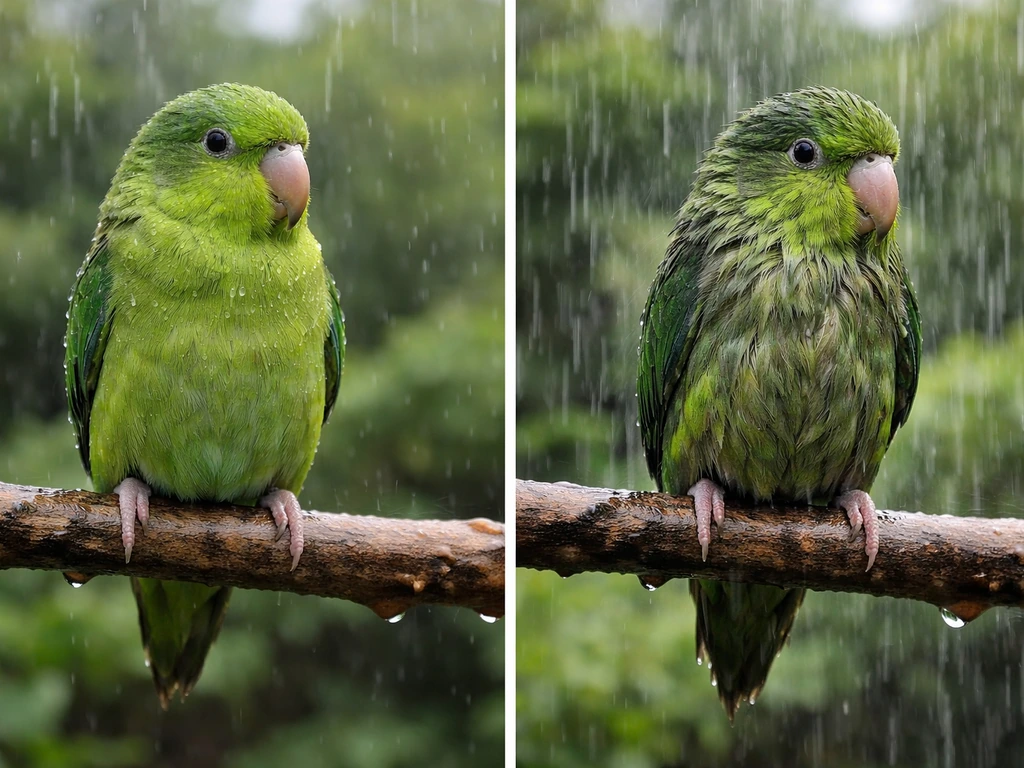
Birds in the wild deal with rain constantly, and many actually enjoy a light shower. Parrots, budgies, and cockatiels all originate from environments with seasonal rainfall, and a brief gentle mist is something their bodies are built for. A quick sprinkle on a warm day? Usually fine, sometimes even welcome. What goes wrong is when the conditions tip from refreshing to dangerous.
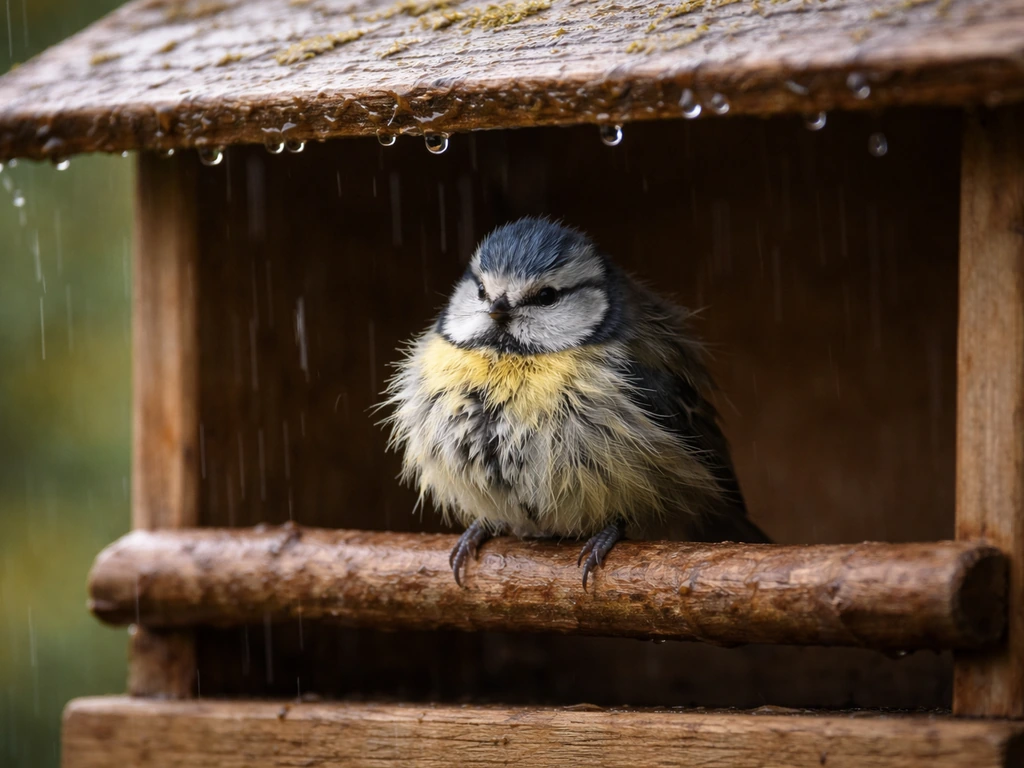
The risks that matter are prolonged wetness (feathers soaked through, not just damp), cold temperatures combined with wind, and the inability to dry off properly afterward. Birds regulate their body temperature at around 103 to 106°F, which is significantly higher than ours. When wet feathers lose their insulating ability and wind strips body heat away, a bird can get chilled fast, especially smaller species. Chilling puts stress on the immune system and opens the door to respiratory problems. That's the actual danger, not getting wet per se.
One thing beginners get wrong: they assume a bird shaking its feathers out and fluffing up is just "drying off." Sometimes it is. But prolonged fluffing after rain exposure, especially combined with sitting low or seeming unsteady, is a warning sign, not normal behavior. More on that in the emergency section below.
Outdoor vs. indoor birds in wet weather
If your bird lives indoors and got wet because it was near an open window, or briefly outside during a surprise rain shower, your job is mostly about drying and warming. That's manageable at home with items you already have. If your bird lives in an outdoor aviary, the setup of that space does most of the protection work, and you're in "prevention" mode before the rain even starts.
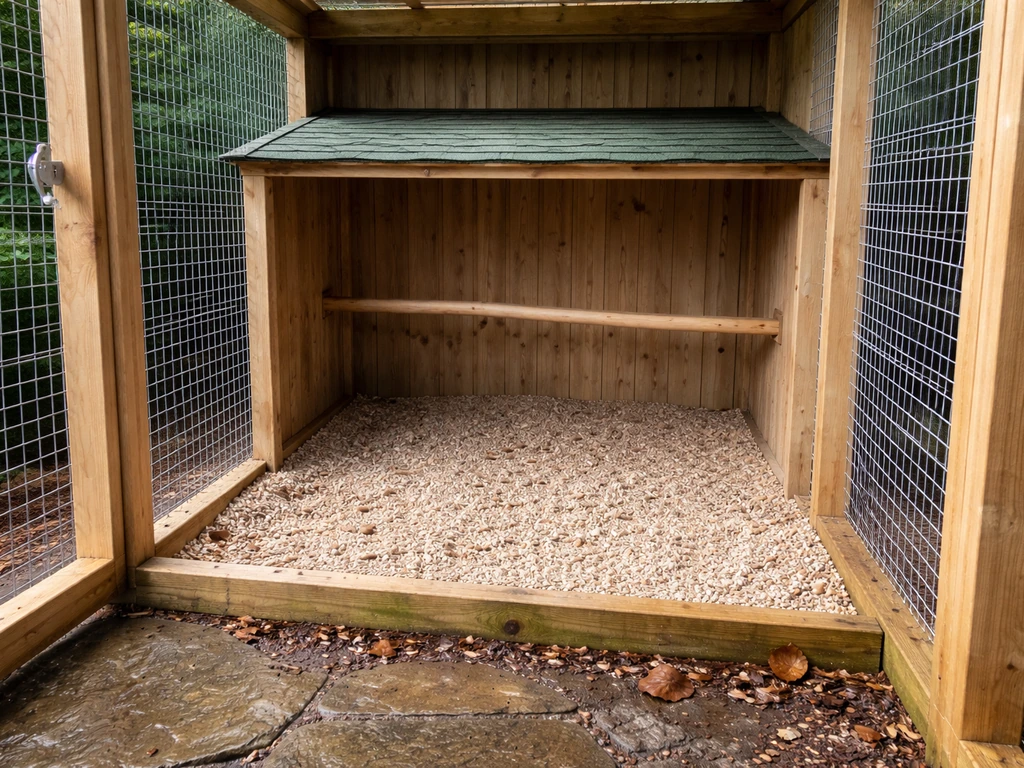
For outdoor aviaries, the RSPCA recommends that at least 30% of the roof be solid to protect against rain and direct sun, and that one end of the aviary have solid walls to block drafts. If your aviary doesn't have these features, a waterproof cover secured to the windward side before a storm is a practical short-term fix. The goal is always to give the bird the choice to move into shelter, not force it into an enclosed space with no airflow.
If you're thinking about supervised outdoor time for an indoor bird, it's worth understanding how much space a bird needs before setting up any outdoor enclosure or travel cage, because a cramped, rain-exposed setup is stressful in a way a larger one isn't. Introduce birds to outdoor environments gradually, starting during warm, low-wind periods, not on wet or breezy days.
Shelter and safe dryness: what to actually provide
For an indoor bird that's come in wet, the first move is getting it into a warm, enclosed space away from drafts. A regular cage with a towel draped over two-thirds of it works well. Don't fully cover it; leave one side open for airflow. The point is warmth and calm, not a sealed box.
For outdoor setups, a covered section of the aviary or a waterproof enclosure insert protects the bird without trapping humidity. The RSPCA recommends covering the cage to keep wind and rain out while providing dry, warm bedding material inside. Positioning matters: perches should be placed so the bird can sit in the dry zone, not under a drip point or near a gap where wind cuts through.
Wet bedding is a specific problem to watch. Damp substrate at the cage bottom holds moisture, drops ambient temperature inside the cage, and creates conditions where bacteria thrive. After any rain exposure event, check the bedding and replace it if it's wet or even damp. Dry, clean bedding isn't glamorous advice, but it's one of the most direct things you can do for your bird's health. Think of it as part of what a bird needs for basic wellbeing, not just a rain-specific concern.
Water, bathing, and humidity: getting the balance right
Here's something that surprises new owners: rain can actually serve as a bath, and many birds enjoy it. The problem isn't water on feathers, it's water on feathers in the wrong conditions. A bird that gets lightly rained on during warm weather, then comes inside to a warm room and dries off naturally, may have just had a lovely bath. A bird that gets soaked in cold rain and can't warm up is in a different situation entirely.
If you want to offer your bird a bath on your terms (which is safer than leaving it to chance outdoors), what you need for a pet bird bath-wise is simple: a shallow dish or a light misting bottle. The water should be lukewarm, never cold or hot. For misting, aim above and to the side of the bird rather than directly at its face. Many birds will fluff up and turn toward the mist when they're enjoying it. A shallow dish, filled only to a depth where the bird can stand safely, gives your bird agency over how much contact it wants.
Many companion parrots come from tropical climates with naturally high humidity, and dry indoor air (especially in winter with heating running) can actually irritate their respiratory mucous membranes. A controlled bath or gentle misting a few times a week helps with this. If you're unsure how often, how much water a bird needs daily gives you a broader picture of hydration and moisture needs.
After any bath or rain exposure, let the bird dry in a warm (not hot) room with gentle airflow. Don't blast it with a hair dryer on high heat. Some people use a hair dryer on the lowest warm setting held at a distance, but honestly most birds do fine just drying naturally in a warm room at 75 to 80°F. If your bird seems cold or is shivering, that's when you step in with extra warmth.
Warmth, airflow, and temperature management
blank" rel="noopener noreferrer">The target temperature for a bird recovering from rain exposure or feeling chilled is 75 to 85°F (24 to 29°C). For a bird showing signs of illness or stress after getting wet, err toward the warmer end of that range. The Merck Veterinary Manual specifically notes that keeping a sick or stressed bird in blank" rel="noopener noreferrer">a slightly warmer environment helps it conserve energy it would otherwise spend on thermoregulation.
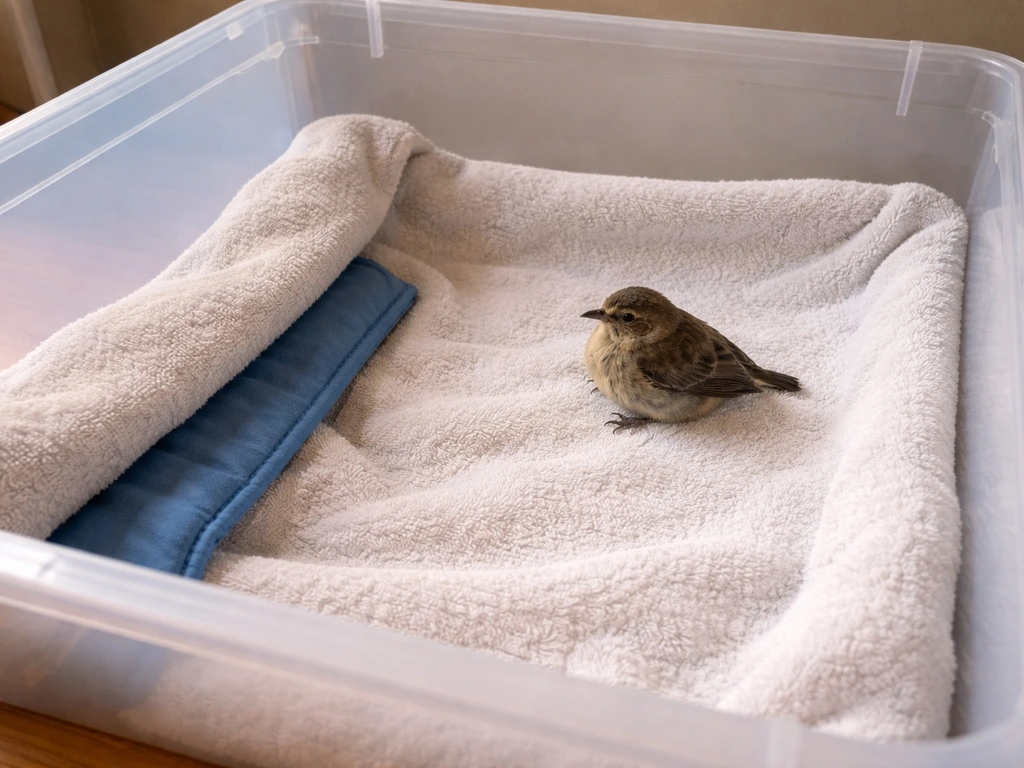
To warm a cage safely, place a heating pad set on its lowest setting under one side of the cage (not under the entire floor) and use a folded towel as insulation between the pad and the cage base. This lets the bird move away from the heat source if it gets too warm. Hot water bottles wrapped in a towel work similarly. The setup from supportive care guidance recommends also placing a shallow water dish inside so the bird can access water while staying warm.
Airflow is where beginners make a common mistake: they equate "draft-free" with "no ventilation" and end up sealing a bird into a stuffy, humid box. That's not safe either. What you want is still air (no direct breeze or wind hitting the bird) but fresh air circulation in the room. The cage cover or aviary cover should block direct wind, not all air movement. This is the same balance that a well-designed aviary gets right: draught-proof but still well ventilated.
What to avoid during and after rain
Some of these are obvious once you know them, but a lot of first-time owners only find out after they've made the mistake once. Whether you're learning the basics of what you need for a bird or you're already in the middle of a rainy-day situation, avoid the following:
- Direct drafts: don't place the cage near an open window, door, or air conditioning vent after rain exposure. Even a warm room can chill a wet bird if there's airflow directly on it.
- Wet or damp bedding: remove it immediately after any rain event. Damp substrate drops cage temperature and creates respiratory and fungal risks.
- Full cage covers in poorly ventilated rooms: covering a cage tightly in a small, humid room traps moisture and reduces oxygen. Cover most of it, not all of it.
- Unsafe heat sources: open flames, gas stoves, scented candles, and non-stick cookware fumes are all serious hazards for birds. Use only a heating pad on low or a dedicated ceramic heat lamp with a thermostat.
- Cold baths after rain: if your bird just came in from a cold rainstorm, don't give it a bath right away. Warm it up first, then offer bathing options when it's calm and the room is comfortably warm.
- Leaving a wet bird alone: birds hide symptoms, so monitor closely for the first 60 to 90 minutes after any significant rain exposure.
- Overheating: the "warm" range is 75 to 85°F, not "as hot as possible." A bird that's too warm will hold its wings away from its body and pant. Back off the heat source if you see this.
When to step in: signs your bird needs urgent help
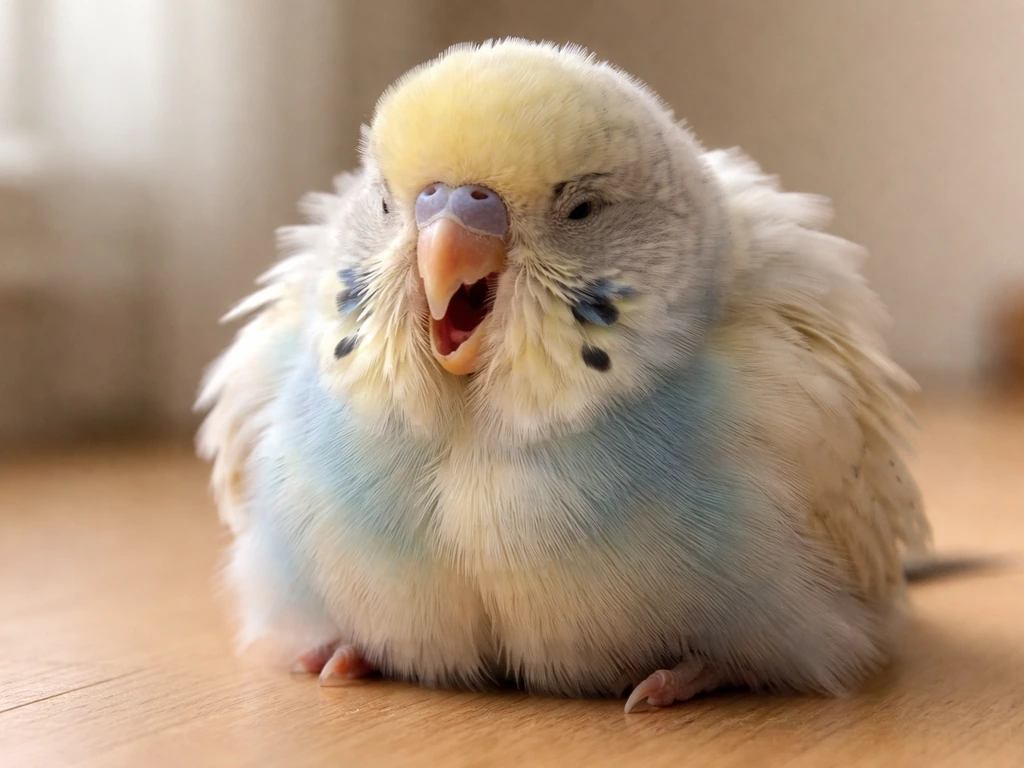
Most birds bounce back from a light rain exposure without any intervention beyond warming and drying. But some don't, and knowing the difference is critical. The following signs mean stop watching and start acting.
| Sign | What it may mean | What to do |
|---|---|---|
| Open-mouth breathing | Respiratory distress or oxygen deficit | Contact an avian vet immediately |
| Tail bobbing with each breath | Labored breathing, possibly pneumonia or respiratory infection | Emergency vet visit, do not wait |
| Fluffed feathers that don't relax after 30+ minutes of warmth | Chilling, illness, or shock | Warm the bird, call your vet |
| Sitting on the cage floor or unable to perch | Weakness, shock, or severe illness | Emergency vet visit |
| Noisy breathing (wheezing, clicking, rasping) | Respiratory tract issue | Contact avian vet same day |
| Lethargy, unresponsive to normal stimuli | Shock, hypothermia, or systemic illness | Warm and transport to vet immediately |
| Blue or gray discoloration of skin/gums | Oxygen deprivation (cyanosis) | Immediate emergency vet |
| Stretched neck or outstretched posture while breathing | Airway obstruction or severe respiratory distress | Immediate emergency vet |
If you're seeing any of the breathing-related signs, don't wait for them to "clear up on their own." Multiple veterinary sources, including MSPCA-Angell, SpectrumCare, and Arizona Exotics, are consistent on this: open-mouth breathing and tail bobbing in birds are emergency signs, not minor symptoms. While you're getting ready to go, keep the bird warm (85°F enclosure if possible), minimize handling stress, and keep the environment quiet.
For mild cases where the bird got briefly damp but is now warm, alert, eating, and breathing normally, monitoring at home for a few hours is reasonable. If anything changes, especially if normal behavior doesn't return within an hour of warming, that's your cue to call. There's a difference between a bird that got slightly misted and one that was soaked and cold for 20 minutes. Trust what you see.
Quick-action checklist for rain exposure
- Move the bird indoors or into a sheltered, draft-free space immediately.
- Check its condition: is it alert and upright, or fluffed, lethargic, or breathing oddly?
- Set the room or cage area to 75 to 85°F. Use a heating pad on low under one side of the cage if needed.
- Replace any wet bedding in the cage with dry material.
- Offer fresh, clean water at room temperature.
- Do not offer a bath yet. Wait until the bird is warm and calm.
- Observe for 60 to 90 minutes. Watch specifically for fluffing that doesn't resolve, open-mouth breathing, tail bobbing, and perching difficulty.
- If any emergency signs appear, contact an avian vet immediately. Don't wait until morning.
- Once the bird is warm, dry, and behaving normally, do a post-event review of your setup to prevent a repeat.
Preventing the problem in the first place
The easiest rain-day problem to solve is one you've already planned for. If you take your bird outside regularly, or if it lives in an outdoor aviary, the setup work matters a lot. Think about how a tree helps a bird in nature: it provides layered shelter that blocks rain and wind while still allowing airflow and visibility. That same principle applies to your aviary design. Solid roof coverage on the sheltered end, windbreak walls on the exposed side, and dry perches positioned in the covered zone give your bird the tools to manage wet weather on its own.
If you're new to keeping birds outside at all, it's worth reading up on what you need for bird watching as well, since observing bird behavior outdoors builds the pattern recognition that helps you spot when your own bird's behavior is off. And if you're still putting together your setup from scratch, a comprehensive look at what you need for a bird covers the full list of equipment that supports bird health year-round, not just in wet weather.
One last thing: if you've ever seen the "what does a bird need in the rain batman" joke floating around, yes, it's a punchline about a rubber duck. The actual answer, what does a bird need in the rain when it comes to real pet care, is a lot more useful than that gag suggests. Warmth, dryness, draft-free shelter, fresh water, and a watchful owner. That's it.
FAQ
If my bird is only slightly damp, do I still need to warm it right away?
Only if it seems chilly or is staying fluffed for more than a few minutes. If the bird is alert, standing normally, and breathing comfortably, you can focus on bringing it out of wind and drying it in a warm room, then monitor closely for about an hour.
How long should I wait before calling a vet after rain exposure?
If it was soaked and cold, or if normal behavior does not clearly return within about an hour after warming, call. If there are any breathing signs at any point (open-mouth breathing, tail bobbing), treat it as urgent rather than waiting.
Is it safe to towel-dry a bird that got rained on?
It can be okay to gently pat exposed areas to remove surface droplets, but avoid vigorous rubbing or long handling. The main goal is rapid warmth with low stress, since over-handling can worsen recovery.
Can I use a space heater or heat lamp to warm my bird quickly?
Use caution. Heat sources can overheat one spot or dry the air too much. Prefer the gradual warming method described (warm room temperature or a heating pad under one side) so the bird can move away if it gets too warm.
What temperature should the room be for a bird recovering from rain?
Aim for roughly 75 to 85°F, with the higher end if the bird looks unwell or remains lethargic. If you cannot measure accurately, err on the warmer side and add safe localized heat under one side of the cage.
Should I keep the bird in a completely sealed cage cover to block drafts?
No, blocking direct wind is important, but completely sealing the cage can trap humid, stale air. Leave controlled airflow in the room, and only partially cover the cage so fresh air circulation can continue.
Do I need to remove wet bedding immediately, or can it dry overnight?
Check right after the rain event and replace damp bedding right away. Damp substrate cools the bird and supports bacterial growth, so letting it dry overnight inside the cage is a common mistake.
Is rainwater safe for the bird to drink after it gets wet?
Assume outdoor rainwater is not reliably clean. If the bird needs water after drying, offer fresh clean water rather than relying on any residual puddles or wet dishes.
My bird fluffed up after getting wet, is that always a problem?
Fluffing briefly can be normal, especially as feathers dry. It is concerning when it persists long after warming, when the bird sits low, looks unsteady, or shows reduced responsiveness.
Can I give my bird a bath on purpose after a rainy day?
Yes, but only if it is already fully warm and back to normal breathing and behavior. Use lukewarm water, keep it shallow, and avoid misting directly at the face to reduce stress and prevent chilling.
Next Article
Garden Bird Checklist: Wild Species, IDs, and Tracking Tips
Ready-to-use wild garden bird checklist with IDs, field marks, tracking tips, and a bird station setup for beginners.