Yes, playing bird sounds can attract birds to your yard, but it works best in specific situations and falls flat, or even backfires, when used carelessly. Contact calls and species-specific songs can draw curious birds closer, especially during migration or in the early morning. But constant playback, the wrong species for your region, or broadcasting during breeding season can stress birds, cause habituation, or drive them away entirely. The short version: used thoughtfully and briefly, playback is a real tool. Used lazily, it's just noise.
Does Playing Bird Sounds Attract Birds? A Practical Guide
Marcus Chen
30 Apr 2026
When bird sounds actually work (and when they don't)
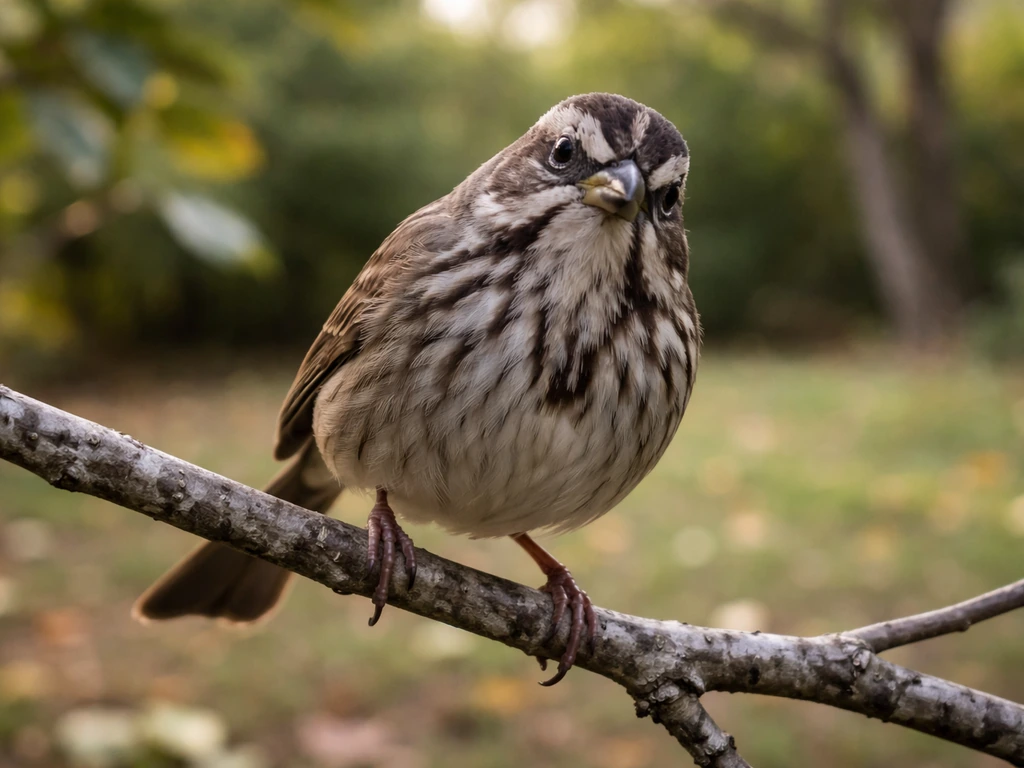
Playback works when you're playing a sound that a nearby bird has a reason to respond to. A male song sparrow will investigate a rival's song. A chickadee will come closer to check out a contact call from its own species. During migration windows, certain calls can pull in birds that are actively moving through and looking for flock companions. That's the real mechanism: you're triggering a behavioral response, not just playing music and hoping for the best.
It doesn't work when the species you're playing simply doesn't live in your area. It also stops working fast when birds figure out that the sound never leads to anything real. And it genuinely causes harm during breeding season, when territorial birds waste energy charging a speaker instead of feeding chicks. Knowing which situation you're in is the whole game.
Which types of bird sounds actually pull birds in
Not all bird vocalizations trigger the same response, and lumping them together is one of the most common beginner mistakes. Here's how the main categories break down:
- Contact calls: Short, simple sounds birds use to stay in touch with flockmates. These are your most reliable attractors for small backyard birds like chickadees, titmice, and nuthatches. They signal 'safe flock here' rather than triggering aggression.
- Song (territorial/mating): Full songs are more complex and work best for attracting a specific species during early breeding season, but they also trigger territorial responses. A male will investigate, but he's coming to confront a rival, not to hang out.
- Pishing sounds: A soft 'pshhhh' sound that mimics a generic alarm. Birders use this all the time because it causes nearby birds to pop up and look around. Easy to do with your own mouth, no app required.
- Mating calls: Can draw birds in during courtship periods, but these are high-stakes. You're essentially telling a bird there's a mate nearby. If nothing's there, that's a stressful dead end for the bird.
- Alarm calls: These tend to scatter birds or freeze them in place. Playing alarm calls doesn't attract birds to your yard. It tells them danger is present, which is the opposite of what you want.
For backyard bird attracting, contact calls and soft pishing are your best starting points. They're lower stakes for the birds, less likely to cause agitation, and genuinely effective for curious species like wrens, warblers, and sparrows.
How to use playback without messing it up
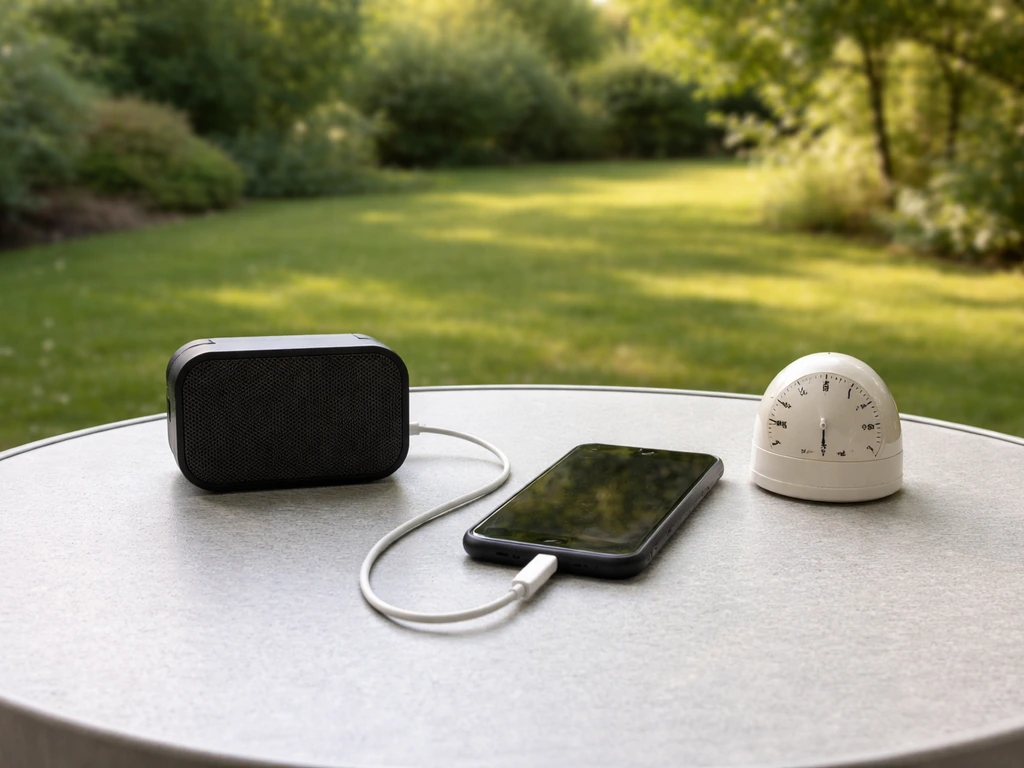
Audubon is pretty clear that continuous loud broadcasting, like leaving a device on repeat or cranking a speaker while you wander around your yard, is poor etiquette and poor strategy. Birds stop responding when the sound never changes, never moves, and never comes with anything real. Here's what actually works:
Timing
Early morning is your prime window, roughly from first light until about two hours after sunrise. That's when birds are most vocal, most active, and most likely to respond. Midday playback on a hot day usually produces nothing. Late afternoon can work during migration but is generally less reliable than dawn.
Volume
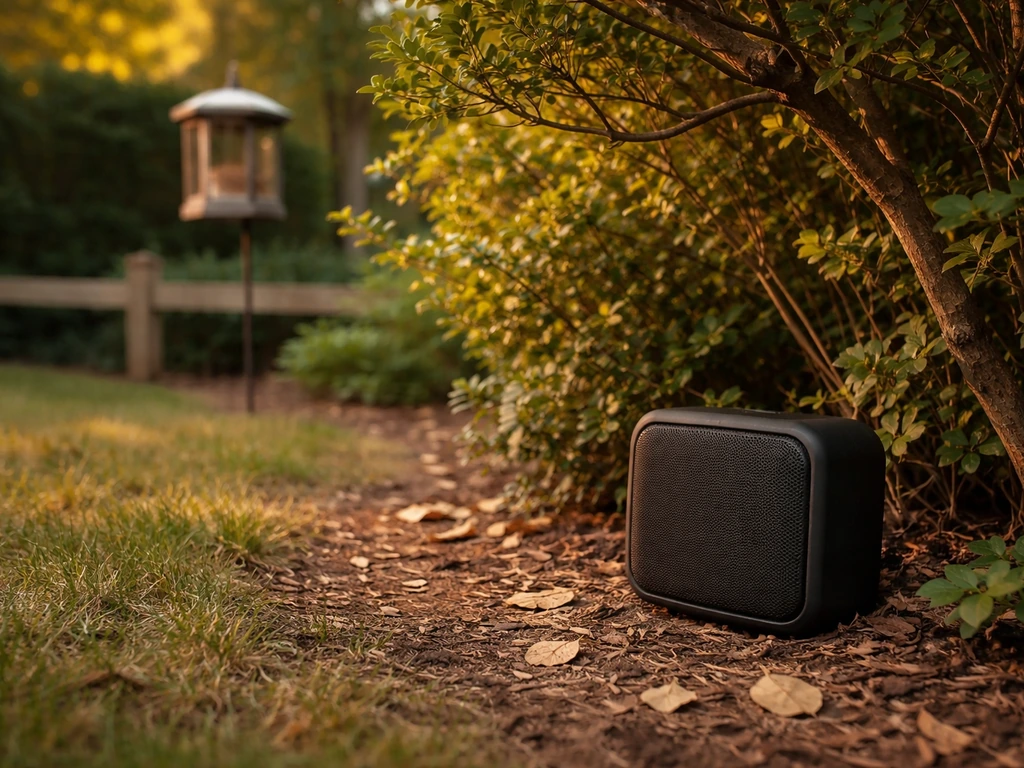
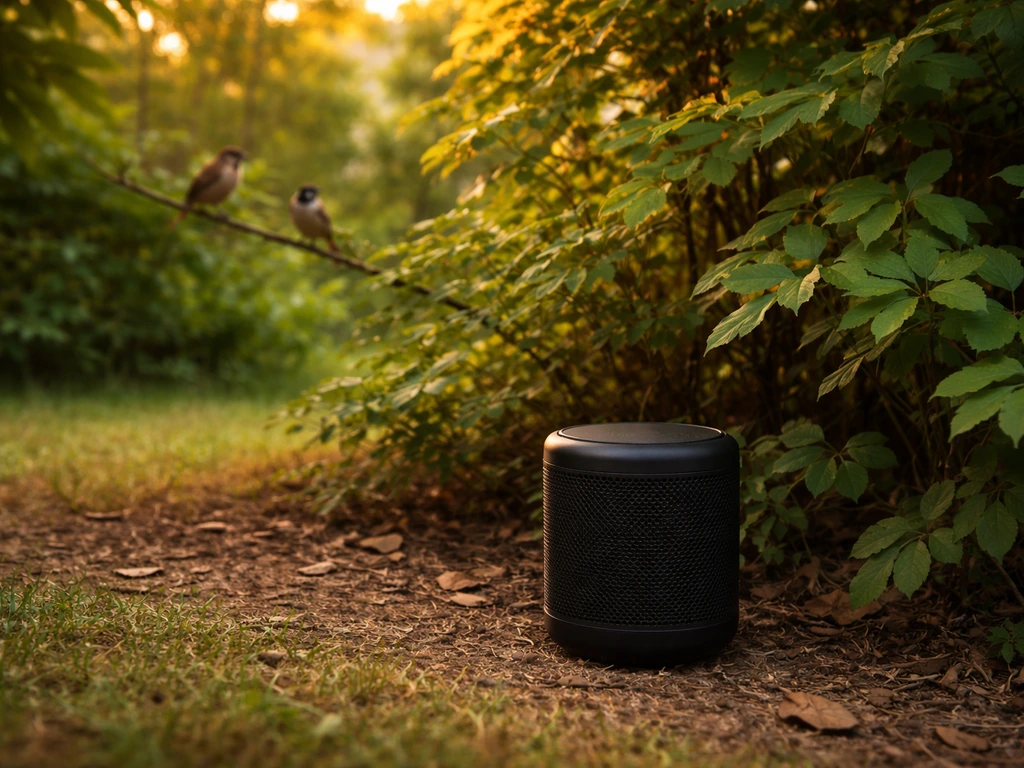
Match the natural volume of the species you're imitating. A song sparrow song at concert-speaker volume sounds nothing like a real bird and it signals something is wrong. A small Bluetooth speaker at moderate volume, placed a few feet off the ground in or near vegetation, is closer to realistic. If you can hear it clearly from 20 feet away, it's probably too loud.
Placement
Put the speaker near cover, not in the open center of your yard. Birds responding to a call expect to find another bird, and birds perch in shrubs, low branches, and dense vegetation, not on open grass. Position your speaker 3 to 6 feet off the ground in or adjacent to a bush or hedgerow. Place your feeder or birdbath within 10 to 15 feet so arriving birds immediately find a reward.
Duration
Play in short bursts. A 30-second clip, then silence, then another 30-second clip after a minute or two. Repeat for no more than 5 to 10 minutes per session. If nothing shows in that window, stop. Continuing past that point just trains local birds that the sound is meaningless, which makes future sessions less effective.
Why it sometimes fails completely
I've had sessions where I played a great recording of a Carolina wren and got zero response. Here are the most common reasons playback underperforms:
- Wrong species for your region: Playing a bird that doesn't live in your area does nothing. Always cross-reference your local bird list before choosing a recording.
- Habituation: If you've been running the same clip daily for weeks, local birds have already learned it's fake. Take a break of at least a few weeks before trying again.
- Wrong season: Contact calls work year-round, but territorial songs are most effective in spring. Playing breeding songs in late summer or fall may get no response because birds aren't in that behavioral mode.
- Poor habitat around the speaker: If your yard is all open lawn with no cover nearby, birds investigating the call have nowhere safe to land. They'll circle and leave.
- Bad timing or weather: Overcast, windy, or rainy days suppress bird activity. Hot midday hours are nearly useless. A cold morning right after a storm front passes is often surprisingly active.
- Continuous loop: Running the same track on repeat for an hour sounds nothing like a real bird and actively drives birds away or causes them to ignore it.
The ethical and legal side you can't ignore
This part matters more than most guides let on. Playback isn't just a neutral technique. It triggers real behavioral responses in wild birds, and overdoing it has documented consequences.
During breeding season, a territorial bird that spends 20 minutes charging your speaker is a bird that isn't feeding nestlings, defending against real predators, or resting. High Country Audubon's ethical guidelines explicitly warn that this kind of energy drain can reduce nesting success. Audubon's photography ethics guide goes further, stating flatly that playback of bird calls shouldn't be used in field photography contexts, specifically because it can be detrimental to birds and their chicks.
For threatened, endangered, or locally rare species, the calculus is even simpler: don't use playback at all. High Country Audubon won't play calls to attract these birds during organized outings, and that's the right call. The stress isn't worth satisfying curiosity.
On the legal side, most casual backyard playback in a private yard isn't regulated, but rules vary by location. Some parks, nature preserves, and protected areas explicitly prohibit wildlife playback. In a Reddit thread, birders discussed ethical concerns around playback, including claims that amplified sounds can attract predators and that some parks may prohibit the practice amplified sound may be prohibited in some parks. If you're planning to use bird sounds anywhere other than your own property, check the local rules first. National wildlife refuges and many state parks have conduct guidelines that include restrictions on electronic calls.
The practical rule of thumb: use playback sparingly, never during active nesting, always at low volume, and never for species that are rare or struggling in your area. A yard full of common backyard birds is a perfectly good use case. Trying to lure a species of concern just to see it is not.
Building a beginner-friendly bird-attracting setup that actually works
Here's the thing about playback: it works better as one piece of a real setup than as a standalone trick. Birds respond to sound, but they stay because of food, water, and safe cover. If you’re also thinking about rat enrichment, make sure you use the right types of toys and vet safety before adding anything meant for birds rat toys safety. If you're trying to attract birds to your yard for the first time, here's how to put it all together:
- Start with a feeder and a birdbath. These are non-negotiable. Black oil sunflower seed attracts a broad range of backyard species. A clean, shallow birdbath (no deeper than 2 inches in the center) draws birds even when feeders don't. Place them within 10 to 15 feet of each other.
- Add cover nearby. Dense shrubs, a brush pile, or even a potted evergreen give birds a safe place to retreat. Without cover, many species won't linger even if they investigate a sound.
- Position your speaker intelligently. Near low vegetation, 3 to 6 feet off the ground, within sight of the feeder. You want birds arriving from the sound to immediately see and reach the food.
- Choose region-appropriate sounds. Download a free app like Merlin Bird ID (from the Cornell Lab of Ornithology) and look at your local species list. Pick contact calls for common backyard birds in your area, not exotic species from another region.
- Run short sessions in the morning. 5 to 10 minutes max, in burst-and-pause cycles, during the first two hours after sunrise. Then leave the setup quiet and let birds explore on their own.
- Be patient and track what shows up. Keep a simple list of what visits and when. After a few weeks, you'll know which species are regulars and can refine your playback choices to match.
If you're also a pet bird owner, you may already know that birds respond strongly to hearing their own species. If you have a pet bird, the same idea of using the right cues at the right time can help keep it engaged, including with playtime like swinging and your bird can swing. Playing sounds for your pet bird at home follows similar logic but different rules, since a captive bird's stress response and social needs are different from a wild bird's. That's worth thinking through separately from outdoor playback. So, if you're wondering is it good to play bird sounds for your bird, the key is to keep it brief, watch for stress, and make sure the sound supports your pet's needs rather than replacing real care.
One last thing: don't get discouraged if playback doesn't produce results in the first session. The birds in your yard are individuals with their own habits and wariness levels. The setup matters more than the sound. Get the habitat right, keep the feeder stocked, and the sound becomes a useful bonus rather than the whole strategy. If you're thinking about using a bird scooter indoors, check the safety and behavior implications for your pet and any local birds nearby bird scooter in your house.
FAQ
How long should I play bird sounds to see results without stressing birds?
Use short sessions only, for example 30-second clips with silence between, for a total of about 5 to 10 minutes. If no birds approach within that window, stop for the day. Repeated long play tends to cause habituation and reduces responsiveness later.
What volume is “safe” if I can hear the recording clearly?
If you can clearly hear the playback from roughly 20 feet away, it’s usually too loud. Aim for a level that matches what a nearby bird would produce at close range, and position the speaker near vegetation so the sound feels like it’s coming from cover.
Does it matter if I use songs or only contact calls?
Yes. Contact calls and soft pishing generally create less agitation and are more likely to draw curious birds. Full songs can trigger stronger territorial or courtship responses, so they are riskier during breeding season or when a territorial bird is already active.
Can playing bird sounds bring the “wrong” species to my yard?
It can, especially if the playback isn’t a good match for your local birds or if you use a rival song that invites aggression. If you notice birds behaving defensively or repeatedly leaving, switch to lower-stakes sounds (contact calls) or stop and reassess your timing and habitat.
Will bird playback work in the middle of the day?
Often it won’t. Midday heat and lower vocal activity make birds less likely to investigate. Dawn is typically the highest-response period, and late afternoon may help during migration but is less consistent than early morning.
Should I move the speaker around while playing sounds?
Avoid moving it during playback sessions. Constant change in where the sound comes from can create confusion, and loud repeated broadcasting in one place is already enough. Place the speaker once near cover, then let a short, consistent burst run.
What if birds show up and then stop responding after a few tries?
That usually signals habituation. Reduce frequency, stop for a while, and focus on better attractors like fresh food, clean water, and dense cover within 10 to 15 feet. Playback becomes less effective when birds learn the sound never results in real activity.
Is it ever a good idea to target a rare or declining species with playback?
Generally no. For locally rare, threatened, or endangered species, the stress and disturbance risk is not worth trying to lure them. Use habitat improvements instead, such as native plants, reliable food sources where appropriate, and leaving natural cover undisturbed.
Can playback be harmful during breeding season even if I’m using low volume?
Yes. Even brief charging, frequent vigilance, or delayed feeding can affect nesting success. If birds appear territorial (persistent approach, repeated alarm behavior), stop immediately. In active nesting areas, the safest choice is no playback at all.
Is bird sound playback legal in parks or protected areas?
It varies by location. Many parks and nature preserves restrict electronic calls or wildlife playback to protect sensitive wildlife. Check local rules before using playback anywhere other than your own property.
If I have a pet bird, is playing wild bird sounds the same as playing sounds for my pet?
Not exactly. Captive birds may respond strongly and can also experience stress from social triggers or mismatched routines. Keep sessions brief, watch for signs of distress, and make sure playback does not replace core needs like diet, enrichment, and regular interaction.
What’s the fastest way to improve my odds if playback isn’t working?
Fix the setup first: ensure feeder and or birdbath are clean and stocked, place the speaker near shrubs or hedgerows, and keep volume modest. Also verify you’re using calls that match your region and current season, because mismatched species is a common reason for zero response.