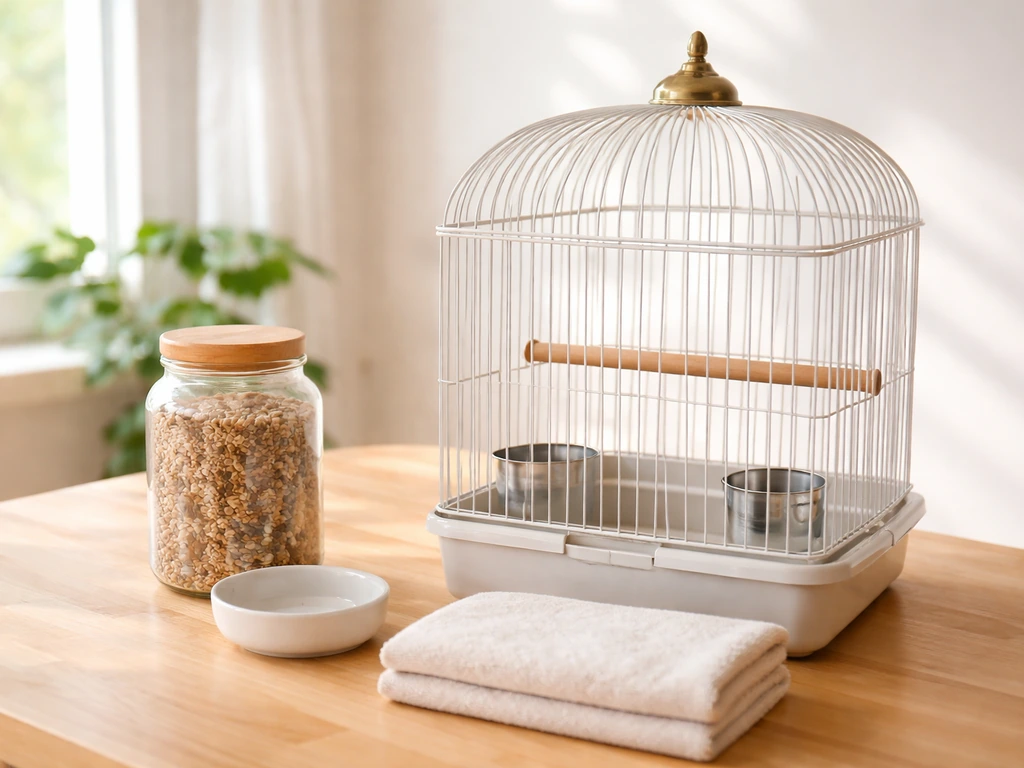
The best thing you can get a bird lover depends almost entirely on one question: do they own pet birds, or do they just love watching them? Those are two completely different gift universes. For pet bird owners, the most useful gifts improve their bird's daily life directly, think better food, safer toys, cleaner air, and smarter cage setups. For backyard bird watchers, you're looking at binoculars, feeders, and field guides. This guide focuses on the pet bird side of things, because that's where the real nuance (and the real gifting mistakes) happen.
What to Get a Bird Lover: Practical Gift Guide for Bird Owners

Marcus Chen
29 Apr 2026
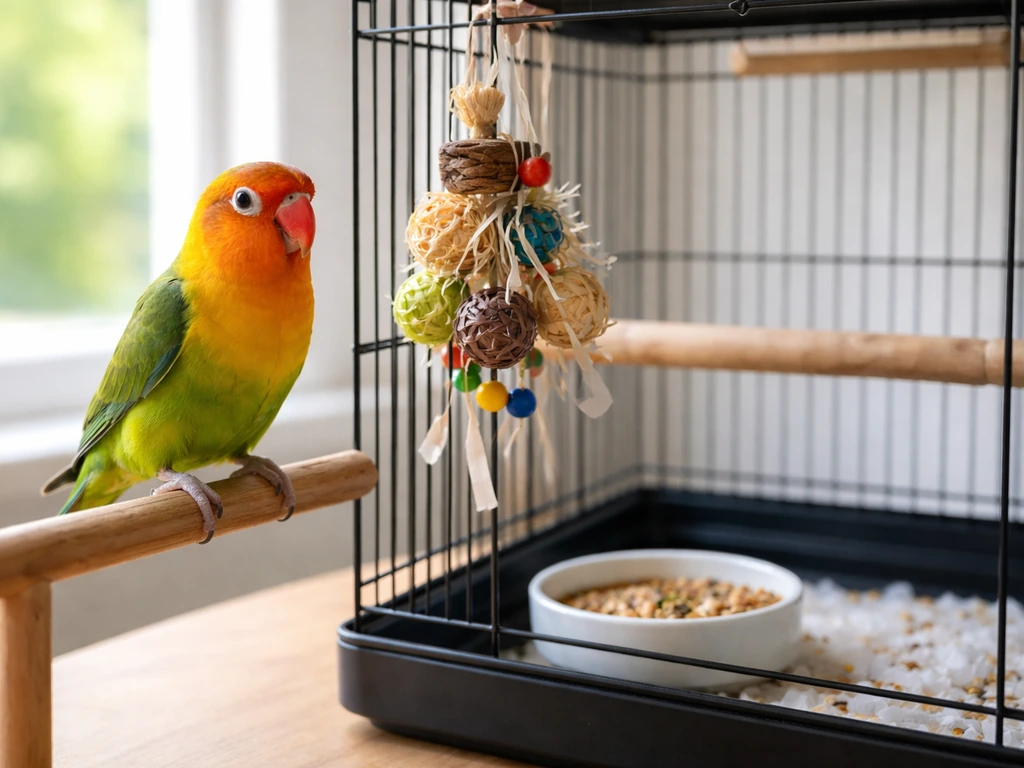
First, figure out which kind of bird lover you're shopping for
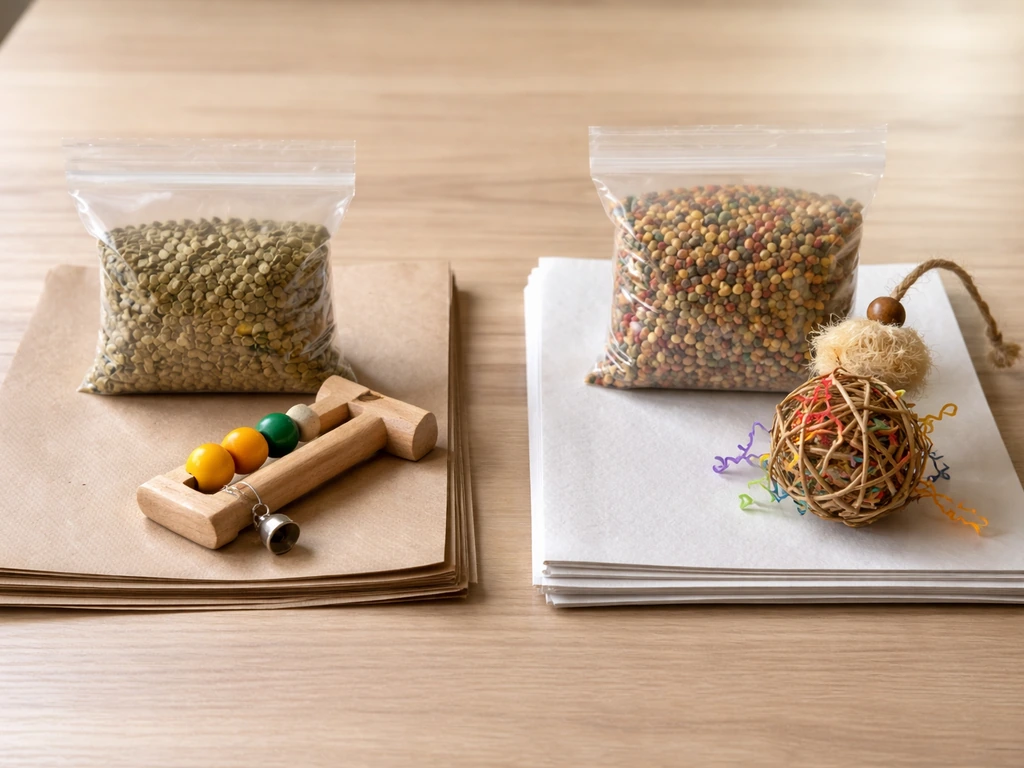
Before you buy anything, spend 30 seconds figuring out which category your bird lover falls into. Getting this wrong is how you end up with a gift that sits in a closet.
- New bird owner (just got their first bird or is about to): They need setup basics, safety-focused accessories, and foundational care items. They probably don't know what they're missing yet, which makes thoughtful practical gifts genuinely appreciated.
- Experienced keeper (multiple birds, years of experience, maybe different species): They're harder to shop for because they've already bought the obvious stuff. Focus on quality upgrades, specialty items, or consumables they always need more of.
- Bird-enthusiast-but-no-pets (loves birds, has bird art, watches feeders): This person wants bird-themed lifestyle gifts, field guides, quality binoculars, or feeder/garden accessories. The pet care gifts on this page won't land for them.
If you're unsure which category they're in, lean toward consumables or accessories that work for almost any bird owner, like high-quality treats, foraging toys, or a HEPA air purifier for the bird room. Those are hard to go wrong with. For bird watchers specifically, that's a different gift territory worth exploring on its own. If you’re shopping for someone who enjoys backyard birds, check out practical gifts like binoculars, feeders, and field guides backyard bird watchers.
Gifts that directly improve bird care: food, treats, and enrichment
This is the gift category I'd push hardest for, because it's genuinely useful and most bird owners are always cycling through these items. The key is knowing what's actually good for birds versus what just looks good on a shelf.
Pellets and diet staples
Avian vets consistently recommend that 70 to 90 percent of a parrot's diet come from a formulated, extruded pellet diet, with seeds, nuts, and table foods making up the rest. Seeds-only diets are a common mistake that causes real nutritional deficiencies over time. Gifting a bag of high-quality pellets from a brand like Harrison's, Zupreem, or Lafeber is genuinely one of the most useful things you can give a bird owner, especially a newer one who may still be transitioning their bird off a seed-heavy diet. Just make sure you know what size pellet their species needs: tiny finch-sized pellets aren't the same as macaw-sized ones.
Treats and foraging items
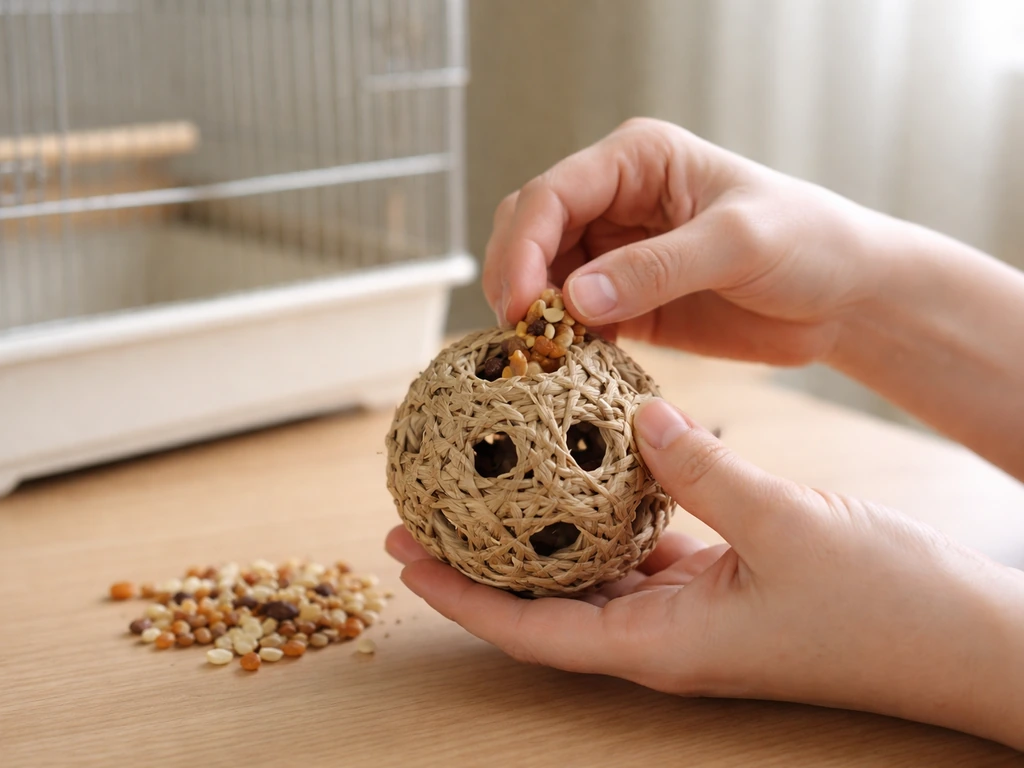
Foraging toys that can be stuffed with treats are some of the best enrichment investments for pet birds. Birds in the wild spend a huge chunk of their day searching for food, and captive birds that don't have that outlet often develop boredom behaviors. Foraging toys, puzzle feeders, shreddable treat holders, and Lafeber's nutriberries (which are popular because birds can hold them and pick them apart) all tap into this instinct. These make excellent gifts because they're consumed and replaced, meaning the bird owner will always want more.
Habitat and setup upgrades worth gifting
Cage accessories and habitat upgrades are where you can really make a difference for a bird owner, but this is also where the most gifting mistakes happen. A few key rules apply before you buy anything in this category.
Perches (and why the material and diameter actually matter)
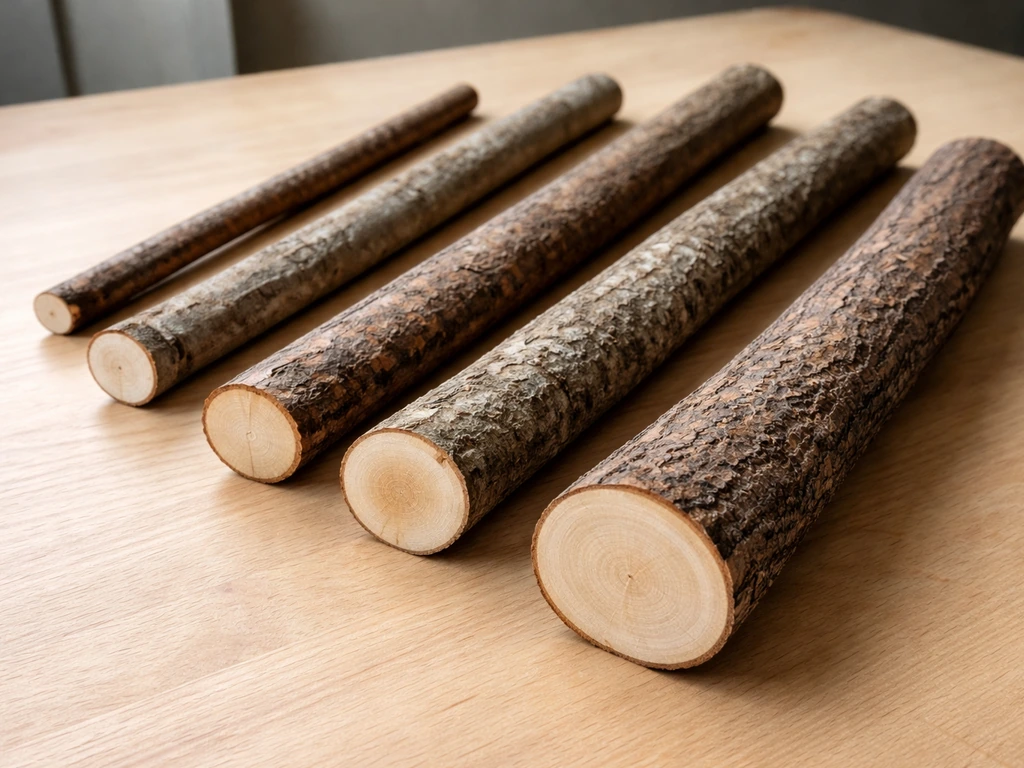
Natural wood perches in varying diameters are one of the best gifts for any bird owner. Different diameters exercise different foot muscles and prevent the foot problems that come from standing on one uniform surface all day. Good perch materials include natural untreated wood, cork, and rope. Skip sandpaper perches entirely: they're sold in most pet stores but can cause serious foot problems, and veterinary guidance is consistent that they shouldn't be used.
VCA Animal Hospitals also notes that sandpaper perch covers are not recommended because they can cause irritation and sores on birds' feet sandpaper perches. Calcium or mineral perches can be a nice addition for species that benefit from beak conditioning, but they're a complement to natural perches, not a replacement.
Toys that are actually safe
Safe toy materials include stainless steel, natural untreated wood, rope (cotton or sisal), and food-safe acrylic. What to avoid: anything with soldered or galvanized metal hardware, loose threads or tassels long enough to cause entanglement, and bells with removable clappers for strong chewers (a bird that can remove a clapper can swallow it). Shreddable toys made from palm fronds, cork, paper, and natural fibers are almost universally loved and completely safe. If you're buying toys, buying a variety of textures and sizes is smarter than buying one "premium" toy the bird may ignore.
Cage stands and playtops
A separate play stand or tabletop gym gives birds supervised out-of-cage time in a contained space, which is important for socialization and exercise. These are great gifts for new bird owners who may not have thought beyond the cage itself. For experienced keepers, a second or upgraded play stand for a different room can be genuinely useful.
A quick note on cage bar spacing if you're buying cage accessories
If you're buying anything cage-related, bar spacing matters more than most people realize. The rule is simple: the bird should not be able to fit its head through the bars. For cockatiels, that means roughly 1/2 inch bar spacing. For budgies, it's closer to 3/8 to 1/2 inch. For larger parrots the spacing increases, but always confirm before buying anything that attaches to or modifies the cage.
Daily care essentials and quality-of-life tools
These are the "boring" gifts that bird owners actually love because they use them every single day. If you're unsure what to get and want something safe and useful, this category is your best bet.
- Cage liners in bulk: Plain paper liners like newspaper or unbleached paper towels are recommended by avian vets and should be changed daily. A large roll of paper liner is genuinely appreciated. Avoid sandpaper cage liners, as birds may pick the sand off and ingest it, which can cause serious GI problems.
- Bird-safe cleaning spray: Birds are extremely sensitive to cleaning product fumes, and many common household cleaners are dangerous around them. Gifting a bottle of bird-safe cleaner (or a veterinarian-recommended option) is more thoughtful than it sounds.
- Stainless steel food and water dishes: These are easy to sanitize and don't harbor bacteria the way plastic dishes can. Extra sets are always useful because rotating them through the dishwasher is part of a good hygiene routine.
- Bathing supplies: Many birds love a shallow bath dish or a misting bottle for showering. A dedicated bird bath dish or a quality spray bottle just for the bird makes daily enrichment easier.
- Training clickers and target sticks: Positive reinforcement training improves bird behavior and deepens the human-bird bond. These tools are inexpensive, effective, and often overlooked by newer bird owners.
Bird-safe home and air quality: the gift category most people don't think about
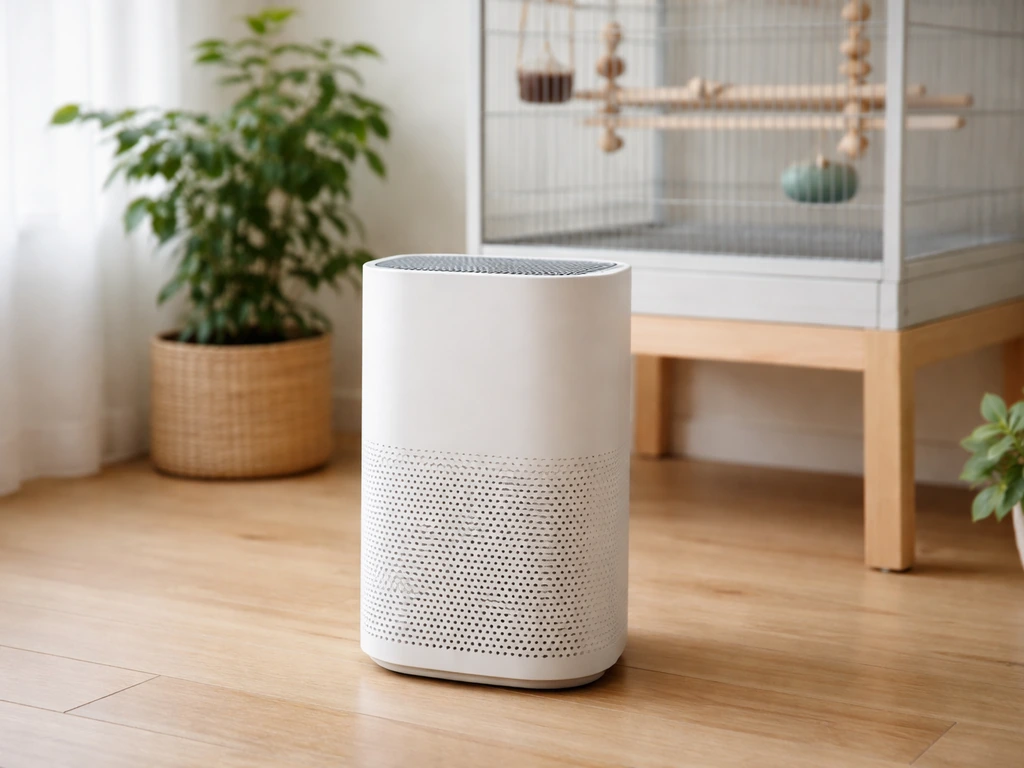
Here's something that doesn't show up on most gift lists but makes a real difference: birds have some of the most sensitive respiratory systems of any pet. Their lungs are designed for efficiency, which means airborne toxins hit them faster and harder than they'd hit a dog or cat. Gifting something that improves the air quality in a bird's living space is one of the most genuinely caring things you can do for a bird owner, especially a new one who may not know what risks are already in their home.
HEPA air purifiers for the bird room
The Association of Avian Veterinarians specifically recommends HEPA filtration around pet birds, and Best Friends Animal Society includes a HEPA air purifier as a standard recommendation for bird rooms. The Association of Avian Veterinarians provides bird-owner resources and emphasizes regular checkups with avian veterinarians to help monitor companion birds’ health.
Birds produce a lot of dander (especially African greys and cockatoos), and fine particulates from food, feathers, and cage substrate can build up fast. A quality HEPA air purifier placed in the room where the bird spends most of its time is a genuinely excellent gift. Look for a unit rated for the square footage of the room, and make sure it uses a true HEPA filter, not a "HEPA-type" filter.
What to warn a new bird owner about
If you're buying for a new bird owner, pairing a small gift with a printed note about common household hazards is actually a meaningful gesture. The biggest respiratory risks for pet birds include non-stick cookware (fluoropolymer coatings like Teflon can release fumes that are lethal to birds when pans overheat), aerosol sprays of any kind (air fresheners, cooking sprays, hairspray), candles and incense, cigarette smoke, and fumes from cleaning products. The AAV also specifically recommends using a vacuum with a HEPA filter in bird households, because standard vacuums can recirculate fine particles that irritate birds' airways.
Budget-friendly vs splurge gifts: how to pick your range
| Budget range | Best options | Who it's best for |
|---|---|---|
| Under $20 | Shreddable toy bundle, foraging toy, bulk paper cage liners, treat pack (nutriberries/pellets) | Any bird owner; safe, consumable, always needed |
| $20–$50 | Natural wood perch set, stainless steel dish set, bird-safe cleaner bundle, training clicker and target stick set | New to mid-level owners; practical daily-use upgrades |
| $50–$100 | Quality play stand or tabletop gym, premium foraging toy bundle, large bag of Harrison's or Zupreem pellets | Experienced owners or new owners still setting up |
| $100+ | HEPA air purifier (true HEPA, room-sized), stainless steel cage upgrade, professional avian vet gift card | Any committed bird owner; these are long-term investments in bird health |
If you're unsure where to land, the $20 to $50 range hits a sweet spot: you can put together a small bundle of consumables (treats, foraging toys, liners) that any bird owner will actually use up and want again. That's more useful than a single expensive item that may or may not fit their setup.
Matching size and species: the compatibility check you can't skip
Almost everything in the bird world is species and size dependent. A toy rated for a macaw is a safety hazard for a budgie (too many places to get stuck). A pellet sized for a cockatiel is comically large for a finch. Before you buy, try to find out what species the bird is. If you can't, stick to things that scale across sizes: shreddable toys made from palm fronds or paper are safe for almost any bird, and foraging items can be adjusted. Treats like nutriberries come in different sizes by species. When in doubt, ask the bird owner what size their bird is, or buy something adjustable and let them figure out the specifics.
Common gifting mistakes and how to avoid them
I've seen well-meaning gifts cause real problems for birds, usually because the giver didn't know what to look out for. Here are the most common mistakes and how to sidestep them.
- Gifting "gourmet" seed mixes as a treat: Seed mixes marketed as premium bird food often contain high-fat seeds, artificial colors, and sugary dried fruit that aren't great for birds long-term. They're not immediately dangerous, but they reinforce a seed-heavy diet that most vets are trying to move birds away from. Stick to pellets or species-appropriate fresh treats instead.
- Buying toys with galvanized or soldered metal hardware: This is the most dangerous mistake because it looks fine from the outside. Galvanized metal can cause heavy metal toxicity in birds. Always check that toy hardware is stainless steel or nickel-plated at minimum.
- Getting a cage without knowing the species: Cage bar spacing is a safety issue, not just a preference. A cage with bars too far apart can trap a small bird's head. Always verify the species before buying any cage or cage accessory with fixed bar spacing.
- Buying sandpaper perches or sandpaper cage liners: Both are still widely sold in pet stores and both are flagged as problematic by avian vets. Sandpaper perches can cause foot problems; sandpaper liners can cause GI issues if birds pick at them.
- Choosing non-stick or Teflon-coated cookware as a kitchen gift: If you're buying kitchen items for a bird owner, avoid anything with non-stick coatings. These aren't directly bird-related gifts, but overheated fluoropolymer coatings can kill a bird in minutes.
- Assuming all birds have the same needs: A gift perfect for a cockatiel is not automatically right for a conure or a pionus. When in doubt, stick to species-neutral consumables (shreddable toys, plain paper liners, bird-safe cleaning products) or ask.
Your quick-pick checklist if you're still not sure what to get
If you've read this far and you're still not sure, here's the default bundle I'd put together for almost any pet bird owner. It's practical, safe, and covers things they're always running low on.
- A variety pack of shreddable foraging toys (palm fronds, cork, paper-based; check that hardware is stainless)
- A species-appropriate bag of quality pellets (ask what size bird; Harrison's and Zupreem are widely trusted brands)
- A pack of nutriberries or similar species-appropriate treat (Lafeber makes these in budgie, cockatiel, and parrot sizes)
- Bulk paper cage liners or a roll of unbleached paper (plain, no sandpaper)
- A bottle of bird-safe cleaning spray
- If budget allows: a compact HEPA air purifier for the bird's room
That combination covers enrichment, nutrition, hygiene, and air quality, which are the four pillars of good daily bird care. Look for quality bird supplies within each of these pillars so the items are safe, effective, and truly useful day to day. It's also genuinely hard to go wrong with, because every item on that list is consumable, safe across most species, and something any bird owner needs more of. If you want the best bird accessories overall, this four-pillar checklist is a great place to start.
FAQ
What if I do not know the bird species, size, or whether the bird is on pellets yet?
Choose items that work across sizes and diets, like shreddable palm-frond or paper toys, foraging treats that come in multiple sizes, and an air purifier sized to the room. Avoid species-specific pellet sizes, and if you buy pellets anyway, confirm pellet diameter with the owner before purchasing.
Are seed mixes ever a good gift for a bird lover?
Seed blends can be a low-value gift because seeds should be a minority portion for many pet birds. If you want to include seeds, consider pairing a small seed portion with pellets or a foraging toy, and keep it clearly as an enrichment add-on rather than the main food.
Can I gift a new cage, or is that too risky?
It can be risky because cage bar spacing, door sizes, and accessory compatibility are species-dependent. If you want to contribute, gift a safe upgrade that attaches internally and fits the existing cage, or give a gift card specifically for cage supplies where the owner can match spacing and hardware.
What is the safest material for a perch if I am trying to avoid foot injuries?
Prioritize natural untreated wood perches in multiple diameters (and optionally rope or cork). Skip sandpaper perches, and do not rely on calcium or mineral perches as the only perching option because they should complement, not replace, natural surfaces.
How do I pick a foraging toy that the bird will actually use?
Match toy size to beaks and body size, and choose a type the bird can manipulate safely (stuffable puzzles, shreddable holders, or treat tubes). When in doubt, buy two smaller options with different textures instead of one large “premium” toy that may go ignored.
Is a play stand necessary, and what should I watch for?
A play stand is a meaningful gift if the bird gets out-of-cage time, because it supports supervised exercise and socialization. Use one with a stable base and non-toxic surfaces, and keep it in the same room to reduce stress from constantly changing environments.
Do HEPA air purifiers help with bird dander and odor, or is it mostly a marketing claim?
HEPA filtration helps with fine particulates from dander and feather dust, but you still need to reduce sources like dirty liners and soiled substrates. Choose a unit rated for the bird room’s square footage and confirm it uses true HEPA filtration, not a “HEPA-type” claim.
What common household items should I warn the bird owner about that are easy to overlook?
Besides non-stick cookware and aerosols, watch for heated air fresheners, scented plug-ins, incense, candles, and any strong fragrance cleaners. Also consider advising them to use a HEPA-filtered vacuum so particles do not get kicked back into the air.
If I want to buy “bird treats,” what is the safest approach?
Look for treats designed for training or enrichment (like nutriberry-style items or foraging-safe treats) rather than snack foods marketed as complete nutrition. Confirm any species sizing, especially for smaller birds that can struggle with large treats or hard pieces.
What is the best way to avoid toy safety issues when I cannot see the bird’s chewing style?
Avoid bells with removable parts, loose tassels, and toys with questionable metal hardware. Prefer stainless steel, rope, natural untreated wood, food-safe acrylic, and shreddable materials like palm fronds or paper, then choose multiple textures so the bird can select what they tolerate best.
What is a good budget plan when I want to buy something meaningful but not expensive?
In the $20 to $50 range, build a small “repeatable” bundle: one foraging item, one consumable treat, and one hygiene or liner-related item. This tends to outperform a single pricey product that may not match their cage size or bird preferences.