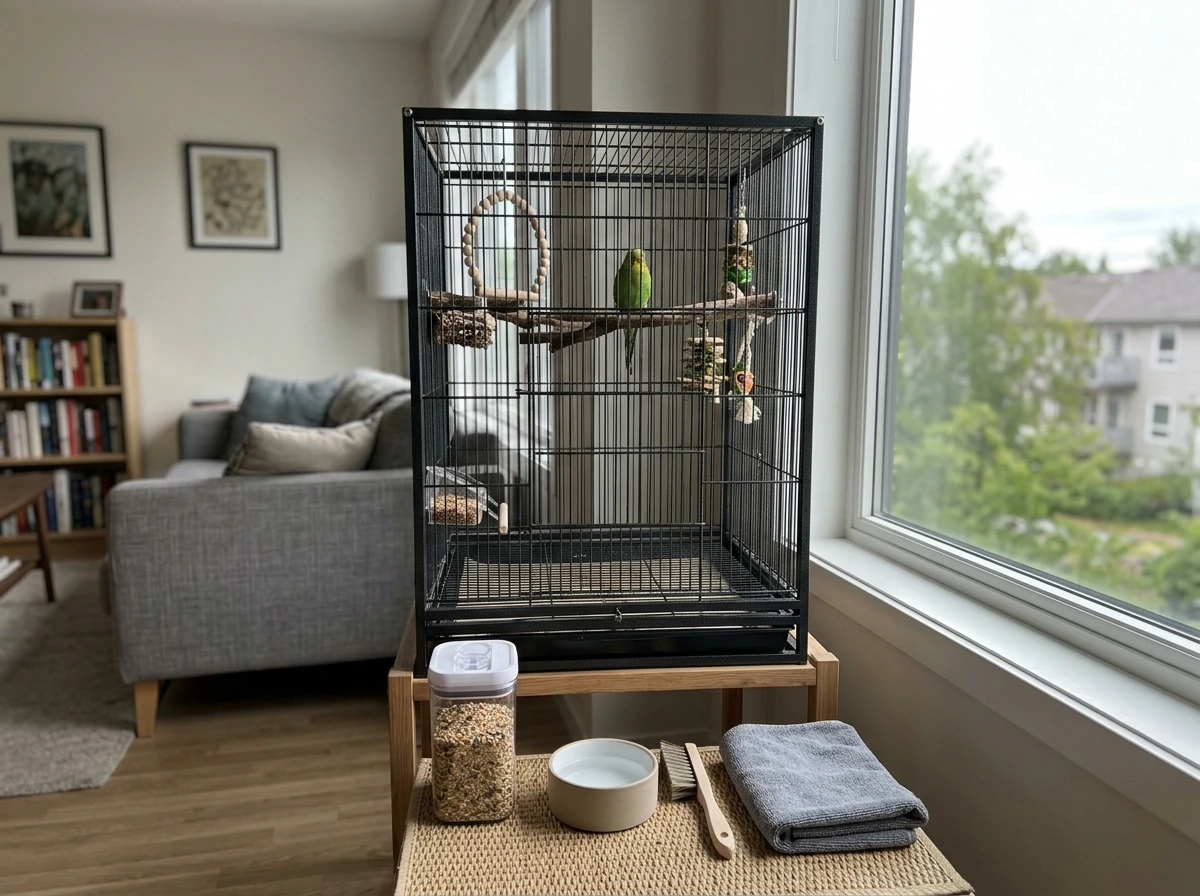
The best bird for a home pet, especially if you're a first-timer, is the budgerigar (budgie/parakeet). Full stop. They're small, affordable, genuinely affectionate when hand-tamed, and their care needs are manageable without a huge time or space commitment. Cockatiels are a very close second and often a better fit if you want something a bit more interactive. Lovebirds and parrotlets round out the beginner-friendly tier. That said, the "best" bird really depends on your home size, noise tolerance, how much daily hands-on time you can offer, and a few safety factors most guides skip over. This article walks through all of it.
Best Bird for Home Pet: Top Beginner Choices and Setup
Marcus Chen
17 Apr 2026
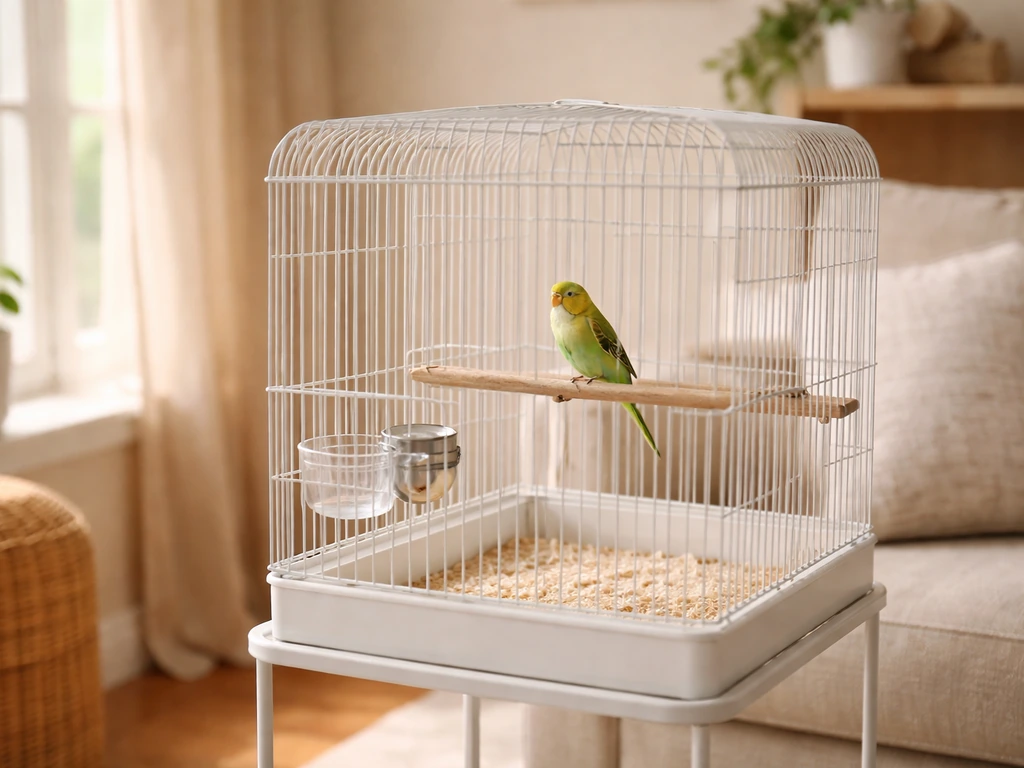
How to pick the right bird species for your home
The single biggest beginner mistake I see is choosing a bird based on looks or a viral video. Someone falls for a talking African grey or a flashy macaw, buys one, and then discovers the bird needs 4+ hours of daily interaction, is louder than a smoke alarm, and can outlive them. For a home environment, you want a bird that scores well across five practical criteria: noise level, social and attention needs, mess level, lifespan and long-term commitment, and care complexity. Here's how those criteria shake out in plain language.
- Noise level: Can your household (and neighbors) handle constant chirping, or do you need a quieter species? Small birds like budgies and cockatiels are vocal but rarely shrill; larger parrots can be genuinely disruptive.
- Social and attention needs: Some birds are fine with a companion bird for company; others will develop behavioral problems if you can't give them significant daily one-on-one time.
- Mess level: All birds create mess. Larger birds create proportionally more. Seed hulls, feather dust, and food debris are a daily reality you need to be ready for.
- Lifespan: Budgies live roughly 10 to 12 years with proper care. Cockatiels commonly reach 15 to 20 years. Some parrots live 50 to 80 years. This is a real commitment.
- Care complexity: Can you handle a specific dietary transition, daily handling, and vet visits? Some species are forgiving of beginner errors; others are not.
If you're scanning this wondering whether a specific, less-common species might suit your home, it's worth doing a deep dive before committing. For example, if you're curious about whether a myna bird is good for a home setting, the answer involves some real trade-offs around noise and housing space that you'd want to understand upfront.
The top pet bird picks for home life
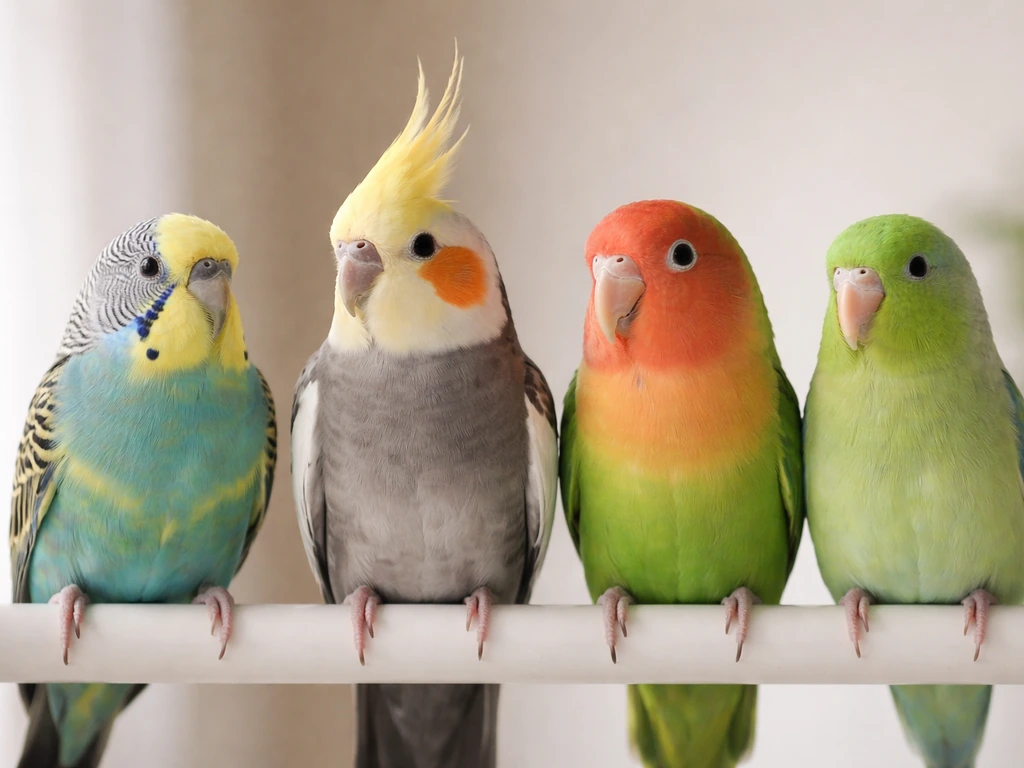
Here's my honest breakdown of the species I'd actually recommend to someone setting up their first bird at home. I've tried to keep this grounded in what day-to-day ownership actually looks like, not just the glossy version.
Budgerigar (budgie / parakeet)
Budgies are the world's most popular pet bird for good reason. They're small (around 30–40 grams), relatively quiet, can learn to mimic words, and bond well with patient owners. With proper care, they live 10 to 12 years, so you're signing up for a real relationship but not a 40-year commitment. They're social birds that do well in pairs, though pairing requires thought since adding a second bird can shift their human bonding. They're also forgiving of beginner diet mistakes, though a pellet-forward diet is still the goal. The main trade-offs: they're fragile, they need daily supervision outside the cage, and they do produce fine feather dust.
Cockatiel
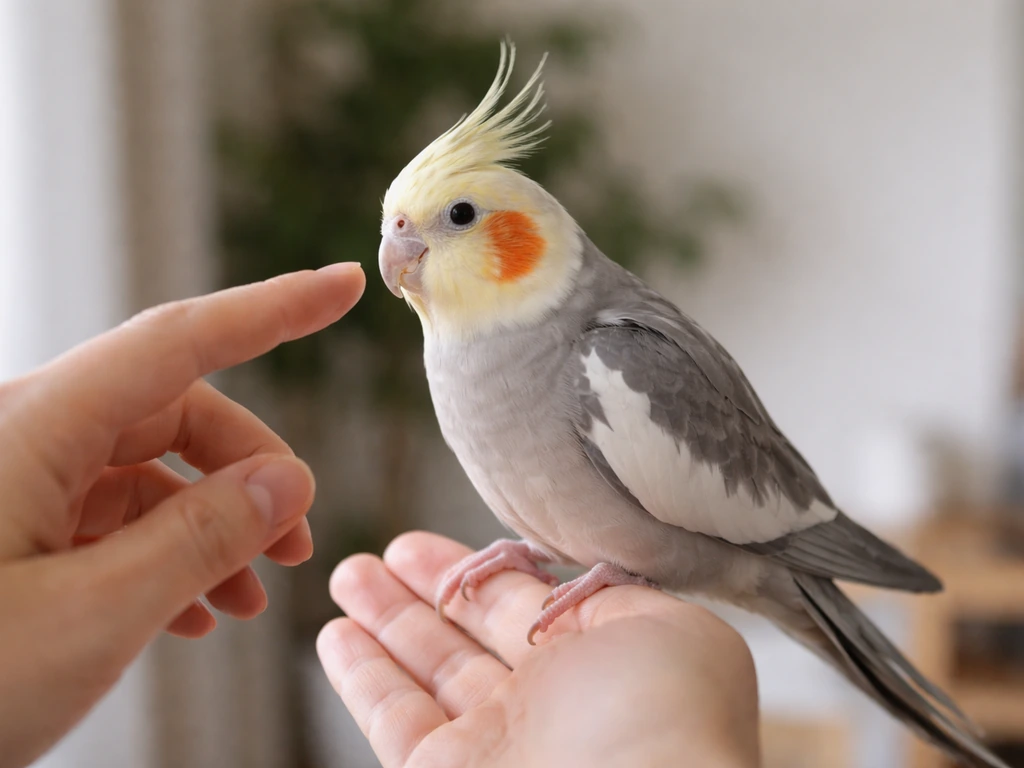
Cockatiels are my personal recommendation for anyone who wants a bird they can actually handle and train. They're gentle, responsive to taming, and have a personality that's genuinely dog-like in their desire to be near you. They whistle and chirp but rarely scream unless something is wrong. The handling approach matters a lot here: taming a cockatiel requires patience and reading behavioral cues carefully, which is why beginner-specific handling guidance is so useful when you're just starting.
Cockatiels produce significant feather dust (an important note for people with allergies or asthma) and they need a minimum cage size of 20 inches by 20 inches by 24 inches with bar spacing of half an inch to five-eighths of an inch. Plan for a 15 to 20-year commitment.
Lovebird
Lovebirds are feisty, bold, and deeply affectionate with their chosen person, but they have a reputation for nippy behavior when not properly socialized. If you have the time to handle them consistently from a young age, they're fantastic home pets. They're small, colorful, and entertaining. If you don't have that time, a lovebird left under-stimulated can become territorial and difficult. They're also a species where diet matters a lot: about 60 to 70 percent of their daily intake should be nutritionally complete pelleted food formulated for lovebirds or small parrots, with fresh vegetables, fruits, and fortified seeds making up the rest. Fresh water needs to be changed daily without exception.
Parrotlet
Parrotlets are the smallest parrots commonly kept as pets, but don't let their size fool you. They have big personalities and can be quite nippy if not socialized well. They're quieter than most parrots, which makes them appealing for smaller homes, but they need daily interaction to stay tame. If you're weighing your options and space is a major factor, the broader conversation about what makes a great house bird pet is worth reading before you decide.
| Species | Noise Level | Attention Needs | Lifespan | Beginner Friendliness | Feather Dust |
|---|---|---|---|---|---|
| Budgerigar | Low to moderate | Moderate (pairs help) | 10–12 years | Excellent | Moderate |
| Cockatiel | Moderate | High | 15–20 years | Excellent | High |
| Lovebird | Moderate | High | 10–15 years | Good (with time) | Low to moderate |
| Parrotlet | Low to moderate | High | 15–20 years | Good (needs consistency) | Low |
What daily care actually looks like
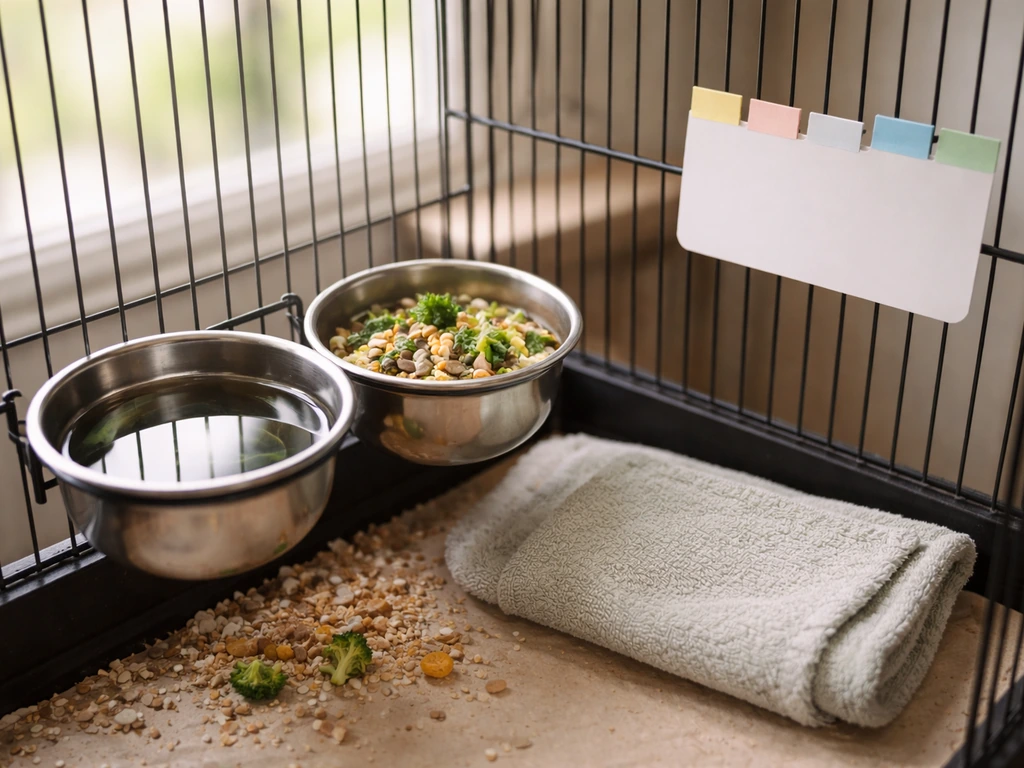
Let me be straight with you: birds are not low-maintenance pets. They need daily attention, fresh food and water every single day, and real out-of-cage time. Here's what a realistic daily routine looks like for a beginner bird owner.
Feeding
The goal for most small companion birds is a diet that's primarily high-quality pelleted food (around 70 to 80 percent of intake for cockatiels and budgies) with fresh vegetables, leafy greens, and small amounts of fruit filling the rest. For a single lovebird, you're looking at roughly 1. 5 to 2 ounces (45 to 60 grams) of feed per day. Seeds aren't evil, but an all-seed diet leads to nutritional deficiencies over time.
Fresh fruits and vegetables should make up 20 to 40 percent of a lovebird's daily diet. The tricky part is transitioning a bird that's been raised on seeds to accept pellets. That conversion process takes patience and should never be done while the bird is already under any kind of health stress.
Cleaning
Daily cleaning is non-negotiable. Change the cage liner or paper every day, freshen up food and water bowls, and spot-clean any visibly soiled surfaces. For food cups specifically, disinfect them using a solution of 90 percent water and 10 percent bleach, letting them soak for about 10 minutes before rinsing thoroughly. For the cage itself, avoid chemical cleaning solutions since residue can harm birds. A weekly deeper clean of the whole cage keeps bacteria and mold from building up. This routine sounds like a lot but genuinely takes about 10 to 15 minutes once you have a system.
Social time and out-of-cage interaction
Birds need daily playtime outside their cage. Not optional, not occasional. A few hours of out-of-cage time every day is the standard you're working toward. During that time, supervise constantly. Budgies in particular can get into serious trouble fast: ceiling fans, open windows, other pets, and non-stick cookware fumes (more on that shortly) are all real hazards. Build a predictable routine since birds thrive on schedule and can become anxious or scream more when interaction is inconsistent or unpredictable.
Setting up your home for a bird
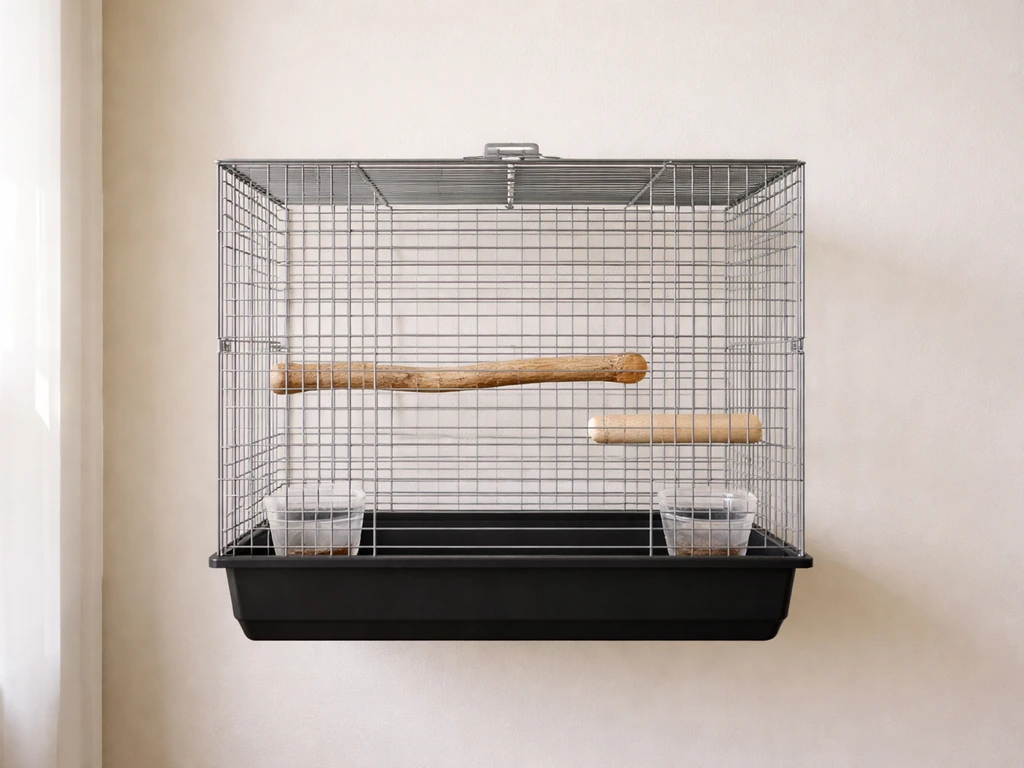
The cage is your bird's primary living space, so getting it right matters more than any toy or accessory. For small species like budgies, cockatiels, lovebirds, and parrotlets, the minimum cage size recommended is 20 inches by 20 inches by 30 inches, with bar spacing of no more than half an inch. Bar spacing is critical: bars that are too wide allow heads to get stuck, which is a real injury and mortality risk. Bigger is always better when it comes to cages. If you can go larger, do it.
Cage placement and perches
Place the cage at eye level or slightly below, against a wall (not in the center of a room) so the bird feels secure. Avoid drafty areas, direct strong sunlight, and never put the cage in the kitchen. The kitchen connection is about more than heat and cooking smells. You need perches of varying diameters and textures to keep foot muscles healthy. Natural wood perches are far better than the uniform plastic dowels most starter cages include. Rope perches and cement perches add useful variety.
Enrichment and toys
Rotate toys regularly. A bored bird is a loud, destructive, or self-harming bird. Foraging toys (where the bird has to work to find food) are especially valuable because they mimic natural behavior and keep birds mentally occupied. Shredding toys, foot toys, and bells are all popular with small species. Don't overload the cage to the point where the bird can't move freely. Three to four toys at a time, rotated every week or two, is a practical starting point.
Sleep routine
Birds need 10 to 12 hours of uninterrupted sleep in a dark, quiet environment. A cage cover or a separate sleep cage in a quiet room works well. Chronic sleep deprivation causes behavioral problems and immune suppression over time. This is one of those things that sounds fussy until you see the difference a proper sleep routine makes in a bird's temperament and health.
Vet care, health basics, and beginner mistakes to avoid
Birds hide illness instinctively. By the time a bird looks obviously sick, it's often been unwell for days or longer. This is one of the most important things new bird owners need to internalize. An annual avian wellness exam is the standard of care, and it typically includes a fecal test for parasites and, depending on findings, bloodwork such as a complete blood count and radiographs. Yearly wellness exams with blood testing are particularly valuable for catching problems before they become untreatable. Find an avian vet before you bring your bird home, not after something goes wrong.
Warning signs to watch for
- Open-mouth breathing, tail bobbing during breathing, or visibly labored respiration — these are respiratory emergencies.
- Fluffed feathers and lethargy combined, especially if the bird is sitting at the bottom of the cage.
- Significant changes in droppings (color, consistency, or volume) that persist more than a day.
- Sudden weight loss — weigh your bird weekly on a gram scale as a baseline habit.
- Egg binding in female birds: if a hen is straining, fluffed up, and seems to have lost the ability to pass an egg, seek veterinary help immediately. This is a life-threatening emergency.
Common beginner mistakes
- All-seed diets: seeds are like junk food for birds. Start with pellets from the beginning rather than trying to convert a seed-addicted adult bird later.
- Cage too small: the minimum cage sizes listed above are minimums, not ideals. Cramped birds develop behavioral problems.
- No avian vet lined up: regular vets often don't have the training to treat birds. Find a certified avian vet first.
- Inconsistent socialization: skipping handling for a week because life got busy can set back taming progress significantly with younger birds.
- Unsafe household items: nonstick cookware, aerosol sprays, scented candles, and air fresheners are all hazardous.
Air quality, fume safety, noise, and apartment living
This section could save your bird's life, and it's consistently underemphasized in beginner guides. Fumes from overheated PTFE (Teflon) nonstick cookware can cause rapid, life-threatening respiratory distress in birds. PetMD specifically warns that [fumes and aerosol poisoning can be harmful to birds](https://www. petmd.
com/bird/emergency/poisoning-toxicity/ebdfumesandaerosol_poisoning) and notes that cookware fumes, including from nonstick or fluoropolymer coatings, can contribute to respiratory irritation. We're not talking about a slow decline. Birds can die within minutes of exposure. The critical thing most people don't realize: even if your bird's cage isn't in the kitchen, your HVAC system can circulate those fumes throughout your entire home.
Overheated nonstick cookware is lethal to birds, period. Switch to stainless steel, cast iron, or ceramic cookware. This is a non-negotiable safety upgrade.
Beyond cookware, be aware of: aerosol sprays (hairspray, air fresheners, cleaning products), scented candles and wax melts, cigarette and e-cigarette smoke, and carbon monoxide. Birds have highly efficient respiratory systems that make them far more sensitive to airborne toxins than humans or dogs. Good ventilation and an air purifier with a HEPA filter are worth the investment.
On noise: parakeets and small birds use contact calls to communicate, and they may vocalize more when bored, under-stimulated, sleeping poorly, or spending too much time alone without predictable interaction. The fix for excessive noise is almost always enrichment and routine, not punishment. If you're in an apartment and noise is a concern, budgies and cockatiels are genuinely manageable. For a more detailed breakdown of which species work best in smaller spaces, the guide on the best bird pets for apartment living covers the noise and space trade-offs in depth. And if you're looking specifically at the best small bird pets for a compact home, there are some great options that fit even the tightest living situations.
One more thing worth mentioning: feather dust. Cockatiels and cockatoos produce significant amounts of powder down, which can aggravate allergies and asthma. If anyone in your household has respiratory sensitivities, lean toward low-dust species like budgies, lovebirds, or parrotlets, and run a HEPA air purifier near the cage.
Matching the right bird to your actual situation
Here's a simple way to think through your decision before you commit. Answer these honestly, and the right species usually becomes obvious.
| Your Situation | Best Fit |
|---|---|
| Limited time, want a companionable but lower-maintenance bird | Budgerigar (especially a pair) |
| Want a hands-on, trainable bird you can handle daily | Cockatiel |
| Small apartment, noise-sensitive neighbors | Budgerigar or parrotlet |
| Allergies or asthma in the household | Lovebird or budgerigar (lower dust) |
| Seniors or quieter households wanting gentle companionship | Cockatiel or budgerigar |
| Older children in the house who want interaction | Cockatiel or lovebird (with supervision) |
| Tight budget for startup costs | Budgerigar (lowest cost species and setup) |
| Want a talking bird as a first bird | Budgerigar (surprising talkers) or cockatiel |
If you're buying for an older adult or a household where calm, low-stress companionship matters most, the considerations shift a bit. The guide on the best bird pets for seniors addresses those specific dynamics really well. And if you've been eyeing something outside the typical parrot family, it's worth knowing whether a more unusual species is actually practical. For instance, if a dove has caught your attention, the honest look at whether a dove bird is good for home life might either confirm your instinct or redirect you toward something better suited.
Your practical next steps
- Choose your species first using the table above and honest self-assessment of your time, space, and household.
- Find a certified avian vet in your area before purchasing any bird. Call ahead and confirm they see the species you're planning to get.
- Buy the cage before the bird. Set it up, place it properly, remove all nonstick cookware from your home, and let the environment settle for a few days.
- Source your bird from a reputable breeder or avian rescue rather than a large pet chain store. Ask to handle the bird before purchasing, and look for bright eyes, smooth feathers, and active behavior.
- Stock up on supplies before bringing the bird home: high-quality pellets, a gram scale for weekly weight checks, a cage cover, a variety of perches, and three to four starter toys.
- Plan your first vet visit within the first two weeks of bringing the bird home for a baseline health check.
- Commit to a daily routine from day one: fresh food and water every morning, a consistent sleep schedule, and daily handling or interaction time.
The honest truth is that almost any of the beginner-friendly species above will thrive in a home environment if you do the prep work. The birds that struggle are the ones whose owners didn't think through the daily commitment or the safety setup in advance. Get those two things right, and you're going to have a genuinely rewarding experience.
FAQ
Can I keep the best bird for home pet if I’m away at work most of the day?
If you work long hours, a single small bird often becomes bored and noisy, even with a good cage. Plan for a predictable out-of-cage routine before buying, or consider a pair only after learning that second-bird bonding can reduce how much the bird wants human contact. For unscheduled work, a mid-day check-in (walk-in time, talk time, food refresh) matters as much as the evening routine.
What’s the correct way to handle food and water on days I can’t fully keep the routine?
No. Birds need daily diet variety and daily water changes, but they also need the right storage and portions. Use airtight storage for pellets and rotate greens so they do not sit warm or wilted, because spoiled foods can cause rapid gut issues. If you travel, arrange an experienced avian sitter, not a general “feeds the bird” person.
Does a sleep cover actually replace a quiet room for bird rest?
A cage cover for sleep is helpful, but “dark” must also mean quiet and temperature-stable. If your bird can still see movement or hear frequent household noise, they may not get true rest, which shows up as more contact calling and cranky behavior. Choose a cover that blocks light without overheating the cage.
Are budgies, cockatiels, lovebirds, or parrotlets safe with cats or dogs?
If your household has pets, introduce them slowly and never rely on “they seem calm.” Many bird injuries happen during unsupervised curiosity, even with dogs or cats that are friendly to people. Keep the bird in a separate, secure room for any first meetings, use a barrier if needed, and plan to separate permanently if either animal shows chase behavior.
How many different perches do I actually need, and can I just use the ones in the starter cage?
Not unless the perch is designed for bird feet and you change it often enough to prevent pressure points. Perches should include different diameters and textures, and the cage should not be set up so the bird spends all day on one surface. Check feet regularly for swelling or sores and replace perches that become smooth or uneven.
Are air fresheners, cleaning sprays, and scented candles really that dangerous for a home bird?
Most new owners underestimate how quickly airborne chemicals build up. If you clean with sprays, cook with anything on nonstick cookware, or use candles, assume the fumes can affect your bird unless the bird is in a separate, well-ventilated space. A HEPA air purifier helps, but it does not make aerosols and overheated fumes safe.
What symptoms should mean I call an avian vet immediately, not “wait and see”?
Yes, and it’s a common reason birds get worse instead of better. Because birds often hide illness, any abnormal droppings, fluffed posture, reduced appetite, labored breathing, or tail-bobbing should trigger a same-day avian vet call. Keep a small “emergency list” of avian clinics before your bird arrives so you are not scrambling.
How do I reduce nippy behavior in lovebirds or parrotlets without accidentally making it worse?
Biting can be a communication cue, not only “bad behavior.” For lovebirds and parrotlets, consistent gentle handling and teaching acceptable touch timing (approach, step-up, then reward) reduces nips, but overstimulation can still trigger fast bites. Track what happens right before biting, then adjust handling length, social time, and cage access.
When should I upgrade from a starter cage, and what should I check first?
Many “starter cage” bars are too wide for heads to be safe, and the cage often lacks enough usable horizontal flight space. Measure bar spacing and minimum internal dimensions, then upgrade early if you are close to the minimums. Also, confirm that toys and perches can be arranged so the bird can move freely without squeezing.
What’s the best way to manage allergies or asthma with a beginner bird?
Feather dust is not only a comfort issue, it can worsen asthma or allergies over time. If anyone in the home is sensitive, use the low-dust species you mentioned, add an air purifier near the cage, and keep cleanup consistent (vacuum and wipe around the cage area). Also avoid moving feathers into the air during cleaning by using damp methods when appropriate.
Next Article
Best Bird Pets for Apartment Living: Top Beginner Picks
Beginner-friendly apartment bird picks, setup tips, noise and mess realities, and a simple daily care routine.