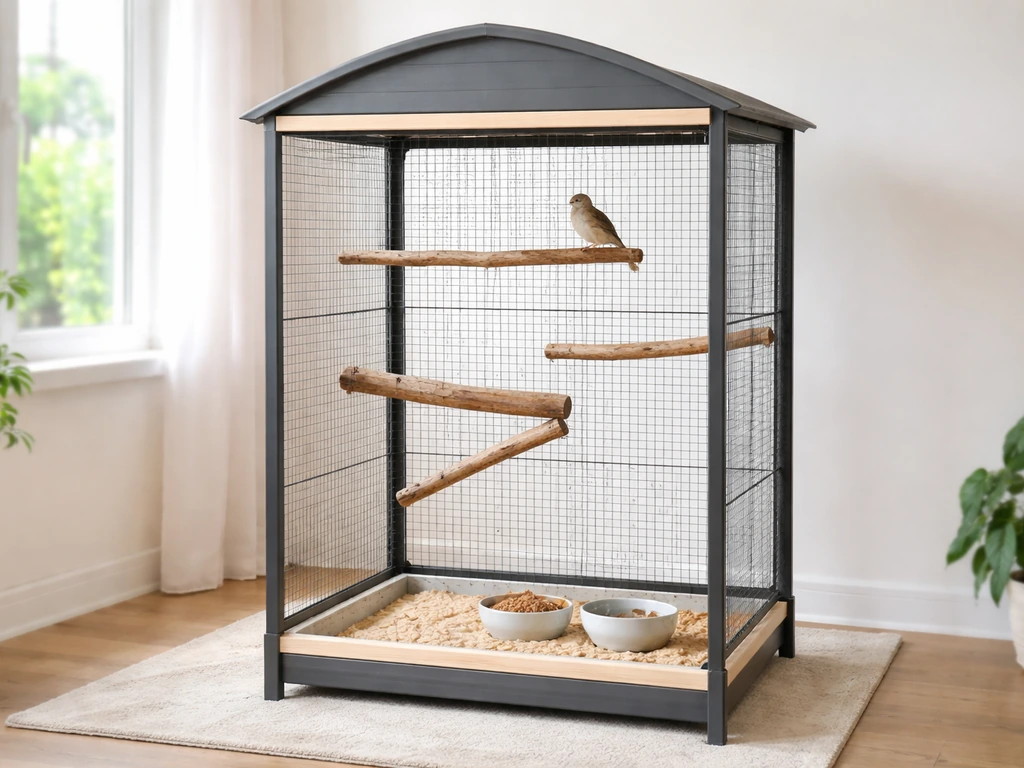
A basic bird aviary runs anywhere from $200 to $600 for a small pre-built indoor unit, $800 to $3,000 for a mid-range backyard setup, and $5,000 to $15,000 or more for a large custom outdoor aviary installed on a concrete pad with heating, lighting, and proper predator-proofing. Those numbers assume you're buying a complete kit or hiring someone to build it. Go the DIY route with quality materials and you can shave 30 to 50 percent off the build cost, but you'll trade money for time and a fair amount of problem-solving.
How Much Is a Bird Aviary Cost Breakdown by Size

Marcus Chen
6 May 2026
What counts as a bird aviary, and why that matters for your budget
An aviary is a large enclosed space where birds can fly, forage, and behave more naturally than they can in a standard cage. That's the key distinction: cages are for perching and sleeping; aviaries are for living. The size, location, and species mix you're planning for determines almost everything about the price.
- Indoor aviaries: Usually freestanding units 3 to 6 feet tall, placed in a spare room, sunroom, or garage. No weather protection needed, no permits in most cases, and much cheaper to heat. Best for finches, canaries, budgies, or small parakeets.
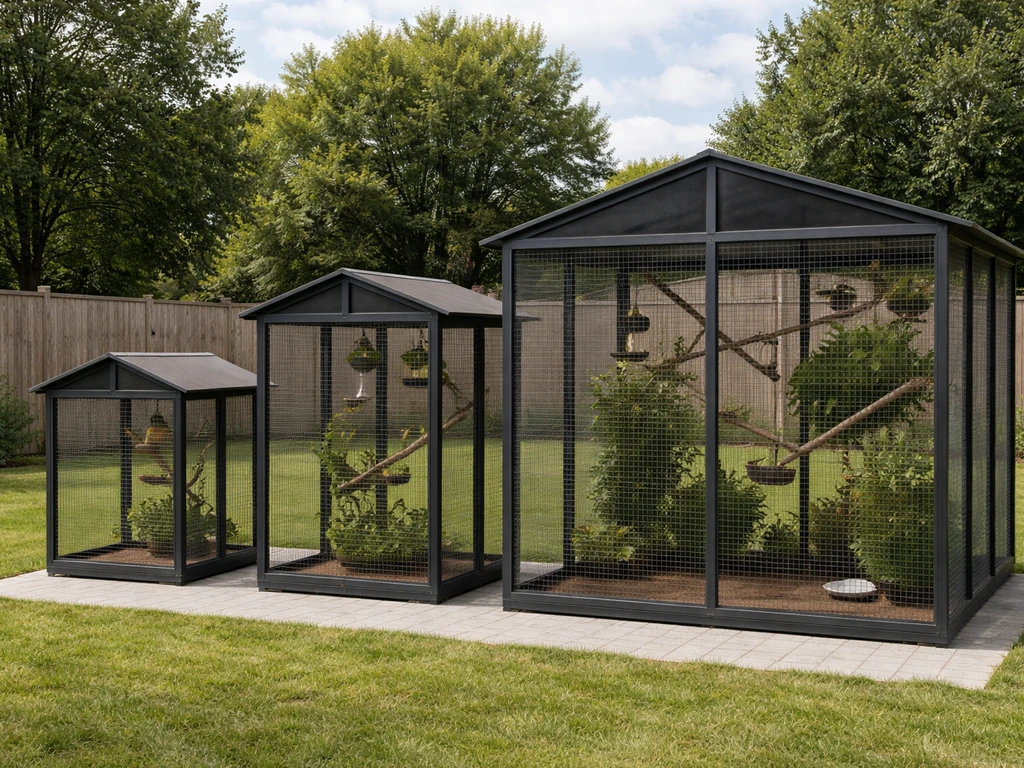
- Outdoor aviaries: Permanent or semi-permanent structures in your yard. They need weather protection, predator-proofing, drainage, and often some kind of anchoring. Size can range from a walk-in 6x8 ft shed-style enclosure up to a full 20x10 ft flight aviary.
- Single-species vs mixed: Housing finches together is straightforward. Mixing parrots with softbills, or aggressive species with passive ones, complicates the layout and usually raises the cost because you need dividers, separate feeding stations, and more enrichment.
- DIY vs pre-built kit vs custom build: Pre-built kits are fastest but often made from cheaper materials. DIY lets you control quality. Custom builds offer the best result but cost the most upfront.
Before you price anything, nail down these three things: how many birds and which species, indoor or outdoor, and whether you want a walk-in aviary or a large flight cage you manage from outside. Every cost range in this article flows from those answers.
Cost ranges: budget, mid-range, and premium setups
| Setup Type | Typical Price Range | Best For | What You Get |
|---|---|---|---|
| Budget indoor aviary | $150 to $600 | Finches, canaries, budgies | Pre-built wire cage, basic perches, no climate control needed |
| Budget outdoor aviary (DIY) | $400 to $1,200 | Small to medium birds, single species | Basic timber frame, galvanized mesh, simple roof panel |
| Mid-range outdoor aviary | $1,500 to $4,000 | Parakeets, cockatiels, doves, small flocks | Powder-coated or timber frame, welded mesh, concrete or paver floor, basic shelter |
| Premium outdoor aviary | $5,000 to $15,000+ | Parrots, mixed species, breeding setups | Custom frame, stainless steel mesh, insulated shelter, drainage, heating, lighting, safety porch |
These are installed or completed costs. If you're building yourself, subtract 30 to 50 percent from the mid-range and premium figures but add several weekends of labor. A 6x8 ft DIY outdoor aviary using treated timber and welded galvanized mesh will typically cost $500 to $900 in materials alone, depending on your local lumber and hardware prices in 2026.
Where the money actually goes: component-by-component breakdown
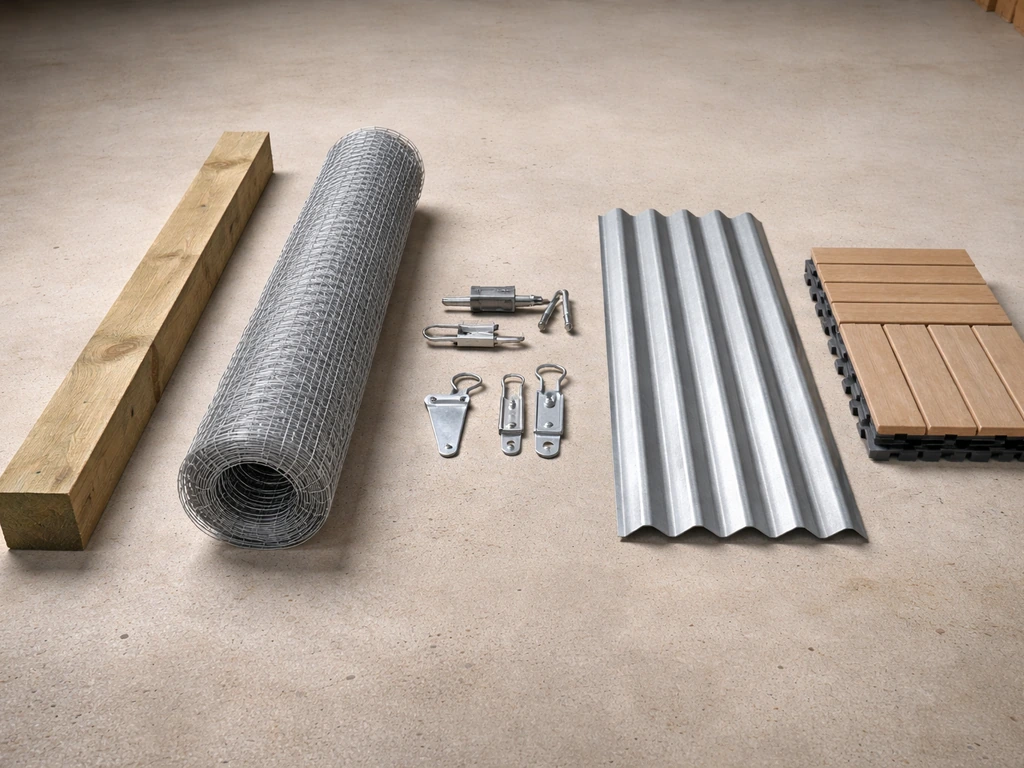
People always underestimate how many separate line items make up an aviary. Here's where your budget goes, roughly in order of what you'll spend the most on.
Frame and structure
The frame is your biggest variable. Treated timber (the most common DIY choice) runs $150 to $400 for a mid-size aviary. Powder-coated steel framing costs more upfront, $300 to $800, but lasts longer and doesn't rot. Pre-fabricated aluminum walk-in kits sit in the $600 to $1,800 range. For large custom builds, welded steel framing can push $2,000 to $5,000 before the mesh goes on.
Aviary mesh or wire
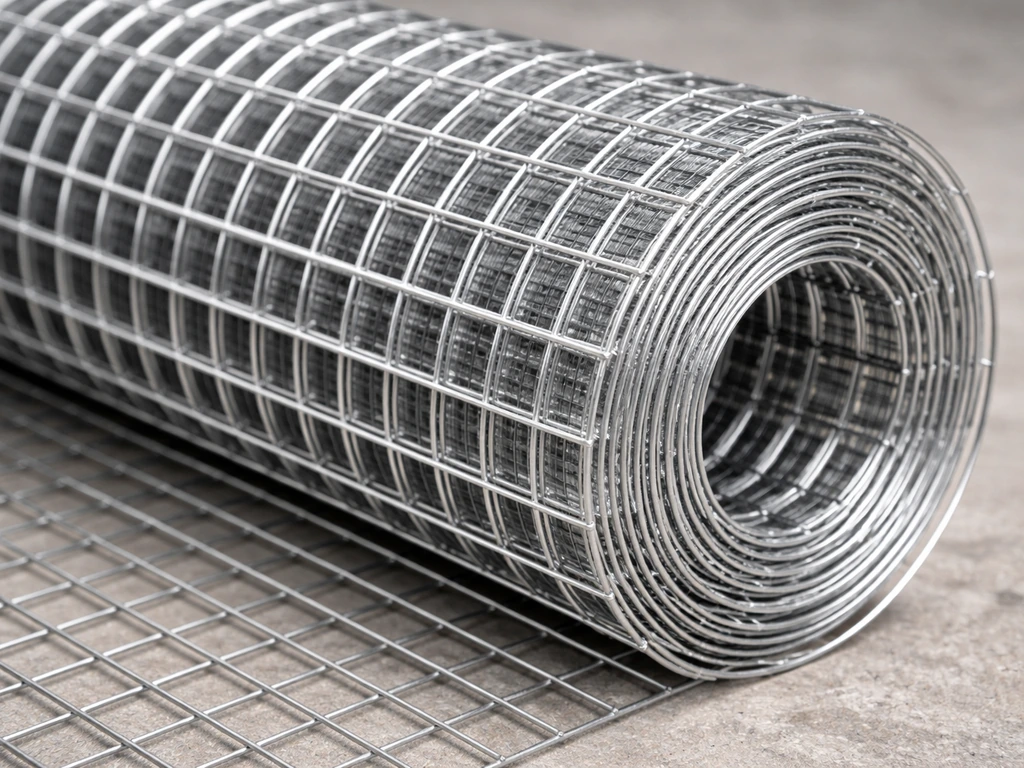
This is the component where cutting corners will cost you most in the long run. Galvanized welded wire mesh is the budget standard: expect $40 to $120 for a 50-foot roll of 1/2-inch 16-gauge mesh suitable for small birds. The problem with galvanized mesh is [zinc toxicity](https://www. cafabirdclub.
org/safetycorner/SafetyCornerLeadandZinc. pdf). Birds, especially parrots that chew constantly, can ingest zinc from the coating and become seriously ill. For that reason, stainless steel welded mesh is the premium recommendation for chewing species.
A 10x5 ft panel of 16-gauge stainless steel mesh runs $80 to $200 depending on aperture size. It costs roughly three to five times more than galvanized but doesn't carry the zinc risk and won't rust out. If budget forces galvanized, scrub new mesh thoroughly with a wire brush and vinegar solution before birds go in, and plan to replace it eventually.
Wire gauge matters too. The RSPCA recommends matching aperture size and wire thickness to the bird species. Smaller birds like finches and canaries need finer apertures (1/2 inch or smaller) to stop wild bird intrusion and escapees. Larger parrots need heavier gauge wire they can't deform with their beaks. A cockatoo or macaw will destroy 16-gauge mesh given time; those birds need 14-gauge or heavier.
Doors and escape-proofing
A basic hinged door with a simple latch is included in most pre-built kits at no extra cost. But a safety porch (a double-door entry system that prevents birds escaping when you enter) is a worthwhile upgrade, especially for flighted birds and parrots. Adding a safety porch to a DIY build costs $80 to $250 in extra framing and mesh. Locking hardware (carabiner clips, padlocks, bird-proof latches) adds another $20 to $60. Budget-level aviaries often skip this; I'd argue it's one area where you shouldn't.
Flooring and substrate
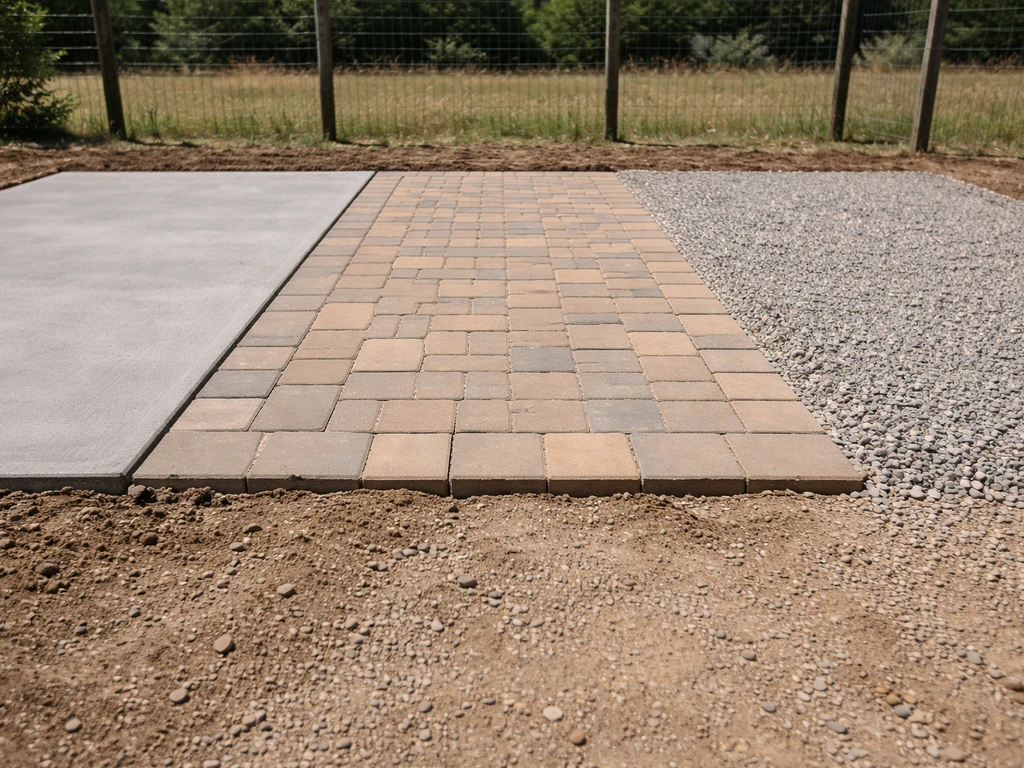
Outdoor aviaries can have a concrete pad ($300 to $800 poured, depending on size), pavers ($100 to $400 laid), compacted gravel ($50 to $150), or wire mesh skirting over soil. A 2026 concrete slab cost guide estimates concrete slab materials at about $4, $8 per square foot and fully installed costs at about $6, $18 per square foot, including site prep and reinforcement concrete pad ($300 to $800 poured, depending on size).
Concrete is easiest to clean and most predator-proof. Gravel drains well but needs more frequent raking. Some keepers use natural soil with plants, which is beautiful and enriching but harder to sanitize. If you want the best plants for bird aviary setups, choose non-toxic species and place them where your birds cannot chew or trample them into wet, messy growth.
For indoor aviaries, plastic trays and removable liners are standard and cost $20 to $80.
Shelter, roofing, and weatherproofing
Outdoor birds need a solid covered section where they can shelter from rain and direct sun. Corrugated polycarbonate roofing panels cost $60 to $180 for a mid-size aviary. A fully enclosed timber shelter or birdhouse attached to the flight area adds $200 to $600 DIY, or $800 to $2,000 if built by a contractor. Don't skip this. Birds exposed to cold rain or midday summer sun will get sick, which costs you far more at the vet.
Heating and lighting
If you're in a climate with cold winters or if you're keeping tropical species like lovebirds, eclectus, or any parrot species, you'll need supplemental heat. A ceramic heat emitter or infrared lamp setup runs $30 to $100 for the fixtures plus $10 to $30 a month in electricity during winter. Full-spectrum UV lighting is worth adding for indoor or covered aviaries: expect $40 to $150 for a quality UV bird lamp. Lighting on a timer costs an extra $15 to $30 for a basic programmable outlet switch.
Perches, nest boxes, and enrichment
Natural wood perches of varying diameters are healthier for feet than uniform dowel perches. Budget $20 to $80 for a good initial set. Nest boxes run $15 to $60 each depending on species size. For a breeding setup with multiple pairs, multiply that out. Enrichment items like swings, foraging toys, and climbing branches add $30 to $100 to get started.
Permits, neighbor rules, and site prep costs
This section catches a lot of first-timers off guard. Outdoor aviaries, especially anything larger than a garden shed, may require a building permit in your local council or municipality. In many suburban areas, structures over a certain footprint (often 10x10 ft or larger) trigger a permit requirement. Permit fees range from $50 to $300 in most regions. Some HOA communities restrict outdoor structures entirely or require approval. Check before you build anything.
Site preparation is a real cost too. Clearing and leveling ground for a concrete pad or gravel base costs $100 to $400 if you hire it out. Drainage is often overlooked: without grading the area away from the aviary or installing a simple French drain ($150 to $500), you'll end up with a waterlogged floor that breeds bacteria and parasites. Anchoring the structure to resist wind (especially in cyclone-prone or high-wind areas) adds $50 to $200 in ground anchors, stakes, or concrete footings.
- Check local council rules on outdoor structures and poultry/bird keeping regulations before buying materials
- Budget $100 to $400 for site leveling and ground prep
- Factor in $150 to $500 for drainage if your yard doesn't drain naturally
- Allow $50 to $300 for permits if your aviary exceeds local threshold sizes
- Neighbor consultation isn't legally required in most areas but prevents disputes over noise (particularly with louder parrot species)
Ongoing monthly and annual costs
The aviary itself is a one-time cost, but keeping birds is not. Ongoing costs add up fast, and most people underestimate them when they're focused on the build price.
| Ongoing Cost Category | Estimated Monthly Cost | Notes |
|---|---|---|
| Seed, pellets, fresh food | $15 to $80 | Varies hugely by species and flock size; parrots eat more and need more variety than finches |
| Bedding and substrate | $5 to $25 | Paper liners, corn cob, or sand; replaced weekly or more often |
| Water and filtration | $5 to $20 | Fresh water daily; filtered dispensers need filter replacements |
| Cleaning supplies | $10 to $30 | Bird-safe disinfectants, scrub brushes, protective gloves |
| Electricity (heating/lighting) | $10 to $40 | Varies by climate and season; higher in winter for heated setups |
| Vet care (averaged monthly) | $15 to $50 | Annual wellness checks average $50 to $200 per bird; emergency visits can exceed $300 |
| Enrichment and toys | $10 to $30 | Replaced as worn; parrots especially destroy toys quickly |
| Maintenance and repairs | $5 to $20 | Mesh patches, perch replacements, hardware upkeep |
Rough annual ongoing cost for a small finch or canary aviary with two to six birds: $600 to $1,200. For a mid-size cockatiel or parakeet aviary: $1,000 to $2,500. For a parrot aviary with two to four large birds: $2,500 to $6,000 or more when you factor in veterinary care. Parrots are expensive to keep well; the aviary cost is only the beginning.
Hidden costs and beginner mistakes that blow the budget
I'll be honest about the ones I see most often, because they're also the most avoidable.
Underestimating hardware. Hinges, latches, screws, wire staples, clips, and connectors sound trivial until you're at the hardware store buying them by the bag. For a mid-size DIY aviary, budget an extra $80 to $150 just for hardware. People routinely forget this entirely.
Choosing the wrong mesh. Buying the cheapest welded wire because it looks similar to the expensive stuff is a classic mistake. Thin-gauge galvanized mesh rusts within two to three years in a wet climate and poses a zinc toxicity risk for chewing birds. You'll end up replacing it sooner than you think. Spending more upfront on heavier gauge or stainless steel mesh is almost always cheaper over a five-year horizon.
Forgetting cleaning time and access. A beautiful aviary that's hard to clean will be cleaned less often, which leads to disease. Make sure doors are wide enough for a bucket, the floor is accessible with a hose or broom, and nest boxes can be removed for scrubbing. Retroactively modifying an aviary for better access costs real money.
Using unsafe cleaning products. Birds are extremely sensitive to airborne chemicals. Standard household disinfectants containing bleach, phenol, or strong fragrances can harm or kill birds even in small concentrations. You'll need bird-safe disinfectants specifically, which cost a little more but are non-negotiable. Best Friends Animal Society's bird care guidance hammers this point home, and it's worth taking seriously from day one.
Skipping the safety porch. One door means one chance for a bird to slip out when you enter. One escaped outdoor bird is usually gone forever. Adding a safety porch after the fact is expensive. Build it in from the start.
Ways to save money without compromising your birds
- Size the aviary for your actual flock, not an imagined future flock. Bigger isn't always better if it means cutting corners on mesh quality to afford the space.
- Buy materials in full rolls and sheets rather than pre-cut sections; per-unit cost drops significantly.
- Source secondhand timber frames and metal shelving, then invest the savings into quality new mesh (the one component you shouldn't buy used).
- Phase the build: get the structure and mesh right first, then add heating, UV lighting, and enrichment features over the next six months.
- Join local bird keeper groups or forums. Members often sell off-cuts of quality mesh, excess nest boxes, or whole dismantled aviaries at a fraction of new prices.
- Do your own site prep (clearing, leveling, laying pavers) and spend contractor money on the mesh installation or electrical work instead.
Choosing a safe, durable aviary your birds won't escape from
Safety isn't a premium feature; it's the baseline. A cheap aviary that lets birds escape, lets predators in, or exposes birds to toxic materials isn't a bargain at any price. Here's what actually matters when you're evaluating any aviary, pre-built or DIY. When you want the best bird aviary, prioritize safety, escape-proofing, and durable materials before you compare prices.
Materials
Powder-coated or stainless steel mesh is safer than bare galvanized for long-term use. For frames, avoid pressure-treated timber that uses arsenic-based preservatives (older CCA-treated timber) as birds that chew wood can be exposed to toxins. Modern ACQ-treated lumber is generally considered safer but confirmed non-toxic timber species like untreated pine or hardwoods are safest for areas birds contact directly. Avoid anything painted with lead-based or zinc-heavy paints inside the aviary.
Escape-proofing
Every latch, gap, and door hinge is a potential escape point. Walk around any aviary you're considering and look at it the way a smart bird would. Door hinges should swing inward so the door doesn't push open if a bird leans on it. Latches should require two distinct movements to open (birds learn single-action latches quickly, parrots especially). The gap between any panel and the frame should be no wider than the wire aperture itself. Check corners and joins carefully in pre-built kits; these are often where quality drops.
Ventilation
Good airflow prevents respiratory disease and reduces ammonia buildup from droppings. An aviary should never be fully sealed. When you add greenery, choose plants known to be safe for birds and avoid any that can be toxic if chewed or pecked what plants are safe in a bird aviary. For outdoor aviaries this happens naturally through the mesh panels. For indoor or partially enclosed aviaries, make sure at least two opposing sides have good mesh coverage for cross-ventilation. Avoid placing an indoor aviary against an exterior wall with no airflow, or in a room where you use aerosols, cooking fumes, or non-stick cookware. Polytetrafluoroethylene (PTFE) fumes from overheated non-stick pans are lethal to birds in minutes.
Predator protection
Dogs, cats, foxes, raccoons, and rats will all attempt to access an outdoor aviary. The mesh gauge needs to be heavy enough that a dog or fox can't bend it. A concrete or paver floor (or wire mesh buried 12 inches underground around the perimeter) stops animals from digging under. The roof needs either solid sheeting or double-layered mesh to prevent aerial predators reaching through. If you're in a region with large birds of prey, a fully roofed aviary isn't optional; it's necessary.
All of these factors connect to the choices you make when selecting the best aviary design and what you put inside it. Getting the structure right is the foundation. After that, what goes inside the aviary, including plants, perches, nest boxes, and enrichment, is where the real day-to-day care happens and where your birds will actually spend their lives.
To help you plan, review what to put in a bird aviary so you cover essentials like perches, nesting areas, enrichment, and safe flooring. Choosing the best bird attracting plants can make the enclosure more natural and encourage more natural foraging behavior. If you add greenery, choose only bird-safe plants and avoid anything that can be toxic or treated with unsafe sprays including plants.
What to price first and your practical next steps
If you're starting from scratch today, here's the order of decisions that will make your budget realistic rather than aspirational.
- Decide on species first. The bird determines the aviary size, wire gauge, and temperature requirements. Don't build an aviary and then try to match a bird to it.
- Choose indoor or outdoor and confirm local rules. One quick call to your council or HOA can save you from building something you have to tear down.
- Set a total budget including setup AND the first year of ongoing costs. If the aviary build costs $2,000 but you haven't budgeted for feed, vet checks, and heating, you'll be stretched within three months.
- Get three quotes if hiring out, or price your materials list at two or three suppliers before buying. Prices on timber, mesh, and hardware can vary 20 to 40 percent between suppliers.
- Prioritize mesh quality, escape-proof latching, and a safety porch above everything else. These are the three things you can't easily fix later without tearing down panels.
- Plan for phased upgrades. A solid basic structure with quality mesh and proper flooring is a good aviary. Add UV lighting, heating, and elaborate enrichment as budget allows.
To give you a realistic number to anchor on: a first-time outdoor aviary for a pair of cockatiels, built to a decent standard with treated timber framing, welded galvanized mesh (properly prepared), a polycarbonate roof section, concrete pavers, a simple shelter box, a safety porch, and decent latches will cost approximately $900 to $1,800 in materials if you build it yourself in 2026. Hired out, budget $2,500 to $4,500. That's the number most people who've actually built one will give you when you ask honestly.
FAQ
What is the ballpark cost for a first outdoor aviary for one pair of birds?
If you’re asking “how much is a bird aviary” for a realistic first build, most people should plan on materials only of roughly $500 to $900 for a small DIY outdoor unit (example, about 6x8 ft), and around $900 to $1,800 for a decent first outdoor aviary for a pair of cockatiels. The moment you add heating, UV lighting, or predator proofing upgrades, your price climbs faster than the size alone suggests.
Why do aviary quotes sometimes look cheap, then get more expensive?
Compare quotes using completed, not hourly, numbers. Many “cheap” installs cover only the frame and mesh, then add separate line items for concrete pads, base skirting, doors and latches, roofing, wiring, and permits. Ask for an itemized estimate that specifically includes mesh type (galvanized vs stainless), floor solution, shelter/roof coverage, and safety porch.
Is DIY really cheaper, or do hidden costs erase the savings?
For DIY, a common planning method is to start with the article’s installed ranges, then subtract about 30 to 50 percent for materials and add extra time costs you’ll feel as delays. Also, DIY adds risk of rework, especially with mesh selection, access doors, and drainage, which can erase some of the apparent savings.
Should I pay more for stainless mesh or buy galvanized to save money?
Mesh is a long-term cost decision, not just an upfront materials cost. Galvanized welded wire is cheaper initially, but it carries zinc toxicity risk for chewing species and can rust sooner in wet climates, meaning replacement. Stainless welded mesh costs more per panel but is usually the safer, lower-replacement choice for parrots and other constant chewers.
Can I use the same budget ranges for indoor and outdoor aviaries?
Yes, but only if you can meet the enclosure’s safety and comfort needs. Outdoor aviaries need covered shelter and protection from predators, indoor setups need ventilation and bird-safe cleaning practices, and both need escape-proof doors and hardware. If you share the home with cats, dogs, or heavy traffic, even an indoor aviary can require extra floor and latch safeguards.
What factors besides size can change the total cost a lot?
Don’t base your budget only on footprint, especially in cold or hot climates. Heating equipment adds ongoing electricity, UV lighting may be required for indoor or covered sections, and roofing often costs a lot if you want full predator protection. Two aviaries with the same size can differ by thousands if one needs climate control and the other doesn’t.
Is a safety porch worth the extra money, or can I add it later?
The safety porch is one of the few features that costs a moderate amount upfront but prevents very costly losses. If you skip it and later try to retrofit, you often have to rebuild parts of the door frame and rework latch alignment. Plan it from the start if you keep flighted birds or parrots.
Do I need a permit for a bird aviary even if it’s not that big?
Yes. Even if an aviary is under your preferred “size threshold,” local rules can still trigger permits based on structure type, footprint, or setbacks. Also check HOA requirements, since some communities restrict outdoor structures regardless of size. Before buying materials, confirm with your municipality and any HOA board.
What’s the most common design mistake that increases ongoing costs?
Budget for access and cleaning before you choose the door placement. Make sure doors can fit your cleaning tools (buckets, hoses, brooms) and that nest boxes can be removed for scrubbing. If you build with narrow access, you may spend more later retrofitting doors or reconfiguring interior layouts.
How much should I budget for bird-safe cleaning products and supplies?
Cleaning products can be an “invisible” expense. Many household disinfectants are unsafe for birds, especially those containing bleach, strong phenols, or heavy fragrances. You may need bird-safe disinfectants and good ventilation during cleaning, which can add recurring cost compared with what people assume when they price only the build materials.
What materials choices can be dangerous even if they seem affordable?
If your birds are chewing species, treat wood and coatings carefully. Older arsenic-based pressure-treated lumber (CCA) is not a good choice because chewing can expose birds to toxins. If birds can access the wood, prioritize confirmed non-toxic timber species and avoid interior paints or coatings with heavy metal risks.
Do I really need to spend on drainage and flooring, or can I skip it?
Your “starting” materials costs can be misleading if drainage and base preparation are omitted. If water pools, you’ll deal with bacterial and parasite issues, and you may rebuild floors. Plan for a base that matches your climate, plus optional grading or a French drain when the ground stays wet.
How do species type (parrots vs finches) change the cost?
Set your budget based on species behavior, not just the number of birds. Parrots and large birds can destroy thin or poorly anchored mesh, and they need appropriate wire gauge and stronger framing. Finches and canaries still need escape prevention, smaller apertures, and protection from wild birds.
Next Article
Best Bird Aviary Guide for Beginners: Choose Size, Type
Beginner guide to the best bird aviary: choose size, type, layout, equipment, placement, and care routines safely.