
For most first-time bird owners, the best bird carrier is a rigid-walled, well-ventilated box or backpack-style carrier sized so your bird can stand upright, turn around, and perch without its tail feathers touching the floor. For small birds like cockatiels, conures, and lovebirds, something in the range of 12 x 10 x 15 inches works well. For larger parrots, size up so the bird can sit erect and turn without obstruction. Safety latches, multiple ventilation panels, a secure perch, and a non-slip liner matter more than brand name.
Best Bird Carriers: Buyer Guide for Safe Travel and Vet Visits

Marcus Chen
26 Apr 2026
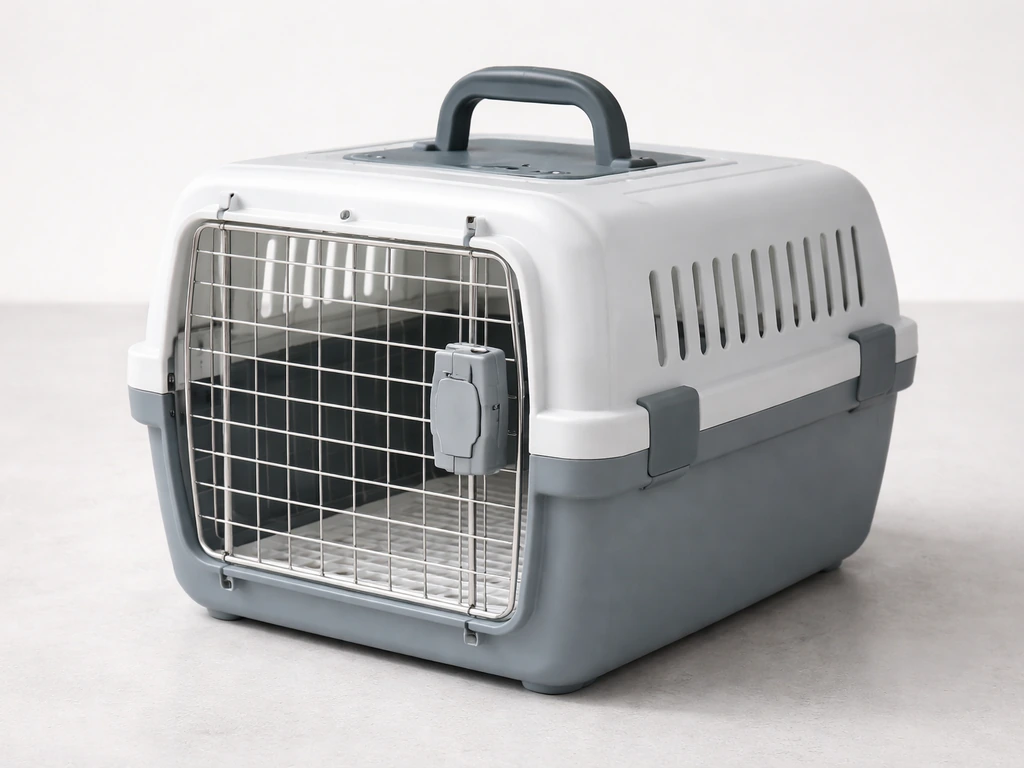
What you're actually buying: carrier types for birds
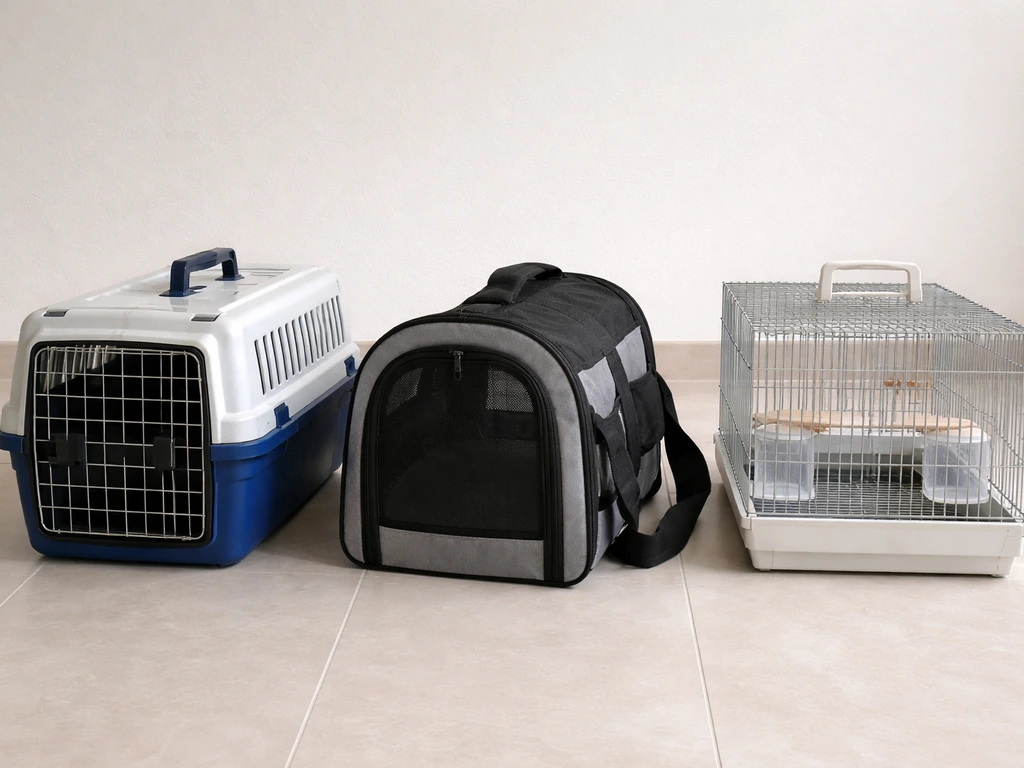
Bird carriers are not one-size-fits-all, and the category is more varied than most beginners expect. Before you pick one, it helps to know what the main types actually are and what each is genuinely good for.
| Type | Best For | Pros | Cons |
|---|---|---|---|
| Rigid plastic/polycarbonate box | Vet visits, short car trips, emergencies | Easy to clean, secure, airline-compatible options available, good ventilation | Less visibility for curious birds, can feel confining |
| Wire or mesh travel cage | Birds that need to see out, longer car trips | Maximum ventilation, bird can look around and perch naturally | Escape risk if latches are poor, harder to temperature-control |
| Backpack/clear-panel carrier | Short outings, low-stress transport for social birds | Bird can see surroundings, owner has hands free | Less secure than rigid carriers, not ideal for air travel |
| Soft-sided carrier | Very short trips, calm birds only | Lightweight, compact | Easy to chew through, poor airflow, not escape-proof for determined birds |
| Hard airline-approved crate | Air travel with checked or cargo birds | Meets IATA LAR requirements, most secure | Bulky, expensive, overkill for everyday vet runs |
The polycarbonate box style (think Caitec Perch 'N Go at 12 x 10 x 15 inches) is the practical workhorse for most pet bird owners. It's rigid enough to be secure, easy to wipe down after accidents, and sized right for birds up to cockatiel or small conure size. The clear-panel design also lets your bird see out, which genuinely helps reduce stress compared to a fully opaque box.
Backpack-style carriers are popular for outing-friendly birds, especially if you're also using a harness for outdoor time. If you want to take your conure outdoors more comfortably, the best bird harness for conure use is also about fit, secure closures, and avoiding escape risks harness for outdoor time. Wire travel cages work well for longer drives where ventilation is the priority, but a weak latch on a wire cage is a serious problem. Soft carriers are the one type I'd actively steer beginners away from unless the bird is very small and very calm.
Size and fit: how to measure your bird and pick the right dimensions
The international standard (used by airlines and defined by IATA Live Animals Regulations) is straightforward: the bird must be able to stand in a normal, upright position, turn around without obstruction, and have enough headroom and tail clearance so feathers don't touch the floor or ceiling. That's your baseline. Everything below that is too small.
To measure your bird practically, look at three things: body height when perched normally, wingspan breadth (for turning clearance), and tail length. Add at least an inch of clearance above the head and below the tail. For a cockatiel averaging 12 inches beak to tail, a carrier with 15 inches of interior height works well, which is exactly why the Caitec Perch 'N Go's 15-inch height is a standard recommendation for that size range.
The small Wingabago is another commonly cited fit for cockatiels and similar-sized birds. For a medium conure (around 10 to 12 inches), the same size range applies. African Greys, Amazons, and larger cockatoos need significantly more room, at minimum 18 to 20 inches in height and 16 or more inches in width.
One thing beginners consistently get wrong: they size the carrier based on the bird's body length and forget about the tail. A bird sitting on a perch with its tail bent against the bottom is uncomfortable, stressed, and at risk of feather damage. The perch height inside the carrier is almost as important as the overall box height. The perch should sit high enough that the tail hangs freely with at least an inch of clearance beneath it.
Quick sizing reference by bird size
| Bird Size | Common Species | Minimum Interior Height | Minimum Interior Width |
|---|---|---|---|
| Extra small | Budgies, finches, parrotlets | 10 inches | 8 inches |
| Small | Cockatiels, lovebirds, small conures | 13-15 inches | 10 inches |
| Medium | Green cheek conures, caiques, Senegals | 15-16 inches | 12 inches |
| Large | African Greys, Amazons, Eclectus | 18-20 inches | 16 inches |
| Extra large | Large cockatoos, macaws | 22+ inches | 20+ inches |
Safety essentials: escape-proofing, ventilation, materials, and latches
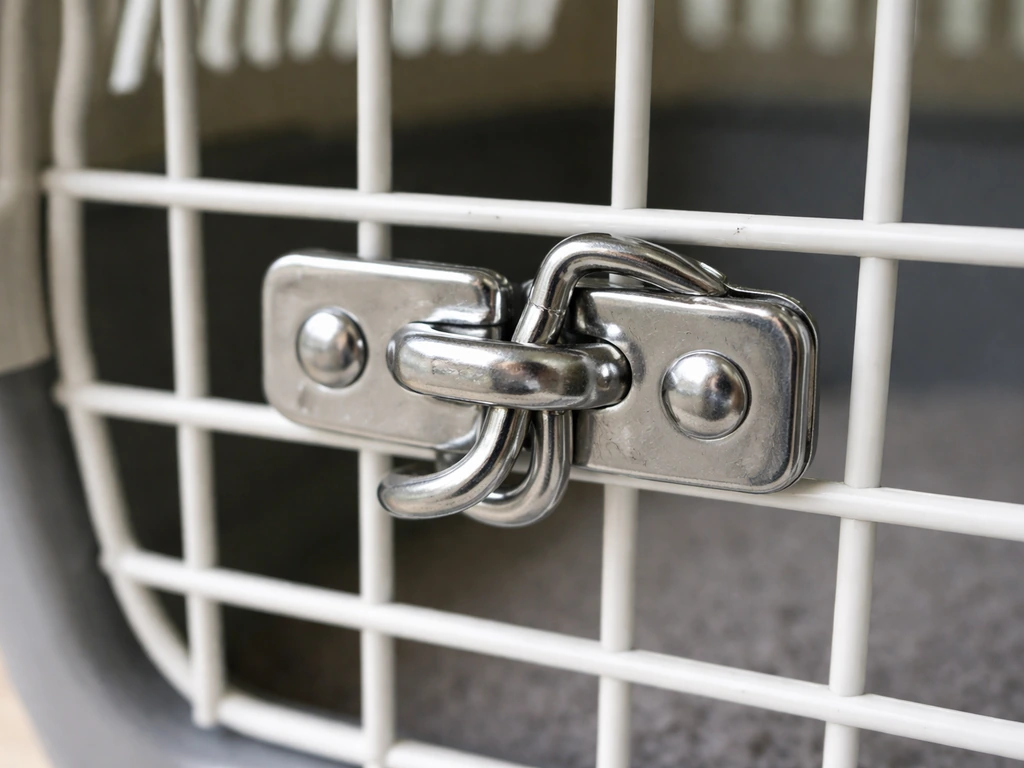
A carrier that your bird can escape from is not a carrier, it's a liability. This is where beginners make the most expensive and stressful mistakes, so it's worth going through each safety element carefully.
Latches
The latch is the most critical safety feature and the most commonly underestimated one. Parrots are smart and persistent. A simple spring-clip or snap latch that a human can open one-handed is often something a beak and a few minutes of determination can crack too. Look for latches that require two distinct actions to open (like a lift-and-slide or press-and-turn mechanism). If you're using a wire travel cage, check that the door latches have a secondary backup, a zip tie or carabiner in a pinch. Test every latch before your bird is inside.
Ventilation
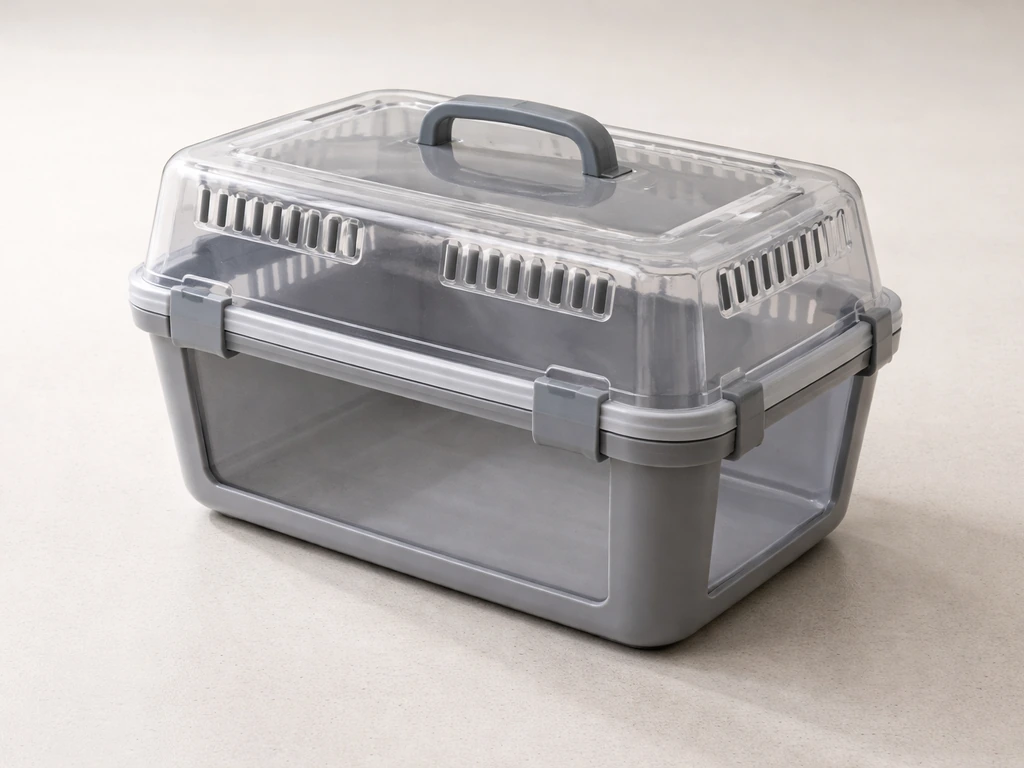
IATA's guidelines for air travel containers require ventilation openings on at least three sides of the container, with most of the ventilation concentrated in the upper portion. That standard translates well to any carrier: look for vents near the top of the carrier on multiple sides, not just on the front door. IATA also specifies that at least 16% of each of the four sides should be ventilated openings. You don't need to do the math every time, but if a carrier looks like a mostly sealed box with a few small holes, walk away. In summer or a warm car, inadequate ventilation is genuinely dangerous.
Materials
Rigid polycarbonate and ABS plastic are the practical standards. They don't absorb bacteria, are easy to disinfect, won't rust, and can't be chewed through quickly. Avoid carriers with galvanized or zinc-coated wire if your bird is a chewer, as repeated chewing and ingestion of metal coatings can cause toxicity issues. Soft fabric panels are fine as accent ventilation on a rigid carrier, but a fully soft-sided carrier is not appropriate for any bird that can chew fabric or has an instinct to escape.
Bar spacing on wire panels
If your carrier has wire panels or a wire door, bar spacing matters. Bars that are too wide can trap a head or wing; bars that are too narrow can trap a toe. For small birds like budgies and cockatiels, bar spacing should be no wider than half an inch. For medium parrots, three-quarters of an inch is generally safe. Larger parrots need sturdier, thicker bars, not just wider spacing.
Comfort and stress reduction during transport
Transport is genuinely stressful for birds. Research on bird transport welfare identifies handling stress, motion stress, thermal stress, and sensory overstimulation as the main welfare concerns during any journey. A PubMed-indexed study on captive Hispaniolan Amazon parrots also measured stress physiology changes in blood leukocytes and plasma corticosteroid with transport and handling procedures Research on bird transport welfare identifies handling stress. Stress leukograms (measurable immune markers of stress) are commonly found in parrots after transport and handling, which tells you this isn't just an emotional concern but a physical one. Reducing stress isn't about being soft; it's about keeping your bird healthy.
Perch and flooring
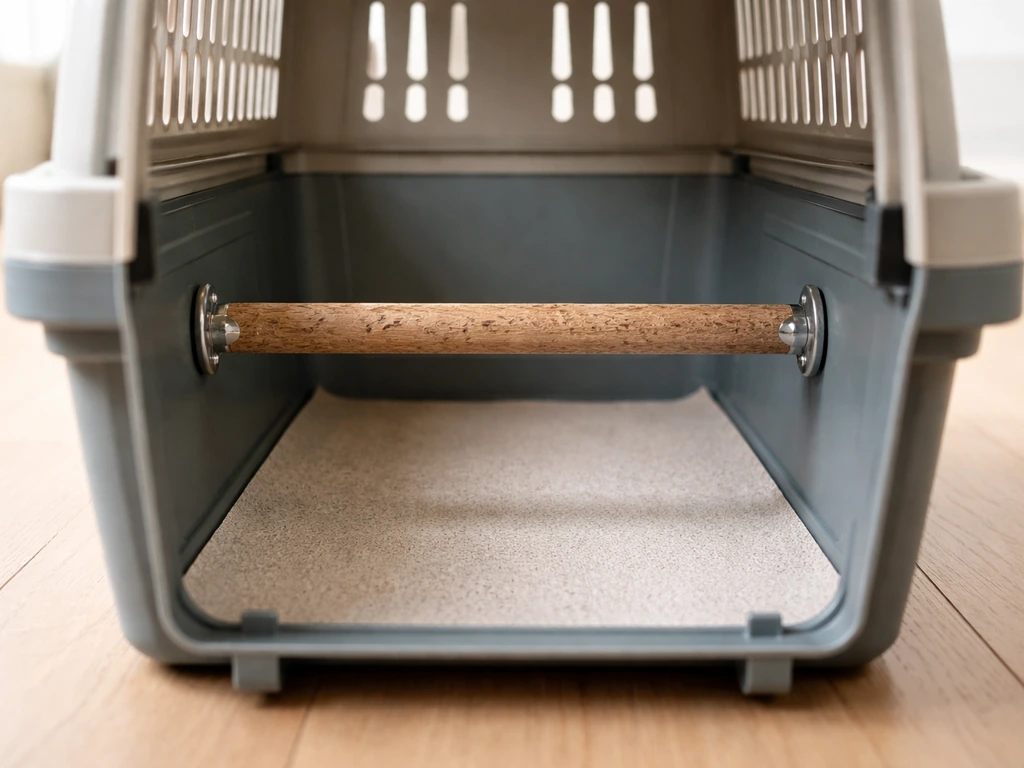
A carrier with a secure perch is significantly less stressful than one where the bird slides around on a flat bottom. The perch should be sized correctly for your bird's foot: a perch that's too large prevents proper gripping and increases the chance of falling or slipping, which adds motion stress on top of travel anxiety. If your carrier doesn't include a fitted perch, or the included perch is too thin or too fat, replace it before you travel. A paper liner on the bottom, changed before each trip, helps with hygiene and gives non-perching birds some grip. Avoid slippery bare plastic floors.
Covering the carrier
Partially covering the carrier with a light cloth (especially on the sides and back, leaving the front partially open) can reduce sensory overwhelm during transport without blocking ventilation. Reddit users in r/parrots discuss how partially covering a carrier can make birds calmer, while also raising concerns about reduced airflow r/parrots discusses how partially covering a carrier can make birds calmer. In cold weather, VCA recommends covering the carrier to reduce drafts while pre-warming the car before the bird goes in. In hot weather, don't fully cover the carrier. The goal is to block visual chaos and temperature swings, not to trap heat or restrict airflow.
Desensitization before travel
The Hagen Avicultural Research Institute recommends treating the carrier as a normal part of the bird's environment rather than something that only appears on vet visit days. Leave the carrier out with the door open. Put treats or familiar toys inside. Let your bird explore it voluntarily. A bird that has already stepped inside a carrier on its own terms is far less panicked when you need to use it for real. This is one of those things that seems optional but makes a genuine difference, especially for younger birds.
Driving style matters more than you think
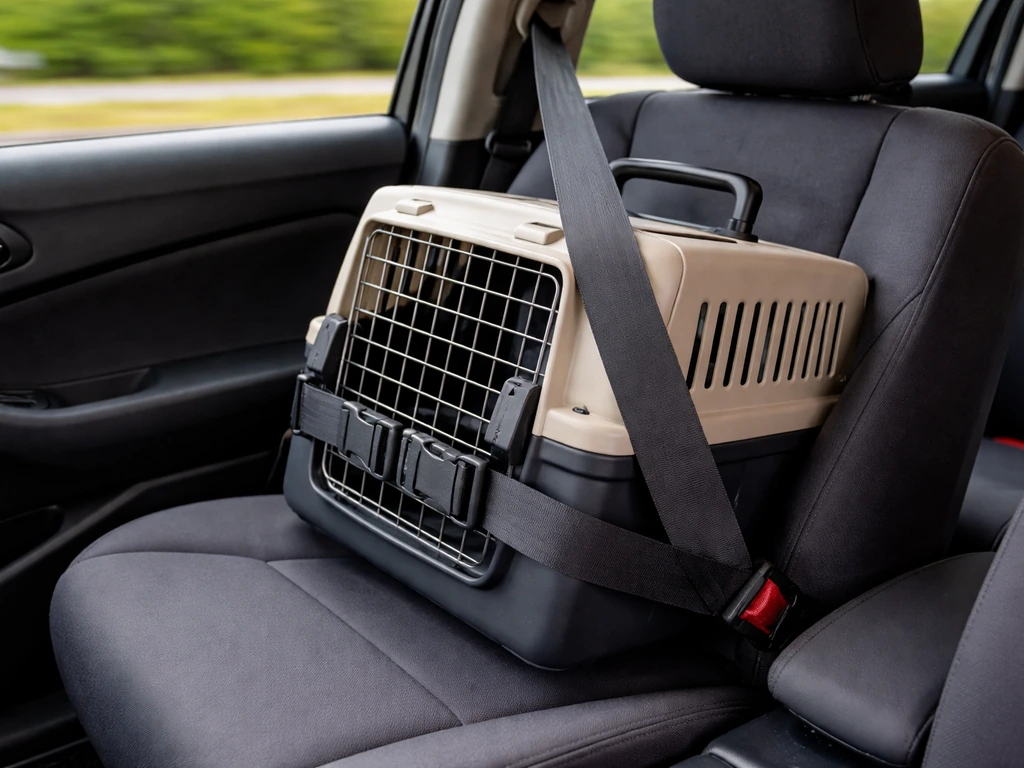
Smooth driving reduces motion stress. Hard braking, sharp turns, and vibration from poorly maintained vehicles all add to a bird's stress load during transport. Securing the carrier in the car so it doesn't shift is critical: put it on the floor behind the front seat or wedge it with soft luggage on the back seat, and never leave it unsecured on a surface where a stop could send it flying. The carrier being secured is not optional.
How to choose for your specific scenario
Vet visits
For regular avian vet visits, a rigid polycarbonate or plastic carrier is the gold standard. It's easy to clean between visits (important for biosecurity if you ever visit a clinic that sees multiple species), escape-proof enough for the average parrot, and allows the vet to see your bird through the walls before opening the carrier. Fear-free avian practice guidance emphasizes keeping birds calm before handling, and a clear-sided carrier helps clinic staff assess your bird's condition without opening the door immediately. Make sure the door is large enough for your vet to examine the bird with minimal forced removal.
Road trips and longer travel
For multi-hour road trips, prioritize ventilation and perch stability over compactness. A wire travel cage with secure latches, or a larger rigid carrier with good ventilation panels, gives your bird more air and more visual enrichment (watching the world go by reduces boredom stress). For trips longer than a few hours, include a small water dish that can't easily spill, and offer familiar foods at rest stops. Temperature management is critical: avoid blasting the air conditioning directly at the carrier, and pre-warm a cold car before loading the bird.
Air travel
Air travel has the most specific requirements. IATA Live Animals Regulations define the minimum standards that commercial airlines including cargo carriers like Delta Cargo follow. Your carrier must provide ventilation on at least three sides, in the upper portion of the container. The bird must be able to stand upright, sit, turn around, and lie down naturally.
Ventilation openings must represent at least 16% of the four sides combined. You also need to check the specific airline's rules, because in-cabin bird allowances vary widely and many airlines only accept birds in cargo. For air travel, buy a carrier specifically marketed as IATA-compliant and confirm with the airline before your flight date. The right size for air travel is the smallest carrier that still meets those space requirements, since cabin and cargo size restrictions are real.
Emergency transport
For emergencies, speed and security matter most. Keep a dedicated carrier already set up (clean liner, correct perch) somewhere accessible. An emergency is not the time to hunt for the carrier and assemble it. The Avian Welfare Coalition's shelter guidance emphasizes moving birds expeditiously but calmly, keeping the carrier bottom covered, and giving the bird a few minutes to settle before further handling. If you're evacuating quickly, a familiar carrier your bird has already been desensitized to will make the whole process safer.
Short outings with harness-trained birds
If you're taking your bird out for enrichment rather than transport, a backpack-style carrier pairs well with a harness setup. If you want the best small bird harness experience for outdoor time, pair a secure backpack-style carrier with a harness that fits correctly and holds steady backpack-style carriers. Some owners use the carrier for transit and a harness for the destination. If that's your situation, the carrier choice is less critical (since flight time is short) but the latch security still matters, especially in public spaces where the bird could be startled. The carrier should still be sized correctly and ventilated adequately even for short trips.
Common beginner mistakes and how to avoid them
- Buying a carrier that's too small: The bird can't turn around, the tail bends against the floor, and stress skyrockets. Always measure beak-to-tail length and add tail clearance before buying.
- Trusting a single cheap latch: Many budget carriers have one spring-clip latch. Parrots figure these out. Reinforce with a carabiner or buy a carrier with a two-action latch from the start.
- Skipping the perch: A bird sliding around a bare plastic floor is not just stressed, it's at injury risk. Make sure the perch fits your bird's foot diameter and is mounted high enough for tail clearance.
- Buying soft-sided for a chewer: Soft fabric carriers are not appropriate for parrots or any bird with a strong beak. They are for very calm, very small birds only.
- No ventilation on multiple sides: A carrier with ventilation only on the front door is a heat trap. Check for vents on at least three sides before buying.
- Using the wrong carrier for air travel: Airlines check IATA compliance. Showing up with an undersized soft carrier for a cargo shipment will get your bird rejected at check-in.
- Never introducing the carrier before a trip: The first time your bird sees the carrier is not the vet visit day. Start desensitization weeks ahead with treats and open-door exploration.
- Leaving the carrier unsecured in the car: A sliding or tipping carrier adds motion stress and physical injury risk. Secure it on the floor or wedge it firmly before driving.
- Ignoring temperature management: Pre-warming a cold car, avoiding A/C blasting directly at the carrier, and partially covering in cold weather are not optional extras. Thermal stress is a real welfare concern.
- Buying a perch that's the wrong diameter: Too large prevents gripping and increases slipping. Match perch diameter to your specific bird's foot size.
Top pick checklist and quick decision steps
Use this checklist before you buy any carrier. If a carrier fails more than one or two of these, keep looking.
- Measure your bird beak-to-tail, then add tail clearance. Confirm the carrier's interior height clears the tail with at least 1 inch to spare when the bird is on the perch.
- Check that the bird can turn around fully inside the carrier width without obstruction.
- Count the ventilated sides: there should be ventilation on at least three sides, concentrated in the upper half of the carrier.
- Test the latch: it should require two distinct actions to open. If a single press opens it, add a secondary lock or choose a different carrier.
- Look at the perch: is it included? Is it sized for your species? Is it positioned high enough that the tail won't touch the floor?
- Check materials: rigid polycarbonate or ABS plastic for the body, no zinc-coated wire for chewers, no soft-fabric construction for parrots.
- Decide your use case (vet run, road trip, air travel, emergency) and confirm the carrier meets those specific needs. Air travel requires IATA-compliant construction; confirm with your airline.
- Buy the carrier at least a week before you need it and start desensitization immediately: leave it open near your bird's cage with treats inside.
- Set up the carrier fully before the first trip: liner, perch, partial cover ready. Don't assemble things the morning of.
The honest truth is that a mid-range rigid carrier from a reputable bird supply brand, sized correctly for your bird, with a solid latch and a proper perch, is enough for 90% of bird owners. You don't need the most expensive option. You need the right size, the right ventilation, and the right latch.
If you're planning outdoor outings as well as transport, it's worth looking into a companion harness setup separately, since a carrier is for transit and a harness is for time spent outside. If you’re doing outdoor time, choosing the best bird leash for harness-trained birds can make supervision safer and more comfortable for both of you.
If you're also shopping for your carrier, this is where a best bird vest style setup can be handy for safe, hands-on outings best bird leash. That companion gear is what people look for when searching for the best bird harness for conure and similar supervised outdoor outings. That companion gear is what people look for when searching for the best bird harness for safe, supervised outdoor time harness setup.
Getting both right makes every trip safer and more enjoyable for your bird. If you are specifically shopping for the best bird harness for cockatiel, make sure the harness fits and stays stable during short outings, similar to how you’d validate leash choices for harness-trained birds. For harness training and outdoor time, the best bird harness for a cockatiel should be properly fitted and secure without restricting movement best bird harness for cockatiel.
FAQ
How can I tell whether a carrier latch is actually secure enough for a determined parrot?
If the carrier door can be opened from the outside with one simple motion, it is a red flag for any parrot that can investigate latches. A good rule is to test the latch with one hand while imagining your bird could peck, wedge a foot against the door, or apply upward pressure from inside. Also check that the door has no gaps big enough for a beak, toe, or wing to get stuck during sudden movement.
What carrier features matter most specifically for quick avian vet exams?
For vet visits, prioritize a door that opens wide enough for the exam without forcing the bird backward. A practical test is to verify the vet can access the beak and feet with the door partially open, since that reduces handling time. If the door only opens like a small hatch, the clinic may need extra restraint, which increases stress.
Can I use a zip tie or carabiner as a backup if my carrier latch feels weak?
Yes, but only if it is truly escape-safe and properly sized. If you use a backup system, confirm it does not block ventilation panels near the top and does not prevent the bird from standing fully upright. For wire cages, a temporary zip tie should be treated as a last resort, since it can loosen with vibration over longer rides.
How should I measure my bird for the right carrier size without making a common mistake?
Measure in the most realistic posture, not when the bird is stretched out. Put your bird on the perch it uses inside the carrier (or a similar perch height), then measure from perch level to head height and from perch level to tail tip with the tail hanging freely. If the tail touches the bottom liner or the head comes close to the roof, that carrier is too small even if the bird fits “body lengthwise.”
My bird slides around inside the carrier, what should I change first?
If you see any signs the bird is slipping or struggling to grip, switch to a fitted perch that matches the bird’s foot diameter and balance needs. A perch that is too large reduces toe wrap, and a perch that is too thin can stress the feet during a drive. If the carrier includes a generic perch, replace it before your first trip rather than trying to improvise during travel.
Can I cover part of the carrier during transport, and is it different for hot versus cold weather?
Yes, even though it seems counterintuitive. Use partial coverage that reduces visual chaos while still allowing airflow near the top vents, and avoid fully wrapping the carrier in hot conditions. In cold weather, pre-warm the car first, then cover lightly to limit drafts rather than trapping heat, since birds overheat quickly.
Is a backpack-style carrier safe enough for public outings, not just travel to the vet?
For short outings, a backpack can be fine, but only if the bird stays upright, has stable footing, and the vents are not blocked by your body or clothing. Many owners accidentally cover side vents with the strap area or keep the carrier pressed against a jacket. Before going outside, check that the bird can still turn without bumping the sides and that the latch cannot be jostled open while you move.
What should I do differently for multi-hour drives, especially about water and temperature?
For longer trips, plan for changes in temperature and motion. Don’t place the carrier where AC or heater blasts hit it directly, and secure it so it cannot tip during braking or cornering. If you include water, use a small container that is fixed and spill-resistant, and stop for checks so the bird stays stable on the perch.
What’s the safest way to choose a carrier for air travel, given airlines have different rules?
Prefer rigid plastic or polycarbonate for most airline scenarios because they are easier to disinfect and less likely to deform. If the airline allows only specific types, use a carrier marketed as IATA-compliant and re-confirm the airline’s current policy before check-in, since in-cabin allowances change. Also double-check the carrier is sized to allow the bird to stand upright and turn, since “just big enough” often fails when the bird adjusts posture.
How do I prepare for emergencies without making my bird panic about the carrier?
Do not rely on a carrier that has never been used with your bird. Start desensitization early by leaving it open with familiar treats, then practice short “door closed” intervals at home so the bird learns it is not a surprise. For emergencies, keep the liner and perch set to the correct configuration so you can move quickly without reopening and reassembling anything under pressure.
Next Articles
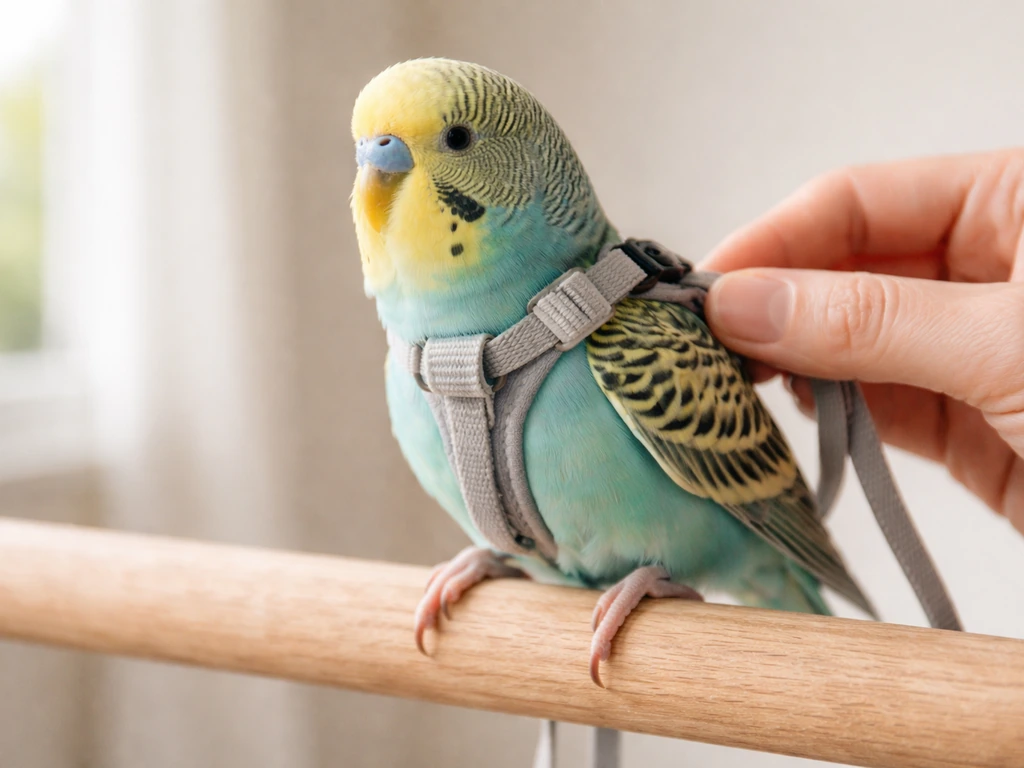
Best Bird Harness: Beginner Guide, Sizing, Fit, Training
Choose the best bird harness: types, sizing, secure fit, training plan, outdoor safety, and troubleshooting for beginner

Garden Bird Checklist: Wild Species, IDs, and Tracking Tips
Ready-to-use wild garden bird checklist with IDs, field marks, tracking tips, and a bird station setup for beginners.
Printable Backyard Bird Guide for Beginners and First IDs
Printable backyard bird guide for beginners: simple ID key, look-alikes, and a ready-to-fill checklist for backyard sigh