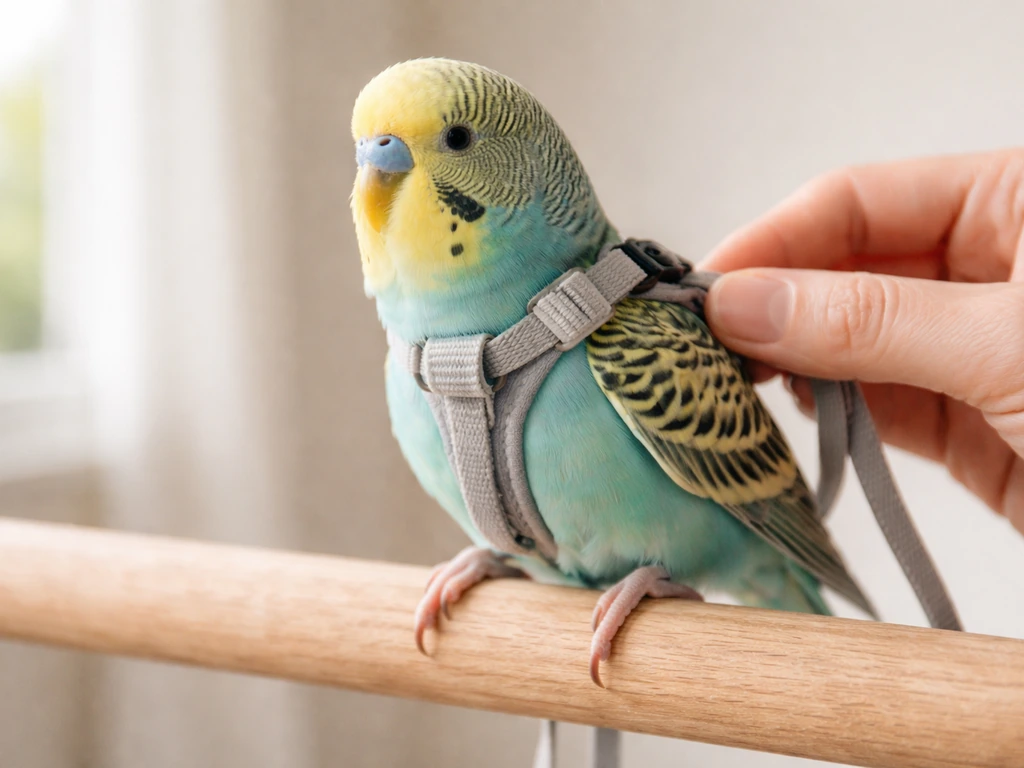
For most small to medium companion birds, the Aviator Harness is the best starting point. It comes in well-defined weight-based sizes, has a strong safety track record, and is beginner-friendly enough that a patient owner can get a cockatiel or conure wearing it within a few weeks. If you’re shopping specifically for a conure, focus on the harness that consistently fits your conure’s weight range and body shape best bird harness for conure. That said, the 'best' harness is always the one that fits your specific bird's body size, tolerates their personality, and actually gets used safely. If you're specifically shopping for a small-bird setup, the best small bird harness is the one that matches your bird's weight range and fits comfortably without chest pressure. This guide walks you through everything: how to pick the right size and style, how to fit it correctly, how to train your bird to accept it, and how to use it outdoors without a disaster.
Best Bird Harness: Beginner Guide, Sizing, Fit, Training

What to Know Before You Buy
The single biggest mistake first-time buyers make is guessing on size. A harness that's even slightly too loose is a real escape risk, and one that's too tight can compress the chest and interfere with breathing. Birds have a very different respiratory system from mammals, and chest compression during restraint is genuinely dangerous. So before you look at any product, you need to know two things: your bird's weight in grams, and their approximate body type (stocky vs. slender build for their species).
Species matters because birds of the same weight can have very different proportions. A round-bodied lovebird and a slender parakeet might weigh the same but need different fit adjustments. Weight is your starting point for sizing, but fit is what you confirm after the harness arrives. You should also think honestly about your bird's temperament. A harness is a training project, not a plug-and-play accessory. Birds that are already comfortable with handling will adapt faster. If your bird is flighty or has a history of stress responses or health concerns, talk to your avian vet before starting.
- Know your bird's weight in grams before shopping — weigh them on a kitchen scale
- Factor in body shape: stocky birds (lovebirds, caiques) may need extra room in the chest loop
- Check whether the harness brand publishes a species-specific size chart, not just generic S/M/L labels
- If your bird has any respiratory history or extreme stress responses, get vet sign-off first
- Buy from a brand that offers size exchanges — fit surprises happen
Flight Harness vs. Vest Style: Which One Is Right for Your Bird?
There are two main harness designs you'll encounter: the traditional flight harness (sometimes called a figure-eight or leash harness) and the vest or backpack style. They solve slightly different problems, and picking the wrong one for your situation adds unnecessary frustration.
Flight/Leash Harness (the Aviator style)
This is a loop-and-strap design that goes around the bird's neck and chest with an attached leash. The Aviator Harness is the dominant example. It's lightweight, comes in weight-based sizes down to Mini (under 75 g) for budgies and parrotlets, and it attaches at the back so the leash connection point doesn't interfere with normal perching or wing movement. The design specifically avoids leg-trace connections, which can cause leg injuries if the bird takes flight and gets tangled. For most beginner owners taking a bird outdoors occasionally, a flight harness is the go-to choice.
Vest/Backpack Style
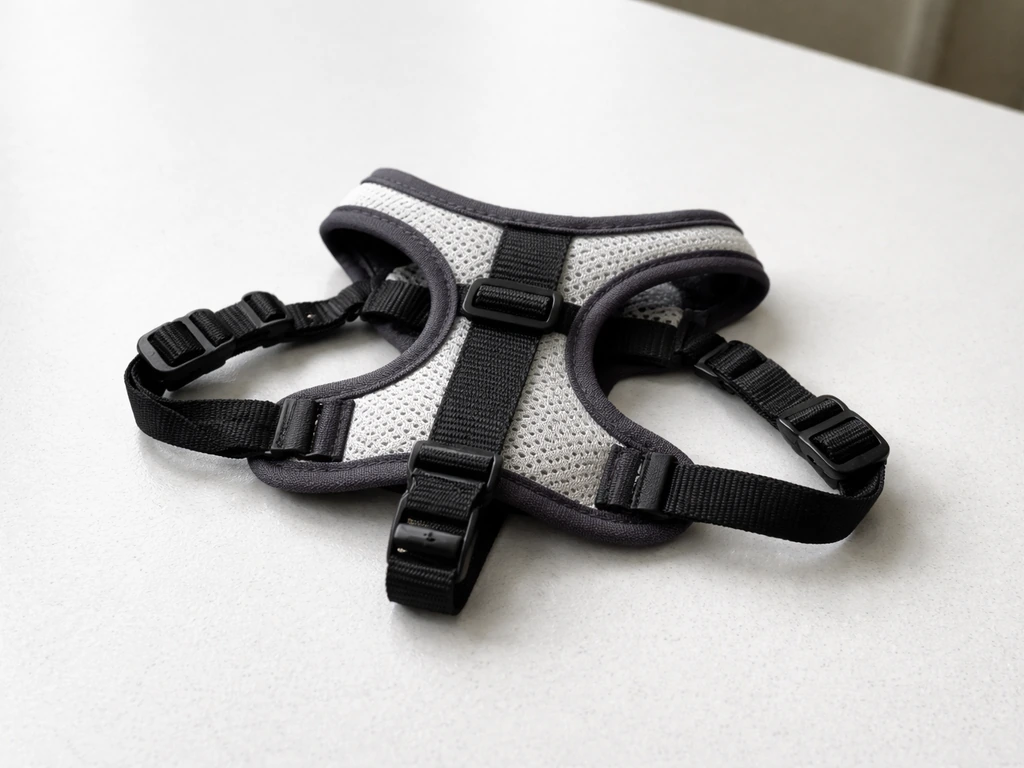
Vest-style harnesses (sometimes called bird vests or backpack harnesses) wrap around the bird's torso more fully, distributing pressure across a larger surface area. If a vest is the route you want, look for the best bird vest options that match your bird’s weight and torso shape vest or backpack style. Some birds tolerate these better because there's no single loop around the neck. The tradeoff is that getting the right fit is more involved, and cheaper versions can restrict wing movement if sized incorrectly. They tend to work better for larger parrots and birds that have already shown tolerance for body handling. If you want to go deeper on this style, it's worth cross-referencing what bird vest options exist for your species, since sizing and design vary significantly by brand.
The Feather Tether Option
The Feather Tether is a third option worth knowing about. It was developed with an avian veterinarian and is specifically designed to prevent fly-aways while avoiding the leg-trace injury risk. The Petite size fits cockatiels and smaller conures. It's a good alternative if your bird has struggled with traditional figure-eight harness designs, and it gives you a vet-informed safety baseline. The tradeoff is that it's less widely available and has fewer size options than Aviator.
Top Picks by Bird Type and Body Size
Here are honest beginner recommendations organized by common companion bird sizes. These aren't sponsored picks, they're based on what has clear sizing documentation and a real track record with these species.
| Bird Type | Typical Weight | Recommended Size | Best Pick |
|---|---|---|---|
| Budgerigar (budgie) | 25–40 g | Mini | Aviator Harness Mini |
| Parrotlet | 25–35 g | Mini | Aviator Harness Mini |
| Lovebird | 40–60 g | Mini | Aviator Harness Mini |
| Cockatiel | 75–125 g | Petite | Aviator Harness Petite or Feather Tether Petite |
| Green Cheek Conure | 60–80 g | Petite | Aviator Harness Petite |
| Sun Conure / Jenday | 100–130 g | Petite/Small | Aviator Harness Small |
| Caique | 140–170 g | Small | Aviator Harness Small |
| African Grey / Amazon | 350–500 g | Medium/Large | Aviator Harness Medium or Large |
A few notes on this table: weight ranges overlap between sizes, which is why you always verify with the manufacturer's chart and check fit after arrival. Cockatiels are the most commonly harnessed small bird for beginners, and the Petite tier is the near-universal recommendation from the community and from Aviator's own published chart. If you have a cockatiel or conure specifically, there are more detailed species-specific guides worth reading alongside this one, since harness fitting nuances differ between even closely related birds.
How to Measure and Fit the Harness Correctly
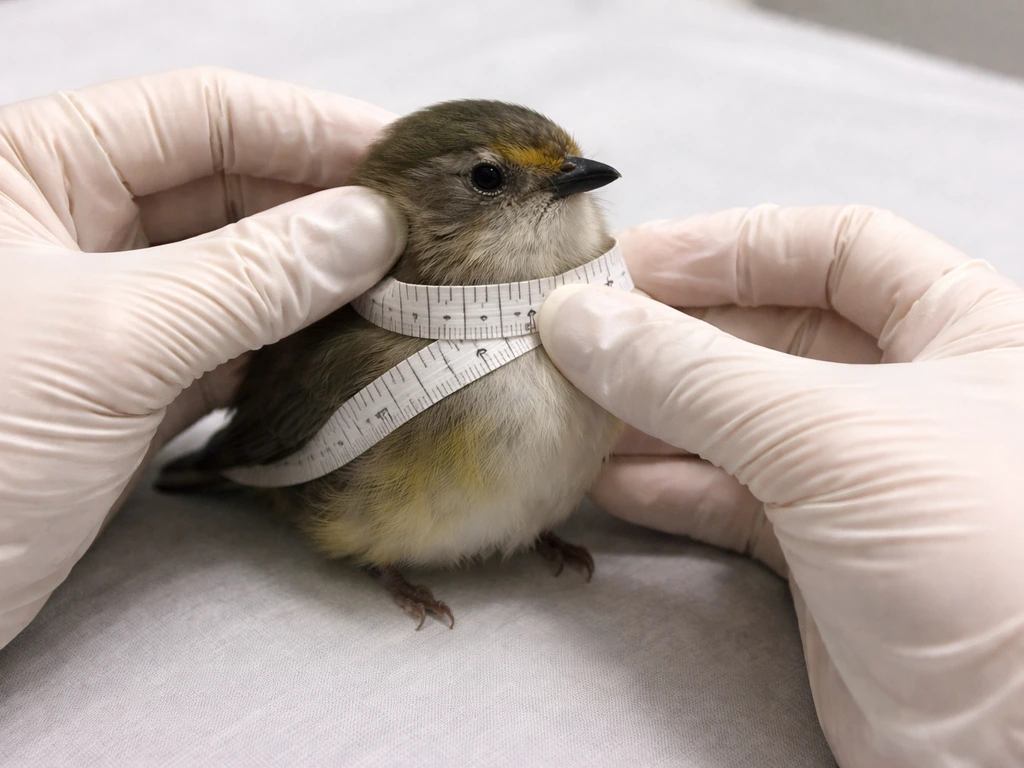
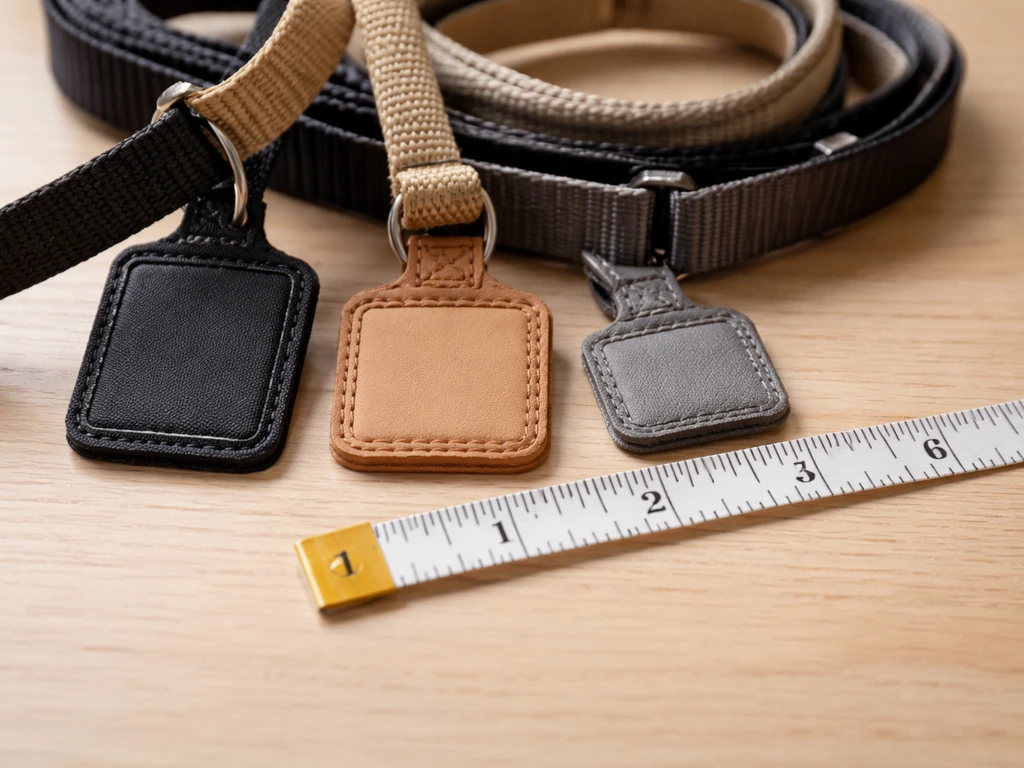
Most harness brands use weight as the primary sizing input, but you should also measure neck girth and chest girth to confirm. Use a soft tape measure or a piece of string and a ruler. Measure the circumference just below the head (neck) and around the widest part of the chest. Compare these against the brand's fit specifications, not just their weight chart.
- Weigh your bird on a digital kitchen scale (in grams) to establish your size tier starting point
- Measure neck girth: wrap the tape snugly just below the jaw, not tight enough to compress
- Measure chest girth: wrap around the widest part of the body at the base of the wings
- Cross-reference both measurements against the manufacturer's size chart before ordering
- When the harness arrives, do a dry fit without the leash attached and without going outdoors
- Slide one finger under each strap — if you can't fit a finger, it's too tight; if two fingers slide through easily, it's too loose
- Check that the neck loop doesn't force the head up or restrict normal movement
- Watch the bird breathe for 30 seconds in the harness — you should see normal chest movement with no labored breathing
- If any strap leaves a red mark or causes the bird to freeze in an unusual posture, remove immediately and reassess sizing
One thing people don't warn you about: fit changes. Birds going through a molt may temporarily have different feather density around the chest, which affects how a harness sits. Young birds that are still growing will obviously need periodic re-measurement. Make fit checks a monthly habit, not a one-time event.
Training Your Bird to Wear the Harness
This is the part most people underestimate, and it's the part that determines whether the harness actually gets used or sits in a drawer. The goal, as framed by avian behaviorists, is for the bird to voluntarily put its head through the harness opening. You're not forcing anything. You're shaping behavior through positive reinforcement until wearing the harness feels normal.
How long this takes varies wildly. Some birds get comfortable in a few sessions spanning a week. Others take a month of daily five-minute sessions. The Aviator manufacturer is upfront about this: the pace is set by your bird, not by you. Rushing the process almost always creates a bird that actively fears the harness, which makes future training much harder.
A Practical Habituation Plan
- Day 1–3: Leave the harness near your bird's cage or play area so they can see and investigate it. Don't attempt to put it on yet. Reward any curious interaction with a high-value treat.
- Day 4–7: Hold the harness near the bird and let them touch it, bite it, and explore it while on your hand or a perch. Keep sessions under two minutes. End on a calm moment.
- Day 8–14: Begin bringing the harness over the bird's head very slowly, rewarding at each incremental step. You don't need full placement — getting the neck loop close is enough for now. Use a clicker if your bird is already clicker-trained, since this significantly speeds the process.
- Day 15–21: Work toward full head placement through the neck loop, then chest strap positioning. Only move to the next step when the bird is calm and not attempting to escape.
- Day 22+: Once the harness is fully on, keep the first fully-harnessed session under two minutes indoors. Reward calm behavior generously. Gradually increase duration over several sessions before introducing the leash or outdoor exposure.
If your bird backs away, bites at the harness, or shows heavy stress signals (feather fluffing, rapid breathing, freezing), you've moved too fast. Back up one step and stay there longer. That's not failure, that's just reading your bird correctly. Never hold the bird down to force the harness on. Beyond the obvious stress damage, restraining a bird tightly enough to restrict chest wall movement can compromise their ability to breathe.
Taking Your Bird Outside Safely
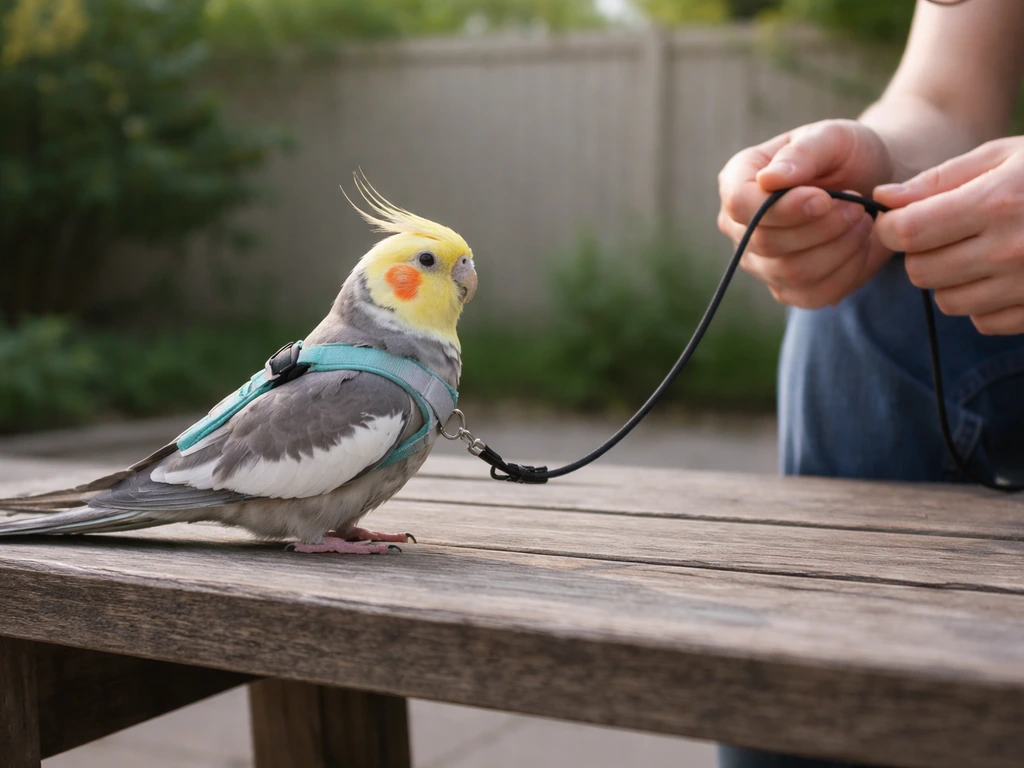
Getting your bird comfortable in the harness indoors is step one. Going outside is a completely different sensory environment for them, wind, sounds, shadows, other animals, and it requires its own acclimation. Don't go straight from indoor harness training to a busy park. Start in a quiet outdoor space, ideally a backyard or patio, with low foot traffic and no dogs or cats in sight.
Leash Handling
Hold the leash with a light grip, not a white-knuckle death grip, but also never let it go slack to the point where the bird has enough line to generate real flight momentum. If your bird takes a startled flight, you want to be able to absorb the pull gradually rather than getting a sudden jerk at the end of the line. Keep the leash short enough that your bird is within arm's reach at all times. The leash is not a substitute for supervision, it's a backup. If you want a quick answer on the best bird leash setups for safe outdoor walks, compare leash length, strap design, and how easily the harness fits your species.
Escape Prevention
Harness escapes happen most often at two moments: when putting the harness on (incomplete fastening) and during a startled flight where unusual force hits the straps. Always do a strap check immediately before going outdoors, every single time. The one-finger test under every strap takes about fifteen seconds. Don't skip it because you're in a hurry.
Weather, Heat, and Air Quality
Birds thermoregulate differently from us and are far more sensitive to heat stress. Avoid outdoor sessions during midday heat, especially in summer. High humidity combined with direct sun can stress a bird faster than most owners expect. Wind is another stressor, what feels like a light breeze to you is a significant sensory event for a small bird.
Air quality matters both indoors and outdoors. Birds have extremely sensitive respiratory systems and can be harmed by smoke, fumes, pesticides, and even heavy vehicle exhaust. If you're in a wildfire smoke region, an area with air quality warnings, or anywhere near freshly sprayed lawns, skip the outdoor session. The same sensitivity that makes birds vulnerable to cooking fumes indoors makes them vulnerable to outdoor pollutants. When in doubt, check the air quality index for your area before heading out.
- Avoid outdoor sessions when AQI is above 50 in sensitive categories, or when you can smell smoke
- Stay out of direct sun for extended periods — shade and short sessions are safer
- Avoid crowded, high-noise environments until your bird is very confident in the harness
- Never leave a harnessed bird unsupervised outside, even briefly
- Have a plan for quickly returning indoors if your bird shows stress signals
Care, Maintenance, and Troubleshooting
Keeping the Harness Clean and Safe
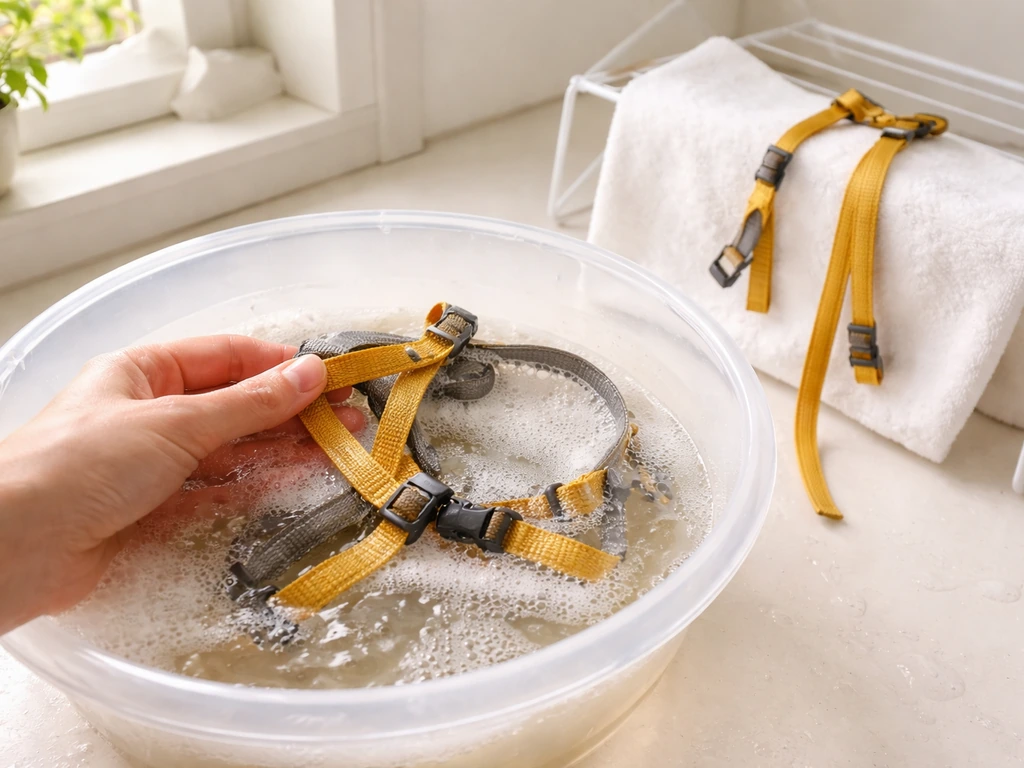
Bird harnesses pick up droppings, feather dust, and outdoor debris. Most nylon harnesses (including Aviator) can be hand-washed with mild soap and warm water. Rinse thoroughly and air dry completely before the next use. Never use bleach or harsh chemical cleaners, residue on the harness can be as dangerous as chemical fumes in the air. Inspect the harness every time you clean it: look for frayed stitching, worn buckles, stretched loops, or any damage to the leash attachment point. The Aviator manufacturer specifically flags not using damaged products, and this is the one safety note worth taking seriously. A worn harness is an escape waiting to happen.
When Fit Changes
Fit changes happen for several reasons: your bird is still growing, they've gone through a heavy molt, or they've gained or lost weight. Young birds especially need re-measurement every couple of months. If your bird has suddenly started fussing with the harness after wearing it comfortably for months, don't assume it's a behavior problem before re-checking fit. A harness that once fit perfectly can become uncomfortable after a significant molt changes feather volume in the chest area.
Common Problems and What to Do
| Problem | Likely Cause | What to Do |
|---|---|---|
| Bird chews or pulls at harness constantly | Novelty or discomfort — could be fit issue | Back up training steps; recheck strap tightness; try shorter sessions |
| Bird freezes or won't move in harness | Stress or over-tightness restricting movement | Remove harness, check fit, extend desensitization phase |
| Bird slips out during outdoor use | Harness too loose or not fully fastened | Re-measure, size down if between sizes, add pre-outing strap check habit |
| Feather damage or bare patches under straps | Chronic rubbing from poor fit | Refit or try a different harness style; consult avian vet if skin is irritated |
| Bird was fine, now refuses harness entirely | Negative experience association | Restart desensitization from step one; use high-value treats; go slower |
| Breathing looks labored in harness | Chest strap too tight or bird under heat stress | Remove immediately; ensure one-finger clearance; avoid outdoor heat sessions |
If you're consistently hitting problems despite correct fit and patient training, it's worth a conversation with an avian vet or a certified parrot behavior consultant. Some birds genuinely don't tolerate harnesses well, and forcing the issue creates more problems than it solves. There are other ways to give birds supervised outdoor time, including secure travel carriers and enclosed outdoor aviaries, that may be a better fit for a particularly anxious bird. There are other ways to give birds supervised outdoor time, including secure travel carriers, and if you're comparing options, these best bird carriers can be a useful alternative to harness outings for a particularly anxious bird. The harness is a tool, not a requirement, use it only if it works for your specific bird.
FAQ
How do I know the harness size is right if my bird’s weight is in the middle of two sizes?
Use the brand chart as the starting point, then prioritize chest girth and overall fit. If the two sizes overlap, pick the one that allows a snug fit without compressing the chest, and confirm that you can slide two fingers under the strap in a controlled way (not loose enough to slip over the head). If you can easily pull the harness out of place by hand, it’s too loose.
Can I use a bird harness on a bird that is molting or coming out of a growth phase?
You can, but re-check fit more often during and right after a molt. Feather density changes can alter where the harness sits and whether straps become too tight or too loose. Plan on measuring at least monthly (or weekly if the harness starts rubbing, shifting, or triggering new fussing).
What should I do if my bird learns the “freeze and resist” behavior when the harness comes out?
Don’t proceed to fastening. Go back to earlier training steps, reward calm behavior while the harness is present, then practice touching and quick sessions without full wearing. If freezing includes heavy breathing or persistent fluffed feathers, pause training and consult an avian vet to rule out discomfort or underlying health issues.
Is it safe to leave a harness on when I’m not supervising indoors?
No, not as a routine practice. Even well-fitted harnesses can shift, catch on perches, or cause pressure points if a bird tugs or plays with the straps. Treat the harness like a supervised outing tool, put it on only for planned sessions, and remove it promptly afterward.
How tight should straps be, and how can I prevent rubbing or pressure sores?
Straps should be secure enough that the harness cannot slide around or gape open, but not so tight that you see skin compression or the bird changes breathing patterns when moving. After the first few indoor sessions, inspect for rub marks, wet staining from drool or preening, and any patchy feather loss on the chest and neck.
What are common escape risks besides choosing the wrong size?
Incomplete fastening is a top cause, but also watch for loose buckles, stretched elastic or loops over time, and leash hardware that lets the strap rotate. Do the one-finger strap check every time, especially if your bird is a strong chewer or frequently turns side-to-side.
Should I use the harness for flighted training, or only for short outdoor walks?
Start with short, calm sessions. The harness is not for teaching flight or encouraging sudden takeoffs on leash. If your bird startles into flight, stop the session, shorten the leash next time, and reassess how the harness holds during sudden movement.
My bird can perch fine with the harness indoors, but hates it outdoors. What’s the most likely reason?
The harness might be tolerable in a predictable indoor environment but uncomfortable once wind, new sounds, and shadows change the bird’s posture and balance. Another common issue is that owners let the leash go too slack or too long, which increases sudden corrections. Keep the bird within arm’s reach and start in a quiet outdoor spot before moving anywhere busier.
Can I use a harness if my bird has clipped wings or can’t fly well?
Often you can, but it’s still not risk-free. In clipped-wing birds, takeoff attempts can be awkward, and they may twist and tangle differently. Re-check strap placement after a few perches and make sure there are no leg or wing traces that could catch during a startled hop or scramble.
How often should I clean and inspect the harness?
Clean after outdoor use and whenever droppings, residue, or feather dust buildup is visible. Inspect every time you put it on for frayed stitching, stretched loops, damaged buckles, and any wear at the leash attachment point. Air-dry fully before the next use, residue from harsh cleaners or soap can irritate a bird’s sensitive respiratory system.
What should I do if I suspect the harness is causing breathing problems?
Stop immediately and remove the harness. If the bird shows rapid breathing, repeated open-mouth breathing, unusual lethargy, or persistent stress afterward, contact an avian vet promptly. In the future, choose a style and fit that avoids chest compression and verify chest clearance with the manufacturer’s measurements.
At what point should I switch harness styles (flight harness vs vest) instead of continuing with the same one?
Switch when you repeatedly get poor fit outcomes even after correct sizing, or when your bird consistently shows distress signals that improve only when the harness is removed. If chest rubbing or wing restriction keeps happening, a differently distributed-pressure style may help, but make the change gradually with training steps rather than forcing fast acceptance.
Are there birds that should not use a harness at all?
Some birds may never tolerate harnesses well, especially if they have significant anxiety, frequent stress behaviors with handling, or medical issues that make restraint risky. If consistent, escalating stress signals occur even with slow training, it can be better to use alternative supervised options like secured carriers or enclosed outdoor time rather than continuing to push the harness.
Best Bird Toys for Beginners: Safe, Quality Choices
Best bird toys for beginners: safe materials, right sizing, toy placement, and easy cleaning plus how to introduce and r