Plain paper is the best bird bedding for most pet bird owners. Specifically, unscented paper towels, plain newsprint, or purpose-made paper cage liners are what avian vets and experienced keepers consistently recommend. They're non-toxic, low-dust, easy to swap out daily, and let you actually see your bird's droppings, which is one of the most important health monitoring tools you have. Everything else, including wood shavings, corncob, sand, and walnut shell, has real trade-offs that usually aren't worth it for a companion bird setup.
Best Bird Bedding: Safe, Absorbent Picks for Beginners

Marcus Chen
24 Apr 2026
What "bird bedding" actually means (and where you'll use it)
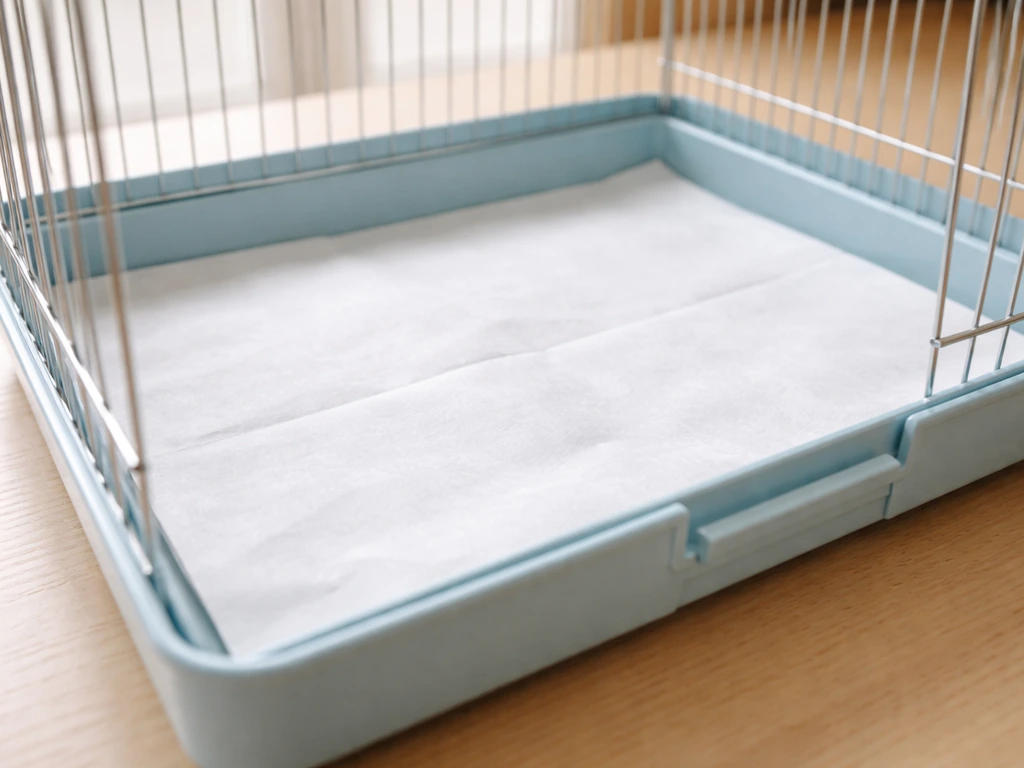
"Bird bedding" gets used loosely to describe a few different things, and it's worth separating them before you buy anything. In a companion bird cage, the bottom covering is typically called a cage liner or floor substrate. Its job is to catch droppings, food debris, and feathers so cleanup is manageable and the cage stays sanitary. That's different from nesting material, which is used inside a nest box specifically for breeding birds or certain species like finches and canaries that naturally build nests.
For most first-time bird owners with a parakeet, cockatiel, conure, lovebird, or parrot, you're dealing with the cage-floor liner situation, not nesting. If your bird is not actively breeding, skip the nesting materials entirely. Offering nesting fluff or shredded bedding to a non-breeding bird can trigger hormonal behavior and cause more problems than it solves.
There's a third category too: soft floor padding used specifically for birds with foot problems like bumblefoot, where a soft towel layer on the cage bottom gives them a break from hard wire surfaces. That's a medical management situation, and it's covered more in the troubleshooting section below.
Top bedding materials compared
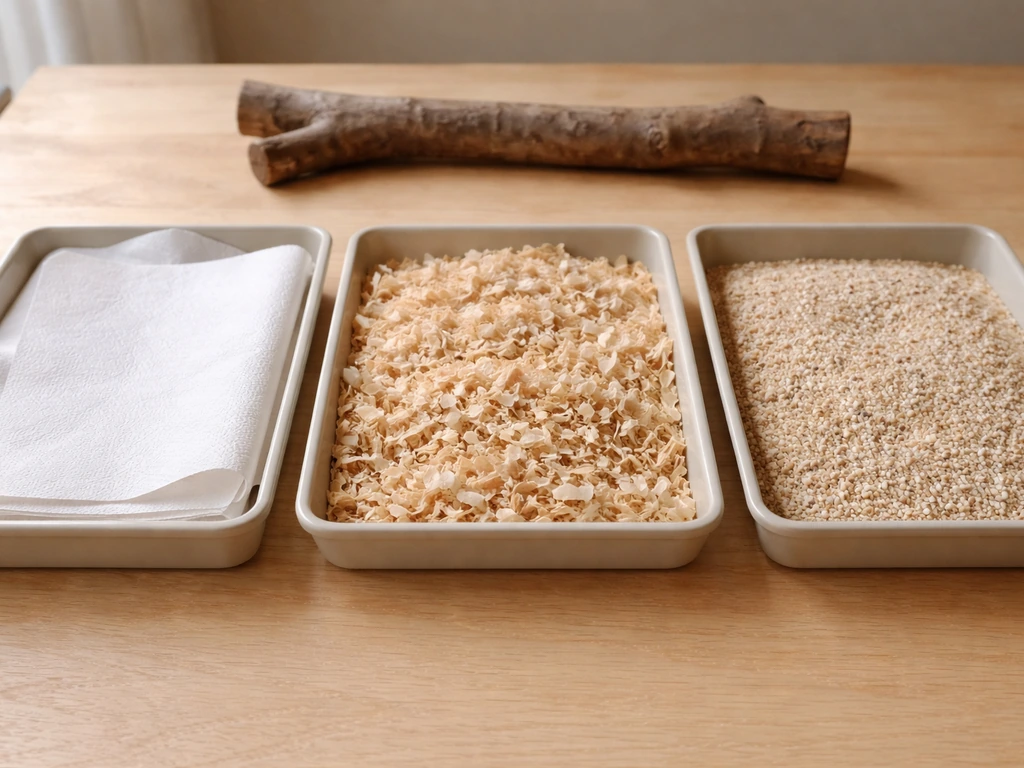
Here's an honest side-by-side of the most common options you'll see recommended or sold. The goal is to help you rule things out as much as choose something.
| Material | Safety | Dust Level | Odor Control | Mess Visibility | Cleanup Ease |
|---|---|---|---|---|---|
| Plain paper / paper towels | Excellent (non-toxic, no oils) | Very low | Moderate (change daily) | Excellent | Very easy (peel and replace) |
| Purpose-made paper cage liners | Excellent | Very low | Good (some absorb well) | Excellent | Very easy |
| Butcher/craft paper | Excellent (unbleached/uncoated) | Very low | Moderate | Excellent | Very easy |
| Pelleted paper bedding (e.g., Yesterday's News) | Good (check dye-free) | Low | Good | Moderate | Easy but more involved |
| Wood shavings (pine/cedar) | Poor (toxic aromatic oils) | High | Masks odor (misleading) | Poor | Messy |
| Corncob bedding | Poor (mold risk, ingestion) | Moderate | Poor when wet | Poor | Messy |
| Sand or gravel | Poor for cage floor use | Variable | Poor | Poor | Difficult |
| Walnut shell | Poor (sharp edges, mold) | Moderate | Poor when wet | Poor | Difficult |
| Sandpaper liners | Poor (abrasive, health risks) | Low | Moderate | Moderate | Easy but harmful |
| Fabric/fleece liners (washable) | Good if washed frequently | None | Poor if not washed often | Poor (hides droppings) | Moderate (requires laundering) |
The American Association of Avian Veterinarians specifically recommends plain paper-based liners and flags wood chips, corncob, and kitty litter as options to avoid. One of the biggest reasons is health monitoring: when you use loose particulate bedding, droppings get buried or blended in, and you can't tell if something is off. A bird's droppings are one of the earliest indicators of illness, and losing that visibility is a real cost.
Cedar and pine shavings are a common mistake, especially from people who've kept small mammals. The aromatic oils that give those woods their pleasant smell are genuinely toxic to birds' respiratory systems. If you've already been using them, switch out immediately.
Best picks for different situations
Best overall (most bird owners)
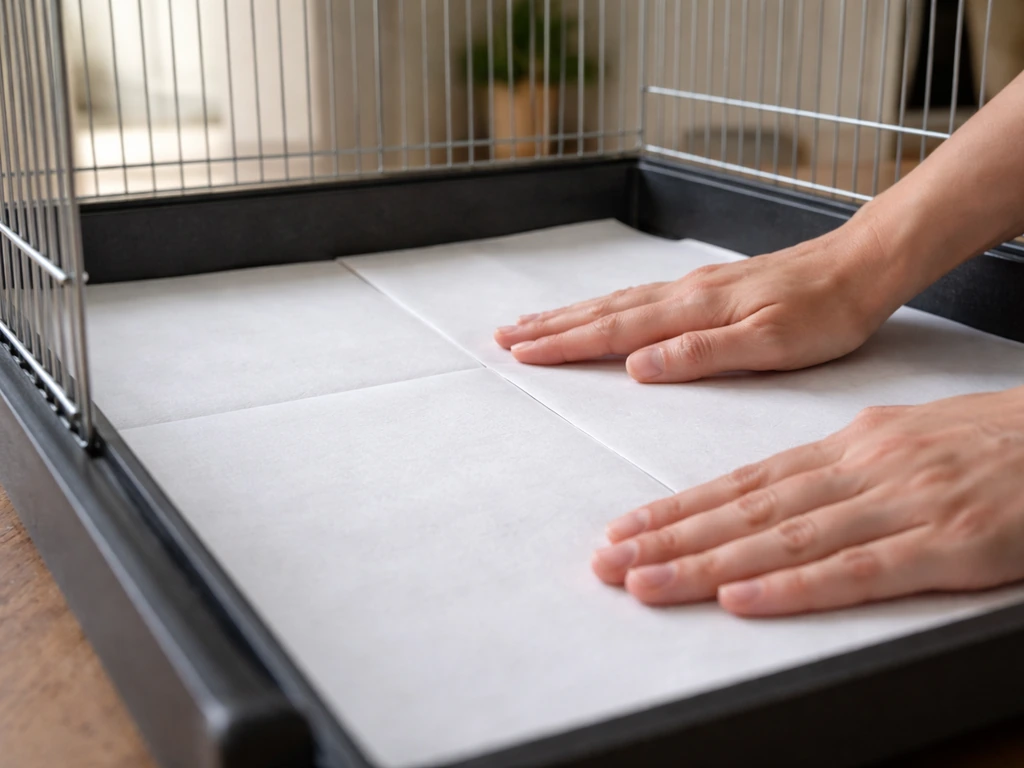
Plain unscented paper towels or purpose-made paper cage liners are the go-to for the vast majority of companion birds. They're inexpensive, safe, easy to source, and you can swap them out in under a minute. For a standard parakeet or cockatiel cage, a few overlapping sheets on the bottom tray is all you need. Change them daily or every other day and you're done.
Best for birds with sensitive lungs
If your bird has had any respiratory issues, or you're keeping a species like an African grey that tends toward dust sensitivity, plain paper is non-negotiable. Avoid anything loose or particulate, and skip pelleted bedding unless it's confirmed dust-free. Even "low-dust" claims on packaging can be misleading. Stick with flat paper liners, and make sure cleaning products used around the cage are rinsed thoroughly or avoided entirely. Birds are extremely sensitive to airborne residues from cleaning chemicals, including bleach fumes and even some natural disinfectants.
Best for heavy mess makers (large parrots, lories, eclectus)
Bigger birds and particularly wet-dropping species like lories produce a lot more mess per day. Double-layering paper liners helps here: put two or three sheets down and peel the top one off mid-day. Some owners of large parrots use wide sheets of unbleached butcher paper or kraft paper on a roll, which gives full-tray coverage and easy disposal. Pelleted paper bedding can help with absorption if you're dealing with very liquid droppings, but check for dyes and added fragrances before buying.
Best for odor control
Honest answer: no bedding material fixes odor on its own. The biggest odor driver is how often you change the liner. A daily swap of plain paper towels will almost always out-perform a weekly change of a "odor-control" specialty product. If you need more odor help, look at ventilation and cage placement rather than adding more substrate. Some purpose-made cage liners do include baking soda or activated charcoal layers that genuinely help absorb smell between changes, and those are a reasonable upgrade if odor is a persistent issue in your space.
Best for a new bird (first setup today)
If you're setting up a cage today for the first time, grab a roll of plain white paper towels or a pack of paper cage liners designed for birds. Don't overthink it. Cut or fold them to fit the tray, use at least two layers, and plan to change them every day for the first week while you get a feel for how much mess your specific bird makes.
How to set up bedding correctly
- Remove the cage tray and wash it with hot water and a small amount of unscented dish soap. Rinse thoroughly and let it dry before adding any liner.
- Cut or fold your chosen liner material to cover the full tray surface with no gaps. Partial coverage just means mess lands on the bare tray and dries there.
- Layer two to three sheets if you're using paper towels or single-ply paper. Thicker layering lets you peel the top dirty sheet without replacing everything.
- Make sure the grate or grid is sitting above the liner, not resting on it. The grate keeps your bird elevated off the waste. If your cage doesn't have a grate, change the liner more frequently and watch for foot contact with droppings.
- Don't add loose substrate on top of the liner or inside the main cage space. It ends up on perches, in water dishes, and in your bird's respiratory system.
- Push the tray back in and confirm it's seated correctly so your bird can't access the space below the grate.
There's no magic thickness or special technique here. The goal is full coverage, easy removal, and a barrier between your bird and accumulated waste. Keep it simple.
Cleaning and replacement routine
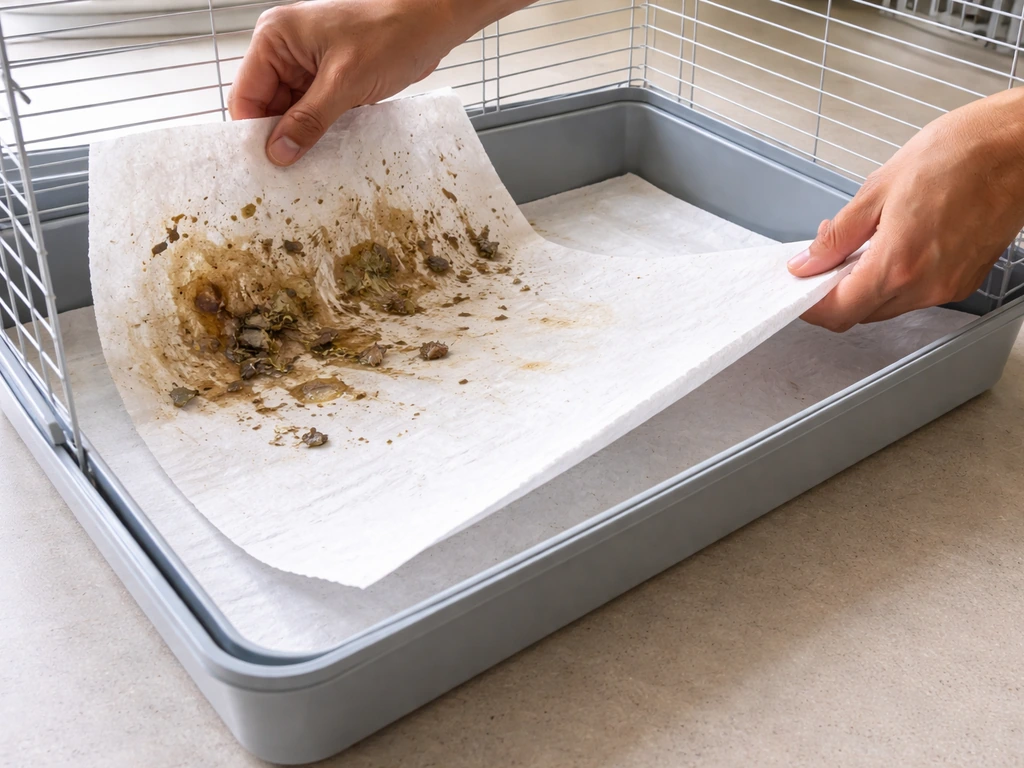
Daily tasks
- Remove the top liner sheet (or full liner if single-layer) and replace with fresh paper.
- Check droppings before discarding: normal droppings have a solid dark-green or dark portion, a white urate section, and minimal liquid. Anything dramatically off-color, very watery, or absent is worth noting.
- Wipe down any mess on the tray sides or cage bars with a damp cloth or unscented paper towel.
- Rinse and refill water dishes and remove uneaten fresh food.
Weekly tasks
- Remove the full tray and wash it with hot water and a small amount of unscented dish soap.
- Scrub any stuck-on debris with a soft brush or sponge. Avoid steel wool or anything that scratches the tray surface, since scratches harbor bacteria.
- Rinse the tray thoroughly and let it air dry completely before relining.
- Wipe cage bars and perches with a damp cloth. Rotate or replace wooden perches that are visibly soaked through.
Monthly deep clean
VCA recommends a full cage deep clean at least one to two times per month. This means taking everything out, washing all surfaces, perches, toys, and the tray with hot water and a non-toxic cleaner, rinsing everything completely, and allowing it to dry before putting your bird back. SpectrumCare also emphasizes choosing unscented, dye-free paper liners for paper-based cage-liner use, and notes you can ask a veterinarian whether plain newspaper or paper towels are best for your bird’s species and behavior. If you use a disinfectant, choose one that's safe for birds, use it in a well-ventilated space, and rinse every surface until there's no residue. Routine disinfectant use is often unnecessary and can introduce chemical exposure if residue remains where your bird walks or chews.
Bedding mistakes that are easy to make
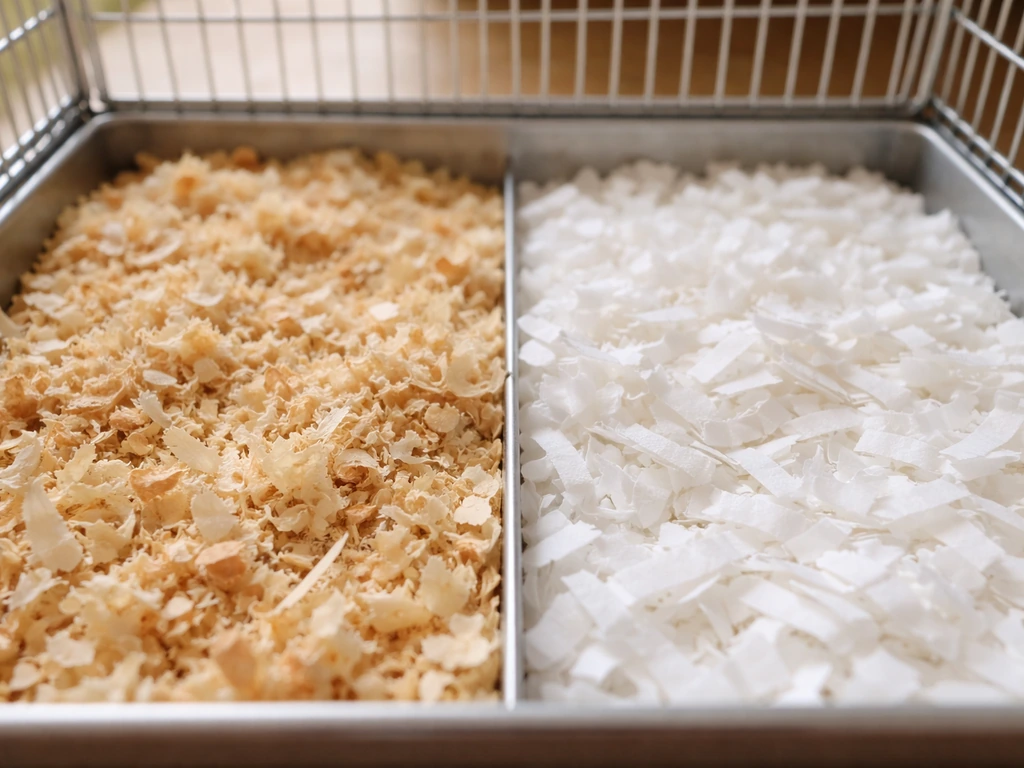
Most of these are things I see recommended in well-meaning online posts that can genuinely harm your bird.
- Using cedar or pine shavings: the aromatic oils are respiratory irritants and can cause serious harm. This is the most common shaving-based mistake.
- Scented or perfumed liners: any fragrance, including "natural" lavender or citrus additives, is a potential airborne irritant for birds.
- Sandpaper cage liners: avian vets are clear that sandpaper has no safe role in a bird cage. It doesn't file nails effectively and can damage feet.
- Corncob bedding: it molds rapidly when wet, the mold is dangerous, and birds sometimes eat it, risking crop blockages.
- Leaving bedding in place too long: wet, soiled material grows bacteria and fungi fast. Even premium bedding becomes a health risk if not changed regularly.
- Putting loose substrate directly on the cage floor without a grate: your bird will stand in its own droppings, dramatically increasing contamination and foot health risks.
- Using old newspaper with petroleum-based ink: modern newspaper ink is generally soy-based and considered safer, but if you're unsure of the ink type, plain paper or purpose-made liners are the safer call.
- Confusing nesting material with cage liner: shredded paper, cotton fibers, or nesting fluff placed loose in the cage (outside a nest box) can trigger unwanted hormonal behavior and pose an ingestion or entanglement risk.
Troubleshooting common bedding problems
The cage smells bad even with daily changes
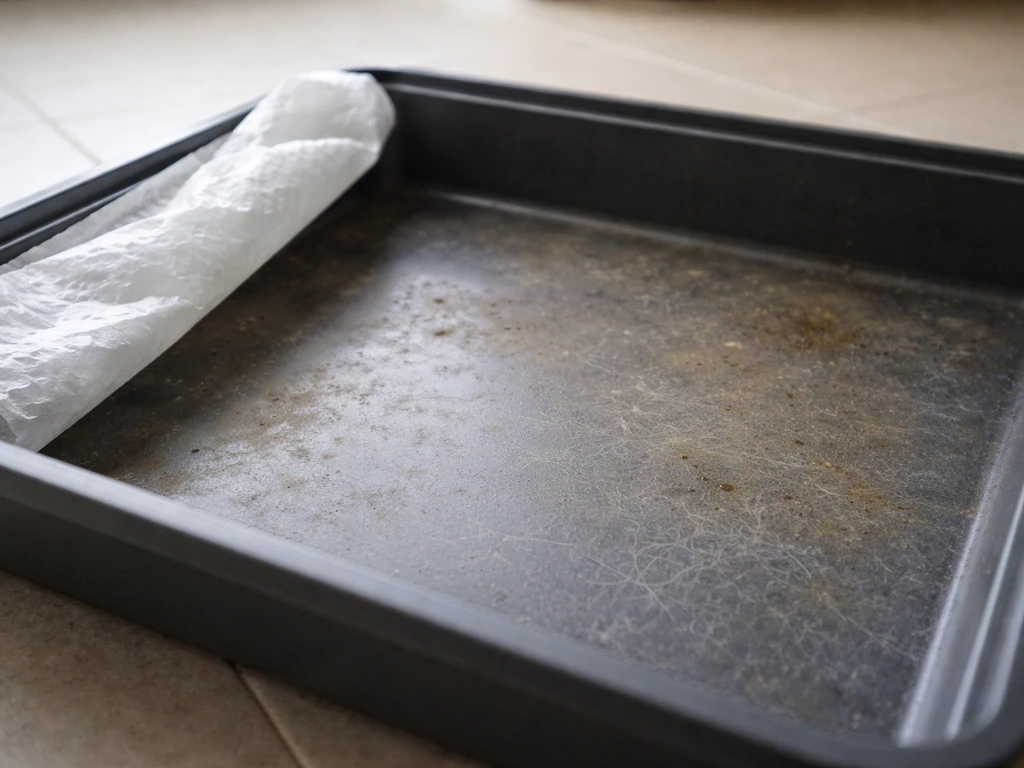
If odor is persistent with daily liner changes, the source is almost always somewhere other than the liner itself: the tray has absorbed odor into micro-scratches or isn't being fully washed, the cage bars have dried food or dropping buildup, or the diet is causing unusually smelly droppings. Do a full tray scrub with hot soapy water, clean the bars, and evaluate whether the diet includes a lot of fruit or high-sugar foods, which can make droppings smell stronger.
Droppings are staining the tray permanently
Staining usually means droppings are sitting on the tray surface for too long before being cleaned, or the tray coating is scratched and porous. Switch to more frequent liner changes and use a non-abrasive cleaner on the tray. If staining is severe and you can't scrub it out, a tray liner mat or replacement tray is worth considering.
Mess is everywhere except the tray
This is normal with active birds, especially those that kick food or fling things off perches. The liner can only catch what lands in the tray. For birds that make a wide mess, a cage apron or skirt (a fabric or plastic guard that wraps the outside base of the cage) helps contain debris. Inside the cage, positioning food dishes away from favorite perch spots helps reduce how much gets flung outward.
Bird seems sneezy or has watery eyes after bedding change
Respiratory or eye irritation shortly after a bedding or cleaning change points to either dust from the material or residue from a cleaning product. Switch to plain, unscented paper towels if you haven't already, ensure cleaning products are fully rinsed away before the bird is returned to the cage, and improve ventilation in the room. If symptoms persist beyond a day or two, this warrants a vet call because birds can decline quickly from respiratory issues.
Foot problems or sores (bumblefoot concerns)
Bumblefoot (pododermatitis) in pet birds is often linked to inappropriate perch surfaces and prolonged contact with hard or wire-only flooring. If your bird is on the cage bottom frequently and you notice redness, swelling, or sores on the feet, a soft towel layer on the cage floor (with nothing loose on top that could snag toes) can provide relief while you get a vet evaluation. This is a medical situation, not just a bedding swap, so don't delay the vet visit. Proper hygiene in the cage, including clean, dry bedding, plays a direct role in preventing foot infections from worsening. Also consider perch variety and softness, since bedding alone won't fix a perch-based problem.
Bird is eating the bedding
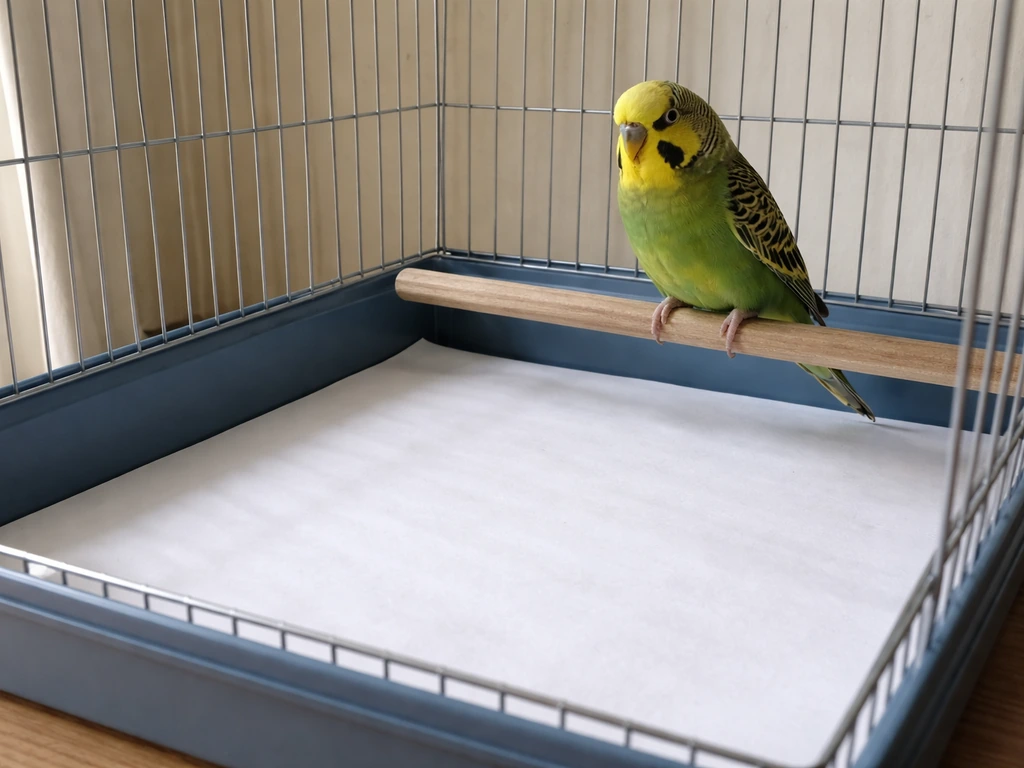
Some birds, especially curious parrots, investigate and chew the cage liner. Plain paper is fine if eaten in small amounts, but any loose substrate (corncob, walnut shell, pelleted material) poses a real ingestion and blockage risk. If your bird actively eats the liner, stick with flat paper sheets only and consider whether the bird needs more foraging enrichment or is bored.
Quick buyer checklist and next steps
Before you buy anything, run through these questions. They'll point you to the right choice faster than any product label will.
- Is the material paper-based and free of dyes, fragrance, and chemicals? If yes, it's almost certainly safe.
- Is it flat (not loose or particulate)? Flat liners let you monitor droppings and don't create dust or ingestion risk.
- Can I change it daily without much effort or cost? If it's expensive or time-consuming to replace frequently, you'll stretch changes out and that creates problems.
- Does it fully cover the tray with no gaps? Partial coverage defeats the purpose.
- Is it free of added scents, cedar, pine, or any aromatic ingredient? If the package mentions a "fresh scent" or similar, skip it.
- If I'm buying pelleted or specialty bedding: does it have a dust-free certification or third-party avian vet endorsement? Is it free of dyes?
For next steps: if you're setting up today, buy plain unscented paper towels or a pack of paper cage liners designed for birds and start there. Get the cage clean, line the tray fully, put the grate back in place, and you're good to go. Once you've lived with your bird for a few weeks and know their mess level and habits, you can evaluate whether you want to upgrade to a purpose-made liner with better absorption or odor control.
If you've seen recommendations for bird sand or gravel as a cage-floor material, it's worth understanding what those products are actually meant for before adding them to your setup. Bird gravel is similar to other loose cage-floor products, so it helps to know what it’s meant for and why it may not work well as a daily cage liner. Bird sand is sometimes used for other animals like reptiles or to support digging, but it is not a typical choice for a companion bird cage liner. Similarly, if you're comparing bedding to bird litter products, those terms are sometimes used interchangeably but can refer to different types of substrates with different use cases. When people say bird litter, they usually mean loose substrates, so it helps to compare them against the best bird litter options for cage liners. The safest starting point is always plain paper, and you can build from there once you know what your bird actually needs. If you're also wondering what bird feet are made of, the answer comes down to tough, protective keratin that helps them grip and shield their skin plain paper.
The honest bottom line: the "best" bird bedding isn't the most expensive or the most elaborate. It's whatever you'll actually change every day, costs little enough that you don't skip changes, and keeps your bird's environment clean, visible, and safe. For almost every companion bird owner, that's plain paper. Start there.
FAQ
Can I use plain printer paper or cardboard sheets instead of paper towels for the cage floor?
Yes, if they are plain, uncoated, and free of adhesives, dyes, and scents. Avoid glossy or coated paper (like some flyers or magazine pages) because surface coatings can shed residue, and do not use cardboard with staples or tape in the cage area. Paper towels are still preferred because they’re designed to break down into a cleaner, more absorbent layer.
What if I run out of paper towels, can I use a temporary substitute for one day?
Use flat, unscented paper only, and keep it fully contained on the tray so nothing becomes loose particulate. For example, plain newsprint is usually a safer short-term option than corn cob, sand, or gravel. The key is to maintain visibility of droppings and avoid any material that can crumble into grit.
How should I handle liner changes if my bird is on eggs or is behaving like it wants to nest?
If you suspect nesting behavior, still base the decision on whether the bird is actively breeding. For non-breeding or unclear situations, stick with plain flat paper for the cage floor and do not add nesting fluff. If breeding is underway, follow an avian vet’s guidance for nesting materials, since hormonal behavior and egg care requirements change what’s appropriate.
Is it safe to use a scented “odor control” liner that says it is bird-safe?
Be cautious. Even if the brand claims low odor, fragrances or additives can still irritate a dust-sensitive or respiratory-prone bird, and residues may transfer when the liner is damp. If odor is a problem, focus first on more frequent liner changes and ventilation, then choose a purpose-made unscented option, or a liner layer that is additive-free aside from clearly listed odor absorbers like activated charcoal.
How can I tell whether my bird’s droppings smell is from diet versus bedding?
If the smell persists even after you swap paper daily and fully scrub the tray and bars, the diet is a common cause. High-sugar treats, very ripe fruit, and sudden diet changes can make droppings smell stronger. Track the diet changes for 48 to 72 hours and contact an avian vet if droppings change in color, consistency, or frequency, not just odor.
My bird sometimes steps on the liner and then chews it, what should I do?
Switch to flat paper liners only (no loose substrates) and ensure the paper covers the tray completely so your bird is not tempted by exposed edges. If your bird is actively chewing, increase foraging and safe chew opportunities, because chewing often reflects boredom or curiosity. If they ingest large amounts of paper, ask a vet about blockage risk and adjust enrichment immediately.
Can I use paper liners with diapers or other absorbent pads underneath?
Avoid stacking products unless you are sure the bottom layer does not shed fibers, dyes, or odor-control chemicals. Birds can chew at edges and step into moisture, so any pad that contains loose particles or added fragrance is a risk. If you use any secondary absorbent layer, it should be fully covered by flat paper so the bird only contacts safe, simple material.
What do I do if my tray liner is getting greasy or hard to clean even with daily changes?
Grease can be from diet components or built-up residue from food that isn’t being cleared promptly from the cage. Remove and wash the tray more thoroughly, scrub with hot soapy water, and check that the tray coating is not scratched or porous. If stains and odor keep returning after proper washing, consider replacing the tray rather than relying on thicker liner coverage.
Is a double layer of paper liners always necessary?
Double layering helps for bigger birds and for species that produce wetter droppings, and it also makes mid-day swaps easier. For small, drier droppers, one layer may be sufficient if you can keep up with daily changes. The best approach is to use enough coverage that droppings do not sit on the tray surface, and adjust layer count based on how quickly the top layer becomes soiled.
How often should I deep-clean the cage if I use paper bedding?
Deep clean the whole cage at least monthly, and more often if you notice odor building quickly or if your bird has respiratory or digestive issues. Even with good daily liner changes, food oils and micro-residue accumulate on bars, grates, and corners. During deep cleaning, rinse any cleaner thoroughly and return the bird only after everything is fully dry.
Can I place the cage on a carpet or rug so mess cleanup is easier?
It’s better to avoid direct contact with fabric surfaces because airborne dust and damp liner leaks can soak into carpet, making odor harder to control. If you must use a soft floor surface, put the cage on a washable, non-porous mat under and around the base, and keep liner changes consistent so moisture does not seep.
My bird gets mild eye or breathing irritation after changing liners, but I only used plain paper. What else could be happening?
If the paper is truly unscented and plain, the likely culprit is cleaning chemical residue, room ventilation changes, or lingering dust from nearby supplies. Remove the bird from the room during cleaning, rinse and dry fully, and avoid aerosols or sprays near the cage. If symptoms persist beyond a day or two, contact an avian vet promptly.
Next Articles
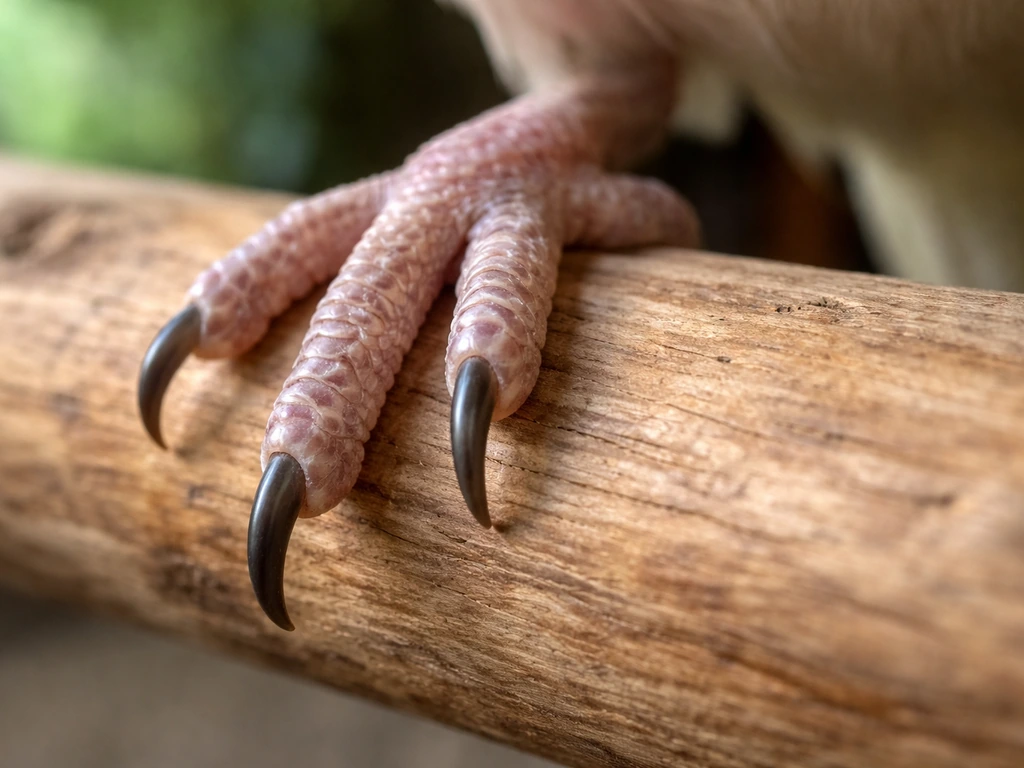
What Are Bird Feet Made Of? Materials and Care
What bird feet are made of, from keratin scales and claws to bones and tendons, plus species differences and care tips.
Garden Bird Checklist: Wild Species, IDs, and Tracking Tips
Ready-to-use wild garden bird checklist with IDs, field marks, tracking tips, and a bird station setup for beginners.
Printable Backyard Bird Guide for Beginners and First IDs
Printable backyard bird guide for beginners: simple ID key, look-alikes, and a ready-to-fill checklist for backyard sigh