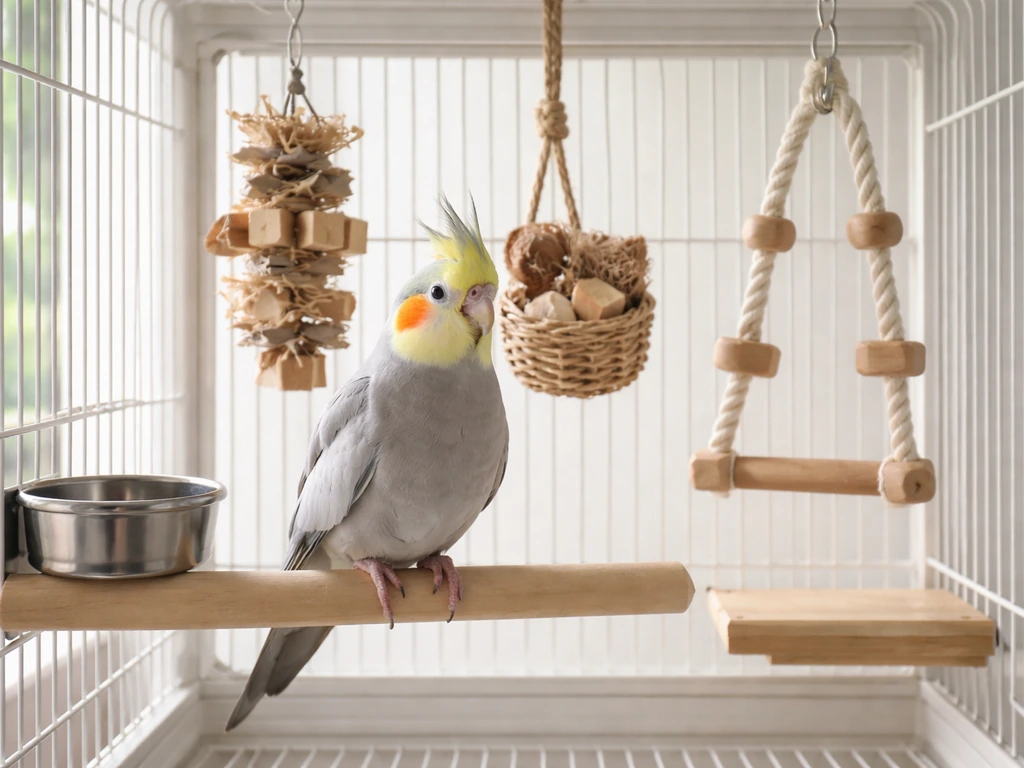
The best bird toys are safe, appropriately sized, mentally engaging, and matched to your specific bird's personality and chewing habits. That last part is what most beginner guides skip over, and it's exactly why so many new bird owners end up with a cage full of ignored toys or, worse, a toy that becomes a hazard. I want to give you a framework you can actually use today: what to look for, what to avoid, how to set up the cage, and how to keep enrichment fresh without turning toy management into a second job.
Best Bird Toys for Beginners: Safe, Quality Choices

Marcus Chen
19 Apr 2026
What actually makes a bird toy 'the best'
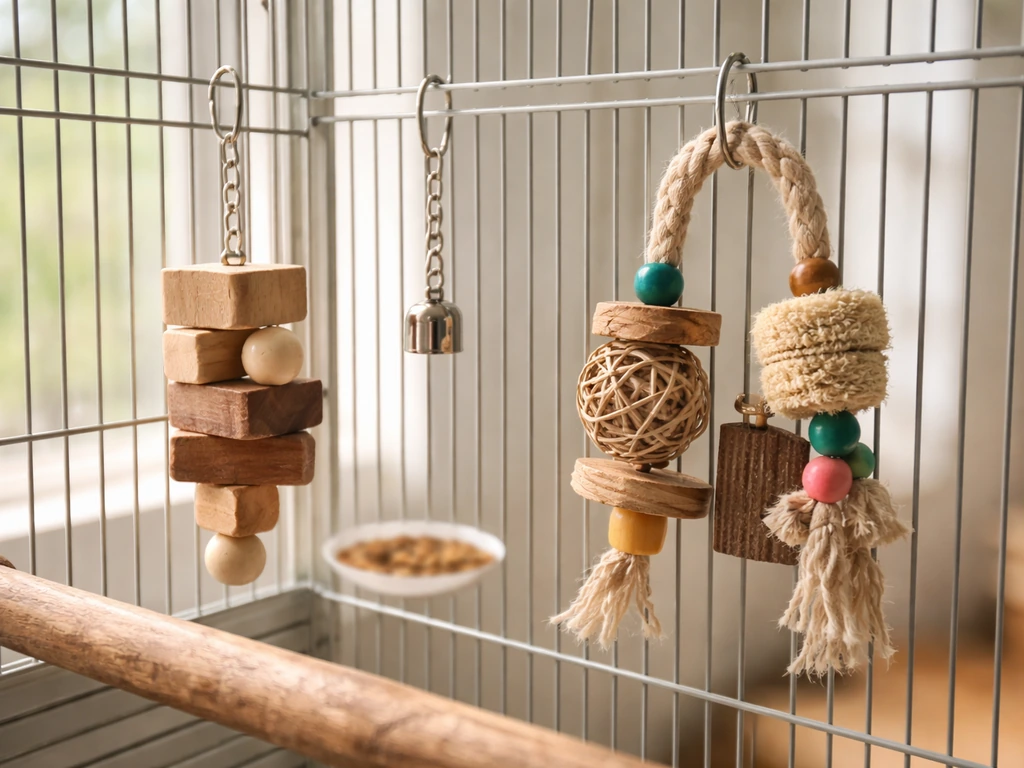
Quality and safety are not the same thing, and price definitely isn't a reliable indicator of either. A toy that's beautifully made but constructed with galvanized metal hardware is actively dangerous. A cheap wooden block with a cotton rope can be perfectly fine. So before you look at any specific product, here's the checklist I'd run through.
- Materials: stainless steel hardware, natural non-toxic wood, untreated cotton rope, or food-grade acrylic. These are the materials consistently flagged as safe by avian veterinarians.
- Hardware quality: quick-links and clasps should be stainless steel. If the packaging doesn't specify, assume it's galvanized and skip it.
- No small detachable parts: bells with accessible clappers, split rings, and small chain links are choking and entanglement hazards.
- No lead weights, no soldered metals: both can contain lead or zinc, which are toxic if your bird chews on them.
- Size-appropriate: a toy designed for a macaw can injure a cockatiel. A toy too small for a large parrot becomes a swallowing hazard.
- Supervise-ability: you can see your bird interact with it. Enclosed foraging boxes are fine; anything your bird can get trapped inside is not.
- Destructibility matched to chewing intensity: a light chewer doesn't need an indestructible acrylic toy; a heavy chewer shouldn't have balsa wood that falls apart into sharp splinters in one session.
The AAV makes a point I think is underrated: not every commercial toy is 100% safe, and supervision matters especially when you're introducing something new. Watch how your bird actually interacts with the toy for the first few sessions before you consider it fully vetted.
Bird-safe materials and what to avoid
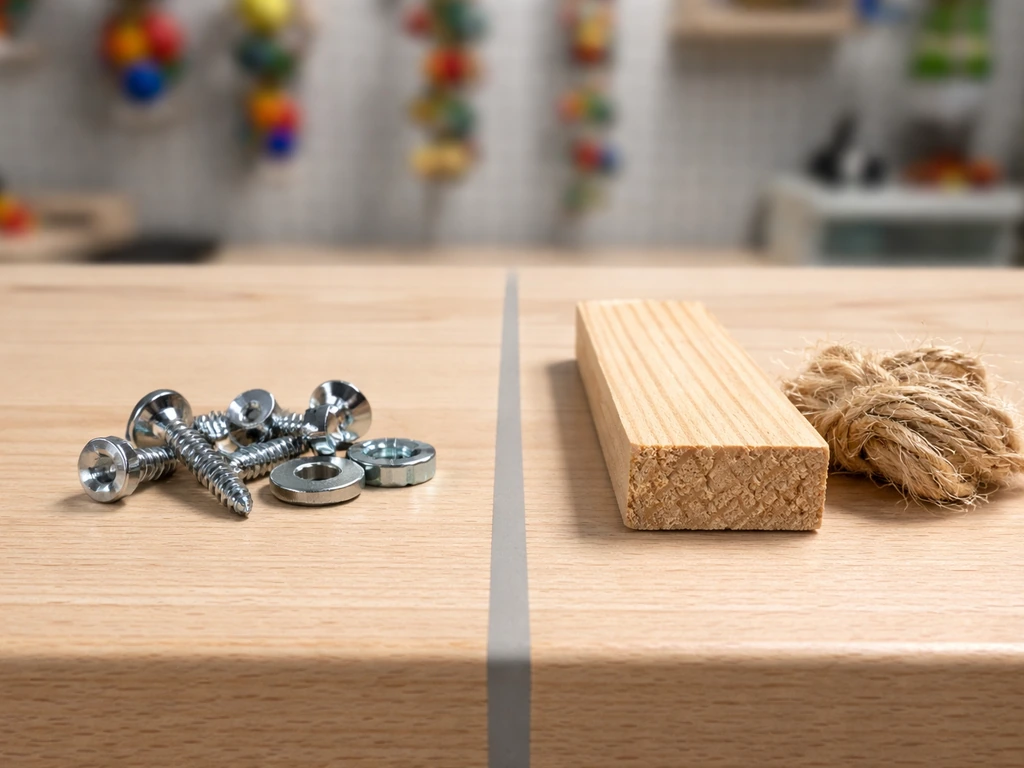
Let's be specific, because vague warnings like 'avoid toxic materials' aren't actually useful when you're standing in a pet store trying to make a decision.
| Material | Safe? | Notes |
|---|---|---|
| Stainless steel | Yes | Best hardware option; won't corrode or leach zinc |
| Natural untreated wood (pine, balsa, manzanita, eucalyptus) | Yes (species-dependent) | Avoid balsa for heavy chewers as it splinters quickly; avoid chemically treated or aromatic woods like cedar |
| Cotton rope (thick, natural fiber) | Conditionally | Safe until frayed; remove immediately when strings come loose |
| Food-grade acrylic | Yes | Durable, easy to clean, good for foraging toys |
| Galvanized (zinc-coated) metal | No | Toxic if ingested; commonly found in cheap hardware |
| Soldered metals | No | Often contain lead; avoid completely |
| Lead weights or bell clappers | No | Direct toxicity risk from chewing |
| Painted wood (unknown paint) | No | Stick to natural or food-safe dyed wood only |
| Plastic (unknown grade) | Caution | Hard food-grade plastic is fine; cheap brittle plastic can crack into sharp shards |
Rope toys deserve a longer conversation because they're everywhere and genuinely useful, but they're also the toy type most likely to cause injury if you're not paying attention. The problem isn't the rope itself. It's what happens when your bird starts to unravel it. Loose strings can wrap around toes, legs, or necks, and the consequences can be severe. VCA and Lafeber both flag this explicitly: check rope and fabric toys daily for loose fibers, and remove any rope toy the moment it starts to fray. If your bird is actively snipping pieces of rope off with its beak, rope toys may just not be the right category for that individual.
One more thing on materials that's easy to overlook: cleaning products. Birds are extremely sensitive to airborne fumes, and this matters when you're cleaning toys. Bleach-based cleaners are commonly recommended for cage disinfection, but you should never mix bleach with ammonia-based products (that combination produces toxic gas), and you should always rinse thoroughly and let surfaces dry completely before returning your bird to the cage. Aerosol sprays of any kind near your bird, including air fresheners, spray paints, and even certain cleaning sprays, pose respiratory risks. Clean toys in a separate area, away from where your bird is housed.
Matching toys to your bird's species and personality
Species gives you a starting point, but personality closes the deal. Two cockatiels can have completely different toy preferences. That said, knowing what your bird is wired to do behaviorally tells you which toy categories to prioritize.
Small birds: budgies, parakeets, and cockatiels
Birds in this size range tend to enjoy lightweight toys they can bat around, mirrors (though use these sparingly and monitor for obsessive behavior), bells with bird-safe clappers, and foraging toys scaled to their beak size. If you want specific options that fit this size and chewing style, see our guide to the best bird toys for budgies.
If you want specific picks, the best bird toys for parakeets break down the top options by what your bird will actually enjoy. They're not typically heavy chewers, so thick rope toys, softer woods, and small shreddable toys made of palm leaf or paper work well. The key is keeping things lightweight. A toy that's too heavy or too large will be completely ignored.
For more targeted guidance on these species, the sibling articles on the best bird toys for cockatiels, parakeets, and budgies go deeper on specific options. If you have cockatiels specifically, it helps to start with toys designed for their size, chewing style, and foraging instincts best bird toys for cockatiels.
Medium birds: conures and similarly sized parrots
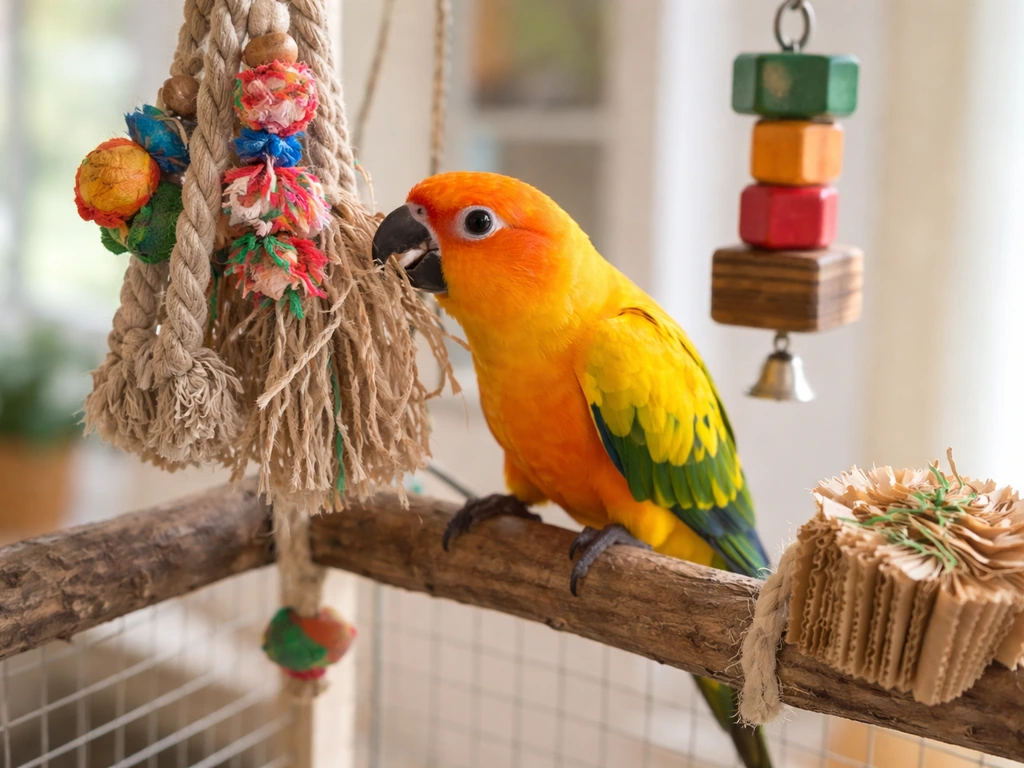
Conures are busy, curious, and often destructive in the best possible way. They tend to engage heavily with toys that make noise, have multiple textures, or can be taken apart. Shreddable toys (palm leaf, yucca, tightly wound paper) are usually a hit. So are foraging toys with hidden treats. Because conures can be vigorous chewers, check that wood pieces don't splinter into sharp points. Stick to medium-gauge hardware and size everything to a bird with a beak that can actually do some damage. There's a dedicated article on the best bird toys for conures if you want to get specific.
Larger parrots: Amazons, African greys, cockatoos, and macaws
Large parrots need toys that can withstand serious chewing force. Acrylic and hardwood toys are your friends here. Foraging and puzzle-style toys are especially valuable for intelligent species like African greys and Amazons, which need cognitive engagement as much as physical stimulation. Puzzle-style toys are often among the best bird puzzles because they combine problem-solving with hands-on enrichment. Avoid any toy with hardware that a strong beak could compromise. If you're interested in adding puzzle-style enrichment, that's a category worth exploring on its own.
How to size, mount, and place toys in the cage
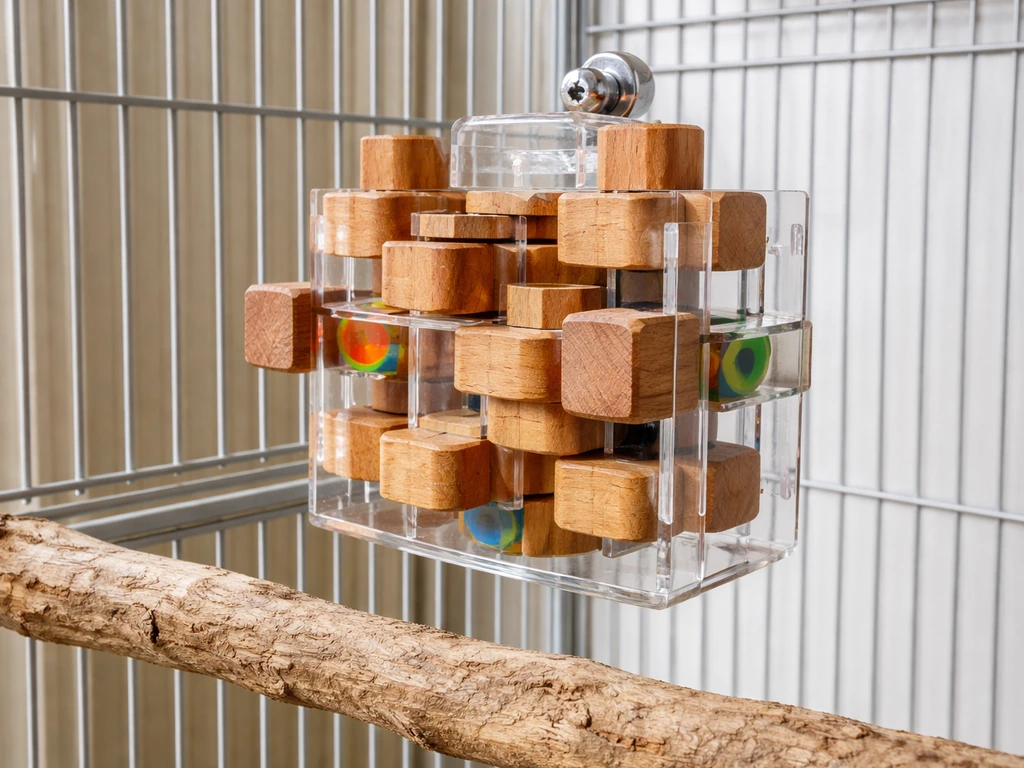
Placement is something I see completely ignored in beginner setups, and it matters more than most people think. A toy hung in the wrong spot either gets ignored or becomes a source of frustration and stress for the bird.
- Hang at or slightly above perch level. Birds naturally gravitate toward toys they can reach without awkward stretching or climbing. If the toy hangs too high or sits on the cage floor, most birds won't bother.
- Don't block perch-to-perch paths. Overcrowding the cage with toys forces your bird into cramped positions and can increase stress. Leave clear flight or hop paths between perches.
- Use the right attachment hardware. Quick-links (stainless steel) are the safest option. C-clips and split rings can catch toes. Check that the cage bar spacing is compatible with the toy's attachment system before you buy.
- Position foraging toys near a favorite perch. You want the bird to discover and engage with them naturally, not have to go out of its way.
- Keep foot toys and smaller items on a flat surface or low perch. Birds that like to hold and manipulate toys while sitting need a stable platform, not a dangling toy they can't control.
- Avoid placing toys directly over food and water dishes. Debris, droppings, and chewed material will contaminate dishes quickly.
On the question of how many toys: for a small to medium bird, three to five toys in the cage at any one time is a reasonable starting point. More than that and the cage becomes cluttered; fewer and you risk under-stimulation. Rotate which toys are in the cage rather than adding more and more at once.
Introducing new toys and building an enrichment rotation
Here's something that surprises a lot of new bird owners: many birds are initially afraid of new toys. A bright, unfamiliar object appearing in their cage overnight can genuinely stress them out. Don't interpret that as your bird being broken or uninterested in toys. It's normal prey-animal caution.
The method that works best is gradual introduction. Start by placing the new toy outside or near the cage for a day or two so your bird can observe it without pressure. Then move it inside the cage but not in a high-traffic area. After your bird has investigated it on its own terms, you can move it to a prime perch location. For especially skittish birds, try handling the toy yourself in front of them first so they see it's not a threat.
For rotation, the AAV recommends cycling toys regularly, whether that's daily or weekly depending on your bird's engagement level. A practical system for most beginners is to keep a small 'toy library' of six to ten vetted toys and rotate three to five of them into the cage every one to two weeks. WPVet's guidance suggests rotating every other week as a baseline, which is reasonable and easy to maintain. The goal is novelty without constant spending. A toy your bird hasn't seen in two weeks is essentially new again.
- Start with three to five toys in the cage at a time
- Introduce new toys gradually, outside the cage first
- Build a toy library of six to ten safe options and rotate them every one to two weeks
- Observe engagement: if a toy is consistently ignored for two rotations, try repositioning it or retiring it
- Vary toy types: include at least one foraging toy, one shreddable/destructible toy, and one interactive or manipulative toy at all times
Cleaning toys and knowing when to replace them
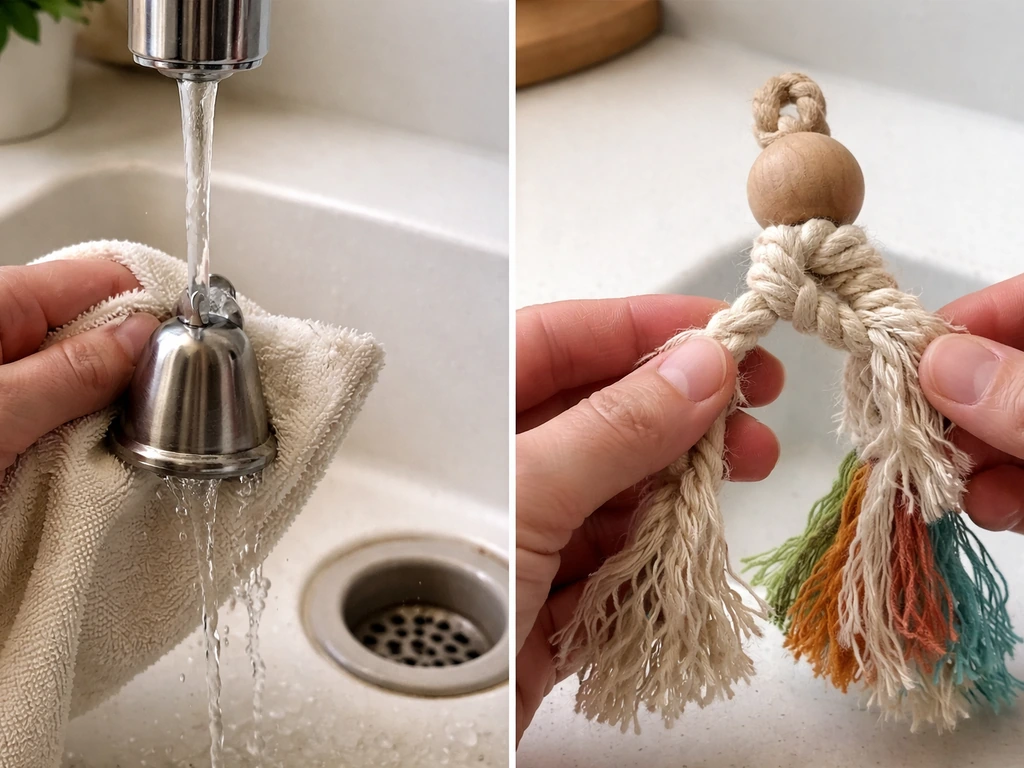
Cleaning frequency depends on toy type. Hard acrylic or stainless steel toys can be wiped down or washed weekly with a bird-safe disinfectant (diluted dish soap or an avian-specific cleaner), rinsed thoroughly, and air-dried before going back in the cage. Never return a wet toy to the cage, especially wooden toys, as moisture encourages mold growth.
Rope and fabric toys need daily visual checks for fraying, and a deeper clean every one to two weeks if the toy is staying in regular rotation. VCA's replacement guideline is practical: replace rawhide, rope, and fabric-type toys every two to six months, even if they look okay on the surface, because bacterial buildup in porous materials is hard to fully eliminate. If a rope toy is fraying, don't wait. Replace it immediately.
Wooden toys are a judgment call. If a wood block is chewed down to the point where it has sharp splinters or is small enough to be swallowed, retire it. If it's just roughed up and still structurally solid, it's fine. Shreddable toys are meant to be destroyed, so 'completely shredded' is actually a sign of success, not failure. Just replace them when they're gone.
A word on cleaning products and fume safety: always clean toys away from your bird's living space. Even 'bird-safe' disinfectants can produce fumes in concentrations that irritate avian respiratory systems. Rinse everything thoroughly, let it dry completely, and don't use aerosol sprays anywhere near your bird. If you ever notice your bird showing signs of respiratory distress (tail bobbing, open-mouth breathing, wheezing), move the bird to fresh air immediately and contact your avian vet.
Beginner mistakes and how to fix them
I want to be direct about the mistakes I see most often, because most of them are fixable once you know what you're looking at.
The toy gets completely ignored
This is almost always a placement or introduction problem, not a toy problem. Try moving it to a different spot in the cage (closer to a favorite perch), and make sure you introduced it gradually rather than just swapping it in overnight. If a toy has been in the cage in multiple positions across two rotation cycles and still gets zero attention, it might just not match your bird's preferences. That's fine. Not every bird likes every toy type.
The toy gets destroyed too fast
You matched a light-duty toy to a heavy chewer. This isn't a safety issue if the materials are appropriate, but it gets expensive. Move up in material density. Hardwoods and acrylic last longer for serious chewers. Shreddable toys are supposed to be destroyed quickly; just build the replacement cost into your budget.
Unsafe hardware or materials slipped through
If you notice your bird chewing on metal hardware, pull the toy immediately and inspect it. Look for galvanized coating (dull grey, slightly rough texture) versus stainless steel (bright, smooth). The Association of Avian Veterinarians notes that zinc can be found on galvanized items, and ingestion can lead to clinical signs consistent with metal toxicity zinc on galvanized items can cause metal toxicity. If you're unsure, replace the hardware or retire the toy. It's not worth the risk. Going forward, buy from reputable bird-specific retailers who specify stainless steel hardware on their packaging.
Too many toys, not enough variety
Stuffing a cage with eight bells is not enrichment. Birds need variety in what the toy does: something to shred, something to forage in, something to manipulate or solve, and something to make noise with. If all your toys fall into one category, add variety before adding quantity.
Forgetting to check rope toys daily
This is a real safety risk, not a minor oversight. A frayed rope toy can entangle a bird's toe or neck overnight. Add a 30-second visual check of all rope and fabric toys to your morning routine. It takes almost no time and prevents serious injury.
Bar spacing incompatibility
Some toys come with attachment mechanisms that don't fit your cage's bar spacing, or that create gaps where a bird could get a beak, toe, or head stuck. Before you buy, know your cage's bar spacing and check that any hanging toy's attachment hardware is compatible. When in doubt, a stainless steel quick-link is a universal and safe solution.
FAQ
How do I tell whether a rope toy is safe for my bird, or if it’s the wrong toy type altogether?
Yes. If your bird is a strong chewer or already destroys toys quickly, avoid relying on rope or loose-fiber toys. Choose options with controlled shredding (palm leaf, yucca, tightly wound paper) and inspect after every major chewing session, not just daily.
Should I remove toys after my bird finishes them, or can I leave them in all day?
It depends on the toy and your bird’s pace. For foraging toys, pull them out after treats are fully used to keep crumbs from building up. For shreddables, removing them when they are mostly gone prevents small pieces from accumulating in the cage corners.
What are good placement rules to prevent toys from causing stress or unwanted collisions?
Keep attachments off the cage bars if possible, use hardware sized for your bar spacing, and avoid anything that can swing into the bird’s face. If you notice your bird spending time repeatedly repositioning a toy to reach it, the placement may be causing stress or fear.
Can I share toys between two birds, or should each bird have its own set?
Avoid multi-bird sharing of toys unless you are washing and fully drying them between birds. Hidden-treat foraging toys are especially hard to clean completely, and saliva and bacteria can transfer even when the toy looks “clean.”
What should I do if my bird starts chewing something that looks like hardware, but the toy seemed safe initially?
Do not assume a toy is “safe” because it’s bird-labeled. If your bird is chewing hardware, check for any change in hardware appearance, looseness, or sharp edges, even if the toy was fine the week before. Replace or retire at the first sign of wear.
My rope toy looks “mostly fine.” How do I know when fraying is bad enough to retire it?
If you see any fuzzing, fraying, or small detached fibers, especially on rope and fabric, remove it immediately and replace it. The key is to replace based on fiber condition, not just whether the rope is still intact.
How can I tell whether a toy is actually getting clean, versus just getting rinsed?
For foggy or cloudy plastic, a lingering odor after cleaning, or any tacky residue, stop using the toy. Those can indicate trapped grime, chemical residue, or surface breakdown that is hard to fully remove.
My bird ignores new toys. What should I troubleshoot first before buying something else?
If your bird hasn’t touched a new toy after gradual introduction, try one controlled change at a time: move it closer to a favorite perch, switch to a lighter or more shreddable texture, or reduce novelty pressure by offering it in a quieter section of the cage.
What’s a simple way to build a toy rotation plan without ending up with a cluttered cage?
Start with a small “baseline” set in the cage (three to five toys), then rotate. If a toy is ignored for two rotation cycles, remove it from the library and replace with a different toy category rather than adding more of the same type.
My cage bars don’t match the toy’s attachments. What’s the safest way to adapt them?
Yes. Stainless steel hardware and quick links are useful when attachments don’t match your cage bars. Still, confirm the entire assembly cannot create gaps that trap toes or heads, and test by gently checking how the toy can move.
Next Article
Best Bird Toys for Cockatiels: Safe Picks and Setup Guide
Safe, size-right cockatiel toy picks plus setup, rotation, cleaning and troubleshooting for happy enrichment.