Yes, playing bird sounds for your pet bird can be genuinely good for them, but it depends heavily on what you play, how loud it is, and when you do it. Done right, it adds real enrichment and comfort. Done carelessly, it can stress your bird out, trigger unwanted mating behaviors, or disrupt the sleep they need to stay healthy. Most first-time owners either skip it entirely or go too far and loop random YouTube videos all day. Neither extreme is great. The good news is the safe middle ground is pretty easy to hit once you know what to watch for.
Is It Good to Play Bird Sounds for Your Bird?
Marcus Chen
1 May 2026
The quick answer for most pet birds
For most companion birds, playing appropriate bird sounds in short, controlled sessions is a net positive. It provides mental stimulation, can help a lone bird feel less isolated, and in some cases helps younger birds develop their own vocalizations. But it is not automatically harmless, and it is definitely not a substitute for real interaction. Think of it as one small piece of an enrichment plan, not the whole thing.
When bird sounds actually help
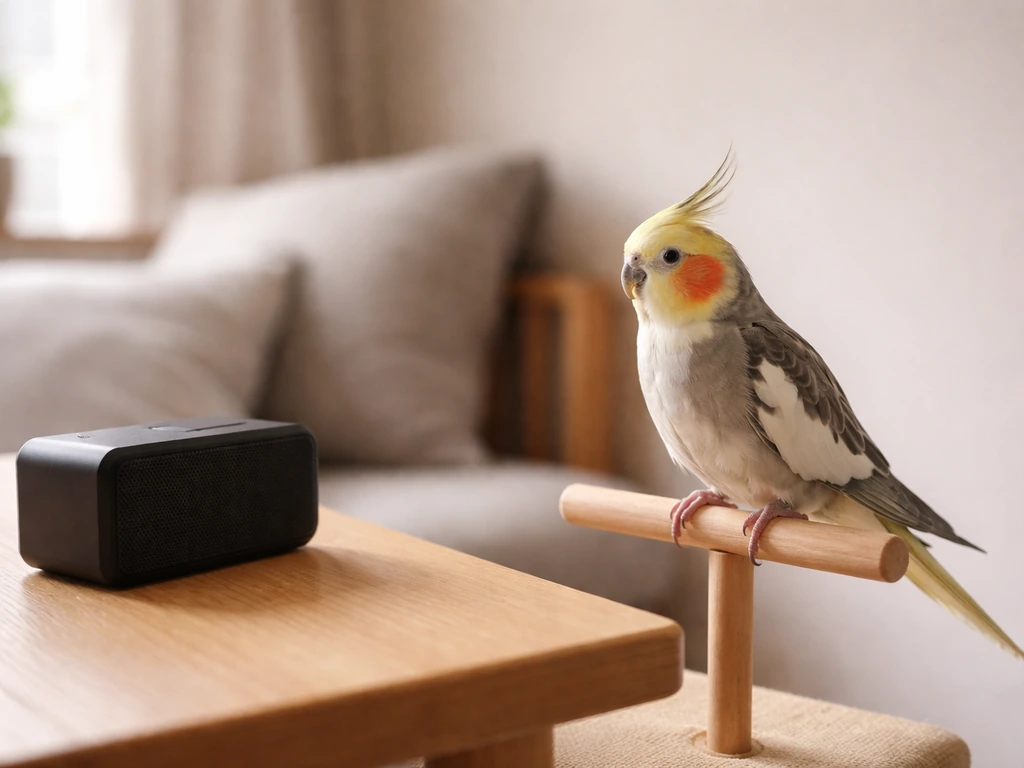
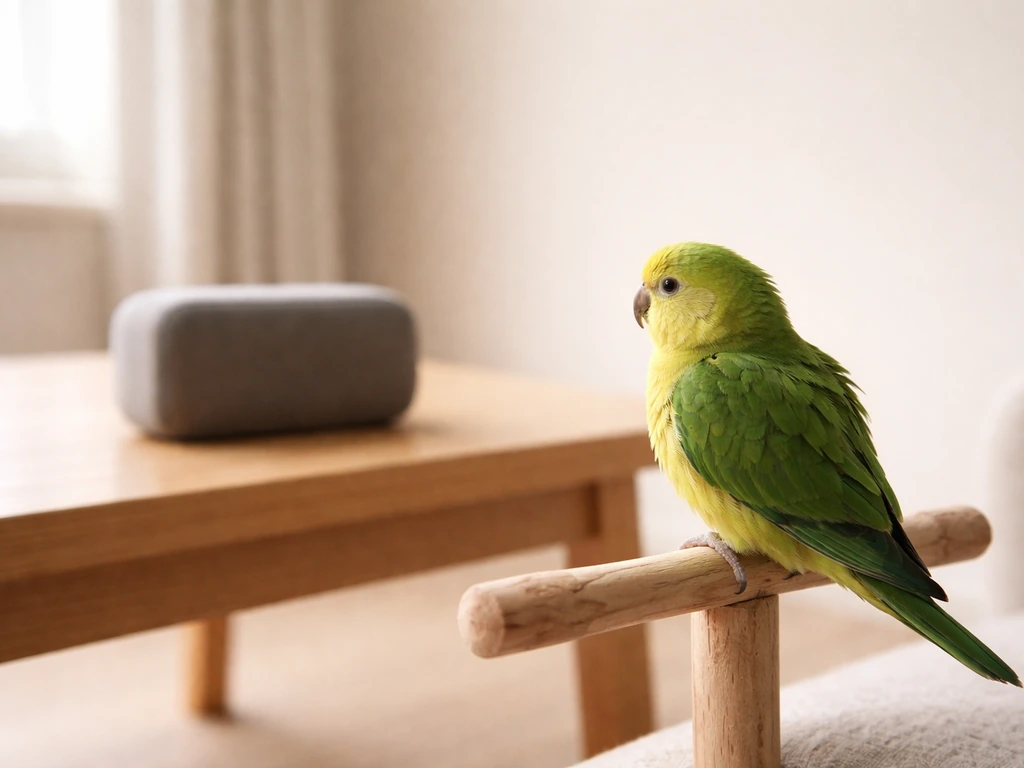
Birds, especially parrots, are flock animals. When they are alone in a quiet house, that silence can feel unnatural and mildly stressful. Playing soft, ambient bird sounds during the day can mimic the background noise of a flock going about its business, which is genuinely comforting for many species. I have seen this work especially well with cockatiels and budgies during stretches when their owners are out for several hours.
There is also a learning angle. Young birds and birds that are still developing their contact calls can pick up new sounds and vocalizations from recordings. This is particularly relevant for parrots that mimic, where exposure to sounds from their own or related species can enrich their vocal repertoire. It can even serve as a cue for certain daily routines, helping birds feel oriented to the rhythm of the day.
- Ambient flock sounds provide low-level comfort during quiet, solo periods at home
- Species-appropriate recordings can help younger birds develop richer vocalizations
- Gentle morning bird sounds can serve as a soft, natural-feeling wake-up cue
- Soft background bird audio can ease the transition when you first bring a bird home
When it can backfire
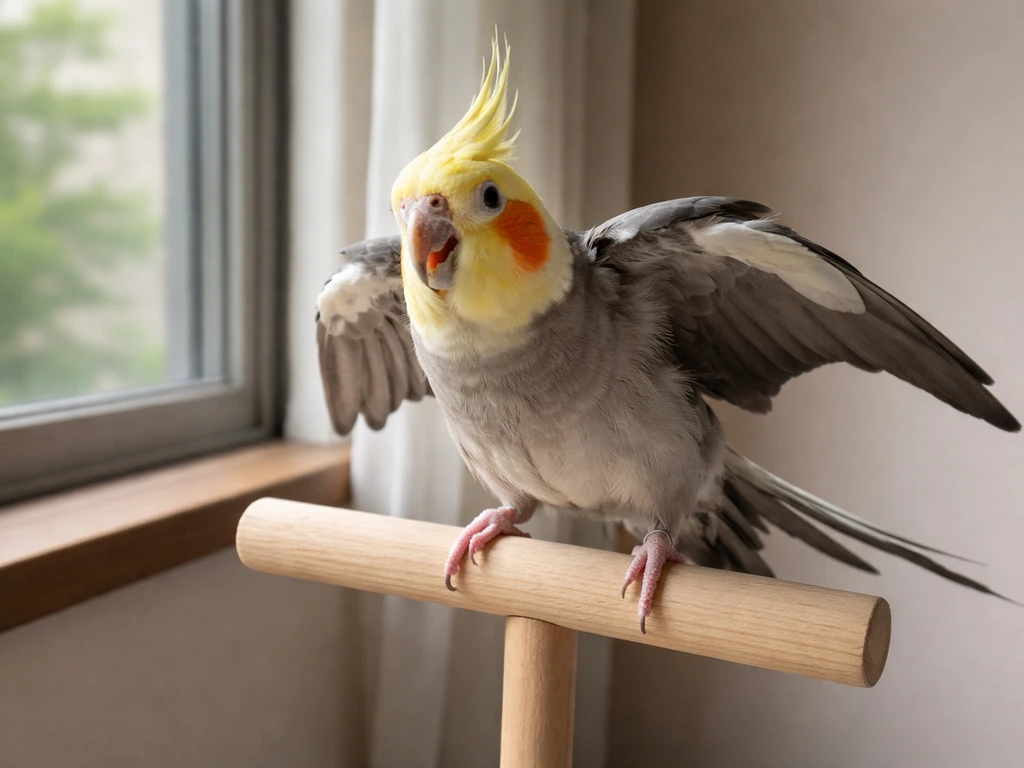
Here is where a lot of people get tripped up. Not all bird sounds are created equal, and some can do real harm. Distress calls are the biggest one to avoid. Research on cockatiels has found that birds actively move away from loudspeaker playback of conspecific distress calls, more so than neutral sounds like white noise. Playing alarm or distress call recordings can genuinely frighten your bird. Many people wonder if bird sounds attract wild birds, but the key is using safe, non-distress recordings at a low volume and for short periods. The same logic applies to territorial or aggressive calls from competing species.
There is also a hormonal angle that catches beginners off guard. Playback of certain vocalizations, especially mating songs and calls during breeding-season timing, can elevate hormones like corticosterone and testosterone. For pet birds, this can translate to increased aggression, egg-laying in females, and frustration-based behaviors. Conservation research has flagged this as a real concern even in wild birds, and the same principle applies to your companion parrot hearing breeding calls on repeat.
Overstimulation is another real risk. Playing sounds continuously, at high volume, or late into the evening disrupts the 10 to 12 hours of uninterrupted sleep that avian vets consistently recommend. The Association of Avian Veterinarians specifically calls out sleep deprivation as a genuine health risk for pet birds. Noisy audio running into the night is one of the faster ways to throw off your bird's sleep cycle and, by extension, their hormonal and behavioral health.
- Distress calls and alarm calls can frighten and stress your bird
- Mating songs can trigger hormonal surges, aggression, or unwanted egg-laying
- Continuous looping prevents restful downtime and disrupts normal behavior cycles
- High volume mimics threat-level noise and keeps the bird in a state of alertness
- Playing sounds late at night cuts into the 10 to 12 hours of sleep birds need
How to play bird sounds safely
The goal is to keep it gentle, brief, and predictable. Start with short sessions of 10 to 20 minutes and observe your bird closely before extending the duration. Volume is the single biggest lever: keep it low enough that your bird can easily vocalize over it and can choose to move to a quieter part of their cage or aviary. If your bird has no option to escape the sound, you have already crossed a line.
| Variable | Safe Range | What to Avoid |
|---|---|---|
| Volume | Low background level, comparable to a quiet conversation | Anything your bird has to compete with to be heard |
| Duration | 10 to 20 minutes per session to start, up to 30 to 45 minutes if the bird is responding well | Continuous looping or all-day playback |
| Frequency | Once or twice daily during active daytime hours | Multiple back-to-back sessions or playing through rest periods |
| Timing | Morning to early afternoon, aligned with natural light cycles | Evening, after lights-out, or during expected nap times |
Introduce sounds gradually over several days. Play them quietly at first while you are present so you can watch your bird's reaction in real time. Consistency matters too: making bird audio part of a predictable daily routine is less jarring than switching it on randomly. If you need to mask household noise in the evening, a low-volume white noise machine is a safer option than bird recordings after dark, since it does not carry the behavioral cues that vocalizations do.
What sounds to actually use
Species-appropriate recordings are the safest starting point. For a cockatiel, soft cockatiel contact calls and flock ambient sounds make sense. For a budgie, budgerigar flock chatter is a reasonable choice. The logic is simple: sounds your bird's species would realistically hear in a natural flock context are unlikely to trigger territorial or mating responses the way foreign or aggressive vocalizations might. Avoid sounds from predatory birds entirely.
Quality matters more than most people think. Low-quality audio with lots of compression artifacts or distortion can sound harsh and unnatural, which may add an edge of unease rather than comfort. Look for higher-quality recordings from reputable nature or birding audio libraries rather than compressed videos ripped from social media. If you record sounds yourself, using a decent microphone and a clean recording environment makes a real difference.
- Use calm, ambient flock sounds from your bird's own species or closely related species
- Choose high-quality recordings without heavy compression, distortion, or sudden loud peaks
- Avoid mating songs and breeding calls, especially during spring and early summer
- Never play alarm calls, distress calls, or calls from birds of prey
- Avoid random bird-sound videos online that mix calls unpredictably or include human narration at high volume
How to tell if your bird is reacting well (and what to do if they are not)
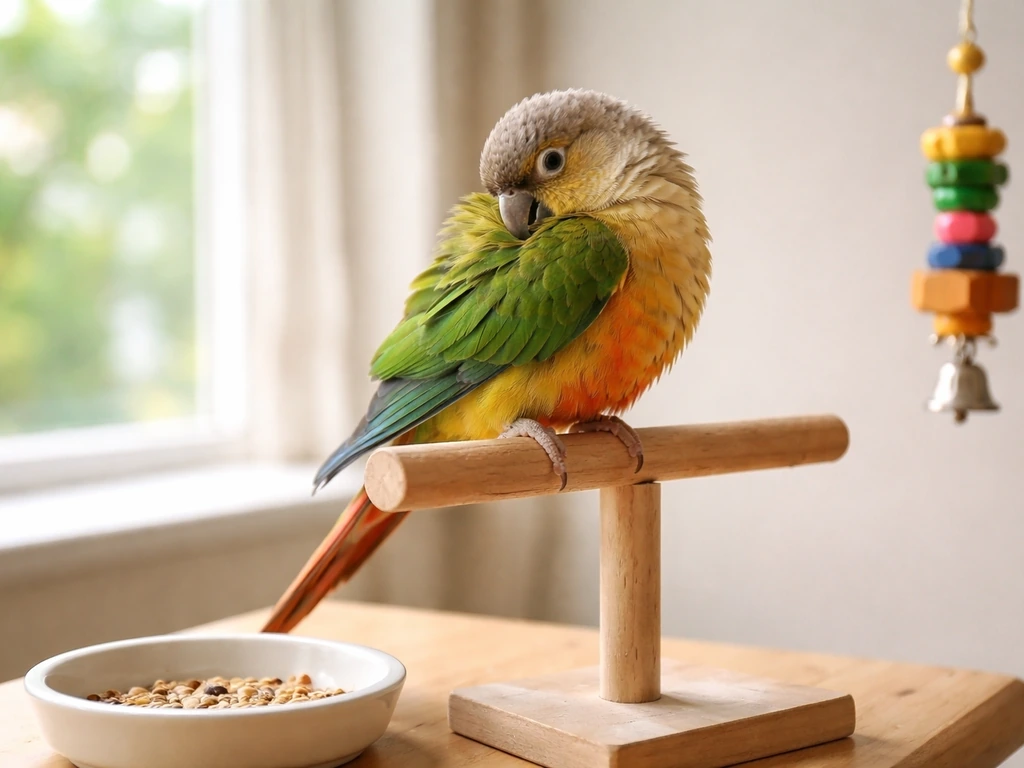
A bird that is responding well to sound playback will seem relaxed and engaged. They may sing or chatter along softly, preen, forage, or play with toys. Their body language will be open: feathers held naturally, eyes bright, posture relaxed. Morning contact calls are normal and expected, as the Lafeber vet team points out, a parrot sounding off first thing is basically their version of saying good morning. That is fine.
Signs that the sounds are causing stress are worth knowing by heart. The Avian Welfare Coalition lists excessive vocalization, repetitive alarm calls, screaming, panting, open-mouth breathing, and unusual feather positioning as stress indicators. If your bird starts screaming, freezes in a corner, puffs up in a defensive posture, or begins feather-destructive behavior during or shortly after a playback session, stop the audio immediately and give the bird quiet time to settle.
Troubleshooting if things go sideways
- Stop the audio and let the bird calm down in a quiet environment before trying anything else
- Drop the volume significantly before the next session and shorten it to 5 to 10 minutes
- Switch to a different type of recording, preferably simpler ambient flock sounds with no sharp call peaks
- Try playing the audio from a greater distance from the cage so the bird is not immersed in it
- If stress behaviors persist across multiple attempts, stop using bird audio and consult an avian vet before trying again
Better alternatives and a simple enrichment plan
Bird sounds work best as one part of a wider enrichment routine, not the centerpiece. Real social interaction with you is always going to outperform any recording. Foraging opportunities, where your bird has to work for food by searching through shreddable materials or manipulating puzzle feeders, are among the most effective enrichment tools available and closely mirror natural behavior. Physical toys that encourage movement, chewing, and exploration round out the picture. Bird toys are also something to vet carefully for rats, since the material, size, and safety risks can vary a lot by toy type Physical toys that encourage movement, chewing, and exploration. As SpectrumCare's enrichment guidance puts it, the full picture includes sleep, diet, social interaction, training, exercise, and environmental stimulation working together.
When thinking about enrichment, toys are worth a dedicated look. VCA Animal Hospitals notes that toys should be appropriately sized and easy enough for your bird to engage with at first, so they build confidence rather than frustration. When first introducing foraging toys, VCA advises choosing options that are easy enough to prevent frustration, so your bird can build confidence rather than get overwhelmed blank" rel="noopener noreferrer">toys should be appropriately sized and easy enough for your bird to engage with at first. The same graduated-introduction principle applies to bird swings, hammocks, and other cage additions: let your bird approach on their own terms. Bird hammocks can be safe when they are properly sized, securely attached, and made from breathable, non-fraying materials with no snag hazards. For a similar reason, you can also use gentle, appropriate bird sounds so you and your bird can feel comfortable and relaxed bird swings. If you are building out your bird's environment, safe toys and a well-structured habitat go further than audio enrichment alone.
A simple weekly enrichment plan you can start today
- Morning: uncover the cage as natural morning light begins, allow 10 to 15 minutes of soft ambient bird sounds at low volume while you are in the room
- Midmorning: offer a foraging activity such as wrapping a treat in paper or hiding food in a puzzle feeder
- Afternoon: 20 to 30 minutes of direct interaction: talking, training a simple behavior, or just being nearby while your bird is out
- Late afternoon: rotate one or two toys in the cage to reintroduce novelty
- Evening: begin winding the environment down, lower household noise, avoid new audio stimulation, and cover the cage to ensure 10 to 12 hours of darkness and quiet
This plan gives your bird the structure, stimulation, and rest that form the foundation of good behavioral health. Audio enrichment fits naturally into the morning slot but never needs to run all day. A bird scooter is also just another kind of enrichment, so use it carefully and ensure it does not disrupt normal sleep or stress your bird. When in doubt, less is more, and your presence is always the best enrichment you can offer.
FAQ
How loud should I keep bird sounds so it is good for my bird?
Use a volume where your bird can still clearly vocalize over the audio, and where they can choose a quieter spot in the cage or play area. If you need to raise the volume to be “heard” by people in the room, it is usually too loud for the bird.
Is it okay to play bird sounds all day while I am at work?
For most birds, not continuously. Short, predictable sessions are safer, and you should still protect the long uninterrupted sleep window. If you want daytime coverage, keep it intermittent (for example, two to three short blocks) rather than an all-day loop.
Should I use bird sounds overnight or in the dark?
Usually no. Bird vocalizations can act like behavioral cues and can disrupt the sleep cycle. If you need background noise at night, low-volume white noise or room hum is typically a safer masking choice than repeating bird calls.
What recordings are safest, and what types should I avoid completely?
Safest are species-appropriate flock ambient sounds or contact calls at low volume. Avoid distress calls, alarm calls, territorial or aggressive calls, and mating calls, especially during times that line up with your bird’s breeding tendency.
If my bird sings along, does that mean the playback is definitely good for them?
Not always. Singing along can be a positive sign, but watch for stress body language as well, like freeze behavior, defensive posture, panting or open-mouth breathing, or increased screaming that persists after the audio stops. If the bird escalates or cannot settle, stop the playback.
How can I tell whether bird sounds are overstimulating or affecting hormones?
Look for changes that show up repeatedly over days, like new aggression, intensified territorial behavior toward mirrors or cage mates, or increased egg-laying in females. If you notice these patterns, reduce frequency and duration immediately, and avoid playback of breeding-related vocalizations.
What should I do if my bird starts screaming or puffs up during playback?
Stop the audio right away, then give quiet time without additional stimulation. Return later only if your bird can fully settle, and start with shorter, softer sessions. If the same reaction happens again, avoid playback of that specific sound type.
Can bird sounds help a lone bird that is bored or lonely?
They can help some birds feel less isolated, but they are not a replacement for social time. A good approach is to use short playback sessions during predictable alone periods, then prioritize direct interaction at other times, especially morning and evening.
Is self-recorded playback or “high-quality” audio better than videos from social media?
Higher-quality, clean audio is generally easier for birds to tolerate because harsh distortion can feel unnatural. Self-recorded or reputable birding audio is often preferable to compressed, clipped videos, but volume and sound type still matter more than the source.
How do I introduce bird sounds safely without causing stress?
Start with 10 to 20 minutes at very low volume while you are present, then gradually increase only if your bird stays relaxed. Keep timing consistent each day so it becomes a predictable routine, not a surprise sound.
Can bird sounds attract wild birds near my home, and is that a risk to my pet bird?
They can, depending on local conditions. If wild birds start hovering, chirping, or banging near the window, that can trigger territorial or mating responses in your pet. If you see this, reduce playback further or change the location of where your bird spends time.
Are there species that need extra caution with bird sound playback?
Yes. Breeding-prone species, highly territorial parrots, and birds that already show aggression or vocal reactivity often need stricter limits. If your bird has a history of hormonal or territorial behavior, start with ambient flock sounds only and avoid any mating-related recordings entirely.
Next Articles
Does Playing Bird Sounds Attract Birds? A Practical Guide
When bird song playback attracts birds and when it backfires, with how to match calls, place speakers, and avoid habitua
Garden Bird Checklist: Wild Species, IDs, and Tracking Tips
Ready-to-use wild garden bird checklist with IDs, field marks, tracking tips, and a bird station setup for beginners.
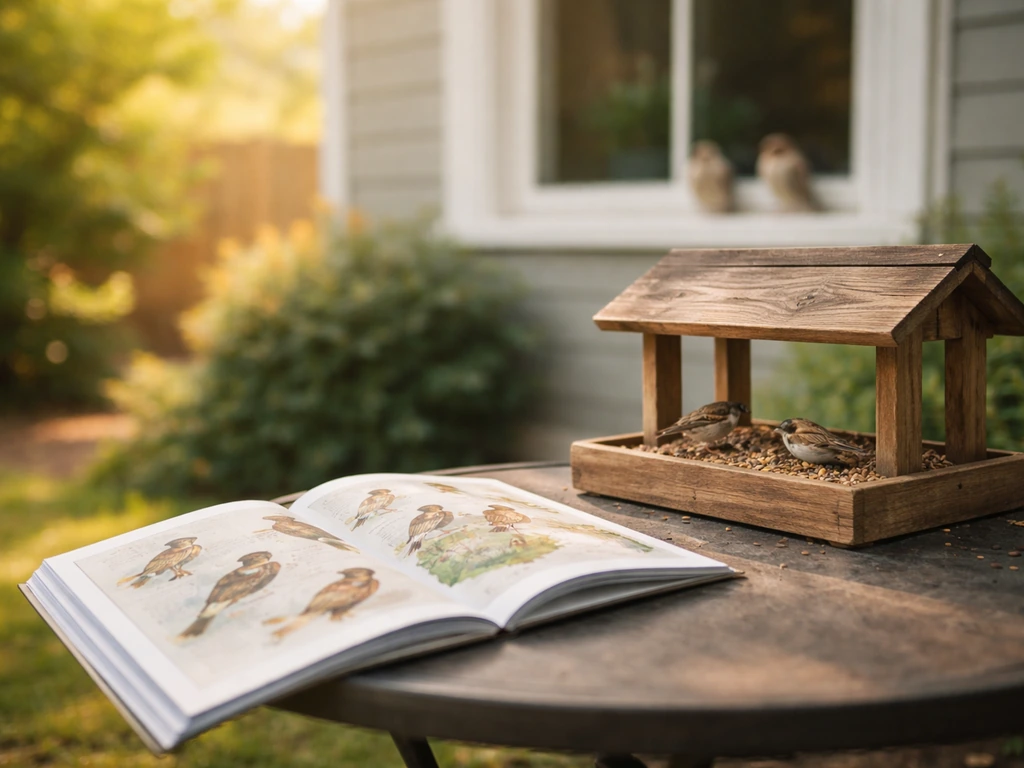
Printable Backyard Bird Guide for Beginners and First IDs
Printable backyard bird guide for beginners: simple ID key, look-alikes, and a ready-to-fill checklist for backyard sigh