Better Bird Finch Lovers Blend is a seed-based mix built around two ingredients finches actually go crazy for: Nyjer (also called Niger seed) and fine sunflower chips. It's fortified with a long list of vitamins and minerals, and the company markets it as free of added chemical preservatives and fillers. What it is NOT is a complete pelleted diet. If you're buying it hoping it'll cover 100% of your finch's nutritional needs all by itself, you'll want to read on before you fill that feeder.
Better Bird Finch Lovers Blend: How to Use It Safely

Marcus Chen
2 May 2026
Seed blend vs. complete diet: what you're actually buying
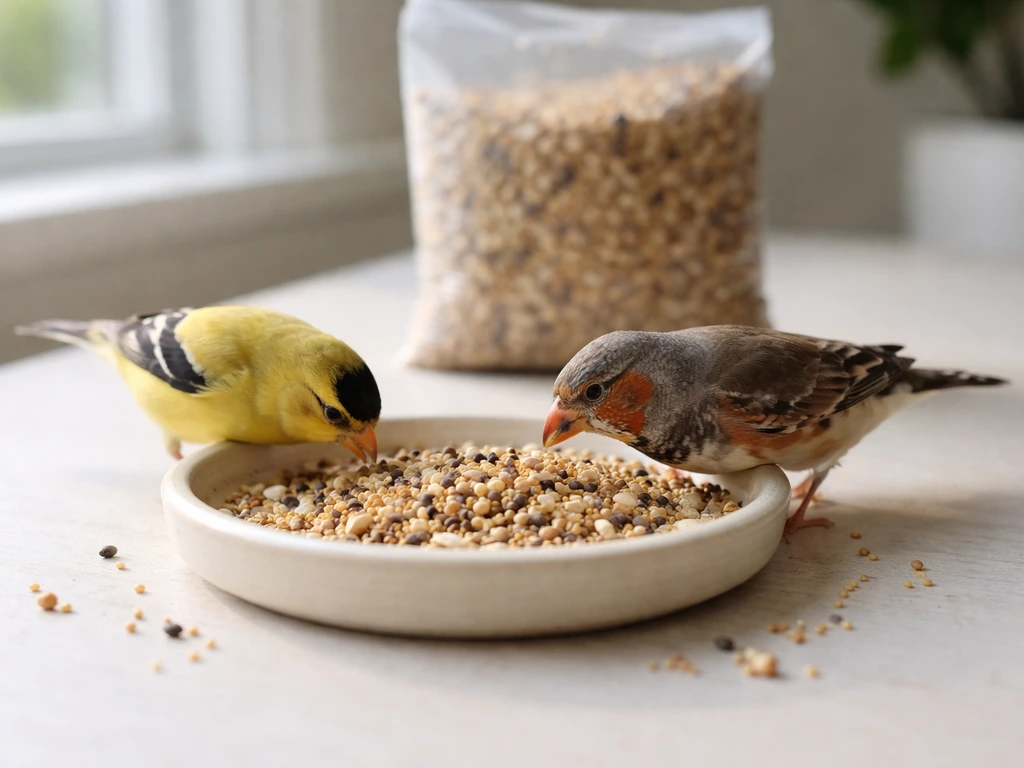
This is the distinction that trips up most first-time finch owners, so let's get it out of the way right now. A 'complete diet' in bird nutrition means a product formulated to meet all of a bird's nutritional requirements without anything else added, typically an extruded or compressed pellet. A seed blend, even a fortified one like Finch Lovers Blend, is not that. The vitamins and minerals are added to the seeds, but finches are notoriously selective eaters. They'll often pick out their favorite seeds and leave the rest behind, which means they're not eating the full nutritional profile the label advertises.
That said, Better Bird Finch Lovers Blend is a solid step up from a generic wild bird seed mix. The core ingredients are sunflower kernels and Niger seed, both of which finches genuinely love. There are no mystery fillers, the seeds are cleaned and described as virtually dust-free, and the added vitamin and mineral package is real and comprehensive. Think of it as a high-quality base food that needs supporting cast members, not a standalone solution.
Reading the label like you mean it
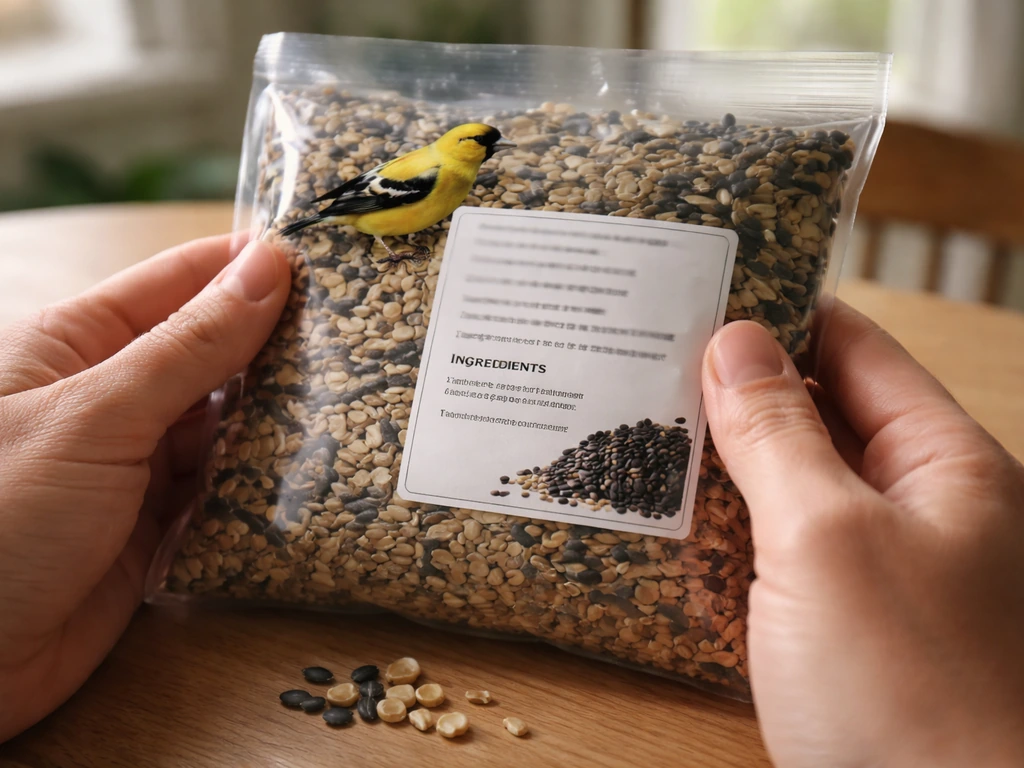
The ingredient list on Finch Lovers Blend is worth a close look because it tells you exactly what you're getting. Here's how to parse it.
The good stuff
- First two ingredients are sunflower kernels and Niger seed (Guizotia abyssinica). These are the real food, and they should be first. That's a good sign.
- Fortified with a comprehensive vitamin stack: Vitamin A, D-3, E, B12, thiamine, riboflavin, niacin, biotin, folic acid, and Vitamin C. That's more than most budget seed blends include.
- Added minerals include potassium chloride, sodium bicarbonate, calcium iodate, zinc oxide, magnesium oxide, ferrous sulfate, and copper oxide. Again, more complete than the typical competitor.
- No added chemical preservatives, which matters because rancid fats in seeds are a real health risk for small birds.
- No fillers. You're not paying for milo or red millet that your finches will throw on the cage floor.
Things worth noting
- Menadione Sodium Bisulfite Complex is listed as the source of Vitamin K activity. This synthetic form of Vitamin K is controversial in avian nutrition circles. It's widely used and generally considered safe at the levels found in commercial bird food, but it's worth knowing it's there.
- Artificial Flavor is on the ingredient list. This is a minor flag. It's likely there to make the blend more palatable to selective eaters, but it's not something you'd find in a top-tier pelleted diet. It's not a dealbreaker, but transparent brands like some competitors explicitly advertise being free of artificial flavors.
- Because the vitamins coat or are mixed into the seeds, selective eaters can miss out on the supplementation entirely if they only pick their favorites.
Is this blend right for your finch species and life stage?
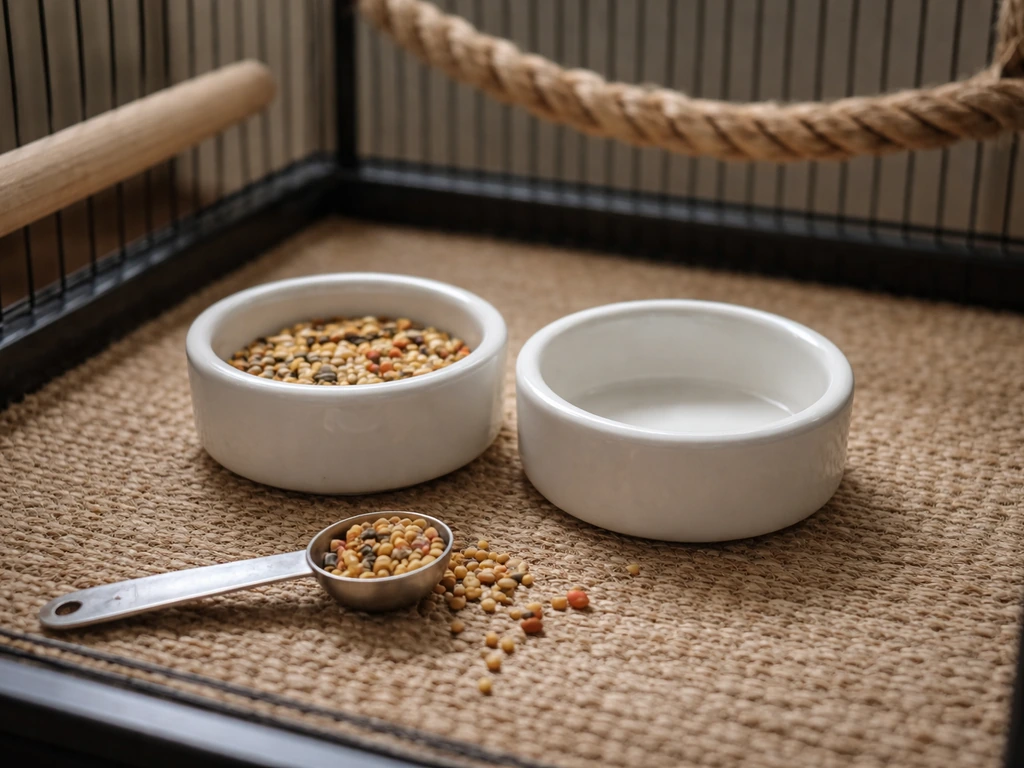
Finches are not one species. Zebra finches, Society finches, Gouldian finches, canaries, and many others all share the 'finch' label but can have meaningfully different nutritional needs. Nyjer and sunflower chips are broadly appealing across finch species, so the base ingredients here are generally appropriate. The real question is whether the blend fits your bird's life stage.
| Life Stage | Protein Needs | Can Finch Lovers Blend Be the Primary Food? | What to Add |
|---|---|---|---|
| Maintenance (adult, non-breeding) | Moderate | Yes, as primary seed component | Fresh greens, occasional fruit, clean water, cuttlebone |
| Breeding / Egg-laying | High (25-30% complete protein) | No, supplement heavily | Egg food, cooked egg, live or freeze-dried insects, extra calcium |
| Chick-rearing (parents feeding chicks) | Very high | No, insufficient alone | Protein-rich soft foods, live food, sprouted seeds |
| Juvenile (recently weaned) | High | Partial only | Pelleted diet, soft foods, vegetables |
If your finches are breeding, the stakes go up significantly. Nutritional deficiencies during breeding can cause chicks to die before or during hatching. At that point you're looking at needing protein levels of 25 to 30% from the complete diet, and a seed blend simply doesn't get you there on its own. If you are using a pie bird to offer seed and treats, the same idea applies: it supports feeding but doesn't replace a complete, balanced diet doesn't get you there on its own. Egg food has been a staple of canary breeders for generations for exactly this reason.
How to transition finches to the blend without stressing them out
Finches are creatures of habit and can be extremely suspicious of new foods. Merck Veterinary Manual also notes that pet birds are often suspicious of anything new and recommends converting from seeds to pellets gradually, using practical mixing approaches like a thin layer of pellets over seed and or sprinkling seed over pellets convert from seeds to pellets gradually. If you just swap out their old food for Finch Lovers Blend cold turkey, there's a real chance they'll go on a hunger strike. I've seen this happen, and it's alarming, especially with small birds that have fast metabolisms and can decline quickly if they're not eating. Go slow.
The standard approach used in avian medicine for transitioning birds between food types works like this: start with mostly the old food, and bump the ratio of new food up gradually every couple of weeks. Here's a practical timeline you can follow:
- Week 1-2: Offer 80% old food mixed with 20% Finch Lovers Blend. Let them get familiar with the smell and texture.
- Week 3-4: Shift to 70% old food, 30% new blend. Watch for normal eating behavior.
- Week 5-6: Move to 50/50. At this point most finches have accepted the new food and you can usually see them actively choosing it.
- Week 7-8: 75% Finch Lovers Blend, 25% old food.
- Week 9+: Fully transition to the new blend as your seed base.
What to watch during the transition
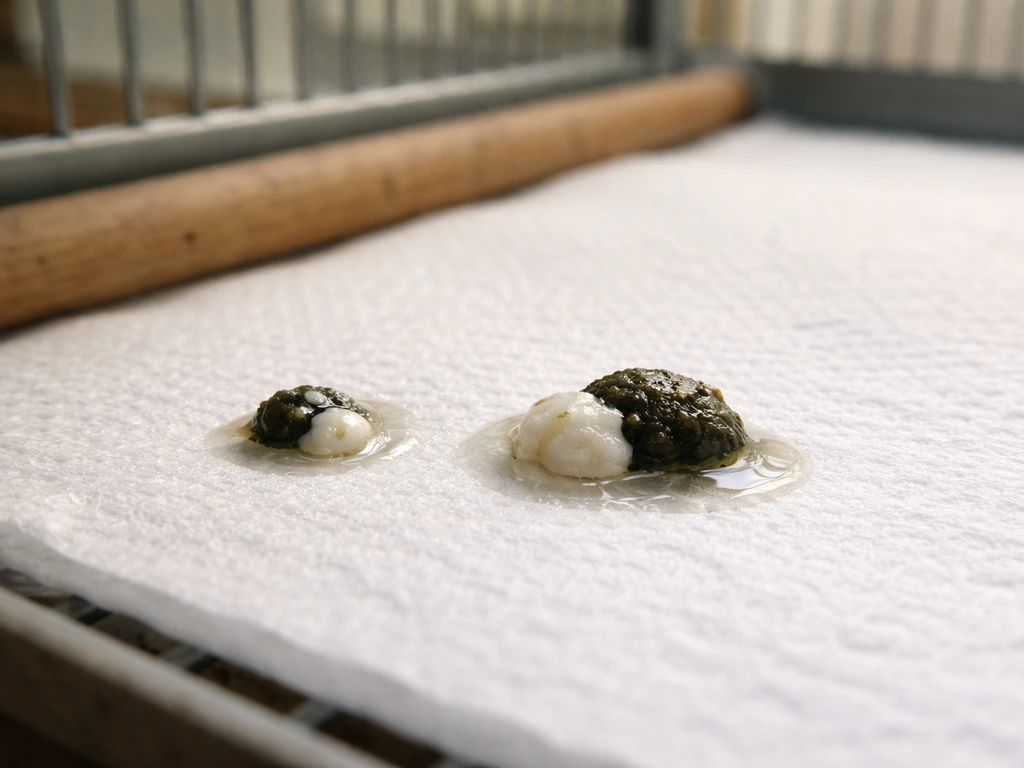
- Droppings: healthy finch droppings have a small, firm dark portion with white urate and a bit of clear liquid. Loose, discolored, or absent droppings during a diet change are a warning sign.
- Weight: finches are small enough that even a gram or two of weight loss matters. If you have a small scale, weigh your birds every few days at the same time each day.
- Behavior: active, curious finches that are vocalizing and moving around are eating. Puffed-up, quiet, or lethargic birds during a diet change need attention.
- Food consumption: check the dish each morning. If the seed level isn't dropping, your birds may be refusing the blend.
Daily feeding amounts and a simple routine
Finches are small birds with high metabolisms. They need access to food consistently, but that doesn't mean you fill the dish and walk away for a week. Here's a practical daily routine that works:
- Morning: offer a fresh, measured amount of Finch Lovers Blend. A good starting point is roughly one to two teaspoons per bird per day, adjusting based on how much they consume by evening.
- Before offering fresh food, remove the old seed from the dish entirely. Finches shell seeds and the empty hulls can make a dish look full when it's actually empty underneath. This is one of the most common beginner mistakes.
- Add a small side of fresh greens (spinach, kale, chickweed, or sprouted seeds) a few times per week. These provide moisture, micronutrients, and enrichment.
- Fresh, clean water must be changed daily. Finches are sensitive to bacteria, and a dirty water dish can cause illness quickly.
- Keep cuttlebone or a mineral block in the cage at all times. This is especially important for females and breeding birds that need calcium.
- Evening: check what's left in the dish. Adjust tomorrow's portion up or down based on consumption. You want the dish to be mostly empty but not completely bare.
You don't need to feed fresh food every single day, but three to four times a week is a realistic minimum for healthy birds. Sprouting some of the Niger or other small seeds is a great way to boost nutrition and gives finches something to forage, which they enjoy naturally.
Beginner mistakes that are easy to make (and fix)
Most of the mistakes I see new finch owners make come from the same three places: assuming seed is enough, misreading how much food is left, and storing seed badly. Here's the honest breakdown.
- Feeding seed only. Even a fortified blend like this one is not a complete diet on its own. All-seed diets are consistently linked to vitamin, mineral, and protein deficiencies in finches. You need fresh foods, and for breeding birds, protein sources.
- Not blowing off the hulls. Finch seed dishes fill up with empty shells on top of uneaten seed. Pick up the dish and blow gently across the surface to check what's actually in there. Many birds have gone hungry because their owner thought the dish was full.
- Overfeeding. More food in the dish doesn't mean healthier birds. It means wasteful spending and stale seed sitting around going rancid.
- Ignoring water quality. A dirty water dish is a disease vector. Change it every single day.
- Skipping calcium. If you have female finches, calcium deficiency is a real risk, especially around breeding. A cuttlebone costs almost nothing and prevents serious health problems.
- Expecting instant acceptance of new food. If your birds won't touch the new blend on day one, that's completely normal. Don't panic and don't give up too fast.
Picky eaters, poor health signals, and when to switch diets
Some finches will take to Finch Lovers Blend immediately. Others will be dramatic about it for weeks. If you're dealing with picky eaters, here are a few things that actually help.
Getting a reluctant finch to eat the new blend
- Try offering the blend in a different dish or in a different location in the cage. Novelty sometimes helps.
- Sprinkle a tiny amount of the new blend over their current favorite food so they encounter it while foraging.
- Offer sprouted Niger seed alongside the dry blend. The texture and smell of a sprouted seed is different and often more attractive to hesitant birds.
- Make sure you're not offering too much variety at once. If they have six other food options, they'll ignore the new one.
Signs the diet isn't working and it's time to reassess
- Persistent weight loss after the transition period. Small birds lose condition fast.
- Dull feathers, feather plucking, or failure to molt properly. These often point to nutritional gaps.
- Soft or malformed eggs, egg binding, or high chick mortality. These are signs the breeding diet is inadequate.
- Chronic loose droppings unrelated to a diet change or fresh food consumption.
- Lethargy, fluffed feathers, or sitting on the cage floor. These are emergency signs requiring a vet visit, not a diet tweak.
If your finch is showing any of those serious signs, a diet switch alone is not the answer. Get to an avian vet. Diet is a long game, and a sick bird needs diagnosis first. For birds that simply aren't thriving on a seed-heavy approach, transitioning toward a pelleted diet formulated for finches as the primary food source is the evidence-backed move.
If you want to understand the bater bird benefits, focus on how a balanced diet supports strong nutrition over time. If you are wondering what you can use instead of a pie bird, a safer approach is to offer the right food in the feeder form your finch actually accepts.
If you're looking for a bird dog exercise alternative, you can explore structured activities that provide the same kind of engagement and outlet for energy transitioning toward a pelleted diet formulated for finches. Pellets for breeding finches typically contain 18 to 22 percent crude protein, which is significantly better coverage than what seed alone delivers.
Keeping the blend fresh and safe
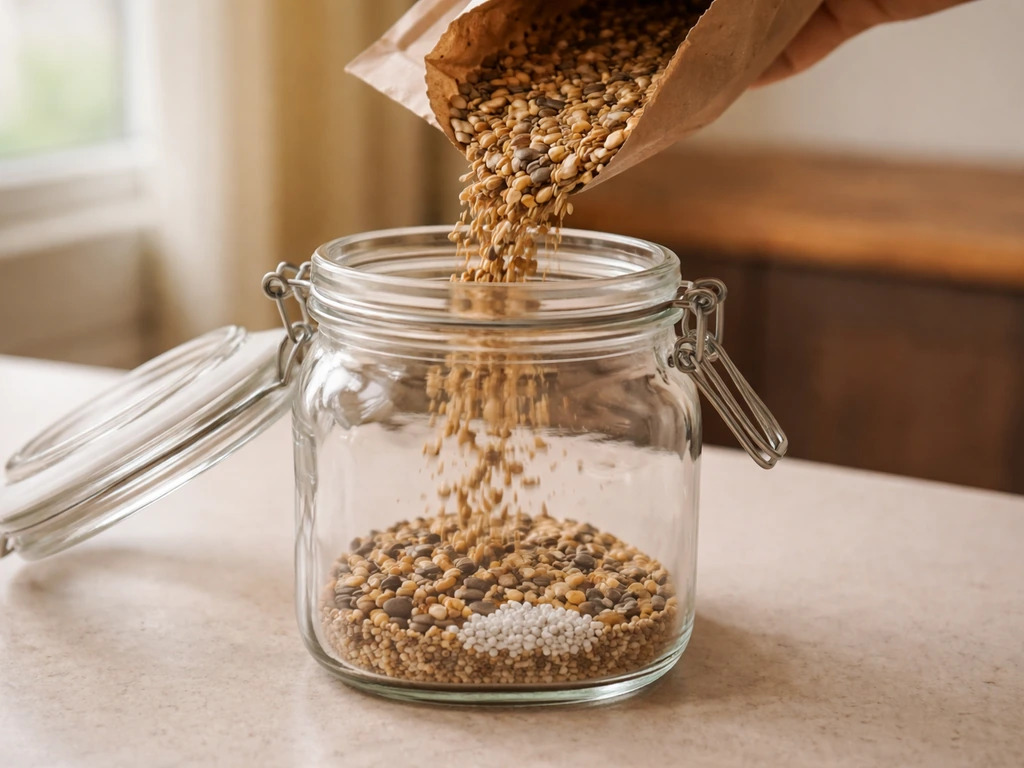
Seed goes rancid. This is not a minor issue. Rancid fats in bird seed destroy fat-soluble vitamins and can cause real health problems in birds that consume them regularly. Because Better Bird Finch Lovers Blend is free of added chemical preservatives, the shelf life depends almost entirely on how you store it.
- Transfer the seed into an airtight container as soon as you open the bag. A glass jar or a hard-sided food storage container with a tight seal works well. Keep the zip-lock if the bag has one, but don't rely on it as your only protection.
- Store in a cool, dry location away from direct sunlight. Heat and light are the two fastest ways to degrade seed quality.
- Do not store near the stove, dishwasher, or any appliance that generates heat or steam.
- The 4-lb and 5-lb bag sizes are both available, and for a small number of finches, the smaller size is the smarter buy. Buying in bulk only saves money if you use the seed before it degrades.
- Check for signs of rancidity: a sour or musty smell, visible mold, or clumping. If you see or smell any of these, throw the bag out entirely. Don't just pick around the moldy spots.
- In warm months or humid climates, consider storing opened seed in the refrigerator. Bring it to room temperature before serving so you're not adding cold food to the cage.
- Aim to use an opened bag within four to six weeks for best nutritional quality.
The fortified vitamins in Finch Lovers Blend are only as good as the seed they're in. Stale, rancid, or moldy seed negates the entire point of buying a premium fortified blend in the first place. Storage is not a glamorous topic, but it's one of the easiest ways to protect the investment you're making in your birds' health.
Building a feeding plan that actually works
Here's the practical summary for a healthy, non-breeding finch using Better Bird Finch Lovers Blend as your seed base. This is the kind of simple routine that covers the essentials without making bird keeping feel like a second job.
- Finch Lovers Blend as your daily seed base: one to two teaspoons per bird, fresh each morning, old seed and hulls removed first.
- Fresh greens or sprouted seeds three to four times per week: think chickweed, spinach, kale, or sprouted Niger.
- Clean, fresh water changed every single day without exception.
- Cuttlebone or mineral block available in the cage at all times.
- During breeding season: add egg food, cooked egg whites, or appropriate protein sources starting a couple of weeks before pairing.
- For juvenile finches recently weaned from parents: lean more heavily toward a complete pelleted diet alongside the seed blend.
- Store seed properly, use within four to six weeks of opening, and replace anything that smells off.
The goal isn't perfection. It's consistency. A finch that gets a good-quality fortified seed blend, some variety from fresh foods, clean water, and calcium covered every day is going to do well. Finch Lovers Blend is a genuinely decent product as a seed base, as long as you understand what it is and what it isn't, and you build the rest of the diet around it rather than expecting it to do everything on its own. If you're wondering about carpenter bees instead of finches, birds like the common eastern bluebird and other insect-eating species sometimes target them what bird eats carpenter bees.
FAQ
How long can I keep Finch Lovers Blend once I open the bag?
Treat an opened bag as “use within weeks, not months.” Because the blend has no added chemical preservatives, freshness depends heavily on storage and temperature. If you notice a stale or oily smell, clumping, or any visible dust that looks damp, replace the food rather than trying to “refresh” it.
What’s the safest way to store it to prevent rancidity and mold?
Store in an airtight container (not just the original bag) and keep it cool, dry, and away from sunlight. High humidity or warm rooms accelerate fat spoilage, which can break down fat-soluble vitamins and make birds reject the food.
My finch seems to eat only the sunflower pieces and leaves the Nyjer. What should I do?
This is common with seed blends. Make sure the feeder is portion-controlled so leftover seed does not sit and spoil. Increase transition gradually, and consider adding fresh-forage items (like lightly sprouted seeds) to encourage more complete intake, while planning a move toward a pelleted diet for consistent nutrition.
Can I rely on Finch Lovers Blend during molting?
Molting increases nutritional demand, and seed-based coverage can be inconsistent due to selective eating. If your birds molt while on a seed-heavy setup, watch weight and droppings closely and ask an avian vet whether you should add protein-supporting foods or shift the primary diet toward pellets.
How much should I feed per day so I don’t waste food but also prevent starvation?
Use small, measured refills and remove uneaten seed before it has time to go stale. Because finches have fast metabolisms, avoid long gaps between refills. If you must be away, plan for multiple feed checks, not a single large refill for the whole day.
Is sprouting Niger seed safe for finches, and does it replace pellets?
Sprouting can be a safe way to add moisture and foraging enrichment, but only if hygiene is tight and you avoid overly wet, sour, or contaminated sprouts. Sprouts are an enhancement, not a full nutrition substitute, so they should not replace a balanced primary diet long term.
What fresh foods can I add without upsetting their digestion or nutrient balance?
Start with small amounts of finch-appropriate options your birds readily accept, like small quantities of greens or safe sprouting items, and introduce one change at a time. Avoid large, sudden swaps, and remove leftovers promptly to prevent spoilage.
How do I tell if my finch’s diet switch is failing versus normal pickiness?
Normal pickiness often looks like delayed interest but eventual acceptance and stable weight. Diet failure tends to show reduced activity, rapid weight loss, fluffed posture, decreased droppings, or persistent refusal beyond a reasonable transition period. If you see any serious signs, do not keep “pushing” seed and wait, get an avian vet evaluation.
Should I supplement calcium if I’m feeding Finch Lovers Blend?
Calcium needs can be higher depending on species and breeding status. If you are not already providing calcium coverage, offer a finch-safe calcium source as directed (and keep it separate from the main seed mix so you can monitor usage). Do not guess dosages, especially for breeding birds.
Are breeding finches able to get enough protein from this blend?
Breeding increases protein and nutrient requirements, and seed blends rarely deliver the needed protein level on their own. If your birds are breeding or producing chicks, plan a diet that includes a complete food component designed for breeding finches, and do not rely on seed alone for protein targets.
Does using a pie bird feeder change how well they get nutrients from this blend?
It can help with variety and engagement, but it does not solve the core issue of incomplete nutrition. Because birds can still select only certain pieces, the feeder format should be treated as support, not as proof that they are receiving the full fortified nutrient profile.
What’s the best next step if I want to move from seed to pellets?
Transition gradually using the same slow ratio increase approach, while keeping water and daily routines stable. Use pellets as the destination primary food, not as an occasional addition, and expect some birds to take weeks or longer to fully accept pellets.
My birds are housed with other finch species. Will one blend fit all of them?
The base ingredients can be broadly appealing, but needs vary by species and life stage. If one species is known to be more specialized or breeding, adjust the overall plan so the more demanding birds get the appropriate primary nutrition, rather than assuming one seed blend works for everyone.