
For most bird watchers, the single best gift or first purchase is a quality pair of 8x42 binoculars. If you're wondering what to get a bird lover, start with the basics and build from there based on how they watch birds. That one item unlocks the whole hobby more than anything else. After that, a free app like Merlin Bird ID and a regional field guide round out everything a beginner needs to get genuinely hooked. If the person you're buying for already has binoculars, a spotting scope, a good feeder, or a wildlife camera are all excellent next steps depending on where and how they watch birds.
What to Get a Bird Watcher: Beginner Gift Guide

Marcus Chen
30 Apr 2026
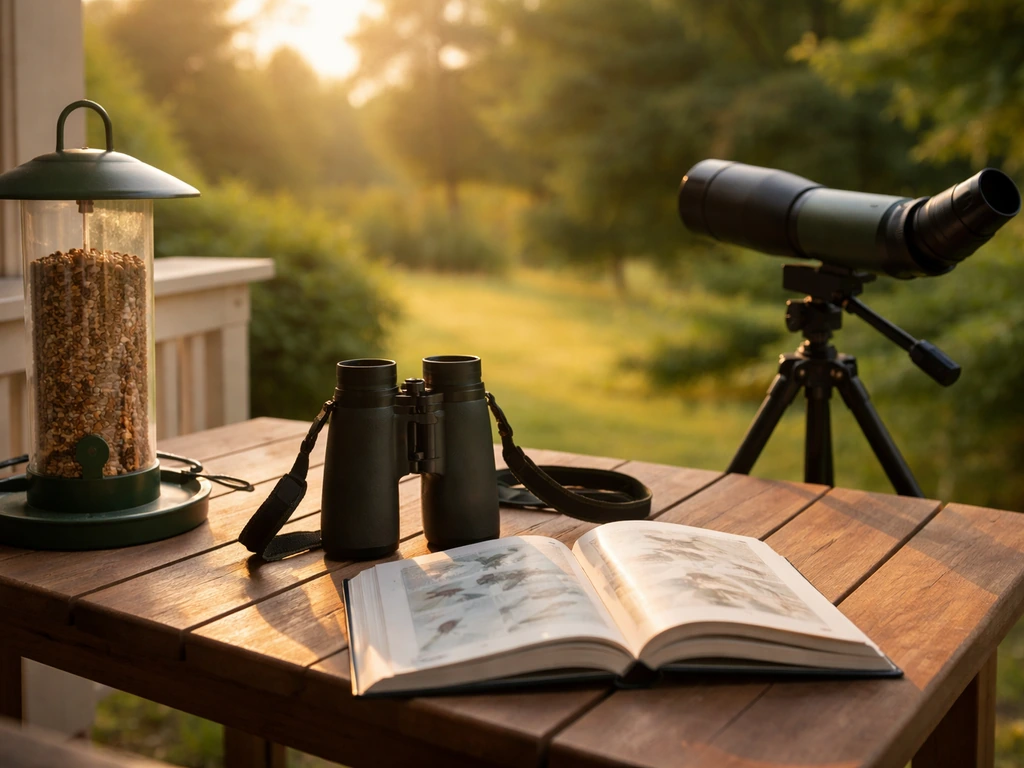
Ask these questions before you buy anything
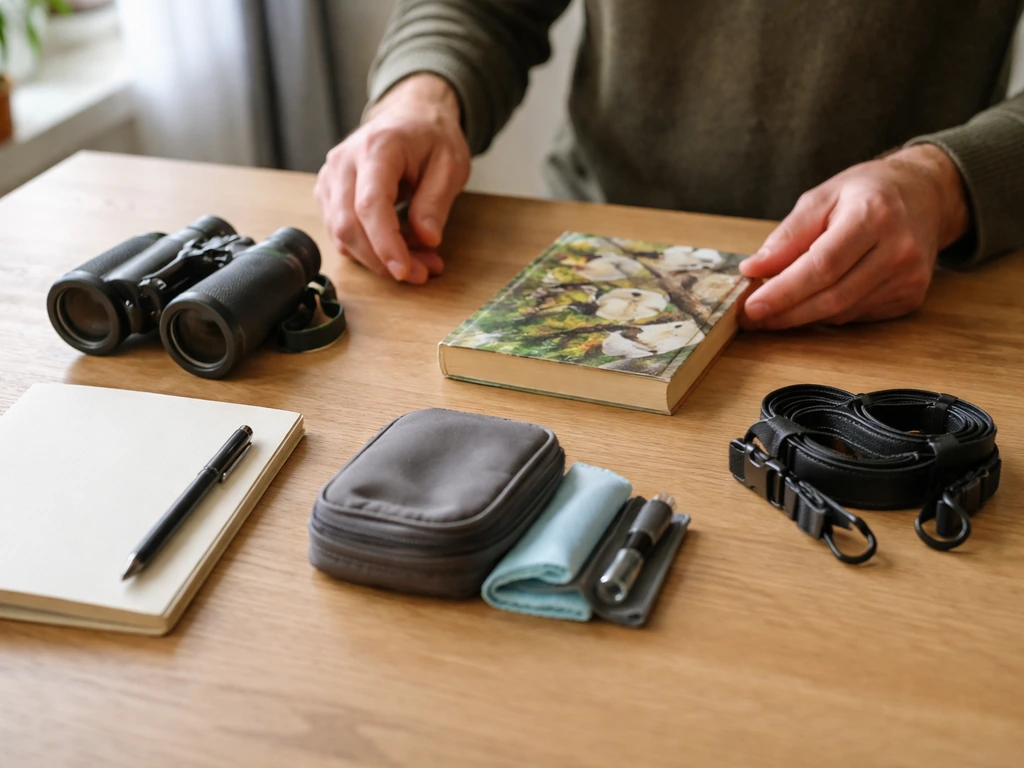
Before you spend a dollar, narrow down the right category of gift by answering four quick questions. The answers steer you away from wasting money on gear that won't get used.
- Do they already own binoculars? If yes, skip straight to optics upgrades, accessories, or feeders.
- Where do they mostly watch birds: in a yard or on a balcony, or out in the field at parks and reserves?
- Are they a beginner just getting started, or a more experienced birder who already knows the species in their area?
- Do they also keep pet birds, or are they strictly a wildlife watcher? The gift list changes significantly depending on the answer.
If you're buying for yourself and you're new to the hobby, the same questions apply. Think about where you'll actually use the gear most often. A yard watcher and a shorebird enthusiast who hikes to mudflats need different things, and buying the wrong item first is one of the most common and easily avoided mistakes in this hobby.
The essentials: optics, identification, and comfort in the field
Binoculars: the single most important purchase
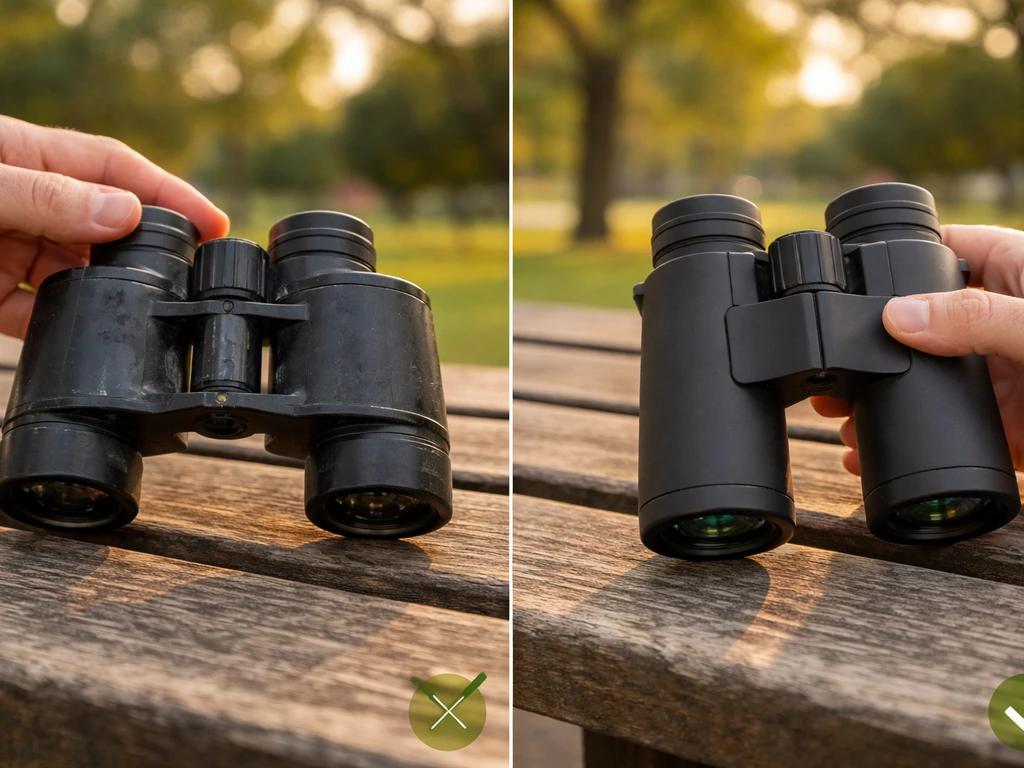
The 8x42 binocular is the gold standard for a reason. Cornell Lab calls it the most popular and versatile full-size style, and after years of watching birds I'd agree completely.
The "8x" means 8x magnification, and "42" is the diameter of the objective lens in millimeters. That combination gives you a bright, wide field of view that works whether you're watching a feeder 10 feet away or scanning a tree line 200 yards out. A 10x binocular magnifies more, which sounds better, but it's harder to hold steady, the field of view is narrower, and it's tiring to use for long sessions.
The 10x makes more sense for shorebird or waterfowl watching from a beach or open shoreline where birds are very far away. For general use, 8x42 wins.
Two things to avoid when buying binoculars. First, never buy a pair with separate focus rings on each barrel. Audubon is blunt about this: they're too slow to be useful for birding, and you'll miss the bird every time. Look for a single center focus wheel. Second, skip zoom binoculars entirely. They sacrifice optical quality for the magnification range, and every serious birder from Cornell Lab to the local Audubon chapter recommends against them. If you're spending more than $200, the binoculars should also be waterproof and nitrogen-purged to prevent fogging in humid or rainy conditions.
Bird ID apps and field guides
blank" rel="noopener noreferrer">Merlin Bird ID from Cornell Lab is free, works offline, and has a Sound ID feature that identifies birds by their calls in real time without any internet connection. It also does Photo ID, returning the correct species in the top 3 results with roughly 90% accuracy for supported species. Sightings saved in Merlin can feed into a Life List, and if the bird watcher also uses eBird (Cornell's global observation database), they can submit full checklists there instead of duplicating records. The Audubon Bird Guide app is another solid free option covering over 800 North American species with built-in Bird ID and a sightings log. Both apps are worth having installed.
A physical field guide still earns its place, especially for beginners learning to read range maps and plumage details away from a screen. Regional guides are more useful than continent-wide ones for most people starting out. If the person you're buying for is in North America, a Sibley regional guide or a Peterson guide for their region is a genuinely useful gift that doesn't expire or need a charge.
Comfort gear for the field
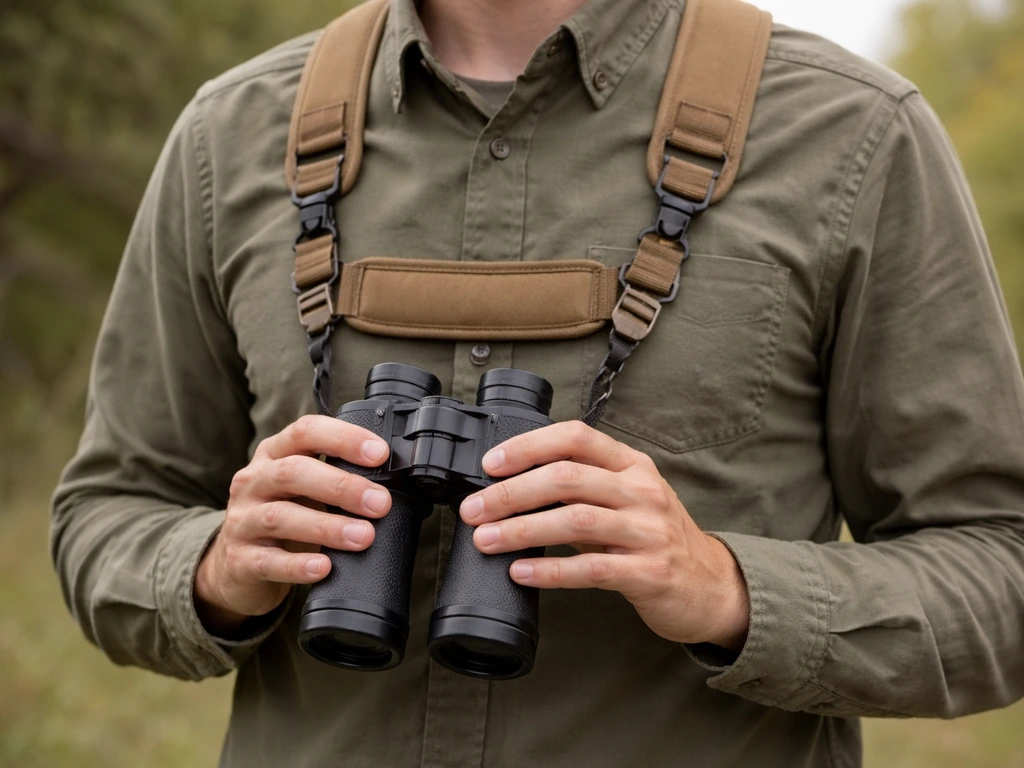
A padded binocular harness is a simple and thoughtful addition to any optics gift. If you're looking specifically for the best bird accessories, start with the essentials that make it easier to spot, identify, and stay comfortable outdoors. It spreads weight across the chest instead of hanging everything from the neck, which makes a real difference on long walks. A good birding bag or pack with compartments for a field guide, water, and snacks matters more than most people expect. For anyone who spends time outdoors in variable weather, quick-dry or moisture-wicking clothing and waterproof footwear are practical and very much appreciated.
Gear that takes the hobby to the next level
Spotting scopes
A spotting scope is the natural upgrade once someone has solid binoculars and wants more reach for shorebirds, raptors, or waterfowl at distance. Popular scopes have objective lens sizes in the 50 to 80 mm range, with zoom eyepieces commonly running 20-60x or 25-50x. Unlike binoculars, the magnification on a spotting scope is determined by the eyepiece, not the scope body, so a zoom eyepiece gives you flexibility. One thing worth noting: the larger the objective (80 mm vs 50 mm), the brighter and sharper the image, but also the heavier the setup. Pair any scope with a sturdy tripod to reduce vibration, especially at high magnification. A shaky scope at 40x is almost useless.
Tripods
A tripod is non-negotiable for spotting scope use and genuinely useful for digiscoping (attaching a phone or camera to a scope to photograph birds). Go heavier and sturdier than you think you need. A flimsy tripod will vibrate in a light breeze and ruin the view at high magnification. Carbon fiber tripods are lighter to carry but cost more. Aluminum is fine for yard use. A fluid head tripod designed for video gives the smoothest panning when following a moving bird.
Cameras and wildlife cameras
A dedicated birding camera (a DSLR or mirrorless body with a long telephoto lens) is a serious investment and best left to the bird watcher to choose for themselves. What does make a great gift is a trail or wildlife camera for the yard. These motion-triggered cameras capture birds at feeders, birdbaths, and nest boxes automatically, day and night, without the person needing to be outside. Many yard watchers love reviewing overnight footage as much as active watching.
Bird feeders and yard setup
A quality feeder is one of the best starter gifts for anyone who watches from a yard, balcony, or window. One placement detail worth knowing: according to U. S. Fish and Wildlife Service guidance, feeders placed between about 3 and 30 feet from windows pose the greatest risk for bird-window collisions.
The safest options are feeders mounted directly on the window glass or positioned 3 feet or less from the window, so birds don't build up enough speed to injure themselves on impact. Homes with feeders have roughly double the collision risk compared to homes without them, so pairing a feeder gift with window collision prevention products (like Feather Friendly adhesive decals or Acopian BirdSavers) is a genuinely thoughtful and bird-safe combination.
If they also keep pet birds: watching gifts vs. pet-bird essentials
This is a distinction that trips a lot of gift buyers up. Watching birds in the wild and keeping a pet bird at home are two very different hobbies with almost no gear overlap. If the person you're buying for does both, you need to know which side of that line your gift is landing on.
For someone keeping a pet bird, the essentials are about habitat and enrichment inside the home. A cage should be large enough for the bird to fully extend its wings without touching the sides, and the tail shouldn't touch the floor when the bird sits on a perch. A proper setup includes a food bowl, two water bowls (one for drinking, one for bathing), multiple perches of varying diameter and texture, and toys appropriate for the bird's size.
Safe toy materials include sisal, rope, and paper, but any worn or unsafe items should be swapped out regularly. These are the kinds of practical starter essentials that matter enormously for a first-time bird owner, and they're quite different from the binoculars-and-field-guide world of wildlife watching.
If you're unsure which side of the hobby the person lives on, ask. Getting someone who keeps a parakeet a spotting scope, or buying a wildlife watcher a bag of parrot pellets, misses the mark completely. Topics like cage setup, perches, and enrichment gear overlap more with the kind of advice you'd find on a pet bird care resource, while bird-watching gifts are their own distinct category.
| Gift Type | For Wildlife Watchers | For Pet Bird Owners |
|---|---|---|
| Optics | Binoculars, spotting scope, tripod | Not relevant |
| Identification | Field guide, Merlin app, eBird account | Species care guides, vet references |
| Habitat/Environment | Feeders, birdbaths, wildlife cameras | Cage, perches, food/water bowls |
| Enrichment | Birding bag, harness, hiking gear | Toys, foraging puzzles, safe chews |
| Safety | Window collision prevention products | Avian-safe cleaning products, vet care |
What to buy based on budget and experience
Budget shapes the decision more than anything else after you've answered the basic questions above. Here's how to think about it across three tiers.
Under $50: apps, guides, and small accessories
- Merlin Bird ID and Audubon Bird Guide apps (both free)
- A regional field guide ($20-35): Sibley, Peterson, or National Geographic
- A padded binocular neck harness or strap ($15-30)
- Window collision prevention decals like Feather Friendly ($20-30)
- A simple tube feeder or suet cage feeder ($15-25)
$50-200: entry-level optics and yard upgrades
- Entry-level 8x42 binoculars from a reputable brand like Celestron, Vortex Crossfire, or Nikon Prostaff (around $100-150)
- A quality hopper feeder or squirrel-proof feeder ($40-80)
- A basic birding daypack with compartments ($50-80)
- A bird bath with a dripper or wiggler to attract more species ($40-70)
$200 and up: serious upgrades for dedicated birders
- Mid-range 8x42 binoculars with waterproofing and nitrogen purging: Vortex Viper, Nikon Monarch, or Zeiss Terra ($200-500)
- An entry-level spotting scope with zoom eyepiece (50mm or 65mm objective, $200-400)
- A sturdy aluminum or carbon fiber tripod ($80-200)
- A trail/wildlife camera for the yard ($80-200)
- An eBird Pro subscription or donation to Cornell Lab as a meaningful gift for a serious lister
For experienced birders, resist the urge to upgrade their optics unless you know their exact preferences. Binoculars are deeply personal in how they feel and fit. A consumable like quality bird seed, a feeder upgrade, or a gift card to a birding specialty retailer is often more appreciated than a guess at expensive glass. A consumable like quality bird supplies, such as bird seed or a feeder upgrade, is often more appreciated than guessing at expensive optics.
Mistakes to avoid when buying for a bird watcher
I've seen these mistakes made constantly, including by myself early on. They're easy to avoid once you know about them.
- Buying zoom binoculars. They seem like a good deal because you get a range of magnifications, but the optical quality at every zoom setting is noticeably worse than a fixed-magnification binocular at the same price. Every birding authority from Cornell Lab to Audubon says to skip them.
- Buying binoculars with individual barrel focus adjustments. These require focusing each eye separately and are far too slow to track a moving bird. Always check for a single center focus wheel.
- Going too high on magnification. A 20x or 25x binocular sounds impressive but is nearly impossible to hold steady without a tripod. Above 10x, you need support.
- Skipping waterproofing on mid-range or expensive binoculars. If you're spending over $200, nitrogen-purged waterproof construction is expected and worth it. Fogged optics on a rainy morning are useless.
- Placing a feeder in the danger zone for window collisions. Feeders between 3 and 30 feet from a window create the highest collision risk. Gift the feeder with collision prevention products, or choose a window-mounted feeder that attaches directly to the glass.
- Buying pet-bird supplies for a wildlife watcher (or vice versa). A cage toy is not a thoughtful gift for someone who watches warblers at a nature reserve. Take two minutes to confirm which hobby you're shopping for.
- Buying expensive optics as a gift without knowing the person's ergonomic preferences. Binoculars feel different in everyone's hands. For anyone spending $300 or more, a gift card or a conversation first is smarter than a surprise.
Pick one thing and buy it today
If you're still not sure where to land, use this fast decision tree to pick one item and move forward.
- No binoculars yet, budget under $150: buy a fixed 8x42 binocular from Vortex, Nikon, or Celestron and download Merlin Bird ID for free.
- Already has binoculars, mostly watches from the yard: buy a quality squirrel-proof feeder and a pack of window collision decals.
- Experienced birder who goes out in the field regularly: gift a spotting scope starter kit (scope plus a basic tripod) or a mid-range binocular upgrade.
- New to bird watching, tight budget: buy a regional field guide and point them to the free Merlin app. That combination genuinely works.
- They also keep a pet bird and you want something for that side of the hobby: focus on cage enrichment, a new set of appropriately sized toys, or a high-quality seed/pellet mix suited to their species.
The best gift for a bird watcher isn't the most expensive one. It's the one that matches where they are in the hobby and where they actually watch birds. For many bird lovers, binoculars paired with a field guide are among the best gifts because they help with both spotting and identification best gift for a bird watcher. Get that right and almost anything on this list will land well. For many people, the best gifts for backyard bird watchers focus on feeder-friendly viewing and bird ID help so they can enjoy more species from home.
FAQ
What should I get a bird watcher if I don’t know their eyesight or eye fit needs?
Choose optics with good eye relief and a comfortable center focus, then consider an accessory that helps fit, like twist-up eyecups for long sessions. If you’re buying binoculars, avoid anything that relies on precise alignment without adjustable eye comfort, since “perfect magnification” can still fail if they cannot see the full field.
Is a smartphone adapter worth it if they might want digiscoping?
It can be, but only if you buy it with the scope and phone model in mind. The most compatible setup uses the right adapter for the spotting scope eyepiece and a phone case that allows a tight mount. If you don’t know what scope they have, a tripod upgrade or a phone-neutral scope stand is the safer gift.
If they already own binoculars, what is the most fail-safe upgrade?
A padded binocular harness and a birding bag are usually high-utility, low-regret improvements because they address comfort and organization rather than replacing optics. If they are often out in weather, a durable optics cleaning kit and rain cover also tend to get used immediately.
Should I buy a specific binocular magnification for shorebirds, or is 8x42 still okay?
8x42 is great for general birding, but for very distant coastal viewing a 10x setup is often easier to spot and track far shorebirds. If you’re unsure, prioritize stability accessories like a harness, strap adjustments, or a monopod over “bumping magnification,” since shaky viewing is what most beginners struggle with.
What’s the easiest way to help them identify birds without spending more money?
A log method matters as much as identification. Pair the app use with a simple paper notebook or a “life list” journal concept, and encourage them to save sightings consistently. Even with accurate ID apps, forgetting to record time and location is a common reason people feel like they are not progressing.
Do bird guidebooks expire, and when should I choose a regional guide?
They don’t expire in the way electronics do, but taxonomy updates and range maps can drift over time. A regional guide is usually the best balance because it focuses on where they actually bird, so a slightly older edition can still be useful for beginners even if species lists get revised.
What should I avoid buying for a bird watcher who mainly watches at feeders from a window?
Skip “wild” trail items they cannot use from home, like a spotting scope unless they already show interest in distance viewing. Instead, consider window collision prevention additions, a feeder cleaning tool, or a reliable feeder type that matches their setup (suction cup feeders versus mounted pole feeders), since maintenance is often the real bottleneck.
Are motion-triggered yard cameras always a good gift?
They work best when the feeder or bath is positioned so birds enter the camera’s field of view. If the setup is poorly aligned, they can capture mostly partial clips or miss birds that land outside the trigger zone. If possible, buy with placement in mind, or include a short mounting plan and extra outdoor batteries.
How do I pick the right feeder if I’m also trying to reduce bird-window collisions?
The safer approach is to match the feeder placement to the window directly, or keep it very close (within about 3 feet) so birds do not build enough speed to hurt themselves. If you’re buying a feeder without knowing their window distance, include collision prevention decals or a BirdSavers style product so you cover the most common risky placements.
What’s a good birding accessory gift if they travel or hike?
Look for items that reduce friction on the trail, like a compact optics case, a lightweight cleaning cloth, and weather-appropriate storage for field guides and notes. A harness that distributes weight and a bag with quick access to binoculars are often more appreciated by hikers than additional “nice to have” optics.
How can I tell if I’m buying for a wildlife bird watcher or a pet bird owner?
A quick clue is whether they talk about cage size, perches, bathing routines, and toy safety. Pet birds also change the gifting rules around food, enrichment, and household safety, while wildlife watchers respond more to optics and field ID tools. If you cannot tell, ask one direct question about whether they mostly watch birds outside or keep birds indoors.
Next Articles
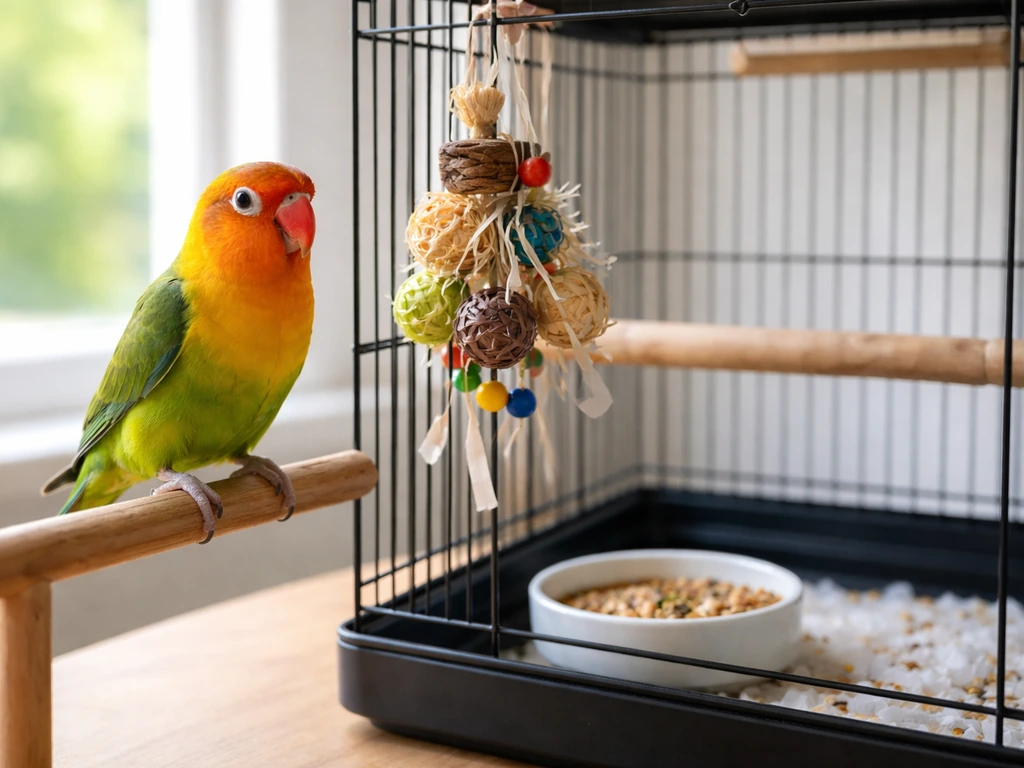
What to Get a Bird Lover: Practical Gift Guide for Bird Owners
Practical gifts for bird lovers: care and enrichment, habitat upgrades, safe home and air-quality tips, plus quick picks
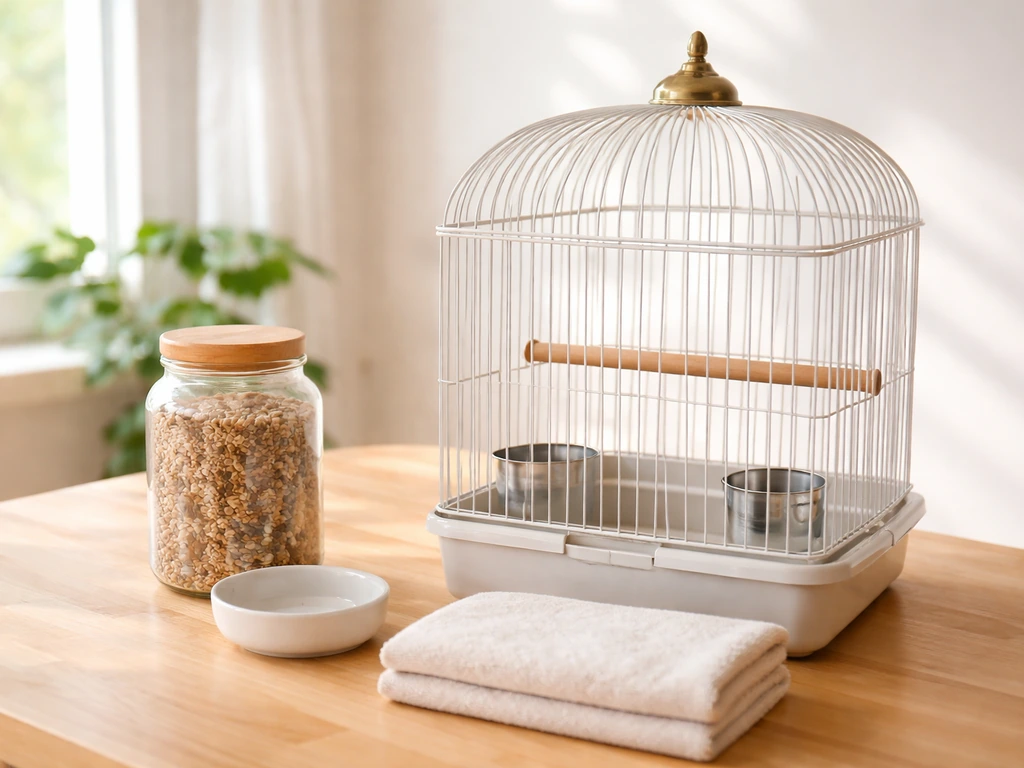
Best Gift for Bird Lovers: Care Essentials and Ideas
Practical guide to the best gift for bird lovers: essentials for new owners, upgrades for pros, and smart budget picks.
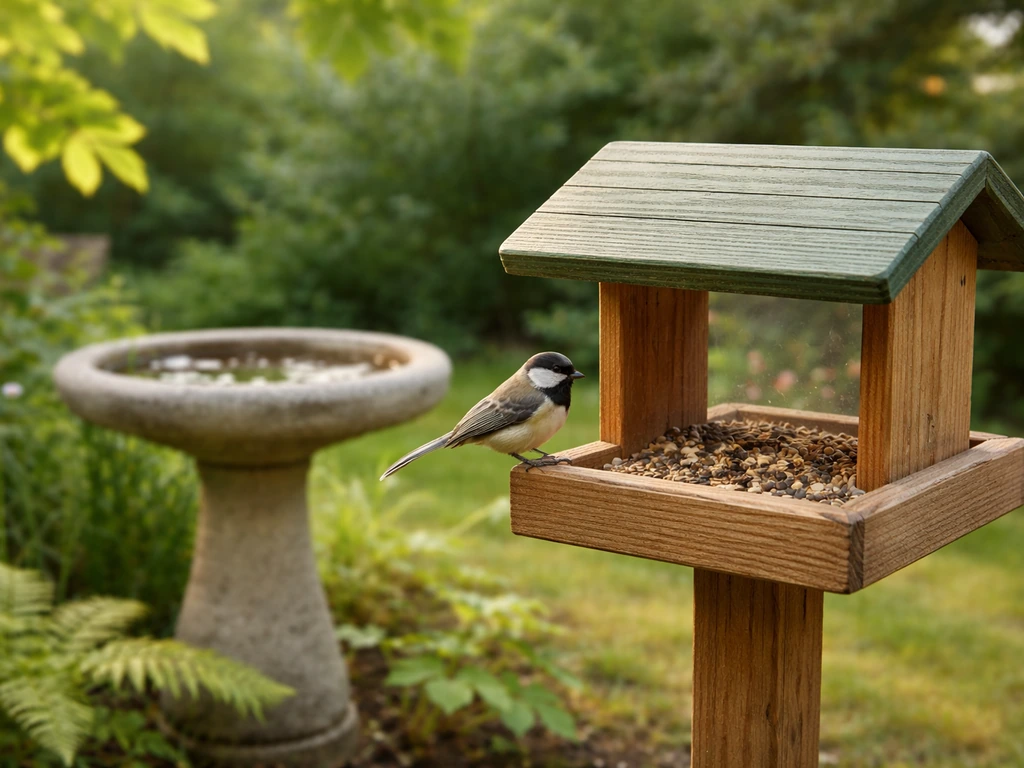
Garden Bird Checklist: Wild Species, IDs, and Tracking Tips
Ready-to-use wild garden bird checklist with IDs, field marks, tracking tips, and a bird station setup for beginners.