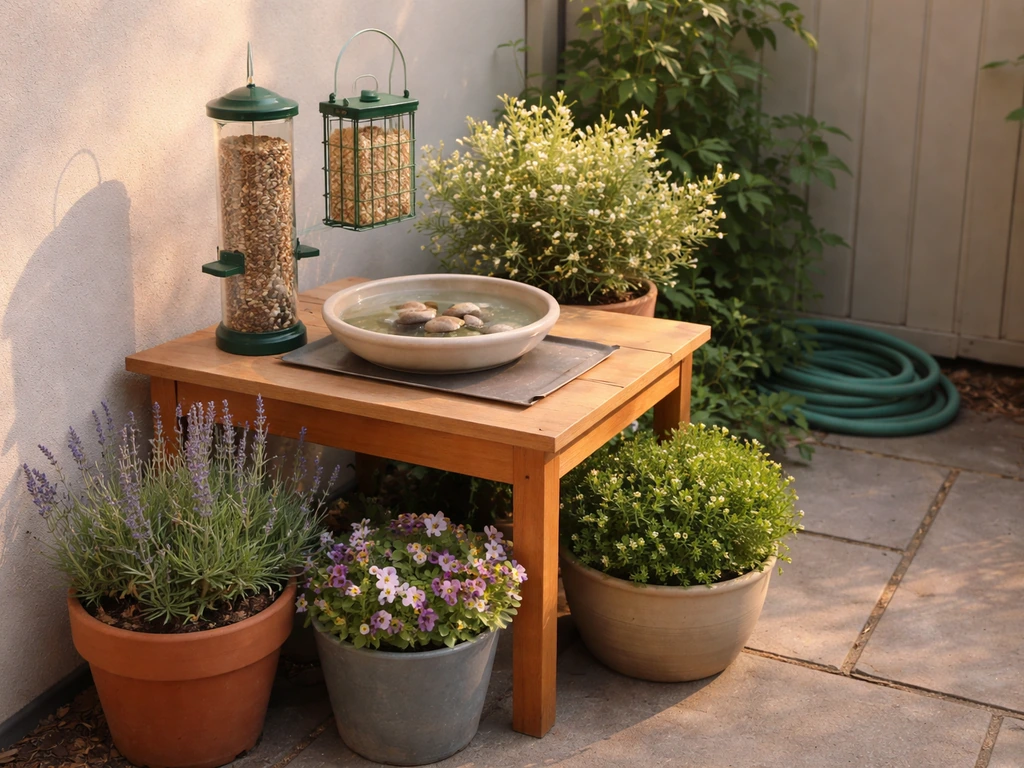
If you want birds to actually nest in your yard, not just fly through for a quick snack, you need to think like a bird looking for a home rather than a visitor looking for a meal. That means giving them layered cover, safe nesting sites, the right materials, clean water, and food that matches what breeding birds actually need. It sounds like a lot, but once you have the basics in place, most of it runs on autopilot, and watching a pair of wrens raise a clutch ten feet from your porch is genuinely one of the better things in life.
The Backyard Bird Lover’s Guide to Nesting and Feeding

Marcus Chen
15 May 2026
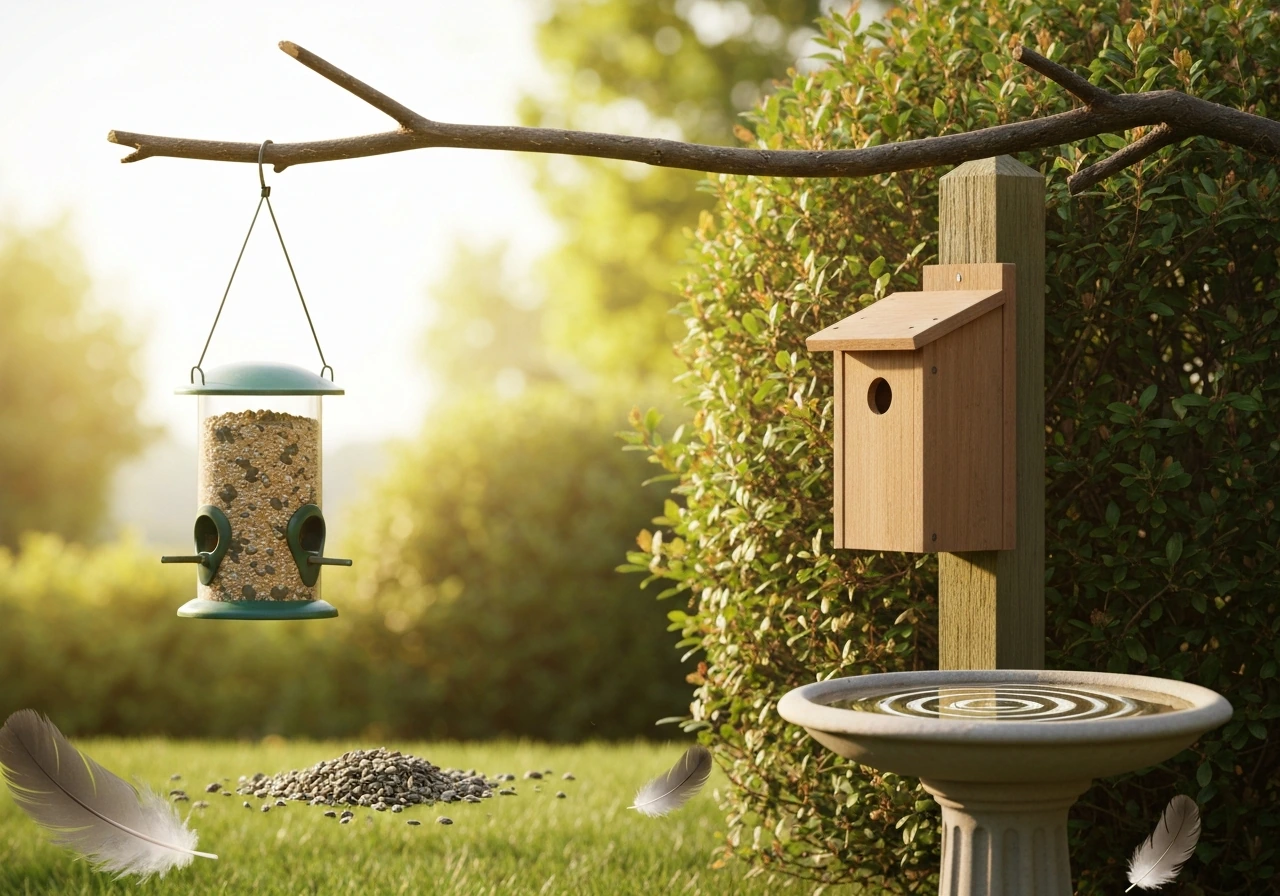
Set up a welcoming yard habitat
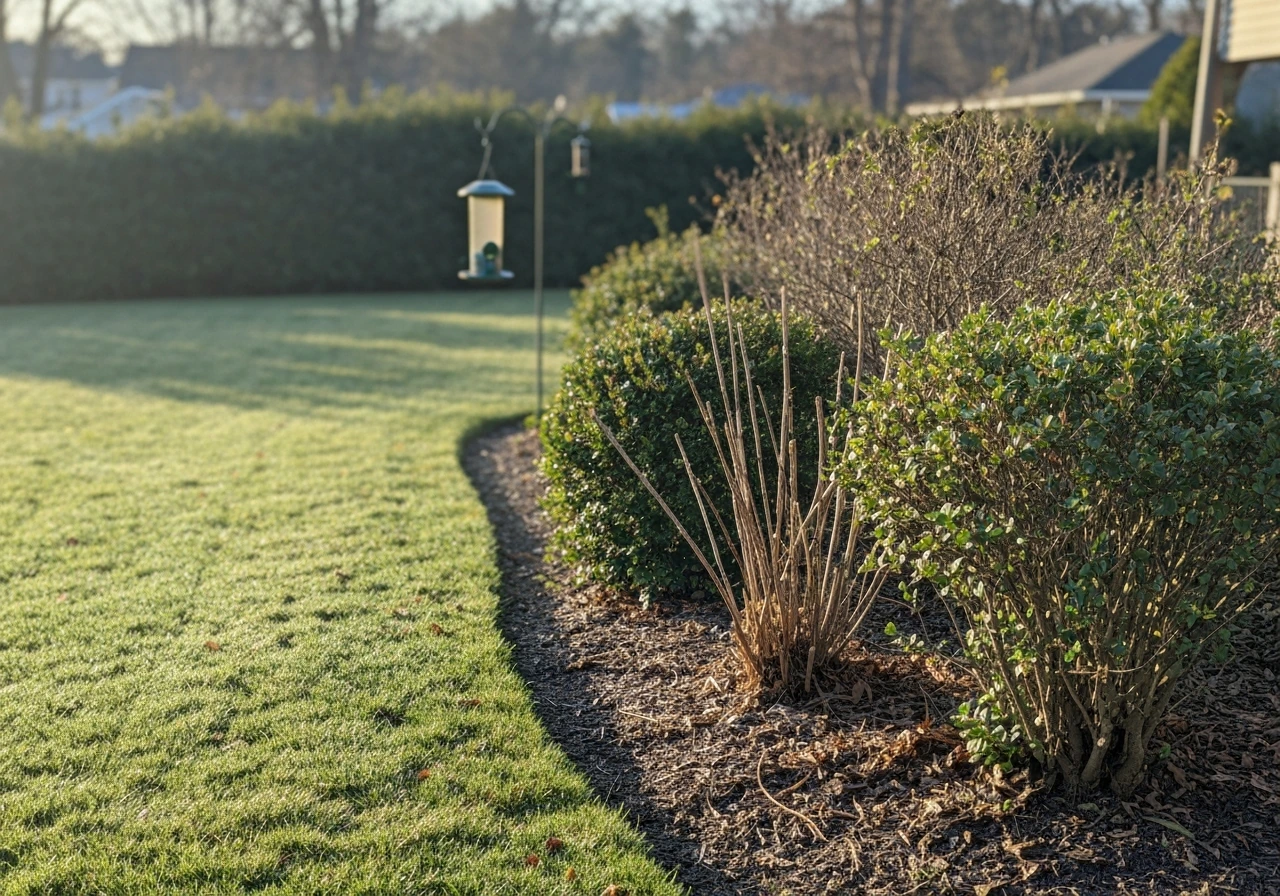
The single biggest thing most first-timers get wrong is treating their yard like a golf course. Mowed grass, trimmed hedges, and cleared flower beds look tidy to us but read as a food desert and danger zone to a breeding bird. The U.S. Fish and Wildlife Service specifically recommends letting branches and bushes grow out through the nesting season and reducing lawn mowing to create native wildflower patches. Even a corner of your yard left a little rough makes a real difference.
The key concept is layered structure. Birds need something to fly into immediately when spooked (shrubs), somewhere to perch and sing (mid-height trees or tall shrubs), and tall canopy for species like warblers and orioles. You don't need a forest; you need variety at different heights. If your yard is mostly open lawn, start by planting a few native shrubs along a fence line. Native plants also feed the insects that nesting birds rely on to feed their chicks, so they pull double duty.
Brush piles are underrated and completely free. A pile of woody branches, logs, and fallen leaves in a back corner gives ground-nesting and low-nesting birds cover, nesting habitat, nest-building materials, and a reliable insect source all in one spot. Some species will nest along logs or directly under a branch pile. I know it looks messy, but even a modest pile three feet wide does the job. Dead plants, hollow branches, and leaf litter all count here too. The goal is mimicking a natural woodland edge, not winning a landscaping award.
Attracting nesting behavior: sites, materials, and timing
Choosing and placing nest boxes
Nest boxes work best when they match the species you're trying to host. The entrance hole diameter is the most critical measurement because it determines which birds can get in and, more importantly, which predators cannot. A house wren needs a 1 1/8-inch hole, while a Bewick's wren needs 1 1/4 inches. Bluebirds need 1 1/2 inches. Getting this wrong by even a quarter inch can invite house sparrows or starlings that will evict or kill the birds you actually want. The floor area, cavity depth, and mounting height all matter too.
| Species | Entrance Hole Diameter | Floor Area (inches) | Cavity Depth (inches) | Mounting Height (feet) |
|---|---|---|---|---|
| House Wren | 1 1/8" | 4 x 4 | 6–8 | 4–6 |
| Bewick's Wren | 1 1/4" | 4 x 4 | 6–8 | 4–6 |
| Eastern/Western Bluebird | 1 1/2" | 5 x 5 | 8–12 | 4–6 |
| Tree Swallow | 1 1/2" | 5 x 5 | 6–8 | 4–8 |
| Chickadee | 1 1/8" | 4 x 4 | 8–10 | 4–8 |
Avoid pressure-treated lumber for nest boxes. It contains pesticide and fungicide residues that can harm nestlings in an enclosed space. Plain untreated cedar or pine is the right call. Mount boxes on smooth metal poles rather than wooden fence posts, and add a cone-type or stovepipe baffle below the box. Predator guards genuinely improve nesting success and are worth the ten minutes it takes to install one.
Placement matters as much as dimensions. Face the entrance hole away from prevailing wind and direct afternoon sun. Keep some open space in front of the entrance so birds can approach without running a predator gauntlet, but make sure cover (a shrub, brush pile, or tree) is within 10 to 15 feet so adults and fledglings can quickly reach safety. Once a box is occupied, stop handling or repositioning it. Disturbance during incubation can cause abandonment.
Safe nesting materials to offer
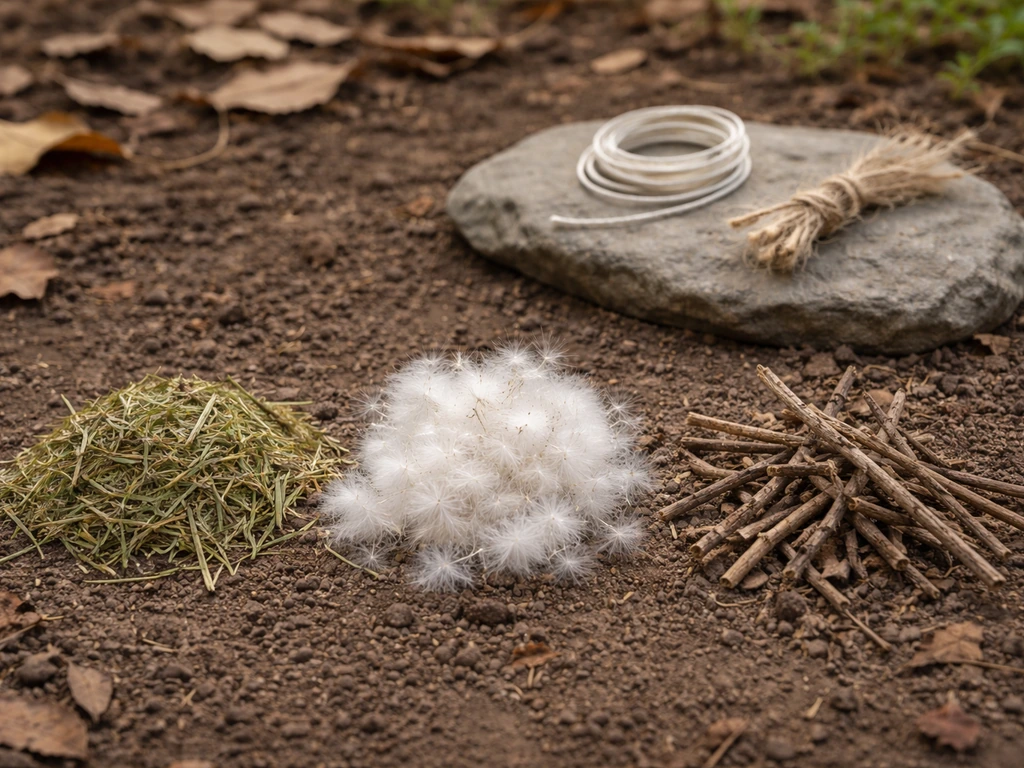
You can put out nesting materials to help birds build faster, but this is one area where well-meaning people cause serious harm. The items to avoid completely are string, twine, yarn, dryer lint, and pet hair. These fibers can wrap around nestlings' legs and feet, cutting off circulation, and have killed fledglings that couldn't escape. The appeal is obvious since birds grab them eagerly, but the risk is real enough that wildlife agencies specifically call them out as hazards.
Stick to natural, short-fiber materials that match what local birds would find in the wild. Good options include small sticks and twigs, dried grass clippings (chemical-free), moss, plant fluff like cattail down or cotton from seed pods, and coconut fiber sold specifically for birds. Offer these in a small open mesh basket or just scatter them near a brush pile. The goal is to match what your target species would naturally gather, not to fill a generic nest-material dispenser.
Timing: when to set everything up
The best time to have nest boxes up and habitat ready is before your local birds start scouting, which in most of the continental U.S. means late February through early March for the first nesters. Late is better than never, but birds begin claiming territories early. After a brood fledges, clean out old nest material promptly. Most birds won't reuse an old nest, and a clean box can attract a second brood from the same pair or a different species entirely. This is especially relevant with bluebirds, which commonly raise two or even three broods per season.
Feeding strategy for nesting birds
What to feed and when
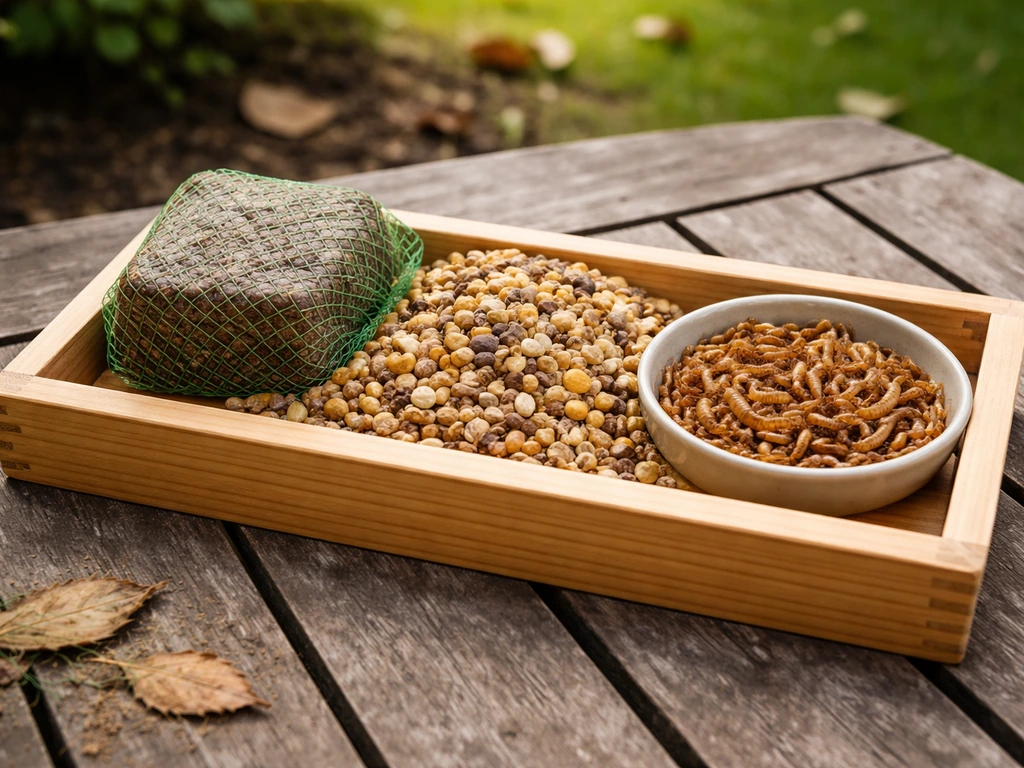
Nesting birds have different nutritional needs than casual visitors. Adults need high-energy food to sustain the effort of incubation and brooding, while nestlings need protein, which means insects. Your feeding station can support adults directly, but the best thing you can do for chick survival is make sure your yard has insects. For more practical tiny bird garden tips, focus on adding native plants, reducing pesticides, and keeping food and water consistent during nesting season. That's the main reason native plants and reduced pesticide use matter so much during breeding season.
For the feeders themselves, match the food to the birds you're hosting. Black-oil sunflower seed is the best general-purpose choice and attracts the widest variety, including chickadees, nuthatches, finches, and cardinals. Suet cakes are high in fat and attract woodpeckers, wrens, and insect-eating species. Mealworms, either live or dried, are genuinely excellent during nesting season because bluebirds, robins, and thrushes will ferry them directly to nestlings. Nyjer (thistle) seed in a tube feeder targets goldfinches and siskins specifically. Orioles and hummingbirds need fruit and nectar, which means orange halves and fresh sugar water (one part sugar to four parts water, no dye).
Feeder placement and predator risk
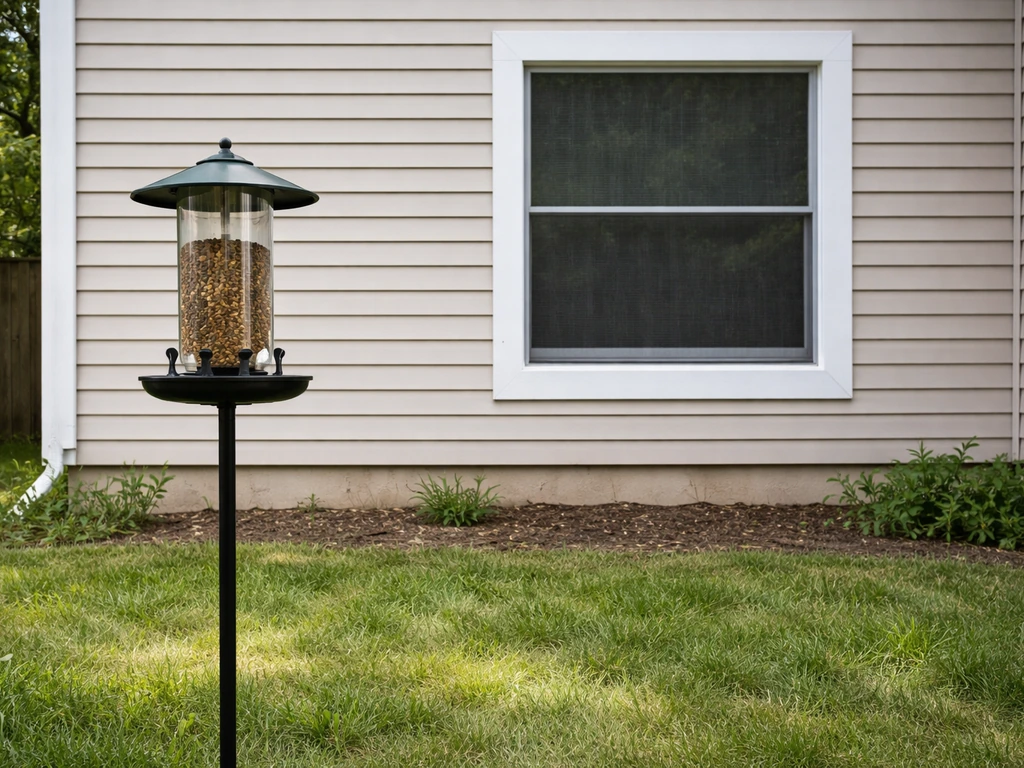
Place feeders within 3 feet of a window or more than 30 feet away. That sounds counterintuitive, but it's the middle distance (3 to 30 feet) that causes the most window strikes, because birds have enough speed to injure themselves but not enough reaction time to avoid the glass. Close to the window, they don't build momentum. Far away, they see the reflection and avoid it.
Keep feeders close enough to cover that birds can reach safety quickly, but not so close that a cat or squirrel can use the shrub as a launch pad. About 10 feet from a dense shrub is a reasonable balance. Use baffles on feeder poles for the same reason you use them on nest boxes: squirrels and raccoons raiding feeders is an annoyance, but raccoons also raid nest boxes, and a feeder station that functions as a wildlife buffet creates real risks for your nesting birds.
Keeping feeders clean
Dirty feeders spread disease, and during nesting season that risk is compounded because sick adults can't feed their young effectively. Clean seed feeders at least every two weeks with a solution of nine parts water to one part bleach, then rinse thoroughly and let them dry completely before refilling. In hot, humid weather, bump that to weekly. Suet feeders need less frequent cleaning but check them for mold. Rake up spilled seed and droppings below the feeder regularly, since ground-level mess draws rodents and can harbor bacteria. If you ever see a bird at your feeder looking puffed up, lethargic, or struggling to fly, take the feeder down immediately and clean it before putting it back.
Bird-friendly water and shelter basics
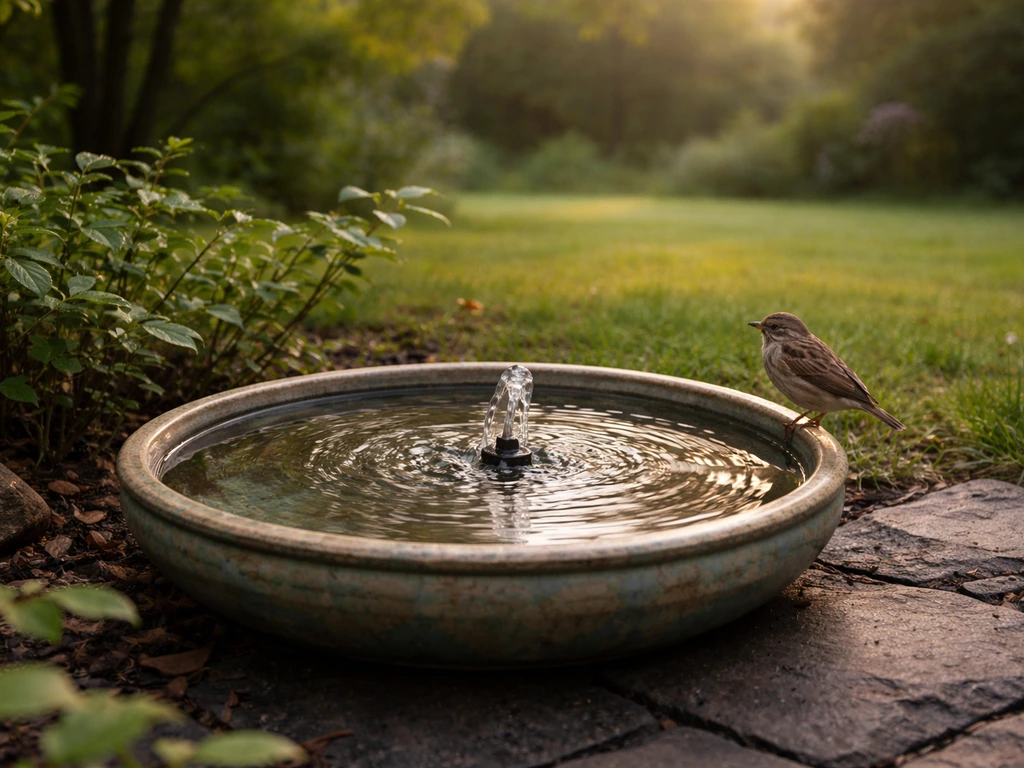
Water is, honestly, more important than food for attracting birds. Many birds that ignore feeders entirely will reliably visit a clean birdbath. The depth is critical: keep it between 1 inch and 1.5 inches deep. A standard decorative birdbath is often too deep and too slippery. The ideal basin is shallow, has a rough or textured bottom for grip, and is no more than 2 inches deep at its deepest point. If yours is deeper, add a flat rock or two to create shallower zones.
Movement makes birdbaths dramatically more attractive. A simple dripper or wiggler that creates ripples will pull in species that would never visit a still basin, including warblers, thrushes, and vireos that are hard to attract to feeders. Solar-powered drippers are inexpensive and require no wiring.
Change the water daily or every other day. Stagnant water breeds bacteria, grows algae, and becomes a mosquito nursery within a few days in warm weather. Audubon also warns that allowing birdbath water to become stagnant can increase disease risk, which is why you should refresh it regularly stagnant water breeds bacteria. When algae appears, scrub the basin with a stiff brush and the same nine-to-one bleach solution used for feeders, rinse well, and refill. Place the birdbath in partial shade to slow algae growth and reduce evaporation, but make sure there's open sightlines around it so birds can spot approaching predators while they're vulnerable and wet.
Shelter in the form of dense shrubs, brush piles, and even dead trees (snags) completes the picture. A brush pile near your feeding area means birds have an immediate escape route. Snags provide cavity-nesting opportunities for woodpeckers and secondary cavity nesters like chickadees without you needing to build a box. If you have a dead tree that isn't a safety hazard, leaving it standing is one of the highest-value habitat decisions you can make.
Avoid common mistakes and keep it safe for pets and kids
The mistakes I see most often from beginners come down to a few recurring themes. Inconsistent food supply is probably the biggest: birds will establish feeding routines and rely on your station, so running out of food mid-season, especially during nesting, causes real stress for breeding pairs. Keep a spare bag of seed on hand and check feeders every couple of days.
- Don't use pesticides or herbicides in the nesting area. Insecticides kill the insects nestlings need to survive, and some chemicals can accumulate in adults that eat poisoned prey.
- Don't put out string, yarn, twine, dryer lint, or pet hair as nesting material. These can entangle and kill nestlings.
- Don't use pressure-treated wood for nest boxes. It off-gases chemicals harmful to birds in enclosed spaces.
- Don't place feeders at middle distances from windows (3 to 30 feet). Move them very close or very far from glass.
- Don't skip feeder and birdbath cleaning. Dirty stations spread salmonella and other pathogens to breeding birds.
- Don't disturb active nest boxes. Once eggs are laid, stop peeking, touching, or repositioning the box.
- Don't allow cats outdoors unsupervised during nesting season. Cats are the leading human-related cause of bird mortality in North America, and fledglings on the ground are especially vulnerable.
- Do supervise young children near nest boxes and birdbaths to avoid startling nesting birds or disturbing nests.
For households with outdoor cats, the most effective solution is keeping cats inside during breeding season (roughly March through August). If that's not possible, placing a bell collar and keeping feeders and nest boxes away from areas where cats roam reduces, but doesn't eliminate, the risk. Kids can be wonderful observers if you channel their curiosity toward binoculars and a notebook rather than getting hands-on with nests.
Ongoing observation and troubleshooting
Knowing what success looks like helps you tell the difference between a slow start and a real problem. In the first week or two after setting up, you're looking for birds landing near (not necessarily in) nest boxes, carrying nesting material, or repeatedly visiting feeders in the early morning. Those are good signs that birds are scouting and settling. A nest box that gets no attention after four weeks of good weather may need to be repositioned or have its entrance hole size reconsidered.
If feeder activity drops suddenly during nesting season, don't panic. Breeding pairs often reduce feeder visits once they have a reliable food territory established and are focused on foraging insects for chicks. That's normal. If activity drops AND you're seeing signs of stress or illness at the feeder, clean everything immediately and watch closely.
Monitoring nest boxes is worth doing, but gently. A quick weekly check (lift the lid, look, close it) during the building and incubation stages is fine for most species. Once you see eggs or very young chicks, minimize checks to avoid stressing the adults into abandoning. After fledglings leave, which you'll know because the adults stop visiting and you may see young, fledged birds nearby, clean out the box promptly to encourage a second brood.
Keep a simple log: the date you first saw birds investigating a box, when construction started, when you saw the first egg, when chicks hatched, and when they fledged. Even a basic garden bird checklist approach works well here. This record helps you refine your setup each season and builds a genuinely satisfying picture of what's happening in your yard. Over time, you'll start to see patterns, which species arrive first, which feeders get hit hardest during incubation, how drought affects birdbath use, and that knowledge makes each season better than the last.
If you want to go deeper on specific yard setups, a printable backyard bird guide can help you ID what you're seeing and match your setup to local species more precisely. If you're looking for tiny bird garden codes to streamline your setup, a guide like this can help you match habitat and nest details to the birds in your area printable backyard bird guide. The foundation, though, is what you've built here: layered habitat, the right boxes, safe nesting materials, clean food and water, and enough patience to let the birds decide the place is worth calling home. For more tiny bird garden tips beyond the basics, focus on small, consistent improvements as birds start scouting your yard.
FAQ
Do I need nest boxes for a backyard bird lover’s guide, or will feeding alone attract nesting birds?
Yes, but only if the birds you want are actually cavity nesters (or you provide open nesting sites like brush piles). If you only hang tube feeders and birdbath water without nesting cover, you may attract adults but not get consistent broods. Pair your nesting structure with a pesticide-free insect food chain, since nestlings need protein-rich prey.
What should I do if I find a bird nest or nestlings on the ground during nesting season?
Avoid “helping” by placing eggs or moving fledglings into safer spots. If you find a nest that looks fallen, the safest action is usually to leave it alone and improve nearby shelter (shrubs or brush). Disturbance can trigger abandonment, and handling can also leave human scent.
Are there practical ways to reduce predator visits without constantly checking nest boxes?
Yes, because some predators hunt by time of day. If you notice frequent raids, prioritize reducing open landing zones near feeders and nest boxes, and add physical barriers like baffles plus dense cover within about 10 to 15 feet. Also remove accessible attractants like scattered seed on the ground that can draw rodents.
Should I leave a nest box up all season, or take it down after the first brood?
If birds start using a box, do not remove it even after the first brood, unless the nest is clearly abandoned. Instead, after fledging, promptly clean it out and keep it in the same place. If you move it mid-season, birds may not find it or may choose a different cavity.
Do I need different nest boxes for different species, or can one “general” box attract many birds?
It depends on whether your goal is attracting a specific species or simply improving overall nesting potential. For species-specific hosting, tune the entrance size, mounting height, and orientation. For broad attraction, focus on native shrubs at multiple heights and adding one brush pile plus one appropriately sized box.
What if I miss the ideal time to set up nest boxes, can I still attract nesting birds this year?
For most backyard situations, late winter setup is best, but you can still improve results in spring. If you add boxes after birds have already begun claiming territories, you may get fewer nesters that year. The best move is to install habitat and food now, keep everything stable, and track whether birds investigate within 1 to 2 weeks.
What nesting materials are safest if I want to help birds without increasing risk?
Do not place nesting materials that include long fibers like string or yarn, even if they look loosely gathered. Also avoid any “craft” products that could fray into strands. A safe shortcut is to offer only short, natural fibers like small twigs or dried grass clippings in a small open basket.
How often can I clean or check a nest box without causing abandonment?
One common mistake is over-cleaning too aggressively while birds are actively nesting. You should clean when the box is empty after fledging, not during incubation or brooding, and minimize handling. If you must address an issue like heavy debris, use the least intrusive timing and avoid frequent checks.
How do I tell normal nesting feeding changes from a real health problem at my feeders?
Feeding drops can be normal, especially once a pair has established a foraging area focused on insects. The useful distinction is whether adults appear healthy and whether there is ongoing nest activity. If you see lethargy, fluffed feathers, or repeated inability to fly, remove the feeder, clean it, and consider pausing feeding until birds recover.
What is the best way to protect nesting birds if I have outdoor cats in the neighborhood?
If cats are frequent, the most effective “nesting safety” is changing access, not just adding warnings or bells. Keep feeders and nest boxes away from routes where cats can stalk from cover, use baffles, and prioritize indoor time during peak breeding months (roughly March through August).
What should I do if the “wrong” birds start using my nest box?
It can happen, even when you have the right habitat, because some species are picky about nearby competitors. If you see frequent house sparrows or starlings at the box area, do not open the box to “see what’s going on.” Instead, focus on correcting entry size for the target species and add predator and competitor deterrence through proper placement and stable conditions.
Why might birds ignore my birdbath even though I keep it filled with fresh water?
If a birdbath is too deep or too slick, many birds will skip it during nesting when they are prioritizing quick, safe access. A strong fix is adding shallow zones with flat rocks and keeping the basin textured, plus putting it in partial shade to slow algae growth while still allowing birds to spot threats.
How can I reduce window strikes from feeders without disrupting nesting birds too much?
If you’re seeing window strikes, adjust placement rather than relying on more “bird-friendly” glass cues alone. The practical lever is moving feeders out of the 3 to 30 foot risk band, or increasing nearby cover so birds can land and reorient farther from the glass. Also keep feeder activity predictable, avoid sudden relocation mid-season.
Next Article
Tiny Bird Garden Tips: A Beginner Guide for Small Spaces
Step-by-step tiny bird garden tips for small patios: safe plants, food, water, shelter, cleaning, and beginner care.