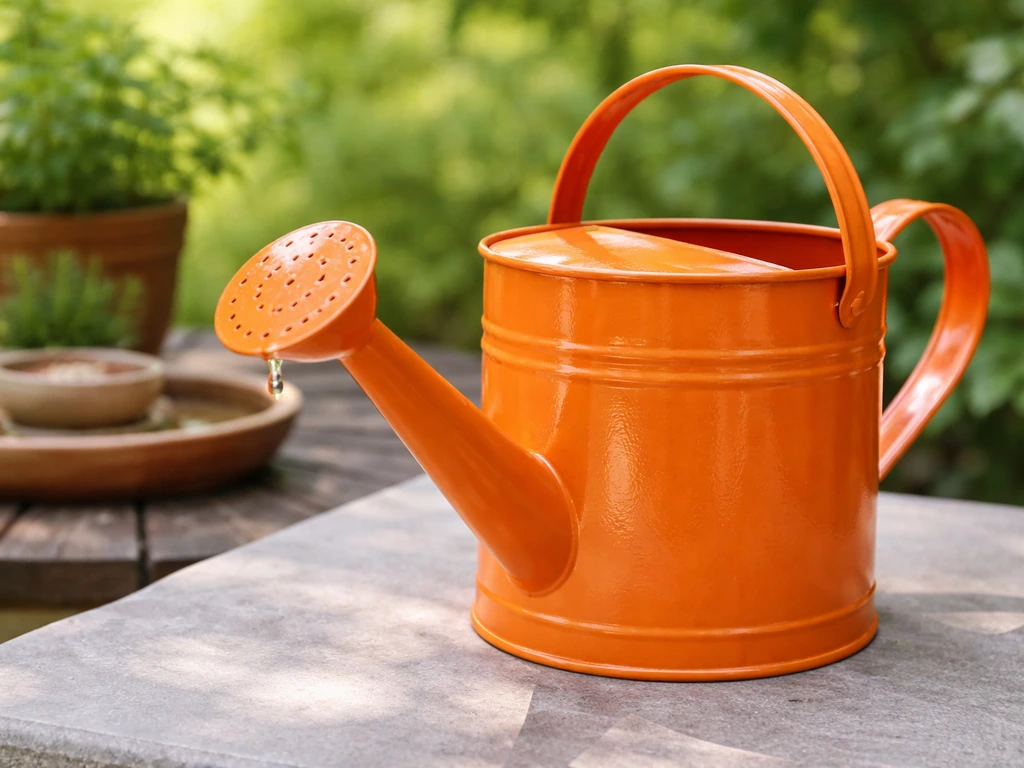
An orange bird watering can is a can-style enclosed drinker designed for pet birds, shaped or colored like a bird (often with an orange bird motif), that delivers water through a small nozzle or spout rather than sitting open in a bowl. These are the common bird dish where you cover your head so your pet bird drinks from a protected spout instead of an open bowl pet birds. It keeps water cleaner than an open dish, mounts to the cage bars or aviary wall, and gives your bird a consistent, easy-to-find water source. If you landed here after searching for one, you may also be thinking of the popular Disney 'Orange Bird' themed watering can collectible from EPCOT's Flower and Garden Festival, which is a decorative item and not a pet-bird drinker. This guide is about the functional kind: how to pick the right one, set it up without creating a soggy mess, clean it properly, and troubleshoot the real problems that trip up first-time owners.
Orange Bird Watering Can Guide for Safe Daily Watering
What an orange bird watering can actually is (and how it's different from bowls and bottles)
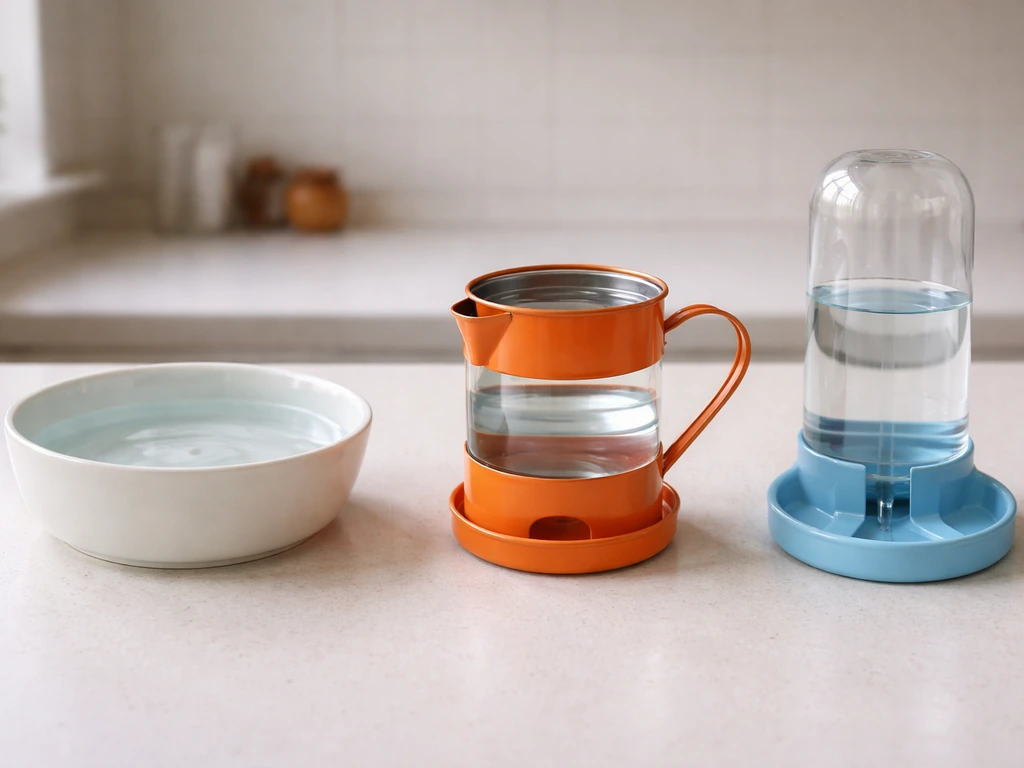
A can-style bird drinker sits somewhere between an open bowl and a fully enclosed water bottle. An open bowl is the simplest option: water sits exposed, your bird drinks freely, but droppings, feathers, and seed hulls fall in constantly and the water needs refreshing multiple times a day to stay safe. A hanging water bottle or tube-style drinker seals the water inside and dispenses it through a small metal sipper ball or tube, which keeps debris out but creates a tight nozzle area that collects biofilm fast if you skip cleaning.
A can-style drinker combines a reservoir (the 'can' or body of the container) with a limited-access spout or small opening. The shape often mimics a classic watering can, and the orange bird design is simply an aesthetic choice. What matters functionally is that it restricts the opening enough to reduce contamination from droppings and food particles while still being wide enough for your bird to drink comfortably without having to learn a sipper mechanism. That makes it a practical middle ground for beginners: easier to clean than a tube-style bottle, cleaner than an open bowl.
Choosing the right size, flow rate, and material
Size is the first thing to get right. A drinker that's too large for a small cage will dominate the space and tip over; one that's too small for a larger bird or a flock will run dry before you notice. As a rough rule: for a single small bird like a budgie, canary, or finch, a 4 to 6 oz reservoir is plenty for a single day. For a cockatiel or small conure, aim for 8 oz. For larger parrots or multiple birds, 12 to 16 oz is a safer daily capacity, though you should still change the water daily regardless of how much is left.
Flow matters more than most beginners expect. A spout that flows too freely floods the cage floor within an hour. One that's too restricted confuses and discourages birds that are new to the drinker. Look for a gravity-fed design where a small amount of water pools at the spout opening and refills as the bird drinks. If you can see a tiny visible water surface at the tip of the spout, that's the right kind of flow for most birds.
Material is where you have to be careful, especially in a home with pet birds. Avoid any drinker that uses painted metal interiors, cheap plastics with a strong chemical smell, or glazed ceramic with unknown food-safety ratings. Your safest options are BPA-free polycarbonate or polypropylene plastic (look for food-grade markings), stainless steel, or food-safe unglazed/lead-free ceramic. The orange color on the outside is fine as long as the paint is on the exterior only and is non-toxic. If you're unsure, stick to clear or lightly tinted food-grade plastic so you can see the water level and any buildup without opening the container.
| Material | Pros | Cons | Best for |
|---|---|---|---|
| BPA-free plastic | Lightweight, easy to find, low cost, see-through | Can scratch over time and harbor bacteria in scratches | Beginners, small to medium birds |
| Stainless steel | Durable, non-porous, easy to sterilize | Opaque (can't see water level), heavier, more expensive | Larger parrots, long-term setups |
| Food-safe ceramic | Heavy and stable, natural feel | Breakable, heavy, harder to mount, must verify glaze safety | Aviary setups, ground-level placement |
| Glass | Non-porous, easy to clean, see-through | Breakable, heavy, not ideal for cage mounting | Aviary use, supervised settings |
My honest recommendation for most first-time bird owners: start with a clear BPA-free plastic can-style drinker in the right size for your bird. It's inexpensive, you can see exactly what's happening inside, and it's easy to clean in a standard sink. Upgrade to stainless steel once you know your bird's habits and you're confident in your cleaning routine.
Setting it up in the cage or aviary without creating a wet mess
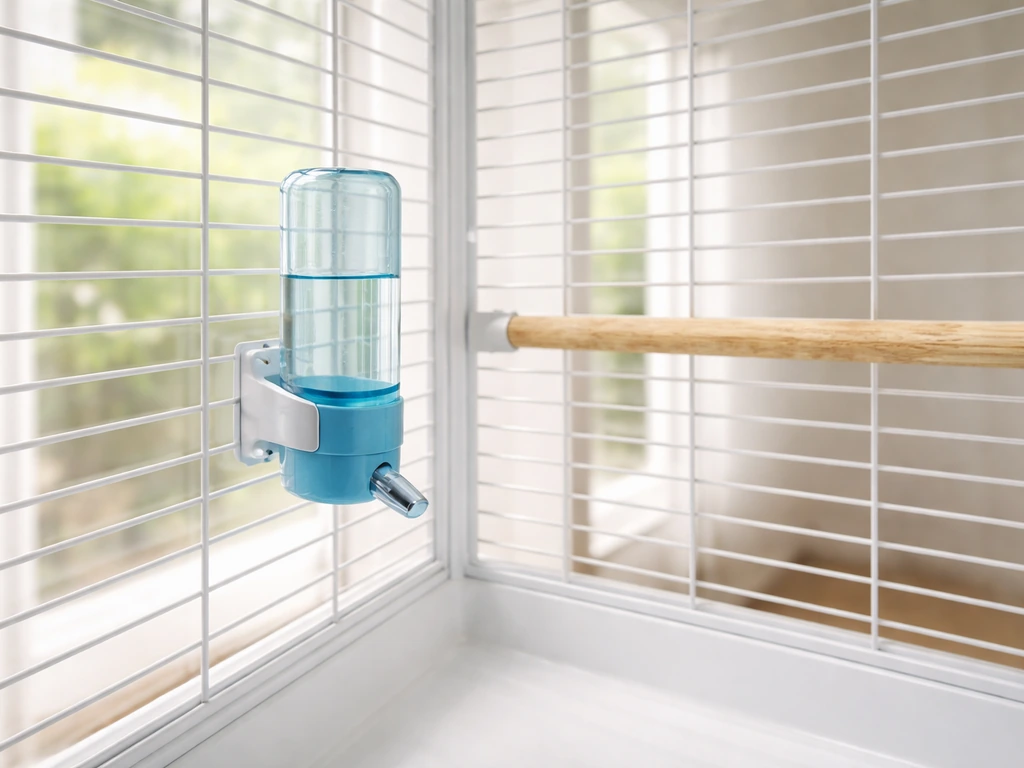
Placement is where most beginners go wrong. The instinct is to put the drinker at floor level for easy refilling, but that's exactly where droppings accumulate and where the spout gets clogged fastest. Mount the drinker on the cage wall at a height that's comfortable for your bird to reach without craning or stretching: roughly shoulder height for your bird when it's sitting on its preferred perch. For budgies and cockatiels, that typically means mounting the drinker about one-third of the way up the cage.
Keep the drinker away from perches placed directly above it. Droppings falling into or onto the spout area are the single biggest contamination risk with any enclosed drinker. If your cage layout makes this unavoidable, add a short horizontal perch beside the drinker rather than above it, so the bird approaches from the side.
To prevent spills, make sure the drinker is level when mounted. A slight forward tilt causes water to leak out the spout continuously. Most clip-on or wire-hook mounts allow you to adjust the angle. Test it with a full reservoir before your bird is in the cage: watch the spout for 10 minutes. If it drips without the bird touching it, tilt it back slightly until it stops.
- Mount at bird shoulder height, not floor level
- Place away from any perch directly above the drinker
- Test for drip-free angle before introducing your bird
- Leave at least 2 inches of clearance between the spout and any cage wall or toy to allow easy access
- In aviaries, position near a natural landing point so birds discover it quickly
The daily routine that actually keeps water safe
Change the water every single day, even if the reservoir isn't empty. Bacteria multiply rapidly in standing water at room temperature, and biofilm (a thin slimy layer you might not see yet) starts forming on plastic surfaces within 24 to 48 hours. This isn't a nice-to-have habit: it's the baseline for bird water safety. Every morning is the easiest trigger: when you uncover the cage and greet your bird, pull the drinker, empty it, rinse it with warm water, refill with fresh cold tap water or filtered water, and rehang it.
For the daily rinse, you don't need soap every day. A thorough rinse with warm water and a small bottle brush to scrub the spout opening and the inside walls is enough for day-to-day maintenance. The spout area is the most important part to physically scrub because that's where biofilm builds up fastest, especially in the narrow channel where water sits between drinking sessions.
Weekly deep-clean steps
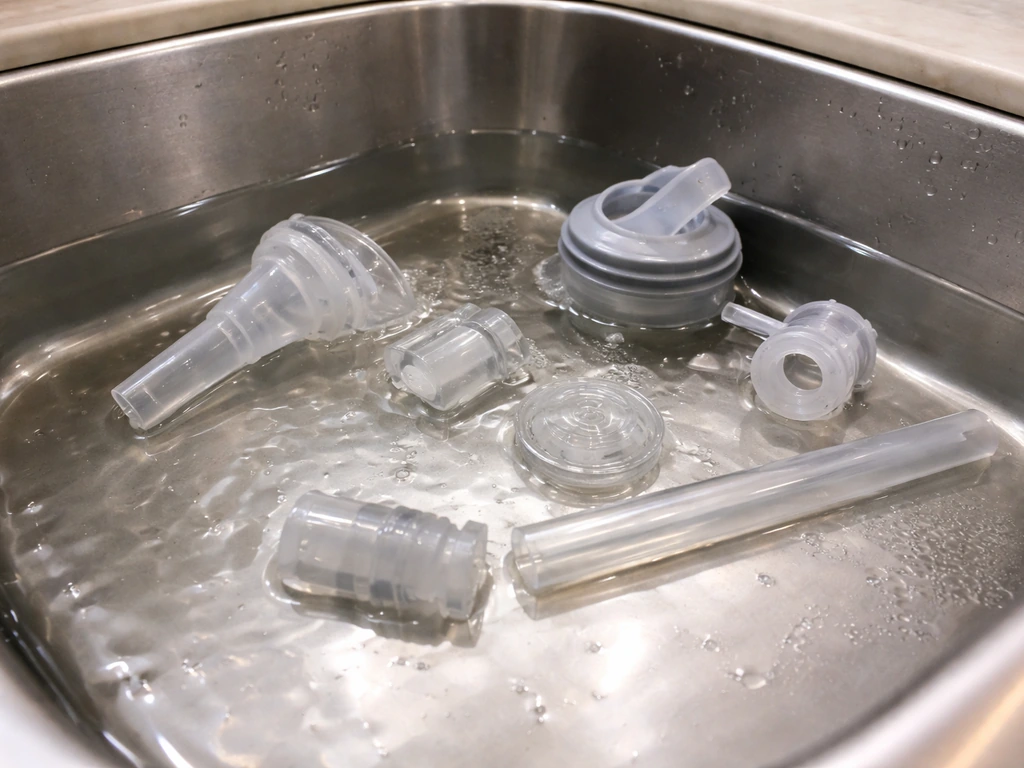
- Disassemble the drinker completely, removing the spout, cap, or any removable parts.
- Soak all parts in a solution of 1 part plain white vinegar to 3 parts warm water for 15 to 20 minutes. This loosens mineral deposits and early biofilm without leaving harmful residue.
- Scrub every surface with a dedicated bottle brush and a smaller pipe-cleaner-style brush for the spout channel.
- Rinse thoroughly under running water for at least 30 seconds per piece until no vinegar smell remains.
- Once a month (or if you see visible slime or smell anything off), step up to a dilute bleach rinse: 1 teaspoon of unscented household bleach per gallon of water, soak for 10 minutes, then rinse extremely thoroughly and allow to air-dry completely before refilling.
- Let parts air-dry on a clean towel before reassembling. Trapped moisture inside a sealed drinker encourages mold.
Never use scented dish soaps, antibacterial soaps with triclosan, or any cleaner that leaves a fragrance residue. Birds are extremely sensitive to airborne chemicals and residues, and a soapy taste will stop a bird from drinking almost immediately. This connects to the same air-quality concerns that make bird owners careful with nonstick cookware and scented candles: what seems harmless to us can be genuinely dangerous or aversive to birds. That same bird-safe mindset is why many owners also choose nonstick cookware carefully and avoid scented products around the cage.
Troubleshooting: leaks, clogs, contamination, algae, and birds that won't drink
Dripping or leaking
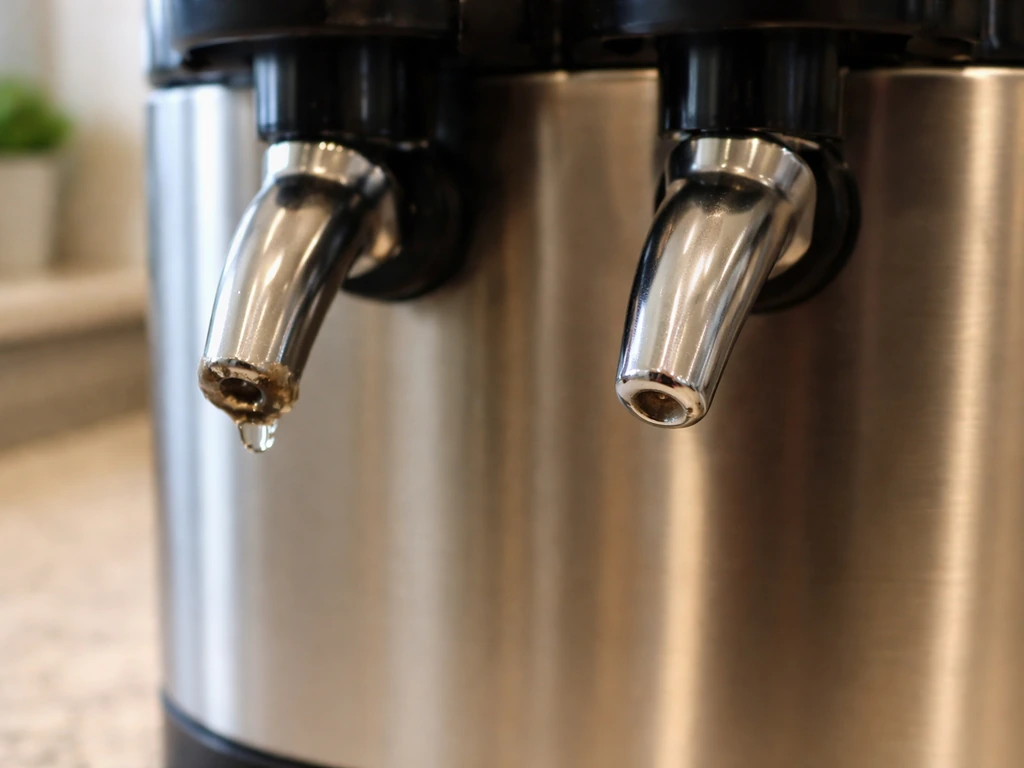
The most common cause of a dripping spout is a forward tilt: gravity pulls water out continuously. Re-level the drinker. If it still drips after leveling, check the seal between the spout and the reservoir body. A worn or cracked rubber or silicone gasket will leak regardless of angle. Replacement gaskets cost almost nothing and are worth keeping on hand. If the body itself is cracked, replace the drinker rather than trying to seal it with tape or adhesive, since those materials are not bird-safe.
Clogged spout
Clogs are usually caused by mineral deposits (white or yellowish buildup from hard tap water) or food particles that the bird carried in with its beak. A 20-minute vinegar soak followed by a pipe cleaner or thin brush through the spout channel clears most mineral clogs. For food-particle clogs, the same brush technique works, but you'll also want to check your cage layout: if food dishes and the drinker are close together, the bird may be repeatedly dunking food in the water, which accelerates clogging and contamination dramatically. Move the food dish to the opposite side of the cage.
Algae and biofilm buildup
Green-tinted water or a slick film inside the reservoir means algae or biofilm has taken hold. This happens faster when the drinker is placed in direct sunlight or near a bright window. Move the drinker to a spot with indirect or ambient light. For cleanup, the monthly bleach-and-rinse protocol described above will clear it. The CDC recommends sanitizing with a solution of 1 tablespoon of household chlorine bleach in 1 gallon of clean water for disinfection guidance in this kind of cleaning blank" rel="noopener noreferrer">monthly bleach-and-rinse protocol. For monthly deep-cleaning, the Iowa DNR recommends using a 10% bleach solution about once each month for bird feeders and waterers blank" rel="noopener noreferrer">monthly bleach-and-rinse protocol. Going forward, if your cage sits near a sunny window, consider an opaque or darker-bodied drinker to reduce light penetration into the reservoir, which slows algae growth significantly.
The bird won't drink from it
This is probably the most frustrating problem for new owners, and it's more common than people expect when switching from an open bowl to a can-style or enclosed drinker. Birds learn to drink by sight: they look for a visible water surface. If the spout doesn't show a small, visible pool of water at the tip, the bird may not recognize it as a water source at all. Start by showing your bird the drinker manually: touch the spout with a clean finger so a small bead of water appears, then gently guide the bird's beak toward it. Repeat this two or three times a day for a few days. Most birds catch on within a week.
If the bird still refuses after a week of training, temporarily place an open bowl directly below the drinker so the bird associates that area with water. Gradually reduce the bowl's water level over several days while keeping the drinker accessible. Never remove water access entirely as a 'motivation' tactic: dehydration in birds sets in fast and is dangerous. During any transition period, check the bird's droppings daily. Watery droppings are normal for birds with high fruit intake, but dry, scant droppings in a bird that normally produces regular ones can signal dehydration and warrant an immediate vet check.
Water safety: temperature, what to add, and what to avoid
Use fresh, room-temperature or slightly cool water. Avoid ice-cold water straight from the refrigerator, especially in cooler months, as sudden cold can be startling and aversive for birds. Very warm or hot water is obviously a no-go. Room temperature filtered water or cool tap water that has sat for a few minutes is ideal for most pet birds.
Tap water quality varies a lot by region. In most cases, treated municipal tap water is fine for pet birds, but if your water has a strong chlorine smell, letting it sit in an open container for 15 to 20 minutes before filling the drinker allows most of the chlorine to off-gas. If you have concerns about heavy metals or other contaminants (particularly relevant in older homes with lead pipes), filtered water or a veterinarian-approved bottled water is a reasonable step.
Here's a common myth worth pushing back on: adding apple cider vinegar, vitamins, or supplements to the water is often recommended in bird forums as a way to boost health, but it's actually counterproductive in an enclosed drinker. Supplements added to water accelerate bacterial and algae growth dramatically, requiring more frequent changes than most owners realistically manage. More critically, birds often refuse water that smells or tastes unusual, which means the supplement never gets consumed at therapeutic levels anyway. If your bird needs supplementation, discuss it with an avian vet and use food-based delivery instead.
- Never add supplements, vitamins, or apple cider vinegar to the drinker water
- Avoid flavored or sparkling water
- Do not use distilled water exclusively long-term: it lacks trace minerals
- Skip essential oils, herbal tinctures, and honey water despite what you may read online
- If your bird is on medication that requires water delivery, follow your vet's exact protocol and change the medicated water every 12 hours minimum
One environmental note that's easy to overlook: if you use any aerosol sprays, scented candles, air fresheners, or nonstick cookware in your home, the placement of the drinker inside the cage matters in a broader sense too. Water is an absorptive medium and can pick up airborne contaminants more readily than a solid food. Keep the cage (and therefore the drinker) away from kitchens during cooking and away from any room where chemical sprays are used. This isn't paranoia: it's the same logic that applies to every aspect of a bird-safe home environment.
What to do right now
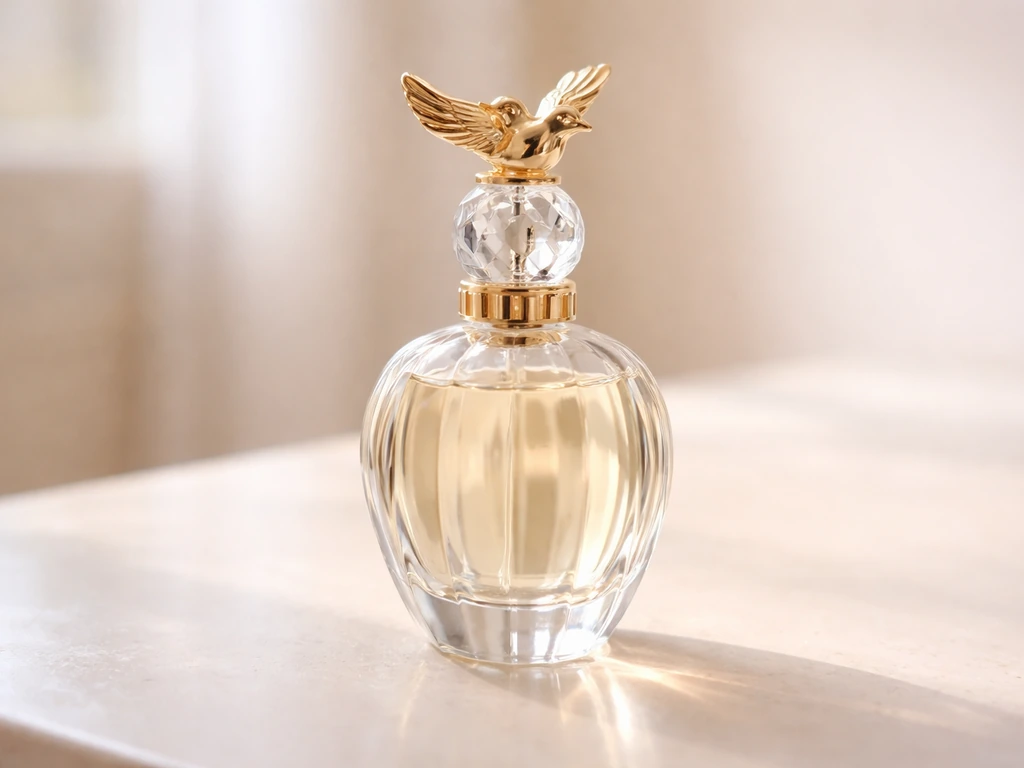
If you're buying today: look for a BPA-free food-grade can-style drinker sized for your specific bird, with a visible spout opening, a removable reservoir, and no interior painted surfaces. If you already have one set up: check the angle for dripping, check the spout for buildup with a flashlight, and do a quick rinse and refill if it's been more than 24 hours. If your bird isn't drinking: put a temporary open bowl next to the drinker today and start the beak-to-spout introduction routine. Most problems with bird watering cans are solved by consistent daily cleaning and a little patience with placement and introduction. A chirpy top bird wine pourer is a decorative, novelty-style dispenser, so it is not meant as a safe, functional drinker for pet birds. Some owners also wonder about upcycling, but this is not the “best out of waste bird” approach for a drinker. Some bird-themed decor items are sold as a perfume bottle with a bird on top, which is for display rather than for giving your pet bird water perfume bottle with bird on top. A glass jar with a bird on top is usually decorative, so use a functional can-style drinker for your pet bird’s water. Get those two things right and the rest mostly takes care of itself.
FAQ
Can I use an orange bird watering can if I’m not home every day to change the water?
Yes, but treat it as a backup, not a replacement. If you must travel or be away, leave extra water amount, confirm the drinker is mounted level, and bring a pre-cleaned spare drinker (or a spare gasket). Even with daily-change habits, the biggest risk during absences is a clog or algae/biofilm start in the spout channel.
What water temperature should I use in an orange bird watering can?
No. Heated or frozen extremes can change taste and sensation, and sudden temperature swings can discourage drinking. Use room-temperature or slightly cool water, and if your bird rejects it, try matching the temperature to what they were drinking previously (for example, tap water that has sat 5 to 15 minutes).
How do I clean the spout channel area without damaging the drinker?
If the spout has a removable cover or tip, remove and scrub that part during routine cleaning. For daily rinses, focus on the spout opening and the inside channel, but for weekly checks, inspect the connection where the spout meets the reservoir for any slimy buildup or cracks.
My bird sits by the orange bird watering can but won’t drink, what should I check first?
Yes, this can happen when the drinker is new to the cage or when the spout shows no visible water surface. If you see the bird approaching but not drinking, do the finger-bead demonstration again, and also verify flow by holding the drinker level and watching for a small water pool at the tip (not a stream).
Are orange bird watering cans the same as hanging water bottles, and will my bird adapt the same way?
Not usually. Most can-style bird drinkers are meant for gravity refill at the spout, using the reservoir’s head pressure. If yours is designed like a bottle with a rigid sipper system, the cleaning needs are higher and the flow behavior can differ.
Why does my drinker clog faster than other owners report?
Yes, especially if the bird can wedge food into the spout or dunk beak into water repeatedly. Try to place seed and pellet dishes so they are not directly next to the drinker, remove obvious food splashing from the cage, and do a more frequent spout scrub if you see early clog signs.
What should I do if the water starts smelling soapy or chemically after cleaning?
Change to fresh water immediately and do not try to mask odors with cleaner or vinegar. If residue or chemical smell is present, rinse repeatedly with warm water, scrub the spout, and air-dry fully before refilling. For stubborn odors in plastics, consider switching to stainless steel or food-grade BPA-free polycarbonate.
How can I tell if the green tint is algae or biofilm, and how do I prevent it?
Green tint is often algae, but a slick feel can also be biofilm. Move the drinker away from direct window light, keep it out of airflow from air fresheners or sprays, and follow the deeper monthly sanitation routine, then inspect for scratches in plastic that can trap film.
Can I use a decorative orange bird watering can collectible as a real water source for my bird?
Not recommended. Many decorative bird-watering items are not built to handle daily hygiene, safe materials, and consistent gravity flow. Use only a pet-bird drinker designed with a reservoir, controlled spout access, and safe, food-grade materials.
The spout keeps dripping, when is it a quick fix and when should I replace the drinker?
If it’s just a mild drip, start by re-leveling and checking the spout-reservoir seal. If you see continuous leaking or you can’t stop it with leveling, replace the gasket if applicable. If the body is cracked, replace the entire drinker rather than using sealants that are not bird-safe.
Perfume Bottle with Bird on Top: Buying Guide
Step-by-step guide to find and verify a perfume bottle with bird topper, budget, avoid fakes, and use safely with pet bi