
In the U. S. , you can legally keep feathers from non-native, non-migratory birds without a permit. If you are wondering, can you collect bird feathers, the key is first figuring out whether they are from a protected wild bird or from a permitted source like certain non-native pet species collect feathers.
What Bird Feathers Can I Keep Safely and Legally

Marcus Chen
16 May 2026
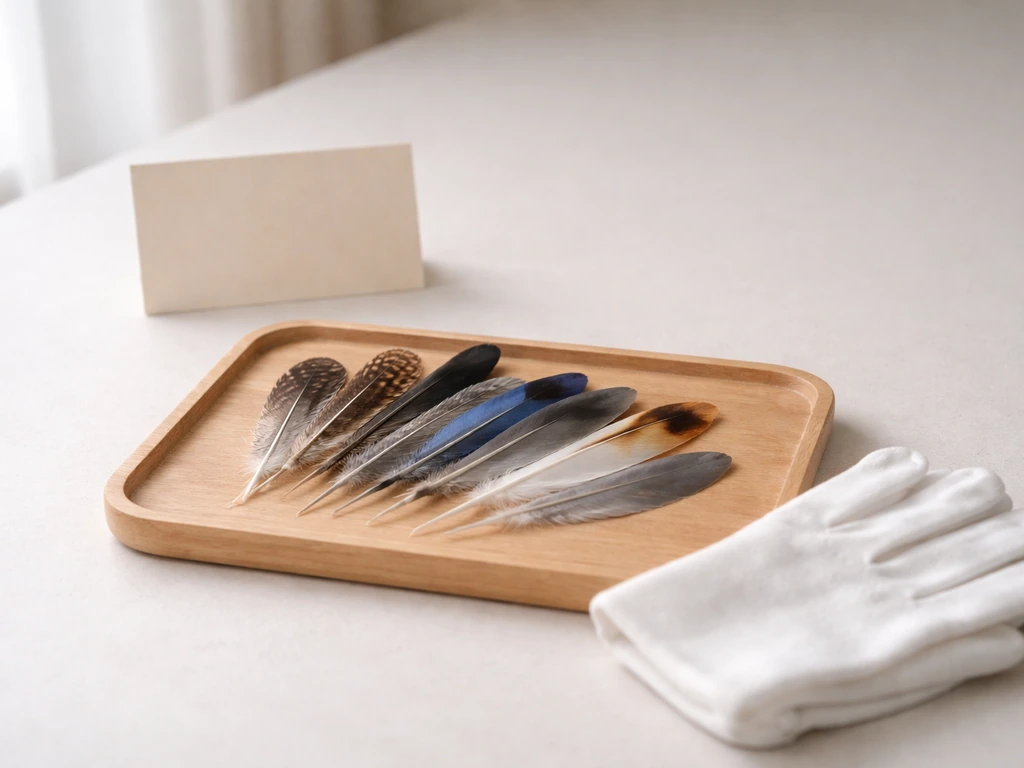
That means feathers from pet birds like parakeets, cockatiels, parrots, and domestic chickens or peacocks are generally fine to collect and keep. Many pen makers also rely on similar non-wild sources, so knowing what feathers come from is key before you use them in crafts feathers from pet birds like parakeets, cockatiels, parrots, and domestic chickens or peacocks.
What you cannot legally keep, under federal law, are feathers from nearly any wild bird native to North America, including common ones like robins, blue jays, cardinals, and hawks. The Migratory Bird Treaty Act (MBTA) makes simple possession of those feathers unlawful, even if you found them on the ground after a bird molted naturally. That last part surprises almost everyone.
Which feathers are actually safe (and legal) to keep
The easiest way to think about this: if the bird is a domesticated pet species or a non-native introduced bird, you are almost certainly fine. If the bird is a wild North American species, you are almost certainly not fine without a permit. Here is how that breaks down in practice.
Feathers you can keep without worrying
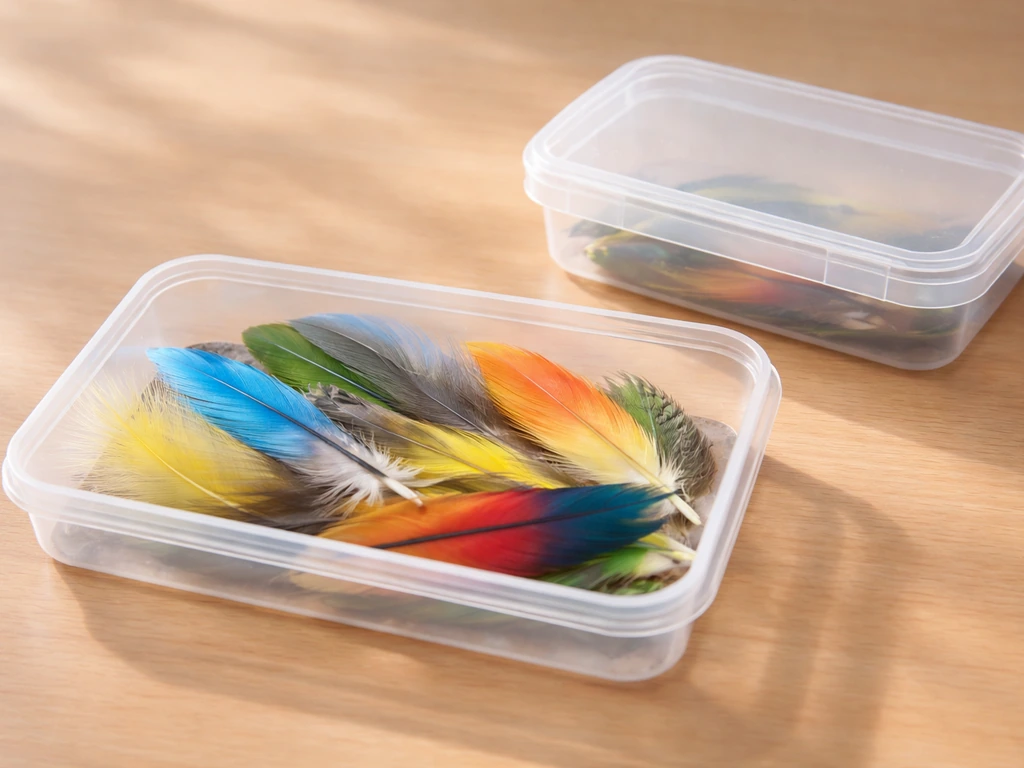
- Feathers shed by your own pet birds: parakeets (budgies), cockatiels, African greys, macaws, conures, lovebirds, and other commonly kept parrot species
- Feathers from domestic poultry: chickens, ducks, turkeys, and geese raised for food or as farm animals
- Peacock feathers (Indian peafowl are non-native to North America and are widely farmed)
- Ostrich and emu feathers, which are sold commercially and come from farmed birds
- Feathers from non-native introduced species like European starlings, house sparrows, and rock pigeons (these are specifically excluded from MBTA protection in the U.S.)
Feathers you should not keep (even if they seem harmless)
- Feathers from any native North American migratory bird, including robins, sparrows, jays, warblers, herons, and shorebirds
- Feathers from raptors: eagles, hawks, falcons, and owls (these carry extra protections under additional laws)
- Feathers found near road-killed or window-killed native birds
- Feathers from birds of unknown origin found in the wild
- Feathers purchased from unverified online sellers claiming they are "legally sourced" wild bird feathers without USFWS permits
The reason the MBTA is stricter than most people expect is that there is no "I found it on the ground" exemption. The U.S. Fish and Wildlife Service (FWS) is explicit: there is no exemption for molted feathers or feathers taken from birds killed by cars or windows. Simple possession is what the law addresses, not just the act of taking a feather from a live bird. Enforcement against individuals for a single feather is rare, but the legal exposure is real, and it is genuinely not worth the risk when safer options exist.
The legal and ethical picture, explained plainly
The Migratory Bird Treaty Act has been around since 1918, and it covers over 1,000 bird species in the U. S. The intent was to stop commercial exploitation of wild bird populations, and it has worked. But the law is broad: it prohibits the possession of feathers, nests, eggs, or other parts of protected birds without specific authorization from the FWS.
The U. S. Fish & Wildlife Service notes that possession of migratory bird feathers or remains must be authorized under the Migratory Bird Treaty Act [prohibits the possession of feathers, nests, eggs, or other parts of protected birds without specific authorization](https://www. fws.
gov/program/migratory-bird-permits/living-around-birds). [A Congressional Research Service analysis has confirmed that the statute's language makes simple possession of protected feathers unlawful](https://www. congress. gov/crsexternalproducts/R/PDF/R44694/R44694.
4. pdf), regardless of how the feather was obtained.
There are authorized pathways for certain communities and uses. The FWS runs Non-Eagle Feather Repositories that collect naturally shed and molted feathers from licensed facilities and make them available to permitted users for specific cultural and ceremonial purposes. If your goal is to collect bird feathers, you may need a permit to do it legally, depending on the species permit to collect bird feathers. These are not general public programs, and they require authorization. If you genuinely need native bird feathers for a legitimate cultural use, contacting the FWS directly to ask about permit options is the right move.
From an ethical standpoint, even setting aside the law: feathers found in the wild can come from stressed, injured, or diseased birds. Handling and keeping them without knowing the source introduces real risks to you and, if you have pet birds, to them. The responsible path is to stick with feathers from birds you know, starting with your own pets.
How to figure out what kind of feather you have
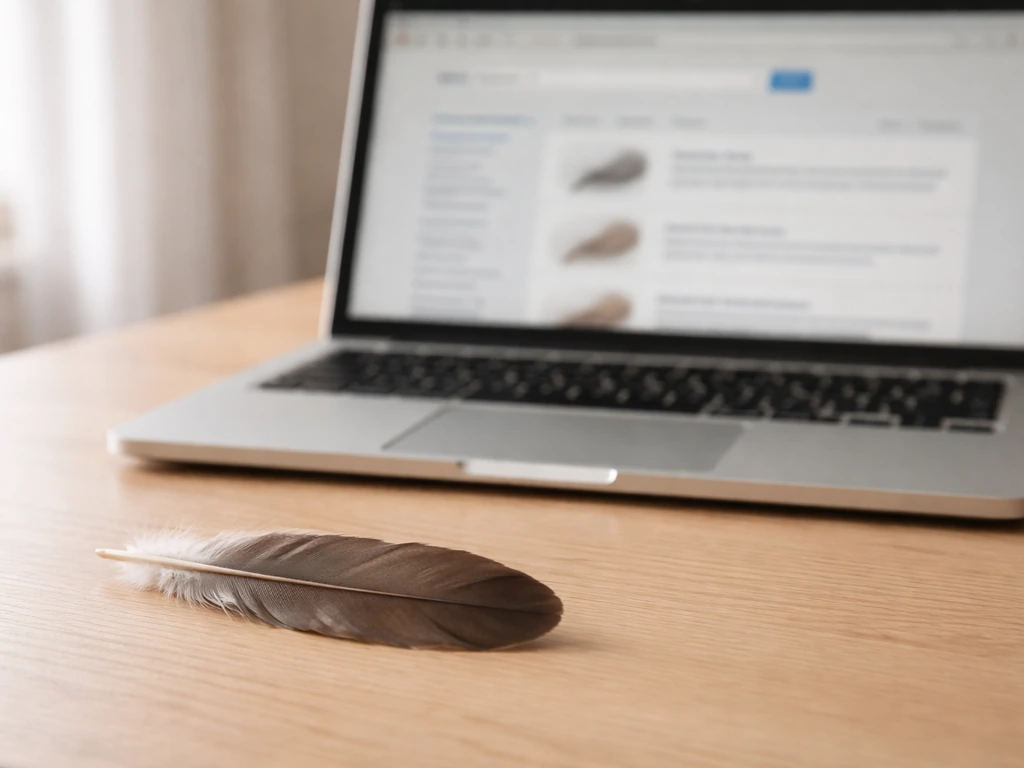
If you find a feather and want to know whether it is from a protected species, the FWS Feather Atlas is your best free tool. It is an online database run by the FWS Forensics Laboratory that lets you search by feather type, color pattern, and size to identify likely species. It is not always definitive, especially with small feathers, but it will tell you quickly if you are looking at a raptor or shorebird feather versus something from a non-native species.
For feathers from your own pet birds, identification is easy because you watched it fall. What you want to assess is quality. A healthy feather from a well-nourished bird will have a clean, unbroken vane with no stress bars (those faint horizontal lines across the feather that indicate the bird was nutritionally stressed or ill during that feather's growth). Feathers with stress bars are still fine to keep but tell you something worth noting about your bird's health history.
- Inspect the feather shaft (rachis) for cracks or brittleness, which suggest poor feather condition
- Look at the vane for symmetry; lopsided feathers can indicate a health issue during molt
- Check the base of the feather for any dark residue or debris that might indicate mites or feather lice
- If the feather smells musty or has visible discoloration, do not keep it without thorough cleaning first
How to clean and sanitize feathers properly
Even a feather from your own healthy pet bird deserves a basic cleaning before you handle it frequently or display it. Wild-found feathers (from permitted non-native species) need more rigorous treatment. The goal is to remove bacteria, mites, feather lice, and any environmental debris without destroying the feather's structure.
- Start with a gentle hand wash in warm (not hot) water with a tiny drop of dish soap. Gently stroke the feather from base to tip, following the direction of the barbs. Avoid scrubbing or working against the grain.
- Rinse thoroughly under running warm water until all soap is gone. Residual soap will make the feather look dull.
- Gently shake off excess water and lay the feather flat on a clean towel or paper towel to air dry. Do not use heat. Hair dryers and direct sunlight will warp or bleach the feather.
- Once dry, place the feather in a sealed plastic bag with a small cedar block or a few dried bay leaves for 48 to 72 hours. Cedar and bay are natural mite deterrents and will handle any remaining pests without chemicals.
- If you are dealing with a feather from an unknown source and want extra assurance, a 70% isopropyl alcohol spray (applied lightly and allowed to dry) can help kill surface pathogens without destroying most feathers. Test a small area first.
One thing to avoid: do not use pest strips, mothballs, or DEET-based insect repellents near feathers you plan to handle or display in a home with birds. These are toxic to pet birds even at low concentrations.
Storing and displaying feathers without damage
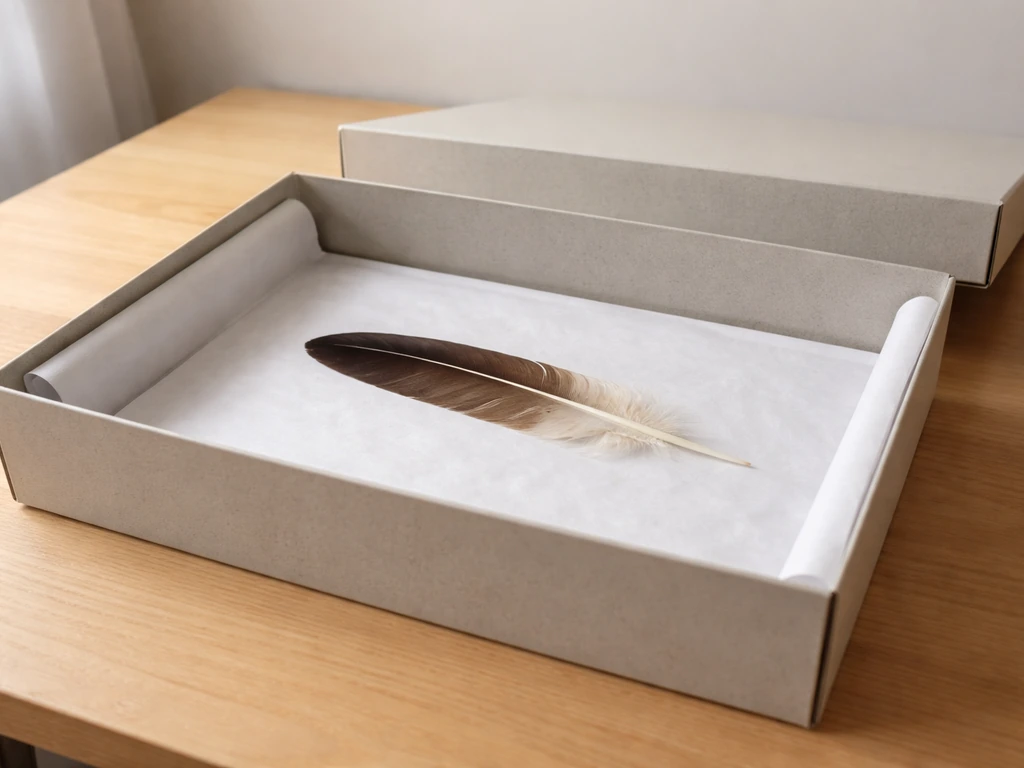
Once clean, feathers need a stable environment. Humidity is the main enemy. A damp storage space causes mold and attracts mites. Direct sunlight bleaches and degrades the feather structure over months. Heat fluctuations cause warping. Here is what actually works for long-term storage and display.
- For storage: keep feathers flat in acid-free tissue paper inside a lidded archival box, with a cedar block nearby. Store in a cool, dry room away from windows.
- For display: frame feathers behind UV-protective glass or acrylic. Standard picture-frame glass lets through UV light that will fade colors over time, especially in reds and yellows.
- If you want an unfr amed display, a sealed glass dome or cloche works well and protects from dust, humidity, and handling.
- Check stored feathers every few months for any signs of mites, which look like fine dust or tiny moving specks at the base of the feather shaft.
- Keep displayed feathers away from air vents, humidifiers, and kitchens where grease particles and moisture in the air will accumulate on them.
Using feathers around your pet bird: the real risks and smarter alternatives
A lot of first-time bird owners assume that feathers are a natural enrichment item and therefore safe. The logic makes sense on the surface, but the reality is more complicated. Feathers from outside your bird's own environment can carry feather lice, mites, bacteria, and even viral pathogens that your bird has no immunity to. Even a clean-looking feather from a wild bird is a potential disease vector when introduced to a pet bird's space.
There is also the ingestion risk. Some birds, especially parrots, will chew on anything novel in their environment. A feather can be shredded and partially swallowed, and while a small amount of feather material usually passes harmlessly, a bird obsessively chewing on feathers can develop a habit that bleeds into feather-destructive behavior toward their own plumage. That is a problem that is hard to reverse.
If you specifically want feather-based enrichment for your pet bird, the safest option is to use feathers that your own bird shed. They already carry that bird's own microbiome, there are no foreign pathogens involved, and many birds actually enjoy interacting with their own shed feathers during play. Beyond that, these alternatives give you the enrichment benefit without the risk:
- Commercially sold bird toys made with sterilized natural fibers (seagrass, palm leaf, cotton) that mimic the tactile experience of preening without the pathogen risk
- Foraging toys that hide treats inside woven or layered materials, giving the bird the shredding satisfaction without introducing foreign biological material
- Paper-based shredding toys, which are inexpensive, safe, and consistently popular with parrots and cockatiels
- Peer interaction or supervised social time, which addresses the underlying need for sensory and social stimulation better than any object
The short version: do not bring wild feathers into your bird's cage or play space. It is not worth the disease risk when safe alternatives are this easy to find.
What to do if you find a live or injured bird
Finding a grounded bird and finding a feather on the ground are related situations that first-time bird enthusiasts often handle incorrectly. If you are only trying to collect a feather, focus on legality first and stick with feathers from domesticated pet birds or permitted sources pick up. If you come across a bird that appears injured, sick, or unable to fly, the instinct to pick it up and help is understandable, but there are a few things to know before you act.
- Do not assume a bird on the ground is injured. Fledglings (young birds learning to fly) are often found on the ground and are being monitored by their parents nearby. If the bird is fully feathered and hopping around, it is almost certainly a fledgling. Leave it where it is or move it to a nearby shrub if it is in immediate danger from traffic or predators.
- If the bird is clearly injured (visible wound, unable to stand, eyes closed, labored breathing), contain it gently in a cardboard box with air holes and a soft cloth at the bottom. Do not offer food or water. Keep it dark, quiet, and warm.
- Contact a licensed wildlife rehabilitator as quickly as possible. In the U.S., you can find your nearest rehabilitator through the National Wildlife Rehabilitators Association or your state's wildlife agency. Do not attempt to rehabilitate the bird yourself without a license.
- Do not keep the bird as a pet or attempt to nurse it to health at home long-term. Keeping a wild bird without a permit is illegal, and most wild birds do not thrive in captivity without specialized care.
- Wash your hands thoroughly after handling any wild bird, and keep the bird away from your pet birds entirely. Even brief contact is enough to transfer respiratory pathogens.
The most important rule: act quickly and hand off to a professional. Wildlife rehabilitators are trained and permitted to do what you legally and practically cannot. The best thing you can do for a sick or injured wild bird is get it to someone qualified within a few hours.
A quick comparison: feather sources and what you can do with them
| Feather Source | Legal to Keep (U.S.) | Safe to Handle | Safe Near Pet Birds |
|---|---|---|---|
| Your own pet parrot or cockatiel | Yes | Yes, after basic cleaning | Yes (their own feathers only) |
| Domestic chicken or farm poultry | Yes | Yes, after cleaning | Use caution, clean thoroughly |
| Peacock (farmed/purchased) | Yes | Yes, after cleaning | Keep away from bird's cage |
| European starling or house sparrow (non-native) | Yes (MBTA excluded) | Clean thoroughly, pest-check | No, parasite risk too high |
| Wild native songbird (robin, jay, etc.) | No (MBTA protected) | High pathogen risk | No |
| Raptor (eagle, hawk, owl) | No (multiple laws) | High risk | No |
| Unknown wild bird feather | Assume no | Unknown risk | No |
Common mistakes to avoid
- Assuming a feather found on the ground is legal to keep because "the bird left it there." It is not, if the bird is a protected native species.
- Skipping sanitation because a feather looks clean. Mites and bacteria are not visible to the naked eye.
- Introducing found feathers into your pet bird's environment as enrichment. This is one of the fastest ways to introduce parasites to your flock.
- Displaying feathers in direct sunlight without UV-protective glass, then wondering why the colors faded within a season.
- Using mothballs or chemical pest strips near feathers stored in a home with birds. These are highly toxic to avian respiratory systems.
- Attempting to rehabilitate a grounded wild bird at home without contacting a licensed wildlife rehabilitator first.
FAQ
If I found a feather on the ground, do I automatically have the right to keep it?
A “license” is not the same thing as “no permit needed.” For protected native wild birds, general possession is typically still prohibited, even if you found the feather already detached. If you are trying to keep feathers from wild North American species, treat it as a permit situation and confirm the specific species and your intended use with the FWS (or the relevant authorized repository if you qualify).
What if I buy feathers online or at a craft store, can I just keep them if they look “common”?
Yes. For pet species, the safer category is feathers from birds that are legally held in your home or another permitted setting (for example, your own parakeets, cockatiels, parrots, or domestic chickens/peacocks). If you are buying feathers from an unknown seller, ask what species the feathers come from and whether they are sourced from a permitted or non-wild stock. If the seller cannot document origin, assume it is not safe legally.
How can I tell which species my feather is from if the feather is small or looks dyed?
Identification is never perfect, especially with small feathers, juveniles, molt feather fragments, or dyed feathers. A practical approach is to do two checks: (1) use the FWS Feather Atlas for an initial species likelihood, and (2) if the result could plausibly be a protected wild bird, do not store it for long-term use until you can verify the origin. When in doubt, do not use it around pet birds.
Are feathers with stress bars still safe to keep from my own pet bird?
You can keep feathers from your own pet bird, but you should still watch feather condition and source quality. Stress bars can indicate nutritional stress during that feather’s growth, so it is a good prompt to review diet, supplements, and recent health changes. If your bird seems unwell, consult an avian vet rather than treating the feather as “proof” everything is fine.
Can I disinfect wild feathers at home so they are safe for my pet bird?
Clean does not mean safe for your bird. Even if a feather looks spotless, it can still carry mites, feather lice, or microorganisms. If the feather is from outside your bird’s own environment, do not place it in the cage or let your bird chew it. For any feather you are unsure about, assume higher risk until you can confirm it is from a trusted non-wild or permitted source.
What pest-control methods are safe if I’m storing feathers in my home with birds?
Avoid any chemical insect control products near feathers that birds can contact. Pest strips, mothballs, and DEET-based products can be toxic to pet birds and residue can transfer. If you need to reduce pests in your storage area, use bird-safe, indirect methods like sealed containers and a clean, dry environment instead of aerosolized or fumigant-type products.
How should I store feathers long-term so they do not get moldy or damaged?
A stable storage routine matters more than occasional cleaning. Use a sealed container, keep humidity low, avoid damp basements, and store out of direct sunlight to prevent bleaching and structural breakdown. Also consider storing feathers separately from your bird supplies (to reduce accidental access) and label the source if you know it.
What is the safest way to use feathers for enrichment in a parrot or other chewer?
If your goal is enrichment, the lowest-risk option is feathers your own bird shed, since your bird is already adapted to its own microbiome. If you need additional texture or variety, use feathers that are clearly from pet or other non-wild legal sources. Do not rely on “collection” from outdoors as the enrichment strategy, especially for parrots that chew.
If I need native wild bird feathers for a legitimate cultural purpose, what should I do first?
If you want feathers for a cultural or ceremonial need involving native wild species, the responsible next step is to ask the FWS about the specific authorization path and whether any repository or permit applies to your situation. Do not assume a general cultural exception exists. Plan ahead, because approvals can be species-specific and use-specific.
What should I do if I find a wild bird that looks injured or unable to fly?
If you find a sick, injured, or grounded wild bird, the safest move is to contact a licensed wildlife rehabilitator and do not keep it yourself. While you wait, minimize handling and do not feed it unless the rehabilitator instructs you. The same “act quickly and hand off” approach applies, because small delays can reduce survival odds.
Next Articles
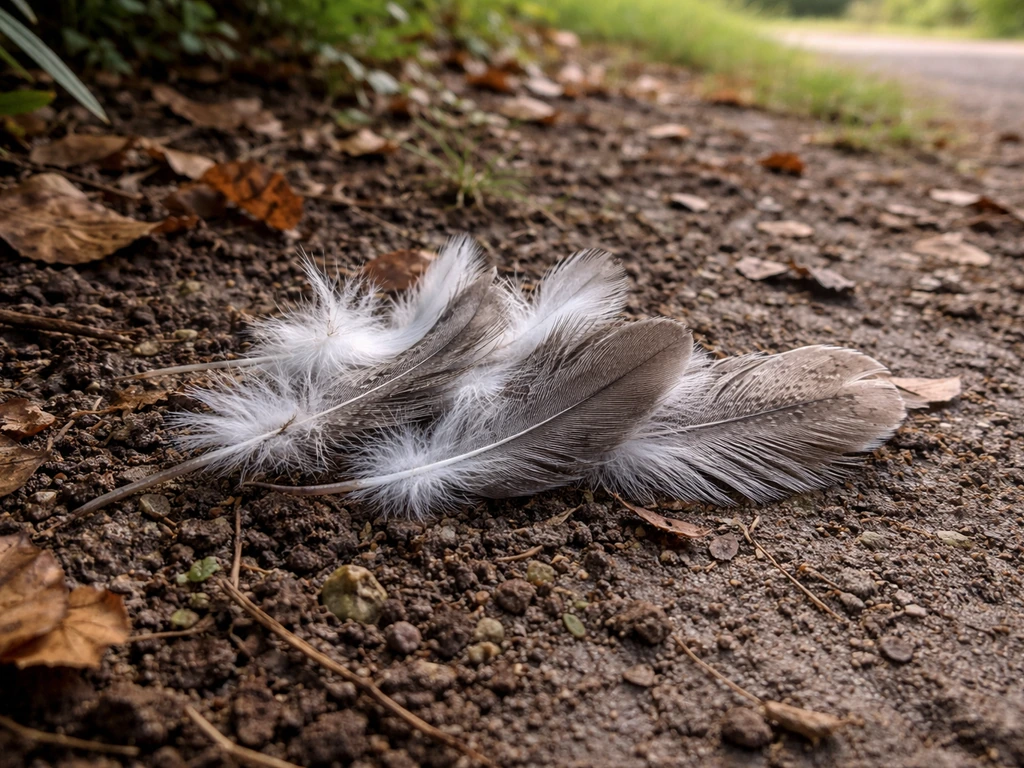
Can You Collect Bird Feathers? What’s Legal and OK
Learn when collecting shed bird feathers is legal and ethical, how to handle safely, and key cautions for pet-bird homes
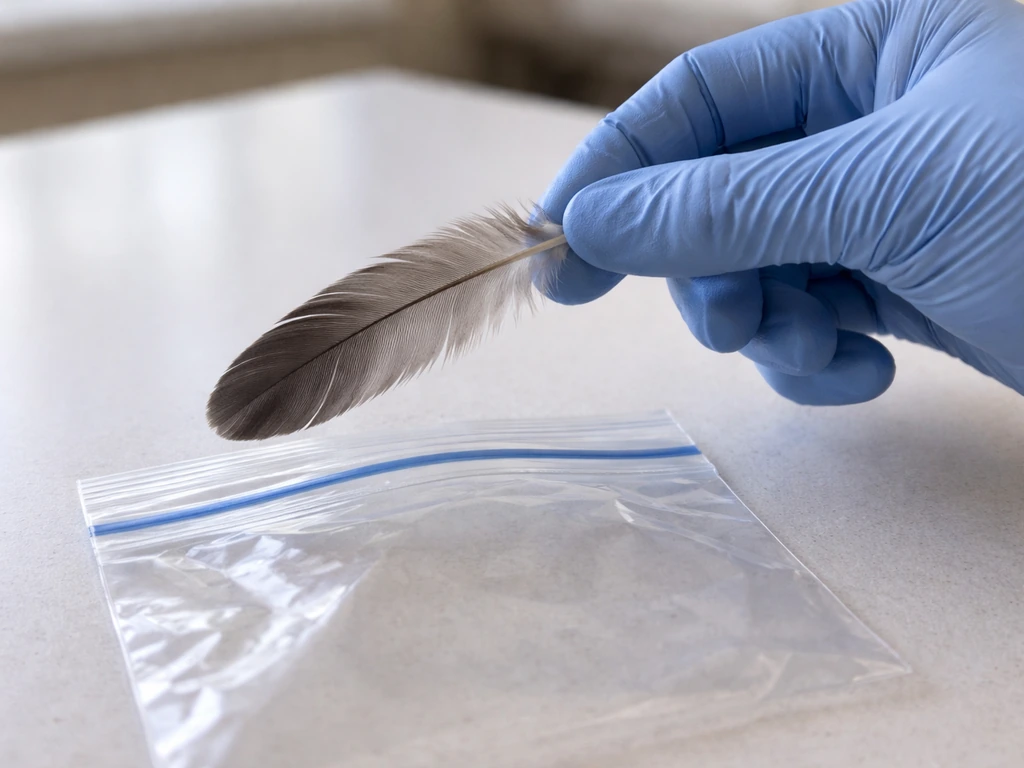
Can You Pick Up Bird Feathers Safely? What to Do
Learn when you can safely pick up loose bird feathers, how to handle and clean them, and protect pet birds from parasite
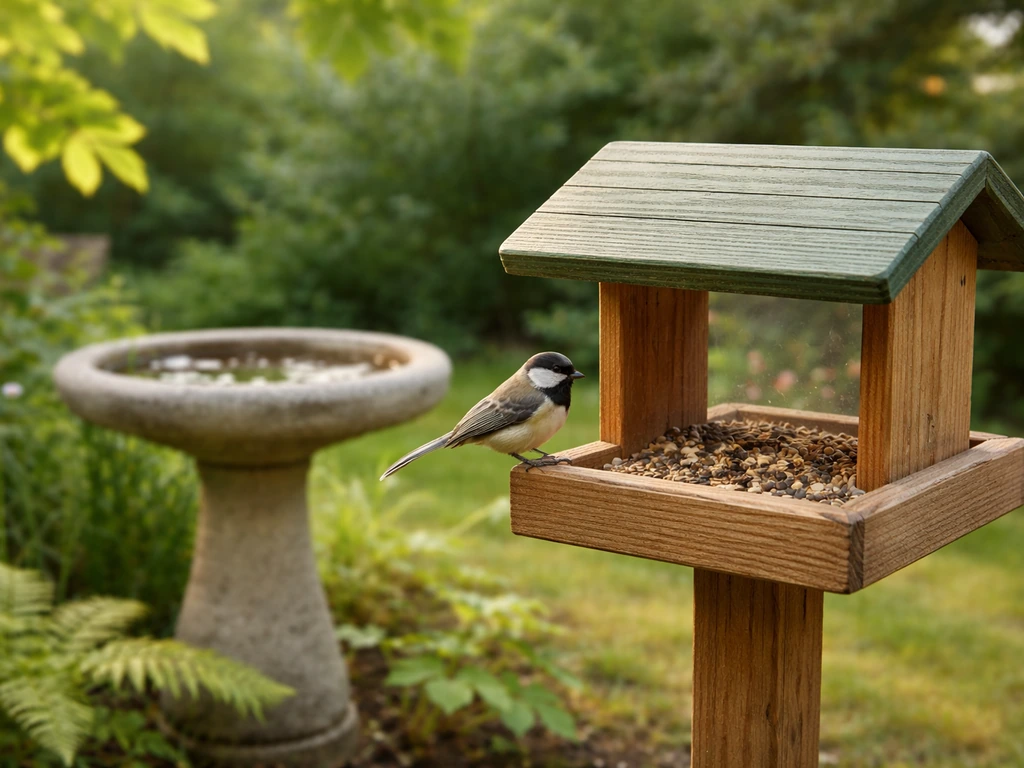
Garden Bird Checklist: Wild Species, IDs, and Tracking Tips
Ready-to-use wild garden bird checklist with IDs, field marks, tracking tips, and a bird station setup for beginners.