To keep a pet bird safely and happily, you need a correctly sized cage with appropriate bar spacing, species-appropriate food, fresh water in a clean bowl, a variety of safe perches, a few engaging toys, basic cleaning supplies, and an environment free from fumes, drafts, and household hazards. You can use this checklist of essentials to figure out what a bird needs for a safe, healthy daily routine. That's the core of it. Everything else builds on that foundation, and knowing which items to prioritize first is what separates a smooth setup from an expensive, stressful scramble. Everything else builds on that foundation, and knowing which items to prioritize first is what separates a smooth setup from an expensive, stressful scramble, which you can expand on with what do you need for a pet bird.
What Do You Need for a Bird? Beginner Supplies Checklist
Start with the right bird for your lifestyle
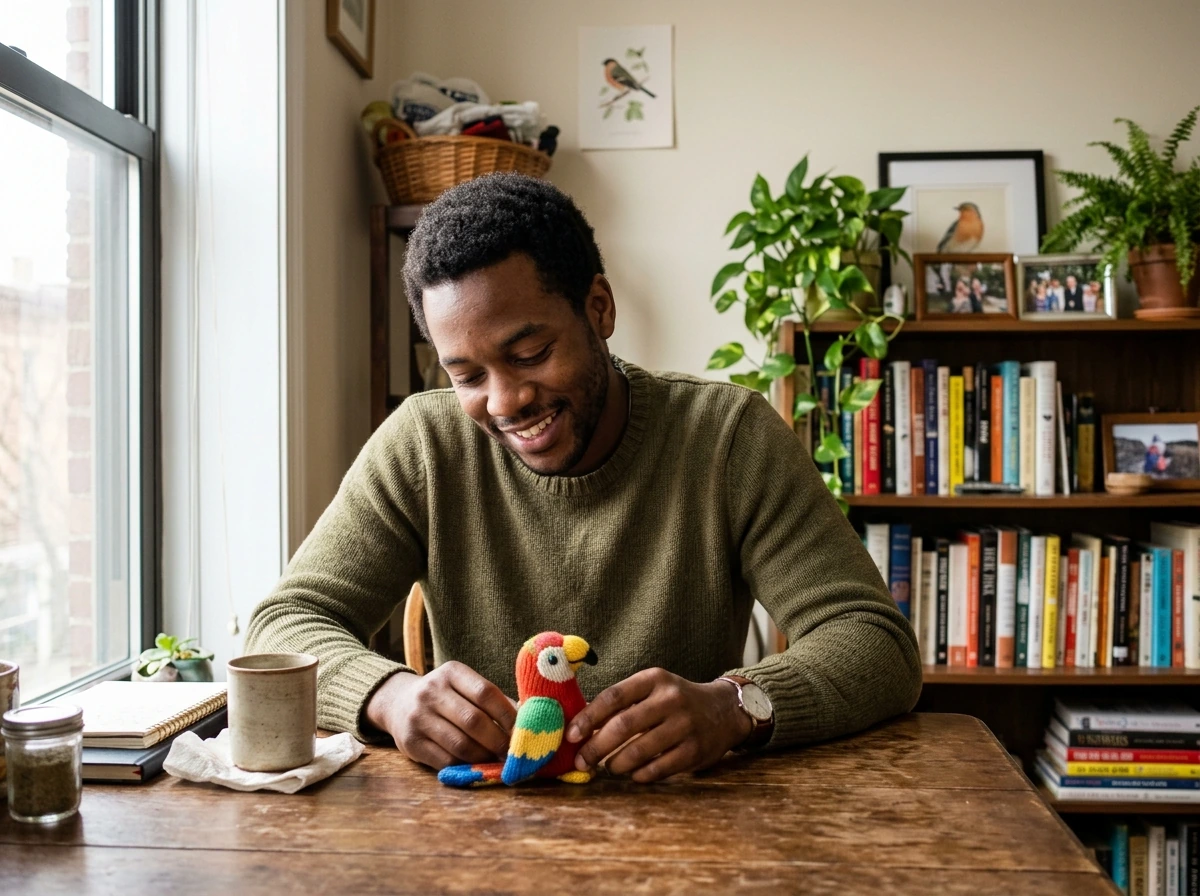
Before you buy a single perch or a bag of pellets, the most important decision is which species actually fits your life. This is where most first-time owners go wrong. They fall for a bird at the pet store without thinking through noise tolerance, daily time commitment, or how much space they realistically have. Getting this right makes everything else much easier.
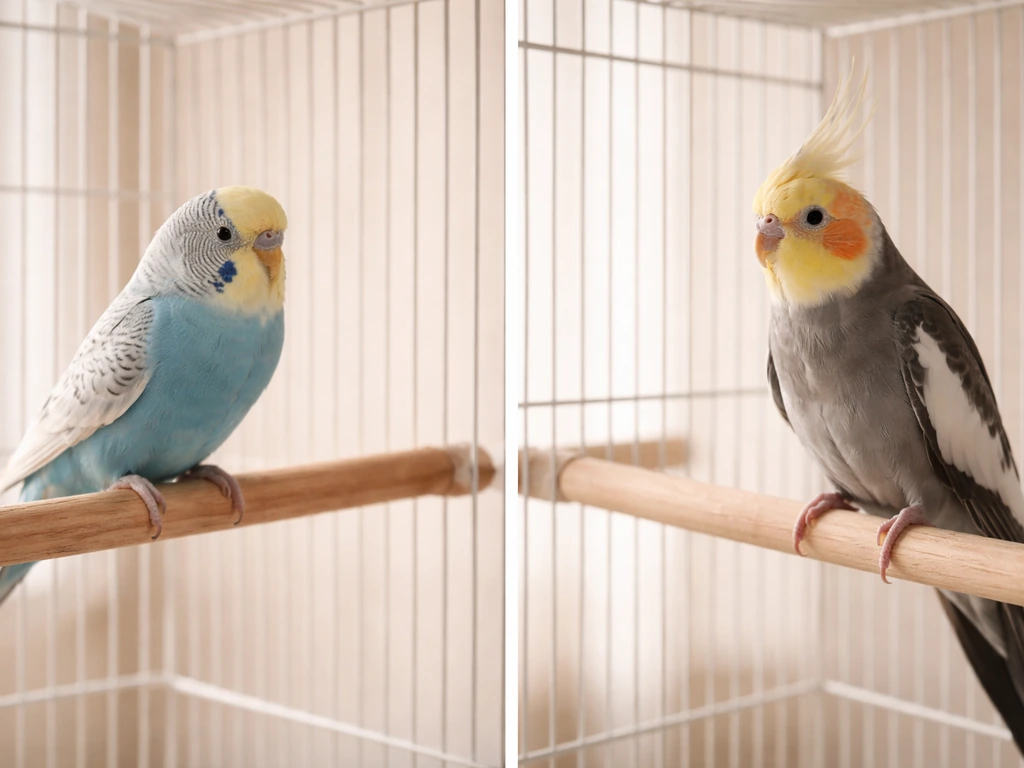
For beginners, the best starting points are budgerigars (budgies), cockatiels, parrotlets, and lovebirds. All four are manageable in size, relatively forgiving of rookie mistakes, and available with solid vet care in most areas. Budgies are the easiest entry point: quiet enough for apartments, affordable to house, and genuinely affectionate when socialized well. Cockatiels are a step up in personality and noise, but they're hardy and bond closely with their owners. Lovebirds and parrotlets are feistier and need consistent daily handling, but they're compact and don't require a massive cage footprint.
What you need to ask yourself before buying: Can you commit to one to two hours of out-of-cage interaction daily? Do you have other pets that could stress or harm a bird? Are you in a noise-sensitive living situation? Can you afford an avian vet checkup, which typically runs $75 to $150 for an initial exam? Honest answers to those questions will steer you to the right species faster than any pet store recommendation.
Essential cage and habitat setup supplies
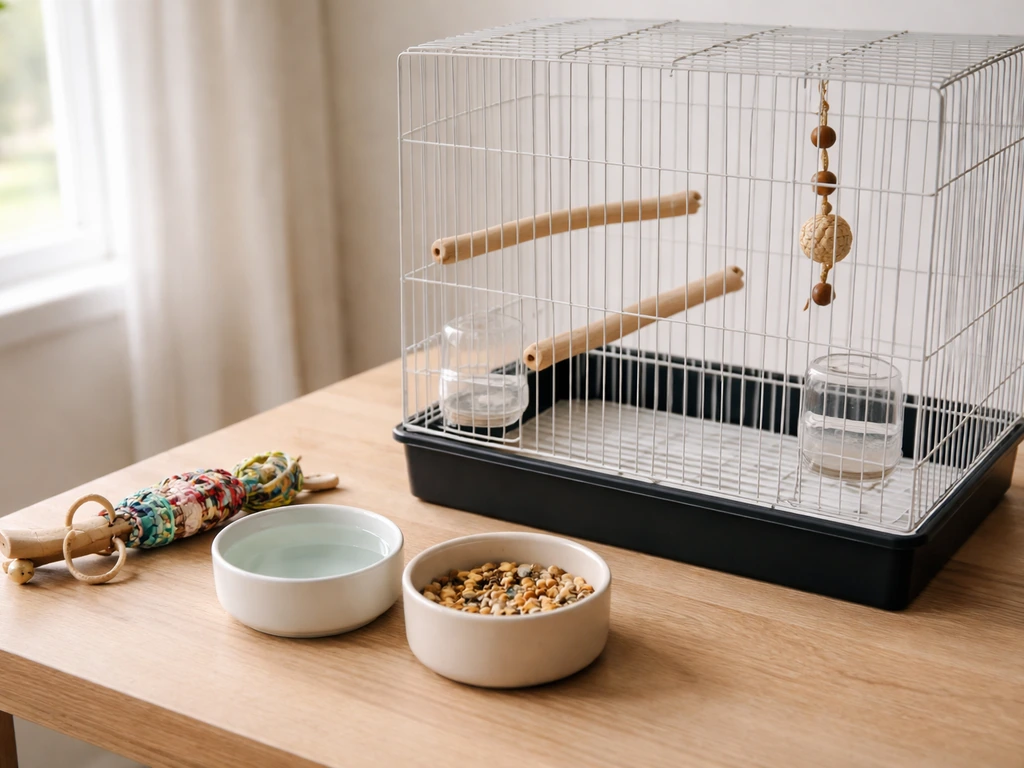
The cage is the single most important purchase you'll make, and it's also where beginners most often underestimate what they actually need. The rule of thumb is simple: bigger is always better, and bar spacing must match your species. A Merck Veterinary Manual recommendation is that a bird’s cage should be at least one and a half times the bird’s wingspan in all directions, so the bird has room to stretch blank" rel="noopener noreferrer">one and a half times the wingspan in all directions. The Merck Veterinary Manual specifies a minimum enclosure size of 20 × 20 × 30 inches for budgies, cockatiels, lovebirds, and parrotlets, with a maximum bar spacing of 0.5 inches. Those bar spacing numbers are not suggestions. A gap that's too wide can trap a bird's head or foot, and that's a genuine emergency situation.
When you're shopping, treat the minimum size as a floor, not a target. A budgie in a 20 × 20 × 30 inch cage will survive, but a bird in a cage twice that size will thrive. The extra space allows more perch placement variety, room for toys without crowding, and more exercise between out-of-cage sessions. If budget is tight, it's better to buy a slightly larger used cage and clean it thoroughly than to buy a brand-new cage that's barely minimum size.
Beyond the cage itself, you'll need a cage cover for nighttime (birds need 10 to 12 hours of darkness and quiet sleep), a sturdy cage stand or a stable surface at roughly chest height, and cage liners. Plain newsprint or paper-based cage liners work well and make daily cleanup fast. Avoid cedar shavings, corn cob, and walnut shell bedding on cage floors because they can harbor mold or harbor bacteria when wet. A simple flat paper liner changed daily is genuinely the best option.
| Species | Minimum Cage Size | Max Bar Spacing | Beginner Friendliness |
|---|---|---|---|
| Budgerigar (Budgie) | 20 × 20 × 30 inches | 0.5 inches | Excellent |
| Cockatiel | 20 × 20 × 30 inches | 0.5 inches | Excellent |
| Lovebird | 20 × 20 × 30 inches | 0.5 inches | Good (needs daily handling) |
| Parrotlet | 20 × 20 × 30 inches | 0.5 inches | Good (can be feisty) |
Food, feeding tools, and safe water setup
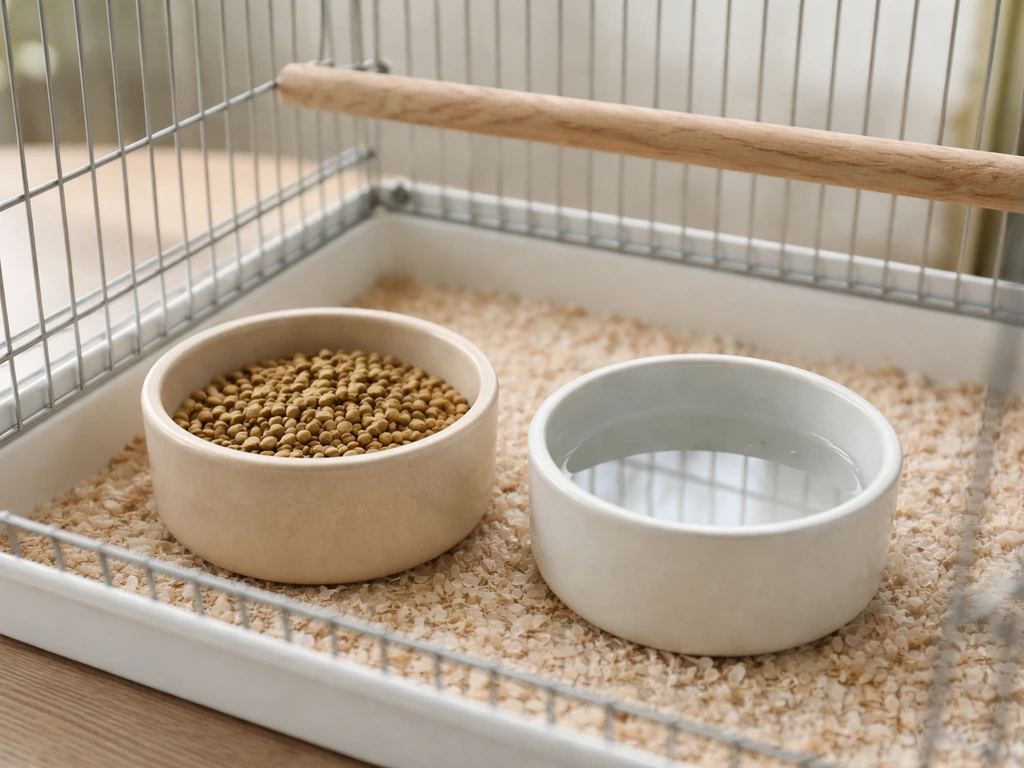
Here's a myth worth busting immediately: an all-seed diet is not adequate for any pet bird. Seeds are high in fat and low in the vitamins and minerals birds need for long-term health. The gold standard diet for small to mid-sized parrots is a pelleted base (roughly 60 to 70 percent of the diet) supplemented with fresh vegetables, leafy greens, and occasional fruit. Seeds can be offered as treats or foraging rewards, but they shouldn't be the main event. Brands like Harrison's, Roudybush, and Zupreem make quality pellets sized for small birds.
For feeding tools, you need at minimum two heavy ceramic or stainless steel food bowls: one for pellets and dry food, one for fresh foods. Plastic bowls scratch over time and can harbor bacteria in those scratches, so stainless or ceramic is worth the slightly higher upfront cost. Many cages come with cheap plastic cups. Replace them. You'll also want a separate water bowl or a sipper-style water bottle. Water bottles keep the water cleaner longer, but some birds take time to learn to use them, so start with a bowl and transition gradually if you prefer bottles.
Water should be changed at minimum once daily, more often if the bird is dunking food into it (which they will). Room-temperature filtered or tap water that sits for a few minutes to off-gas chlorine is fine for most birds. Avoid distilled water long-term as it lacks trace minerals. Fresh water is one of those things that sounds boring until you realize how quickly a stagnant bowl becomes a bacterial soup. How much water a bird needs varies by species, size, and diet, but keeping the supply fresh matters far more than measuring the exact volume.
- Pelleted bird food sized for your species (Harrison's, Roudybush, or Zupreem are solid starting options)
- Fresh vegetables and leafy greens for daily supplementation (kale, broccoli, bell pepper, carrot)
- Two stainless steel or ceramic food bowls per bird
- One stainless steel or ceramic water bowl (or a bird-safe water bottle as a secondary option)
- Small treat seeds or millet sprays for training and bonding
- A list of foods to avoid: avocado, onion, garlic, chocolate, caffeine, alcohol, and high-salt processed foods
Perches, toys, and enrichment for daily engagement
Perches are not all the same, and treating them as an afterthought is one of the most common beginner mistakes. A bird spends nearly its entire cage life on perches, and the wrong type leads to foot problems fast. You want variety in diameter, texture, and material. Natural wood perches from bird-safe trees like manzanita, dragonwood, or Java wood are ideal because the varying diameter works the foot muscles and prevents pressure sores. Aim for at least two to three perches of different diameters placed at different heights. The dowel rod perches that come standard in most cages are the worst option. Use them as a placeholder for the first day, then replace them.
Rope perches made from natural cotton or sisal add a comfortable, pliable option and most birds love them. Avoid synthetic ropes or those with loose threads your bird could get tangled in. Cement or sandy perches serve double duty as a nail file and are fine to include as one option, but don't make them the only perch type since the abrasive texture can irritate feet if used constantly.
For toys, the goal is cognitive engagement, not just decoration. When you're preparing for bird watching, having the right bird-safe setup and enrichment helps keep a bird calmer and more engaged, which can make observations easier toys. Birds need foraging opportunities, manipulable objects, and novelty. Rotate toys every one to two weeks so the bird doesn't habituate to them. A good starter toy kit includes a foraging toy that hides food inside, a shreddable toy (palm leaf, cork, or paper-based), a foot toy the bird can hold and manipulate, and one mirror toy for single birds (use sparingly with some species as they can become obsessive). Avoid toys with zinc or lead hardware, loose string loops that could catch toes, or tiny parts that could be swallowed.
A playstand or tabletop gym outside the cage is worth considering as a secondary enrichment space. It gives the bird a designated out-of-cage territory for supervised free time, which makes those daily interaction sessions much easier to manage.
Cleaning and maintenance essentials
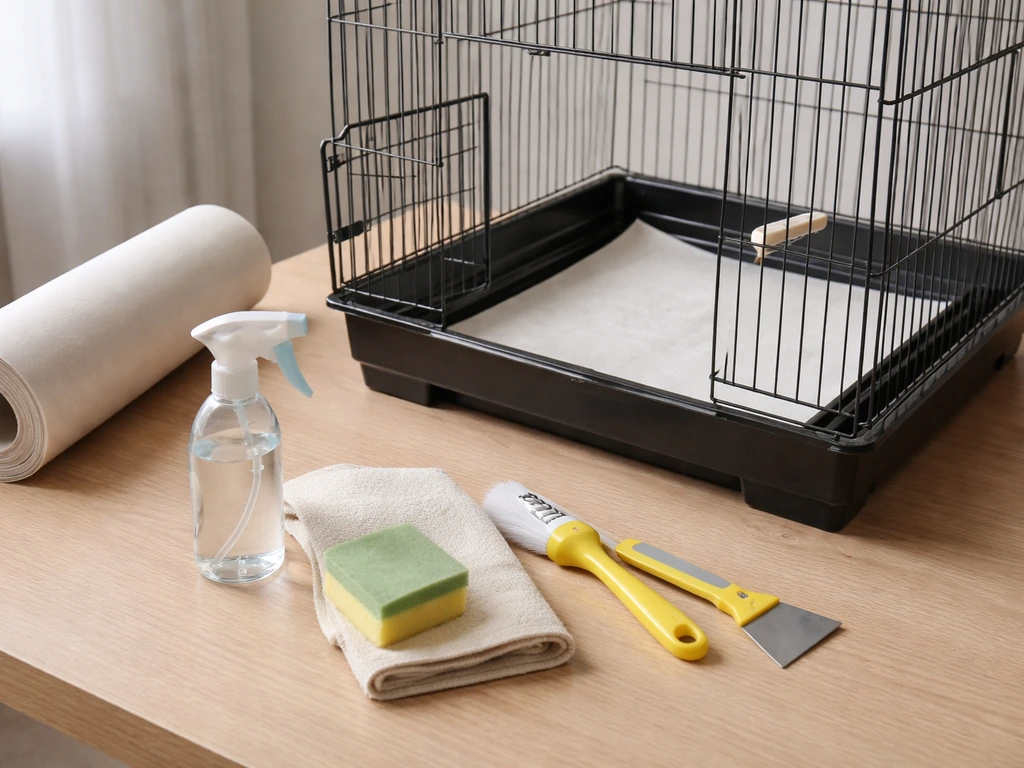
Keeping a bird's environment clean is not optional. Merck Veterinary Manual also stresses disease prevention through proper sanitation and environmental enrichment, including appropriate diet and cage setup Overview of Pet Birds. Dirty cages breed bacteria and mold, and birds have sensitive respiratory systems that make them far more vulnerable to airborne pathogens than we are. The good news is that a solid daily routine takes about five to ten minutes once you're set up properly.
For daily cleaning you need: a roll of plain newsprint or paper-based cage liner, a small brush or scraper for stuck debris, and bird-safe disinfectant spray. This last item matters enormously. Household cleaners like bleach-based sprays, Pine-Sol, Lysol, and most scented disinfectants are toxic to birds. Stick to diluted white vinegar (1:1 with water) for everyday cleaning or products specifically labeled as bird-safe, such as F10SC veterinary disinfectant or Poop-Off. Rinse thoroughly after any cleaning and let surfaces dry before putting the bird back.
- Paper cage liners (plain newsprint or commercial cage liners, changed daily)
- Small cage scraper or stiff-bristled brush for perch and bar debris
- Bird-safe disinfectant: diluted white vinegar or a vet-grade product like F10SC
- Separate set of cleaning cloths kept exclusively for cage use
- Small hand vacuum or dustbuster for feather and dander cleanup around the cage area
- Weekly: full cage wipe-down with all perches and bowls removed and soaked
Weekly deep cleaning should involve removing all cage accessories, soaking perches and bowls in hot soapy water, scrubbing the cage bars and tray, rinsing completely, and air-drying before reassembly. It sounds like a lot, but with a good setup it becomes a 20-minute task, not an afternoon project.
Safety basics: air quality, hazards, and comfort settings
This is the section that catches most beginners completely off guard, because the hazards aren't obvious. Birds have an extremely efficient respiratory system that makes them hypersensitive to airborne toxins. The classic example is PTFE (polytetrafluoroethylene), the non-stick coating on Teflon-brand and similar cookware. When overheated, non-stick coatings release fumes that can kill a bird within minutes. This is not an exaggeration. If you cook with non-stick pans, either replace them with stainless steel or cast iron before the bird arrives, or make sure the kitchen is completely sealed off from any airflow reaching the bird. The cage should never be in or adjacent to the kitchen.
Beyond non-stick cookware, the list of airborne hazards includes scented candles, plug-in air fresheners, aerosol sprays (hairspray, perfume, cleaning sprays), cigarette and vape smoke, incense, and paint or solvent fumes. If it has a smell and it's not food, assume it's a potential problem until you verify otherwise. This isn't paranoia. It's just the reality of keeping an animal with a respiratory system tuned for high-altitude flight.
Temperature-wise, most companion birds do best in the 65 to 80 degrees Fahrenheit range. Avoid placing the cage near drafty windows, air conditioning vents, or heating ducts. If you're thinking about taking your bird outside or handling wet-weather situations, it helps to also understand what a bird needs in the rain so you can keep them safe and comfortable. A stable temperature matters more than the exact number. Sudden temperature swings stress birds quickly. Place the cage in a room where you spend time (birds are social and need to feel included), against a wall (not in the center of a room where they feel exposed), and ideally at chest height or above, since birds feel more secure when elevated. If your bird might be exposed to rain, focus on keeping the cage sheltered, dry, and free from drafts so the bird stays comfortable and safe what does a bird need in the rain batman.
- Never use non-stick or PTFE-coated cookware anywhere near your bird's air space
- Ban scented candles, plug-in fresheners, and aerosol sprays from bird-accessible rooms
- Keep the cage away from kitchens, drafts, direct AC or heat vents, and exterior windows with extreme temperature fluctuation
- Maintain room temperature between 65 and 80°F with minimal daily fluctuation
- Use an air purifier with a HEPA filter near the cage to manage dander and dust (especially important for cockatiels, which are notoriously dusty)
- Supervise any out-of-cage time: ceiling fans, open water containers, mirrors, and other pets are all serious risks
One more thing on safety: have an avian vet identified before your bird comes home, not after. Regular avian vets are not the same as general small-animal vets. Find one in your area, get a new-bird wellness exam within the first few weeks, and keep the contact saved. If something goes wrong, you do not want to be searching for an avian specialist at midnight.
Priority shopping list and a step-by-step setup plan
Here's how to think about your purchases: buy the cage and core safety items first, get the bird second, and add enrichment gradually. Trying to have everything perfect before day one usually leads to overspending on the wrong things. Here's a practical breakdown.
Before the bird comes home (Week 1)
- Buy the cage: minimum 20 × 20 × 30 inches for small species, 0.5-inch maximum bar spacing, horizontal bars preferred for climbing
- Set up the cage location: wall placement, appropriate height, away from kitchen and air vents
- Replace any non-stick cookware in the home or seal off kitchen ventilation from the bird's room
- Stock up on paper cage liners and bird-safe cleaning solution
- Buy two stainless or ceramic food bowls and one water bowl
- Purchase a species-appropriate pelleted diet and a small bag of fresh vegetable staples
- Install two to three natural wood perches of varying diameters (remove the stock plastic dowels)
- Add one or two starter toys: a foraging toy and a shreddable toy
- Set up a cage cover for nighttime
- Locate and contact an avian vet to schedule a new-bird wellness exam
First month: settle in and expand
- Introduce fresh foods gradually alongside pellets as the bird adjusts to its new diet
- Add a rope perch and a cement/sandy perch to increase perch variety
- Begin rotating toys every one to two weeks to maintain novelty
- Set up a small HEPA air purifier near the cage, especially if you have a cockatiel or African grey
- Establish a daily routine: liner change, fresh food and water in the morning, light spot-clean in the evening
- Complete the avian vet wellness exam and keep a baseline health record
What can wait
- A playstand or cage gym (nice to have, but not day-one urgent)
- A full toy rotation library (build it over the first few months as you learn what your bird actually likes)
- A travel carrier (you'll need one eventually for vet trips, but it's not needed on day one if pickup is brief and in a secure box)
- Specialized foraging setups and advanced enrichment (let the bird settle for two to three weeks first)
The honest truth about setting up for a bird is that it's not complicated, but it does require getting the fundamentals right from the start. The cage size, bar spacing, food quality, and air safety are non-negotiable. Everything else, from the playstand to the toy rotation, is something you can build toward. Get those core things right and your bird will have a genuinely good life, even while you're still learning how to be a good bird owner.
FAQ
What do you need for a bird if you are not sure of the species yet?
If you do not know the species yet, buy a cage that is sized for a larger-than-you-think adult bird and has bar spacing that matches the likely species you are considering. Bar spacing is the safety limit, not “close enough,” so measure the gap on the exact cage model before ordering or bringing it home.
What do you need for a bird if it’s already eating only seeds?
Offer pellets as the base and limit seed to treats or foraging rewards. If your new bird is currently eating an all-seed diet, switch gradually over 2 to 4 weeks by mixing pellets into the old food, so you reduce the chance of refusing pellets or digestive upset.
What do you need for a bird’s feeding setup if you want to minimize mess?
Plan on at least one full set of bowls and a separate schedule for wet and dry foods, because the bowl you use for fresh foods will get more contaminated faster. Stainless steel or ceramic matters most for scrubability, and you should always rinse off old food residue before refilling.
What do you need for a bird if it won’t drink from the bowl?
If your bird refuses a water bowl and only plays in it, use a sipper-style bottle temporarily while you keep the bowl clean and available. Some birds need short training sessions (a few days) with both options so they can learn the bottle without going hours without drinking.
What do you need for a bird if you can only do out-of-cage time a few days a week?
Yes, but it should be part of the plan, not an emergency fix. Create a consistent out-of-cage routine (same room, same start time) and use a playstand as the default “safe zone,” so the bird is not stressed by sudden cage-only changes.
What do you need for a bird’s safety if you use scented products at home?
Even with safe air quality, avoid adding incense or aerosol products in any room the bird can access. Ventilation helps people, but bird exposure is about direct airflow and particles, so the safest approach is no scented sprays, no fragranced cleaners, and no smoking in the home.
What do you need to consider for where to place the cage so fumes do not reach your bird?
For cage placement, aim for stable airflow where the bird will not be hit by direct HVAC blasts. Also keep the cage away from kitchens even if you do not cook non-stick, because other aerosols and cooking vapors can be irritating or dangerous.
What do you need for a bird’s safety if you sometimes cook with non-stick pans?
If you must use non-stick pans, replace them with stainless steel or cast iron before the bird arrives. If you are temporarily not able to replace them, the key is eliminating any chance of bird exposure by moving the bird to a fully sealed, separate room during cooking and ensuring smoke-free, fume-free airflow.
What do you need to watch for with perches beyond choosing the right type?
Use natural perches with varying diameters, and replace them when they get rough, splintery, or frayed. If your bird has any foot irritation, stop using the offending perch type and switch to smoother bird-safe wood with less abrasion for a while.
What do you need for toy safety if your bird chews aggressively?
Do not guess on toy safety by appearance alone. Avoid any toy with hardware that can corrode or flake, check for loose threads after each cleaning or after rough chewing, and remove toys that shed strings or small parts.
What do you need to do if you miss a day or two of the daily cleaning routine?
If you can only do the weekly deep clean, still do the daily parts consistently. Deep cleaning is when you soak and scrub, but daily liner changes and prompt bowl washing prevent buildup of bacteria and mold that can worsen quickly.
What do you need to do when rotating toys so the bird doesn’t get stressed?
It helps to add a second perch or keep one “quiet” perch in the same spot so the bird has familiarity during changes. When rotating toys, replace one or two items at a time, and avoid moving the main feeding and sleeping areas so the bird does not stress about territory.
What do you need for nighttime coverage if your room is very bright or noisy?
Yes, for many birds a cage cover prevents sleep disruption, especially in households with light or noise at night. If your bird seems too hot or bothered, use a cover that allows airflow and ensures the cover does not touch heating sources or block ventilation.
What do you need to prepare for the first avian vet exam?
Before the first vet visit, start with a short “handling and restraint practice” routine at home so your bird is less likely to panic during transport. Keep the transport carrier ready, familiar, and lined with something non-slippery so the visit is safer for both you and the bird.
What Do You Need for Bird Watching: Beginner Gear List
Beginner bird-watching gear checklist: binoculars, field guide or app, comfy clothing, plus budget upgrades and first-tr