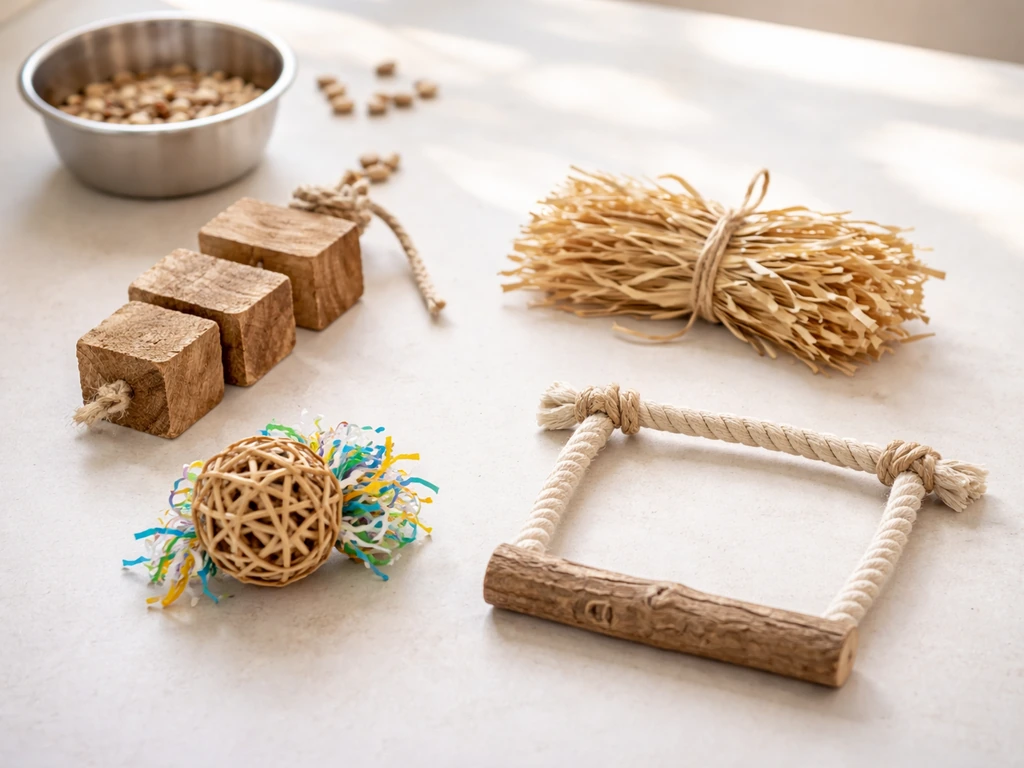
You can put most fabric bird cage accessories like cloth liners, perch covers, and cleaning cloths into a dryer, but only on a low-heat or air-dry setting after a proper hot wash. High heat can shrink or damage certain materials, and more importantly, skipping a thorough wash before drying just locks in contaminants rather than removing them. The dryer itself is not the dangerous step. Drying something that was never properly cleaned first is.
Can You Put Bird Dogs in the Dryer? Safe Options
Marcus Chen
23 May 2026
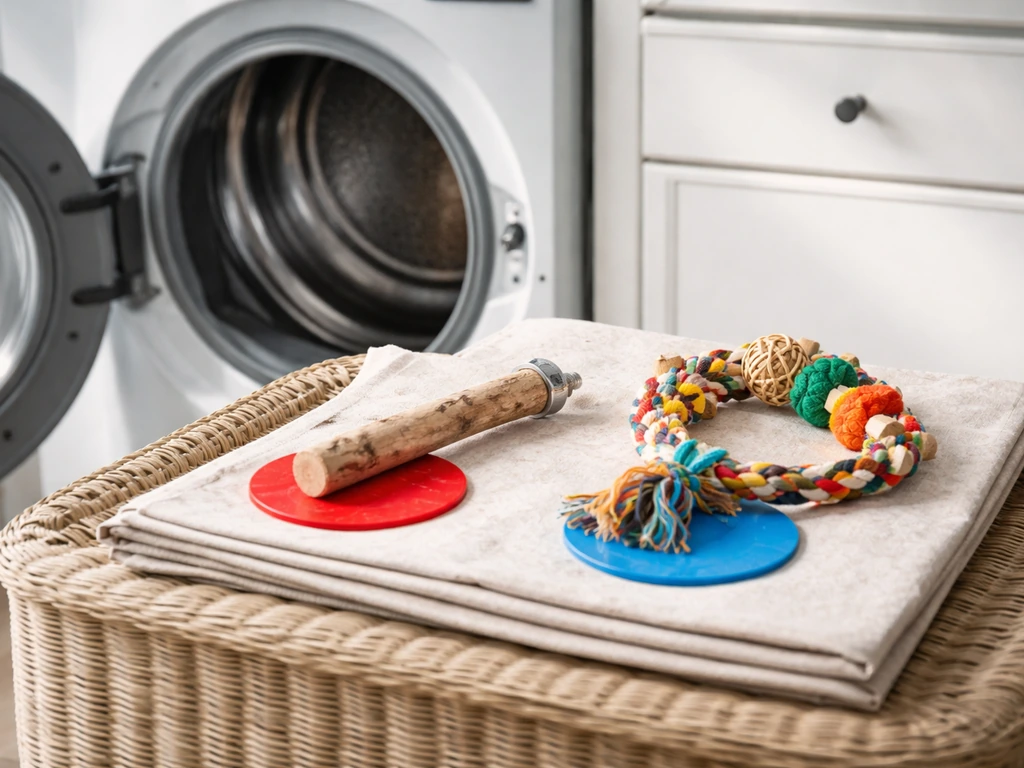
Wait, what are "bird dogs" exactly?
If you landed here after typing "bird dogs" into a search bar, you are almost certainly not asking about hunting dog breeds or the old-school slang term for a scout or recruiter (both legitimate uses of the phrase). In the context of caring for a pet bird, "bird dogs" is most likely a quick typo or autocorrect mishap for something like bird "liners," "cloths," or "cage covers. The Cambridge English Dictionary defines the term “[bird dog](https://dictionary. cambridge.
org/us/dictionary/english/bird-dog)” as a person who closely watches for or seeks out something, which can cause confusion if someone meant items related to “bird …” rather than dogs. " The items people most commonly want to toss in a dryer after cleaning their bird's space are fabric cage liners, fleece perch covers, soft rope toys, cleaning rags used around the cage, and small cotton bird tents or snuggle huts.
If that is what you meant, you are in exactly the right place. If you are genuinely asking about washing and drying a hunting dog after a day in the field, this is a pet bird website and we are the wrong stop for that one.
Dryer yes or dryer no?
The short version: a dryer is fine for most washable bird accessories as long as you follow two rules. If you are looking for a quick guide on what to give a bird in DS3 terms, make sure it matches what birds can safely eat and handle what to give bird ds3. First, always wash the item thoroughly before it goes in. Second, use low heat or the delicate/air cycle, not a hot regular cycle. Here is why both matter.
Bird droppings are not just a mess. They can carry bacteria, fungal spores, and other pathogens that thrive on moisture. Putting a dirty or only lightly rinsed item into a warm dryer gives those organisms a cozy, humid environment for the first part of the cycle before things actually dry out.
Chewy advises rinsing all bird-cage items thoroughly and letting them air-dry completely before putting them back in the cage rinsing items thoroughly and air-drying them completely before returning them to the cage. That is exactly the wrong sequence.
A proper hot machine wash (around 140°F / 60°C if the fabric label allows it) actually kills most bacteria and spores before drying even begins. The dryer then just finishes the job.
High heat is the other risk. Rope perch covers, fleece liners, and soft cotton accessories can shrink, pill, or even shed small fibers when run through a hot cycle. Those loose fibers become a hazard if they end up back in the cage, since birds explore everything with their beaks and feet. Low heat solves this. Most modern dryers have a "delicate" or "air fluff" setting that tumbles without much heat at all, and that is the one you want.
| Item Type | Dryer Safe? | Best Setting | Notes |
|---|---|---|---|
| Cotton cage liners / cage skirts | Yes | Low heat or air fluff | Check for shrinkage on first wash |
| Fleece perch covers | Yes | Air fluff only | High heat warps and pills fleece |
| Rope perch covers / rope toys | Use caution | Air dry preferred | Heat loosens rope fibers; inspect before reuse |
| Cotton bird tents / snuggle huts | Yes | Low heat | Check seams after drying; replace if fraying |
| Cleaning rags used around cage | Yes | Normal/low heat | Wash separately from household laundry |
| Food dish covers (fabric) | Yes | Low heat | Must be completely dry before food contact |
How to clean and dry bird accessories safely
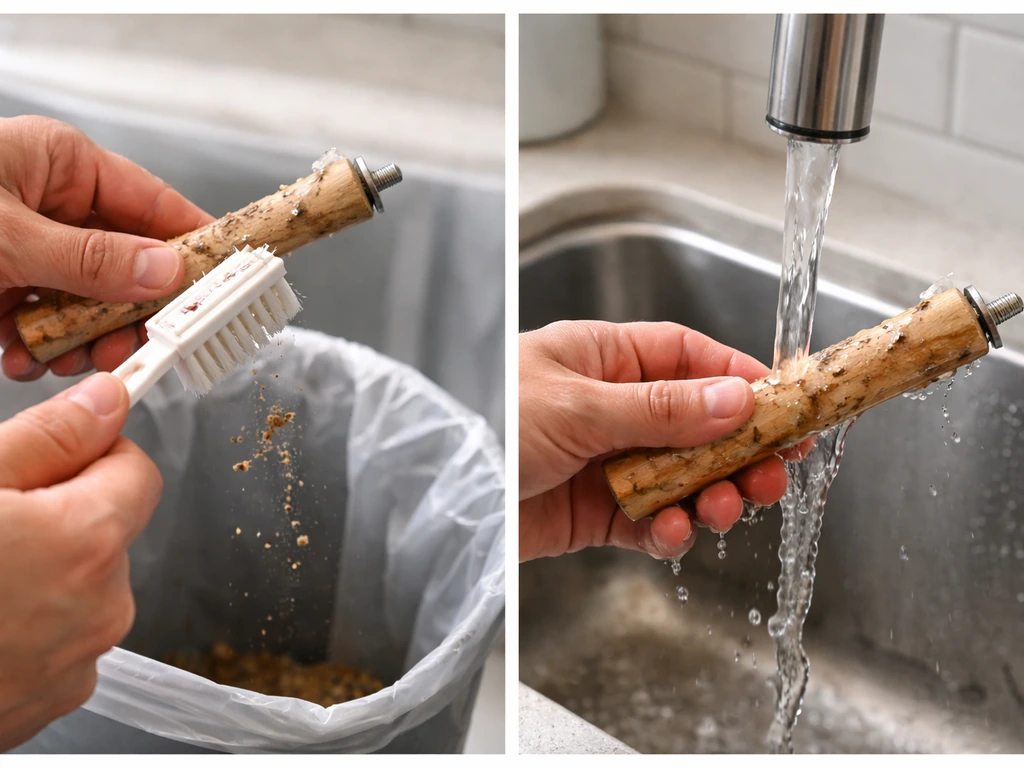
The cleaning step matters more than the drying step, and this is where a lot of new bird owners cut corners. I get it, it feels like rinsing is enough, but old fecal material and damp fabric together are basically a mold and bacteria incubator. Fungus commonly grows on wet bedding and old droppings, and that is a real respiratory risk for birds whose air quality is already more sensitive than ours.
- Shake or scrape off any solid debris over a trash can before bringing the item near water.
- Pre-soak heavily soiled items in warm water for 10 to 15 minutes to loosen dried droppings.
- Machine wash in hot water (140°F / 60°C) with a fragrance-free, bird-safe detergent. Avoid fabric softeners and dryer sheets, both leave chemical residues that are irritating to bird lungs.
- Run an extra rinse cycle. Soap residue is genuinely harmful to birds, so rinse thoroughly until no suds remain.
- Dry on low heat or air fluff. Stop the cycle and check: if the item still feels damp anywhere, run it again or move it to a drying rack to finish.
- Do not return any item to the cage until it is completely and totally dry. Even slight dampness in a fabric liner or perch cover creates the conditions for mold within hours.
One practical tip: wash bird accessories separately from your regular household laundry. This keeps any residual bird dander and pathogens contained and also prevents cross-contamination if someone in your household has allergies or a compromised immune system.
Already dried it without washing first?
First, do not put it back in the cage yet. Running something contaminated through the dryer does not sanitize it. The heat may kill some surface bacteria, but it also bakes dried droppings into the fabric and makes them harder to remove. The item is not ruined, but it needs a proper wash now before it goes anywhere near your bird.
Run it through a full hot wash cycle with fragrance-free detergent, do the extra rinse, then dry it properly this time. If the item has any kind of synthetic coating or if the heat cycle was very high (above 140°F), check the fabric carefully afterward. Look for any signs of warping, melting, fraying seams, or loose fibers. If you see any of those, replace the item rather than risk putting a compromised accessory back with your bird.
Better options than the dryer for delicate items
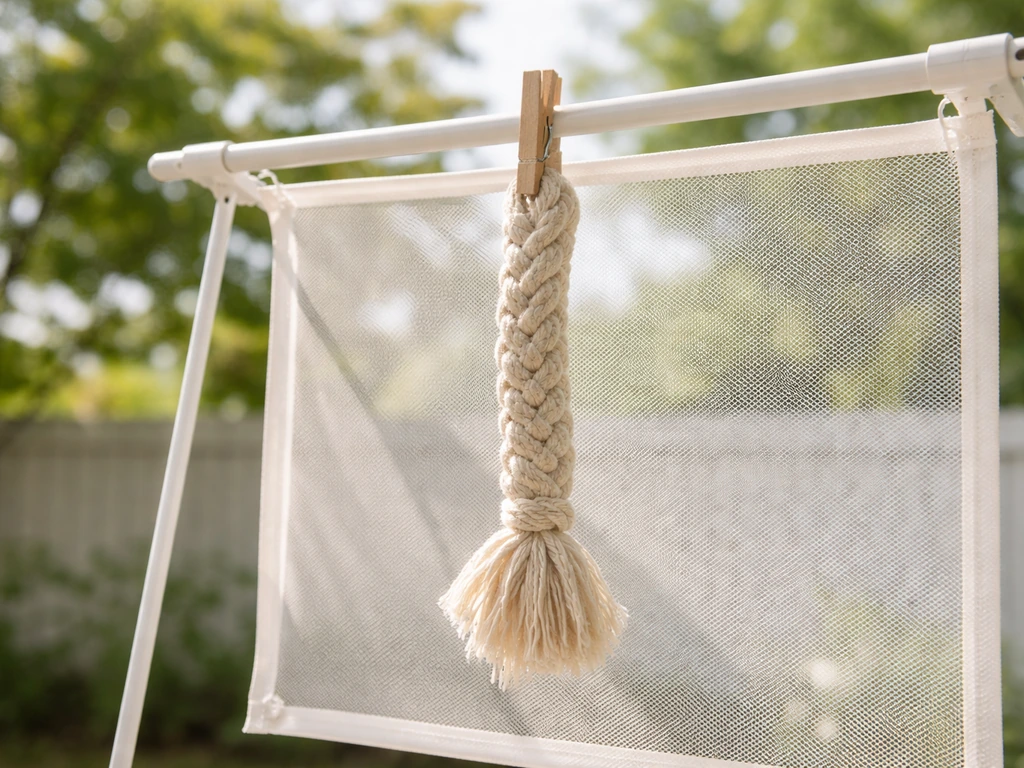
For anything you are not sure about, or for items like rope toys and woven perch covers where heat is genuinely risky, air drying is the safest default. It takes longer, but it does not damage materials or shed fibers. Here are the low-risk methods ranked by how fast they work:
- Hanging rack dry outdoors in sunlight: Fastest air-dry option, and UV exposure from direct sun adds a mild natural disinfecting effect. Good choice for cage liners and cloth items on a warm day.
- Indoor drying rack near a fan: Moving air cuts dry time significantly. Position the fan to blow across the item, not directly into it, so it dries evenly rather than just on one side.
- Towel press then rack dry: Roll the washed item in a clean dry towel and press firmly to pull out excess moisture, then hang or lay flat to finish drying. This works especially well for thick fleece perch covers that take forever to dry on their own.
- Low-heat dryer with frequent checks: If you do use the dryer, check every 10 to 15 minutes rather than running a full cycle unattended. Pull the item out while it still feels just barely warm, not hot.
- Oven warm (not for drying, but for final sanitizing wood perches): For unfinished wood perches or natural branch perches that cannot be machine washed, a 250°F oven for 20 to 30 minutes can sanitize after scrubbing. Never do this with anything that has plastic, metal hardware, or synthetic fibers.
A simple beginner cleaning routine (plus air quality tips)
Keeping your bird's accessories clean is not a once-a-month chore. Bird droppings accumulate fast, and even a clean-looking cage can harbor bacterial buildup in corners and fabric folds within days. Here is the routine I wish someone had walked me through when I first set up a cage:
| Frequency | Task | Why It Matters |
|---|---|---|
| Daily | Replace cage liner paper or spot-clean cloth liner | Prevents fecal buildup and mold from starting |
| Daily | Wash food and water dishes, dry completely before refilling | Damp dishes grow mold on seed and pellets within hours |
| Weekly | Remove and wash all fabric accessories (liners, perch covers) | Fabric holds moisture and dander longer than hard surfaces |
| Weekly | Scrub hard perches and plastic toys with a bird-safe cleaner, rinse thoroughly | Droppings and bacteria accumulate in perch grooves |
| Monthly | Deep clean the full cage with a diluted bird-safe disinfectant, rinse all surfaces completely | Removes buildup the weekly clean misses |
Air quality deserves its own mention here, because birds have an extremely sensitive respiratory system. The same careful approach you take with cleaning products (no bleach fumes, no fabric softener residue, no scented detergents) applies to the drying process too. Do not dry bird accessories in a room where your bird is present if you are using the dryer, because the warm air and any residual detergent fumes can irritate your bird's airways. Dry in a separate room or outside, and only return items to the cage once they have cooled to room temperature and are completely dry.
One more thing: never use dryer sheets with bird accessories. Ever. The chemicals in dryer sheets, including cationic surfactants and synthetic fragrances, are genuinely toxic to birds even in small amounts. If you currently use dryer sheets in your household laundry, keep bird items completely separate and run your dryer empty once before putting bird accessories in if you want to be extra careful about residue on the drum.
If you are just getting into bird ownership and building out your cleaning kit, the good news is that none of this is complicated once it becomes routine. The same mindset you bring to choosing the right toys and accessories for your bird carries over here: check what something is made of, check the care label, use gentle products, and when in doubt, air dry.
If you are shopping for new bird toys or accessories, you can also look for a make your own bird toys coupon code to save on your order. When you plan your bird’s toy lineup, it helps to think in terms of variety and safe, changeable options so your bird stays engaged choosing the right toys and accessories. If you are also budgeting for supplies, you might be wondering how much are bird toys and accessories typically cost.
If you are also shopping for a dog, check the best bird dog puppy toys so you choose safe, durable options for chewing and play. If you are also shopping for new enrichment items, this is the kind of “what to use and how to care for it” approach to follow when picking the best toys for bird dogs. Your bird's environment stays safer, and you stop second-guessing every laundry decision.
FAQ
Can you put bird cage liners or perch covers in the dryer if they are only lightly soiled (like a quick shake-out)?
It is still safer to run a full wash first. Shaking removes loose debris, but residue in fabric folds can remain. Drying right after a rinse can trap contaminants, especially in fleece or textured liners where moisture and particles cling.
What temperature should I use if the care label on the fabric is unclear or missing?
Use the lowest setting your dryer offers (delicate, air fluff, or air-only). If you cannot confirm the fabric can tolerate a hot wash, do an air dry and rewash until you are confident the item is fully clean and free of odors.
Can I use a dryer sheet or fabric softener just for scent reduction?
No for dryer sheets. Dryer sheets can leave chemical residue that is unsafe for birds. For fabric softener, skip it entirely because it can leave a coating that is harder to rinse out and may irritate your bird’s respiratory system.
If I forgot to wash fully and already dried the accessory, is it ruined or safe to use again?
Not necessarily ruined, but do not put it back in the cage yet. Rewash with fragrance-free detergent and an extra rinse, then dry on low heat or air. High heat can bake droppings into the fibers, making residue removal harder.
Is air drying always better for rope toys and woven items?
For rope toys and woven perch covers, air drying is the safest default because heat can shrink, pill, or loosen fibers that birds may explore. If you do use a dryer, keep it on air fluff only and check closely for fraying before reuse.
Can I dry bird accessories in the same room where my bird is kept while the dryer is running?
Better not. Warm dryer air and any detergent residue can irritate sensitive airways. Dry in a separate room or outside, and only return items once they are completely dry and cooled to room temperature.
Should I wash bird accessories with my regular household laundry to save time?
Avoid mixing. Washing separately reduces cross-contamination from things that may have pet allergens, fragrances, or household chemicals. If you must share a load, use fragrance-free detergent, run an extra rinse, and do not include items that were treated with softeners or strong scents.
How do I tell if an item is fully dry before putting it back in the cage?
Check seams, corners, and thick areas. Fabrics like fleece and liners can hold moisture inside even when they feel dry on the surface. If it smells musty or feels cool/damp in the middle, dry longer or air-dry to completion.
Do I need to run the dryer empty after using it for regular laundry with fragrances?
If you use strongly scented detergent, fabric softener, or dryer sheets for other loads, running the dryer empty can reduce lingering residue. It is extra insurance for bird items, especially if your dryer has a history of fragrance-treated laundry.
After drying on low heat, what signs mean I should replace the accessory?
Replace items showing warping, melting, frayed seams, loose threads, shedding fibers, or stiffness that changes how the material hangs or fits. Any compromised spots increase the chance of loose pieces ending up in the cage.
Next Article
Best Bird Dog Puppy Toys vs Bird Toys: Safe Picks
Safe toy picks for pet birds: choose chew, shred, foraging and swing toys by species, size and safety checks