Quality bird supplies come down to three things: safe materials, the right sizing for your specific bird, and gear you can actually keep clean. If you get those three right from day one, you'll avoid the most common beginner disasters, such as toxic fume exposure, cage injuries from wrong bar spacing, and bacterial buildup in food bowls. This guide walks you through every core category, tells you what specs to look for, and gives you a clear checklist for what to buy first.
Quality Bird Supplies for Beginners: What to Buy First

Marcus Chen
15 May 2026
What 'quality' actually means for bird supplies
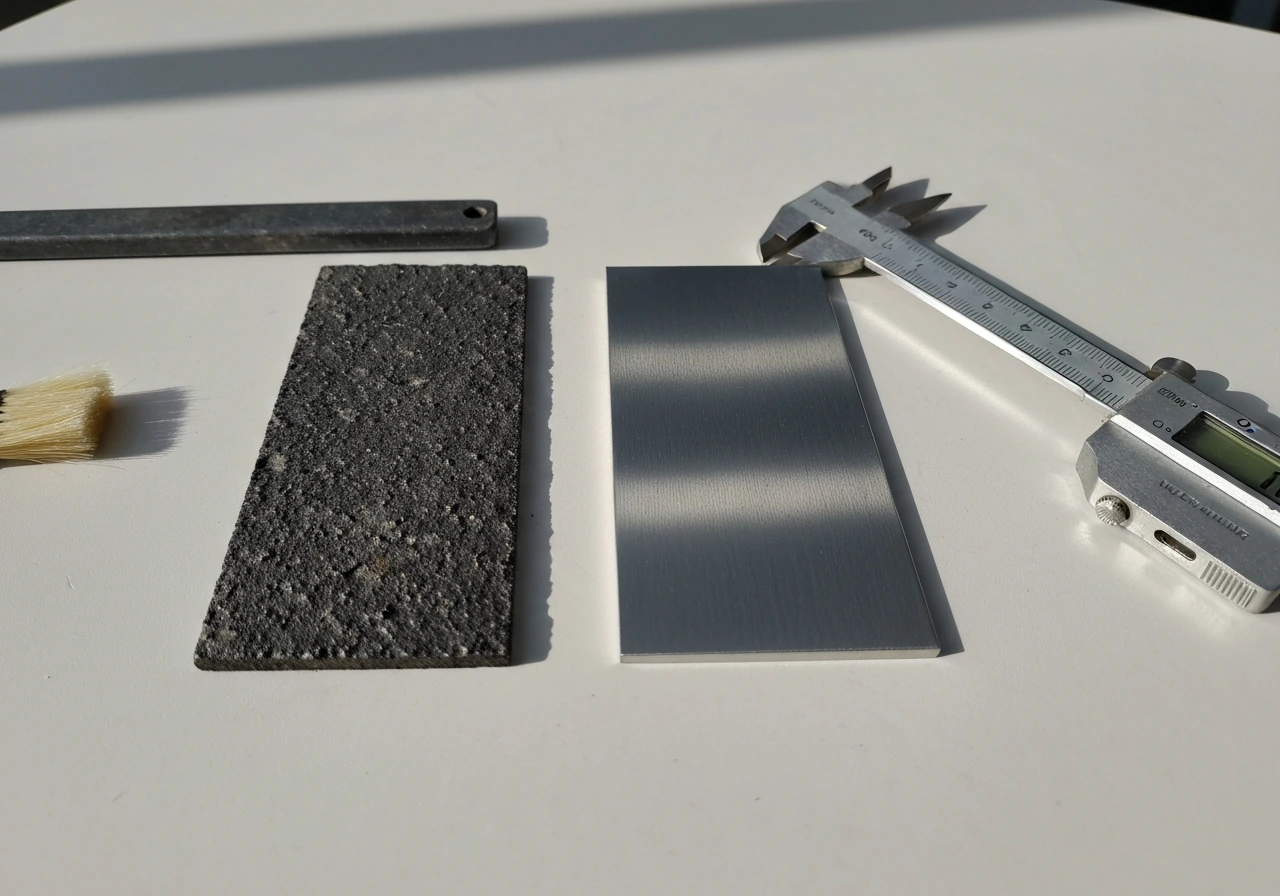
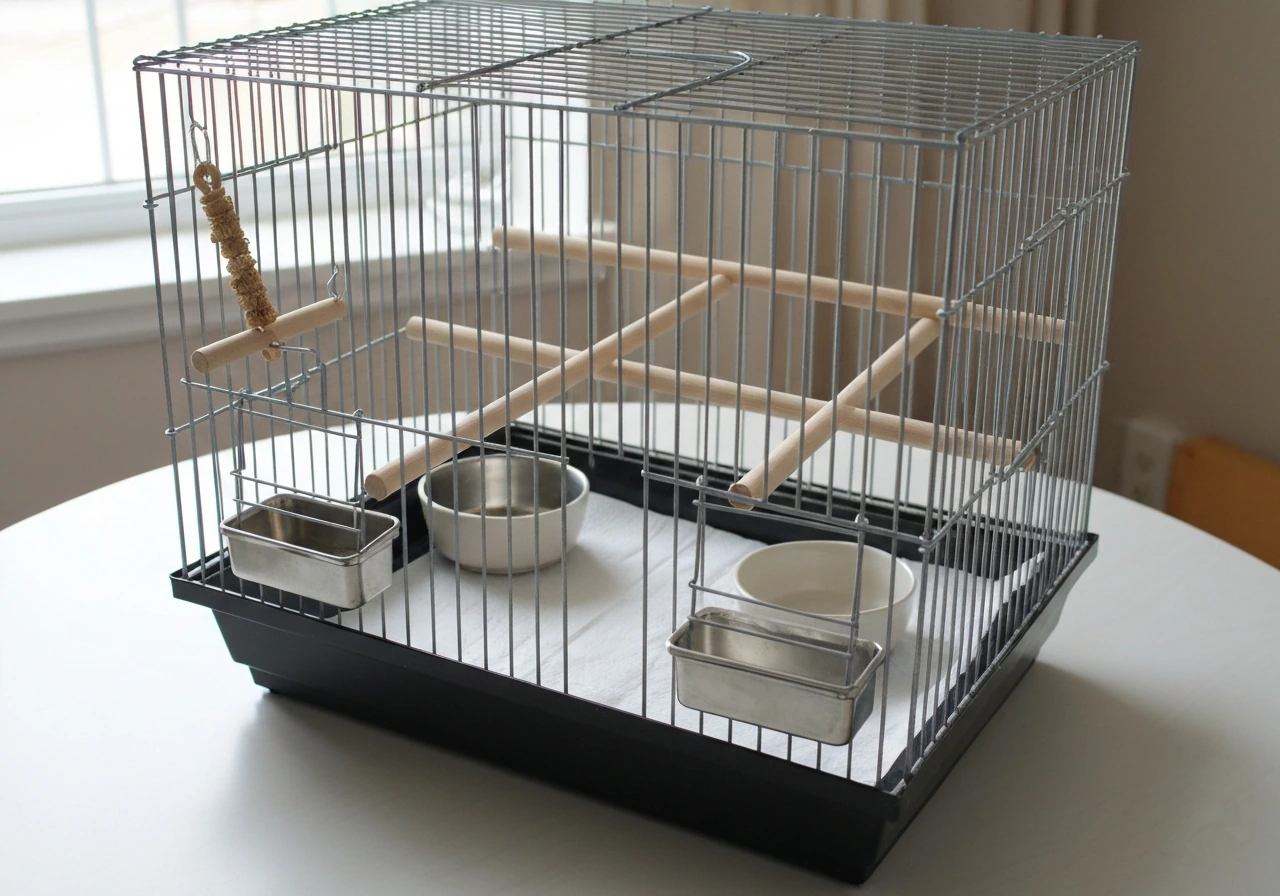
Quality in bird supplies isn't a brand name or a price tag. It's a set of concrete, checkable criteria. A $30 cage can be safer than a $150 one if the cheaper option has the correct bar spacing, no zinc coating, and easy-clean trays. Here's what to evaluate for every product category.
- Safe materials: Metals should be stainless steel or powder-coated with a bird-safe finish. Zinc and lead are toxic to birds. All hardware on cages and toys should be stainless steel, full stop.
- Build strength: The RSPCA notes that enclosures must be strong enough to withstand a bird's beak. A lovebird or cockatiel can and will chew through thin welds and flimsy plastic clips.
- Correct sizing: Bar spacing is a life-safety spec, not a preference. Wrong spacing can trap a bird's head or let small birds escape entirely.
- Cleanability: The AAV emphasizes easy-to-clean food and water areas as a baseline cage-setup standard. If a product has crevices you can't reach with a brush, bacteria will live there.
- Chemical safety: Avoid any cage, toy, or accessory with strong chemical odors, mystery paint, or unlisted coatings. Birds' respiratory tracts are extremely sensitive, and fumes from everyday chemicals can be fatal.
- Durability and fit: A toy rated for a macaw handed to a budgie is a strangulation risk. Check that sizing, weight, and material hardness match your specific bird species.
When shopping online, look for product listings that explicitly state 'zinc-free,' 'lead-free,' and 'bird-safe powder coat.' If those details aren't listed, email the seller or skip the product. Reputable brands answer those questions without hesitation.
The starter gear list every first-time bird owner actually needs
Before you bring a bird home, these are the non-negotiables. Everything else can wait or be added later. Buying extras before you have the basics sorted is one of the most common mistakes new owners make.
- A correctly sized cage with safe bar spacing for your species
- At least two food dishes and two water dishes (stainless steel or ceramic)
- Two to three perches of varying diameter and material
- Plain paper cage liners (newspaper or paper towels)
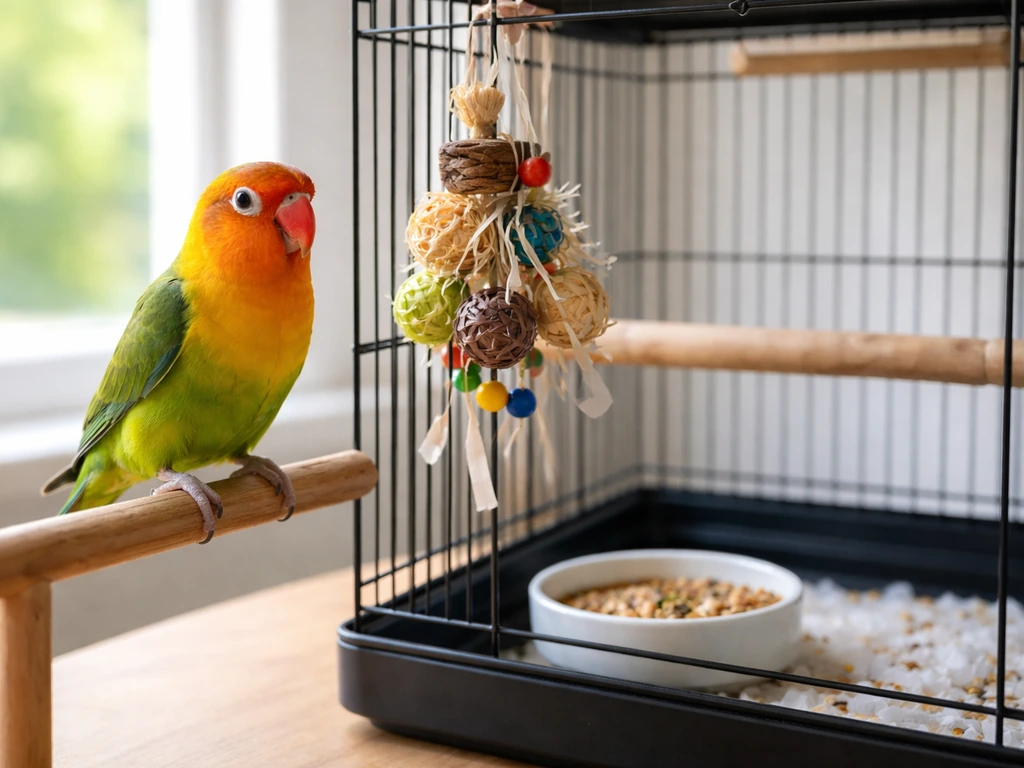
- A few species-appropriate enrichment toys
- Formulated pellet food appropriate for your bird species
- A spray bottle and bird-safe cage cleaner for daily and weekly cleaning
- A digital thermometer to monitor room temperature near the cage
- A carrier or travel cage for vet visits
Notice what's not on that list: heated perches, automatic feeders, elaborate play stands, and the dozens of accessories marketed to new bird owners. Those can all come later once you understand your individual bird's habits and preferences.
Choosing the right cage and setting it up properly
Size and bar spacing by species
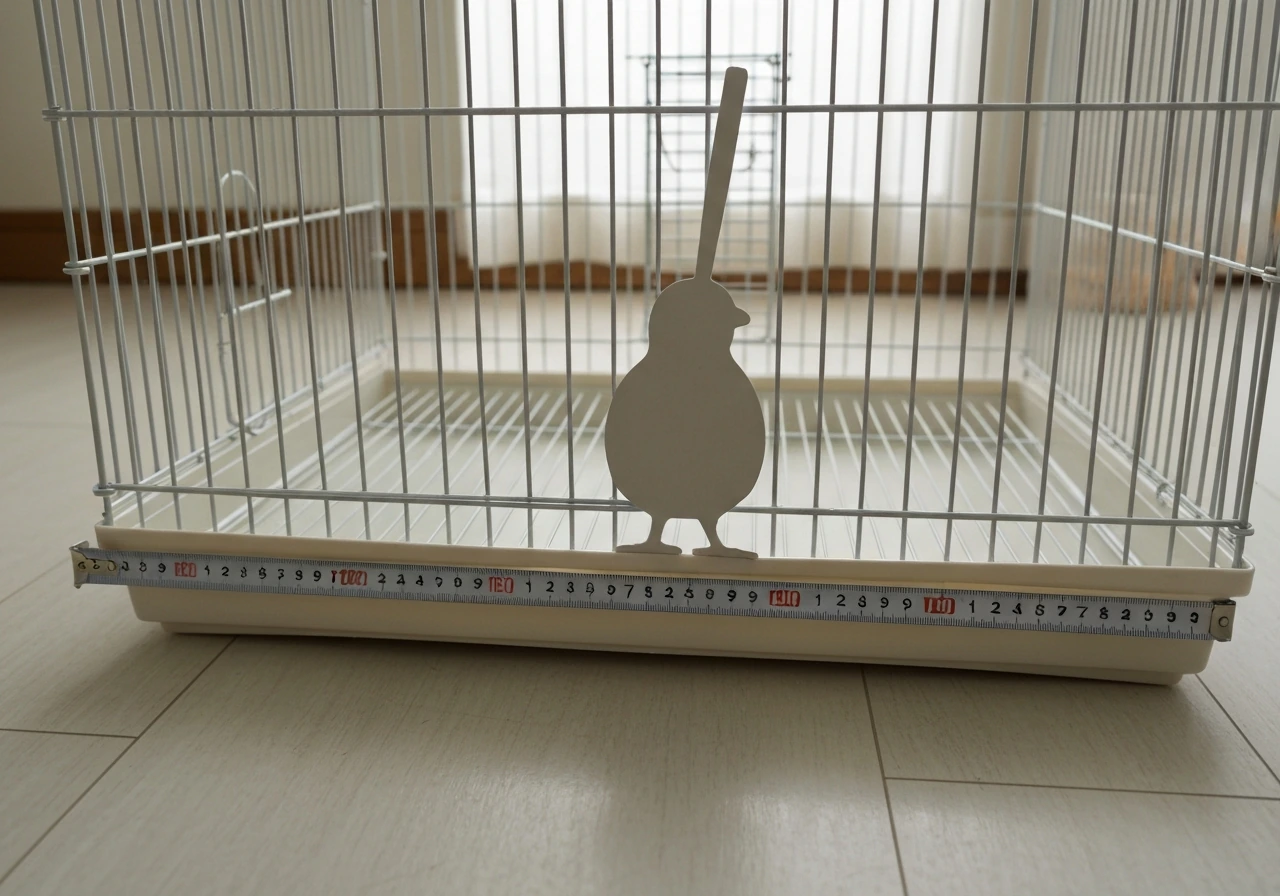
The Merck Veterinary Manual's rule of thumb is that a cage should be at least 1.5 times the bird's wingspan in every direction so the bird can fully stretch. In practice, always go bigger than the published minimum. Here are the key sizing benchmarks you'll see cited across veterinary sources.
| Species | Minimum Cage Size | Bar Spacing |
|---|---|---|
| Finches | 18" × 30" × 18" | 1/4" to 1/2" |
| Budgies (Parakeets) | 18" × 18" × 24" | 1/2" |
| Cockatiels | 20" × 20" × 24" to 30" | 1/2" to 5/8" |
| Lovebirds / Parrotlets | 20" × 20" × 30" (per bird) | 1/2" |
| Small Conures / Poicephalus | Larger than cockatiel spec | 3/4" |
| Macaws / Large Cockatoos | Largest available, species-specific | 1.5" |
Bar spacing is a genuine safety issue. Spacing too wide can let a small bird get its head caught. Spacing too narrow frustrates larger birds and limits ventilation. Always match bar spacing to the species you're keeping, not the cage category label on the packaging.
Where to place the cage
Put the cage against a wall (so at least one side feels secure) at chest height, away from windows with direct drafts, and well away from the kitchen. Kitchens are genuinely dangerous for birds, not just because of cooking fumes but because of everyday sprays, aerosols, and cleaning products. The Merck Veterinary Manual lists fumes from gasoline, pesticides, perfumes, and sprays as documented hazards for birds. Scented candles, essential oil diffusers (especially ultrasonic or nebulizing types that aerosolize oils into microdroplets), and air fresheners also fall into this category. If you wouldn't want to breathe something directly, your bird definitely shouldn't.
Air quality around the cage
Air quality is the single most overlooked part of habitat setup, and it matters more than almost any accessory you could buy. Birds have extremely sensitive respiratory tracts. Keep the cage room well ventilated but not drafty. Use unscented cleaning products. Avoid aerosol sprays anywhere near the bird. If someone in the house uses nail polish remover, hair dye, or deodorant sprays, do it in a separate room with the door closed. This isn't overcautious advice, it's basic husbandry with real veterinary backing.
Food, water, and the feeding accessories that actually matter
Containers: material and maintenance
Use stainless steel or food-grade ceramic dishes. Avoid porous plastic, especially scratched or older plastic, because bacteria colonize the surface and are nearly impossible to fully clean. Purdue University's veterinary guidance recommends cleaning food and water containers once or twice daily before refilling them, and specifically flags the corners of bowls as prime spots for bacterial buildup. A bottlebrush for sipper tubes or narrow-mouthed water bottles is a useful buy. Two sets of dishes per bird is smart, so one set is always clean while the other is drying.
Seeds vs. pellets: the diet question beginners get wrong
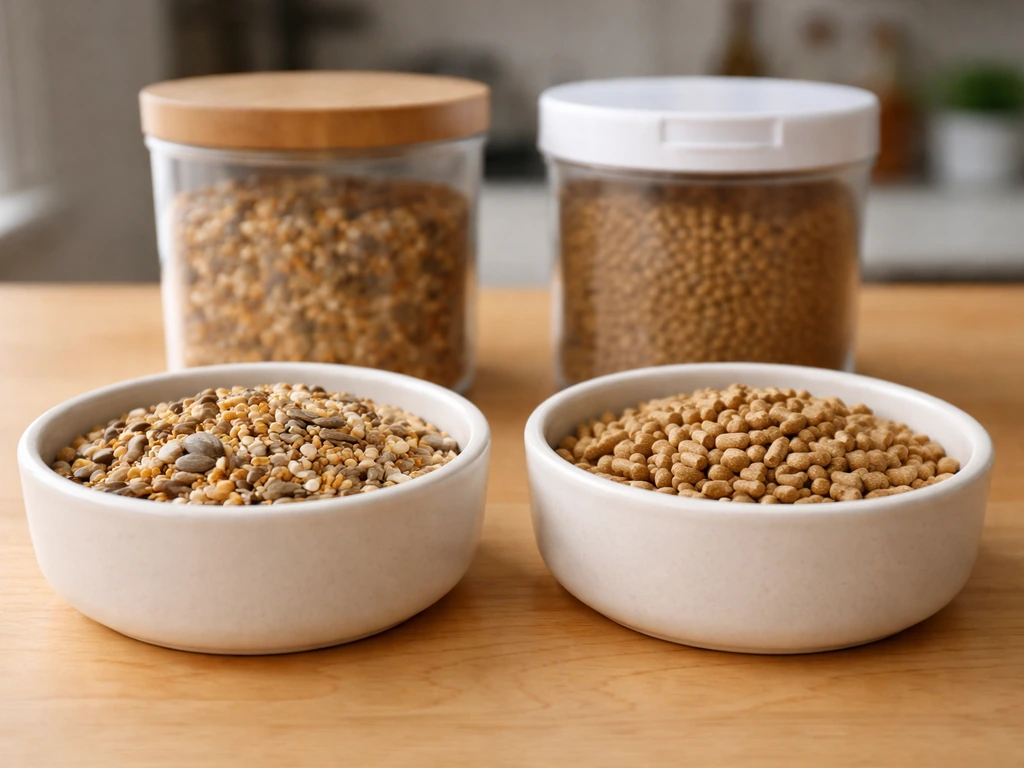
Seeds are not a complete diet, and a seed-only feeding setup will eventually cause nutritional deficiencies and obesity. PetMD and Merck both position formulated pellets as a more nutritionally complete foundation for most companion birds. [Pellets are made from grains, seeds, vegetables, fruits, and proteins with added vitamins and minerals. ](https://www.
merckvetmanual. com/en-us/veterinary/bird-owners/choosing-and-taking-care-of-a-pet-bird/feeding-a-pet-bird) The issue is that if you offer seeds and pellets together in the same bowl, most birds will pick only the seeds and ignore the pellets entirely. Merck specifically notes that mixed feeding leads to selective eating and inadequate nutrient intake. The better approach is to consult your avian vet about transitioning your specific bird to a predominantly pellet diet, then offer seeds as a supplement or treat rather than as the main food source.
Also keep a short mental list of foods that are genuinely toxic to birds: avocado, chocolate, onion, garlic, caffeine, and alcohol top the list. Fresh fruits and vegetables can be healthy additions for most species, but always check species-specific guidance before offering anything new.
Perches, liners, and what goes on the cage floor
Perch diameter and material
VCA Animal Hospitals puts it simply: perch diameter should be appropriate for the bird's feet to prevent foot problems. A perch that's too thin or too thick causes strain over time. For most small birds like budgies and cockatiels, offer perches ranging from about 3/8 inch to 3/4 inch in diameter, with some variation so the foot muscles work differently throughout the day. Natural wood perches from bird-safe trees (like manzanita, java wood, or dragonwood) are generally preferred over uniform plastic dowels. The variation in texture and diameter keeps feet healthy.
Avoid frayed rope perches or nesting-material rope perches. VCA notes that avian veterinarians generally don't recommend synthetic fiber rope perches because fraying creates entanglement risks for toes. If you do use rope perches, inspect them weekly and replace them at the first sign of unraveling.
Cage liners and floor coverings
Plain paper is the right answer here. Newspaper, paper towels, and purpose-made paper cage liners are all recommended by the AAV for exactly one reason: they're easy to swap out, cheap, and let you monitor your bird's droppings daily for health changes. The color and consistency of droppings is one of the most reliable early health indicators for pet birds, and a plain white paper towel makes that easy to check.
Avoid every other option. The list of cage floor materials that look natural but actually cause harm is long: wood chips and shavings, cedar or pine shavings (respiratory irritants), corncob bedding (mold risk), clay or cat litter, walnut shell, sand, gravel, and sandpaper cage liners all make the avoid list. Sandpaper liners deserve special mention because they're still sold in some pet stores despite being abrasive to feet. Skip them.
Toys and enrichment that are genuinely safe and useful
Enrichment matters enormously for a bird's mental health, but the toy aisle is where the most safety problems show up. A few practical guidelines will help you choose well.
- All metal hardware (hooks, chains, clips) should be stainless steel. Zinc is toxic to birds, and the Parrot Education and Adoption Center explicitly states this. Don't assume a metal part is safe just because the toy is marketed for birds.
- Avoid toys with tiny parts that can be pulled off and swallowed, metal chains with small gaps where toes can get caught, and items with many interlocking parts that could tangle.
- Check rope toys every few days. Rope strands that unravel can entangle toes, necks, or wings. When a rope toy starts fraying significantly, replace it immediately.
- Match toy size and hardness to your bird. A soft balsa wood chew toy suitable for a budgie is the wrong choice for a cockatoo that can splinter it into sharp pieces in minutes.
- Rotate toys rather than piling in everything at once. Three or four well-chosen toys rotated weekly is more enriching than a cage stuffed with ten toys that the bird ignores.
- Foraging toys (ones that hide treats inside) are some of the highest-value enrichment for any parrot-type bird. They replicate natural food-seeking behavior and reduce boredom.
If you're also shopping for accessories to give as gifts or looking at bird watcher or bird lover gift guides, enrichment toys and high-quality foraging toys are often the most practical recommendations in those categories too, since they benefit the bird directly. For bird watchers, pairing safe, easy-to-maintain setup tips with well-chosen gear can also make great gift selections bird watcher or bird lover gift guides.
If you're still wondering what to get a bird lover, start with practical, safety-focused items that match their bird type. If you’re wondering what to get a bird watcher, start with enrichment toys and foraging options that are safe and useful bird watcher gift guides. If you're looking for the best gift for bird lovers, practical enrichment toys are a safe bet that helps the bird thrive.
Your buying checklist, the mistakes to skip, and what to do after setup
The pre-purchase checklist
Before you click buy on any bird product, run through this list. The best gift for bird lovers is usually something that improves safety and daily care, like a bird-safe accessory they will use right away bird product.
- Confirm the cage bar spacing matches your species from the species table above.
- Verify the cage and all hardware is listed as zinc-free and lead-free.
- Check that the cage has a pull-out tray for easy lining changes.
- Choose stainless steel or food-grade ceramic for all food and water dishes.
- Pick two or three natural wood perches in varying diameters appropriate for your bird's feet.
- Buy plain paper (paper towels or newsprint) for the cage floor, not wood shavings or sand.
- Select a species-appropriate formulated pellet food as the dietary base.
- Choose three or four enrichment toys with stainless steel hardware, no tiny detachable parts, and size-appropriate materials.
- Get a bird-safe cage cleaner and a bottle brush for dish corners.
- Have a travel carrier ready before the bird comes home.
The most common beginner mistakes
- Buying the cage last, or buying whatever's on sale without checking bar spacing. Cage sizing and bar spacing should drive the purchase, not aesthetics or price.
- Offering seeds and pellets together in the same bowl from day one. Birds will choose seeds every time, making the pellet investment pointless and the diet incomplete.
- Using wood shavings or sand on the cage floor. These hide droppings, create respiratory dust, and can harbor mold.
- Placing the cage near the kitchen or in a room where aerosol sprays, scented candles, or diffusers are used regularly.
- Buying rope perches and forgetting to inspect them. A frayed rope perch can injure or kill a bird if a toe or neck gets caught.
- Skipping the avian vet visit. A baseline wellness exam in the first few weeks helps you catch health issues early and gives you a vet relationship before you need one urgently.
- Over-stuffing the cage with toys to compensate for limited time. Too many toys can stress some birds. Start simple and rotate.
What to do right after your first setup
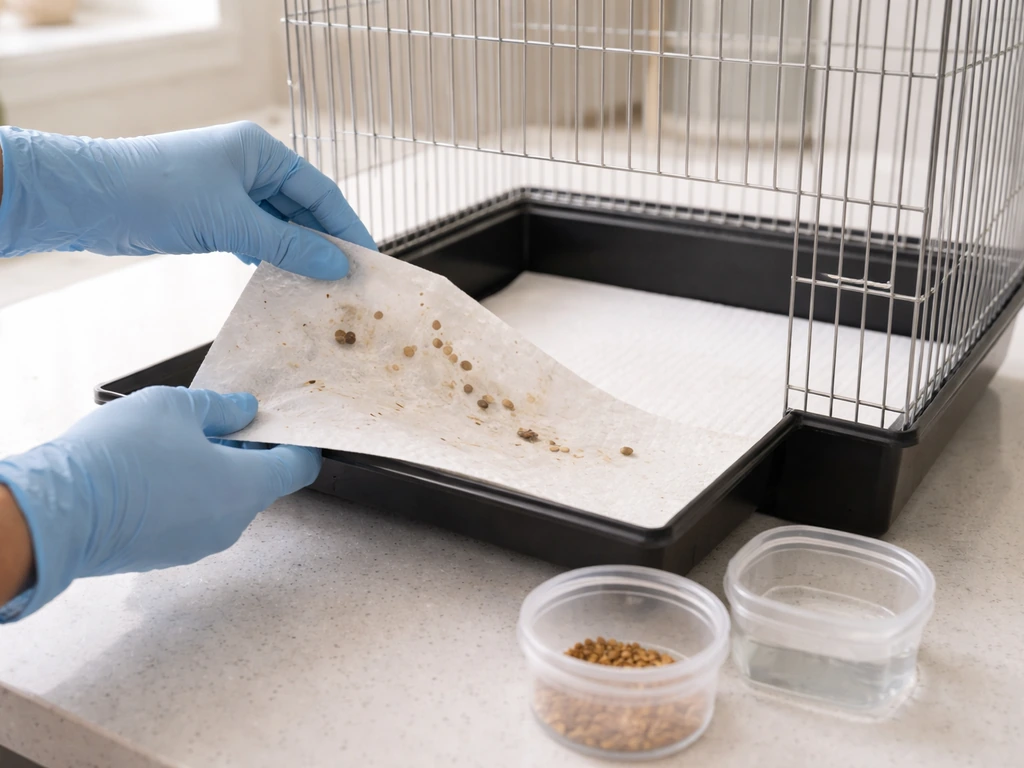
Once the cage is set up and your bird is home, build the daily habits that keep quality supplies actually working. Change the cage liner every day and check droppings while you do it. Clean food and water dishes once or twice daily before refilling. Do a full cage wipe-down with a bird-safe cleaner weekly.
Inspect all toys and perches for damage, fraying, or sharp edges every few days. Book a wellness visit with an avian vet within the first month if you haven't already. If you are setting up your first bird-watching hobby too, you can also use a simple starter list for what to get a bird watcher before you head out.
These routines are what separate a good bird setup from a genuinely great one, no matter how much you spent on gear.
Quality bird supplies are only as effective as the habits built around them. The checklist above gets you started on the right foot, but the daily care routine is what keeps your bird healthy for the long run. Start with the must-haves, get those habits solid, and add accessories from there as you learn what your individual bird actually enjoys. It helps to compare the best bird accessories by safety, cleanability, and your bird's comfort level before you buy.
FAQ
How can I tell if a cage is truly safe when the listing does not mention zinc-free or bird-safe powder coat?
Don’t guess. Ask the seller for the exact metal/alloy information, whether the finish is zinc-free and what the coating process is, and whether there are any warnings about chewing or damage. If they cannot answer clearly, treat it as a no and look for another option, because coating safety becomes much harder to verify after purchase.
Is it okay to use a cage that came from a prior owner, as long as I clean it well?
Sometimes, but only if you can confirm the finish and remove porous hazards. Avoid reusing cages with damaged or peeling coatings, rust pits, or any uncertain metal treatments. Replace suspect parts like grates or trays if they cannot be restored to a smooth, non-flaking surface, then disinfect using a bird-safe cleaner and rinse thoroughly.
What’s the best way to choose dish size for quality bird supplies?
Pick dishes that match the bird’s eating posture and prevent messy overflow. For most beginners, choose shallow, wide dishes that the bird can reach without tipping, plus a second set of identical dishes so you can keep one clean and one drying. If your bird consistently splashes water into the food area, switch to a different dish style or placement rather than just cleaning more.
How do I prevent bacterial buildup if my bird is a heavy splasher or spiller?
Use smaller portions more frequently (so bowls are not sitting wet), check and empty any pooling water daily, and focus scrubbing on corners and seams. A bottlebrush for narrow tubes matters, but bowl corners matter more. If you notice persistent slime or odor, increase dish turnover and consider swapping to a simpler stainless steel or ceramic setup.
How should I transition from a seed-heavy diet to pellets without creating a picky-eating habit?
Avoid mixing pellets and seeds in the same bowl. Instead, consult your avian vet for a step-down plan that reduces seeds gradually while offering pellets as the main option, with seeds only as a controlled treat. Expect some initial reluctance, and treat “refusal for a day or two” differently from sustained refusal that lasts longer and needs veterinary guidance.
Can I use scented cleaning products “away from the bird” if I remove the bird during cleaning?
It’s safer to use unscented products even if you temporarily move your bird. Residual fragrance chemicals can linger on surfaces and aerosols can drift when spraying, wiping, or drying. If you must use any scented item, ventilate heavily, avoid sprays entirely, and only reintroduce the bird after surfaces are rinsed if needed and the room smells neutral.
Are air fresheners always dangerous, or are some types better than others?
Types matter, but the safest default is to avoid them in the bird room entirely. Aerosol sprays, nebulizing essential oil diffusers, and strong fragrance products increase respiratory irritation risk. If you want a non-scent alternative, use ventilation and odor control methods that do not generate aerosols, like a properly maintained filter or source removal.
What should I look for in perches beyond diameter, so my bird doesn’t develop foot issues?
Check texture and stability. Perches should not wobble, and surfaces should be neither overly smooth nor abrasive. Provide multiple perch types and diameters so foot muscles engage differently over the day, and remove any perch that has peeling bark, sharp edges, or fraying after use.
How often should I inspect toys and enrichment items, and what are the red flags to replace immediately?
Do quick checks every few days and a more thorough check weekly. Replace immediately if you see fraying rope, exposed sharp wires, loose or missing parts, damaged coatings, frass buildup in foraging items that can’t be cleaned out, or any component that can snag toes or trap the head.
Is plain paper always the best cage liner for health monitoring?
Plain paper is the most beginner-friendly choice because it’s easy to swap and helps you track droppings changes. If you need an alternative for a specific situation, choose something equally easy to see through or monitor, and keep the same daily replacement habit, because delays reduce the value of droppings observation.
What’s the safest “first enrichment toy” for quality bird supplies shopping?
Start with a simple foraging toy or easy-to-clean chewing option that matches your bird’s size and beak strength, with no loose strings or frayed rope. Ensure you can wash or fully sanitize it, because toys that are hard to clean often create hygiene problems that cancel out enrichment benefits.
If I already bought extras like heated perches or automatic feeders, should I throw them out?
Not necessarily, but treat them as “pause” items until you understand your bird’s habits and you can verify safety. Heated perches can introduce burn and malfunction risks, and automatic feeders can lead to stale food if maintenance is inconsistent. If you keep them, use them only after you confirm temperature safety, cleaning access, and a clear plan for monitoring food freshness.
When is the right time to book the first avian vet visit after bringing a bird home?
Aim for the first month as you already plan, but don’t wait if you notice red flags like persistent fluffed posture, open-mouth breathing, sudden appetite changes, or abnormal droppings that continue beyond a single day. If symptoms appear, call the avian clinic immediately and ask whether an urgent assessment is needed.