If you want the best indoor bird for a beginner, get a budgie (budgerigar). They're small, relatively quiet, affordable, trainable, and genuinely happy in a typical apartment or house. Cockatiels are a close second if you want something a bit more interactive and can handle occasional whistling. Lovebirds, canaries, and finches round out the shortlist depending on your specific situation. But the honest answer is: 'best' depends almost entirely on your noise tolerance, how much daily time you have, and whether you want a hands-on companion or a beautiful bird you mostly watch. This guide walks you through all of it.
Best Indoor Bird for Beginners: Choose Your Match Fast
Marcus Chen
2 May 2026
What 'best indoor bird' actually means for your lifestyle
The word 'best' is doing a lot of heavy lifting here. A retired person with a quiet house has completely different needs than a family with young kids and a dog. Before you get attached to a species, be honest about a few things:
- Noise tolerance: Can you handle daily whistling and chatter, or do you work from home and need something quieter?
- Daily time commitment: Some birds need 1+ hour of hands-on interaction daily. Others are fine with less direct attention if kept in pairs.
- Space: A small apartment can absolutely support a budgie or a pair of finches. Larger birds need bigger cages and more room.
- Budget: Purchase price is just the start. Factor in the cage, vet visits, food, and toys.
- Other pets and kids: Cats, dogs, and toddlers change the safety math significantly.
- Lifespan and commitment: Budgies live 5–15 years. Some larger parrots live 50+ years. Know what you're signing up for.
- Hands-on vs. hands-off: Do you want a bird that sits on your shoulder, or one that sings beautifully from across the room?
Answer those honestly and the right bird becomes obvious pretty quickly. The sections below are structured around those exact trade-offs.
The best beginner-friendly indoor birds, ranked by fit
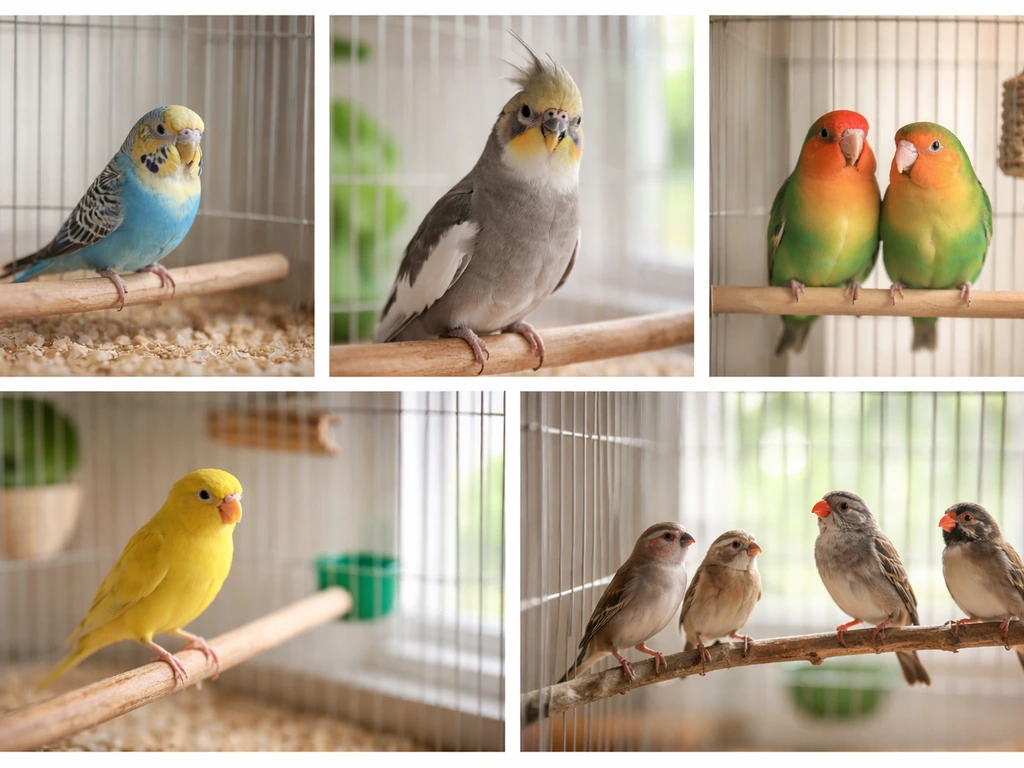
These five species consistently work well for beginners in typical homes. I've ranked them by how forgiving they are for someone just starting out, not by which is 'objectively best.'
1. Budgie (Budgerigar), the best all-around starter bird
Budgies are the species I'd tell almost every first-timer to start with. They're small, manageable, and surprisingly personable. A single hand-tamed budgie will learn to step up onto your finger, can learn to mimic words, and genuinely enjoys human interaction when socialized young. They're chatty but not loud, think low-level chatter, not screaming. They adapt well to typical household noise and routines. Cost-wise, budgies are accessible: the bird itself is often under $30–$50, though a proper cage and setup will run you more. They do best with at least an hour of supervised out-of-cage time daily for enrichment and social needs. PetMD’s guidance on how long budgies live in captivity also emphasizes providing proper daily care and enrichment for a longer, healthier lifespan blank" rel="noopener noreferrer">at least an hour of supervised out-of-cage time daily. blank" rel="noopener noreferrer">Lifespan is roughly 5–15 years, which is a real commitment but not overwhelming for a first bird.
- Pros: Small, affordable, trainable, relatively quiet, adaptable, great for apartments
- Cons: Needs daily interaction and out-of-cage time; a single bird can get lonely without it
- Noise level: Low to moderate (chatty, not screaming)
- Best for: Solo owners, apartments, first-timers who want a hands-on bird
2. Cockatiel, best for someone who wants more personality
Cockatiels are the next step up from budgies in size, personality, and noise. They whistle and can learn tunes, and males especially love to perform. They're affectionate and bond strongly with their people, which is wonderful, but also means they can get loud and demanding if they feel ignored. They need more space than a budgie (minimum cage around 20"x20"x24" is commonly cited for one bird) and a bit more dietary variety. Diet for cockatiels should lean toward formulated pellets as the primary food source, with seeds used more as a supplement or treat, plus fresh vegetables and small amounts of fruit. Cockatiels typically live 15–20+ years in good care, so this is a longer commitment than a budgie.
- Pros: Highly affectionate, trainable, fun to interact with, good talkers/whistlers
- Cons: Louder than budgies, can develop separation anxiety, longer lifespan commitment
- Noise level: Moderate (whistling, contact calls, occasional screeching if stressed)
- Best for: People who want a companion bird and can give consistent daily time
3. Lovebird, best for someone who wants a feisty, entertaining bird
Lovebirds are small but pack a big personality. They can be deeply affectionate with their bonded human, but they have a reputation for being nippy and territorial, especially if not handled regularly from a young age. A single lovebird needs significant human interaction to stay tame; a bonded pair is more independent but also more likely to bond to each other than to you. Minimum cage size for a single lovebird is around 18"x18"x18", with bar spacing no more than half an inch so they can't get their head stuck. Lovebirds thrive on enrichment and foraging toys. They're not the quietest birds (they have a sharp, piercing call), but they're manageable in most homes.
- Pros: Small, entertaining, long-lived (10–15 years), beautiful plumage
- Cons: Can be nippy, need consistent handling to stay tame, sharp call
- Noise level: Moderate to high for their size
- Best for: Experienced beginners willing to invest in daily taming and enrichment
4. Canary, best hands-off singing bird
If you want a bird you can enjoy without daily handling, a male canary is hard to beat. They sing beautifully and are relatively self-sufficient as long as their cage is clean, their food and water are fresh, and they're not stressed. They don't need (or particularly enjoy) being handled the way parrots do. They're quieter in the 'screaming' sense but their singing can be loud and constant, so keep that in mind if you work from home. Canaries live roughly 5–10 years and are one of the lower-maintenance options on this list.
- Pros: Beautiful singers, low handling needs, relatively low-maintenance
- Cons: Not interactive in the hands-on sense, singing can be loud/constant
- Noise level: Moderate (melodic singing, not harsh)
- Best for: People who want a visually and aurally beautiful bird without hands-on interaction
5. Finches, best for quiet, low-interaction setups
Finches (zebra finches and society finches are the most common) are ideal if you want a low-maintenance, pleasant bird to watch and listen to. They're social with each other and should be kept in pairs or small groups, not alone. They don't need or want human handling, they're not companion birds in the traditional sense. But they're quiet, easy to house, and lovely. Bar spacing for finches should be no more than half an inch to prevent escapes or getting stuck.
- Pros: Quiet, low-maintenance, great for busy people or anyone who wants a 'watching' bird
- Cons: Not handleable or interactive, need to be kept in pairs/groups
- Noise level: Low (soft chirping)
- Best for: Apartments, busy owners, or anyone who wants a low-commitment indoor bird
Quick comparison: noise, mess, lifespan, and commitment
| Species | Noise Level | Mess Level | Lifespan | Handling Needs | Good for Beginners? |
|---|---|---|---|---|---|
| Budgie | Low–Moderate | Low–Moderate | 5–15 years | Daily recommended | Yes, top pick |
| Cockatiel | Moderate | Moderate | 15–20+ years | Daily recommended | Yes, with commitment |
| Lovebird | Moderate–High | Moderate | 10–15 years | Daily to stay tame | Yes, for hands-on owners |
| Canary | Moderate (singing) | Low | 5–10 years | Minimal/none | Yes, for hands-off owners |
| Finch | Low | Low | 5–10 years | Not applicable | Yes, for watchers/busy owners |
Mess is worth flagging specifically. All birds scatter seed hulls, feather dust, and the occasional dropping outside their cage. Cockatiels and lovebirds produce more feather dust than budgies or finches. If anyone in your home has asthma or bird allergies, that's a real factor to weigh before choosing.
Setting up a safe, comfortable indoor habitat
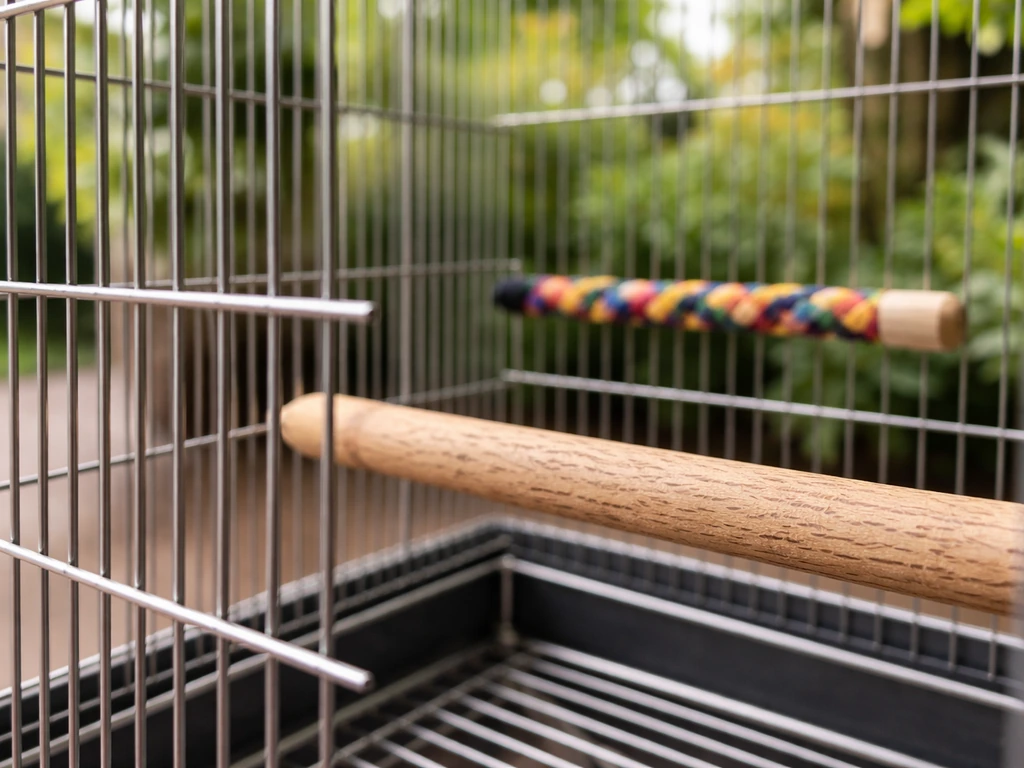
Cage size and bar spacing
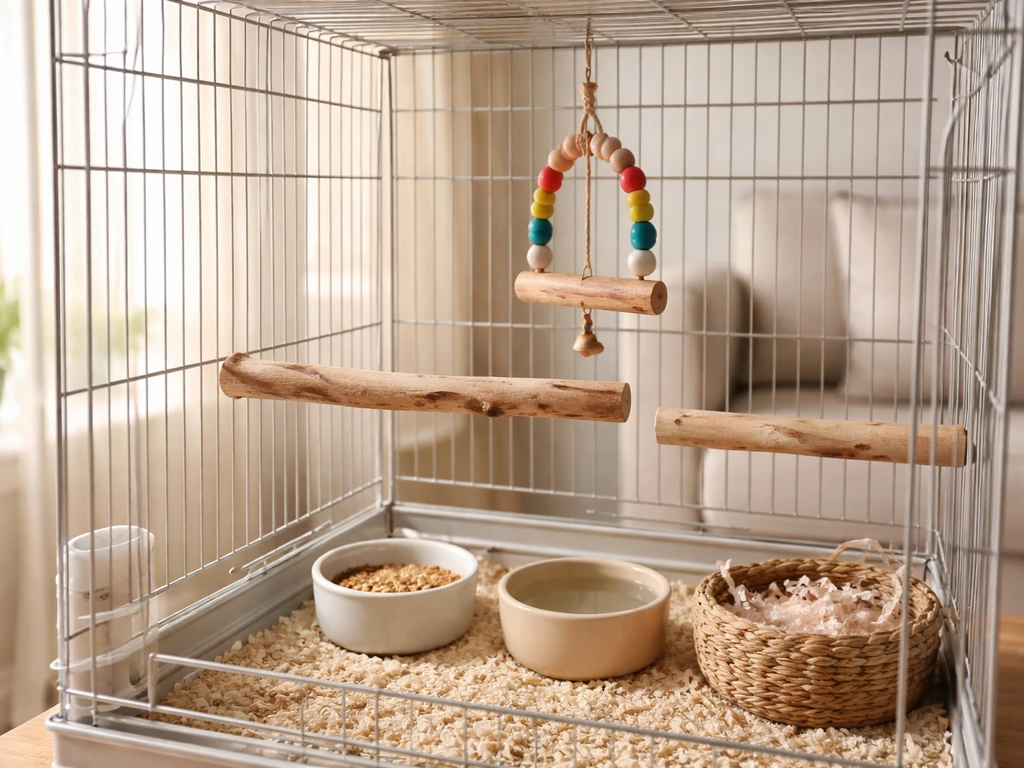
The most common beginner mistake is buying a cage that's too small. Birds need room to move horizontally, not just stand on a perch. For a single budgie, aim for at least 18"x18"x18", and bigger is always better. Cockatiels need at least 20"x20"x24". Lovebirds need around 18"x18"x18" for one bird, or 32"x20"x20" for a pair. For all small birds (budgies, lovebirds, cockatiels, finches, canaries), bar spacing should be no more than half an inch. Bar spacing that's too wide can trap a bird's head, which is a serious injury risk.
Where to place the cage
Cage placement matters more than most people realize. Avoid putting the cage directly in front of a window, direct sun exposure overheats birds and constant outdoor activity stresses them. Avoid drafty areas like near air vents, exterior doors, or windows that get opened regularly. The best spot is a room where the bird can see and hear family activity without being overwhelmed by it: a living room wall away from windows is often ideal. Keep the cage away from the kitchen (more on that below) and away from the front door where sudden cold drafts can hit.
Air quality: the most overlooked danger
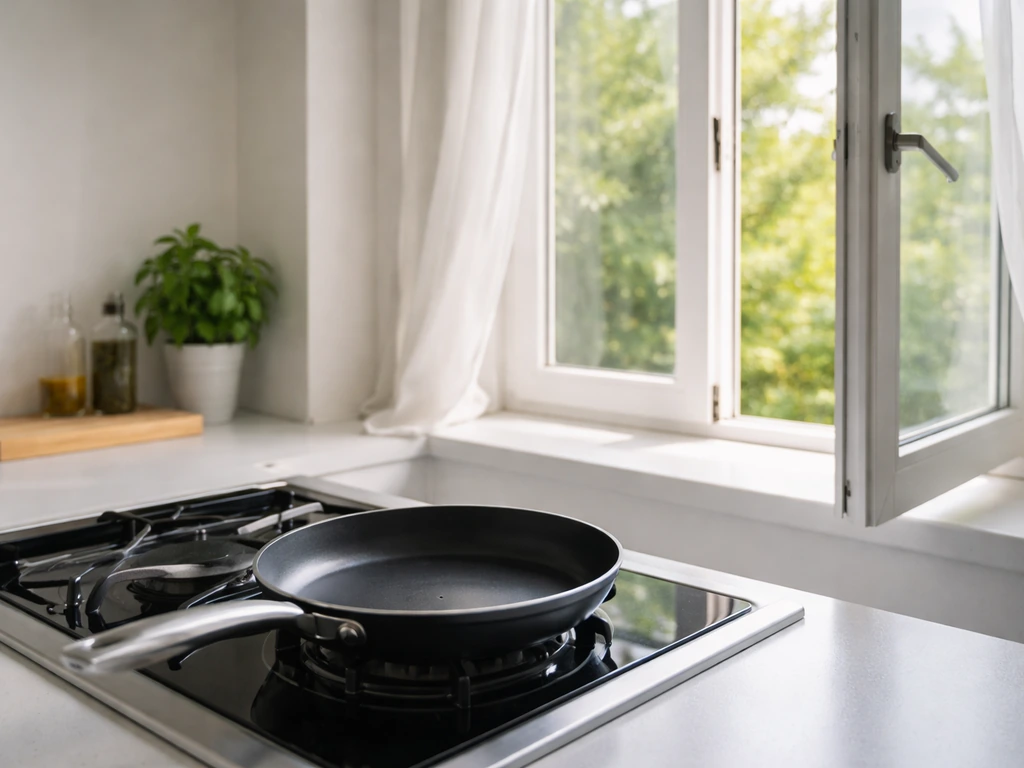
This is where I want to be very direct, because it's the thing new bird owners are most likely to get wrong. Birds have incredibly sensitive respiratory systems. Fumes that barely register to a human can kill a bird quickly. The biggest dangers in a typical home include:
- Non-stick cookware (Teflon/PTFE): Heated non-stick pans release fumes that are deadly to birds. This is not a minor risk — it's one of the leading causes of sudden bird death in homes. Replace non-stick pans with stainless steel or cast iron.
- Household cleaners: Bleach, ammonia, oven cleaners, toilet bowl cleaners, and similar products release fumes harmful to birds. Always clean away from the bird and ventilate well before the bird re-enters the room.
- Aerosols and sprays: Air fresheners, perfumes, hairspray, pesticides, and scented candles all pose risks. Avoid using these near your bird.
- Off-gassing: New carpets, paints, glues, and some furniture can off-gas fumes that affect birds. Ventilate rooms thoroughly before placing your bird there.
- Cooking smoke and fumes: Even non-toxic smoke from burned food can cause respiratory problems. Keep the kitchen well-ventilated and, ideally, keep birds out of the kitchen entirely.
Perches, toys, and cage accessories
Perches should vary in diameter and texture to keep your bird's feet healthy and prevent pressure sores. Natural wood perches are great. Avoid sandpaper perch covers, they damage feet. Include at least two perches at different heights. For toys, birds need mental stimulation, so rotate toys regularly to prevent boredom. For extra visual and mental interest, a top bright magnetic bird toy can be a fun addition to rotate in during enrichment time. Foraging toys (where the bird has to work for a treat) are especially good. Add a cuttlebone for calcium. Keep the cage floor lined with paper (newspaper or unbleached paper towels) that you can swap out easily during daily cleaning.
Sleep setup
Birds need 10–14 hours of sleep per night (different sources vary slightly, but 10–12 is the practical minimum). If your living room stays bright and noisy until midnight, your bird isn't getting enough sleep, and sleep deprivation genuinely compromises their immune system and temperament. The easy fix: cover the cage with a breathable cloth at a consistent time each night and uncover it at a consistent time each morning. If your schedule is very irregular, a dedicated sleeping cage in a quiet, dark room is worth considering.
Feeding and daily care routines
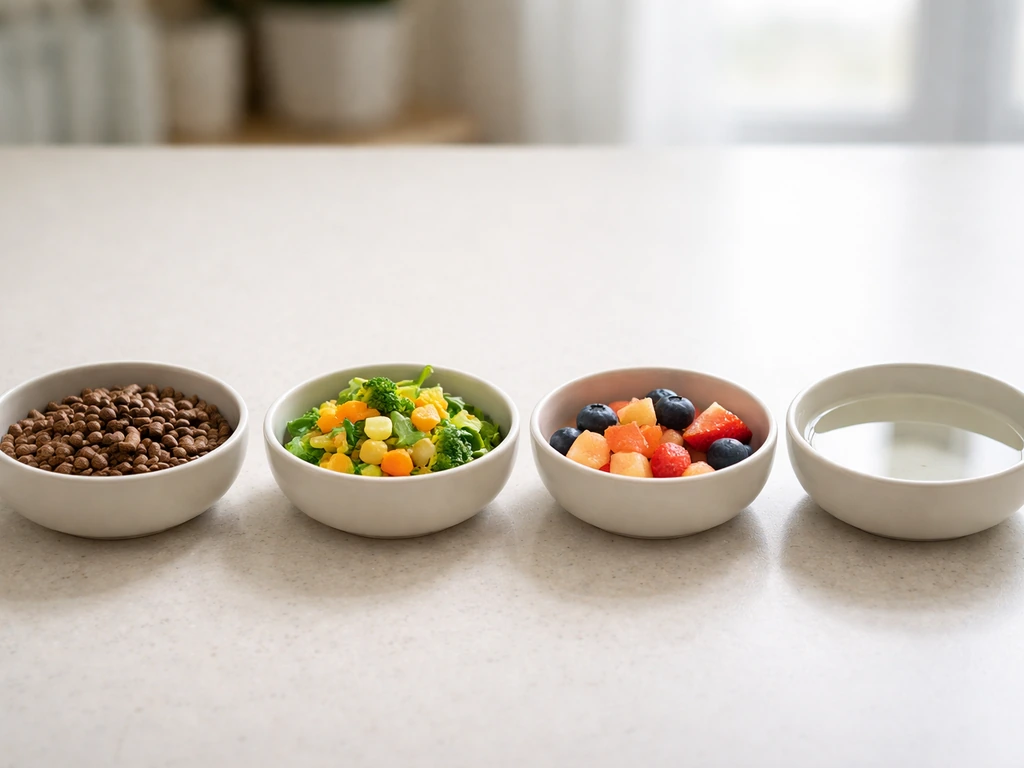
A good diet for small parrots (budgies, cockatiels, lovebirds) is roughly 40–50% formulated pellets, 30–40% seed mix, 10–15% fresh vegetables, and 5–10% fresh fruit. The challenge is that most birds sold from pet stores are seed-only eaters, and seeds alone are nutritionally deficient long-term. If your bird only wants seeds at first, don't panic, transition them gradually to pellets over several weeks, mixing increasing ratios of pellets into the seed while monitoring that they're actually eating. Watch their droppings during the transition: a bird that stops eating is a vet visit, not something to wait out. Canaries and finches have slightly different needs and do well on a seed-based diet supplemented with fresh greens and egg food.
Fresh water should be replaced daily, not topped off. Food dishes should be wiped clean daily. The cage floor liner should be changed every 1–2 days. A deeper cage clean (wiping down bars and perches) should happen weekly. This is genuinely non-negotiable, dirty cages breed bacteria and make birds sick.
On top of feeding and cleaning, budget about 20–30 minutes daily for basic interaction and observation. Watching your bird eat, move, and behave is how you catch health problems early. A bird that's fluffed up, sitting on the cage floor, or not eating is a bird that needs a vet, not a wait-and-see approach.
Enrichment, handling, and social needs
If you get a social species like a budgie, cockatiel, or lovebird, plan on at least an hour of supervised out-of-cage time daily. This isn't optional enrichment, it's a core welfare need. Out-of-cage time should be in a bird-safe room with windows closed and ceiling fans off. Let the bird explore, interact with you, and move around. This is also when training sessions work well: short (5–10 minute) sessions using food rewards to teach step-up and other basic behaviors.
When you first bring a bird home, give it a few hours alone to settle in before you start intensive handling or training. A new bird is stressed, and pushing interaction too hard too soon can set back the taming process significantly. Let them eat, drink, and explore their cage first. Then start with slow, calm approaches, sitting near the cage, talking softly, offering treats through the bars. Build trust before you build behaviors.
For non-handling species like canaries and finches, enrichment looks different: vary their cage layout periodically, provide bathing opportunities (a shallow dish of water or a light mist spray), and give them visual stimulation through a safe window view. These birds won't miss your hands, but they do notice environmental monotony.
One thing worth noting: if you also have cats in your home, the dynamic between a cat and a caged bird requires real thought. To keep play fun and safe for indoor cats, look for the best flying bird cat toy for indoor cats as an alternative to letting your cat stalk a real bird. Choosing the best bird toy for cats also means thinking about how your cat will react to what the bird can reach or play with cats in your home. How long should i let my cat watch bird videos is also a good question, because visual stimulation can build interest without direct exposure to the bird. A bird that's constantly stressed by a cat stalking its cage isn't thriving, even if the cat never physically reaches it. The mental stress alone affects health. If you have cats, the bird's cage placement and your cat's access to the bird room matter a lot.
Common beginner mistakes, and how to skip them
- Buying the wrong cage first: Most starter cages sold at big-box pet stores are too small. Buy the biggest cage you can reasonably afford and fit in your space. You will not regret it.
- Keeping non-stick cookware: This is the one that catches people off guard. If you have a bird, you need to ditch Teflon and similar coated pans. Full stop.
- Feeding only seeds: A seed-only diet is like feeding a human only chips. It looks fine short-term and causes real problems long-term. Start transitioning to a pellet-based diet early.
- Skipping the first vet visit: Get a baseline wellness check with an avian vet shortly after bringing your bird home. This establishes a health baseline and catches problems you might miss. Plan for annual checkups after that.
- Ignoring sleep: If your bird isn't getting 10–12 hours of dark, quiet sleep consistently, their health will suffer over time. This is simple to fix but easy to overlook.
- Rushing handling and training: Pushing too hard too soon makes birds hand-shy, not hand-tame. Patience and consistency beat intensity every time.
- Not bird-proofing the room: Open windows, ceiling fans, toilet lids, and cooking pots are all real dangers during out-of-cage time. Do a full sweep of the room before you open the cage door.
- Getting a single social bird and leaving it alone all day: A single budgie or lovebird left alone for 8–10 hours daily will become stressed and may develop behavioral problems. Consider a pair if your schedule is demanding, or a less social species like finches.
How to pick your bird and what to buy first
Here's the decision in plain terms: if you want hands-on interaction and you're a true beginner, get a budgie. If you want something bigger and more expressive and you can commit to daily interaction, get a cockatiel. If you travel a lot or work long hours, get a pair of finches. If you want beautiful song without handling, get a male canary. If you want feisty and entertaining and you're willing to put in taming work, get a lovebird.
Once you've chosen your species, here's the order to do things: set up the habitat before you bring the bird home, not after. Have everything ready so the bird can settle in immediately.
Your next-step shopping and setup checklist
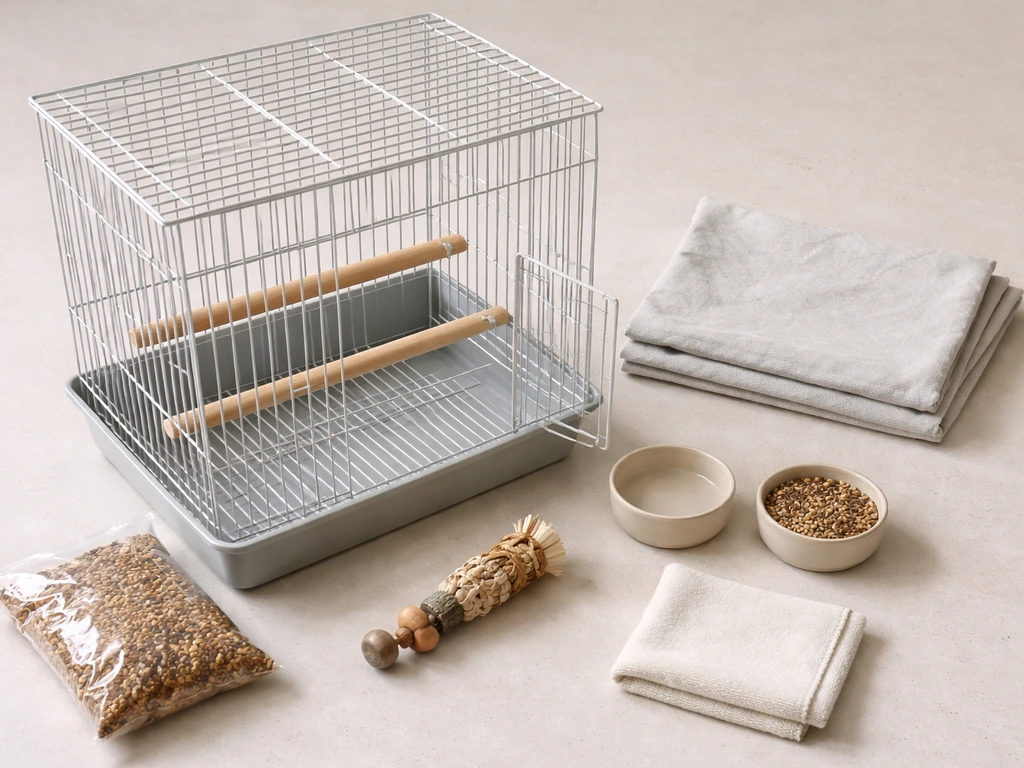
- Choose your species based on the noise/time/interaction criteria above
- Buy a cage that meets or exceeds the minimum size for your species — with bar spacing no more than half an inch for all small birds
- Set up the cage with at least two varied-diameter perches, a cuttlebone, and 2–3 rotating toys
- Line the cage floor with plain paper (newspaper or unbleached paper towels)
- Stock up on formulated pellets and a quality seed mix (avoid mixes that are mostly filler or colored puffs)
- Replace any non-stick cookware in your home with stainless steel or cast iron before the bird arrives
- Identify an avian vet in your area and schedule a first wellness visit within the first few weeks
- Establish a consistent daily schedule: uncover cage at the same time each morning, feed fresh food and replace water daily, cover cage at the same time each night for 10–12 hours of sleep
- Bird-proof your out-of-cage space before the first free-flight session: close windows, turn off ceiling fans, cover mirrors, and secure any hazards
- Give the bird 24–48 hours to settle before starting active handling or training
That's genuinely all you need to get started confidently. The research, the species debates, the 'perfect' cage debates, they all matter less than simply having the right habitat ready, the right food on hand, and a realistic picture of the daily time you're committing to. Pick the bird that fits your actual life, set things up properly before they arrive, and you'll be in great shape from day one.
FAQ
What’s the safest temperature and airflow setup for a best indoor bird in an apartment?
For indoor birds, temperature swings matter as much as cold drafts. Aim for a stable, comfortable room temperature (roughly what you feel comfortable in), and keep the cage away from AC vents and heaters. Sudden heat or chill can worsen respiratory stress, which is one of the biggest hidden risks in typical apartments.
Is it okay to keep a beginner bird alone, or should I plan for a pair?
A single bird can still do well, but it depends on species. Budgies, cockatiels, and lovebirds are social and usually benefit from a companion or regular one-on-one time, while finches and canaries are better matched to their species social needs. If you cannot provide at least the daily interaction you planned, choosing a pair or a more self-sufficient species is often the safer beginner move.
When should I start handling my new budgie, cockatiel, or lovebird, and how long should the first sessions be?
Yes, but only after you confirm they are steady with eating and basic behavior. New birds need time to settle, and forcing handling too early often delays taming and can increase stress. When you do start, keep sessions short, sit near the cage first, and use treats as a cue rather than chasing the bird for contact.
My bird only wants seeds, how do I transition to pellets without risking weight loss?
Start with a seed-first bird by transitioning gradually, but also watch body language. If droppings change to very watery, the bird becomes fluffed and inactive, or it refuses food for more than a short window, stop the adjustment and contact an avian vet. Also ensure pellets are fresh and not stale, because some birds refuse them if they smell old.
Is wing clipping a good safety option for beginner birds during out-of-cage time?
Clipped wings can reduce flight but do not remove the need for safe space. Birds can still hop and fall, and wing clipping can limit normal posture and escape from stress. Instead of assuming clipping fixes safety, make the room bird-safe, manage ceiling fans and open doors, and supervise the full out-of-cage time.
How can I double-check cage safety for bar spacing and escape risk after setup?
To prevent escapes and head injuries, treat bar spacing as an ongoing safety requirement, not a one-time measurement. Check it again if you swap cages, add new toys, or move the cage to a different environment with different access points. Also avoid DIY bars or replacing parts with mismatched dimensions.
What’s the right way to cover a bird cage for sleep, and what cover materials should I avoid?
Covering the cage helps, but the fabric should be breathable and securely positioned so it never touches heat sources or creates a choking risk. Use the same cover at the same time each night, and avoid using plastic or anything that traps fumes from detergents or scented products.
Will a best indoor bird be okay if I have a loud TV or frequent visitors?
If you work from home, the main issue is not just noise volume, it is consistency. Even a relatively quiet species can become stressed if whistles, TV audio, or household activity is unpredictable at night, or if the bird is repeatedly startled. For canaries in particular, expect singing patterns, then use cage placement to reduce constant direct stimulation.
Why might my beginner bird ignore vegetables, and what should I change first?
Yes, and it starts with diet presentation. Many birds will avoid messy foods if the dish is dirty or if greens are left too long. Wipe bowls daily, remove uneaten fresh foods after a few hours, and offer vegetables at a consistent time so the bird learns to associate you and the food with routine rather than interruption.
What are the most important health signs to monitor daily in a best indoor bird?
Watch for subtle red flags during the daily observation window, not just obvious illness. Fluffed posture for long periods, sitting on the floor repeatedly, open-mouth breathing, tail-bobbing, or a sudden change in droppings or appetite are reasons to contact an avian vet promptly.
How often should I rotate toys and foraging items, and how do I know if my bird is actually benefiting?
Birds do not need “boredom-proofing” with constant replacement, they need varied stimulation with consistent safety. Rotate toys weekly or biweekly, include foraging items so they work for food, and keep perches at different heights so foot and joint strain does not build up. If the bird stops engaging, swap the toy type rather than adding more toys.
What’s the best way to test or reduce allergy risk if I want the best indoor bird but have asthma?
It depends on what you mean by “bird allergies.” Some people react to airborne proteins, including feather and dander, while others react more to dust and dried debris. If anyone has asthma or known sensitivity, do a careful trial with an allergist-guided plan, use frequent cage cleaning, and avoid adding scented products near the bird room.