The best plants for a bird aviary are ones that are non-toxic when chewed or ingested, free of pesticide residue, and suited to the aviary's light and humidity conditions. Reliable picks include spider plants (Chlorophytum comosum), Boston ferns (Nephrolepis exaltata), hibiscus (Hibiscus rosa-sinensis), willow branches (Salix spp.), and fruiting herbs like basil and dill. These cover the four main roles you want plants to fill: foraging interest, cover and shelter, safe perching, and chew enrichment. Getting the right plants matters, but how you install, maintain, and introduce them is just as important as the species you pick.
Best Plants for Bird Aviary: Safe Choices and Setup Tips

Marcus Chen
13 May 2026
What makes a plant actually safe for birds
Here's something that trips up a lot of first-time aviary owners: there is no universal certified-safe plant list for birds. The VCA and CAFA Bird Club both acknowledge there are very few rigorous scientific studies on plant toxicity specifically in pet birds. The lists you'll find online (including reputable ones) are based largely on accumulated keeper experience and anecdotal reports. That doesn't mean the lists are useless, it just means you use them as a starting point, not a final answer.
When evaluating any plant, think about four risk pathways, not just "is it toxic if eaten." Birds can be exposed through ingestion of leaves, seeds, or berries; through skin and feather contact with sap or plant oils; through inhaling volatile oils or aerosolized particles from aromatic plants; and through secondary exposure to pesticide residue on foliage. Birds have uniquely sensitive respiratory tracts, and the Merck Veterinary Manual specifically flags aerosolized plant particles and volatile oils as high-risk for avian species. A plant that seems harmless to a dog or cat can still trigger respiratory distress in a bird just from being nearby.
So practically speaking, a plant earns a spot in your aviary by passing all of these: it's on a verified non-toxic list by scientific name (not just common name), it has no acrid sap, volatile aromatic oils, or calcium oxalate crystals, it came from a source you can confirm is pesticide-free, and it doesn't produce seeds or berries likely to be eaten in large quantities. Choosing the best bird aviary also means matching your plant choices to the birds, airflow, and light levels of the enclosure. Always use the scientific name when checking safety. "Lily" covers dozens of species with wildly different toxicity profiles.
The best plant picks by role in the aviary
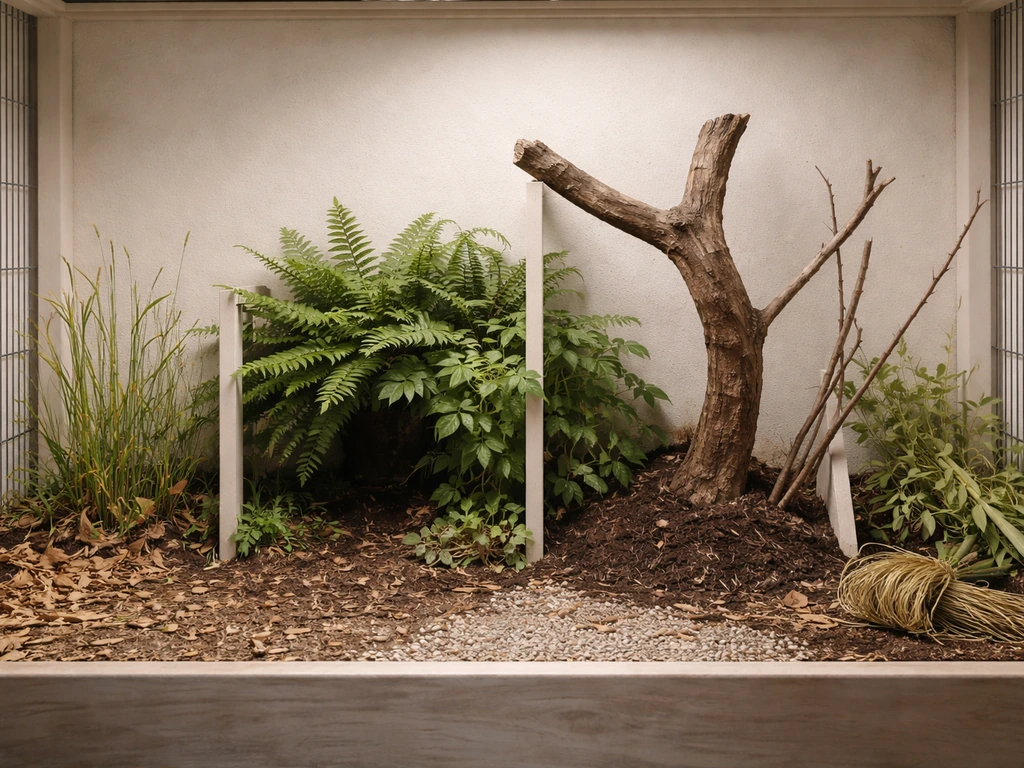
Think of your aviary in four functional zones when it comes to plants: places to forage, places to hide and feel secure, structures for perching, and things to chew for enrichment. The best plant setups serve more than one role at once. If you want a broader starting point beyond plant selection, reviewing the best bird aviary designs can help you plan safer zones and layouts for enrichment.
Foraging plants
Foraging plants give birds something to actively interact with by searching for seeds, buds, or tender new growth. To get the most benefit, focus on the best bird attracting plants for your climate and the specific behaviors you want to encourage. Herbs are the most practical choice here. Basil, dill, cilantro, parsley, and chickweed are frequently recommended and widely used by keepers of finches, canaries, parakeets, and small parrots.
They're easy to grow, replace cheaply, and many birds go after the seeds and soft stems naturally. Chickweed (Stellaria media) in particular is a classic finch foraging plant. Sunflower plants (before the seeds fully mature and if grown organically) are also popular for larger parrots. The key with foraging plants is rotation: don't leave them until they're stripped, wilted, and sitting damp on the aviary floor.
Cover and shelter plants
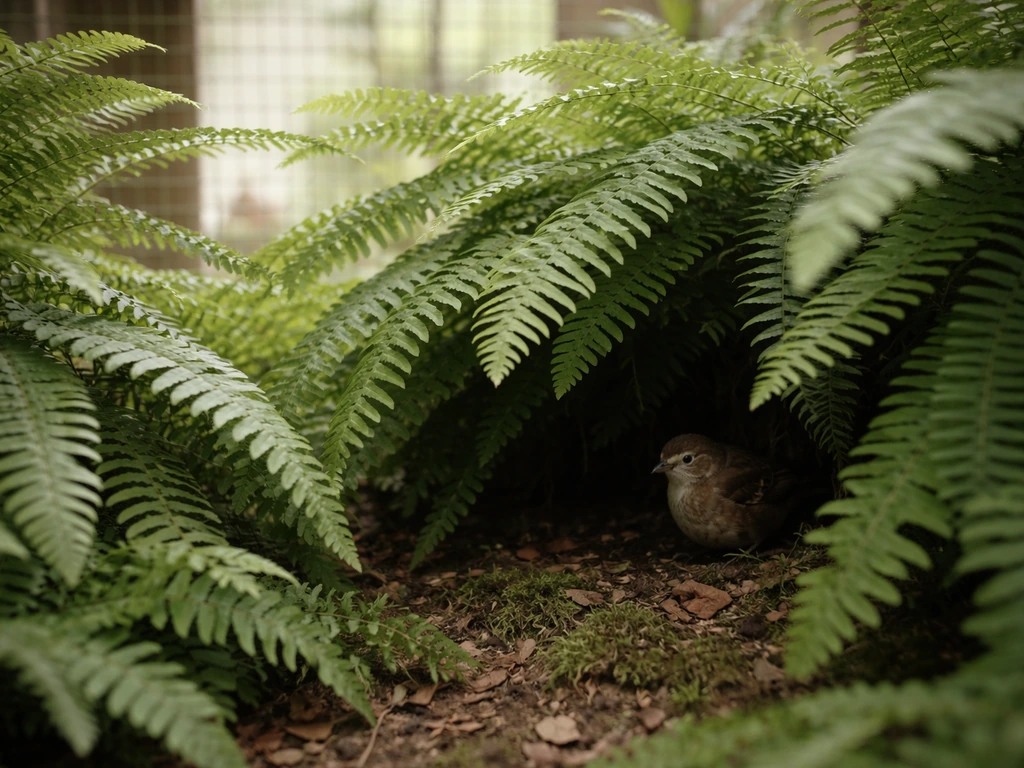
Cover plants reduce stress by giving birds places to retreat and feel hidden. Boston fern is one of the best all-around options: it's on virtually every verified safe list, it's bushy enough to provide real cover, tolerates lower light, and handles moderate humidity well. Spider plants work similarly and have the added bonus of being nearly indestructible. For outdoor aviaries in warm climates, hibiscus is excellent. It grows densely, birds can eat the flowers without harm, and it handles full sun well. Grasses like pampas-free ornamental varieties or oat grass also add cover while giving finches something to move through naturally.
Perching plants
Live branches from safe tree species act as both perches and enrichment. Willow (Salix spp.) is one of the most widely trusted options across bird species. Fruit tree branches like apple, pear, and cherry (when from pesticide-free sources) are also commonly used. Manzanita, though technically a dried wood rather than a living plant in most aviary setups, is worth mentioning because it's one of the most durable and safe perch materials available. If you're adding living shrubs as perch plants, mulberry (Morus spp.) is well regarded, and birds often eat the leaves and berries too.
Chewing and enrichment plants
Chewing is a natural behavior you want to encourage, not suppress. Willow branches are a double-use plant here because birds will strip the bark and chew the soft wood. Seagrass, water hyacinth (the dried plant form used in toys), and banana leaves (in tropical aviaries) are also commonly used as chew materials. For live enrichment, cornflower (Centaurea cyanus), nasturtium (Tropaeolum majus), and calendula are edible flowering plants that birds will pick at actively. Nasturtiums are especially useful because nearly the entire plant is edible and many birds go after the flowers and leaves with real enthusiasm.
| Plant | Scientific Name | Best Role | Light Needs | Notes |
|---|---|---|---|---|
| Spider plant | Chlorophytum comosum | Cover, foraging | Low to bright indirect | Very hardy, safe across species |
| Boston fern | Nephrolepis exaltata | Cover, humidity buffer | Medium indirect | Loves humidity; good for tropical birds |
| Hibiscus | Hibiscus rosa-sinensis | Cover, foraging, enrichment | Full sun | Edible flowers; best for outdoor aviaries |
| Willow branches | Salix spp. | Perching, chewing | Full sun (outdoor) | Rotate fresh branches regularly |
| Basil | Ocimum basilicum | Foraging | Bright light | Replace when stripped or bolting |
| Chickweed | Stellaria media | Foraging | Part shade/sun | Classic finch plant; grows fast |
| Nasturtium | Tropaeolum majus | Enrichment, foraging | Full to part sun | Entire plant edible; great for parakeets |
| Calendula | Calendula officinalis | Enrichment, foraging | Full sun | Edible flowers; easy to grow from seed |
| Mulberry | Morus spp. | Perching, foraging | Full sun | Leaves and berries safe; good for larger aviaries |
| Dill | Anethum graveolens | Foraging | Full sun | Seeds and stems both attractive to birds |
Plants and materials you need to keep out entirely
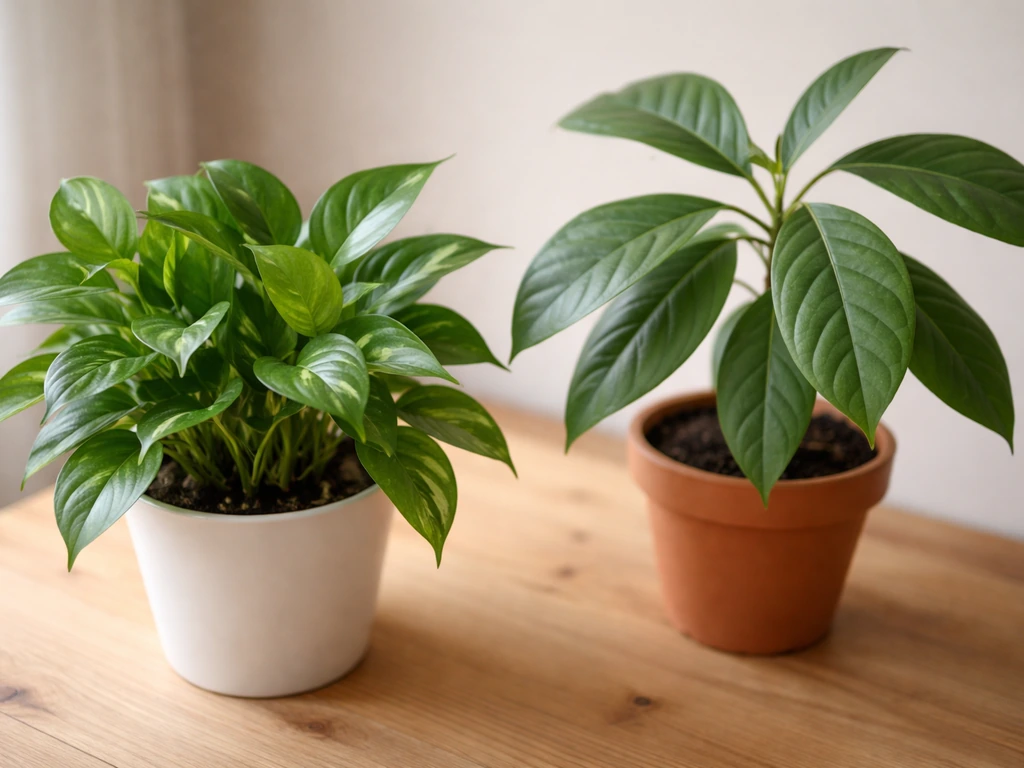
The toxic plant list for birds is long and includes many common garden and houseplants that most people would never think twice about. Avoid all of these in or near the aviary.
- Avocado (Persea americana): well-established toxin (persin) that can cause cardiac failure in birds
- Oleander (Nerium oleander): highly toxic to nearly all animals including birds; even water from a vase holding oleander stems is dangerous
- Philodendron and pothos (Epipremnum aureum): contain calcium oxalate crystals that cause severe oral and GI irritation on contact or ingestion
- Dieffenbachia (dumb cane): also contains calcium oxalate crystals; very common houseplant but dangerous near birds
- Rhubarb leaves (Rheum rhabarbarum): oxalic acid content is toxic
- Yew (Taxus spp.): all parts toxic; rapid onset and potentially fatal
- Lantana (Lantana camara): berries toxic, often planted in gardens near outdoor aviaries
- Amaryllis, daffodils, and most bulb plants: alkaloid and lycorine content
- Wisteria, sweet pea, and other ornamental vines: seeds especially toxic
- Any plant with strong aromatic volatile oils, including eucalyptus, mint family plants in large amounts, and strongly scented herbs like pennyroyal
Beyond specific toxic species, watch for three other hazard categories. First, pesticide-treated plants: this is one of the most underappreciated risks. Nursery plants are almost universally treated with systemic insecticides (especially neonicotinoids) that cannot be washed off because they're absorbed into the plant tissue. Never place a nursery plant directly into an aviary without a quarantine and replacement grow period, or better yet, grow your own from organic seed.
Second, mold and fungal hazards: damp soil, decaying plant matter, and fuzzy-leaved plants that trap moisture are all mold risks. Birds with chronic low-level aspergillus exposure show subtle symptoms for a long time before you notice something is wrong. Third, loose seed heads and dried pods: some otherwise safe plants drop seeds or shed materials that can become contaminated, lodge in crops, or cause issues if ingested in volume. Monitor and remove spent plants promptly.
Matching plants to your specific aviary setup
The same plant that thrives in an outdoor tropical aviary will die in two weeks under indoor grow lights, and a fern that loves humidity will get crispy and drop debris in a dry climate aviary. Picking plants without thinking through your conditions is one of the most common mistakes, and dead or stressed plants create their own hazards: wilting foliage, mold on decaying material, and increased debris on the floor.
Indoor aviaries
Light is the limiting factor indoors. Most flowering or fruiting plants won't do well without supplemental full-spectrum lighting. For low-light conditions, spider plants, Boston ferns, and pothos (the last one kept outside the birds' reach, since it's toxic) are common. But since pothos is toxic, safer low-light alternatives include peace lily alternatives like cast iron plant (Aspidistra elatior) or parlor palm (Chamaedorea elegans). Humidity matters too: indoor aviaries in dry climates can benefit from plants that add ambient moisture, and Boston ferns double as a natural humidifier of sorts. Keep airflow in mind, stagnant humid air around plants indoors accelerates mold.
Screened or semi-outdoor aviaries
These setups get real sun and rain, which opens up more plant options but also brings in pests, fungal spores, and weather variability. Hibiscus, mulberry, and fruiting herbs all do well here. The bigger concern is what blows in from outside: neighbors' pesticide spray drift, fallen leaves from toxic trees, and insects that might have been treated with something. A screened aviary doesn't screen out everything.
Fully outdoor aviaries
Climate dictates everything. In warm humid climates (zones 9-11), tropical plants like banana, hibiscus, and ornamental grasses grow fast and provide real structure. In temperate zones, willow, fruit tree branches, and hardy herbs are more practical. In cold climates, you're mostly working with potted plants you bring in seasonally. Regardless of climate, check what's growing around the outside perimeter of the aviary: overhanging toxic plants, vines growing through the wire, and weeds in the ground around the base are all real risks.
How to install plants without creating new hazards
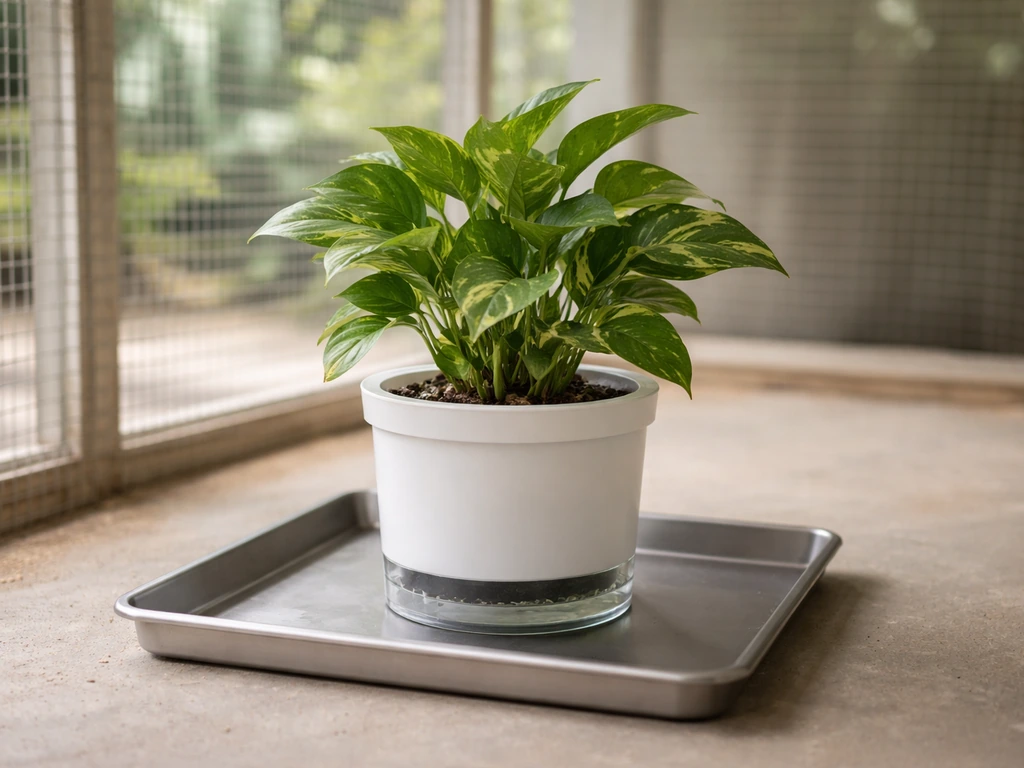
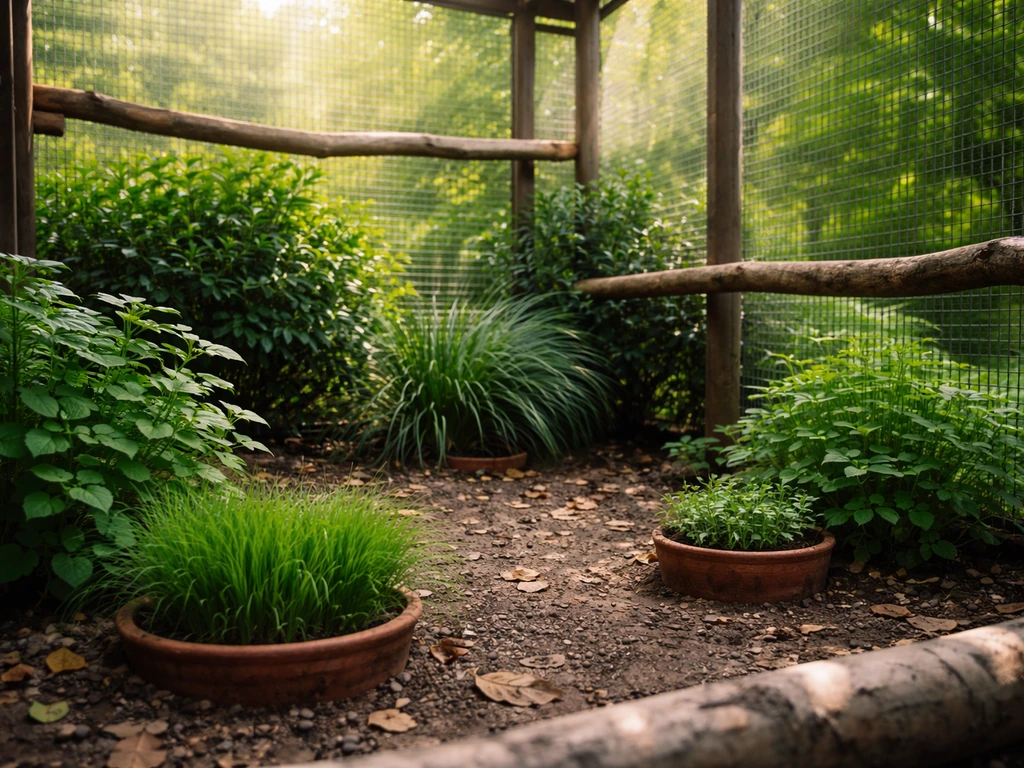
My strong recommendation for most setups, especially for beginners, is to use pots rather than planting directly in the ground inside the aviary. Pots give you control: you can move, remove, or replace a plant in minutes if something goes wrong. You can use a soil mix you've chosen specifically, rather than whatever's in the ground. And you can quarantine a new plant in a pot outside the aviary before introducing it.
When choosing soil, avoid mixes that contain perlite in large quantities (birds sometimes eat the white granules), water-retaining crystals or gels, or fertilizer pellets mixed in. A plain organic potting mix without added slow-release fertilizer is the safest starting point. If you need to fertilize, do it sparingly and only with fertilizers that are completely dry and incorporated into the soil before birds have access, not surface-applied liquid sprays.
Placement matters for both the plant's health and bird management. Put larger cover plants in corners or along the back wall so they don't dominate flight paths. Position lower foraging plants at a height birds can reach naturally from a low perch or the ground. If you want to limit how much birds interact with a plant initially (during introduction), a simple wire cage around the pot gives you that control without removing the plant entirely. Keep plants off the aviary floor directly: elevate pots on a small stand or platform to improve airflow underneath and reduce moisture buildup.
Plant care routines that keep birds safe
Watering is where most people slip up. Overwatered soil stays wet, and wet soil is a fungus gnat breeding ground and an aspergillus risk. Water deeply and let the top inch or two of soil dry before watering again. Remove any standing water in saucers under pots within an hour of watering.
If you have persistent fungus gnats, the UC IPM approach is the right one: address the moisture problem first, consider sticky yellow traps before any other intervention, and do not spray anything in or near the aviary. UC IPM advises preventing and managing fungus gnats by removing standing water and eliminating leaks, and it notes that insecticides are rarely warranted for home use [UC IPM approach is the right one](https://ipm. ucanr. edu/PMG/PESTNOTES/pn7448.
html? lang=en). Aerosolizing any pesticide, including supposedly "natural" ones, near birds risks respiratory injury.
If you have a pest problem on a plant that can't be resolved by environmental management, the cleanest solution is to remove the plant from the aviary entirely, treat it outside with insecticidal soap (one of the lowest-risk options per Clemson Extension), rinse it thoroughly, let it dry completely outside, and only return it once no residue remains. Never spray inside the aviary, even with a plant-focused product, and never fog or use aerosol treatments anywhere near birds.
Pruning keeps plants healthy and reduces debris. Trim dead or dying leaves promptly because decaying plant matter accumulates mold. After pruning, remove all trimmings from the aviary floor immediately. If a plant is getting too large or leggy, it's better to replace it with a fresh one than to let it become a structural mess that's hard to clean around. Inspect plants weekly for signs of mold on the soil surface, white powdery coating on leaves (powdery mildew), or any unusual discoloration.
Cleaning the plants themselves is simple but often skipped. Wipe large flat leaves with a damp cloth periodically to remove dust and droppings. For ferns and plants with complex foliage, a gentle misting with clean water and good airflow afterward is usually enough. Never use any cleaning product, including diluted soap or vinegar solutions, directly on plants that birds have access to.
Introducing new plants and what to do when things go wrong
Don't just drop a new plant into the aviary and walk away. A three-step introduction process reduces risk significantly.
- Quarantine the plant for 2 to 4 weeks outside the aviary. This lets you observe whether it drops unusual material, develops pests, or shows disease. It also gives time for any nursery pesticide residue to diminish in the foliage.
- Give birds supervised access first. Place the plant in the aviary but stay and watch for 20 to 30 minutes. You're looking for whether birds immediately try to eat large amounts, whether any bird shows signs of irritation (head shaking, pawing at the face, labored breathing, or regurgitation), and how birds interact with the plant generally.
- Full access only after no issues are observed over several supervised sessions across a few days.
If a bird does show signs of distress after plant contact or ingestion, act without delay. Remove the bird from the aviary immediately and put it in a clean, quiet space. If it's breathing normally and acting alert, call the ASPCA Animal Poison Control Center (there is a fee) or Pet Poison Helpline right away. Give them the plant's scientific name if you have it, describe what part was ingested or contacted, and estimate how much. Don't induce vomiting or attempt any home treatment without veterinary guidance. Supportive care while awaiting veterinary advice means keeping the bird warm, calm, and away from any further exposure.
If you're unsure whether a plant is safe and can't find it on a verified list under its scientific name, that's your answer: don't use it. The CAFA Bird Club and the Parrot Society UK both recommend the same thing: when in doubt, remove the plant and consult an avian vet. The risk calculation for birds is genuinely different from other pets because their respiratory sensitivity means even non-ingested plant exposure can cause harm.
One last thing worth mentioning: what goes into your aviary as a whole matters as much as any individual plant choice. The plants are one piece of a larger environment that includes perches, substrate, air quality, and overall enrichment. If you're still working through the basics of aviary setup, making sure the structure itself is sound and bird-safe is the foundation that good plant choices build on.
If you are still building the enclosure, see what to put in a bird aviary for a complete checklist of bird-safe items beyond just plants aviary setup. A bird aviary with a safety door can also help you add or remove plants without stressing or exposing birds unexpectedly bird aviary with safety door. If you are planning a complete bird setup, the next thing to consider is how much is a bird aviary for your space and species.
Quick-reference summary
- Best all-round safe plants: spider plant, Boston fern, hibiscus, willow branches, nasturtium, chickweed, basil, dill, calendula, mulberry
- Always verify by scientific name, not common name, before adding any plant
- Avoid: avocado, oleander, philodendron, pothos, dieffenbachia, yew, lantana, and any plant with strong aromatic volatile oils
- Never use nursery plants directly in the aviary: quarantine first to allow pesticide residue to clear
- Use pots with plain organic soil (no fertilizer pellets or water-retaining gels) for easy removal and control
- Never spray anything inside the aviary, including insecticidal soap or water-based sprays: birds' respiratory tracts are acutely sensitive to aerosolized particles
- Water deeply and infrequently, remove standing water from saucers, and prune dead material promptly to prevent mold
- Introduce new plants with 2-4 weeks of quarantine followed by supervised access before full integration
- If a bird shows any signs of distress after plant contact: remove the bird, call ASPCA Poison Control or Pet Poison Helpline immediately, and describe the plant by scientific name
FAQ
Can I use store-bought nursery plants if I wash them first?
Yes, but do it with a quarantine plan. Keep the new plant in a separate pot or enclosure for 2 to 7 days, away from birds, and watch the bird room for any strong odor or visible pests. Only introduce after you confirm no sap leaks, no moldy soil smell, and the plant is pesticide-free at the time you bring it in.
If a plant is labeled “pesticide-free,” do I still need to worry about residues?
Do not rely on washing to remove systemic pesticides. Many nursery treatments are absorbed into plant tissue, so rinsing the leaves may not reduce risk. If you cannot confirm organic, pesticide-free growing, grow from organic seed or purchase from a source that guarantees no systemic insecticides, then introduce only after quarantine.
What should I do if a plant tag only shows a common name like “lily”?
Use two checks: the scientific name on the label, and the specific cultivar or variety if it is provided. Common names like “hibiscus” or “willow” can cover multiple species. If the label only shows a common name or an incomplete genus, treat it as “unknown” and do not place it in the aviary.
What’s the best response if I see mold on the soil or fuzzy growth on plants?
If you notice mold signs, remove the plant immediately and discard contaminated soil. Wipe the pot surface and sanitize the stand or platform, then replace with fresh soil. In the interim, improve airflow and reduce watering, because mold risk comes from sustained dampness and trapped moisture around the foliage.
How do I introduce new plants without letting birds overdo it right away?
Introduce plants in waves and control access during the first few days. A temporary wire cage around the pot (or placing the pot where only one bird can reach it) helps you observe chewing behavior and droppings changes. Remove the plant if birds begin choking on leaves, coughing, or acting lethargic.
Why do my aviary plants thrive outside but fail indoors?
Consider altitude and indoor airflow as well as humidity. A plant that handles humidity outdoors can still fail indoors if air is stagnant, which increases mildew and fungal spores. Aim for “drying between waterings” at the soil surface and use fans or vents to prevent humid pockets around the plant mass.
Is wiping leaves with diluted soap or vinegar safe if it’s rinsed well?
Yes. Birds can be exposed by inhaling fine particles from damp soils or stressed plant material, not just by eating. If you use cleaning steps, avoid brushing, spraying, or aerosolizing anything on or near bird-accessible plants, and wipe only large leaves gently with a damp cloth.
What should I do about safe plants that produce seeds or berries?
Seed heads, berries, and shed pods are higher-risk if they accumulate. Remove spent material promptly and plan for plant replacement before pods mature. If your birds are seed-heavy foragers, choose plants that produce less drop material, or keep plants in elevated pots where fallen pieces are easier to catch and clean.
Can I fertilize plants in an aviary if I dilute the product?
If you need to fertilize, incorporate fertilizer fully into dry soil and keep it away from bird-access surfaces. Never use surface-applied liquid sprays in the aviary, because droplets can become airborne and because residues can be ingested when birds chew leaves or roots.
How do I control fungus gnats without harming birds?
A simple rule is, if the soil is staying wet or the top inches do not dry between waterings, pause and fix the watering schedule first. For persistent fungus gnats, use sticky yellow traps as an early step after correcting moisture. Do not aerosolize insecticides or “natural” sprays near birds.
What are the next steps if a bird coughs, sneezes, or looks distressed after chewing plants?
For birds showing breathing changes, you should treat it as urgent respiratory risk. Move the bird to clean air immediately, keep it warm and calm, and contact an avian veterinarian or a poison helpline right away. Do not induce vomiting, and do not try home remedies, because timing and supportive care matter most.
Do I choose different plants for finches versus larger parrots?
Plan around bird-specific behavior and diet. Small finches may strip tender growth quickly, while larger parrots may bulldoze pots or chew stems aggressively, so you need stronger pot placement (stable stands), sturdier branch materials, and less leggy vegetation that traps debris.
If a plant is on a safe list, what else can still go wrong?
Yes, plants can create hazards even when they are “safe” species. Check for trapped moisture, falling debris, and pests that can move from plants into the bird environment. Also confirm the plant is not touching wire where sap or dampness can build up, and keep plants elevated to improve airflow under pots.
Next Articles
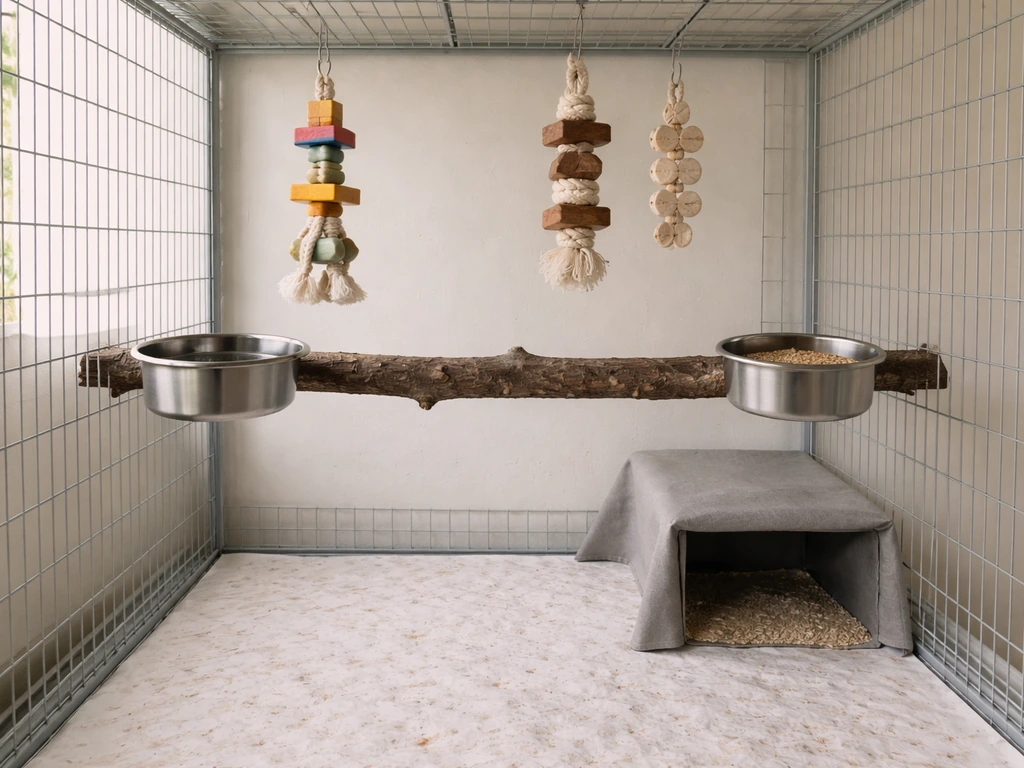
What to Put in a Bird Aviary: First-Timer Checklist
First-timer checklist for a pet bird aviary: safe perches, toys, food, water, bedding, shelter, setup tips and avoid mis
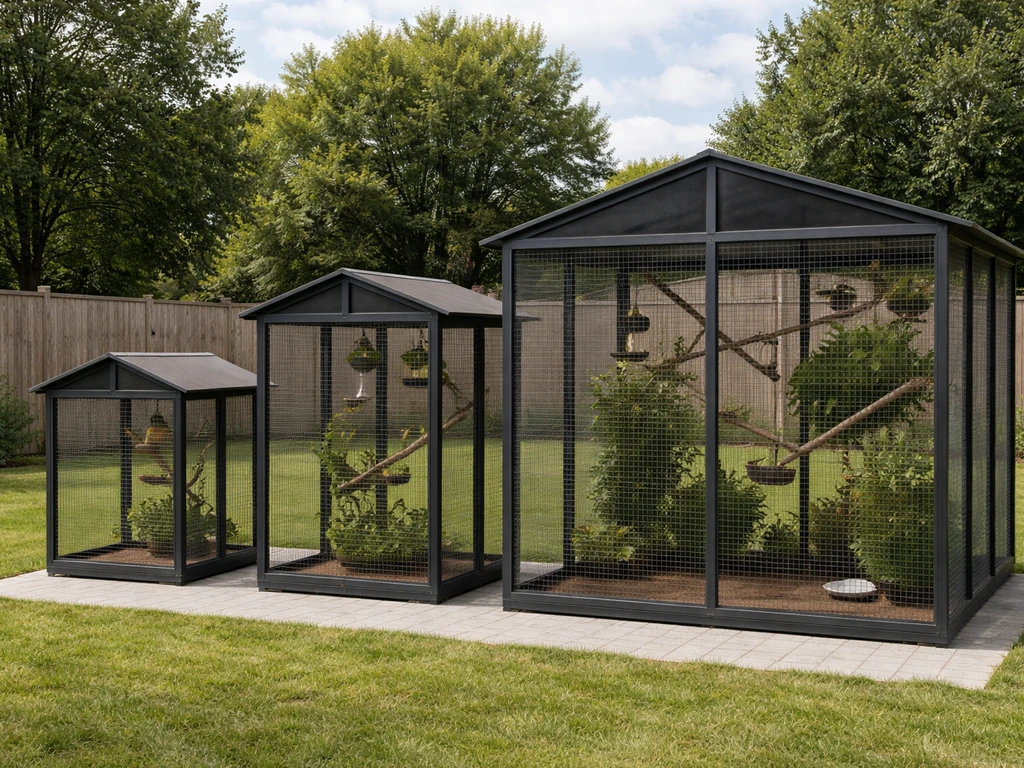
How Much Is a Bird Aviary Cost Breakdown by Size
Pricing ranges for bird aviaries by size plus a detailed cost breakdown, site prep, hidden fees, and monthly costs.
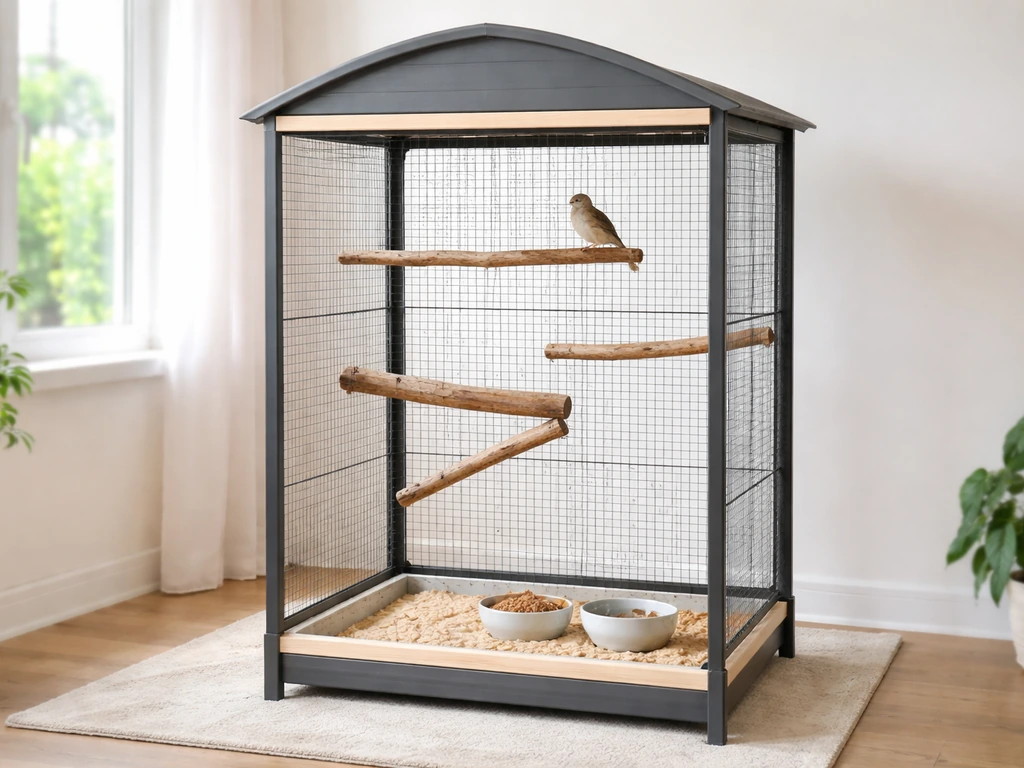
Best Bird Aviary Guide for Beginners: Choose Size, Type
Beginner guide to the best bird aviary: choose size, type, layout, equipment, placement, and care routines safely.