A well-set-up bird aviary needs safe perches in multiple diameters, food and water stations positioned away from droppings, a bathing option, species-appropriate toys, a clean substrate like plain paper, and shelter or cover depending on your bird's needs. That's the core list. But getting the details right, like which materials are actually safe, how to arrange everything so birds aren't stressed or contaminated, and what to skip entirely, makes the difference between a setup that works and one that causes problems down the line.
What to Put in a Bird Aviary: First-Timer Checklist
Marcus Chen
13 May 2026
Start with your bird type and what you actually want from the aviary
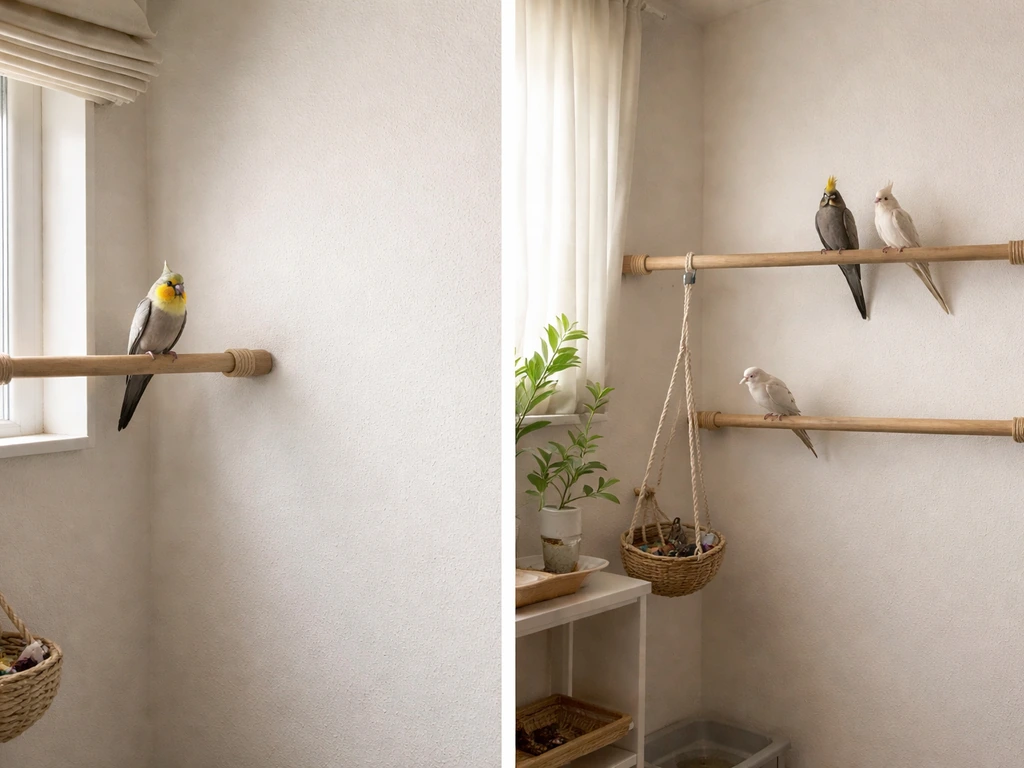
Before you buy a single perch or toy, figure out what you're working with. A solo cockatiel has completely different needs from a colony of finches or a pair of conures. The number of birds matters just as much as the species, because overcrowding perches and feeding stations is one of the most common beginner mistakes that causes stress and disease.
Ask yourself a few quick questions upfront: Are you keeping pet birds for companionship, or are you interested in breeding? Do you want the aviary indoors or outdoors? How many birds will share the space? The answers shape almost every decision in this guide, especially around nesting options and how densely you stock perches and enrichment. If you're still choosing your aviary structure, it's worth reading up on aviary designs and what safety features like a double-entry door can add to daily management.
A good rule of thumb: set up for the bird you have, not a generic template. Parrots need more cognitive enrichment. Finches and canaries need more flight space and less clutter. Softbills need bathing access almost daily. Keep those differences in mind as you work through each section below.
How to plan the layout inside your aviary
Think of the aviary interior in functional zones: a high sleeping area, a feeding zone, a play and activity zone, and the floor. Each zone should be clearly separated so that droppings from one area don't contaminate another, and so birds can move between zones without obstruction.
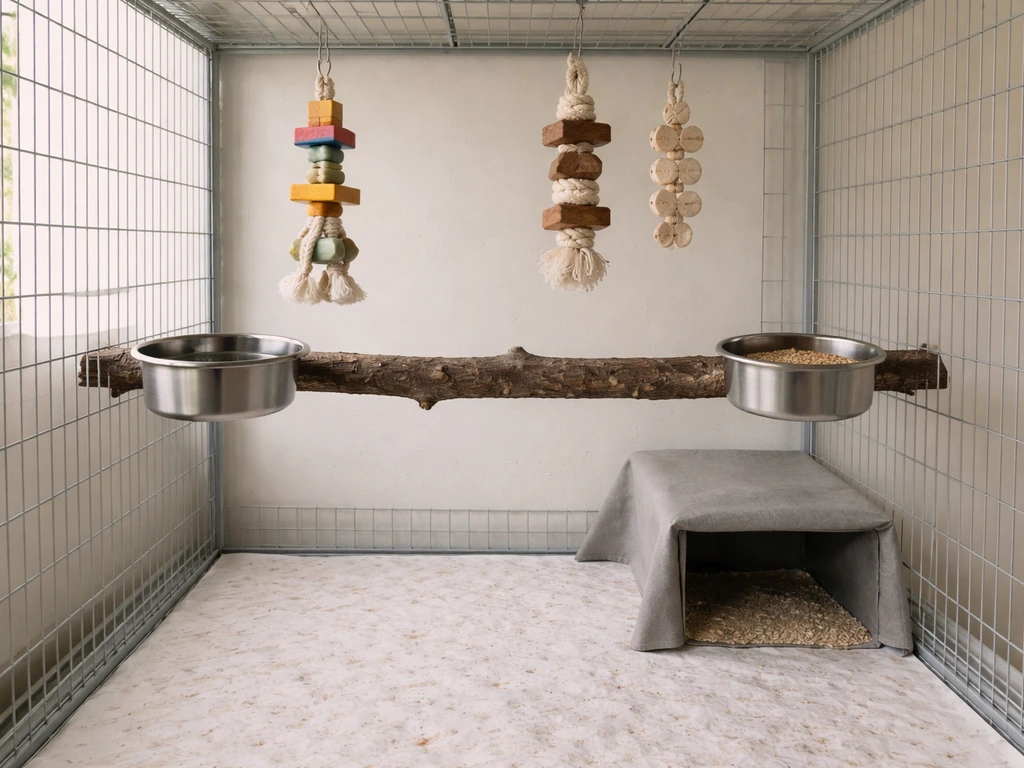
The highest perch in the aviary should be the sleeping perch. Birds instinctively feel safer sleeping at the highest available point, so placing the primary roost near the top rear of the enclosure reduces nighttime stress. Food and water stations belong at mid-height on the cage sides, never directly below perches where droppings will fall straight into them. This is a mistake I see constantly in first-time setups, and it's an easy fix: attach dishes to the side walls rather than the floor or the center of the space.
Keep a clear lane through the middle of the aviary. Birds need room to hop, glide, or fly between perch points without clipping a wing on a hanging toy. If you're adding multiple perches and enrichment items, step back and ask whether the bird can actually move freely. Perches should not be so numerous that the bird is essentially standing still all day. Less is more when you're starting out.
Perches: the most important thing to get right
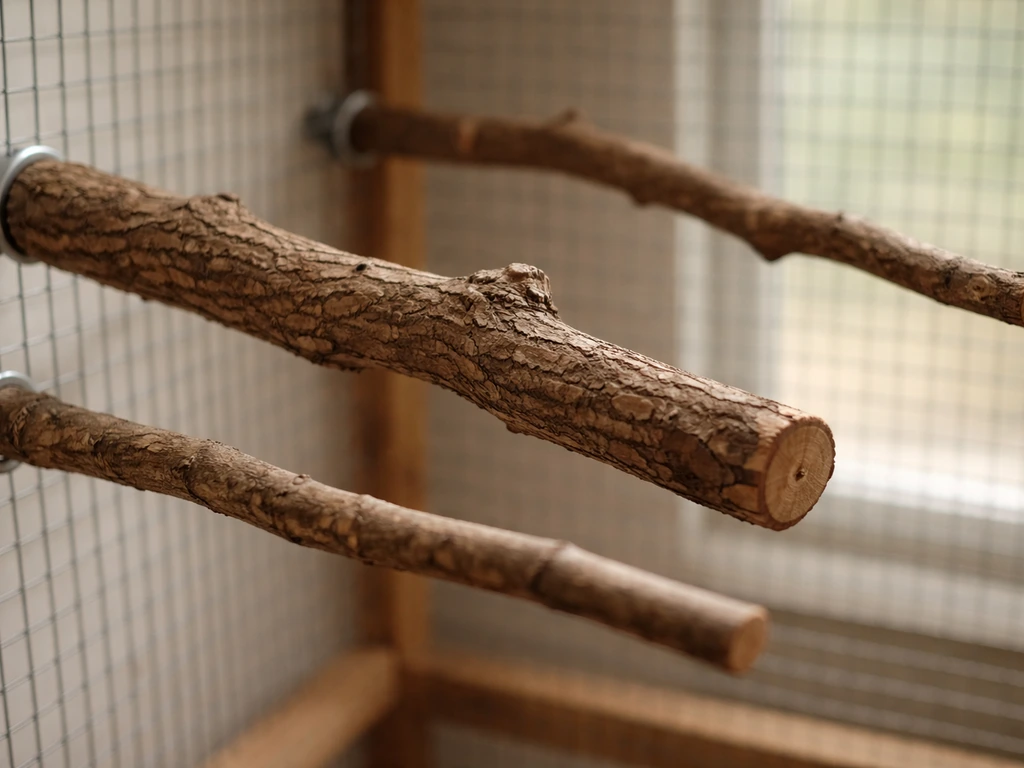
Perches are where your birds will spend most of their time, so getting them wrong has real health consequences. The most common mistake is using only one type of perch at a uniform diameter. When a bird grips the exact same surface in the exact same spot for hours every day, it creates pressure points that can develop into bumblefoot, a painful and serious foot condition.
Natural wood branches are the gold standard. Their irregular shapes and varying diameters force birds to constantly shift their grip, distributing pressure across different parts of the foot. Look for branches from bird-safe trees like apple, willow, eucalyptus, or manzanita. Avoid branches from cherry, oak, or any tree that may have been treated with pesticides or grown near roads.
Beyond natural wood, include one or two specialty perches for variety: a rope perch for softer footing, a cement or mineral perch for nail conditioning (used occasionally, not as a primary resting spot), or a platform perch for birds that like to sit flat. The key is variety, not quantity. Three or four perches of genuinely different diameters and textures beat eight identical dowel rods every time.
On perch diameter: a rough guide is that the bird's foot should wrap about two-thirds of the way around the perch. If the nails overlap or the foot lies flat, the perch is the wrong size. For small birds like finches and budgies, aim for roughly 1 to 2 cm diameter natural branches. For conures and cockatiels, 1.5 to 3 cm is a reasonable range. For larger parrots, you'll need much thicker branches.
What to avoid with perches
- Sandpaper perch covers: they cause abrasions and sores on the soles of feet, and can lead to infection. Multiple veterinary sources recommend against them outright.
- Plastic dowel rods as the only perch: uniform diameter, no grip variation, and harder on foot joints over time.
- Placing any perch directly over food or water dishes.
- Perches positioned so close together that birds can't spread their wings between them.
- Chemically treated or pressure-treated wood of any kind.
Feeding, watering, and bathing setups
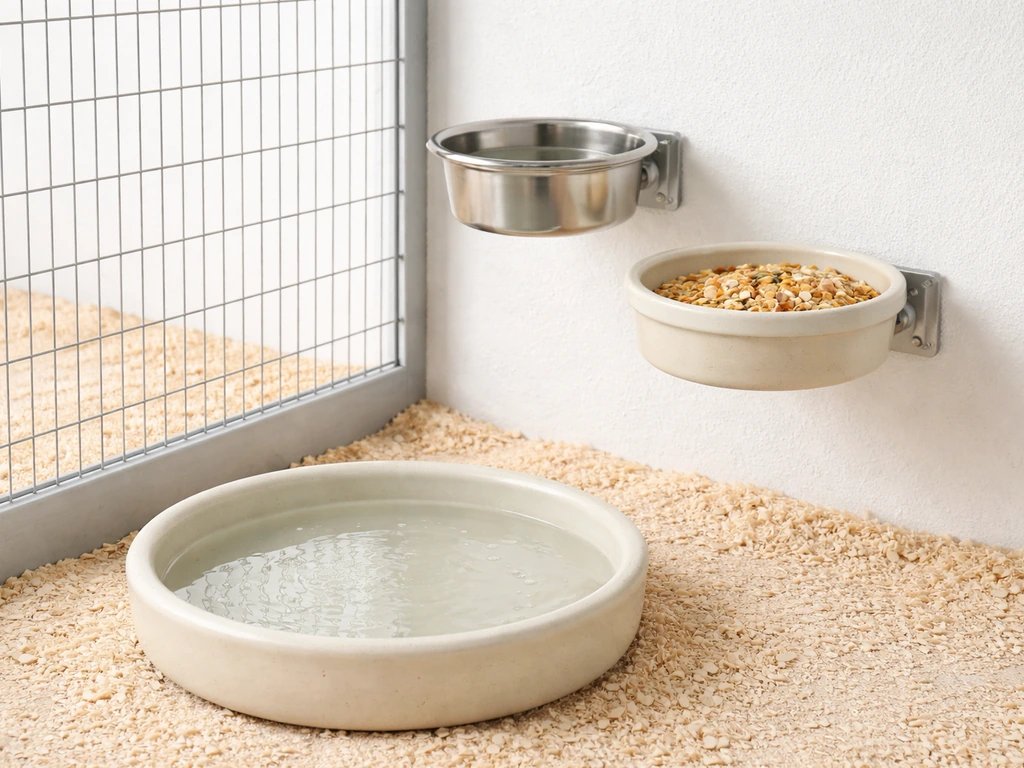
Food and water placement is a sanitation issue as much as a convenience one. Mount dishes on the side walls of the aviary at a height that's easy for birds to access but out of the direct line of any perch above. This one change dramatically reduces how often you'll find droppings in the water bowl.
For water, use a heavy ceramic or stainless steel dish that's easy to clean and won't tip over. Change the water daily, and if your tap water is heavily chlorinated, let it sit for an hour or use filtered water. Bacteria builds up fast in bird water, especially in a warm aviary.
Bathing is something a lot of new aviary owners underprioritize, but it matters for feather and skin health. Offer bathing opportunities at least three to four times per week, and daily is fine for birds that enjoy it. The challenge is that not every bird likes the same bath style: some prefer a shallow dish on the floor, some like a misting spray bottle, and some will only bathe under a gentle stream from a faucet. Try different options over a few weeks rather than giving up after one attempt. Use fresh, unchlorinated water. A simple ceramic or stainless dish placed on the aviary floor works well as a starting point.
For feeding, use at least two feeding stations if you have multiple birds to reduce competition at meal times. Stainless steel cups that clip onto cage bars are the easiest to remove and clean. Avoid wooden bowls, which absorb moisture and harbor bacteria, and skip any dishes with hard-to-clean crevices.
Toys and enrichment: more thought, less clutter
Toys serve two purposes: physical activity and mental stimulation. For pet birds, especially those that spend a lot of time in the aviary rather than on a free-roam schedule, inadequate enrichment leads to feather plucking, repetitive behaviors, and stress. But the answer isn't to cram the aviary with toys. Three or four well-chosen items that you rotate regularly will do far more than a dozen toys left in place for months.
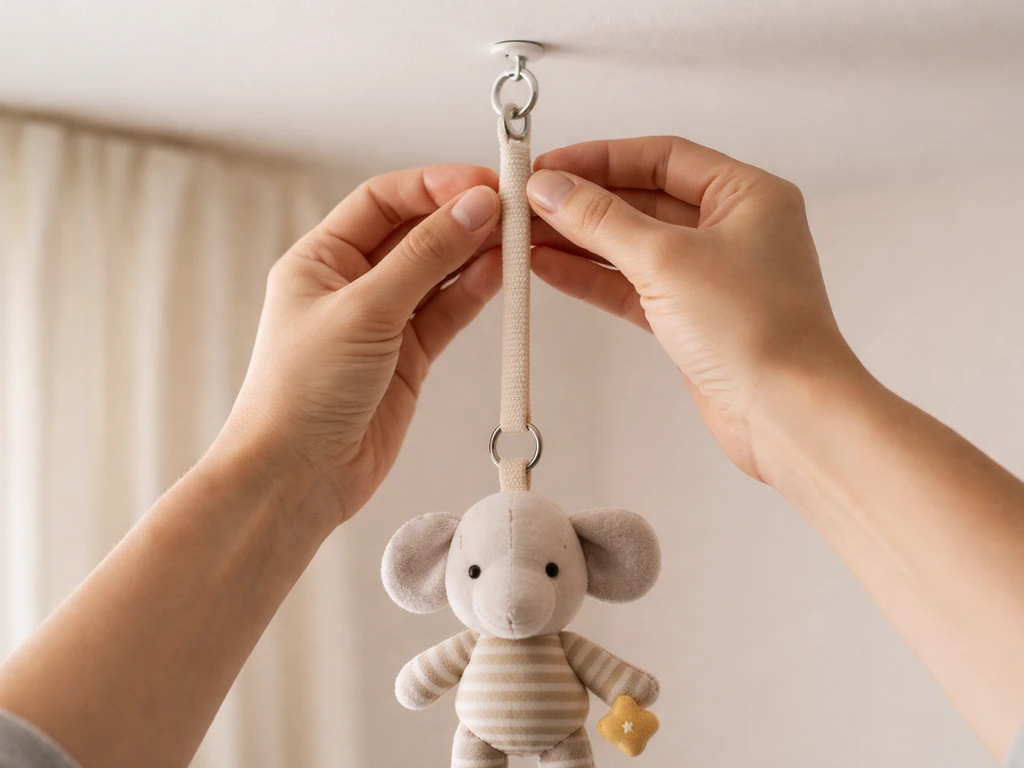
Size the toys to the bird. A toy that's appropriate for a macaw has hardware that can trap a finch's toe or a budgie's head. Check that any links, rings, or snap hooks have openings that can't entangle the bird's digits. Rope and string toys should have strands short enough that a bird can't get a foot or leg wrapped around them. Prefer toys made with vegetable-based or food-grade dyes rather than painted wood with unknown coatings.
For foraging enrichment, wrap small amounts of food in paper or tuck it inside a foraging toy. This is especially effective for parrots, who are problem-solvers by nature. Foraging toys slow down eating, provide mental challenge, and mimic natural behaviors. Even something as simple as threading pellets through a wicker ball works.
One thing worth flagging on mirrors: some birds, particularly single birds kept without companions, become obsessed with their own reflection and start attacking or fixating on it. This is a sign of frustration, not happy stimulation. Unless you know from experience that your specific bird responds well to mirrors, it's better to skip them.
Toy safety checklist before you hang anything
- No open chain links or C-clips that a toe can slip into and get trapped.
- No loose fibers long enough to wrap around feet or legs.
- No bell clappers that can be removed and swallowed.
- No painted wood with unknown or synthetic dye sources.
- No easily breakable plastic pieces that leave sharp edges.
- Rope and string strand length is short enough to prevent entanglement.
Nesting and shelter: when to include them and when not to
Nesting options are not a default inclusion for every aviary. If you're keeping pet birds and don't want breeding behavior, leaving out nest boxes and nesting material is one of the most effective ways to discourage egg-laying. This matters especially for species like cockatiels, lovebirds, budgies, canaries, and finches, which are all prone to chronic egg-laying in captivity. Chronic egg-laying depletes calcium and causes serious health problems, so if you have a female bird and don't want eggs, keep nesting material out entirely.
If you are breeding finches or canaries, add a nest box appropriate for the species and provide nesting material. For finches, avoid wire or wicker nest designs with open weave that can snag fragile toes. Coconut fiber or soft grasses are safer nesting material choices. Clean nest boxes regularly to prevent mite infestations.
Shelter and cover matter regardless of breeding intent. Birds need at least one area where they feel hidden or protected, especially for sleeping. A covered corner, a piece of natural brush, or a wooden nest box with no expectation of egg-laying can all serve as shelter. Outdoor aviaries need weather protection: a solid roof section and side panel to block wind and rain from at least one-third of the enclosure.
Floor substrate, cleaning routines, and what never to put on the aviary floor
The aviary floor substrate is about hygiene and safety, not aesthetics. The best choice is plain paper: newspaper, paper towels, or purpose-made bird cage liners. It's cheap, easy to replace daily, and lets you monitor droppings for signs of illness (color, consistency, and volume changes are often the first indicator of a health problem). Plain paper wins.
Here's the common beginner mistake: using sand, wood shavings, corn cob, or crushed nut shells as substrate. These materials look natural and seem logical, but they're genuinely problematic. They can be ingested and cause crop or digestive obstruction. They also trap moisture and harbor bacteria and fungal spores. Even substrate sold specifically for birds in pet stores isn't always safe by veterinary standards. Stick with plain paper and change it daily or every other day at minimum.
For cleaning the aviary itself, birds are extremely sensitive to airborne chemicals. Always remove your birds before using any disinfectant or cleaning spray. After cleaning, rinse surfaces thoroughly and allow full ventilation before returning birds to the space. Never mix bleach with ammonia-based cleaners, and avoid aerosol sprays anywhere near the aviary even when birds aren't present, because residue persists. Fumes from cleaning products in small or poorly ventilated spaces can be fatal to birds very quickly.
| Substrate/Material | Safe for Aviary Floor? | Notes |
|---|---|---|
| Plain newspaper | Yes | Cheap, easy to replace, lets you monitor droppings |
| Paper towels | Yes | Good for smaller spaces or daily spot cleaning |
| Bird-safe cage liner paper | Yes | Purpose-made, absorbent, easy removal |
| Sand | No | Can be ingested; harbors bacteria and moisture |
| Wood shavings (cedar/pine) | No | Cedar is toxic; all shavings can cause respiratory irritation |
| Corn cob substrate | No | Mold risk; can be ingested and cause obstruction |
| Crushed nut shells | No | Same ingestion and microbial risks as above |
| Sandpaper | No | Abrasive; causes foot sores if birds walk on it |
Your aviary setup checklist and ongoing maintenance plan
Use this as your starting framework. If you want the best bird aviary designs, use this checklist as a baseline and tailor it to your species and your birds' behavior. If you're also budgeting, you may want to compare enclosure sizes and typical pricing to answer how much is a bird aviary for your space and bird type. It's not exhaustive for every species, but it covers what a first-timer needs to get right before adding birds to any aviary. Once the basics are in place, you can also plan your plantings to support a safer, more natural bird aviary environment best plants for bird aviary. Many owners use this checklist to build the best bird aviary for safe perching, clean feeding and watering, and comfortable bathing.
Before birds go in: setup checklist
- Install 3 to 4 perches of different diameters and materials: at least two natural wood branches, one rope perch, and one platform or mineral perch.
- Position the highest perch at the top rear of the aviary as the primary sleeping spot.
- Mount food and water dishes on the side walls, never under perches.
- Add a bath dish on or near the floor, sized appropriately for the species.
- Choose 3 to 4 size-appropriate toys: at least one foraging toy and one chew item. Check all hardware for entanglement risk.
- Line the floor with plain paper.
- Add a shelter corner or covered area with a hide box or natural brush.
- Only add a nest box if you are actively breeding. Remove all nesting material if you're not.
- Confirm aviary ventilation is adequate and that no toxic plants, painted surfaces, or treated wood are inside.
- Do a final safety scan: no sharp edges, no entanglement hazards, no dishes positioned to catch droppings.
Daily and weekly maintenance routine
| Task | Frequency |
|---|---|
| Replace floor paper/liner | Daily |
| Refresh water and wash water dish | Daily |
| Remove uneaten fresh food | Daily |
| Check droppings for changes in color or consistency | Daily |
| Offer bathing opportunity | Daily to every other day |
| Wipe down perches and dish holders | 2 to 3 times per week |
| Rotate toys (swap one out for something new) | Weekly |
| Deep clean aviary surfaces with bird-safe disinfectant | Weekly (remove birds first, ventilate fully before return) |
| Inspect perches for splinters, cracks, or mold | Weekly |
| Check toy hardware for wear, loose parts, or fraying rope | Weekly |
If you're still deciding on the aviary structure itself, the interior contents should inform that choice too. A better-designed aviary with thoughtful spacing makes everything above easier to maintain. Safe plants inside the aviary can also add naturalistic enrichment and shelter, and there's specific guidance worth checking on which plants are actually safe versus which ones look harmless but aren't. If you want to add plants, choose species that are safe for birds and keep them from pesticide residues or toxic leaves Safe plants inside the aviary.
The setup doesn't have to be perfect on day one. Start with the essentials, watch how your birds actually use the space, and adjust. Birds will tell you pretty clearly what they like and what stresses them out if you're paying attention.
FAQ
How do I choose perch heights if my birds sleep in different spots?
Start by placing the primary sleeping perch near the highest rear area, then add lower resting perches that match your birds’ usual climbing paths. If you notice one bird repeatedly moving to the floor or a corner to sleep, add a stable, low perch at that exact height, and check that your middle “clear lane” has enough space to land without squeezing between toys.
What spacing should I use between perches, toys, and dish stations?
Leave a clear walking and hopping path through the center so birds can move between stations without brushing toys. As a rule, ensure there is at least a small gap between the bottom of hanging items and the highest surface a bird commonly stands on, and keep food and water out of the direct line beneath the perches.
Can I use the same aviary setup for different species in one enclosure?
Only if their needs and behaviors truly match. Even within small birds, aggression, different preferred temperatures, and different diet textures can cause problems. If you combine species, confirm each species can use the same perch diameters and bathing style safely, and provide separate feeding stations positioned far enough apart to reduce competition.
How often should I rotate or replace toys in a bird aviary?
Rotate toys on a schedule based on chewing and boredom, typically every 1 to 3 weeks, and remove any toy that shows fraying, bent hardware, or loose fibers. If you only add toys without rotation, birds often ignore them, which can lead to repetitive behaviors. Keep a “favorites list” and swap only a few items at a time to avoid sudden stress.
Are ladders and ropes safe as permanent structures?
They can be safe, but treat them as enrichment elements, not always the main resting system. Check that rope strands are short enough that feet cannot wrap, and that ladder rungs or knots cannot snag digits. For many birds, a natural wood branch network plus occasional rope is safer than relying on rope for most grip time.
What should I do if my bird keeps stuffing or contaminating the water bowl?
First check the water bowl height and placement relative to the perch above, it should be outside the direct droppings line. Switch to a heavier ceramic or stainless dish, and consider adding a small “water-only” zone with no perches directly over it. If contamination persists, increase cleaning frequency during high-fouling periods and verify the bird is not urinating unusually due to stress or diet changes.
Is it okay to use a shallow bath dish or do I need a mister?
Both can work, start with a shallow dish on the floor using fresh, unchlorinated water. Use a mister only for species that reliably engage with misting, and avoid overly frequent soaking for birds that become chilled. If your bird ignores the dish, test one alternative style at a time over a couple of weeks before changing everything.
How can I prevent bumblefoot if I cannot source natural wood branches?
Use a variety of safe perch textures and diameters, not just one smooth dowel. Ensure the foot wraps about two-thirds of the way around each perch and replace perches that become worn or slick. For nail-care, use mineral or cement perches occasionally, not as primary resting spots, and monitor the feet weekly for early signs like redness or swelling.
What signs mean my perch size is wrong?
If nails overlap significantly, the foot lies flat, or the bird has to “hang” awkwardly to grip, the perch diameter is too small. If the bird cannot comfortably wrap the foot or frequently changes position due to discomfort, the perch may be too large or too smooth. Adjust by stepping one perch diameter category up or down and observe grip and stance for a week.
Can I put food on the floor of the aviary for natural foraging?
You can for targeted foraging, but avoid leaving food on the floor as a routine feeding method because it mixes with droppings and substrate, increasing disease risk. For floor foraging, use small, short supervised sessions with paper cleanup afterward, and continue using mounted stations for regular meals.
How do I safely offer foraging treats without increasing mess and bacteria?
Use foraging toys or wrappers that keep food contained, and remove leftover items promptly. Keep foraging activity in the play and activity zone so you do not generate daily contamination around water. If you use paper-wrapped treats, remove the wrappers and refresh any area that looks damp or heavily soiled.
Should I avoid mirrors entirely?
If you have a single bird or you see fixation behaviors, skip mirrors because some birds become preoccupied and start attacking the reflection. If you want to test a mirror, do it briefly and observe for changes like increased aggression, pacing, or stress signals. Many owners find it safer to replace mirrors with interactive toys and foraging challenges.
What nesting setup is safest if I want to prevent breeding behavior?
Do not install nest boxes or provide nesting material if you do not want eggs. For species prone to chronic egg-laying, even small nesting cues can trigger behavior changes, so keep the environment “nest-free.” If you are unsure about your bird’s breeding tendencies, remove anything nest-like first (caves, covered boxes, loose nesting fibers) and reassess behavior after a couple of weeks.
If I am breeding finches or canaries, how do I reduce mite risk?
Use species-appropriate nest boxes and clean them on a strict schedule, not “as needed.” Remove and replace nesting material frequently, because mites can multiply in dirty fibers. Check the birds and nest materials regularly, and avoid designs with open weaves or wire elements that can snag fragile toes.
What outdoor aviary additions matter most for weather protection?
Provide a solid roof section and wind-blocking side panel for at least one-third of the enclosure, and ensure the protected area includes perches and a sheltered corner for hiding. Also watch for direct sun overheating, birds may crowd under cover during hot periods, so confirm there are shaded perch options.
How do I choose cleaning products, and what’s the safest way to disinfect?
Remove birds before any disinfecting, then rinse surfaces thoroughly and fully ventilate before reintroducing them. Never combine bleach with ammonia-based cleaners, and avoid aerosols because residue can linger in the aviary airspace. If you do not know a product’s bird safety, choose plain hot water cleaning instead and reduce chemical exposure to dry completely.
Can I use “bird-safe” sprays or deodorizers around the aviary?
It’s safer to avoid them in the vicinity altogether. Birds are sensitive to airborne residues and fumes, even when birds are not inside the treated area, residue can drift into the enclosure. Use mechanical cleaning, controlled ventilation, and only products you are confident are non-toxic after rinsing and drying.
What substrate should I use if I need something more absorbent than paper?
Plain paper is still the safest baseline for monitoring droppings and reducing ingestion risk. If you need extra absorbency for a specific issue, increase how often you replace the paper rather than switching to loose substrates like sand, shavings, or shells that birds may ingest.
Citations
VCA recommends using natural wood branches with varying diameters because perch diameter that’s too uniform can contribute to pressure sores/bumblefoot; perches should provide varied foot pressure and safe gripping surfaces rather than forcing birds to stand on the same spot all the time.
https://vcahospitals.com/know-your-pet/perches-for-birds
VCA advises that sandpaper perch covers are not recommended because they can cause irritation/sores on the bottoms of feet; concrete/single abrasive surfaces also should not be the only resting option because they can be abrasive.
https://vcahospitals.com/carriage-hills/know-your-pet/perches-for-birds
RSPCA advises discouraging sandpaper covering of perches because it can lead to abrasions of the sole of the foot and subsequent infection; it also advises avoiding placing bowls directly under perches to prevent food/water contamination by droppings/urine.
https://kb.rspca.org.au/knowledge-base/what-kind-of-enclosure-does-my-bird-need/
UF’s guidance says not to offer sandpaper perches because they are too abrasive for birds’ feet; it also recommends providing an assortment of perches with different diameters, shapes, and textures.
https://smallanimal.vethospital.ufl.edu/clinical-services/zoological-medicine/how-to-care-for-your-pet-bird/
VCA explains that perch diameter should somewhat match the bird’s foot size so the nails aren’t overlapping excessively when gripping (and so birds don’t defecate excessively on the perch).
https://vcahospitals.com/know-your-pet/perches-for-birds
SpectrumCare summarizes that perches should be placed so they don’t block wing space and so droppings can’t fall directly onto food/water; it recommends a setup with natural perches of different diameters plus one specialty option rather than only one surface type.
https://spectrumcare.pet/birds/care/bird-perches-guide
RSPCA states cage liners should be an easily replaced, non-toxic substrate; it lists newspaper or paper towel as appropriate and says sand/wood shavings/corn cob/crushed nut shells are not suitable cage liners because they can be ingested and/or harbor spores/bacteria.
https://kb.rspca.org.au/knowledge-base/what-kind-of-enclosure-does-my-bird-need/
The Avian Welfare shelter guide emphasizes using appropriate cage-bottom covers/substrates (e.g., plain paper) and highlights the importance of a clean environment for bird health.
https://www.avianwelfare.org/shelters/pdf/NBD_shelters_housing_birds.pdf
VCA notes that bird owners must ensure toys are safe because there are few/no quality regulations; it lists toy dangers such as snaps/clasps/bell clappers/open chain links, easily removable/broken parts, and loose fibers that could be chewed or swallowed or wrap around toes/feet.
https://vcahospitals.com/st-marys/know-your-pet/housing-large-birds
PEAC advises that toy link parts/attachments must be sized so they don’t trap toes and that wood/toy items should be safe (e.g., avoid colored/chemically treated bead coloring; prefer vegetable/food-grade dyes rather than paint).
https://peac.org/wp-content/uploads/2022/12/Parrot-Toys-Toy-Safety.pdf
The IERE article warns that mirrors can cause behavioral problems: birds may become obsessed with their reflection, and if a bird attacks the mirror it’s a sign of frustration/aggression; it recommends erring on the side of avoiding mirrors.
https://iere.org/are-mirrors-safe-for-birds/
VCA recommends encouraging bathing at least 3–4 times per week, and says birds may be offered a bath daily (individual preference varies).
https://vcahospitals.com/know-your-pet/bathing-birds
Chewy notes that you can’t predict which bath style a bird will like, and advises providing options several times (not just once); it also recommends using unchlorinated fresh water.
https://www.chewy.com/education/bird/health-and-wellness/bird-bathing
SpectrumCare advises spacing/placement: highest sleeping perch near the top, keeping food/water away from droppings, leaving a clear center lane for movement, and attaching dishes to cage sides so droppings don’t fall into them from above.
https://spectrumcare.pet/birds/conure/care/conure-cage-setup
SpectrumCare also recommends lining the cage bottom with plain paper/bird-safe liner so droppings are easy to monitor and remove.
https://spectrumcare.pet/birds/conure/care/conure-cage-setup
Omlet recommends providing nest materials for finches if you’re breeding, and specifically advises avoiding wire and wicker nests/entangling designs that can snag birds’ fragile toes.
https://www.omlet.us/guide/finches_and_canaries/finch_breeding/nesting/
For non-breeding finch/canary keeping, Lady Gouldian Finch Supplies states that the first step to prevent breeding is removing nests and nesting material from the cage/aviary (so females have a harder time incubating eggs).
https://www.ladygouldianfinch.com/non-breeding-aviary.aspx
The PDF notes that egg laying is most common in some commonly owned small birds (including cockatiels, lovebirds, budgies, canaries, and finches), reinforcing why nesting access can matter for non-breeding owners trying to reduce egg-laying risk.
https://www.allcreaturesanimalhospital.com/pdf/bird-avian/Avian%20Care%20Discouraging%20Egglaying.pdf
SpectrumCare warns that caged birds are at increased risk from cleaning chemical fumes; risk increases in small spaces/limited ventilation and if a bird stays in the room during cleaning.
https://spectrumcare.pet/birds/conditions/pet-bird-cleaning-product-poisoning
MDARD advises not to add ammonia to bleach/water mixtures during cleaning (biosecurity guidance) and emphasizes safe cleaning practice in appropriate ventilation settings.
https://www.michigan.gov/mdard/-/media/Project/Websites/mdard/documents/animals/diseases/avian/Cleaning-for-HPAI.pdf
The Environmental Literacy Council emphasizes that birds should not be exposed to bleach fumes; it highlights the need for ventilation and removing birds until fumes dissipate and surfaces are rinsed thoroughly.
https://enviroliteracy.org/can-birds-be-around-bleach/
In a bird-care context, Brook Falls notes that disinfectants and cleaning solutions can be irritating in concentrated fumes; it highlights that birds are sensitive to airborne chemical exposure (supporting removal/ventilation during cleaning).
https://www.brookfallsveterinary.com/_files/pdfs/bfvhec-bird-book-2022.pdf
VCA notes that branch-type natural perches can reduce problems like splinters/cuts and supports pressure distribution; it connects perch material condition to avoiding bumblefoot risk.
https://vcahospitals.com/know-your-pet/perches-for-birds
RSPCA provides enclosure setup placement rules: perches should be varied in shape/diameter (to exercise feet), bowls shouldn’t be directly under perches, and perches shouldn’t be so numerous that the bird can’t move freely.
https://kb.rspca.org.au/knowledge-base/what-kind-of-enclosure-does-my-bird-need/
The Avian Welfare shelter guide states that cages should contain toys appropriate for the size of the bird(s) and that hanging toy rope/string lengths should be short enough to avoid toe entanglement.
https://www.avianwelfare.org/shelters/pdf/NBD_shelters_housing_birds.pdf
PEAC warns against unsafe hardware/attachment risks by focusing on avoiding toe trapping and ensuring links are not small enough to entangle digits; it’s a direct checklist-style safety theme for aviary toy selection.
https://peac.org/wp-content/uploads/2022/12/Parrot-Toys-Toy-Safety.pdf
VCA says wood branches are best for perching because their varying diameters allow birds to distribute pressure on different areas of their feet.
https://vcahospitals.com/carriage-hills/know-your-pet/perches-for-birds
SpectrumCare advises planning perch layout so it supports movement and doesn’t block wing space, plus keeping perches out of the droppings line from food/water.
https://spectrumcare.pet/birds/care/bird-perches-guide
VCA notes bathing supports healthy skin/feathers and recommends encouraging frequent bathing.
https://vcahospitals.com/know-your-pet/bathing-birds
Next Articles
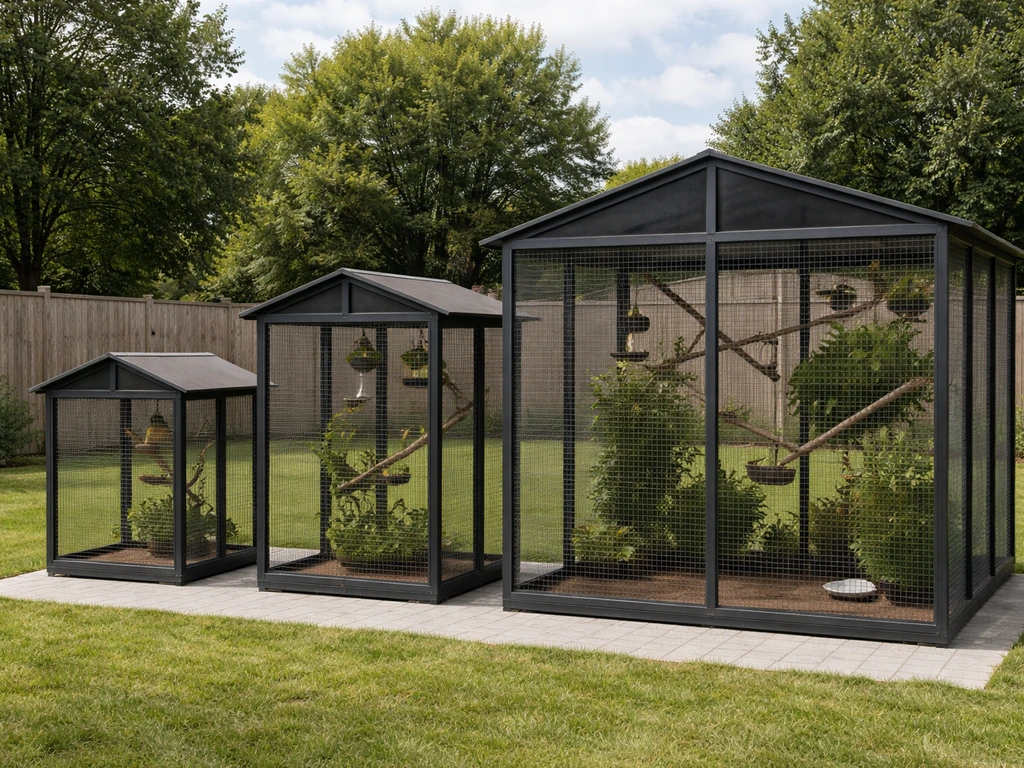
How Much Is a Bird Aviary Cost Breakdown by Size
Pricing ranges for bird aviaries by size plus a detailed cost breakdown, site prep, hidden fees, and monthly costs.
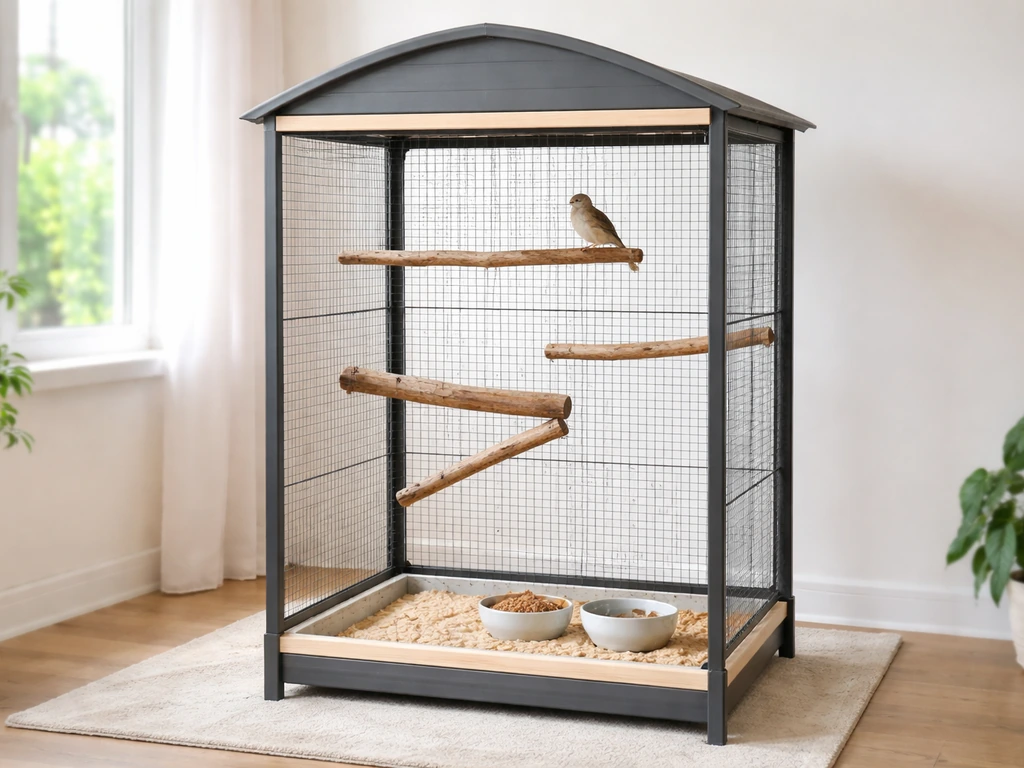
Best Bird Aviary Guide for Beginners: Choose Size, Type
Beginner guide to the best bird aviary: choose size, type, layout, equipment, placement, and care routines safely.
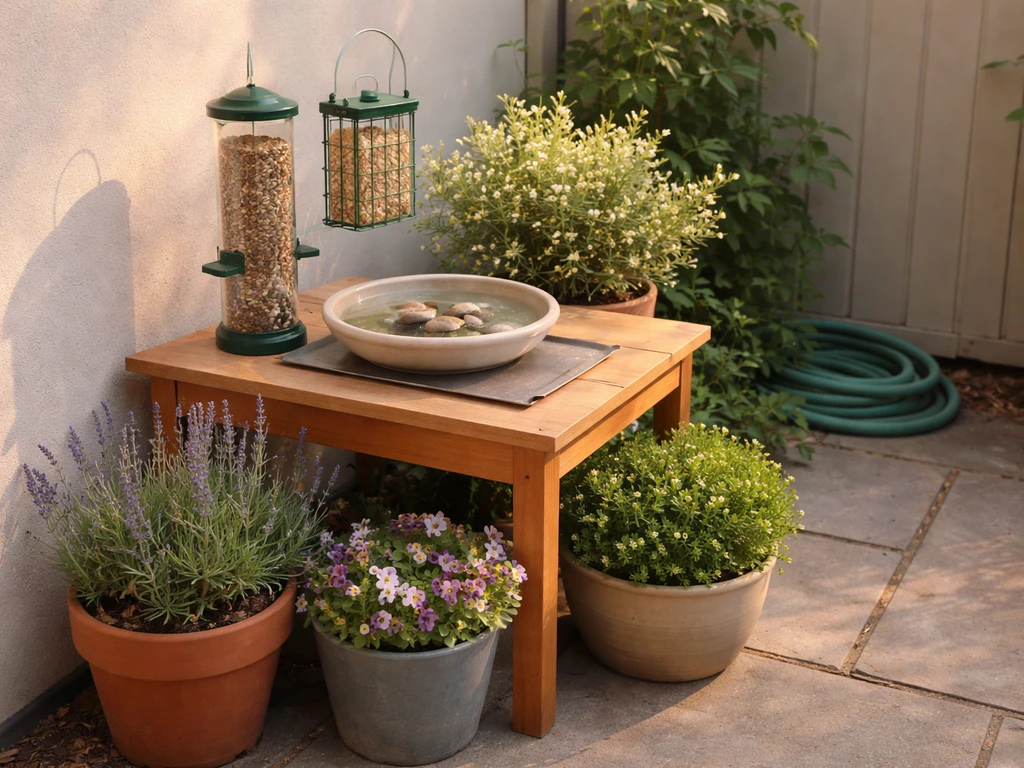
Tiny Bird Garden Tips: A Beginner Guide for Small Spaces
Step-by-step tiny bird garden tips for small patios: safe plants, food, water, shelter, cleaning, and beginner care.