Bird farming is the practice of keeping and breeding birds under controlled conditions, whether your goal is raising chickens for eggs and meat, breeding parrots and finches for the pet trade, or building a backyard aviary full of budgies. It goes by a few names depending on who you ask: aviculture when it involves companion or ornamental birds, poultry farming when it's chickens, ducks, or turkeys raised for food. The common thread is intentional, ongoing management of a bird population, not just keeping a single pet. Once you understand the basics of intentional breeding and husbandry, you can start comparing bird breeds that are beginner-friendly bird breeds for beginners.
What Is Bird Farming? Beginner Guide to Breeding Birds
Marcus Chen
18 May 2026
What bird farming actually means (and how it's different from owning a pet)
Owning one cockatiel or a pair of lovebirds is a hobby. Bird farming means you're managing a population with a production goal in mind, even if that goal is small-scale. Bird farming means you're managing a population with a production goal in mind, and it is closely related to what bird farming is called aviculture when you focus on companion or ornamental species.
If you're looking for practical bird breeding for beginners guidance, it's best to start with a clear goal and a manageable starter setup. You're thinking about breeding pairs, hatch rates, chick survival, flock health, and housing capacity. The USDA and FAO both define poultry farming as an organized system for producing meat, eggs, or breeding stock. [Aviculture, on the other hand, is the formal term for raising and breeding birds](https://en.
wikipedia. org/wiki/Aviculture) (especially non-poultry species) in captivity, typically in cages or aviaries.
The real difference between a pet owner and a bird farmer is systems thinking. A pet owner reacts when something goes wrong. A bird farmer builds routines, tracks outcomes, and makes decisions at the flock level. If you're reading this because you want to breed a few pairs of cockatiels to sell locally, you are stepping into bird farming territory, and it's worth treating it that way from day one.
The two types of bird farming beginners usually mean
When beginners search for 'bird farming,' they almost always mean one of two things, and they're pretty different in practice.
Breeding birds for the pet and aviary market
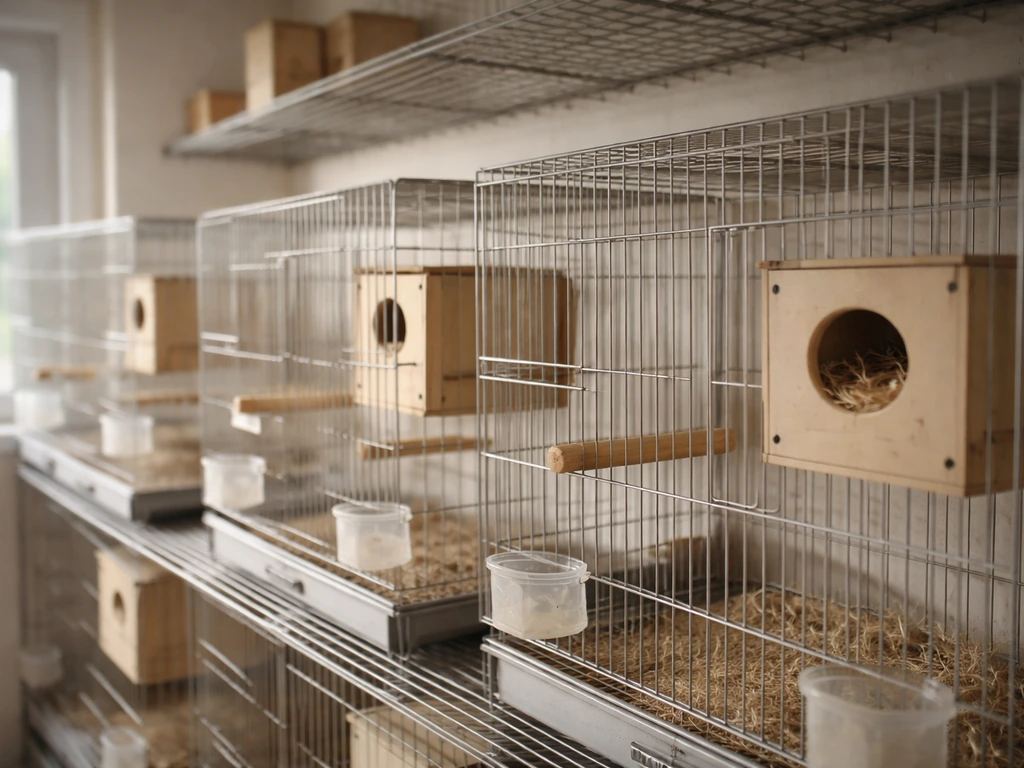
This is aviculture: breeding budgerigars, cockatiels, lovebirds, finches, or parrots to sell as pets or to other breeders. Your income (if any) comes from selling live birds or chicks. Your success metric is healthy, well-socialized offspring. This is the most beginner-accessible entry point because the birds are smaller, the housing is simpler, the regulations are lighter, and the startup costs are lower.
Raising poultry for eggs or meat
This is traditional poultry farming, even at backyard scale: chickens, ducks, quail, or turkeys raised to produce eggs for your household or meat for the table. The USDA and FAO define this as an organized production system for meat and eggs, and even a small backyard flock operates within that framework. The birds are larger, the biosecurity requirements are stricter, the feed costs are higher, and local zoning laws often apply. That said, a small laying flock of 6 to 12 hens is genuinely manageable for a first-time bird farmer.
Most people reading this site are probably thinking about the aviculture side, but this article covers both so you can make an informed choice before spending any money.
Picking species and setting a realistic starter goal
The single biggest beginner mistake I see is choosing a species based on what looks exciting rather than what's actually manageable. Here's a practical breakdown:
| Species | Goal | Difficulty | Why it works for beginners |
|---|---|---|---|
| Budgerigar (budgie) | Pet/aviary breeding | Easy | Hardy, prolific breeders, small housing footprint, low cost |
| Zebra finch | Pet/aviary breeding | Easy | Minimal handling needed, breeds reliably, very low maintenance |
| Cockatiel | Pet/aviary breeding | Easy-Medium | High demand as pets, tolerates beginners, bonds well with humans |
| Lovebird | Pet/aviary breeding | Medium | Good demand, but pairs can be aggressive, need careful monitoring |
| Coturnix quail | Eggs/meat | Easy | Mature in 6-8 weeks, small space needed, no rooster noise or zoning issues in most areas |
| Laying hens (chickens) | Eggs | Medium | Familiar, accessible, but need more space and trigger more local regulations |
| African grey or macaw | Pet breeding | Hard | High value but slow to breed, long lifespan, expensive to house, not a beginner bird |
| Turkey or duck | Meat/eggs | Medium-Hard | Larger infrastructure, more biosecurity complexity, not ideal as a first operation |
If you're drawn to companion bird breeding, budgies and cockatiels are the honest starting point. They breed reliably, there's always demand for hand-raised chicks, and you can run a small operation in a spare room or backyard shed. If you want eggs for your household, coturnix quail are underrated: they lay within 7 to 8 weeks of hatching, fit in a rabbit hutch, and don't require a rooster, which sidesteps a lot of noise and zoning problems. You can explore which species are genuinely best suited for breeding programs as you get more experience. If you're trying to pick the best bird for breeding, focus on reliable breeding behavior, realistic housing, and local demand best suited for breeding programs.
Housing and habitat setup
Your housing decision is the most important one you'll make before getting birds. Getting this wrong is expensive to fix later.
Cages vs. aviaries: what actually fits your situation
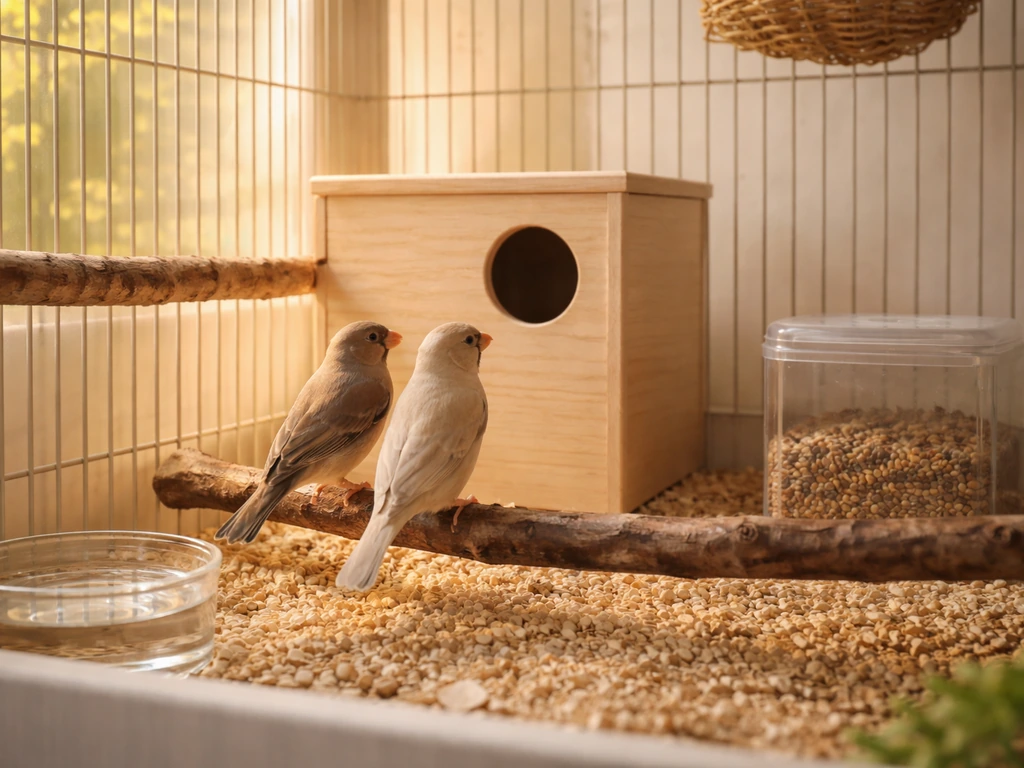
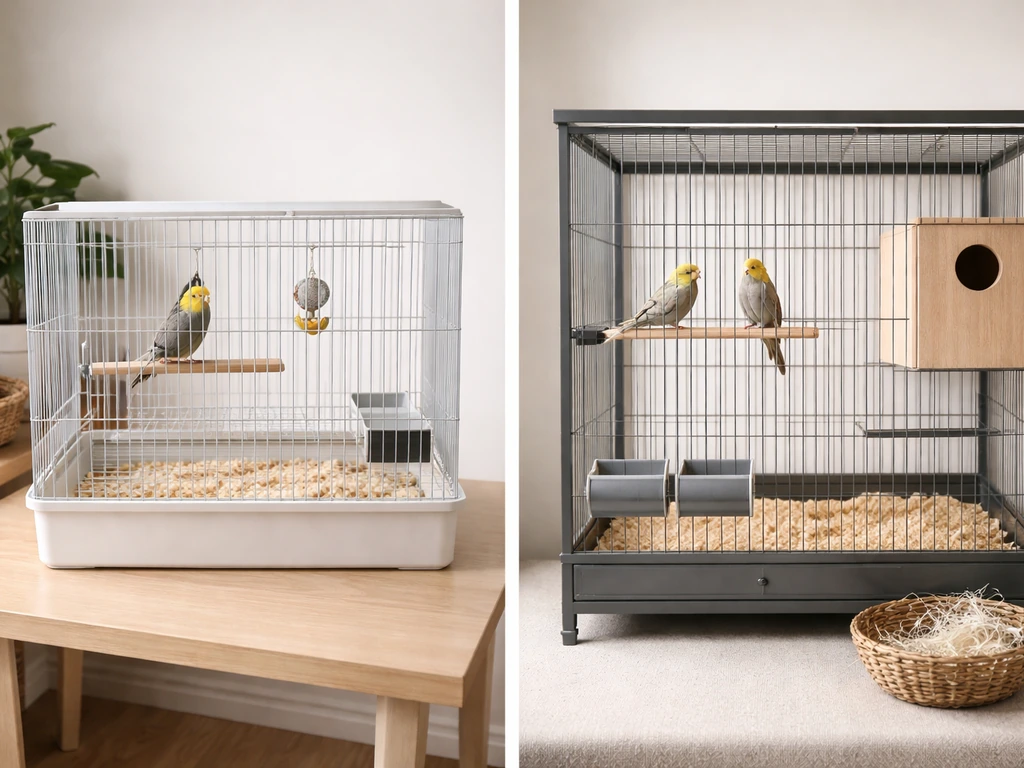
For companion bird breeding (budgies, cockatiels, lovebirds), you have two real options: individual breeding cages or a colony aviary. Individual cages (typically 24 x 18 x 18 inches minimum for a cockatiel pair) give you total control over which birds breed and make it easy to track clutches and pull chicks for hand-raising. A colony aviary lets birds self-select pairs and breed more naturally, but you lose control fast, and aggression between pairs is a real problem with lovebirds and some cockatiel bloodlines. For a first operation, start with individual breeding cages. They cost more upfront per pair but save you a lot of headaches.
For poultry or quail, a converted shed or a purpose-built run with a covered coop works well at small scale. Quail need about 1 square foot per bird in a colony setup, chickens need a minimum of 4 square feet indoors and 10 square feet in an outdoor run. More space always means fewer behavioral problems and lower disease pressure.
Ventilation and air quality: the thing most beginners skip
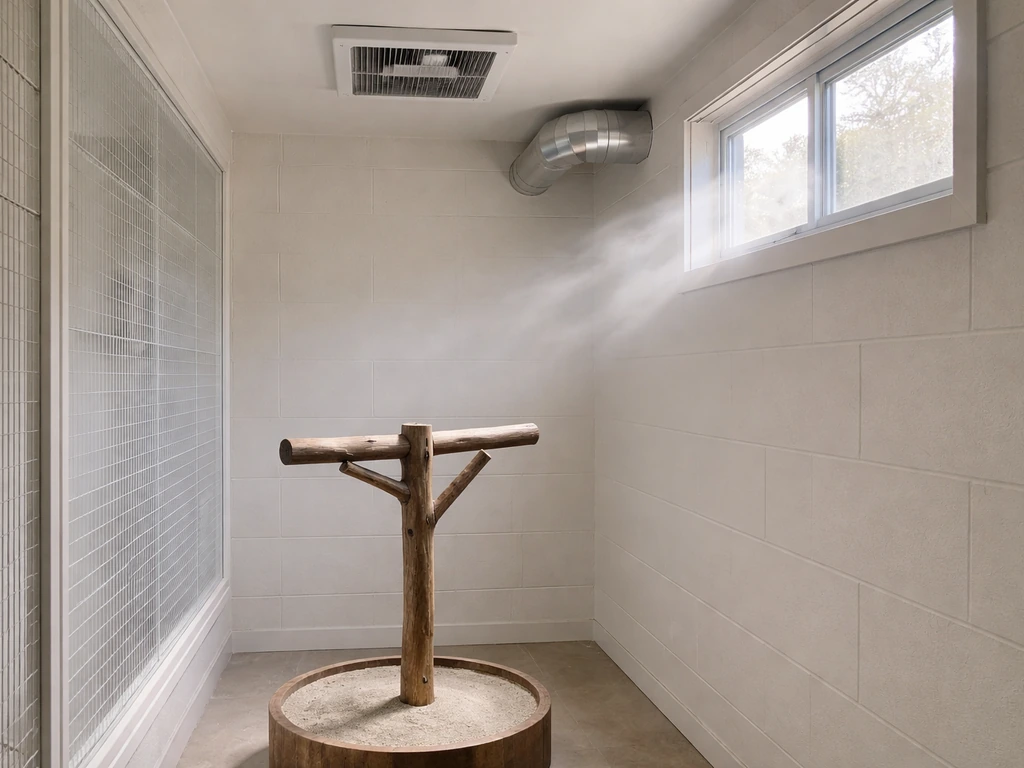
Birds produce a significant amount of dust, dander, and ammonia from droppings, and their respiratory systems are extremely sensitive. Poor ventilation is one of the top causes of chronic health problems in bird breeding setups. A love bird breeding setup also needs the right nesting conditions, steady temperature, and strict hygiene to protect fragile chicks bird breeding setups. For indoor aviaries and cage rooms, you want fresh air exchange without cold drafts.
A simple box fan exhausting air out of the room (not blowing directly onto birds) combined with an air intake vent on the opposite wall works at small scale. For companion birds like African greys or cockatoos that produce heavy dander, a HEPA air purifier in the room is worth every penny. If your bird room smells strongly of ammonia when you walk in, your ventilation and cleaning frequency are both inadequate.
Nesting and brooding setup
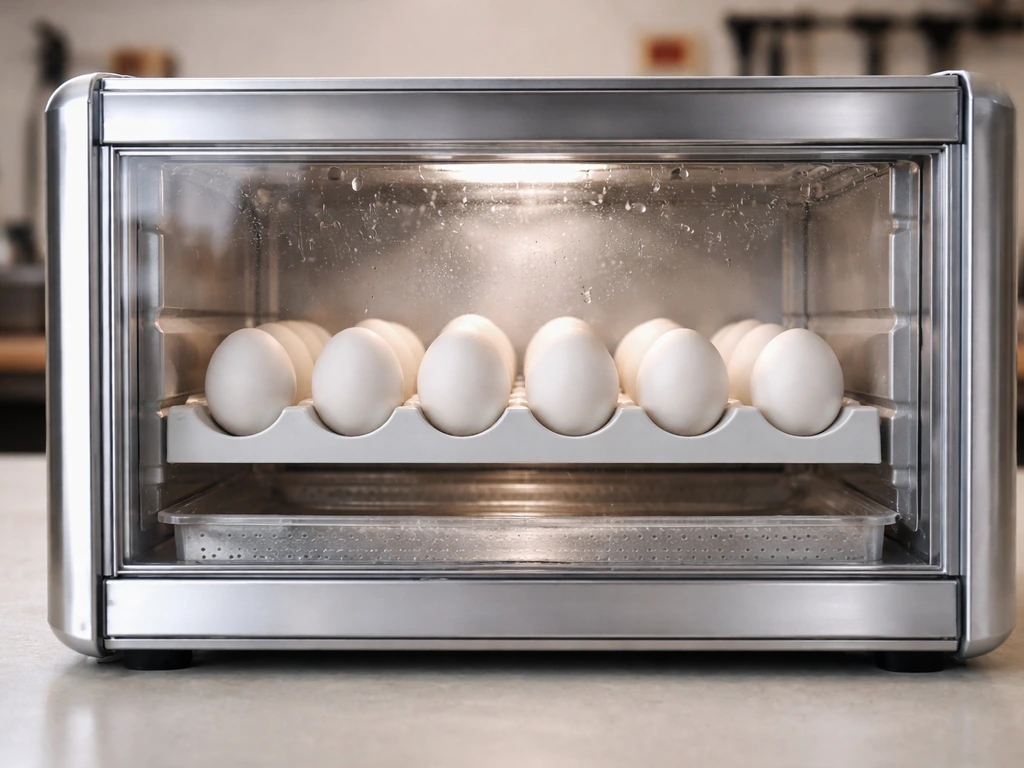
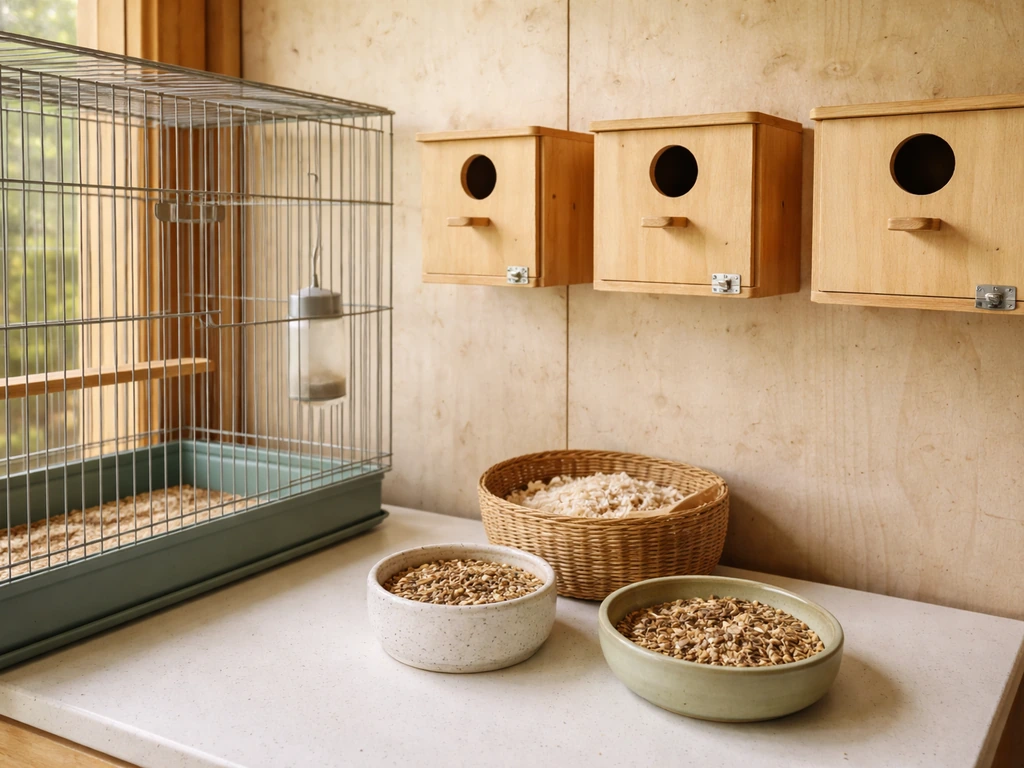
For budgies and cockatiels, standard wooden nest boxes (roughly 8 x 8 x 8 inches for budgies, 12 x 12 x 12 inches for cockatiels) hung on the outside of the cage are all you need. Pine shavings make good nesting material. Avoid cedar, which releases oils toxic to birds. If you plan to pull eggs for incubation or hand-raise chicks, you'll want a reliable egg incubator and a brooder box.
If you're shopping for the best bird incubator, prioritize stable temperature control and easy-to-monitor humidity reliable egg incubator. A good incubator with humidity and temperature controls makes a real difference in hatch rates. For poultry, hens will often go broody and hatch eggs themselves, but for more consistent results and larger volume, incubators are worth using.
Daily husbandry: what your routine actually looks like
The honest truth about bird farming is that the daily routine is non-negotiable. Birds don't give you days off. Here's what a basic daily and weekly schedule looks like for a small operation.
Every day
- Fresh water in clean dishes or auto-waterers, every morning without exception
- Seed or pellet refresh (don't just top up, remove old food to prevent mold)
- Visual health check on every bird: posture, feather condition, droppings, eyes, beak
- Remove uneaten fresh food (fruits, veggies, egg food) within a few hours to prevent bacterial growth
- Quick scan for any injured or lethargic birds, especially in colony setups
Weekly and ongoing
- Full cage or coop cleaning: remove and replace substrate, scrub perches and feeders
- Check nest boxes for eggs, failed hatches, or chick health
- Weigh chicks if hand-raising (weight gain is the most reliable sign of healthy development)
- Disinfect water containers with a dilute bleach solution (1 tablespoon per gallon), rinse thoroughly
- Record keeping: note any health issues, hatch dates, clutch sizes, and bird behaviors
Record keeping sounds tedious but it pays off fast. When something goes wrong, your notes tell you exactly when it started and which birds were affected. A simple notebook or spreadsheet works fine.
Feeding basics by bird type
Budgies and cockatiels do best on a base of quality pellets (like Roudybush or Harrison's) supplemented with a small amount of seed, fresh leafy greens, and occasional egg food during breeding season. Pure seed diets are nutritionally incomplete and one of the most common causes of poor breeding outcomes and short lifespans. Laying hens need a 16 to 18 percent protein layer feed plus calcium supplementation (crushed oyster shell on the side) and access to grit. Quail need a game bird or turkey starter with at least 24 percent protein for the first few weeks, then a layer formula.
Health, biosecurity, and the mistakes that hurt new bird farmers most
The USDA APHIS has a whole program called Defend the Flock specifically because biosecurity failures are the number one cause of catastrophic flock losses, including from avian influenza. For small operations, the risks are real and the prevention is straightforward. USDA APHIS’ Defend the Flock resource center provides free biosecurity checklists and tools to help poultry and backyard bird owners plan prevention and reduce disease risk Defend the Flock biosecurity checklists and tools.
Biosecurity basics that actually matter at small scale
- Quarantine all new birds for at least 30 days before introducing them to your existing flock or pairs. I cannot stress this enough. One sick bird can wipe out months of work.
- Change footwear before entering bird areas, especially if you've been around other birds or poultry anywhere else.
- Clean and disinfect equipment (cages, feeders, nest boxes, brooders) between uses and especially after any disease event.
- Don't share equipment between your bird area and wild bird contact zones.
- Limit visitor access to your birds, especially during breeding season or if avian illness is circulating locally.
Common health warning signs
- Fluffed feathers and hunched posture (classic 'sick bird' posture, act the same day)
- Discharge from nostrils or eyes
- Diarrhea or abnormal droppings (lime green, pure liquid, or bloody)
- Sudden weight loss (this is why weighing chicks and checking keel bones in adults matters)
- Labored breathing or tail-bobbing with each breath
- Feather destruction, bald patches, or excessive scratching (mites or lice)
Birds hide illness until they can't anymore. By the time a bird looks sick, it's usually been sick for a while. Daily visual checks let you catch problems in the early, treatable stage. Find an avian vet before you need one, not after.
The beginner mistakes I see over and over
- Skipping quarantine because 'the bird looked healthy' at the seller's place
- Overcrowding to maximize breeding pairs, which tanks air quality and stress levels
- Feeding an all-seed diet and wondering why birds fail to raise healthy chicks
- Buying cheap birds from unknown sources and introducing disease into a clean setup
- Not separating aggressive birds quickly enough, leading to injuries or dead hens
- Treating the operation like a side thought instead of building real daily habits from week one
Legal stuff, sourcing, and what this actually costs
Permits and legality
For companion bird breeding (budgies, cockatiels, finches, most parrots), federal law in the US doesn't require a license for small-scale private breeders, but some states do require permits for selling birds. CITES regulations apply to certain species like macaws and cockatoos, so importing or selling those birds comes with paperwork. For poultry, most US municipalities allow small backyard flocks (usually 6 or fewer hens, no roosters), but check your local zoning ordinances before buying a single chicken. If you plan to sell eggs commercially, even from a small flock, state egg-grading laws typically apply. Always check your city, county, and state rules before investing in infrastructure.
Where to source birds
Buy from established, reputable breeders whenever possible. Reputable breeders can show you the parent birds, share health history, and often provide guidance after the sale. Bird clubs (local and national avicultural societies) are the best starting point for finding trustworthy sources. Avoid bird marts and pet store chains for breeding stock: the birds are often stressed, of unknown origin, and more likely to carry disease. For poultry, hatcheries with NPIP (National Poultry Improvement Plan) certification are the gold standard for disease-free stock.
Realistic startup costs
| Item | Budget estimate (USD) | Notes |
|---|---|---|
| Breeding cages (4 pairs of budgies or cockatiels) | $200-$400 | Stainless or powder-coated, 24x18x18 minimum per pair |
| Nest boxes | $40-$80 | Wooden, species-appropriate size |
| Feeder/waterer set | $30-$60 | Stainless steel preferred for easy disinfection |
| Initial bird stock (4 pairs, cockatiels) | $200-$600 | Depends heavily on source and color mutations |
| Pellet and seed food (3-month supply) | $50-$100 | Quality brand like Roudybush or ZuPreem |
| Air purifier (HEPA) | $80-$200 | Essential for indoor aviary rooms |
| Incubator (optional at start) | $80-$300 | Only if you plan to pull eggs for hand-raising |
| Brooder box and supplies | $40-$100 | For hand-raising chicks |
| Vet visit / initial health check | $60-$150 per bird | Find an avian vet before you need one |
| Total rough estimate (small aviculture start) | $700-$2,000 | Varies significantly by scale and species |
For a small backyard poultry setup (6 laying hens), expect $300 to $600 for a basic coop and run, $25 to $50 for chicks or pullets, and $20 to $30 per month in feed ongoing. If you’re focused on meat production, choosing the best meat bird to raise comes down to your space, feed budget, and how quickly you want birds to reach market weight. Quail are even cheaper to start: a colony of 12 coturnix quail can be housed for under $100 in a converted wire cage and fed for about $10 per month.
Your first week: a practical checklist and how to scale
Before you spend a dollar on birds, work through this list. Most first-time bird farmers get into trouble because they reverse the order and buy birds first.
- Decide on your goal: pet/aviary breeding or eggs/meat. Be specific. 'I want to breed cockatiels to sell hand-raised chicks locally' is a plan. 'I want to do bird farming' is not.
- Check your local zoning and any state regulations for keeping and selling birds of your chosen species.
- Research and contact at least two or three local avian vets. Confirm they see your chosen species before committing to a setup.
- Design and build (or buy) your housing before acquiring any birds. Never buy birds and then figure out where to put them.
- Source your birds from a reputable breeder or NPIP-certified hatchery. Visit in person if possible.
- Set up a quarantine space completely separate from your main housing. This is non-negotiable.
- Bring new birds home and start the 30-day quarantine. Use this time to observe behavior and watch for any symptoms.
- Build your daily care routine from day one. Feed, check, clean, record. Every day, same time.
- After quarantine and a clean bill of health, introduce birds to main housing and begin your breeding setup.
- Track everything: clutch dates, hatch rates, weights, health events. Your records are your roadmap for improving outcomes.
How to scale without making a mess of it
The temptation to add more pairs or expand too fast is real, especially after a successful first clutch. Resist it for at least six months. Your first season is about learning your birds' patterns, ironing out your husbandry routine, and identifying any weaknesses in your setup. Scale up only when your current operation runs smoothly without heroic effort. A well-managed setup with 4 breeding pairs will outperform a chaotic one with 12 every single time. When you do expand, replicate what's working rather than redesigning from scratch.
If you find yourself interested in going deeper on specific parts of this process, topics like incubation methods, species-specific breeding setups, or choosing the right birds for a breeding program all deserve their own focused attention. Start small, build good habits, and the rest follows naturally.
FAQ
Do I need a license to start bird farming in my backyard?
It depends on your location and your end goal. In the US, small private breeding of many companion birds often does not require a federal license, but some states require permits for selling birds. For poultry, many cities limit backyard flocks by both number of hens and whether you can keep a rooster. Before buying birds, confirm rules with your city or county and ask specifically about selling birds or eggs, not just keeping them.
What counts as “bird farming” if I only breed a single pair?
One pair can still be bird farming if you are intentionally managing breeding, tracking outcomes like clutch size and hatch success, and adjusting husbandry to produce offspring consistently. If you simply keep birds together for companionship without breeding management, that is more like pet ownership. A practical boundary is whether you plan for incubation, chick care, and placement or sale of offspring.
How do I choose between cages and an aviary without guessing?
If your priority is predictable breeding and easy health monitoring, start with individual breeding cages. If your priority is natural pair bonding and you can tolerate less control, a colony aviary can work, but pair-level aggression can quickly reduce fertility and chick survival. A decision aid: if you cannot quickly separate birds when fighting begins, cages are usually safer for the first season.
When should I stop a breeding attempt and adjust the setup?
Stop and troubleshoot when you see repeated problems across multiple clutches, such as low hatch rates with stable incubation settings, chicks that consistently fail to thrive, or adults that repeatedly break eggs or abandon nests. Also pause breeding if you notice chronic respiratory issues, persistent odor buildup, or new aggression patterns, because these point to husbandry or health problems that will worsen during chick rearing.
Is it safer to let hens incubate eggs or use an incubator?
Hens incubating eggs is often fine for small volumes and for people who want less daily equipment management, but brooding behavior can be inconsistent. An incubator is usually more reliable when you need consistent timing, larger numbers of eggs, or better control of temperature and humidity. If you do both, plan an organized workflow so eggs do not spend long periods outside optimal incubation conditions.
How can I prevent ventilation problems that look “normal” at first?
A common mistake is assuming the room is fine because the birds are active. Chronic respiratory issues can start even when you do not smell ammonia strongly, especially with stale air and frequent cleaning gaps. Use a target routine: avoid drafts directly on birds, ensure consistent air exchange, and keep cleaning schedules tight so droppings do not accumulate. If birds show tail-bobbing, wheezing, or frequent open-mouth breathing, reassess ventilation immediately.
What is the biggest nutritional pitfall for breeding birds?
A frequent mistake is feeding mostly seed or “treat” foods year-round. Seed-heavy diets can cause nutritional gaps that reduce fertility and weaken chicks. For companion birds, use a high-quality pellet base and supplement breeding seasonally with appropriate greens and egg food, and do not skip calcium needs for egg-laying species like hens.
How do I handle biosecurity if I start seeing “small” illnesses?
Treat any new symptom as a biosecurity event, not just a medical issue. Quarantine new birds, restrict traffic between cages or coops, and change clothing or footwear when moving between groups if possible. Also keep records of which birds were housed together and which equipment touched them, because contaminated surfaces and shared tools are a common cause of rapid spread.
Can I sell birds or chicks I raise even if I started as a hobby?
Sometimes, but often with extra requirements. Selling birds can trigger state permits and, for certain species, additional paperwork under wildlife regulations. For eggs, commercial-style egg handling and grading rules can apply depending on your state and whether sales are organized. Before you advertise or accept payments, confirm what your local rules require for both selling birds and selling eggs.
Where do I find healthy breeding stock without risking disease?
Prioritize established breeders and reputable suppliers who can show parent birds and share health history. For poultry, hatcheries with NPIP certification are the typical gold standard for disease-aware stock. Also plan for a quarantine period after bringing birds home, even when the source seems reputable, because stress and transport can reveal issues later.
How should I scale up without causing chaos?
Scale based on systems, not excitement. If your routine, cleaning, record keeping, and chick care are not consistent, adding more pairs usually multiplies problems. A workable rule is to wait until your current operation runs smoothly for at least one full season, then replicate the exact housing and management that worked rather than redesigning everything.
What records matter most in the first season?
Track the basics that let you troubleshoot: dates of pair setup, clutch dates, egg counts, hatch rate, chick survival, feeding changes, nest issues, and any vet visits or treatments. If you later change ventilation, cleaning products, or diet, records help you identify cause-and-effect instead of guessing.