For the Bird Buddy mounting pole itself, you need a pole with a 0.97 in (2.5 cm) inner diameter to fit the universal pole mount. For the perch your bird actually stands on, the right diameter depends on your bird's foot size: budgies and parrotlets need roughly 3/8 to 1/2 in (about 1–1.3 cm), cockatiels do best around 1/2 to 3/4 in (1.3–1.9 cm), and the goal for any bird is that their toes wrap about three-quarters of the way around the surface. Those are two very different measurements, and mixing them up is the most common mistake people make when setting up a Bird Buddy.
What Size Pole for Bird Buddy Perch and Stand Guide
Marcus Chen
4 May 2026
What 'pole' actually means in a Bird Buddy setup
When people search for the right pole size for Bird Buddy, they're usually asking about one of three different things, and it's worth separating them clearly before going further.
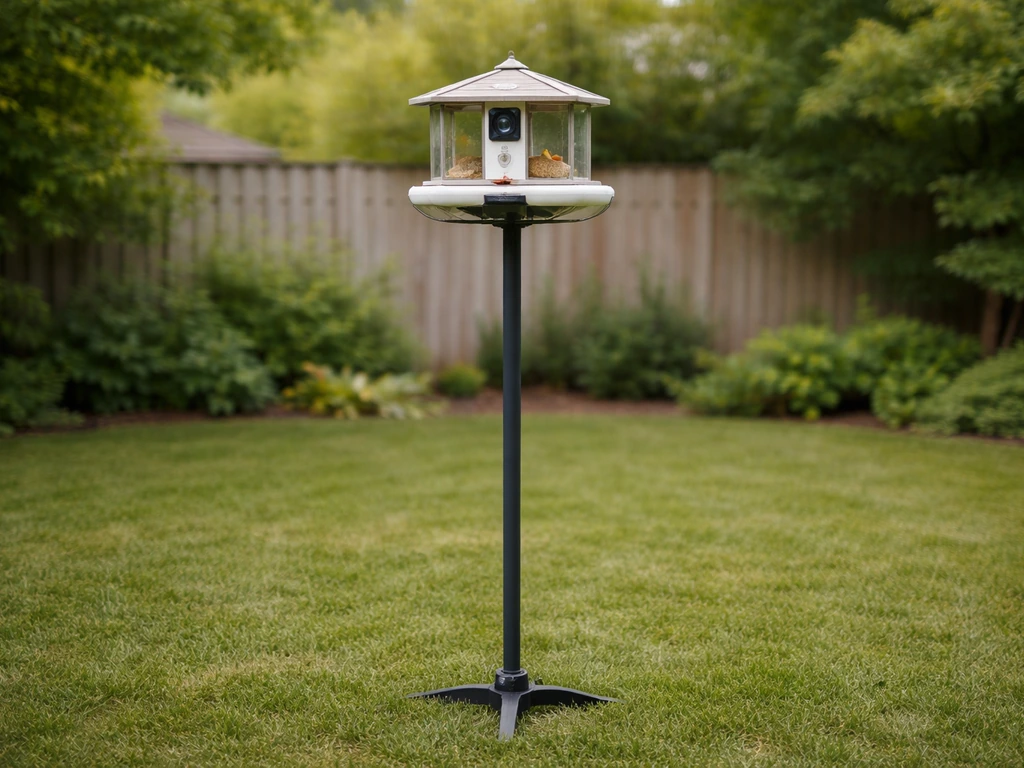
- The mounting pole: the outdoor post you sink into the ground or mount to a surface. This is what the Bird Buddy universal pole mount clamps onto. Bird Buddy specifies a pole inner diameter of 0.97 in / 2.5 cm for this fit.
- The perch your bird stands on: the rod or branch-style surface at the feeder opening where visiting birds grip while eating. This is where bird foot health and perch diameter really matter.
- The perch extender: Bird Buddy's official accessory that slots between the universal pole mount and the Bird Buddy housing, giving birds a longer landing surface without changing the main mount setup.
Most of the confusion comes from the word 'pole' doing double duty. The mounting pole is an infrastructure question about hardware compatibility. The perch is a bird health question about foot anatomy. Both matter, and the rest of this guide covers both.
How to measure for the right perch size
The simplest test is the three-quarters rule. When your bird steps onto a perch, watch how their toes wrap around it. Their toes should curl about 75% of the way around the perch. If the toes wrap all the way around and overlap, the perch is too thin. If the foot stays nearly flat and the toes barely bend, the perch is too thick. Both extremes put pressure on the wrong parts of the foot and can lead to sores over time.
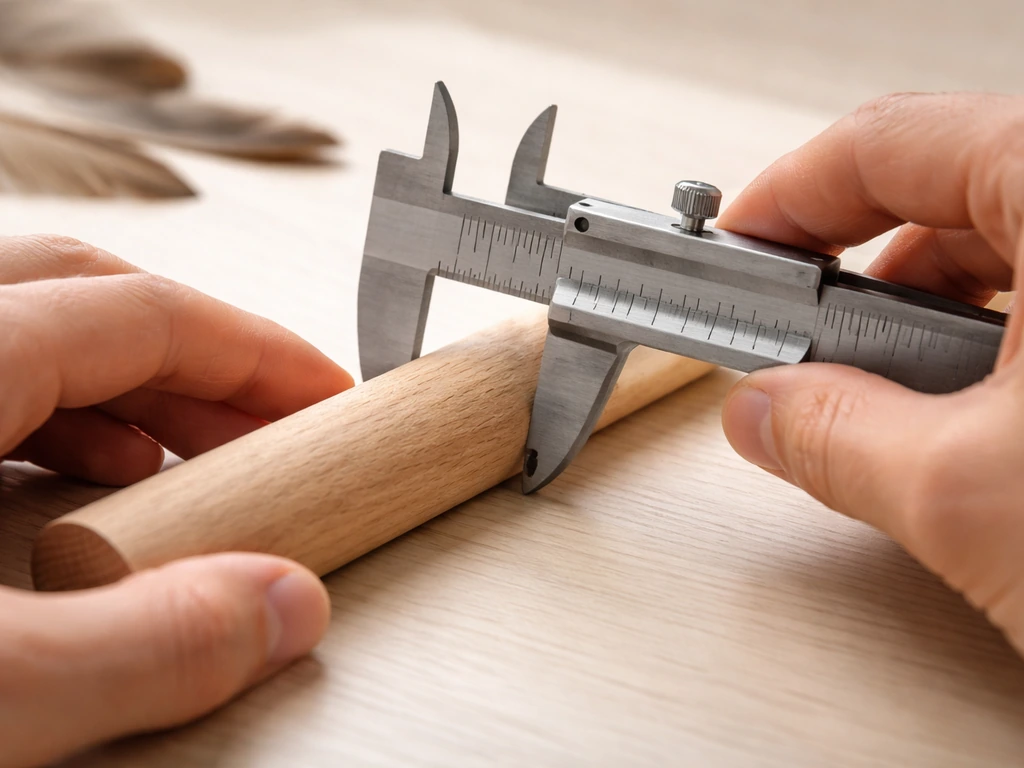
To measure a perch you already have, use a ruler or calipers and measure the diameter at its widest point. For a natural wood perch with irregular thickness, measure in a few spots and aim for the middle range. To check your bird's foot, you can loosely measure the spread of their foot from the back toe (hallux) to the front toe tips while they're perching, but the visual three-quarters test is usually enough for most first-time owners.
For the mounting pole, measure the inner diameter of the pole, not the outer wall thickness. Bird Buddy's universal pole mount is designed around a 0.97 in / 2.5 cm inner diameter, which is effectively a standard 1-inch nominal pipe or hollow post. If you're buying a new pole, look for one labeled as 1 in nominal diameter and confirm the inner bore before purchasing.
Perch diameter and material by bird size
Here's the practical breakdown by common beginner bird species. These are the sizes most people are working with when they set up a Bird Buddy at home or in the backyard.
| Bird | Perch Diameter | Notes |
|---|---|---|
| Budgie (budgerigar / parakeet) | 3/8 to 1/2 in (1.0–1.3 cm) | Marin Humane specifically calls out 1/2 in as a solid starting point for most budgies |
| Parrotlet | 3/8 to 7/16 in (1.0–1.1 cm) | Small feet, on the lower end of the budgie range |
| Lovebird | 3/8 to 1/2 in (1.0–1.3 cm) | Similar foot size to budgie; watch for toe overlap on thin dowels |
| Cockatiel | 1/2 to 3/4 in (1.3–1.9 cm) | Larger feet than budgies; vary diameter across perches to prevent joint stress |
| Conure (small, e.g., green cheek) | 1/2 to 3/4 in (1.3–1.9 cm) | Match to individual foot size; green cheeks are on the smaller end |
| Larger parrots (e.g., African grey, Amazon) | 3/4 to 1.5 in (1.9–3.8 cm) | Less common as feeder visitors; confirm individually by foot size |
For materials, natural wood is the best all-around choice. Manzanita is widely available and durable. Branches from safe tree species (apple, willow, birch) offer irregular diameters, which is actually a benefit because different grip widths across the perch give foot muscles a varied workout and reduce pressure-point buildup. Rope perches are a decent secondary option but should not be the only perch in a setup. Hard plastic dowels are acceptable if they're the right diameter, but they don't offer the texture variation of natural wood.
One thing worth saying directly: sandpaper perch covers are not the answer. If you're also wondering what to hang there, check the best bird bait options so the perch area attracts the birds you want to see. They're marketed as a nail-trimming solution, but veterinary guidance from both VCA and LafeberVet is clear that they irritate and abrade the bottom of birds' feet, contributing to sores and pododermatitis (bumblefoot). Skip them entirely, even as a temporary fix. For bird hunting, the best choke depends on your shotgun gauge, the type of choke you use, and the range and bird species you’re targeting best choke for bird hunting.
Pole height and placement planning
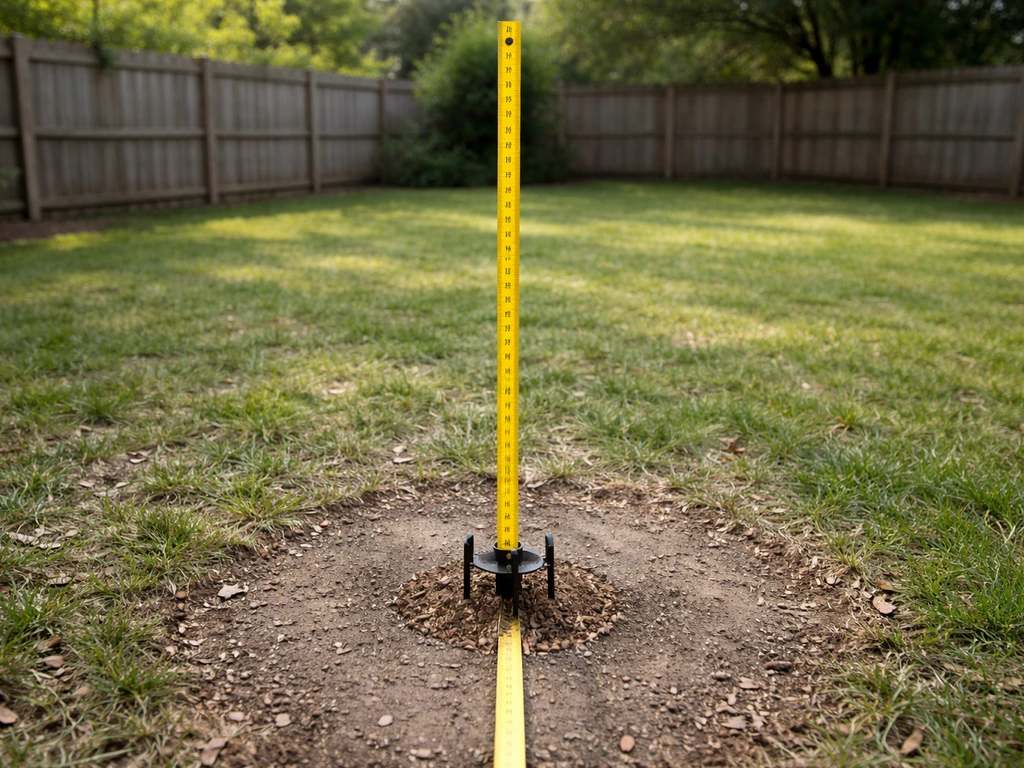
Bird Buddy's official Nature Station pole mounting system stands 92 in / 234 cm tall overall. That's a useful benchmark. Most standard bird feeder poles sit between 72 and 96 inches above ground, which puts the feeder in a range that's visible from a window or patio, keeps it above most ground predators, and still lets you reach it for refilling without a ladder.
For placement, the height matters less than the surrounding clearance. Bird Buddy uses a camera module to identify visiting birds, so you want the perch area well-lit but not in direct harsh afternoon sun that could blow out the image. Keep at least 3 to 5 feet of open air around the feeder so birds can approach and leave without threading through dense foliage, which would also obstruct the camera view. If you're mounting to a wall using the Bird Buddy wall mount instead of a pole, the same clearance rule applies: the camera needs an unobstructed line of sight to where birds land.
If you're using the perch extender accessory, remember that it lengthens the bird-facing perch area between the housing and the universal pole mount. This gives birds more landing room and a longer grip surface, which is genuinely useful for cockatiels and larger birds that feel cramped on the default feeder lip.
Compatibility checks before you buy or install
Bird Buddy's universal pole mount attaches to the bottom of the Bird Buddy housing using four screws, then slides over your pole. The fit is based on a 0.97 in / 2.5 cm inner diameter, so that's the number to confirm on any pole you're shopping for. Best Buy Q&A says the universal pole mount is designed to fit a pole with an inner diameter of 0.97 in (2.5 cm). Some people find standard schedule 40 PVC or electrical conduit in the 1-inch nominal size works, but always verify the actual inner bore of what you're buying, because 'nominal' sizing in plumbing and conduit doesn't always mean the stated inner diameter.
If you're using the perch extender, installation order matters. User reports indicate you should attach the perch extender to the Bird Buddy house first, and then add the pole mount adapter on top of that assembly, not the other way around. Getting this backward can make the screw lengths feel wrong and leave the assembly feeling loose.
For wall mounting, Bird Buddy's wall mount is a separate accessory and works on flat vertical surfaces including fence posts. The feeder can be rotated on the mount, which is useful for directing the camera toward your window or for refilling access. If you're choosing between a pole and wall mount, the pole gives you more placement flexibility, while the wall mount is better if you have a single ideal window-facing wall and want a lower-profile install. The pole setup also works well with the perch extender, while wall placement may limit how birds approach depending on the angle.
Also confirm clearance at the perch level. The Bird Buddy camera captures birds at the feeder opening, so anything that blocks the perch area (nearby branches, a fence rail, dense shrubs) will appear in every photo and may confuse the AI identification. Give yourself at least 12 inches of clear horizontal space on either side of the perch.
Safety: grip, foot health, and keeping things clean
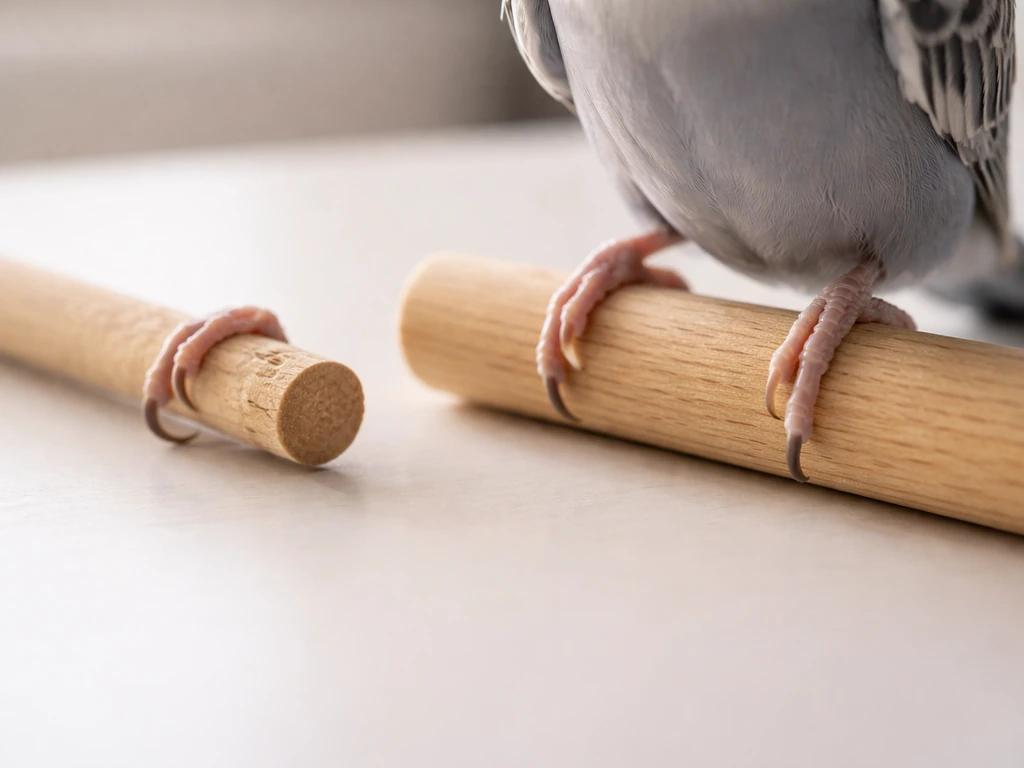
Foot health and grip
Inappropriate perch diameter is one of the leading contributors to pododermatitis (bumblefoot) in pet birds, and the same logic applies to any bird spending time on a feeder perch. If you have a pet bird that visits or interacts with your Bird Buddy setup indoors or on a patio, the perch it lands on should follow the same three-quarters rule used for cage perches. For wild birds visiting your outdoor Bird Buddy, you have less control, but offering a perch with some texture and a diameter in the 1/2 to 3/4 in range will accommodate most small feeder species like chickadees, finches, and sparrows comfortably. For wild birds visiting your outdoor Bird Buddy, you have less control, but offering a perch with some texture and a diameter in the 1/2 to 3/4 in range will accommodate most small feeder species like chickadees, finches, and sparrows comfortably, and it also pairs well with using a best bird decoy to attract them in the first place.
Vary the perch diameter if your bird uses the feeder area regularly. Using a single perch diameter all the time means the same pressure points on the foot every time, which can lead to calluses and joint problems, especially in cockatiels. The Bird Buddy perch extender adds one surface, and you can supplement with differently-sized natural wood branches if your setup allows.
Cleaning and maintenance
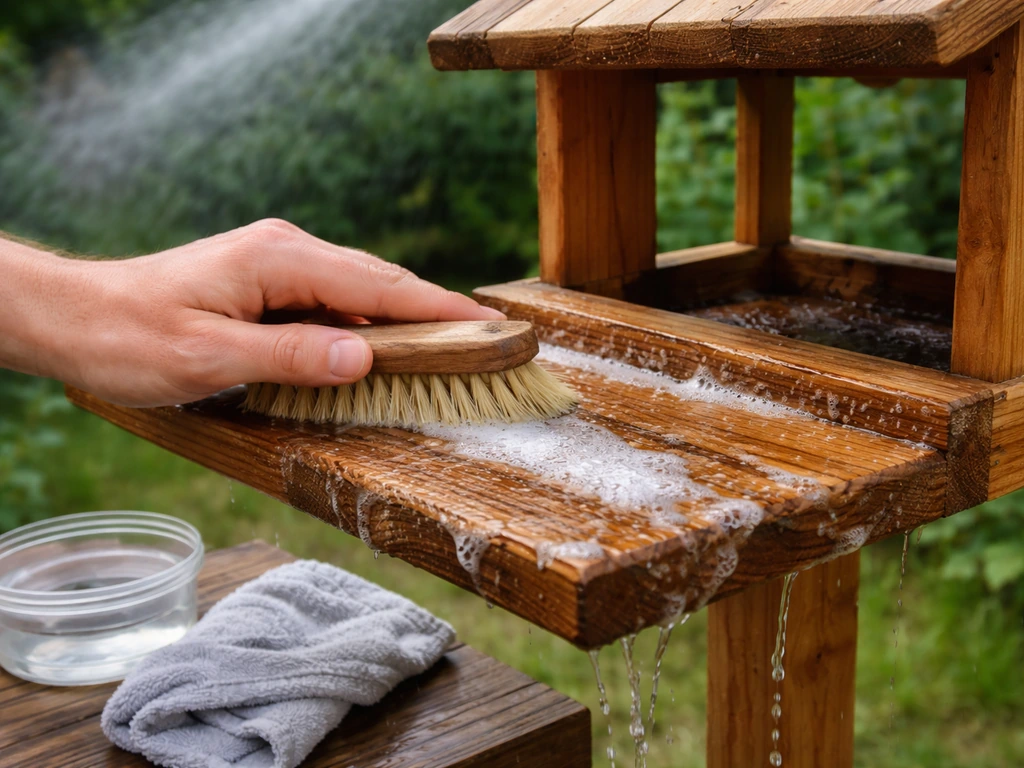
Natural wood perches can harbor bacteria, especially outdoors where wild birds are the visitors. Scrub perch surfaces with a stiff brush and mild soap, rinse thoroughly, and let them dry completely before reinstalling. Don't soak wooden perches or leave them wet, as this accelerates splitting and mold growth.
Bird Buddy's Nature Station uses a combination of ASA plastic, larch wood, and stainless steel. Larch wood components should be treated like natural wood perches: scrubbed, rinsed, and dried. Plastic and stainless steel parts can handle a diluted white vinegar wipe-down or a bird-safe disinfectant. Avoid anything with phenols or chlorinated compounds, which are toxic to birds even in residue form. For the Bird Buddy housing itself, Bird Buddy's powder-coated finishes (on the wall mount in particular) should be cleaned without abrasive scrubbers that could scratch the coating.
If you're between sizes or not sure what you have
Most people searching this question don't have calipers handy and aren't sure exactly what diameter the perch on their Bird Buddy or in their bird's cage actually is. That's fine. Here's what to do today.
- Do the visual three-quarters test right now. Put your bird on its current perch and watch the toe wrap. If toes overlap completely, go up one size. If the foot stays flat with barely any curl, go down one size.
- If you need a temporary fix while waiting for the right perch to arrive, use the thickest natural branch from a bird-safe tree species (apple, willow, birch, manzanita) that you can safely attach to your setup. An imperfect natural branch that's close in diameter is better than the wrong-sized plastic dowel.
- Do not use sandpaper-covered perches as a 'good enough for now' solution. They cause more harm than an undersized or oversized smooth perch.
- For the mounting pole, use a tape measure inside the top of the pole opening to confirm the inner bore. If it's at or very close to 0.97 in / 2.5 cm, the Bird Buddy universal pole mount will fit. If you're unsure, bring the pole to a hardware store and ask them to check it against a 1-inch nominal pipe fitting.
- When to upgrade: if your bird is shifting weight constantly, gripping the perch awkwardly, or showing redness or flaking on the foot pads, replace the perch immediately rather than waiting. Foot problems in birds escalate faster than most new owners expect.
One last thing worth saying: the 'best' setup is the one you can actually maintain. If you are also shopping for a monopod for bird photography, prioritize stability and a height that matches your shooting angle best monopod for bird photography. Bird Buddy's official Nature Station is a clean, complete solution if you want everything from one source. But a standard 1-inch nominal garden or shepherd's hook pole with the universal mount works just as well mechanically. Focus on getting the perch diameter right for your bird's foot first, confirm the inner diameter of your mounting pole second, and everything else can be refined from there.
FAQ
My pole is “1 inch nominal.” Is that the same as the required 0.97 in inner diameter for Bird Buddy?
If you have a pole labeled “1-inch,” confirm the inner bore, because the universal mount fit depends on inner diameter (about 0.97 in / 2.5 cm). If the inner bore is smaller, the mount may not slide fully, if it is larger it can wobble and misalign the perch for the camera.
Can I use a perch from my bird’s cage on the Bird Buddy feeder?
A good perch is not necessarily the same diameter as common cage perches. Use the three-quarters toe-wrapping rule on your bird for the feeder perch, then recheck after a week because foot pressure issues can take time to show as redness or flaking.
Should I measure my bird’s foot size when it is stretched out, or while it is perching naturally?
Bird-safe checking is best when your bird is actively perching. If you measure the bird’s foot while it is standing on a flat surface or stretching, you will overestimate the needed diameter and choose a perch that ends up too thin for comfortable toe curl.
What signs tell me my Bird Buddy perch diameter is wrong for my bird?
For pet birds, avoid using the “bare minimum” perch thickness to fit quickly. If the perch is too thin, toes overlap, if too thick, toes barely bend. Either way, pressure stays on the wrong parts of the foot and you can see soreness before you notice long-term calluses.
If I add the perch extender, do I need to re-measure the perch diameter or toe wrapping?
Yes, but do not stack multiple perch extenders without checking toe wrapping again. Extending the perch changes the landing geometry, and the bird may grip with a different pressure distribution, so reapply the three-quarters rule after any accessory change.
Can I use a sandpaper perch cover to help grip on Bird Buddy?
No. Sandpaper-style perch covers may seem to solve nail or slipping problems, but they can irritate the underside and contribute to sore feet. If you want better grip without abrasion, use natural wood or textured surfaces with the correct diameter.
How do I choose a perch location that gives the camera clear images without harsh sun?
For indoor setups or shaded patios, aim for consistent lighting rather than maximal brightness. Direct harsh sun can overexpose the camera view, while deep shade can reduce image clarity, so test placement by checking a few real photos and adjusting where the perch faces.
Does the 3 to 5 feet clearance matter in every direction, or just in front of the feeder?
If birds approach from one side, provide open space on that side too. The article recommends clearance at perch level and sides, but the key is ensuring landing and takeoff paths are not blocked by nearby branches or rails that will also appear in every image.
How should I clean larch wood parts if my Bird Buddy is outside year-round?
Larch wood and natural wood components are porous outdoors, so treat them like perches: scrub with a stiff brush and mild soap, rinse well, then dry completely before reinstalling. Wet or partially dried wood increases odor and mold risk.
My Bird Buddy mount feels loose. How do I troubleshoot the pole and extender installation order?
If your pole assembly feels loose, the most common cause is not matching inner diameter or mounting order with the extender. First, verify the pole inner bore again. Then, if using the extender, attach it to the housing before adding the pole mount adapter on top, so the screws clamp the stack correctly.
Is it okay to rotate different perch diameters or materials on my Bird Buddy for foot health?
Yes, but treat them as bird-perch surfaces, not just decoration. Different textures and diameters can vary pressure points, which can help reduce repetitive load on one area, but do not mix extreme diameters that cause the toes to wrap too little or too much.
For wild birds, how do I pick a perch diameter that works even if different species visit?
If wild birds keep landing at the perch but you see foot irritation over time, it is usually still a diameter or texture fit issue. Since you cannot control species perfectly, using a diameter in the 1/2 to 3/4 in range with some texture gives better accommodation across common small feeder species, and helps you avoid overly thin perches that promote toe overlap.
Next Articles
Best Monopod for Bird Photography: Buyer Guide & Picks
Buyer guide with top monopod picks for bird photos, features, best-for scenarios, setup tips, and a buying checklist.
Best Choke for Bird Hunting: A Beginner Guide
Choose the best choke for bird hunting by bird type, range, and habitat, then pattern-test your shotgun for the right sp
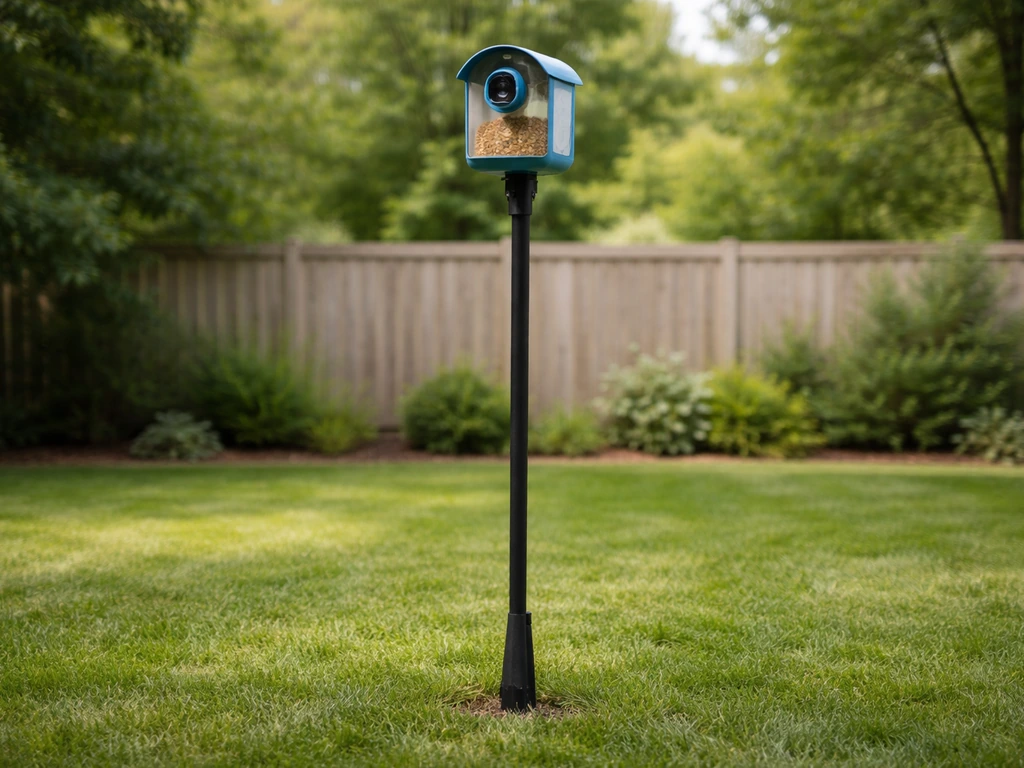
Best Pole for Bird Buddy: How to Choose, Height, Setup
Choose the best pole for Bird Buddy with height, stability, placement, weatherproofing, and secure setup tips.