Yes, you can absolutely use bird cuttlebone in a snail tank. The product sold for parakeets and cockatiels is the same material: calcium carbonate in the aragonite form, with a bit of organic matrix (chitin and protein). Snails need calcium carbonate to build and repair their shells, and cuttlebone dissolves slowly into the water, releasing calcium and carbonate ions as it goes. It works, it's cheap, and it's widely available. The only real caveats are checking the label for additives before you drop it in, and watching your water parameters so you don't accidentally push chemistry somewhere your snails don't want to be.
Can You Use Bird Cuttlebone for Snails? Safe Calcium Guide

Marcus Chen
11 Jun 2026
What cuttlebone actually is, and why your snails need it
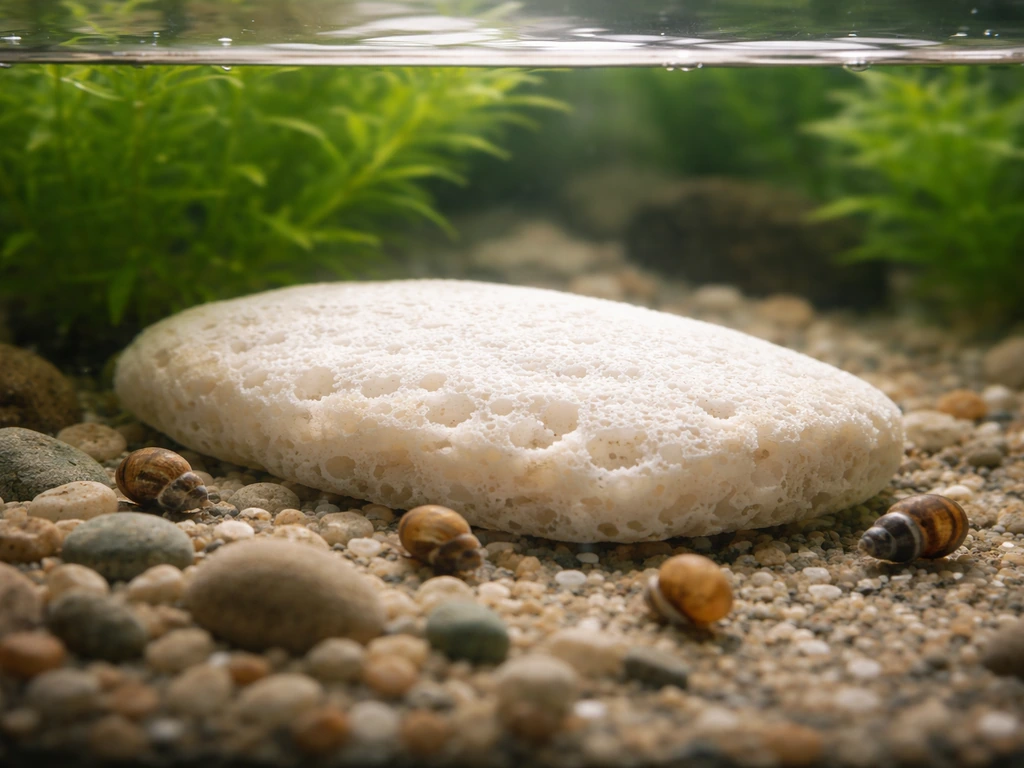
Cuttlebone is the internal shell of a cuttlefish. Structurally, it's roughly 93% porous calcium carbonate in the aragonite polymorph, with the remaining 3–4.5% being organic matter (mostly beta-chitin and protein). That high porosity is what makes it so useful as a supplement: a large surface area means it dissolves gradually rather than dumping a calcium spike into the water all at once. Calcium makes up about 40% of cuttlebone's total weight, so even a small piece contains a meaningful amount.
For snails, calcium carbonate isn't optional. Their shells are built from it, and without an adequate supply in the water column, snails can't grow new shell material or repair cracks and pitting. Acidic water (pH below roughly 7.0) actively dissolves calcium carbonate from the outside of the shell, which means a snail in a low-pH, low-calcium tank is fighting a losing battle even if it's otherwise healthy. Maintaining adequate calcium and keeping pH stable on the slightly alkaline side of neutral is the foundation of shell health.
Is bird cuttlebone snail-safe? Here's what to check on the label
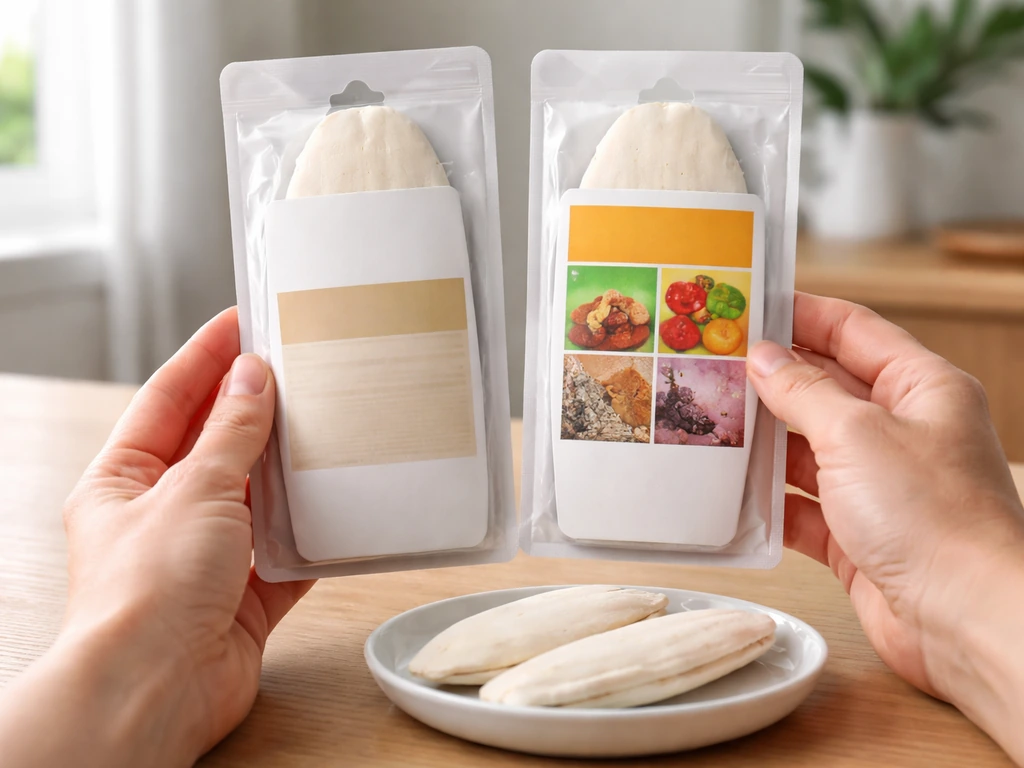
Plain cuttlebone sold for birds is snail-safe. The issue is that some products are not plain. Certain bird cuttlebones are sold with flavorings (fruit-flavored varieties are common), added minerals, or dyes. Those additives are designed to make cuttlebone more attractive to birds, but they haven't been tested for aquatic invertebrates and you genuinely don't know what they'll do to your tank water or your snails. Some dyes and flavorings can be harmful to invertebrates at low concentrations. If you’re trying to figure out whether Petco offers this kind of bird cuttlebone or bird grooming services, it’s best to check their current in-store services or product availability does petco do bird-grooming.
Before buying, flip the package over and read the ingredient list. You want to see cuttlebone (or Sepia officinalis bone) and nothing else. If you are also using bird cuttlebone, make sure you know what feathers you clip on a bird so the product is safe and correctly applied cuttlebone (or Sepia officinalis bone). No artificial colors, no added flavorings, no mineral supplements.
Plain, natural cuttlebone is almost always labeled as such, and it tends to be the cheapest option anyway. If you're unsure, large pet store chains usually stock unflavored cuttlebone alongside the flavored varieties, so grab the plain one and skip the guesswork. Petco sometimes carries bird cuttlebone for parakeets and cockatiels, but availability and whether it is plain can vary by location Petco bird cuttlebone.
How to add cuttlebone to a snail tank
Prep it before it goes in
The first thing I'd recommend is rinsing the cuttlebone under clean water to remove any loose debris or surface dust. Some hobbyists also boil it briefly to sterilize it, which is a reasonable precaution if you're at all worried about introducing something unwanted. You don't need to soak it beforehand. Cuttlebone floats due to its high porosity, which is actually a useful property for birds but can be annoying in a tank.
If you want it to sink and stay put, you can weight it down with a rock or rubber-band it to a piece of slate. Alternatively, just let it float. Snails will find it, and many snail keepers report their snails actively grazing on floating cuttlebone at the waterline.
How much to use
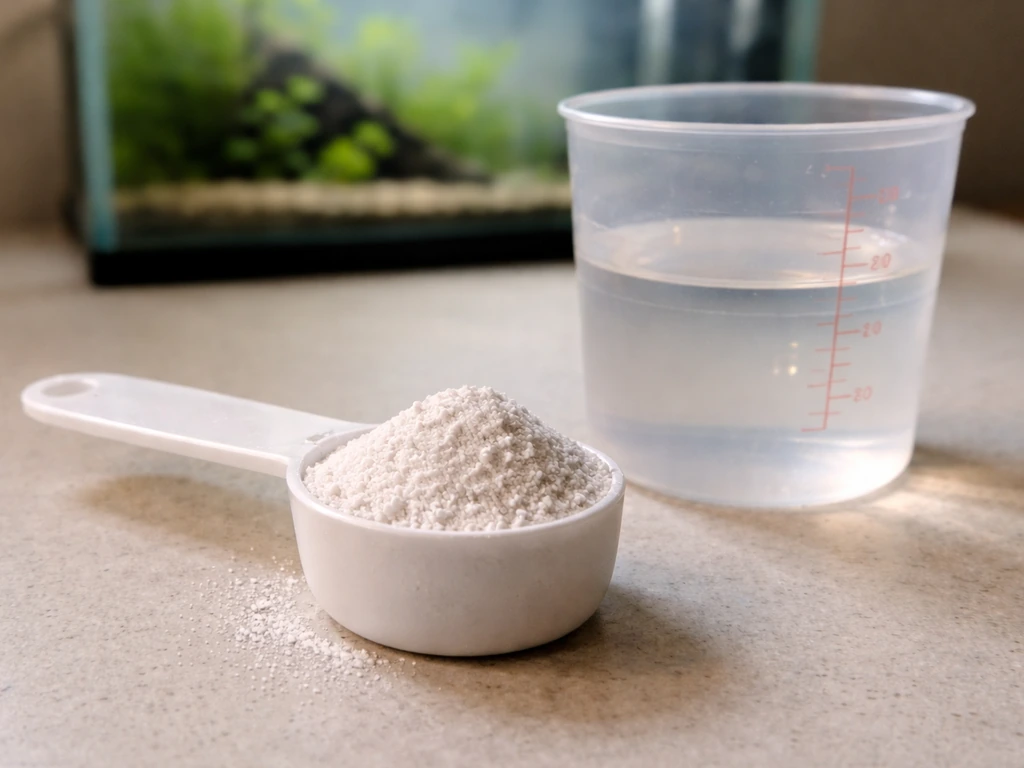
There's no universal dose, but a useful reference point is this: roughly 2 teaspoons (about 4 grams) of calcium carbonate per 50 liters of water will raise both KH and GH by approximately 4 degrees. A standard bird cuttlebone weighs somewhere in the 15–30 gram range. You don't add it all at once as a dissolved dose.
You drop a piece in and let it dissolve passively over days to weeks, which is far gentler on water chemistry than adding powdered calcium carbonate. For a typical 10–20 gallon snail tank, a quarter to a half piece of cuttlebone at a time is a reasonable starting point. Leave it in, let it dissolve gradually, and test your water every few days initially to see how your specific tank responds.
Placement and ongoing management
If you have a piece heavy enough to sink or you've weighted it, placing it in a low-flow area of the tank prevents it from getting churned up and clouding the water. If it floats, that's genuinely fine. Just keep an eye on it. As it dissolves, it will get smaller and eventually disappear. Replace it when it's mostly gone, or when your water tests start showing calcium and KH dropping below your target range. Target KH for most freshwater snail setups is roughly 4–8 dKH, which provides adequate buffering without swinging pH aggressively.
Potential downsides and how to prevent problems
The most common issue is cloudy water when cuttlebone first goes in. The fine particulate on the surface can temporarily cloud things, which is why rinsing before adding helps. It clears up on its own with good filtration. A second, more significant concern is water chemistry drift. Cuttlebone raises both KH (carbonate hardness) and GH (general hardness) as it dissolves. In a small tank or soft-water setup, a large piece dissolving quickly could push calcium above around 460 ppm or shift pH toward the high end of the range, both of which stress invertebrates. Testing regularly, especially in the first week or two, prevents this from becoming a problem.
Species sensitivity is real and worth thinking about. Most common aquarium snails (mystery snails, nerites, ramshorn snails) do well with modest calcium supplementation and benefit from it. However, some soft-water species and any tankmates sensitive to hard water deserve more caution. If your tank houses fish or plants that prefer very soft, acidic conditions, adding cuttlebone may push chemistry outside what those species want even if it's good for the snails. Know your full tank community before adding any carbonate supplement. Also worth noting: cuttlebone does not contain copper, but always double-check any supplement you add, because copper is acutely toxic to invertebrates even at very low concentrations.
Alternatives when cuttlebone isn't the right fit
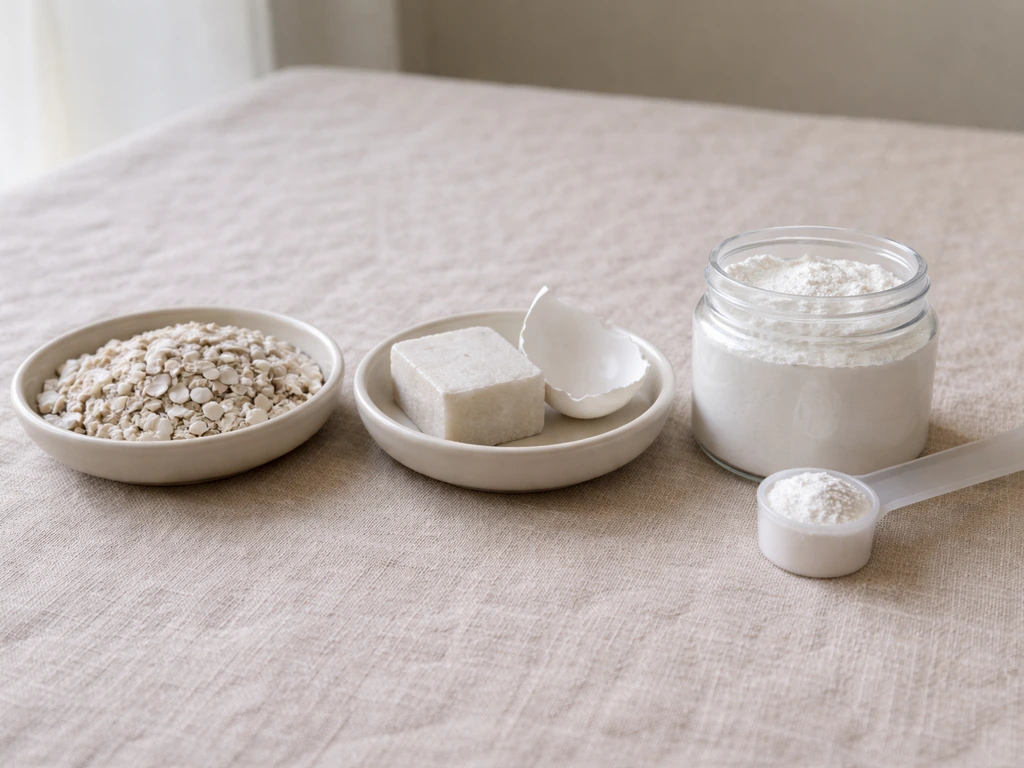
If plain bird cuttlebone is unavailable, out of stock, or you're in a situation where gradual passive dissolution isn't working fast enough, there are solid alternatives.
| Option | How it works | Pros | Cons |
|---|---|---|---|
| Bird cuttlebone (plain) | Passive dissolution in water column | Cheap, widely available, gradual release | Floats; must check for additives |
| Crushed coral / aragonite substrate | Dissolves slowly via water contact | Very gradual, good for pH buffering | Less flexible to adjust than a removable piece |
| Limestone rock | Raises GH and KH through slow dissolution | Permanent fixture, natural look | Very slow; hard to dose precisely |
| Oyster shell (loose) | Passive dissolution similar to cuttlebone | Cheap, available at feed stores | Can have sharp edges; also check for additives |
| Calcium carbonate powder (food grade) | Direct dose dissolved in tank water | Fast-acting, easy to measure | Easier to overdose; no slow-release buffer |
| Snail-specific mineral supplements | Liquid or solid formulas made for invertebrates | Labeled safe, often contain trace minerals | More expensive; variable quality by brand |
My honest recommendation: start with plain bird cuttlebone. It's the easiest to find, it's passive and forgiving, and the slow dissolution rate gives you time to notice water chemistry changes before they become a problem. If you're dealing with a tank that has chronically very soft water and needs a more permanent calcium source, crushed coral as a substrate additive or in a mesh bag in your filter is a better long-term solution because it acts as continuous buffering. For quick correction when shells are already deteriorating, a measured dose of food-grade calcium carbonate powder gets results faster.
How to tell if it's working, and what to do if it isn't
Shell health improvement isn't instant. New shell growth typically appears as lighter-colored, smooth material at the lip (opening edge) of the shell. You're looking for that fresh, clean growth rather than pitting, cracking, or a chalky, eroded surface. In actively growing snails like mystery snails, you can sometimes see visible new growth within a couple of weeks of improving calcium levels. In slower-growing or older snails, progress is slower but the shell edge should stop deteriorating and start looking cleaner over time.
If you've been running cuttlebone for two to three weeks and shells aren't improving, the problem might not be calcium availability at all. Check your pH first. SRAC Publication No. 464 explains how pH, CO2, alkalinity (KH), and hardness interact, and how adding calcium carbonate can shift the carbonate system buffering and therefore pH behavior in aquatic systems [pH and CO2 carbonate buffering interactions](https://srac-aquaponics.
tamu. edu/fact-sheets/serve/4). If it's sitting below 7. 0, the water is actively dissolving the shell faster than the snail can repair it, and no amount of cuttlebone will overcome that.
You may need to address pH directly using crushed coral, limestone, or a buffering product before calcium supplementation becomes effective. Also check GH and KH with a test kit, not just by looking. You can't visually assess water hardness, and a test will tell you quickly whether calcium is actually entering the water column in useful amounts.
If you mean trimming bird nails specifically, the cost varies by location, the bird species, and whether you need a full nail and beak trim in the same visit.
- Use only plain, unflavored, undyed bird cuttlebone. Check the ingredient label before buying.
- Rinse the piece before adding it to the tank to reduce initial cloudiness.
- Start with a quarter to a half piece per 10–20 gallons and let it dissolve passively.
- Test KH, GH, and pH every few days for the first two weeks to catch chemistry drift early.
- Target KH around 4–8 dKH and pH at or above 7.0 for most freshwater snail species.
- Look for new, smooth shell growth at the lip as the primary sign that calcium levels are adequate.
- If shells don't improve after two to three weeks, test pH first. Acidic water is usually the culprit.
- For soft-water tanks or tanks with sensitive tankmates, consider crushed coral in a filter bag as a gentler long-term option.
FAQ
Can I use flavored or dyed bird cuttlebone for my snail tank?
Yes, but only if the label shows it is plain cuttlebone. Plain cuttlebone (calcium carbonate) is fine, but if it is flavored, dyed, or includes added minerals, those extras are the part you avoid in an aquarium. Also rinse the piece after opening to remove any surface dust before placing it in the tank.
What happens if I add too much cuttlebone at once?
You can, but start small. If your tank is already hard or has high KH/GH, adding a large piece can push pH and calcium higher than your snails tolerate. The safer approach is incremental dosing, test after a few days, then replace or adjust the size based on GH/KH trends.
How often should I test my water after adding bird cuttlebone?
Run cuttlebone with regular water testing, not guesswork. A practical plan is to test KH, GH, and pH when you first add it, then again every 2 to 3 days during the first week. If KH keeps climbing fast or pH trends too high for your tankmates, reduce the size or remove the piece until things stabilize.
My snails still look like the shells are deteriorating, what should I check first?
If your pH is below about 7.0, calcium carbonate dissolves more readily and snails may still struggle even with cuttlebone present. In that case, focus on stabilizing pH and buffering first (for example, with crushed coral or limestone in a mesh bag) and then maintain calcium. Cuttlebone helps most when pH is slightly alkaline and stable.
What if my snails won’t touch the cuttlebone?
If you are seeing snails ignoring it, try improving access rather than changing the supplement immediately. Place it in a low-flow area or weigh it so it stays where they graze, and offer it after lights-out or during feeding when snails are more active. If water chemistry is already drifting high, removing it and confirming KH/GH/pH can also reduce stress.
Can I use cuttlebone crushed into powder instead of a piece?
Yes, but do not rely on it for calcium buffering. Powder dissolves quickly and is more likely to cause spikes in calcium and KH, so it can destabilize water chemistry in a small tank. If you must use powder, mix it with tank water, dose very gradually, and keep testing closely.
Should I rinse or boil the cuttlebone before putting it in the tank?
You can, but it is usually unnecessary. If the product is plain and you rinse it well, most hobbyists skip sterilizing. Boiling can help remove surface debris, but let it cool completely and rinse again before adding to prevent any loosened residue from floating around.
My water turned cloudy after adding cuttlebone, is that expected?
It can be normal for the tank to look a bit cloudy at first, but it should clear with good filtration. If cloudiness persists beyond a day or two, test KH/GH/pH to make sure you are not seeing unusual chemistry drift, and check that the cuttlebone is plain (no additives) and not breaking down more aggressively than expected due to very acidic water.
Can cuttlebone harm snails’ tankmates like shrimp or soft-water plants?
Most snails tolerate cuttlebone, but tankmates that prefer soft or acidic conditions may not. Check compatibility by considering plant and fish preferences, and watch for symptoms like lethargy or loss of shell quality in other invertebrates. When in doubt, keep cuttlebone as a smaller, gradual dose rather than adding a large chunk.
Why does my cuttlebone dissolve much faster than I expected?
If it keeps disappearing quickly, that often indicates high dissolution, commonly from low pH or vigorous water movement. Confirm pH and KH with a test kit, and reduce flow around it. You may also need more buffering capacity rather than just replacing cuttlebone more often.
Next Article
How Much Does It Cost to Trim Bird Nails
Costs to trim bird nails: vet or groomer fees, at-home supply costs, follow-ups, emergencies, and safety tips for budget