Getting a bird's nails trimmed by a professional typically runs anywhere from $15 to $80 per session depending on who does it, where you live, and how big your bird is. Do it yourself at home and your main cost is a $10 to $20 pair of nail clippers and a few dollars' worth of styptic powder, which you really do need on hand. Neither option is complicated, but the right choice depends on your bird's size, temperament, and nail condition, so let me break down exactly what you're looking at in each scenario.
How Much Does It Cost to Trim Bird Nails

Marcus Chen
1 Jun 2026
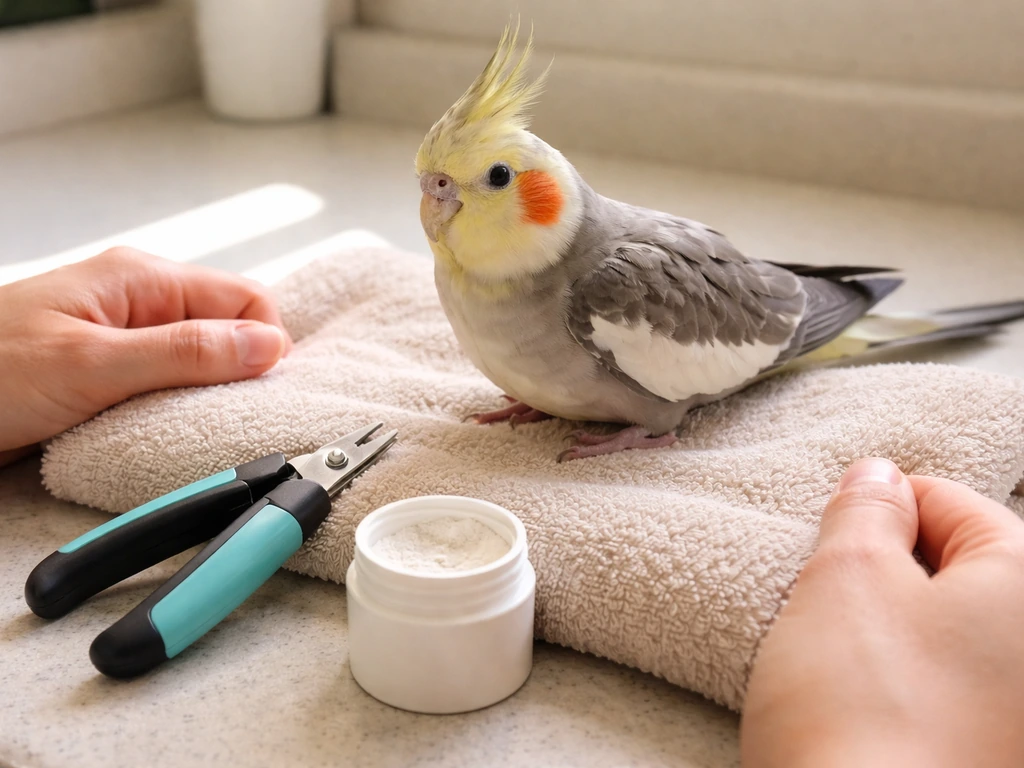
What you'll pay: vet vs. groomer vs. clinic vs. DIY
Prices vary more than you'd expect, mostly because nail trimming is priced very differently depending on where you go. Here's a realistic picture of what each option actually costs.
| Option | Typical Cost Range | What's Usually Included |
|---|---|---|
| Avian vet (standalone trim) | $25 – $60+ | Nail trim, brief handling assessment, vet oversight; exam fee may be added separately |
| Exotic/general pet clinic | $20 – $50 | Nail trim by vet tech; exam fee sometimes bundled or added |
| Bird groomer (in-store) | $15 – $70 | Nail trim only or as part of a grooming package; varies by species size |
| Mobile bird groomer | $60 – $80+ per session | All-inclusive package (nails, wings, minor beak); per-bird pricing with add-on fees for extra birds |
| DIY at home | $10 – $30 one-time setup | Clippers, styptic powder, optional file or conditioning perch; minimal recurring cost |
To give you real numbers: Golden Cockatoo publishes a nail-grooming-only price of $15 for finches and canaries. Monarch Vet Tech Services in Toronto lists bird nail trims at $70 for small to medium birds (canary to cockatiel size). DFW Mobile Bird Grooming charges $60 for the first small bird and $20 for each additional one, scaling up to $75 to $80 for large and XL birds. Those aren't cherry-picked outliers; that range is genuinely what the market looks like right now.
One thing worth knowing: some providers bundle nail trimming into an all-inclusive grooming session that also covers wing clipping and minor beak work, while others charge for nails as a standalone line item. If your bird only needs nails done, ask specifically whether you can book just that service rather than a full package, because you can often save $15 to $30 by doing so.
What actually moves the price up or down
A few factors have a real impact on what you'll be quoted, and knowing them ahead of time helps you avoid surprise charges.
Bird size and species
This is the biggest driver. A canary or finch trim is a quick, low-effort job. A macaw or large cockatoo requires more handling, more time, and sturdier tools. Most grooming providers have tiered pricing: small (finches, canaries), medium (cockatiels, conures, lovebirds), large (African greys, Amazons), and XL (macaws, large cockatoos). Expect each tier to add $10 to $20 over the one below it.
Nail condition and overgrowth
Severely overgrown or curved nails take longer and can't always be corrected in a single session. The World Parrot Trust advises cutting back in stages over several weeks when nails are truly overgrown, allowing the quick (the blood vessel inside the nail) to recede gradually. That means multiple visits, which adds to your total cost. If your bird's nails have gone unmanaged for a long time, budget for two or three appointments rather than just one.
Temperament and handling difficulty
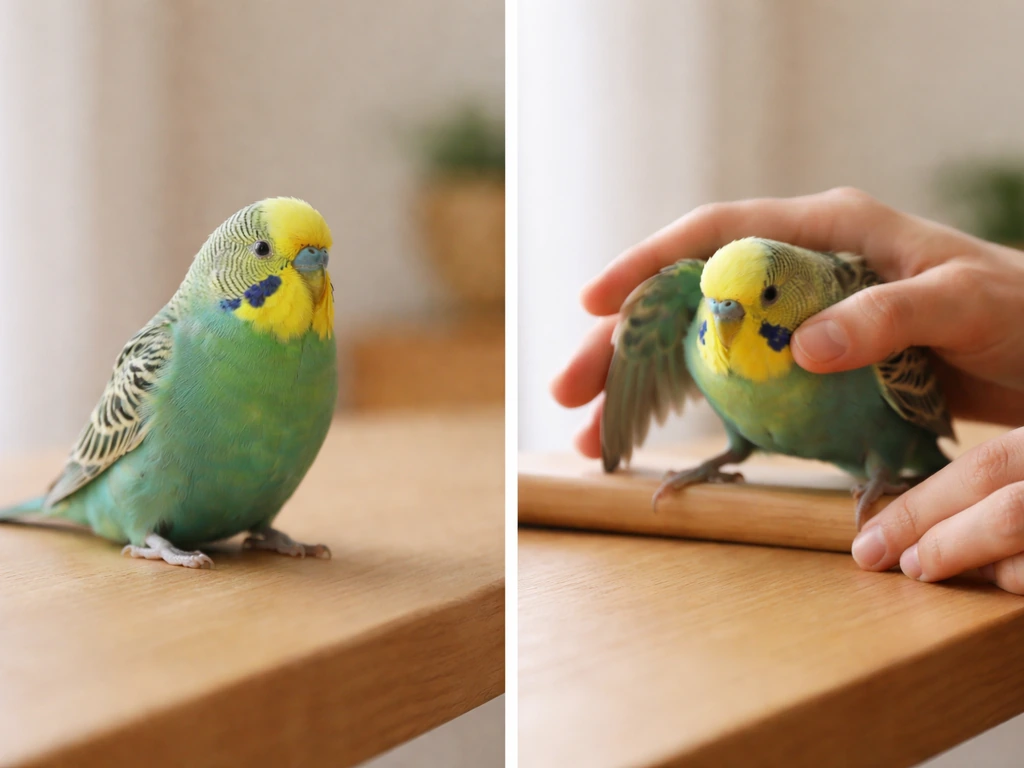
A calm, handleable bird is a fast and easy nail trim. A bird that bites hard, thrashes, or panics takes longer and may require additional handling support or, in some clinical settings, sedation. Avian practitioners do use isoflurane anesthesia in nail-trim situations when a bird is genuinely unsafe to restrain manually, and that will add significantly to the cost of a vet visit, sometimes doubling it. Most groomers will decline to work on birds that require heavy sedation, so a very difficult bird may need to go directly to an avian vet.
Number of birds
Multi-bird households usually get a discount on additional birds during the same session, but you're still paying more overall. DFW Mobile Bird Grooming charges $20 to $40 per additional bird depending on size. If you have four budgies, that adds up quickly, so ask about multi-bird pricing when you call.
Location and provider type
Urban areas, coastal cities, and regions with a higher cost of living charge more across the board. A general exotic pet clinic in a mid-sized city will almost always be cheaper than a specialty avian vet practice in a major metro. Mobile groomers typically charge a convenience premium over in-store services, though that premium often includes everything in one session, which can be worth it.
DIY nail trimming: what you need and what it costs
Doing this yourself is genuinely manageable for most small to medium birds, especially if your bird is used to being handled. You also might wonder about using bird cuttlebone as a safe natural nail aid for snails. The upfront cost is low and the recurring cost is almost nothing once you have your supplies.
One-time purchases
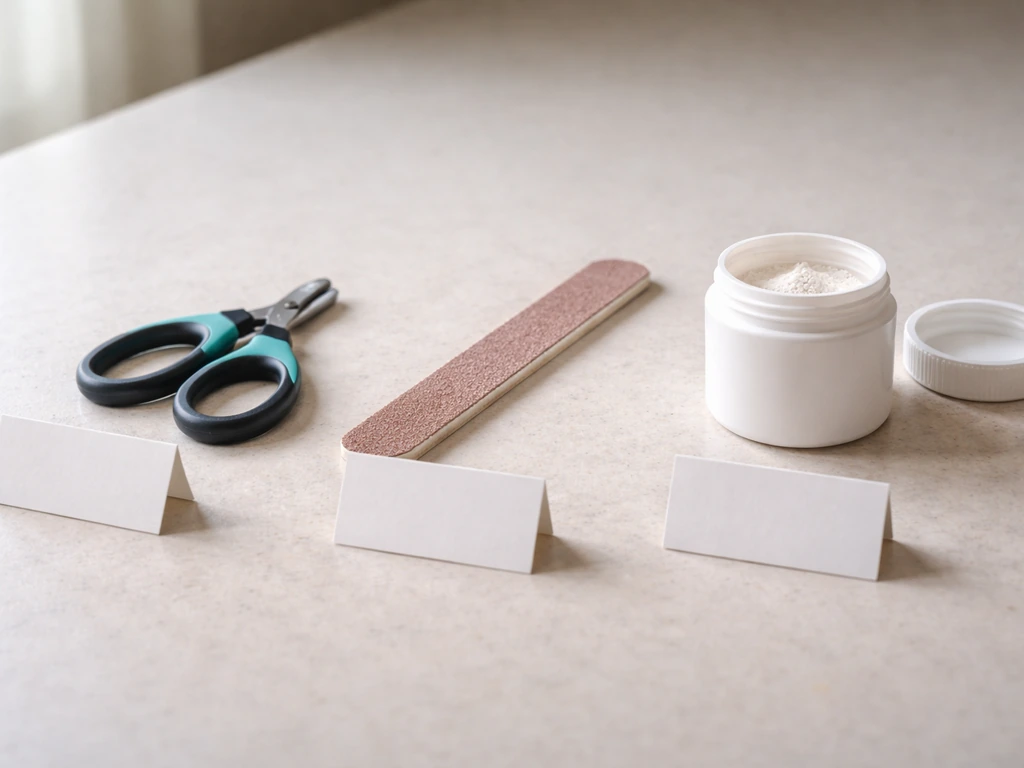
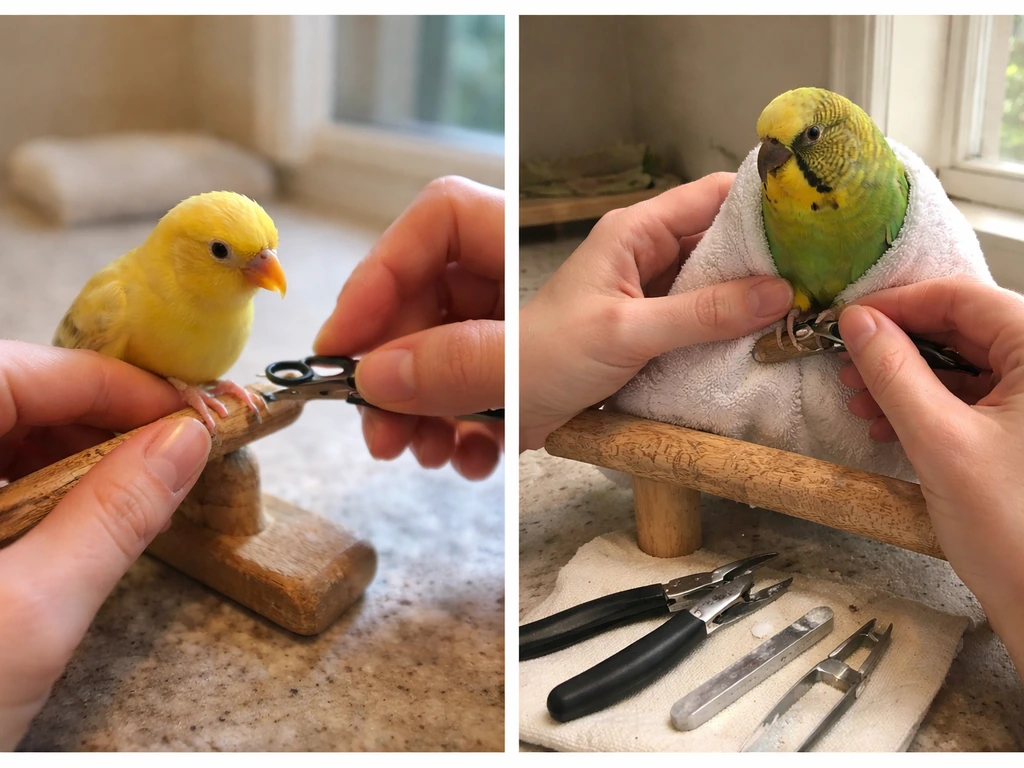
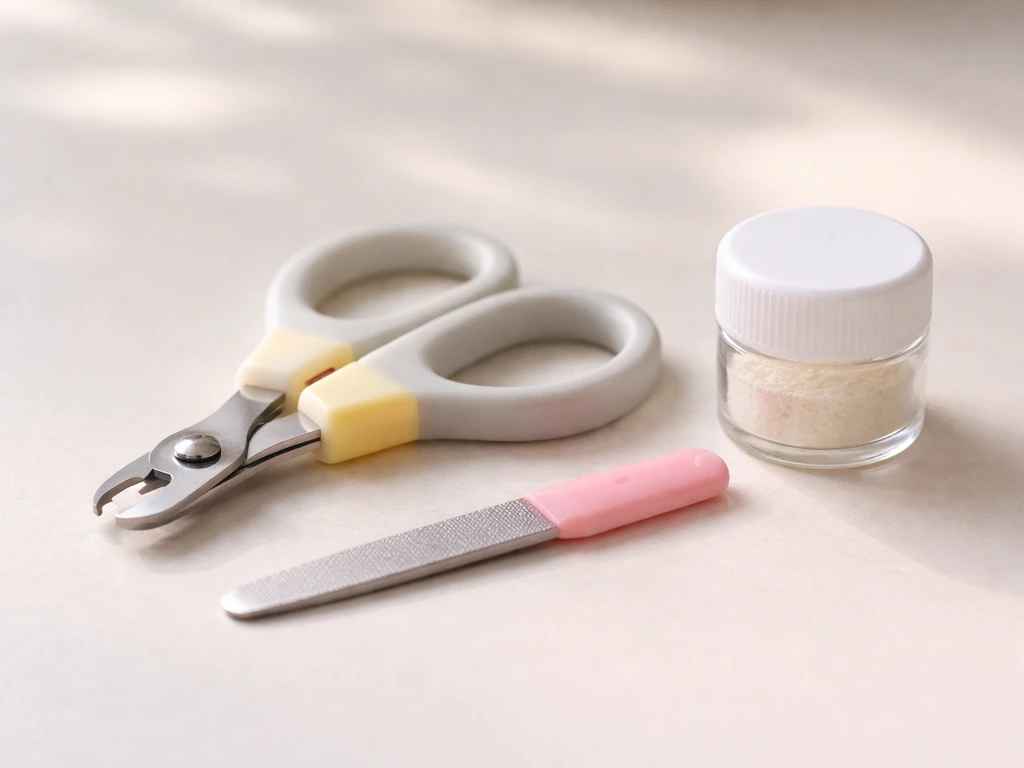
- Bird nail clippers or small animal nail trimmers: $8 to $20 (PetSmart sells the All Living Things Bird Nail Trimmer as one retail option; small guillotine-style or scissor-style clippers both work for most bird sizes)
- Styptic powder or gel: $5 to $12 (non-negotiable, keep it accessible every single time you trim)
- Cornstarch: $2 to $3 (a free backup if you run out of styptic powder in a pinch, though styptic works faster)
- Small flashlight or phone light: likely free if you already own one (used to illuminate the quick in darker nails)
Optional but helpful
- Conditioning or cement perch: $10 to $20, helps naturally wear nails between trims and can reduce how often full clipping is needed
- Emery board or fine nail file: $2 to $5, useful for smoothing sharp edges after clipping or as a standalone maintenance tool for birds that tolerate filing
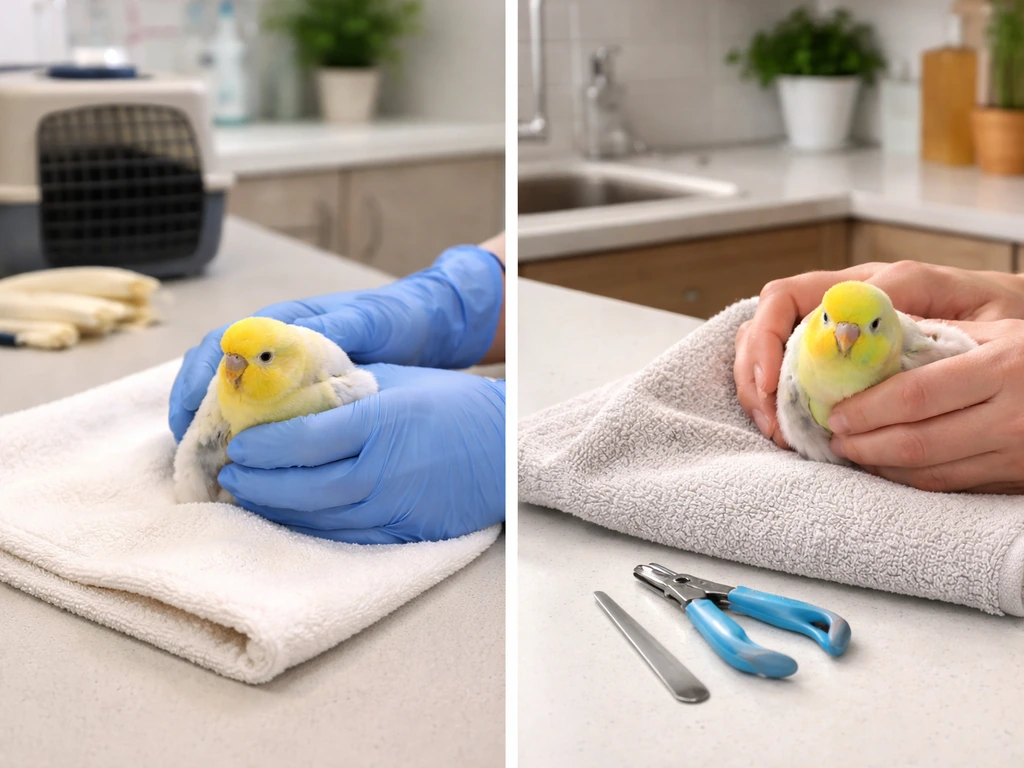
- Small towel or handling cloth: $0 to $5, used to safely wrap and hold the bird during trimming
Recurring costs
Once you have clippers and styptic powder, your ongoing expense is practically zero. Styptic powder lasts a long time if you're not using it every session (and if you are, something's going wrong). The clippers themselves don't need replacing often. Realistically, DIY bird nail care costs you $15 to $35 upfront and maybe $5 to $10 per year after that to replenish consumables.
What a professional appointment actually costs and includes
When you book a nail trim with a professional, what you're paying for depends heavily on the provider type. Here's what to expect from each.
Avian vet visit
An avian vet will typically charge an exam or office visit fee ($45 to $75 in most markets) on top of the nail trim fee if it's your first visit or if they haven't seen your bird recently. Some practices waive or reduce the exam fee for established patients coming in for routine grooming only. The nail trim itself might be $20 to $40 on top of that. So your total for a first visit to an avian vet for a nail trim could reasonably run $65 to $120. That sounds steep, but it includes a trained professional checking your bird's overall condition, which has real value.
Exotic or general pet clinic
Many exotic animal clinics offer nail trims performed by vet techs at a lower cost than a full vet appointment. Expect $20 to $50 per session, sometimes with a reduced or waived exam fee for routine grooming visits. These are a solid middle-ground option if you don't have access to a dedicated avian vet but want professional handling.
Bird-specific groomer (in-store or at-home)
Groomers who specialize in birds, like those at dedicated bird stores, tend to charge by species size and often let you book nails-only appointments. In-store and at-home bird grooming availability can vary by location, so it helps to call your local Petco to confirm what they offer for nail trims and other grooming services Petco bird grooming. Prices at this type of provider range from $15 for a finch to $60 or $70 for a larger parrot. Mobile groomers who come to your home charge more for the convenience but handle everything in one visit, which is worth factoring in if you have multiple birds or a bird that stresses badly in transit.
Hidden costs to watch for
- First-visit exam fees at vet offices ($45 to $75 additional)
- Extra charges for difficult handling or unusually long session time ($10 to $30 premium)
- Multi-visit charges if nails are severely overgrown and need staged trimming
- Emergency vet visit if a DIY trim goes wrong and bleeding won't stop ($100 to $200+)
- Sedation fees if your bird requires anesthesia for safe handling (this significantly increases the vet bill)
How often do bird nails actually need trimming?
For most pet birds, nails need trimming every four to eight weeks. The exact frequency depends on your bird's species, diet, and cage setup. Birds that have access to cement perches, natural wood perches of varying diameters, or rough-textured surfaces will wear their nails down naturally and may need less frequent intervention. A bird on smooth plastic perches only will need more frequent trims.
For budgeting purposes, assume six to eight trims per year as a baseline. If you're going the professional route at an average of $30 per session, that's $180 to $240 annually just for nail care. Avian vet visits at higher rates could push that to $400 or more per year if exam fees are involved each time. DIY brings that number down to under $30 total for the year after your initial supply purchase.
One maintenance trick worth using: an emery board or light file can be used every few weeks for birds that tolerate the handling, which smooths sharp tips and can extend the time between full clip sessions. This is especially useful for smaller birds like cockatiels or lovebirds.
Safety basics and when NOT to do this yourself
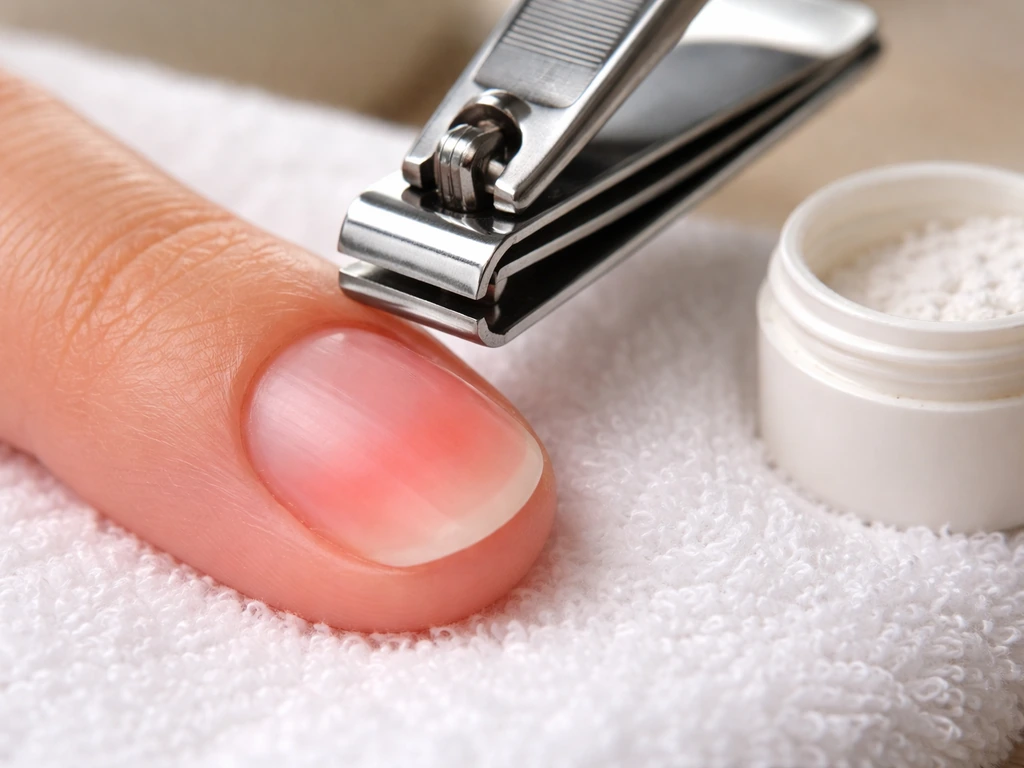
The main risk with nail trimming is cutting into the quick, the blood vessel that runs partway down the nail. Cut it and the nail bleeds, sometimes more than you'd expect from something so small. Styptic powder stops the bleeding fast; apply it with firm pressure and hold for 30 to 60 seconds. Cornstarch works as a backup. What you do not want to do is use a cautery pen at home; those are for trained professionals because of the heat injury risk.
Light-colored nails are forgiving because you can see the pink quick and know where to stop. Dark or black nails are harder; the quick may be impossible to see even with a flashlight, and VCA notes this explicitly as a reason for extra caution. If your bird has dark nails and you've never trimmed a bird before, your first time should probably be with a professional so you can watch the technique and get a feel for safe margins.
Skip DIY and go straight to a professional in these situations:
- Your bird bites hard enough to break skin or thrashes violently when restrained
- The nails are severely overgrown and curved back toward the toe or foot
- You notice any abnormal nail growth, discoloration, or signs of foot injury
- Your bird is very young, elderly, or has a known health condition
- It's your first time and your bird is a larger, more powerful species like a macaw or large cockatoo
- Bleeding from a previous DIY trim didn't stop within a few minutes
The Merck Veterinary Manual notes that getting birds accustomed to nail handling from a young age makes the whole process safer and easier over time, so if you have a new bird, start gentle handling around the feet early, even before a trim is needed.
How to get an accurate quote before you book
Prices posted online are often for ideal, average-sized, cooperative birds. Your bird may cost more, and it's worth a two-minute phone call before you book to avoid surprises at checkout.
Questions to ask before booking a professional nail trim
- What is your base price for a nail trim on a [species/size] bird?
- Is there a separate exam or office visit fee, and is it waived for routine grooming appointments?
- Do you charge extra for difficult handling or longer session times?
- If nails are overgrown, do you handle it in one session or recommend staged trims, and how does that affect pricing?
- Do you offer a discount for multiple birds in the same session?
- Can I book nail trim only, or do I need to book a full grooming package?
- What is your policy if there's a complication during the trim, such as bleeding?
If you're calling an avian vet specifically, also ask whether they can send you home with a quick demonstration of DIY technique during the appointment. Many will show you how it's done while they're already handling your bird, and that knowledge alone can save you dozens of professional appointments over your bird's lifetime.
For mobile groomers, confirm whether the all-inclusive package price is truly fixed or whether add-ons for handling difficulty apply to your species. Mobile groomer Waggin’ Wheels lists additional $10 to $30 on top of its base “The Works” price for nail-related services, showing how add-ons can increase nail-trim costs Waggin' Wheels. Some providers, like Waggin' Wheels, list additional charges of $10 to $30 on top of base pricing for certain services, and you want that information before they show up.
Your simple roadmap: pick your option and plan the budget
Here's the honest summary. If your bird is small, calm, and has light-colored nails, learning to do this yourself is straightforward and saves you real money over a bird's lifespan. If your bird is large, has dark nails, is prone to biting, or has overgrown nails that need correction, start with a professional appointment (ideally an avian vet or experienced bird groomer) and potentially learn the technique from them. If your bird is large, has dark nails, is prone to biting, or has overgrown nails that need correction, start with a professional appointment (ideally an avian vet or experienced bird groomer) and potentially learn the technique from them, too, including what feathers do you clip on a bird as a related consideration. There's no shame in going professional every time if that's what keeps your bird safe and your stress level manageable.
- DIY budget: $15 to $35 one-time setup, under $10 per year ongoing. Best for small to medium, handleable birds with light nails.
- In-store bird groomer: $15 to $70 per session, roughly $90 to $420 per year depending on frequency and species size. Good middle ground.
- Exotic or general pet clinic: $20 to $50 per session plus possible exam fees. Good for birds that need professional handling but don't require full avian vet oversight.
- Avian vet: $65 to $120+ per first visit, potentially $30 to $60 for follow-up trims at established practices. Best for difficult birds, abnormal nail conditions, or any health concerns.
- Mobile groomer: $60 to $80+ per bird per session, all-inclusive. Best for multi-bird households or birds that stress badly during transport.
- Always have styptic powder at home regardless of which option you choose.
- Budget for six to eight trims per year as a baseline, and ask about multi-bird discounts if you have more than one bird.
If you're also weighing whether to handle wing clipping at the same appointment, many groomers bundle both services together. And if you're shopping for tools, looking at purpose-made bird nail clippers rather than repurposing human or cat clippers will make the process noticeably easier. If you want the best bird nail clippers, focus on the right size for your bird and a design that lets you trim safely without stressing the quick purpose-made bird nail clippers.
FAQ
Is it cheaper to get bird nail trims at an avian vet or at a grooming clinic?
Most nail trims cost less than a vet visit because you are not paying for a full medical exam. At an avian vet, you typically pay an office or exam fee plus the trim, so totals for a first visit commonly land around the $65 to $120 range. If you go to a vet tech or clinic specifically for grooming, you usually avoid some of the extra exam overhead, bringing the session closer to roughly $20 to $50, sometimes with a reduced or waived exam for routine grooming.
Why might the price I’m quoted for nail trimming increase on the day of the appointment?
Even if the base price is low, ask whether the provider charges more for difficult restraint or multi-step procedures. Some services add fees if sedation is required, if nails are severely overgrown and need staged trimming, or if the appointment runs long due to biting or thrashing. A quick phone call asking about “handling difficulty” add-ons and “how they price dark nails” can prevent a surprise bill.
What if my bird’s nails are severely overgrown, will one appointment be enough?
If your bird has very overgrown nails that hit the quick or are curved, many providers will not correct everything in one visit. Budget for multiple trims scheduled over several weeks, because the quick needs time to recede. Practically, this can mean two or three appointments, so the total cost may be closer to double or triple the single-session price.
How much should I budget for DIY after I buy clippers and styptic powder?
DIY initial setup is usually the biggest cost, you need clippers plus a hemostatic option like styptic powder. Ongoing spend is minimal if you are only replenishing occasionally, but do not assume you will never need more. If you are using styptic powder frequently, that is a sign you may be trimming too far back toward the quick, so it is worth adjusting technique or switching to a professional for a few sessions.
Does trimming cost more for birds with dark nails?
For birds with dark nails, you often cannot clearly see the quick, even with a flashlight. That increases the chance of hitting the quick and may require extra time or additional visits to stabilize safe nail lengths. As a result, professional pricing can effectively be higher for dark-nail birds because the session tends to take longer and has a greater risk of needing corrective follow-ups.
Can I save money by booking just nail trimming instead of a full grooming package?
If you can book a “nails only” appointment, you may pay less than an all-inclusive grooming bundle that includes wing clipping or minor beak work. The savings can be meaningful, on the order of $15 to $30 in some cases. Before booking, ask the provider to confirm whether nails-only is an option and whether any add-ons become automatic for your bird’s species.
How do I estimate my yearly cost if I want to space trims out?
Yes, the recurring cost changes mainly by how often you schedule trims. A common baseline is every four to eight weeks, but that frequency drops for birds with abrasive or varied perch surfaces and can rise for birds on smooth plastic. If you stretch trims using acceptable at-home maintenance like filing sharp tips periodically, your annual nail-care cost can drop even if you still use a professional occasionally.
Is mobile nail trimming more expensive, or can it be cheaper for multiple birds?
For mobile services, the convenience premium is common, but the price can still be cost-effective when you have multiple birds or a bird that stresses in transit. Multi-bird discounts often apply to each additional bird in the same visit, reducing the effective per-bird cost. Ask whether the mobile pricing is per bird per session or per visit, and confirm the add-on rules for handling difficulty.
What should I ask during my first professional nail trim to lower my long-term costs?
Your “starter” appointment can be used to reduce future costs. If the provider is an avian vet or experienced bird groomer, ask whether they can show your exact safe trimming line and how to stop before the quick. Some practices will demonstrate while handling your bird, so you can avoid months of trial and error and fewer professional repeats.
What happens to the cost if my bird is too aggressive to trim without sedation?
If a bird is unsafe to restrain manually, some clinical settings may add anesthesia or sedation, which can significantly raise the total. Many groomers will refuse heavy-sedation cases, which means you may have to go directly to an avian vet and accept an exam plus procedure costs. If your bird bites hard or panics, plan for the possibility that the cost is driven by restraint level rather than nail size alone.
Next Articles
Does Petco Do Bird Grooming? What to Ask and Options
Find out if Petco offers bird grooming and what to ask, plus safety tips and avian-grooming alternatives if not.
Best Bird Nail Clippers: How to Choose and Trim Safely
Choose the best bird nail clippers and follow a beginner-safe trimming step by step to avoid the quick.
What Feathers to Clip on a Bird for Wing Clipping
Learn which flight primaries to clip for wing clipping, how to trim safely, and how often you’ll need to reclip.