For a dedicated bird room, luxury vinyl plank (LVP) or large-format porcelain tile are the two best flooring options for most people. Both are non-porous, waterproof, easy to disinfect, and hard enough to hold up to daily scrubbing. If you're setting up an outdoor or semi-outdoor aviary, sealed concrete with a gentle slope toward a drain beats everything else. Those are the answers 90% of bird owners need. The rest of this guide explains why, what to skip, and how to pick the right surface for your specific setup.
Best Flooring for Bird Room and Aviary: What to Buy

Marcus Chen
14 May 2026
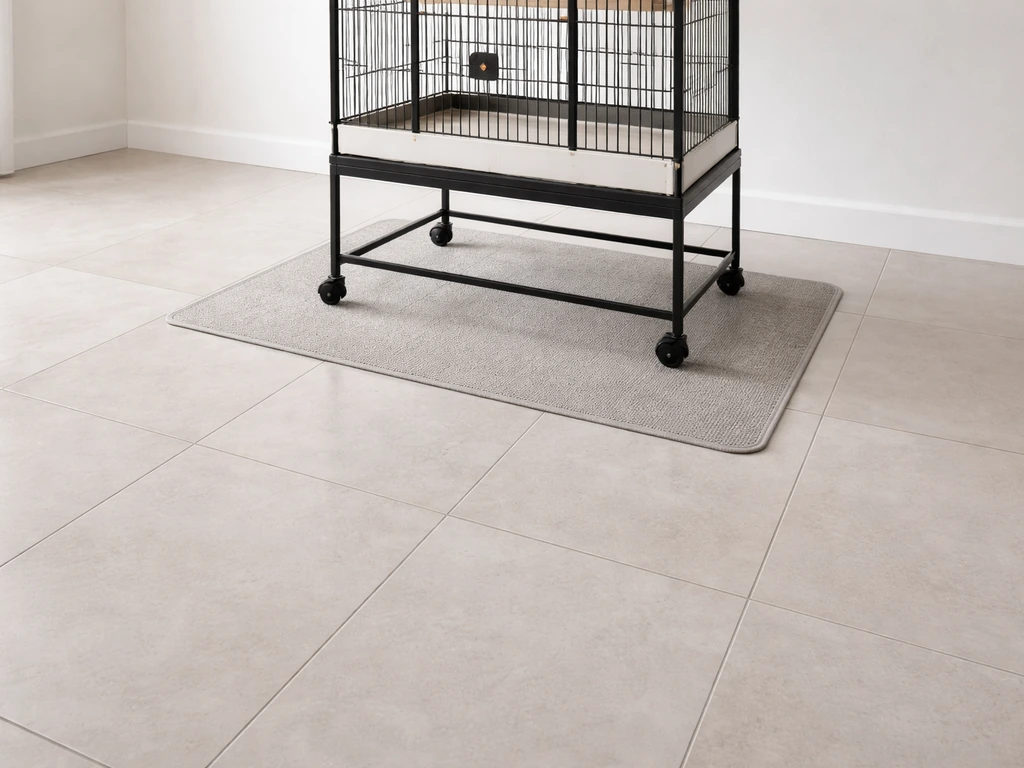
Why the floor in your bird room actually matters
Most first-time bird owners spend weeks researching cages, perches, and diet, then throw down whatever flooring is already in the room and call it done. I get it. But flooring choices have a real downstream effect on your bird's health and your own sanity.
The biggest issues are air quality, odor, and foot health. Birds have an extremely sensitive respiratory system, and fumes from new carpets, adhesives, coatings, and cleaning products can injure or kill them. Merck's veterinary guidance puts it plainly: if you can smell a product, it may harm your bird's respiratory tract. That means porous, odor-trapping floors create a double problem. They hold onto droppings and urine, which breed bacteria and produce ammonia, and then force you to use stronger cleaners to get rid of the smell, which creates its own fume risk.
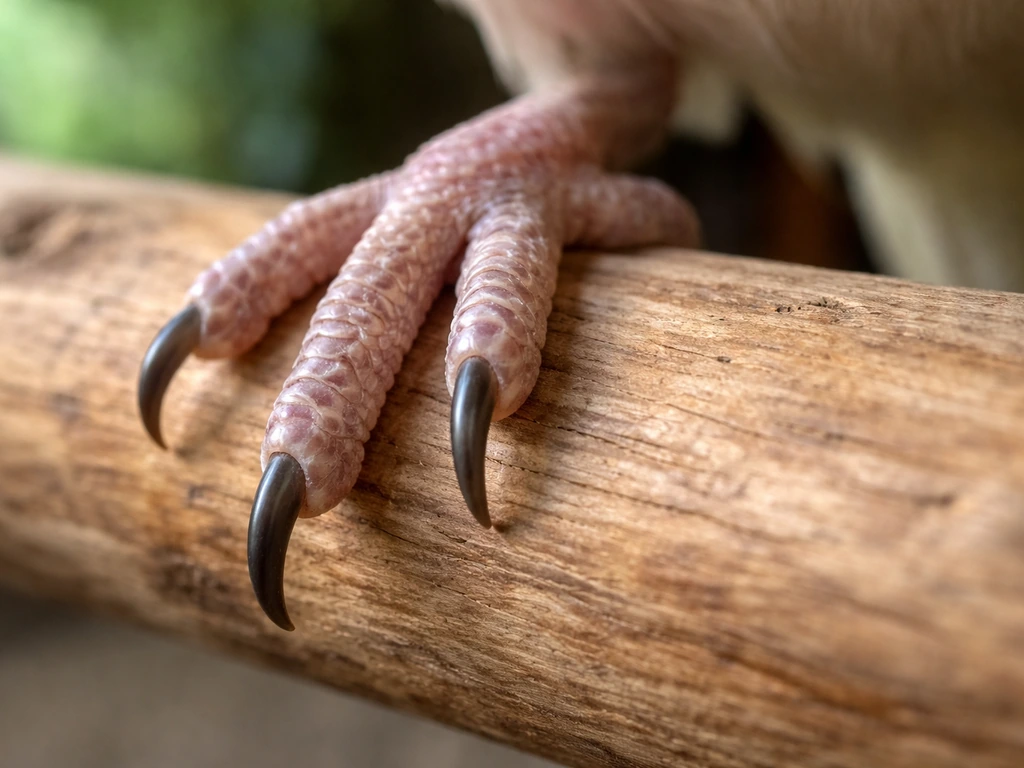
Foot health is the other big one. Birds spend their lives standing. Surfaces that are too slippery cause falls and gripping strain. Surfaces that are too abrasive cause skin abrasions that can progress to bumblefoot (pododermatitis), a painful bacterial infection of the foot pad. This is mostly a cage-floor and perch issue rather than a room-floor issue, but it becomes relevant if your bird free-roams or spends time on play stands at floor level. The RSPCA explicitly warns against sandpaper-type surfaces for exactly this reason.
Bird room vs. aviary: the setup difference changes the answer
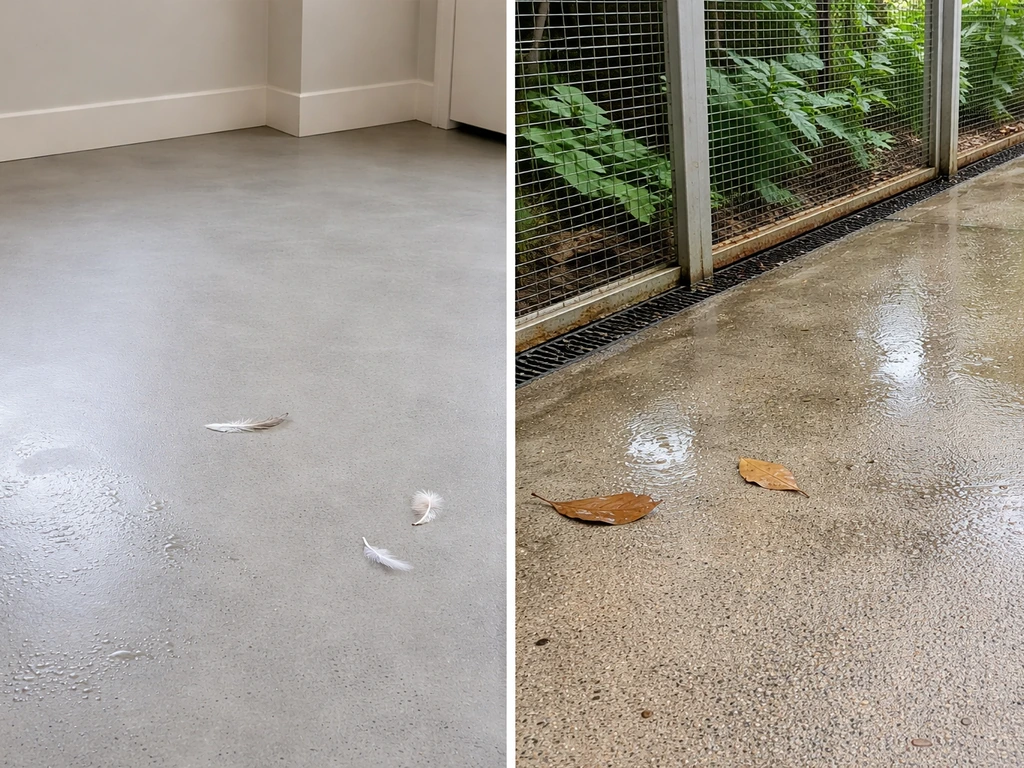
An indoor bird room and an outdoor aviary have different demands, and what works beautifully in one can be a disaster in the other.
An indoor bird room is a climate-controlled space where your main enemies are droppings, dander, feather dust, and the fumes from whatever you clean with. You want a smooth, non-porous surface that you can mop daily, spot-clean easily, and disinfect thoroughly without generating dangerous fumes. Drainage isn't usually a concern. Humidity levels are relatively stable. LVP and tile excel here.
An outdoor or semi-outdoor aviary introduces moisture, weather, drainage, and in colder climates, freeze-thaw cycles. Concrete that isn't properly sloped will pool water, which breeds pathogens. Pavers without proper subgrade preparation will heave and crack in freezing temperatures, creating uneven surfaces that are both a trip hazard for you and a foot hazard for birds. Birdline's aviary construction guidance notes directly that concrete flooring must include an adequate drainage system. For outdoor builds, sealed concrete with a 1-2% slope toward a central drain is the industry standard for a reason.
How the main flooring materials stack up
Here's an honest look at every surface you're likely to consider. I've grouped them by how practical they actually are for a bird setup, not just how they look in a showroom.
| Material | Pros | Cons | Best For |
|---|---|---|---|
| Luxury Vinyl Plank (LVP) | 100% waterproof, soft underfoot, easy to cut/install, no grout lines, affordable | Can scratch over time, some products off-gas initially, not ideal for outdoor use | Indoor bird rooms, first-time setups |
| Large-format Porcelain Tile | Extremely durable, non-porous, easy to disinfect, no off-gassing | Grout lines trap debris (use epoxy grout to minimize), cold underfoot, harder DIY install | Indoor rooms with high mess output, long-term builds |
| Sealed Concrete | Seamless, very durable, drainage-ready, cost-effective for large spaces | Requires proper sealing to stay non-porous, hard on joints if you're standing, needs re-sealing periodically | Aviaries, large indoor bird rooms |
| Epoxy Coating (over concrete) | Seamless, chemical-resistant, very easy to clean, professional-grade durability | Initial fumes during application require full cure before bird re-entry, higher cost | Serious setups, aviaries, rooms with multiple birds |
| Sheet Vinyl / Linoleum | Cheap, no grout lines, easy to wipe | Can tear, edges lift over time and trap debris, not as durable as LVP | Tight budgets, temporary setups |
| Rubber Flooring / Mats | Cushioned, slip-resistant | Difficult to clean thoroughly, can have strong odor, may harbor bacteria in textured surface | Avoid as primary surface |
| Carpet | Soft, warm | Absorbs droppings and urine, nearly impossible to sanitize, traps dander and bacteria | Avoid entirely |
| Hardwood / Laminate | Attractive | Swells and warps from moisture and droppings, not truly waterproof even when 'water-resistant' | Avoid in bird rooms |
One note on epoxy grout: if you go with tile, spend the extra money on epoxy grout instead of standard cement grout. Standard grout is porous, traps bacteria and odors, and becomes nearly impossible to fully sanitize over time. Epoxy grout is non-porous and worth every cent in a bird room.
What to avoid and why
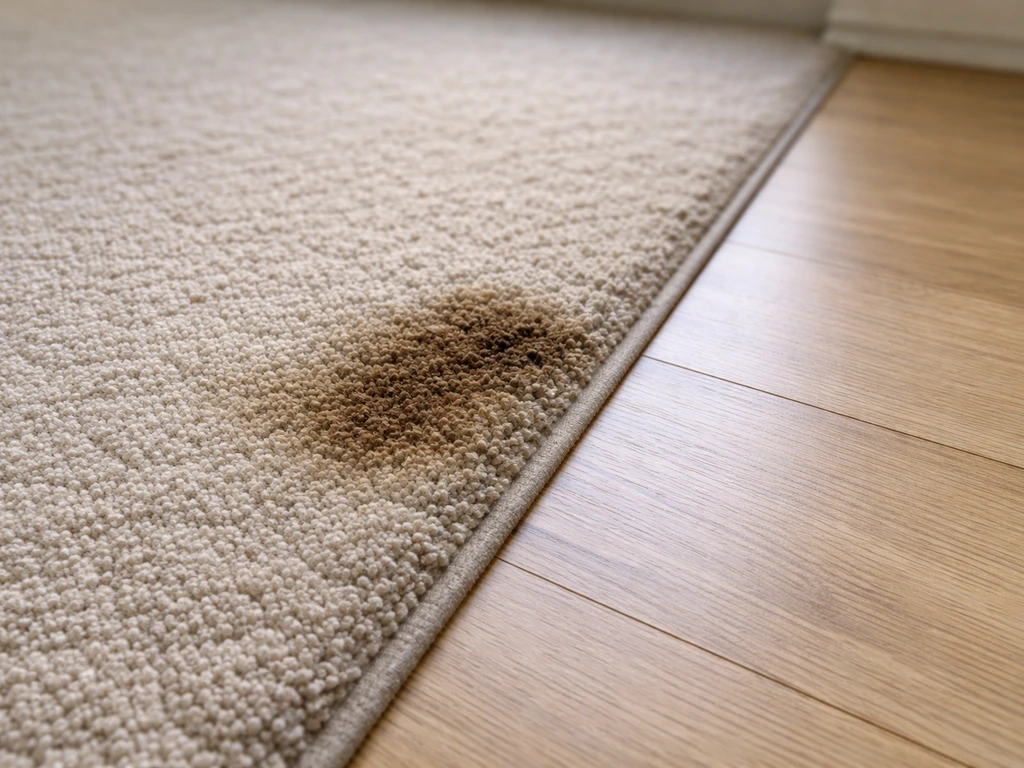
Carpet is the number one mistake I see new bird owners make. It looks cozy, it's already in the spare room, and it seems harmless. It isn't. Droppings soak in within seconds. The fibers hold bacteria, mold, and ammonia indefinitely. You can't fully disinfect it. Pull it out, or use another room.
Laminate and floating hardwood are the second most common mistake. Both are marketed as water-resistant these days, but bird droppings are acidic and frequent. Moisture works into the seams, the core swells, and within a year you have a warped, bacteria-harboring floor that's expensive to replace.
- Carpet: absorbs waste, cannot be sanitized, harbors ammonia and mold
- Laminate and hardwood: seams allow moisture penetration, swell and warp, not truly cleanable
- Rubber mats as a primary floor: textured surface traps bacteria, often have strong chemical odor that can irritate birds
- Sandpaper or grit-coated surfaces on cage bottoms or floor-level play areas: cause abrasions leading to bumblefoot
- Any freshly installed or recently coated floor with detectable fumes: keep birds out until the smell is completely gone (days to weeks, not hours)
- Lead-based paint under old flooring or on walls: if your home is pre-1978, test before sanding or disturbing any painted surfaces. Lead ingestion can be fatal to birds
- Unsealed concrete: porous, absorbs urine and droppings, produces ammonia, very difficult to clean
Off-gassing deserves its own callout. New carpets, certain vinyl products, adhesives, and epoxy coatings all release VOCs (volatile organic compounds) that can be dangerous to birds. VCA warns that some of these products can off-gas for months. The rule of thumb: if you or a human visitor can smell the floor, your bird should not be in that space yet. Ventilate thoroughly and wait until there is zero detectable odor before reintroducing birds.
How to pick the right floor for your situation
Your ideal floor depends on a few things: how messy your species is, how often you can clean, whether the room is enclosed, and your budget. Here's how to think through it.
Factor 1: How messy is your bird?
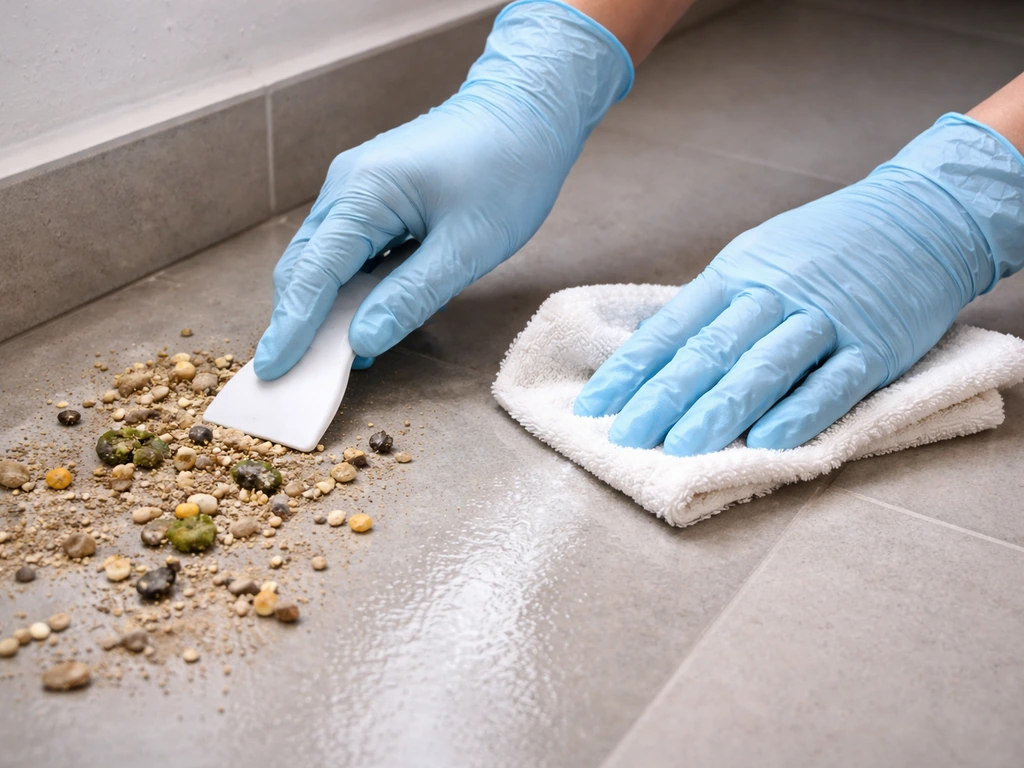
Large parrots (macaws, cockatoos, Amazons) are extraordinarily messy. They throw food, produce large droppings, and can soak an area within minutes. For these birds, go straight to tile with epoxy grout or sealed/epoxy-coated concrete. The seamless options are worth the extra investment. Smaller birds like budgies, cockatiels, or finches produce much less waste and LVP or sheet vinyl handles them without issue.
Factor 2: Do your birds free-roam?
If your birds spend time on the room floor or on low play stands, traction matters more. A very smooth tile or high-gloss vinyl can be slippery when wet. Choose a matte or lightly textured finish on your tile, or add a low-pile, washable runner in play areas. You want enough grip that a bird landing or walking doesn't slip and strain a leg, without so much texture that the surface becomes hard to clean.
Factor 3: Cage setup vs. full room
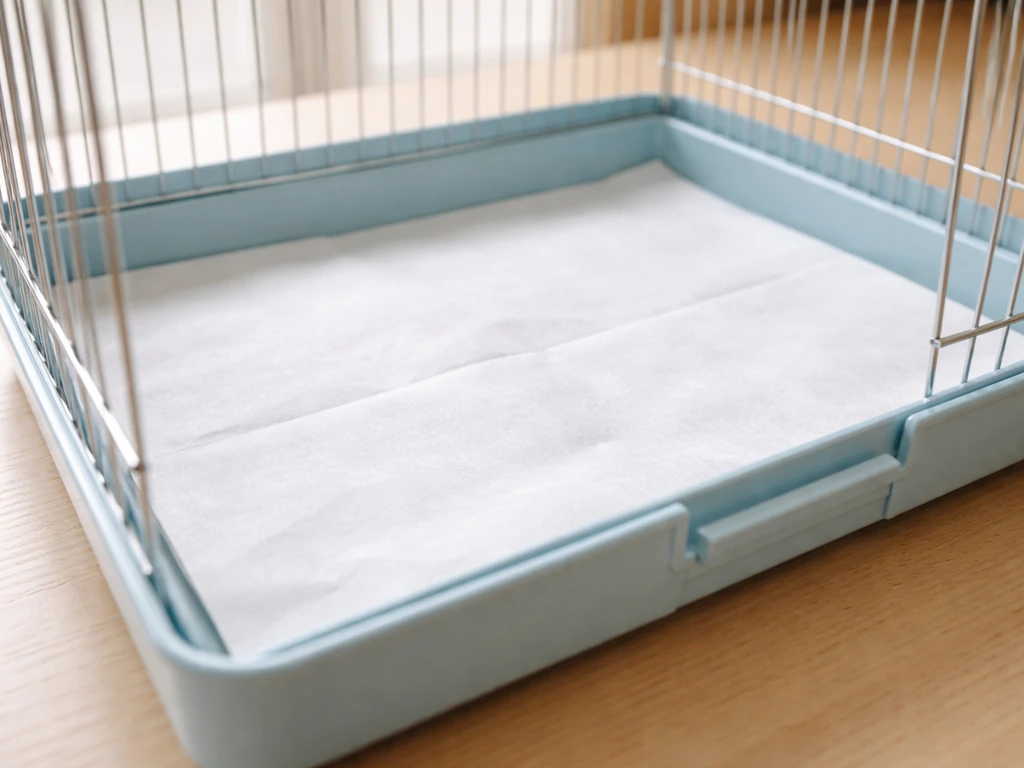
If your birds live in cages and the floor mostly catches dropped food and droppings, almost any non-porous hard surface works. If the whole room functions as an open aviary, you need a more robust drainage and disinfection solution. This is also the point where cage-bottom bedding choices come into the picture. If you also want the best bird bedding for cage floors, focus on materials that are absorbent, low-dust, and easy to swap daily. Daily changing of cage-bottom coverings is standard practice, and what's on the cage floor interacts with what ends up on the room floor below it.
Factor 4: Indoor vs. outdoor or partially outdoor
Outdoor or covered-structure aviaries need sealed concrete with a drainage slope, or poured epoxy over concrete. If you're in a climate with hard winters, proper subgrade preparation with compacted gravel and appropriate expansion joints is not optional. If you are wondering what bird gravel is, it is typically a mineral-based bedding or substrate used in some outdoor setups to improve drainage and footing compacted gravel. Freeze-thaw cycles will destroy improperly installed slabs within a few seasons, creating uneven surfaces that are hazardous and expensive to fix.
Installation basics and getting the subfloor right
Even the best flooring material fails if it goes down on a bad subfloor. Here's what matters before you install anything.
- Check for moisture: Before installing LVP or tile over a concrete subfloor, do a moisture test. Tape a piece of plastic sheeting to the floor for 24 hours. If condensation forms underneath, you have a moisture issue that needs to be addressed with a vapor barrier or moisture-blocking primer before any flooring goes down.
- Level the subfloor: LVP and tile both require a flat subfloor. Dips or high spots create flex points where the floor can crack, warp, or develop gaps that trap droppings. Fill low spots with self-leveling compound.
- Seal concrete before use: If you're using sealed concrete as your final surface, use a penetrating, non-toxic sealer rated for animal environments. Some products marketed for odor control in concrete (like enzyme-based or mineral-reactive sealers) can also help with residual urine smells. Re-seal every 1 to 2 years depending on traffic.
- Epoxy application requires full cure time: If you're applying an epoxy coating, follow the manufacturer's cure time exactly. Most two-part epoxy systems need 48 to 72 hours of cure before foot traffic and several additional days before they are safe for birds. Ventilate aggressively during application and curing, and do not reintroduce birds until there is zero detectable odor.
- Tile: use epoxy grout and seal properly: When grouting tile, use unsanded epoxy grout in a color that won't show staining. Skip the decorative sealed grout lines marketed for kitchens. They don't hold up to daily cleaning with disinfectants.
- Avoid floating floors near water sources: If you're adding a misting system or have any wet-area components in the aviary, avoid floating LVP near those zones. LVP is waterproof on its surface but water can still work under the edges if they're not properly sealed.
For outdoor aviaries specifically: pour concrete with rebar reinforcement, slope the slab at least 1% toward a drain, and install a proper floor drain with a removable, cleanable trap. This makes hosing down the entire aviary a five-minute job instead of a 45-minute one.
Daily and weekly cleaning routine
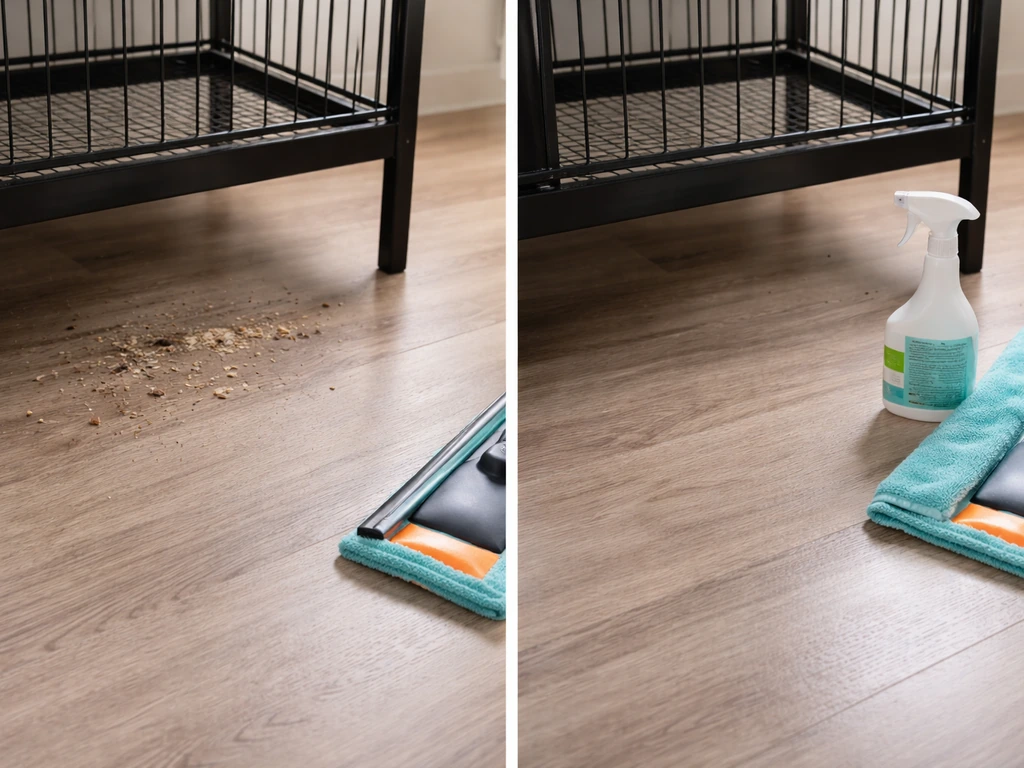
The right cleaning routine is almost as important as the right floor. Birds produce waste constantly, and letting it build up creates ammonia fumes that irritate their respiratory systems even more than yours. Here's a practical schedule that actually works.
Daily (takes 5 to 10 minutes)
- Spot-clean the floor under and around cages: scrape or wipe up any droppings before they dry into a cement-like crust
- Sweep or vacuum dander, feathers, and scattered food — this matters for air quality as much as cleanliness
- Change cage-bottom coverings (paper, liners) daily per Purdue's husbandry guidelines
- Wipe food and water stations to prevent bacterial growth
Weekly (takes 20 to 30 minutes)
- Mop the entire floor with hot water and a bird-safe cleaner: diluted white vinegar (1:1 with water) works well for most surfaces and is effective at dissolving urates and dried droppings
- For disinfecting, use a non-toxic, bird-safe disinfectant and let it sit for 10 to 15 minutes before scrubbing — this contact time is what actually kills pathogens
- Rinse thoroughly after any disinfectant: residue on surfaces is a fume and ingestion risk
- Check grout lines and floor edges for any buildup and scrub with a stiff brush
Monthly deep clean
- Full scrub of walls, baseboards, and floor with non-toxic disinfectant soap and hot water
- Inspect sealers and coatings for wear: reseal concrete or epoxy-coated surfaces as needed
- Check drains in outdoor aviaries and clear any organic buildup from the trap
A critical cleaning safety note: never mix bleach with ammonia-based cleaners. The combination produces chloramine gas, which causes acute respiratory injury. Birds, with their sensitive respiratory systems, are especially vulnerable. The CDC, Merck, and multiple veterinary sources all flag this. If you use bleach at all (diluted bleach at 1:32 is a common aviary disinfectant ratio), use it alone, rinse thoroughly after, and keep the space ventilated until completely dry before birds return. Personally, I stick with white vinegar for daily and weekly cleaning and reserve disinfectants for monthly deep cleans or illness events.
Quick recommendations by scenario
If you just want a fast answer for your specific situation, here it is.
| Scenario | Best Pick | Why |
|---|---|---|
| Best overall indoor bird room | Large-format porcelain tile with epoxy grout | Non-porous, seamless (no grout traps), extremely durable, easy to disinfect, no off-gassing after cure |
| Best for beginners / first setup | Luxury Vinyl Plank (LVP) | Easy DIY install, waterproof, no grout lines, affordable, forgiving on subfloor imperfections |
| Best budget option | Sheet vinyl (single piece, no seams) | Cheapest non-porous option, easy to clean, replace when worn |
| Easiest to clean long-term | Epoxy-coated concrete | Seamless, chemical-resistant, hose-down easy, survives daily disinfection for years |
| Best for outdoor / covered aviary | Sealed and sloped concrete with floor drain | Handles weather, drainage, and heavy hosing — nothing else comes close outdoors |
| Best for large parrots with high mess | Tile with epoxy grout OR epoxy-coated concrete | Maximum non-porosity and chemical resistance for frequent, heavy-duty cleaning |
Whatever surface you choose, the non-negotiables are the same: non-porous, easy to disinfect, no off-gassing, and some texture to prevent slipping. Get those four things right and you've done 95% of the work. The bird litter, bedding, and substrate you use inside the cage are a separate (and equally important) decision that builds on top of this foundation. If you are wondering what a bird litter is called, the most common term is bedding or substrate, depending on how it is used in the cage.
FAQ
Can I use vinyl sheet flooring or do I need LVP for the best bird room setup?
Vinyl sheet can work as well as LVP if it is fully non-porous, installed without gaps, and sealed at seams and edges. The key difference is whether any backing or underlayment is porous, if the floor can be disinfected with your chosen products, and whether seams are sealed to prevent droppings from seeping underneath.
What finish should I choose on tile or vinyl so it is not slippery but still easy to clean?
Aim for a matte or low-sheen surface (not polished/high-gloss). If you sometimes get wet messes, add a removable, washable runner only in high-traffic play zones, and keep the main floor disinfectable with no heavy grout texture that traps grime.
How do I tell if a floor will off-gas enough to be unsafe for birds?
Do a “human nose” check after installation: if you can detect noticeable odor, assume your birds can as well and delay reintroducing them. Also give extra time for adhesives, underlayments, grout curing, and any epoxy coatings, because those are frequent long-tail off-gassing sources, especially in enclosed rooms.
Is sealed concrete always safe indoors, or is it only for outdoor aviaries?
Sealed concrete can be safe indoors if it is truly sealed (non-porous) and not tacky or releasing odors after curing. For indoor spaces, you also want a surface that mops clean without leaving residue, and you should confirm traction, since some sealers make concrete feel smooth when wet.
What grout is best for tile in a bird room, and when should I avoid tile altogether?
Epoxy grout is the best choice because it stays non-porous and resists absorbing odors and bacteria. Avoid tile if you cannot guarantee a fully sealed installation (especially around edges, penetrations, and transitions), since even small unsealed areas can become hard-to-sanitize problem spots.
How often should I disinfect an LVP or tile bird room floor?
Spot-clean daily for visible droppings and wet messes, then plan a mopping/disinfection routine on a predictable schedule (often weekly in smaller, lightly used rooms). If you have a lot of floor time, multiple birds, or you smell ammonia during cleaning, increase frequency and focus on removing waste film before it becomes odor-prone.
Can I use steam cleaning on tile, LVP, or sealed concrete for birds?
Use caution. Steam can help with surface grime, but you must avoid overheating or pushing moisture into grout lines, seams, or cracks that are not perfectly sealed. If you try it, use it only on fully sealed non-porous surfaces, keep dwell time short, and fully dry before birds return.
What is the biggest installation mistake that ruins an otherwise good flooring choice?
Seams, edges, and subfloor transitions that are not sealed properly. Even with non-porous materials, gaps can let droppings and urine migrate under the surface or into grout/caulk lines, creating odor sources that are difficult to eliminate without partial replacement.
If my birds free-roam on the room floor, do I need traction beyond the flooring itself?
Often yes. Even matte tile can become slick if it gets heavily wet, and some birds prefer consistent footing. Use a low-pile, washable runner in play zones, and avoid rough textures that are hard to sanitize or can irritate feet.
Are rubber mats or interlocking foam tiles acceptable for bird rooms?
They are usually a bad fit in areas where birds are walking on their own waste. Even when marketed as water-resistant, many have porous surfaces or seams that trap residues and odors and are hard to disinfect thoroughly. If you use any soft surface, treat it as temporary and plan for frequent swapping plus a non-porous floor underneath.
What should I do if there is ammonia odor even after cleaning?
First, identify whether the odor is coming from the floor surface versus hidden underlayment or grout/caulk lines. If it persists, you likely have trapped residue in seams or microscopic pores, so switch to a more thorough removal of residues, confirm proper drying, and consider replacing affected caulk/grout or switching flooring if the material is truly porous.
How should I clean LVP or tile safely without harming birds?
Avoid mixing disinfectants, especially bleach with ammonia-based products, because that can produce dangerous gases. Ventilate during cleaning, use the least fume-generating option you can (for example vinegar for routine cleaning), rinse thoroughly if your product requires it, and keep birds out until the area is fully dry and odor-free.
Citations
For birds, inappropriate surfaces can contribute to foot problems: perches that are too big can cause birds to slip/fall, and pressure sores/injuries (e.g., bumblefoot) can develop when surfaces cause pressure or trauma.
https://vcahospitals.com/know-your-pet/perches-for-birds
Bumblefoot (pododermatitis) can be initiated by improper perching surfaces that cause pressure sores on the underside of one or both feet, which can later ulcerate or become infected.
https://vcacanada.com/sitecore/content/vca/home/know-your-pet/bumblefoot-in-avian-species
Avoid certain perch/foot-pad abrasion risks: the University of Florida notes to never offer concrete or other abrasive materials as the only perch or highest perch.
https://smallanimal.vethospital.ufl.edu/clinical-services/zoological-medicine/how-to-care-for-your-pet-bird/
A clean surface is essential for healthy feet because birds constantly stand on perches in their cage.
https://vcahospitals.com/know-your-pet/perches-for-birds
For pododermatitis/pressure-sore prevention and comfort, hard/wire flooring should be covered with soft towels to protect feet and facilitate healing (demonstrating the value of cushioning/soft, low-friction coverage when needed).
https://www.ivis.org/library/reviews-veterinary-medicine/pododermatitis-bumblefoot-diagnosis-treatment-and-resolution
The RSPCA discourages covering perches with sandpaper because it can lead to abrasions of the sole of the foot and subsequent infection—relevant to ‘grit’ hazards and traction/abrasion tradeoffs.
https://kb.rspca.org.au/knowledge-base/what-kind-of-enclosure-does-my-bird-need/
Merck notes that birds’ respiratory tracts are very sensitive to chemical fumes, including fumes from cleaners and other household aerosols/sprays.
https://www.merckvetmanual.com/bird-owners/routine-care-and-safety-of-birds/household-hazards-for-pet-birds
VCA recommends white vinegar for removing urates and dried feces from metal and plastic surfaces, and also states many disinfectants need to sit on the surface for 10–15 minutes followed by thorough scrubbing.
https://vcahospitals.com/know-your-pet/cage-hygiene-in-birds
CDC warns not to mix bleach with other cleaners (e.g., ammonia) because it can produce dangerous toxic gases; it also notes pet birds have a very sensitive respiratory system and disinfectant fumes can hurt them.
https://www.cdc.gov/healthy-pets/about/cleaning-and-disinfecting-pet-supplies.html
Merck states caged birds are at increased risk of death from fumes from bleaches and other cleaning agents.
https://www.merckvetmanual.com/toxicology/household-hazards/detergents-soaps-and-shampoos?ruleredirectid=463
VCA warns that products such as carpet and glues may ‘off-gas’ for months, slowly emitting fumes that may be toxic to birds; it also provides a ‘if you can smell it, it may harm’ rule-of-thumb.
https://vcahospitals.com/know-your-pet/household-hazards
Everlast (epoxy product site) claims tile grout can trap bacteria and odors, while epoxy paint/rubber/laminate break down under moisture and traffic—illustrating one common industry rationale for choosing seamless, non-porous coatings.
https://www.everlastepoxy.com/vetclinic/
VCA advises that once to two times a month, you should spray down and scrub the entire cage with non-toxic disinfectant soap and hot water, then wash off residues.
https://vcahospitals.com/know-your-pet/cage-hygiene-in-birds
IERE recommends flooring choices for bird rooms as easy-to-clean, non-toxic, and durable, naming vinyl, tile, and sealed concrete; it also cautions rubber flooring can be difficult to clean and may have a strong odor.
https://iere.org/what-do-you-put-on-the-floor-of-a-bird-room/
Aviary flooring guidance commonly differentiates moisture handling: birdgap notes concrete floors can be easy to clean, especially if installed at an angle for good drainage.
https://birdgap.com/floor-aviary/
Birdline states that concrete flooring must have an adequate drainage system (directly supporting drainage/ponding concerns outdoors).
https://www.birdline.co.uk/aviary-construction/
The Maine minimum standards for aviaries note that flooring for aviaries varies with types of birds and that irregular surfaces in outdoor aviaries may create hazards (relevant to foot safety/surface selection).
https://www11.maine.gov/ifw/docs/Standards-4th-Ed-2012-final.pdf
Freeze-thaw cycles (water expansion/contracting in masonry/soil) are described as a primary driver of outdoor flatwork failure, with subgrade drainage failures being a consistent causal driver—relevant when choosing outdoor aviary concrete/pavers in cold climates.
https://nationalpatioconstructionauthority.com/patio-construction-in-cold-climates
The pressure-sore prevention PDF frames proper perching and environmental comfort as prevention, emphasizing that pressure sores are avoided through proper perching and management—supporting the ‘comfort/correct surface’ principle for flooring/cage bottoms.
https://nilesanimalhospital.com/files/2012/05/Pressure-Sores.pdf
For wet conditions, slip resistance assessment relies on dynamic coefficient of friction (DCOF) rather than static measures, which supports choosing/creating traction under realistic cleaning/wetting conditions.
https://en.wikipedia.org/wiki/Floor_slip_resistance_testing
CretoSeal claims Odor Shield is VOC-free and formulated to mitigate pet urine/defecation odors by penetrating and chemically reacting with minerals inside concrete—an example of odor-control ‘sealer’ approach for porous substrates.
https://cretoseal.com/shop/odor-shield/
An engineered vinyl flooring warranty document includes utilization guidelines for wear layers and references limitations related to stains from pet urine/vomit/feces (illustrating that some warranty terms treat pet waste as special-case exposure).
https://www.pelletierrug.com/docs/engineered-lvt-warranty.pdf
Wild bird housing guidelines list slip-proof, rubberized waterproofing systems (e.g., Tufflex) among possible flooring options, explicitly tying flooring choices to pressure sore and slip prevention concerns.
https://vpresearch.louisiana.edu/sites/research/files/wild%20bird%20guidelines_august2010_0.pdf
Parrots.org notes pressure sores are generally related to improper foot care/perching and emphasizes veterinary involvement and avoiding foot-damaging surfaces.
https://www.parrots.org/ParrotsAtHome/YourFeatheredFriendsFeet.pdf
Merck lists household hazards to pet birds including toxic fumes and general household exposures, reinforcing why odor/air-quality controls (ventilation, avoiding strong chemicals) matter for flooring and cleaning routines.
https://www.merckvetmanual.com/exotic-and-laboratory-animals/pet-birds/toxicoses-of-pet-birds?ruleredirectid=417
VCA stresses washing off chemical residues from cage accessories and surfaces before bird exposure, which is relevant to sealed floors and coating systems that could trap residues.
https://vcahospitals.com/know-your-pet/cage-hygiene-in-birds
Purdue recommends cage-bottom coverings be changed daily and that owners should provide clean food/water and change/clean soiled cage items regularly.
https://vet.purdue.edu/hospital/small-animal/articles/general-husbandry-of-caged-birds.php
Purdue states that cage-bottom coverings should be changed daily and also discusses taking time each day to provide clean dishes and change or clean soiled cage items (supporting daily spot-cleaning logic).
https://vet.purdue.edu/hospital/small-animal/articles/general-husbandry-of-caged-birds.php
PetPlace recommends thorough weekly cleaning and provides alternatives to bleach such as chlorhexidine and Micro Quat/Roccal-type disinfectant concepts, plus washing thoroughly after disinfecting to remove residue.
https://www.petplace.com/article/birds/general/the-safe-way-to-clean-a-birdcage
USDA APHIS provides operational cleaning steps for caged-bird contexts: use detergent (soap) and water, scrape/brush to remove organic material, thoroughly rinse/wipe away disinfectant, and use hot water at least 180°F (for many wash steps).
https://www.aphis.usda.gov/sites/default/files/ac-aid-cleaning-and-disinfection-procedures.pdf
Merck states mixing hypochlorite (bleach) with ammonia produces highly toxic chloramine gas that can cause acute respiratory distress or delayed pulmonary edema.
https://www.merckvetmanual.com/toxicology/household-hazards/toxicoses-from-household-cleaners-and-personal-care-products-in-animals
VCA notes lead causes heavy metal toxicity affecting blood, nervous system, and gastrointestinal system, and recommends calling a veterinarian/pet poison control if exposure is suspected.
https://vcahospitals.com/know-your-pet/lead-poisoning-in-birds
PA Game Commission notes birds can suffer lead poisoning after ingestion of hazardous lead amounts (including paint chips) and that sudden death can occur when birds ingest large quantities of lead.
https://www.pa.gov/agencies/pgc/wildlife/wildlife-health/wildlife-diseases/lead-toxicosis.html
A ‘Top Toxins to Pet Birds’ PDF lists cleaning-related hazards (e.g., fumes from new carpets/furniture, air fresheners, scented candles, paints/glues) as harmful close to birds and also includes lead sources such as lead-based paint and stained materials.
https://assets.ctfassets.net/8hq8guzcncfs/1Ali3aTWdOq05oxqopEt0v/7fc24616055546251dd327d769c8afc0/CAEM_-_Top_Toxins_to_Pet_Birds.pdf
VCA provides a practical warning: if you can smell a product, it may harm the bird’s respiratory tract—supporting avoidance of strongly scented coatings/adhesives during/after flooring installation.
https://vcahospitals.com/know-your-pet/household-hazards
Cascadia warns bleach releases strong fumes that can cause respiratory burns/chemical pneumonia/death and that bleach reacts with organic matter producing chloramines; it also notes bleach-ammonia can form lethal gases.
https://www.cascadiapigeonrescue.org/qna/bird-safety-essentials-how-to-keep-your-bird-alive
VCA warns that if a perch is too large, birds cannot grasp properly and may slip or fall—supporting the general principle that surface fit/traction and avoiding overly smooth or improperly dimensioned surfaces reduce falls and foot trauma.
https://vcahospitals.com/know-your-pet/perches-for-birds