Bird litter goes by a couple of different names depending on what you actually mean. The waste your bird produces is called bird droppings (or just bird poop, honestly). The material you put on the cage floor to catch those droppings is called a cage liner or cage bedding. First-time owners often confuse the two, which matters because the advice for handling each one is pretty different.
What Is a Bird Litter Called? Droppings vs Liner

Marcus Chen
20 May 2026
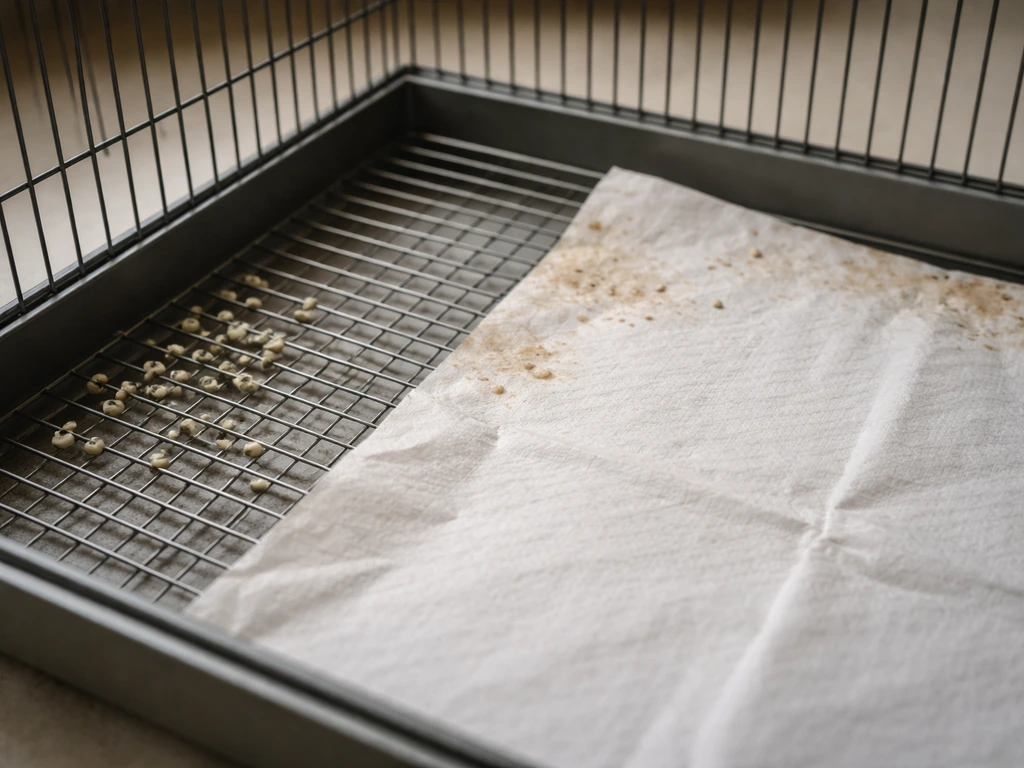
So what exactly is "bird litter" called?
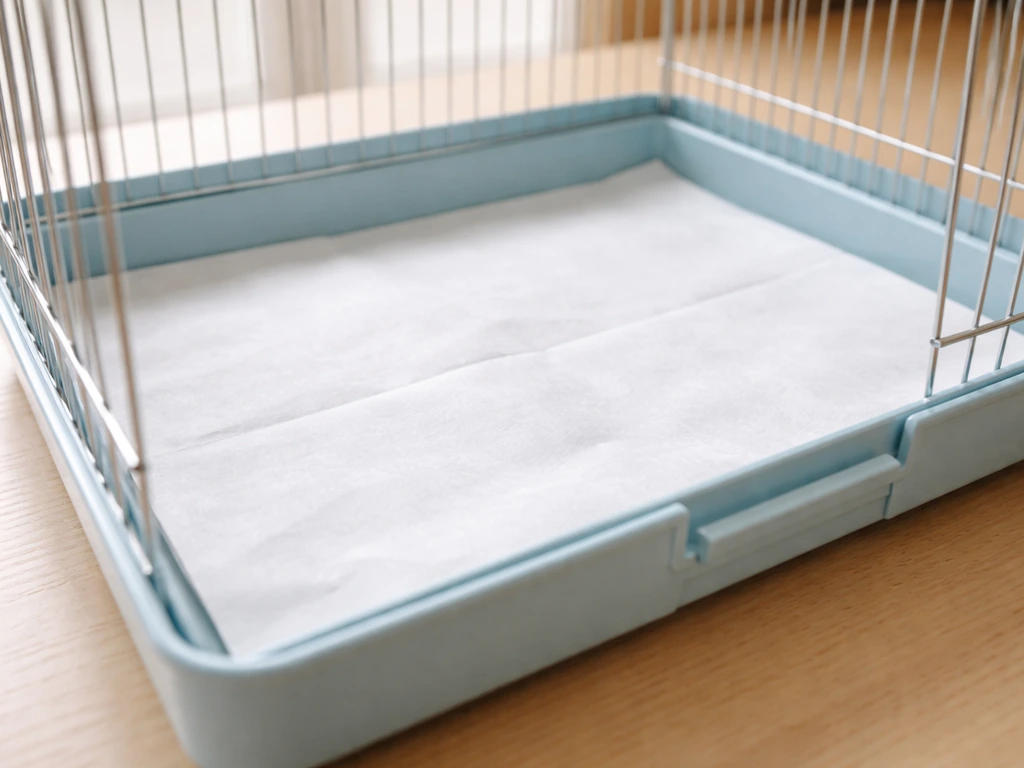
In the pet bird world, nobody really uses the word "litter" the way cat owners do. The actual waste your bird produces is called droppings, feces, or just poop. The stuff you place on the cage floor to absorb and contain those droppings is called a cage liner, cage paper, or sometimes bedding. These are two separate things, and mixing up the terminology trips up a lot of beginners when they go shopping or search for cleaning advice.
The most common "liner" option you'll hear recommended is just plain paper: newspaper, paper towels, or butcher paper. It's not glamorous, but it's genuinely the best choice for most pet birds, and I'll explain why in a bit. The point is, when someone says "bird litter," they're almost always referring to one of these two things, and the practical care steps for each are worth understanding separately.
What normal bird droppings actually look like
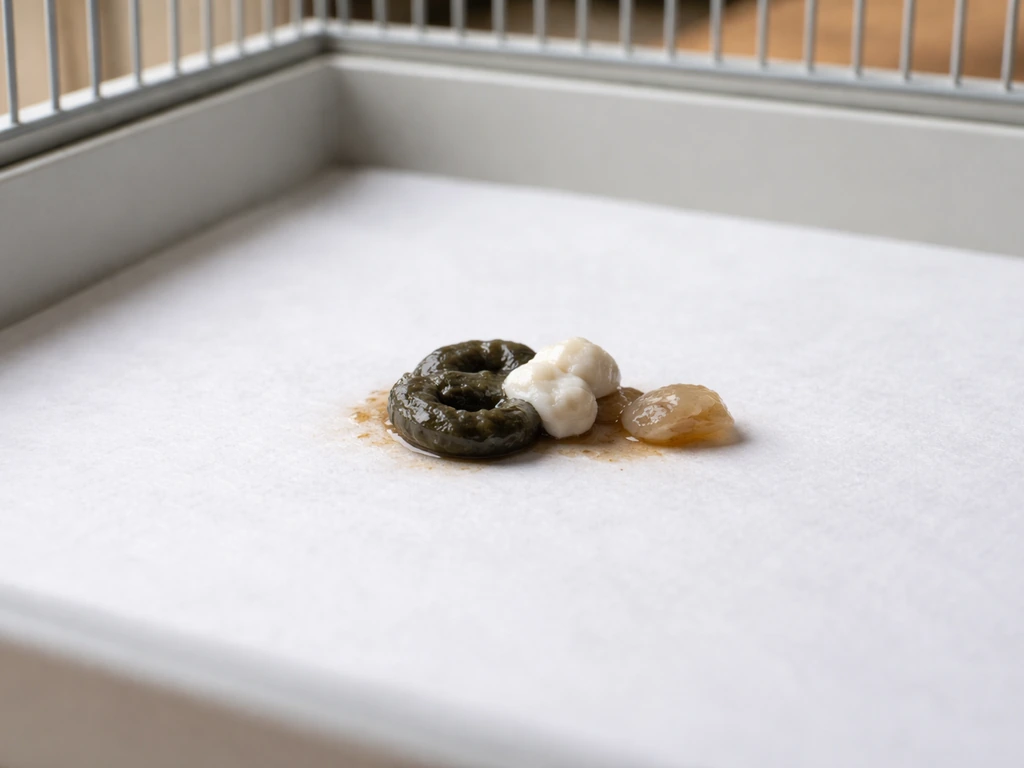
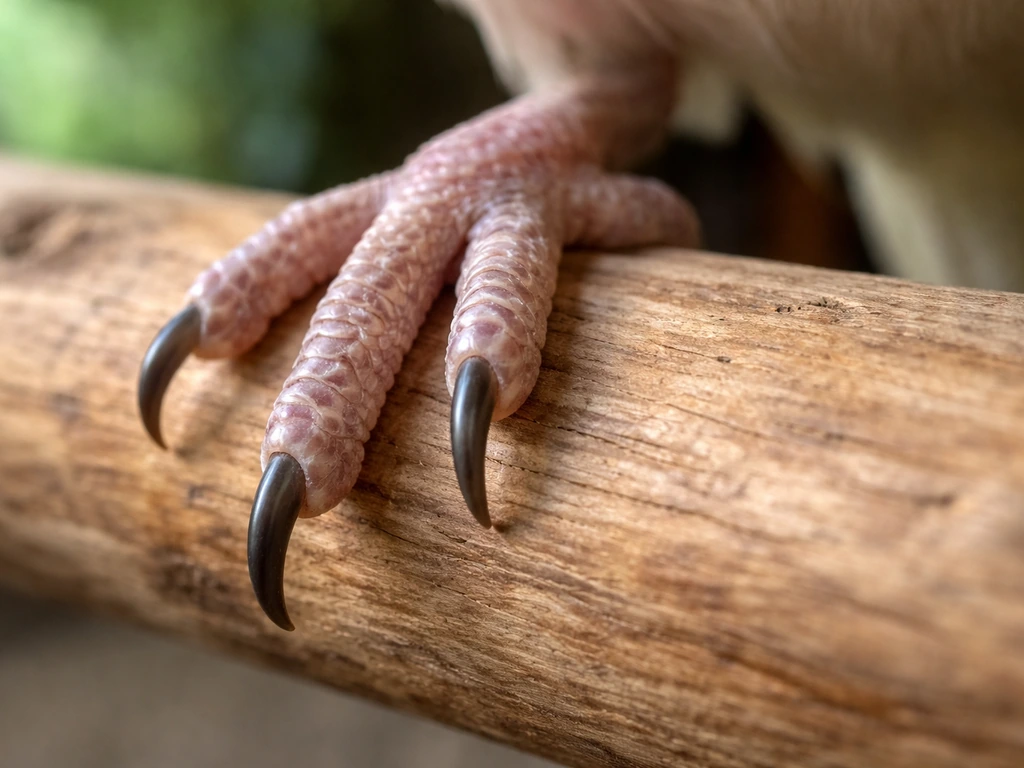
One of the most useful things I learned early on is that bird droppings are actually three distinct parts rolled into one. What makes up bird feet, and what materials are safe for them to stand on, is a related question worth knowing too bird droppings. There's the fecal portion (the formed stool, usually green or brown), the urates (a chalky white or beige solid portion that represents your bird's solid urine), and a small amount of clear liquid urine. Healthy droppings have all three, and blank" rel="noopener noreferrer">the urate portion should be white to beige. Once you know what your specific bird's normal dropping looks like, you can catch health problems early just by glancing at the cage floor.
Expect droppings to be scattered all over the cage, with a heavier concentration directly under your bird's favorite perch. That's completely normal and actually helps you figure out where to spot-clean each day.
When to worry about what you see
Changes in color, consistency, volume, or how wet the droppings are can all signal a health issue. The things that should prompt a vet call include droppings that look like "pea soup" (very liquid, poorly formed), an unusual amount of clear urine soaking the paper around every dropping, or lime-green droppings, which can be associated with chlamydiosis (also called parrot fever) in some birds. Diet and stress can temporarily shift what droppings look like, but if something looks off for more than a day or two, don't wait it out.
| What you see | Likely meaning | What to do |
|---|---|---|
| Green/brown formed stool + white urates + small clear liquid | Normal, healthy dropping | Nothing, just monitor |
| Very liquid or "pea soup" feces | Possible diarrhea or illness | Contact an avian vet |
| Excess clear liquid pooling around every dropping | Polyuria (too much urine) | Contact an avian vet |
| Lime-green droppings | Possible chlamydiosis/parrot fever | Vet visit urgently |
| Yellow or discolored urates | Possible liver or kidney issue | Contact an avian vet |
| Temporary color shift after eating berries or colored food | Diet-related, normal | Monitor; should resolve quickly |
The right way to handle and dispose of droppings
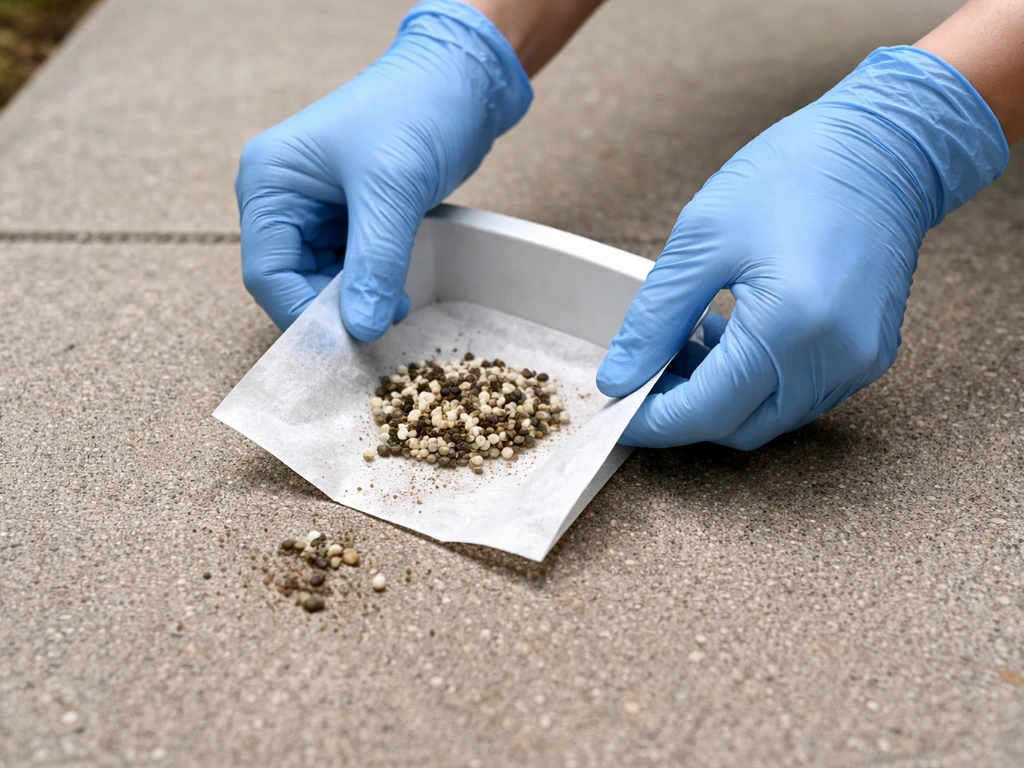
Never pick up droppings with bare hands. When cleaning a pet bird’s cage or equipment, do not pick up droppings with bare hands, and do not reuse equipment until it has been cleaned and disinfected. This is basic but worth repeating: bird droppings can carry pathogens including Chlamydia psittaci, the bacteria responsible for psittacosis. Dried droppings are especially risky because the dust can become airborne when you disturb them. The CDC explicitly warns against dry sweeping or vacuuming cage debris for exactly this reason. Use gloves, remove the soiled liner, fold it inward so the mess stays contained, and toss it. Wash your hands thoroughly after any cage cleaning, even if you wore gloves.
If you're using paper liners (which I recommend), disposal is dead simple: roll up the paper, bag it, bin it. No scraping, no soaking, no fuss. Equipment like food bowls and perches that get soiled should be cleaned with soapy water first to remove visible grime, then disinfected. If you're using a diluted bleach solution for disinfecting, never mix it with ammonia-based cleaners because that combination produces toxic gas. Rinse everything thoroughly after disinfecting, and let it air dry before putting it back in the cage.
Building a cleaning routine that actually sticks
The most effective bird-owner cleaning routine is built around two levels: daily spot cleaning and a full weekly clean. Daily means swapping out the cage liner and wiping down any visibly soiled perches or bars. Weekly means a more thorough scrub of the entire cage, all accessories, food and water dishes, and anything else your bird interacts with regularly. Monthly, do a deeper audit: check for worn perches, cracked dishes, or anything else that's gotten grimy in the corners.
- Daily: Remove and replace the cage liner (newspaper, paper towels, or butcher paper). Spot-clean any visibly soiled cage bars or perches. Refresh food and water.
- Weekly: Remove all accessories. Scrub the cage tray and bars with warm soapy water. Disinfect with a bird-safe disinfectant or diluted bleach solution, rinse thoroughly, and air dry before reassembling.
- Monthly: Deep-clean all perches, toys, and cage corners. Replace worn or damaged accessories. Check the cage structure for any rust or damage.
One more important note: do all your disinfecting in a separate room from your bird, or outdoors if possible. Bird respiratory systems are extremely sensitive, and disinfectant fumes can cause serious harm even in small amounts. Never clean the cage with your bird still inside it.
Choosing the right liner (and what to skip)
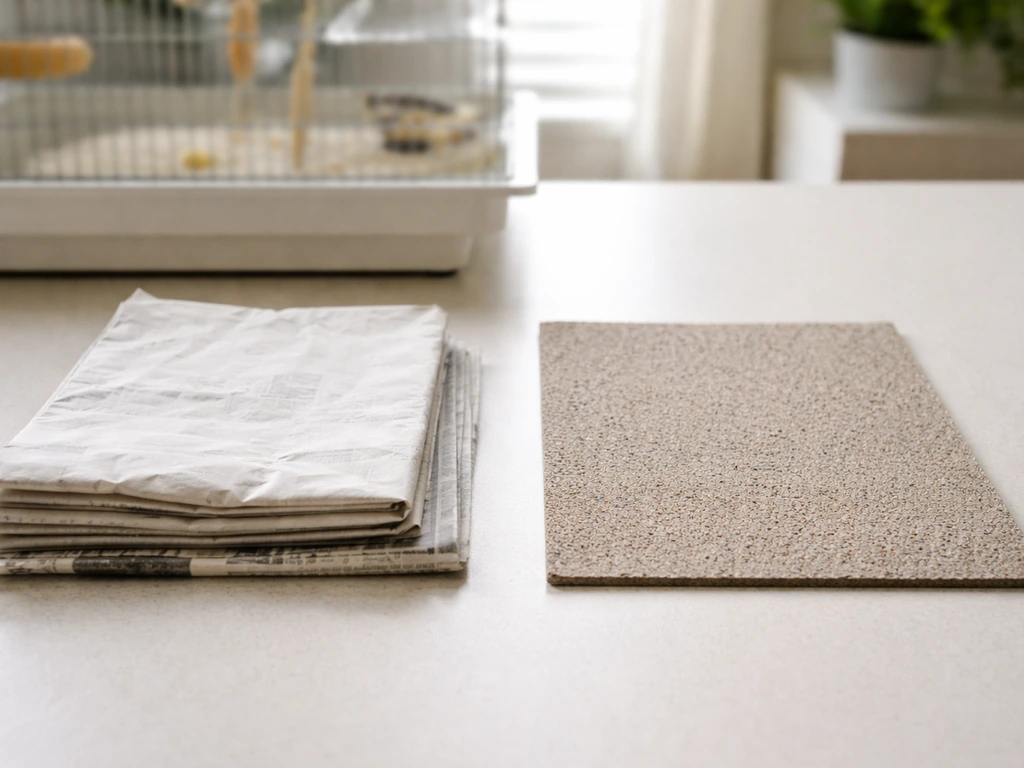
Plain paper is genuinely the best cage liner for most pet birds. Choosing the best bird bedding can also come down to how easy it is to keep the cage floor clean and clearly see droppings. Newspaper, paper towels, and butcher paper are all easy to replace, cheap, and most importantly, they let you clearly see the droppings. That visibility is how you monitor your bird's health day to day. If you're using a particulate substrate like sand or wood shavings, droppings get lost in the material and you lose that crucial daily health check. Bird gravel is essentially sand-like material that some people use in the cage bottom, and it can affect how easily you can spot-check and clean droppings what is bird gravel. Bird sand is typically used as a particulate substrate for some cage setups, but it can make daily health monitoring harder and it is often not recommended for most pet birds.
A few things to specifically avoid: sandpaper cage liners (birds may pick off the grit and ingest it, which can cause gastrointestinal obstruction), corn cob bedding, crushed nut shells, and wood shavings. These can harbor fungal spores and bacteria, and they can cause health problems if your bird eats them, which birds absolutely will do out of curiosity. The RSPCA and most avian vets are consistent on this. Stick with plain paper and change it every day.
| Liner type | Visibility for health monitoring | Safety | Ease of disposal | Recommended? |
|---|---|---|---|---|
| Newspaper | Excellent | Safe | Very easy | Yes |
| Paper towels | Excellent | Safe | Very easy | Yes |
| Butcher paper | Excellent | Safe | Very easy | Yes |
| Sandpaper liners | Good | Risk of grit ingestion | Easy | No |
| Sand/particulate substrate | Poor | Risk of ingestion/infection | Messy | No |
| Wood shavings | Poor | Risk of fungal spores/ingestion | Messy | No |
| Corn cob bedding | Poor | Risk of mold/ingestion | Messy | No |
Keeping mess and odor under control
Most of the mess and smell from a pet bird can be managed with placement and consistency. Position the cage away from high-traffic areas where kicked seed and dander will bother people most, but not in a corner where air circulation is poor. A cage skirt or seed catcher around the outside catches the debris that gets flicked beyond the cage tray. Changing the liner daily is probably the single most effective odor-prevention step you can take. Droppings that sit for multiple days are what cause the smell.
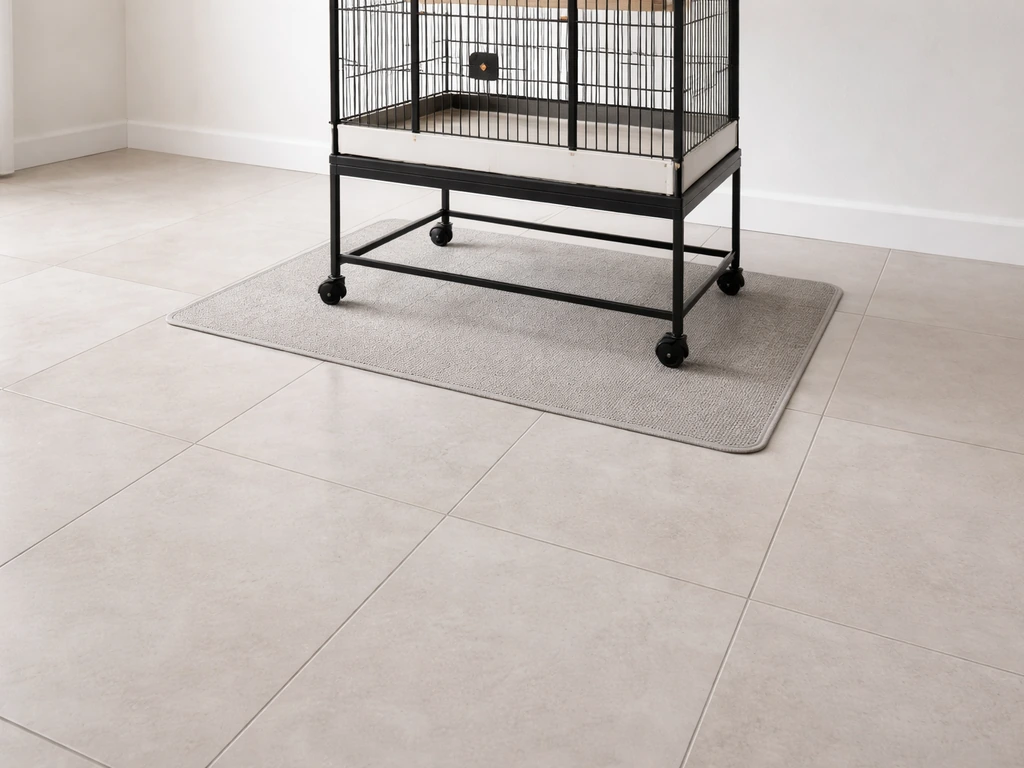
For cage placement, avoid kitchens. Cooking fumes, especially from non-stick cookware (which releases PTFE fumes when overheated), can be lethal to birds. A living room or dedicated bird room with good ventilation is a much better choice. If you're thinking about a dedicated space, the flooring and air quality in that room matter a lot more than most beginners expect. To make the bird room easier to disinfect and safer for droppings, choose the best flooring for bird room setups like sealed, non-porous surfaces flooring and air quality in that room matter a lot more than most beginners expect.
- Use a cage skirt or seed guard to catch debris before it hits the floor
- Change the liner every single day, no exceptions
- Place the cage where air circulates but drafts don't hit the bird directly
- Avoid placing the cage in the kitchen due to cooking fume risk
- Wipe down the cage tray and surrounding area during daily liner changes to prevent buildup
- Use an air purifier with a HEPA filter in the room to reduce airborne dander and dust
Health and safety basics every new bird owner should know
Psittacosis is the main zoonotic disease people associate with pet birds, and it's worth knowing the basics without panicking about it. It spreads when you breathe in dust from dried droppings or secretions. This is why dry sweeping or vacuuming up cage debris is a bad idea: you're putting that dust into the air. Instead, wet-wipe or use damp paper to remove dried material, and do it in a ventilated area. If you're cleaning the cage of a bird that's been diagnosed with chlamydiosis, wear an N95 respirator and gloves.
For day-to-day cleaning, a good pair of disposable gloves and regular handwashing after cage contact will cover most people. Children and anyone immunocompromised should have extra precautions in place, and it's worth a quick conversation with your doctor if you fall into either category and are planning to get a bird.
On the bird's side: disinfectant fumes, scented candles, air fresheners, and aerosol sprays can all cause respiratory distress or worse. Birds have very efficient respiratory systems that also make them disproportionately vulnerable to airborne chemicals. When in doubt, clean outside or in a different room, air it out completely, and only return your bird once the smell is fully gone. This is one of those areas where being a little overcautious really pays off.
Quick reference: safe cleaning habits
- Always wear gloves when handling soiled liners, perches, or cage trays
- Wash hands thoroughly after every cage-cleaning session
- Never dry sweep or vacuum dried droppings; use damp cloths instead
- Clean and disinfect cage equipment in a separate room from your bird
- Rinse all disinfected items thoroughly before returning them to the cage
- Never mix bleach with ammonia-based cleaners
- Use an N95 respirator if cleaning up after a bird diagnosed with chlamydiosis
- Keep scented products, aerosols, and non-stick cookware fumes away from your bird at all times
FAQ
When someone says “bird litter,” do they mean the droppings or the stuff on the cage floor?
In most bird-care conversations, “bird litter” is a casual mix-up. It usually refers either to bird droppings (the waste) or the cage liner/cage bedding (the absorbent paper or material you put on the cage floor). If you are shopping or asking a question, clarify whether they mean what the bird produces or what you replace underneath.
Can I use regular cat litter or absorbent clumping litter under a bird cage?
Usually no. Cat litters are designed for cats and often contain additives, fragrances, or particulate forms that are unsafe if inhaled or ingested. For birds, the article recommends plain paper as a liner because it is easy to replace and makes health monitoring possible.
What should I do with droppings if my bird is sick, like suspected chlamydiosis?
Treat cleaning as higher risk. Wear gloves, and if you are cleaning after a bird diagnosed with chlamydiosis, use an N95 respirator. Remove soiled liner promptly, bag it, and avoid dry sweeping or vacuuming to prevent aerosolizing dried droppings dust.
Is it safe to vacuum the cage liner if it’s only lightly soiled?
Avoid it. Even small amounts of dried droppings dust can become airborne when vacuuming or disturbing debris. The safer approach is to replace the paper liner and wet-wipe any remaining grime, then wash hands thoroughly after cleaning.
Do I have to wear gloves every single time I clean, or is handwashing enough?
Gloves are strongly recommended because droppings can carry pathogens. Handwashing is essential even if you wear gloves, but gloves add an extra barrier, especially when you are handling soiled paper, wiping bars, or cleaning corners where dust collects.
How wet can droppings be before it’s considered abnormal?
Normal droppings include a fecal part, urates, and a small amount of clear urine. If you see unusually liquid, poorly formed droppings, lime-green droppings, or clear liquid soaking around every dropping for more than a day or two, that is a prompt for veterinary advice.
What if my bird’s droppings look different after a diet change or new treats?
Temporary shifts can happen with diet and stress. Use the article’s rule of thumb, if it looks off for more than a day or two, do not wait it out and call a vet, especially if the changes include very wet stool, frequent abnormal soaking, or lime-green color.
If I use paper liners, can I just dump the used paper into the trash without bagging it first?
Bagging is the better choice. Roll the soiled paper, then place it in a bag before discarding so odors and any residue are contained. This also reduces the chance of spreading dust while carrying trash out.
What cleaning supplies should I avoid when disinfecting the cage?
Do not mix bleach with ammonia-based cleaners, because that can create toxic gas. Also avoid aerosol sprays, scented products, and air fresheners around the bird, since birds can be very sensitive to airborne chemicals.
Is a strong-smelling disinfectant okay if the cage is aired out later?
It is still risky. Disinfectant fumes can harm birds even in small amounts, so disinfect in a separate room or outdoors when possible. Never clean with the bird still inside, and only return the bird after the smell fully dissipates.