Trees are essentially a bird's all-in-one apartment building, grocery store, and weather shelter rolled into one. They provide food through fruit, seeds, and the insects living in their bark and leaves; safe spots to nest and roost; and protection from predators and rain. In rain, the same core idea applies: birds still need shelter, dry resting spots, and accessible food to get through bad weather shelter, and protection from rain.
How Does a Tree Help a Bird: Food, Shelter, and Care Tips
Marcus Chen
6 May 2026
In return, birds pay the rent by dispersing seeds, pollinating flowers, and eating the insects that would otherwise damage the tree. If you keep a pet bird or you're trying to attract wild birds to your backyard, understanding this relationship tells you exactly what your bird needs and why certain enrichment choices work better than others.
What trees actually do for birds
The easiest way to think about it: a tree offers four things a bird genuinely cannot live without in the wild. Food, nesting sites, roosting spots, and shelter. Take any one of those away and you've got a stressed, struggling bird.
Food from every layer of the tree
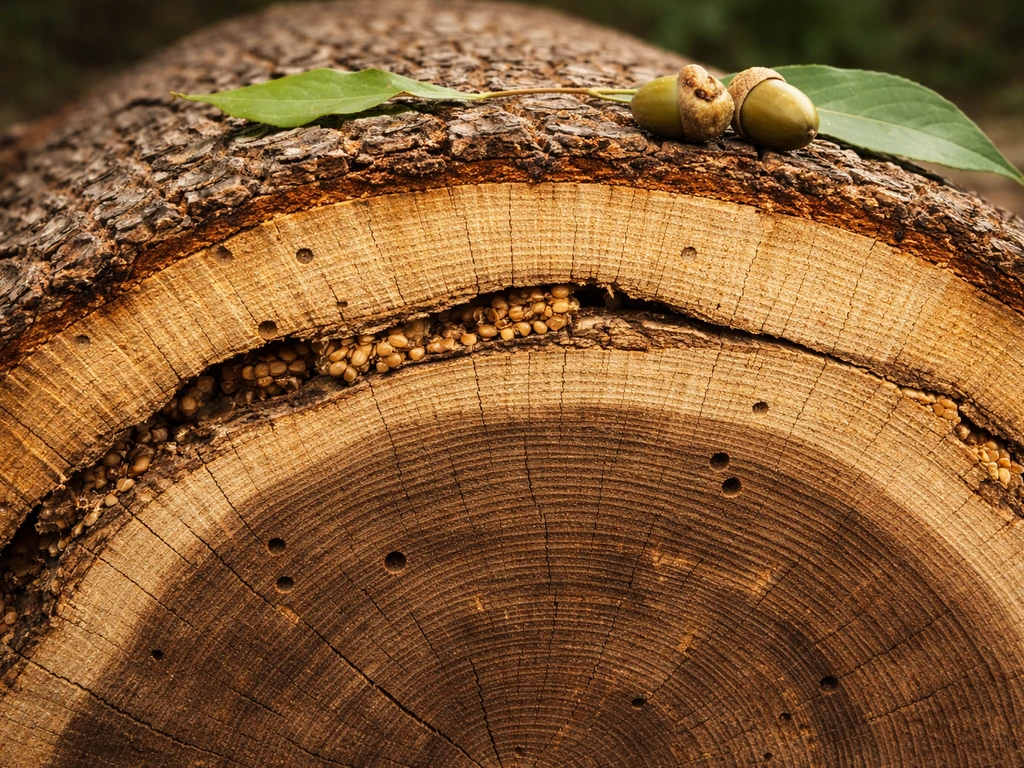
Fruit and seeds are the obvious ones, but the insects living inside a tree are just as important, especially for cavity-nesting birds. Woodpeckers, for example, feed primarily on wood-boring insects, ants, wasps, and bees that live inside and on trees. That's not just a snack; it's their primary protein source. Bark, rotting wood, and leaf litter all host arthropods that insectivorous birds depend on year-round. So when you see a bird methodically working its way up a trunk, it's doing something closer to hunting than foraging.
Nesting: it's more than just a branch
Birds are surprisingly picky about nesting sites, and trees explain why. Cavity nesters like woodpeckers seek out trees with hard sapwood on the outside but soft, decayed heartwood on the inside, which makes excavation possible without the cavity collapsing. Pileated woodpeckers typically go for large trees with at least 40 cm in trunk diameter with heart rot present. The cavity entrance height, orientation, and distance from surrounding foliage all factor into the bird's decision. It's not random. Birds are selecting for microclimate, predator access, and structural stability all at once. For non-cavity nesters, branches, dense foliage, and tree forks provide the physical support and concealment that keeps a nest viable.
Shelter and safety
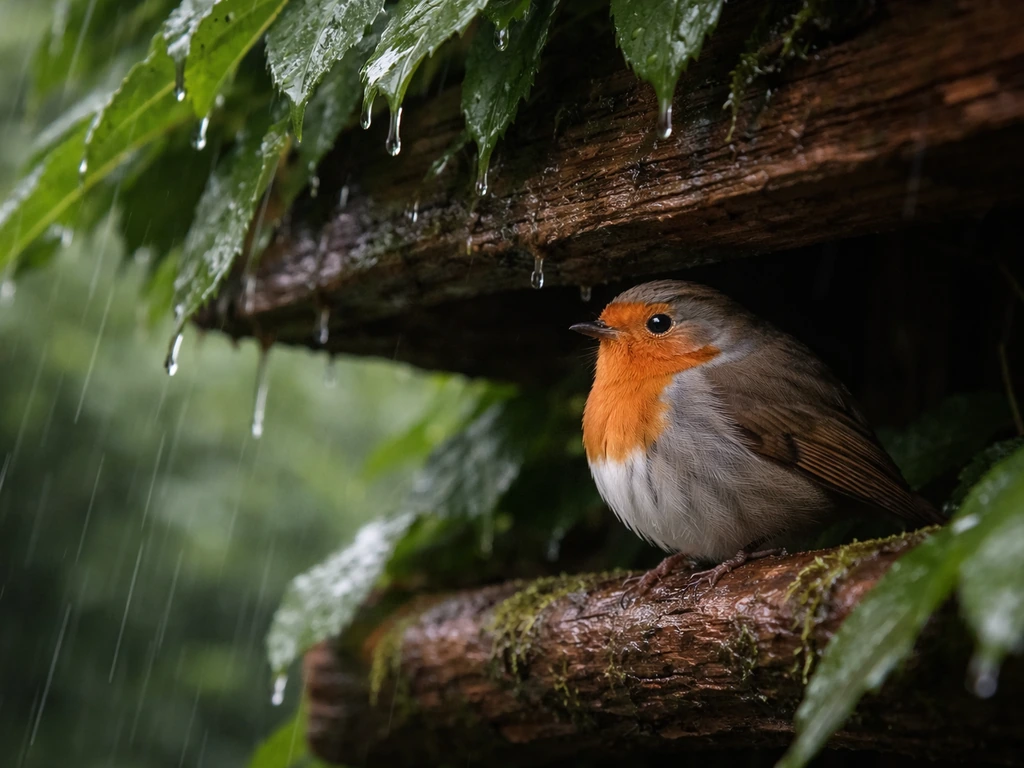
Dense canopy buffers wind and rain. In rain, birds still need shelter that buffers wind and heavy precipitation, plus safe cover to reduce stress. Thorny shrubs and thick branching slow down predators. Tall perches give birds a vantage point to spot threats before they're close enough to matter. This is why birds in open, treeless environments are almost always on high alert, burning energy on vigilance rather than feeding or resting. The tree essentially subsidizes a bird's sense of security, which translates directly into better health and breeding outcomes.
How birds pay it back: what they do for trees
This is the part most people skip over, but it matters for understanding what a healthy bird-tree relationship actually looks like, and for appreciating why your backyard setup or pet bird's enrichment setup should mimic it.
Seed dispersal (two ways it happens)
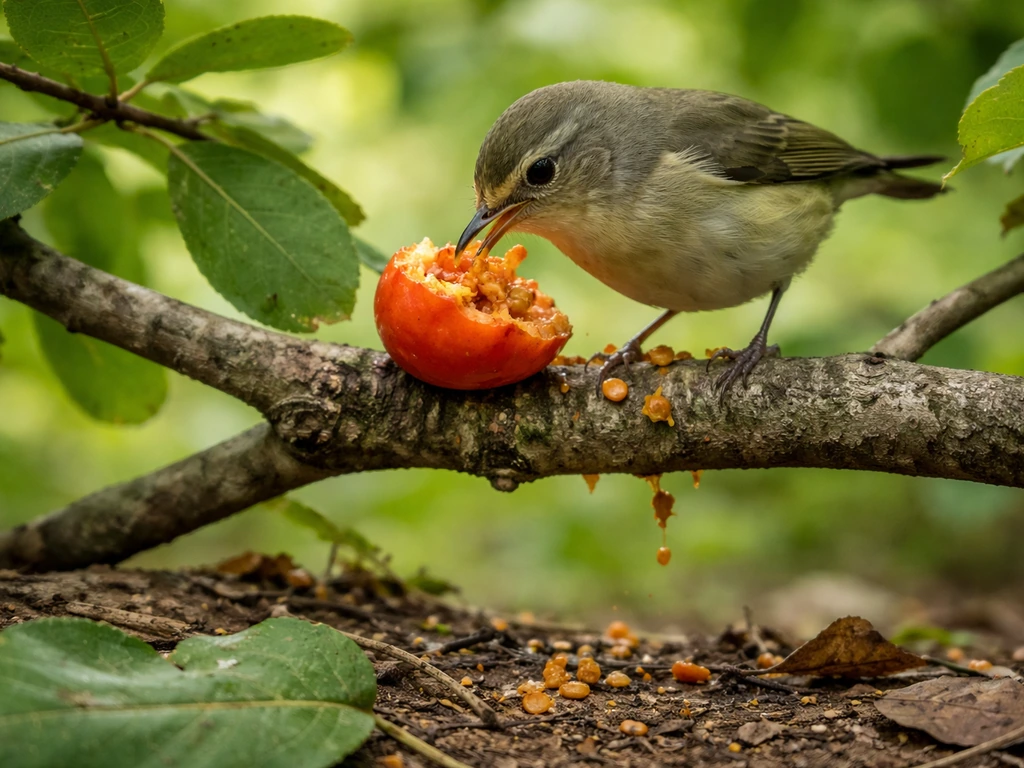
The most well-known route is endozoochory: a bird eats a fruit, the seed passes through the digestive tract intact, and gets deposited somewhere new in the droppings. Research confirms that even granivorous birds (seed-eaters that you'd expect to destroy seeds) can pass intact seeds in their faecal samples, though effectiveness depends on the seed's traits. There's also a less obvious mechanism called nest-mediated seed dispersal, where seeds hitch a ride in the plant material a bird collects to build its nest. US Forest Service researchers have documented this as a distinct dispersal pathway, separate from wind or animal fur. Birds are moving plant material around in ways we're only beginning to fully account for.
Pollination (mostly hummingbirds, but worth knowing)
In the continental US, hummingbirds are the main bird pollinators, and they're genuinely important for certain wildflowers. Bird-pollinated flowers tend to be tubular, red or orange, scentless, and packed with dilute nectar. The shape means pollen gets deposited on the bird's head or back as it feeds, then transferred to the next flower. If you're planting to attract hummingbirds specifically, these flower traits are your guide. For most other backyard birds, pollination isn't the main service they're providing, but it's worth knowing the relationship exists.
Pest control: birds are surprisingly effective
This one has solid experimental backing. In a four-year study using bird exclosures in managed forests in western Oregon, insectivorous birds reduced arthropod abundance by about 16% and plant damage by roughly 14%, with pest reductions on some crop trees reaching up to 30%. A separate study in suburban woodlands found similar effects. That's not a trivial impact. Birds are functioning as natural pest management, and when they're absent from an area, tree health tends to decline. If you've ever wondered why an orchard or garden near a woodland edge tends to do better, part of the answer is the birds working the perimeter.
Nutrient cycling
Bird droppings are rich in nitrogen and phosphorus, and when birds roost or nest in a tree repeatedly over time, the soil below gets a genuine nutrient boost. It's a slow process, but it contributes to the broader health of the microhabitat the tree sits in.
Real examples of the tree-bird link in action
- Woodpeckers excavate cavities in dead or dying trees (snags), creating nesting spots that dozens of other species, including owls, small ducks, and flying squirrels, will later use. The woodpecker's insect-hunting simultaneously keeps the tree's insect load in check.
- Hummingbirds visit tubular red flowers on native plants, transferring pollen as they feed on nectar. The plant gets pollinated; the bird gets fuel.
- Fruit-eating birds like American robins consume berries whole and deposit seeds in droppings far from the parent plant, expanding the tree's range without any wind required.
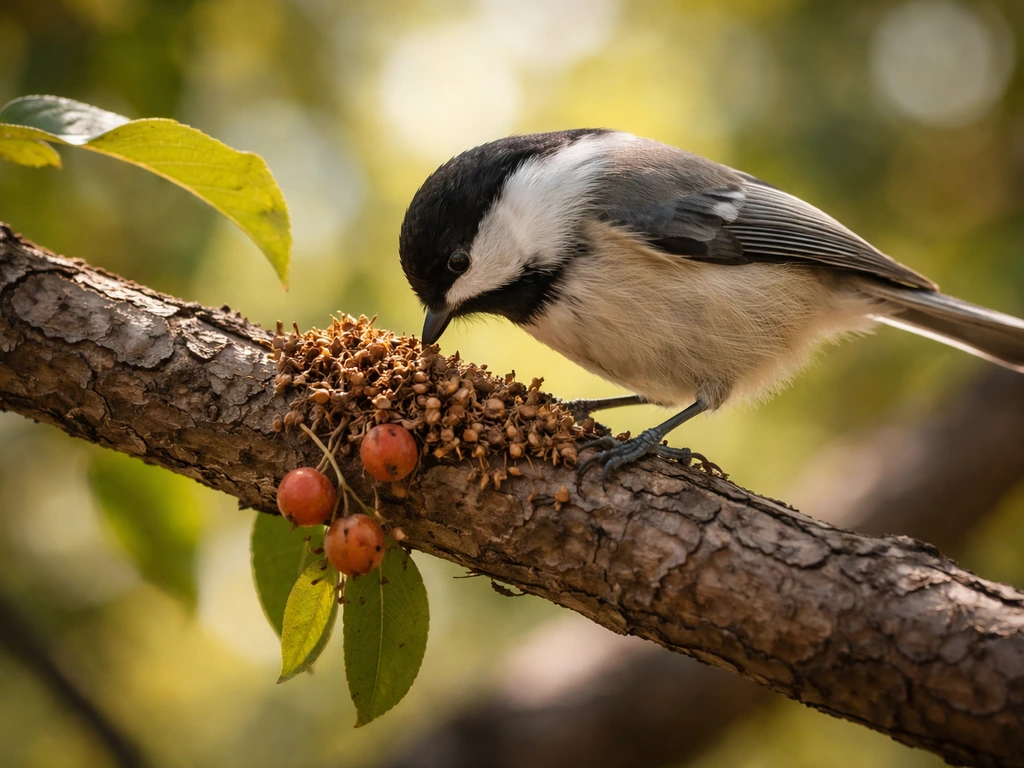
- Warblers and chickadees glean caterpillars and aphids from leaf surfaces and branch tips, protecting new growth during the critical spring flush when trees are most vulnerable to defoliation.
- Jays cache acorns in the ground at distances well beyond where the oak itself could disperse seeds, and the ones they forget to retrieve often germinate and become new trees.
Bringing the tree-bird relationship indoors for your pet bird
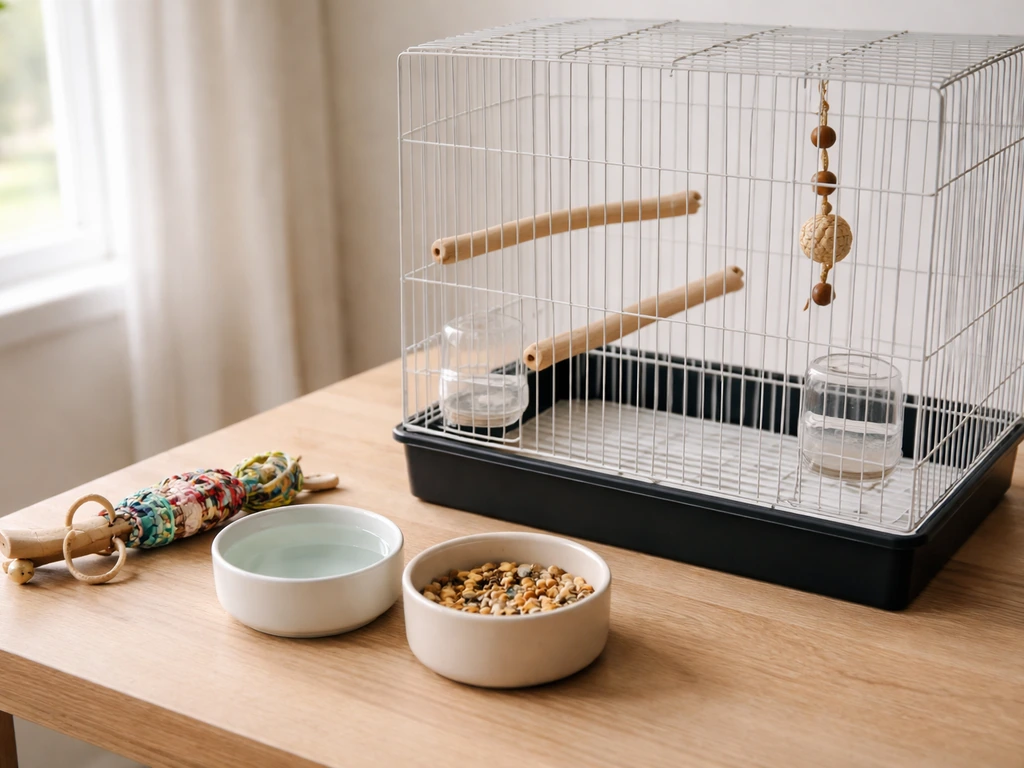
Here's where this gets directly useful if you have a pet bird at home. Your bird evolved alongside trees, and a cage with a single dowel perch is about as stimulating as an empty parking lot. The goal is to recreate the core things a tree provides: varied perches, foraging opportunities, and safe materials to interact with.
Perches: variety matters more than you think
In the wild, a bird never stands on the same diameter surface all day. Different branch thicknesses exercise different muscle groups in the foot and prevent pressure sores. Use at least three different perch diameters in the cage, and include at least one natural wood perch with some texture variation. Manzanita, Java wood, and grape vine are popular safe choices. Avoid anything pressure-treated or painted with unknown finishes. Treated wood often contains chemical preservatives including arsenicals and creosote-family compounds, and even low-level exposure is a real concern for small birds.
Foraging enrichment: mimic the hunt
Wild birds spend a significant portion of their day working for food, probing bark, turning over leaves, cracking open seeds. A bowl of pellets takes about 30 seconds to eat, which leaves a lot of unstimulated hours. Wrap some of your bird's food in paper, hide treats inside foraging toys, or skewer fruits and vegetables on a kabob perch. This mimics the physical and cognitive effort of foraging in a tree, and it makes a measurable difference in behavior. Birds with good foraging enrichment are less likely to develop feather-destructive behaviors.
Safe greenery and natural materials
Some bird owners want to add live plants or branches to the indoor setup, which can be great, but you have to vet every species carefully. Many common houseplants are toxic to birds. Avocado is one of the most dangerous, and it's not just the fruit: the leaves, bark, stems, and seeds are all toxic. Parts of nightshade-family plants (tomatoes, potatoes, peppers, eggplant) are also problematic, so a practical rule is to avoid feeding any part of those plants. Safe wood branches from apple, willow, or eucalyptus (species-dependent) can provide chewing enrichment that mimics bark foraging. Always source branches from pesticide-free areas and wash them before use.
Setting up your backyard to support birds and the trees they use
If you're a backyard birder rather than (or in addition to) a pet owner, the tree-bird relationship gives you a clear planting and setup strategy. You're not just adding a feeder; you're building a functional habitat.
Plant selection and placement
Native species are the starting point. Native trees support far more insect biodiversity than ornamental exotics, and insects are what most land birds are actually feeding their chicks. Oaks alone support hundreds of caterpillar species. Berry-producing shrubs like serviceberry, elderberry, and dogwood provide food and cover simultaneously. For hummingbirds, native tubular flowers like trumpet honeysuckle, cardinal flower, and salvia are far more effective than feeders alone and genuinely contribute to pollination. Plant layered: ground cover, shrubs, understory trees, and canopy trees together create the vertical structure birds use for different activities at different times of day.
Leave the dead wood
This is probably the single most underrated backyard habitat tip. Snags (standing dead trees) and dead branches are prime nesting real estate and insect hunting grounds. If a dead tree in your yard doesn't pose a safety risk to structures or people, leave it. Cavity nesters need dead wood with hard outer sapwood and softer decayed heartwood, which takes years to develop. A snag that's too soft or crumbly may get passed over, but one in the right decay stage can host multiple nesting species over many years.
Feeders, water, and tree integration
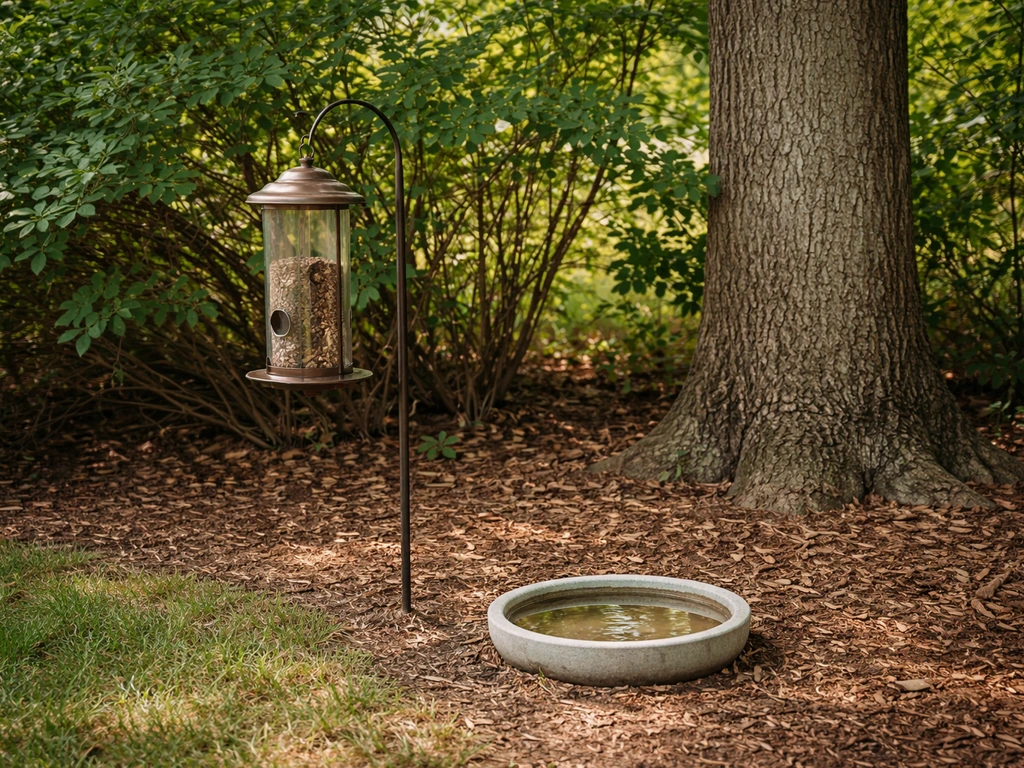
Position feeders within about 3 meters of a tree or dense shrub so birds have quick escape cover if a predator shows up, but far enough from the trunk that squirrels can't easily raid it. A birdbath near vegetation (but not directly under a dense overhang where cats can hide) adds a lot of value, especially in dry months. If you're adding a birdbath, it also helps to understand how much water does a bird need for safe, comfortable drinking and bathing. Clean it every two to three days to prevent mosquito breeding and disease.
Beginner mistakes that can turn a good setup into a hazard
Most of the mistakes I see (and made myself early on) come from applying human-scale logic to birds. Here are the ones worth flagging specifically in the context of tree-related enrichment and habitat setup.
| Mistake | Why It's a Problem | What to Do Instead |
|---|---|---|
| Using pressure-treated or painted wood for perches or nest boxes | Chemical preservatives including arsenicals and creosote compounds can leach and harm birds | Use untreated natural wood from known-safe species; glue joints for longevity rather than using treated lumber |
| Offering branches from unknown or pesticide-sprayed trees | Pesticide residue on bark and wood can poison birds through contact and chewing | Source from pesticide-free areas or known-safe vendors; wash and dry branches before use |
| Adding houseplants near the cage without checking toxicity | Many common plants including avocado and nightshade-family species are toxic to birds | Research every species before bringing it near your bird; stick to verified-safe plants |
| Leaving the cage near cooking fumes or scented products | Birds have highly sensitive respiratory systems; fumes that seem mild to humans can be lethal | Keep birds in well-ventilated rooms away from the kitchen, candles, and aerosol sprays |
| Placing nest boxes or feeders with no nearby cover | Birds won't use exposed setups where they feel vulnerable to predators | Position within 3 meters of shrubs or trees for escape cover |
| Treating all dead trees as hazards and removing them | Snags are critical nesting and foraging habitat for cavity-nesting birds | Assess safety individually; leave structurally sound snags in place where possible |
Air quality is a bigger deal than most people realize
Birds breathe more efficiently than mammals, which means airborne toxins hit them faster and harder. This applies indoors (non-stick cookware fumes, candles, air fresheners) but also outdoors if you're treating nearby trees with pesticides or herbicides. If you're setting up a backyard habitat and treating plants for pests, think about timing and wind direction relative to any areas birds are actively using. What keeps the tree clean doesn't have to hurt the birds using it, but it takes some planning.
Putting it all together
The tree-bird relationship is one of the clearest examples of a mutualism that directly tells you what a bird needs. Trees provide food, nesting structure, shelter, and safety. Birds pay back in seed dispersal, pest control, pollination, and nutrient cycling. Once you see that loop, what your pet bird or your backyard habitat is missing becomes much more obvious.
Your pet bird needs varied perches, foraging challenges, and safe natural materials to chew and explore. To get started, you can also use a simple checklist for what do you need for a pet bird, including nutrition, housing, and daily care. Your backyard birds need native plants with layered structure, access to dead wood, clean water, and cover near feeding areas. Start with one or two of those changes and you'll notice a difference faster than you'd expect.
Understanding what other basics your bird needs day-to-day, how much space it needs to thrive, and how to keep its environment safe are all natural next steps from here. { how much space it needs to thrive (see also: how much space does a bird need) , note as a related topic: how much space does a bird need.
If you are wondering what do you need for a bird, start by building the basics that match what trees provide: varied food, safe places to rest, and protection from predators and bad weather.
FAQ
If there are no berries or seeds on a tree, how does a tree still help a bird?
Often. Birds can use trees even if you do not have fruit, because insects on bark, leaf litter, and rotting wood provide protein, and branches still offer nesting and roosting structure. The key is having live or dead wood nearby, plus cover that buffers wind and rain.
How close should feeders, birdbaths, or perches be to a tree for birds to feel safe?
Distance matters because birds need quick escape cover. A practical guideline is to place food or water within about 3 meters of dense vegetation or a tree, but not so close that it blocks visibility or encourages predators to hide near the resource.
Should I remove dead trees or dead branches if I want birds to benefit from the habitat?
Not always. If you remove dead branches and snags, you remove cavity sites and insect-rich hunting habitat. The safest approach is to keep snags or dead limbs only when they are structurally safe, not over high-traffic areas, and not near power lines or structures.
Can birds rely on tree canopy for shelter during heavy rain, or do they need additional cover?
Yes, if the goal is shelter. Birds use canopy to reduce wind and precipitation stress, but they still need dry resting micro-spots and accessible food nearby. Planting layered structure, including shrubs and understory trees, creates those calmer “pockets” without needing birds to rely on a single large tree.
Do cavity-nesting birds benefit from any tree, or do they need specific tree conditions?
Yes. Woodpeckers and other bark or cavity-focused birds often prefer trees with the right decay stage and outer hard sapwood. If you only plant young or uniformly “clean” trees, you may attract fewer cavity specialists until suitable wood structure develops.
How does a tree help a bird when there are predators like cats nearby?
They can be, especially because birds will repeatedly visit the same roosting and nesting areas. If you have a backyard with cats, keep birdbath and feeding areas where birds can reach dense cover quickly, and avoid placing water under overhangs that let cats ambush from above.
What wood is safest for bird enclosures, and what should I avoid?
Start by avoiding pressure-treated wood and any branch of unknown treatment, especially for indoor setups. For outdoor branches, source from pesticide-free areas and rinse well, then monitor for mold or splintering, since aged wood can grow fungi that may irritate or sicken birds.
Why is perch diameter variety important, and how many types should I include?
Yes. A bird that has perches of only one diameter has fewer opportunities for foot muscle variation, which can increase stress and pressure issues over time. Provide at least three perch diameters and include a natural wood option with texture to mimic gripping bark.
If my bird already eats pellets or seeds quickly, does a tree-like environment still matter?
In many cases, yes. Birds need insects and foraging effort in addition to seed or pellets. A tree nearby supplies year-round hunting opportunities through bark probing and leaf litter searching, and you can mimic that indoors with foraging toys or hiding food to slow down easy feeding.
Can I add live plants or branches to a bird’s environment to make it more tree-like, and are there common toxic mistakes?
Yes, and the biggest risk is toxic plants. Avocado and parts of nightshade-family plants are commonly problematic, even when they are “natural” to people. Use only bird-safe plants, and do not assume edibility for humans equals safety for birds.
Do native trees really help more birds than ornamental trees?
Yes, but only if you think about seed and insect pathways, not just aesthetics. Native trees typically support a larger insect community, and those insects are what many birds feed to their chicks. Ornamental trees may look good but often host far fewer of the insects birds depend on.
How can I use tree planting layout to support more bird activity throughout the day?
Use the tree’s structure as a “traffic plan.” Birds need vertical options for different activities, and layered planting (ground cover, shrubs, understory, canopy) allows birds to switch locations as threats change. A single tree can help, but layered habitat is usually more effective.
If I treat nearby plants for pests, how can I reduce the risk to birds using the tree habitat?
Sudden pesticide or herbicide exposure is a bigger concern than occasional leaf litter contact, and birds are sensitive because their breathing rate is high. If you treat nearby plants, plan around wind direction and choose low-impact timing, for example avoiding spraying during active bird visiting hours.
Next Article
What Do You Need for a Bird? Beginner Supplies Checklist
Beginner bird owner checklist: cage setup, safe food and water, perches, cleaning, hazards to avoid, enrichment, and fir