If you searched 'bater bird benefits,' you're most likely looking for one of two things: information about quail (called 'bater' in Hindi and Urdu), or general benefits of keeping a beginner pet bird. Since this site focuses on companion birds, the most useful answer here is the second one. That said, let's sort out the naming confusion first, then get into what you can realistically expect from a well-chosen beginner bird and exactly how to make those benefits happen.
Bater Bird Benefits: How to Choose and Care for Beginners

Marcus Chen
5 May 2026
What 'Bater Bird' Actually Means
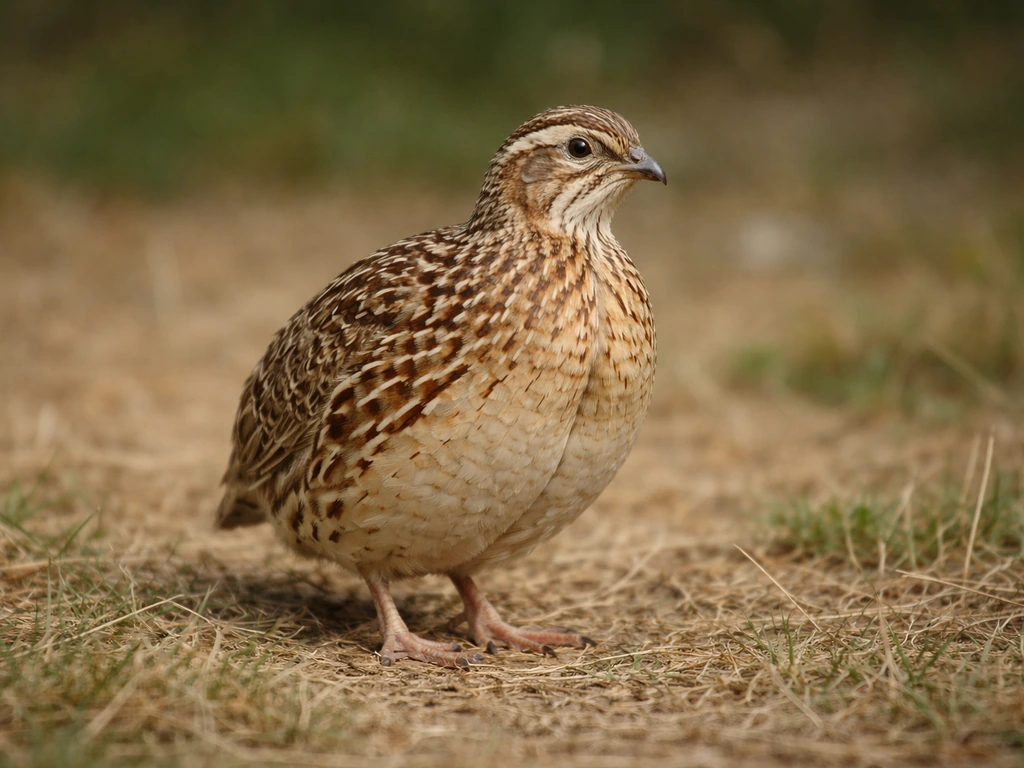
The word 'bater' (also spelled 'baTer') is a Hindi and Urdu term for quail, specifically the common quail (Coturnix coturnix). It's used widely in South Asian contexts, and you'll see it in mainstream Indian food references, wildlife management documents, and on poultry farm listings. So if someone in that linguistic context is asking about 'bater bird benefits,' they may genuinely be asking about quail as a bird to keep or raise. Japanese quail is a closely related species that also gets the 'bater' label in some regional usage.
In other search contexts, 'bater' can also be a Portuguese verb meaning 'to hit' or 'to beat,' and you'll occasionally see it attached to battery-powered equipment brand names. None of those have anything to do with pet birds. There are also commercial listings using 'Bater Bird' as a business name for exotic bird sellers or quail farms, which adds to the confusion. The bottom line: if you're here because you want a companion bird and you're wondering what the real benefits are, you're in the right place.
Is a Beginner Pet Bird Actually a Good Fit for You?
The honest answer is: it depends on the species and on you. The best beginner birds, including budgies, cockatiels, lovebirds, green-cheeked conures, canaries, and finches, share a few important traits: manageable size, reasonably friendly temperament, moderate noise levels, and care needs that don't require a PhD. But every one of them is an intelligent, social animal that needs real attention. The CDC is direct about this: pet birds require a lot of attention. If your lifestyle doesn't accommodate daily interaction and a consistent routine, the benefits you're expecting won't materialize.
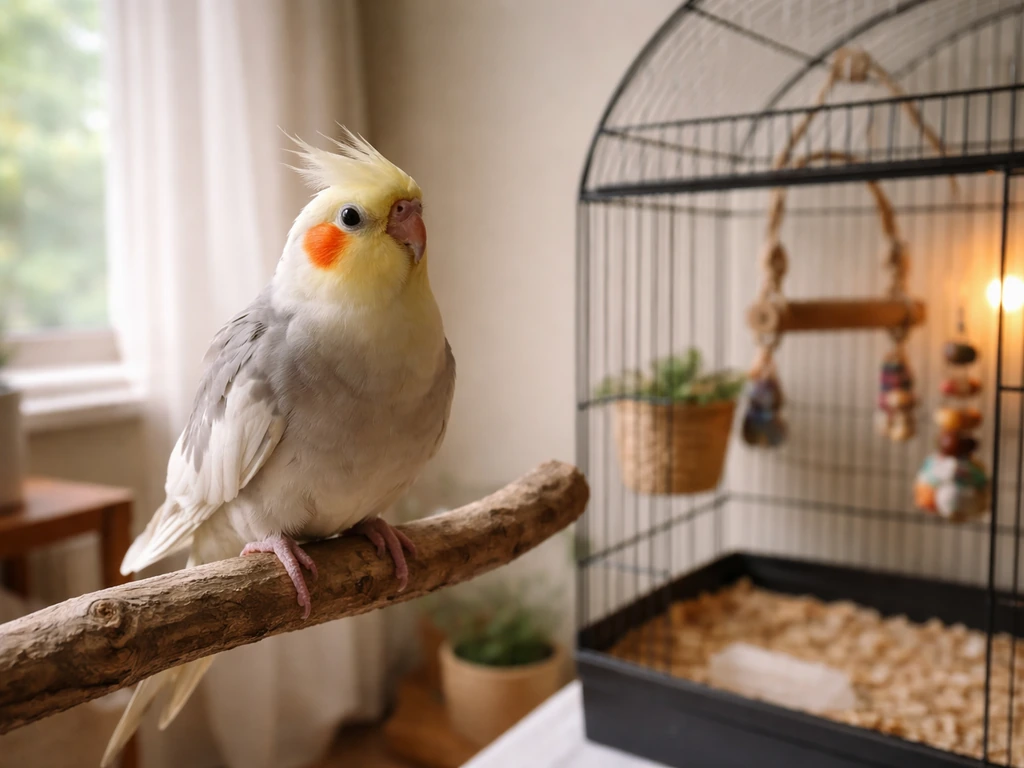
For someone who can commit to that, though, a well-matched beginner bird is genuinely rewarding. A budgie or cockatiel can become deeply bonded to you over time, recognize your voice, and make a surprisingly fun daily companion. The key word is 'well-matched.' Species choice matters more than most beginners realize, and that's where the research needs to happen before you buy.
The Real Benefits You Can Expect (With Honest Caveats)
Genuine Companionship and Bonding
This is the one benefit people most underestimate before they get a bird and most appreciate after. Budgies, cockatiels, and lovebirds in particular can form strong attachments to their owners. A hand-tamed bird will seek you out, respond to your voice, and show obvious signs of excitement when you walk into the room. That bond doesn't happen automatically, though. It's built through consistent, calm daily handling and interaction, not through occasional contact.
Daily Entertainment and Mental Stimulation (for Both of You)
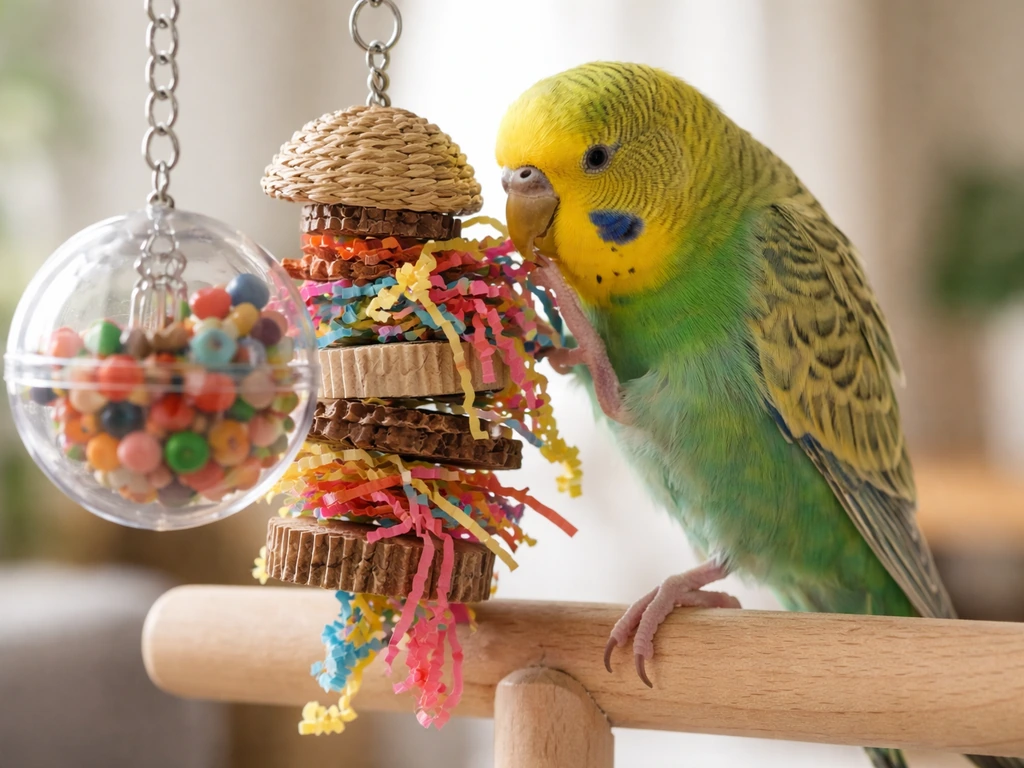
A bird with enough enrichment is genuinely entertaining to watch and interact with. Birds that are well-stimulated explore, play with toys, vocalize expressively, and learn tricks or words. This is a real benefit. The flip side is that a bored bird becomes a problem bird fast, with biting, screaming, or feather-pulling being the typical results. Some birds, including those that hunt carpenter bees, can also become more problem-prone if their needs are ignored bored bird. The benefit and the risk come from the same source: birds are smart. Lean into that with good enrichment and you get the rewarding version.
A Manageable and Predictable Care Routine
Unlike dogs, birds don't need walks. Unlike cats, most beginner birds stay safely in an enclosure when you're not home. The daily care routine for a budgie or canary is genuinely manageable: fresh food and water, some out-of-cage time, a quick cage tidy, and some attention. When you get that routine right and stick to it, the bird stays healthy and relaxed, which is where the enjoyment actually lives.
The Setup That Makes Those Benefits Actually Happen
Cage Size and Bar Spacing
Don't cheap out on the cage. For a budgie, the practical minimum for a single bird is around 18x18x18 inches, but bigger is genuinely better since birds need room to move and flap. For cockatiels, the cage should be meaningfully larger. On bar spacing, this matters for safety: budgies need no more than 1/2 inch between bars, and cockatiels should have between 1/2 and 5/8 inch. Wider spacing risks a bird poking its head through and getting stuck. Skip round cages entirely; they're disorienting and offer no corner space for the bird to feel secure.
Perches and Enrichment
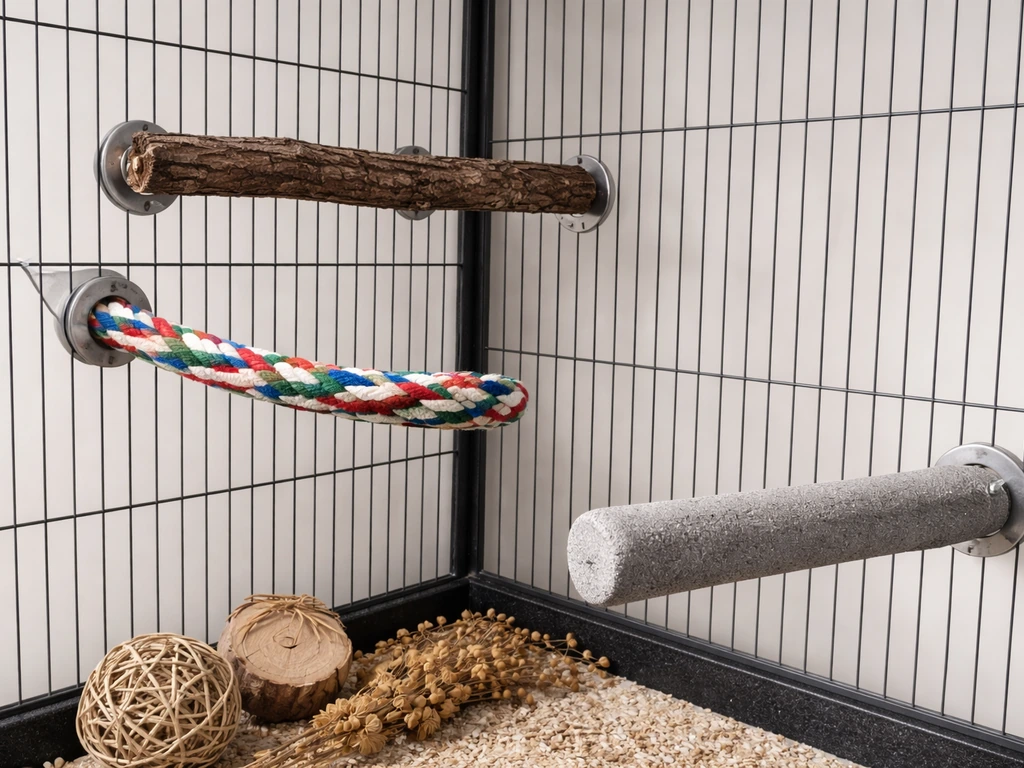
Variety in perch texture and diameter is good for foot health. Natural wood perches, rope perches, and a cement perch for nail maintenance are all useful. On enrichment: rotate toys regularly so the bird doesn't tune them out. Foraging toys, where the bird has to work for food, are especially effective at channeling natural behavior into positive activity rather than boredom-driven problems.
Diet: The Area Where Most Beginners Go Wrong
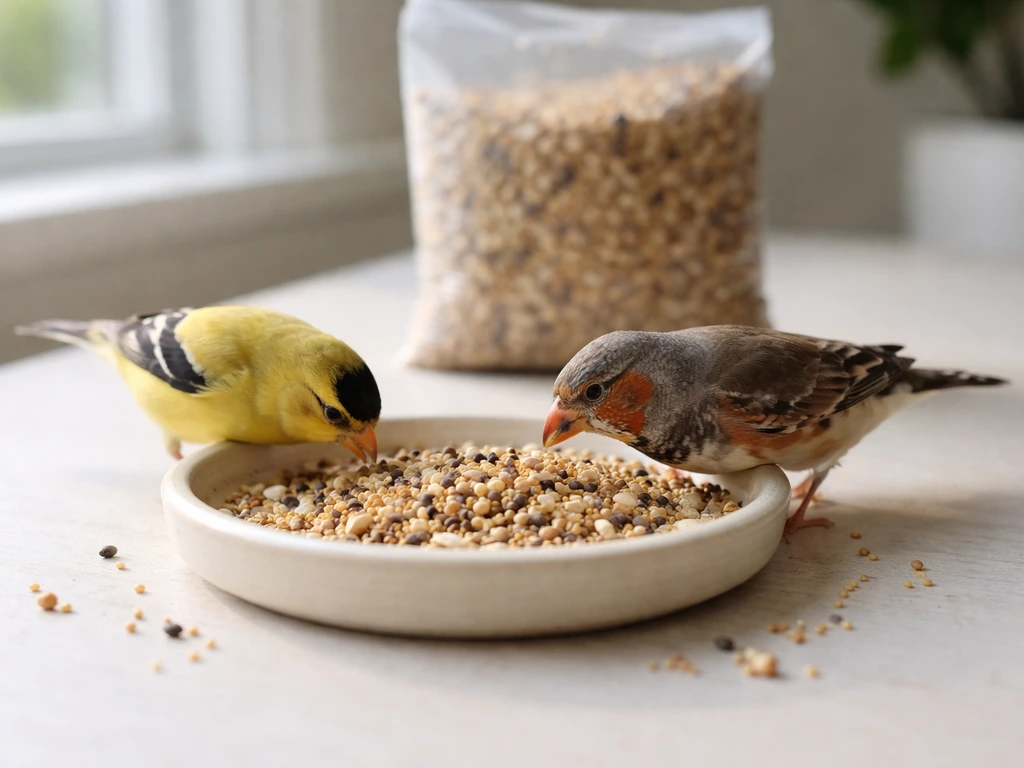
Seed-only diets are the single most common beginner mistake and one of the most damaging long-term. Seeds are high in fat and low in the nutrients birds actually need, including vitamin A, calcium, and essential amino acids. A practical target for most companion birds is 75 to 80 percent high-quality pellets and 15 to 20 percent fresh vegetables and fruit. If you're aiming for a transitional approach, a reasonable middle ground is 40 to 50 percent pellets, 30 to 40 percent seed mix, plus regular fresh produce. Either way, the seed bowl should not be the whole diet. Water bowls get dirty fast; consider a water bottle to keep things clean and reduce bacterial risk.
Air Quality in the Bird's Environment
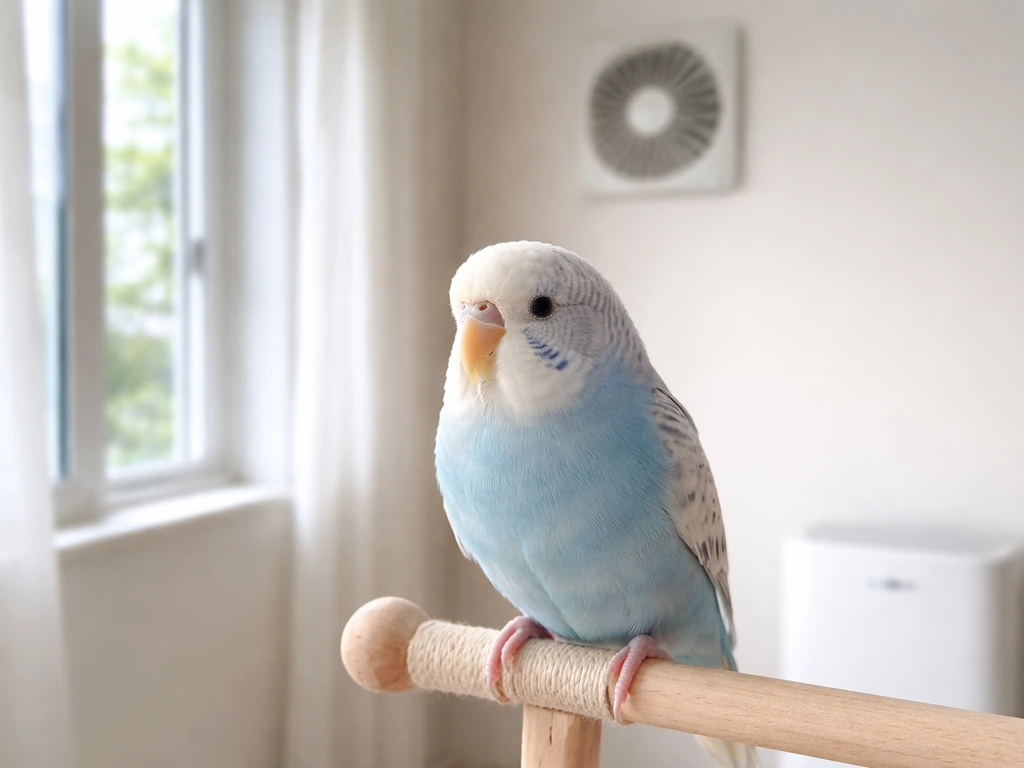
Birds have highly sensitive respiratory systems. Non-stick cookware fumes, candles, air fresheners, and cigarette smoke can all be dangerous or fatal. The cage should never be in a kitchen. Good ventilation in the room and avoiding airborne toxins is a non-negotiable part of setup, not an afterthought.
Common Beginner Mistakes (And How to Avoid Them)
- Expecting a tame bird immediately: Most birds bite when new and handling feels threatening. Present your hand confidently and low, don't flinch, and be consistent. Reacting strongly to bites teaches the bird that biting works.
- Underestimating noise: Even 'quiet' birds like budgies can be persistent. Cockatiels whistle loudly. Green-cheeked conures scream. Research the species' actual noise profile before committing.
- Ignoring mess: Droppings, scattered seed hulls, and feather dust are daily realities. If that genuinely bothers you, some species (like cockatiels) produce significant feather dust that affects air quality in the room.
- Skipping socialization time: A bird kept in its cage all day with no interaction will develop stress behaviors. Daily out-of-cage time and one-on-one attention aren't optional for the companion-bird benefits to exist.
- Reacting to screaming: Birds learn fast that screaming brings you running. Only give attention when the bird is calm.
- Buying an oversized or round cage marketed as 'premium': Round cages stress birds, and 'decorative' cages often have dangerous bar spacing or toxic paint. Check the specs, not the aesthetics.
- Ignoring repetitive stress behaviors: If your bird paces, rocks, spins, or pulls feathers, that's a vet visit, not a phase to wait out.
The Daily and Weekly Care Routine That Keeps Things Working
Consistency is what makes bird ownership actually enjoyable rather than stressful. Here's a practical rhythm that works for most beginner birds:
| Frequency | Task |
|---|---|
| Daily | Refresh food and water; remove uneaten fresh food within a few hours |
| Daily | Spot-clean the cage floor (remove droppings and dropped food) |
| Daily | Out-of-cage supervised interaction time (minimum 1 hour for social species) |
| Daily | Observe the bird's behavior, droppings, and posture for any changes |
| Weekly | Full cage wipe-down with bird-safe cleaner; wash food and water dishes thoroughly |
| Weekly | Rotate toys and rearrange enrichment items to keep the environment novel |
| Monthly | Deep-clean the entire cage including perches and accessories |
| Annually (at minimum) | Avian vet wellness exam, even if the bird appears healthy |
The daily observation habit is one that experienced bird owners swear by and beginners skip. Birds hide illness instinctively, so by the time symptoms are obvious, the situation is often serious. Catching subtle changes early, like a change in droppings, reduced activity, or puffed feathers, makes a real difference in outcomes.
How to Choose a Bird and Where to Get One Safely
Match the Species to Your Actual Lifestyle
Before you look at any listings, decide honestly how much daily interaction time you have, how much noise is acceptable in your space, and whether you want a hands-on companion or a more observation-based bird. Canaries and finches are lower-touch and great if you want to enjoy a bird's presence without daily handling. If you are aiming for a calmer, lower-touch experience, many better bird finch lovers blend strategies focus on finch-friendly routines and enrichment Canaries and finches. Budgies and cockatiels are the sweet spot for interactive companionship with manageable care. Lovebirds and green-cheeked conures are more personality-forward and need more engagement. Don't let a cute photo push you toward a species that doesn't match your real situation.
Questions to Ask a Breeder or Rescue
- Has the bird been hand-tamed or socialized with people?
- What diet is the bird currently on, and what has it been eating since weaning?
- Has the bird been examined by an avian vet, and are health records available?
- What is the bird's age, and how long has it been with this seller or in this rescue?
- Has the bird been in contact with other birds recently, and has it been quarantined?
Quarantine and Your First Vet Visit
When you bring a new bird home, keep it separated from any existing birds for at least 30 days, and ideally 60 days, before any contact. This is standard avian welfare guidance and US federal law for imported birds. Even if you have no other birds, schedule an avian vet exam soon after adoption, not when something looks wrong. The Association of Avian Veterinarians (AAV) has a vet locator tool that helps you find an avian-specialist vet in your area before you even bring the bird home. AAV’s Find-a-Vet directory is that vet locator tool, and it also states it does not provide medical information has a vet locator tool. Having that relationship in place is one of the most practical things a first-time bird owner can do.
Breeder vs. Rescue vs. Pet Store
A reputable breeder or an avian rescue will usually give you more health history and behavioral context than a pet store. Rescue birds may need extra patience during the bonding process, but they can become just as connected to you over time. Pet stores vary widely in quality; if the birds look lethargic, the cages are overcrowded, or staff can't answer basic questions about the species, walk away.
The Short Version: What You're Actually Getting Into
A well-chosen beginner bird, set up correctly with the right diet, enrichment, and consistent daily care, genuinely delivers on the benefits people hope for: real bonding, daily entertainment, and a rewarding companion relationship. The species name confusion around 'bater' shouldn't distract from that core truth. What doesn't work is expecting those benefits without putting in the setup and routine. Get the cage right, ditch the seed-only diet, give the bird real daily attention, and book that avian vet appointment before you think you need one. If you were specifically looking for a pie bird alternative, the takeaway is to focus on what helps with natural foraging and feeding routines, not the gadget name ditch the seed-only diet. That's the whole formula. If you are looking for a similar training-style workout for a bird, a bird dog exercise alternative can be a fun way to add structure to enrichment.
FAQ
I searched “bater bird benefits,” but I meant quail. Are quail good beginner pets?
Quail (the “bater” term in some regions) are not a typical beginner companion bird. Many people search for “bater bird benefits” intending a pet, but keeping quail usually involves different housing, feeding, and breeding considerations than budgies or cockatiels. If your goal is a hands-on, affectionate pet, confirm the exact species before choosing, and if you mean Japanese quail, still plan for a more utilitarian setup and less “perch-and-bond” behavior than common pet birds.
Are baby birds or adult birds better for beginners who want the benefits fast?
In general, adult birds are easier than juveniles for time management, but they can come with established habits (noise patterns, biting, or food preferences). Ask the seller or rescue what age the bird is, whether it is already hand-tamed, and how it responds to new routines. A well-adjusted bird that is already comfortable with daily handling can deliver benefits faster than “training from scratch.”
If I want a quieter, low-touch bird, will I still get benefits without daily handling?
“Low-touch” does not mean “no attention.” Even finches or canaries still need daily check-ins, fresh food and water, and regular cage cleaning, plus time for observation and basic husbandry. If you do not have time for daily care and monitoring, you can still enjoy birds, but the bonding and “daily entertainment” benefits will be limited or delayed.
My beginner bird seems to bite, does that mean I won’t get the bonding benefits?
If a bird bites, it is often a communication issue, not aggression. Typical causes include fear from sudden contact, incorrect perch height, hunger or diet changes, lack of sleep, or overhandling at the wrong time of day. The practical next step is to adjust one factor at a time, use calmer approach training (short, predictable sessions), and track triggers like time of day and what you were doing right before the bite.
What airborne dangers should I avoid beyond candles and kitchen fumes?
Non-stick cookware and scented products are a one-off risk, but the bigger day-to-day safety win is where the cage sits and what air reaches it. Keep the bird’s room away from kitchens and smoking areas, avoid aerosols (including sprays you might not think about like hair products), and ensure strong ventilation when using any heat source. If you cook, the cage location and kitchen routine matter more than most people realize.
How can I tell whether my bird’s “bad behavior” is boredom versus a health issue?
Birds that are bored often show predictable patterns, like screaming for attention, destructive chewing, or feather-pulling. A helpful approach is to add structured foraging (food puzzle or scatter feeding in a controlled area), rotate toys, and ensure the bird has a daily interaction window. If behavior worsens after changes, assume health first and get an avian vet evaluation.
What are common diet mistakes that still cause health problems even when people stop seed-only feeding?
For beginners, the “right” diet is not only percentages, it is consistency and food handling. Introduce pellet brands gradually if the bird resists, wash produce well, and remove fresh foods before they spoil. Also, do not rely on seed as a reward only. If you use seeds as treats, keep portions small so you do not undo the pellet-based nutrition the article recommends.
What daily signs should I monitor to catch illness early?
Birds hide illness early, so waiting for obvious signs often reduces your odds. A practical routine is a daily 30 to 60 second scan: posture, breathing noise, appetite, droppings, and activity level. If any change persists beyond a day or is progressive, contact an avian vet instead of “watching it.”
How long should I expect bonding benefits after bringing a new bird home?
Yes, stress from a new home can temporarily reduce singing, eating less, or increased quietness. The benefit you want, bonding, usually returns when routine becomes predictable: consistent feeding times, quiet overnight environment, and gentle daily presence without demanding handling. If the bird is still not eating normally after the initial adjustment period, treat that as a veterinary concern rather than “normal settling.”
What’s the safest way to handle quarantine if I already have other birds at home?
After bringing a bird home, isolation is not just to prevent disease, it is to prevent accidental social stress. Keep the new bird in a separate room if possible (not just separate cages in the same space), avoid shared air, and do not mix hands or tools between birds. Use this period to set up the new bird’s routine and schedule the avian exam rather than waiting for problems.
Besides size and bar spacing, what cage details matter for safety and comfort?
Choosing a cage is a major driver of long-term benefits because it affects safety, comfort, and foot health. Beyond size and bar spacing, make sure doors and perches are arranged so the bird can move without getting trapped, and avoid unsafe perch materials that wear down nails unevenly. A good setup reduces stress behaviors, which is what enables bonding and entertainment.
Should I change everything immediately when adopting, or transition slowly to protect the benefits?
If a bird’s current environment is unknown, assume you may need a transition period before “perfect” routines. The benefit often comes from immediate changes that reduce risk (safe location, correct foods, clean water) and gradual changes that prevent stress (new toys, new perches, handling adjustments). If you replace everything at once, you can get a short-term stress dip that delays the bonding benefits.