If you searched 'bird can fox kitten planter,' you're almost certainly dealing with a messy overlap of concerns: a pet bird that might be exposed to a predator (a fox, a cat, or a kitten), and some kind of planter or plant setup near the bird's space that could add its own risks. None of those elements are automatically dangerous on their own, but together they can stack up into a real safety problem for your bird fast. The good news is that once you know what's actually going on, the fixes are straightforward and most of them are doable today.
Bird, Fox, Kitten, and Planter Safety: Fix the Risk Fast
Marcus Chen
8 Jun 2026
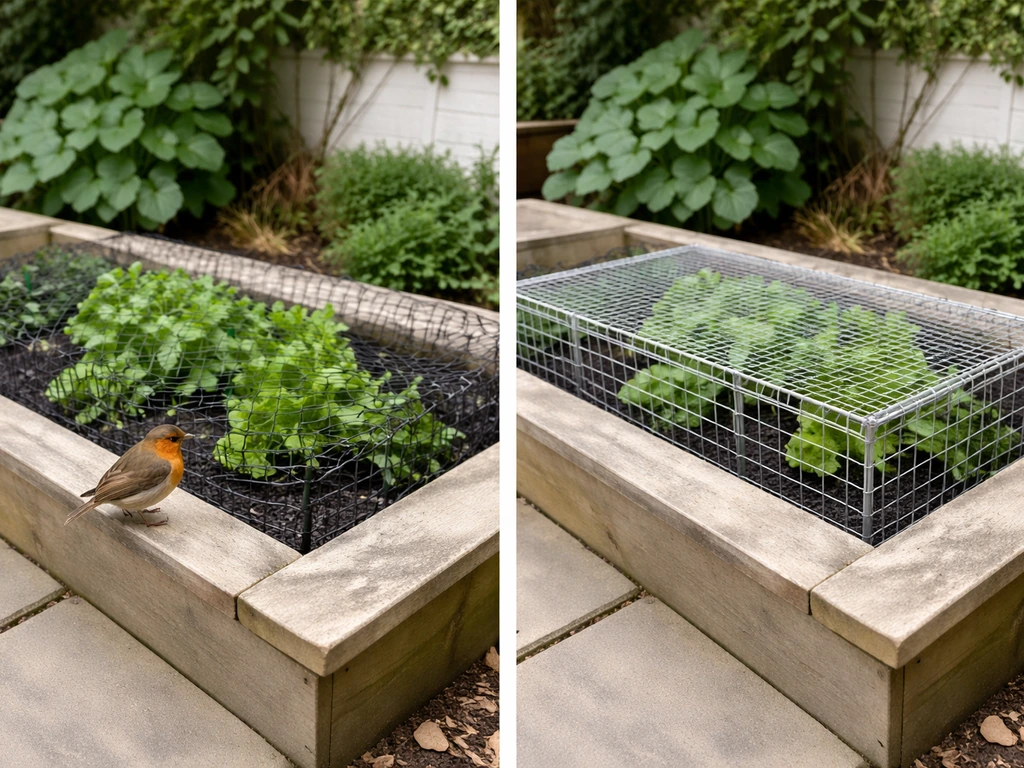
Figure out what 'bird can fox kitten planter' means in your situation
This phrase bundles three separate concerns into one search, which tells me you're probably stressed and not sure where to start. Let's pull it apart. The 'bird' and 'can' part likely means: can my bird be safe around a fox or kitten? Or sometimes it means: can I keep a bird near a planter? The 'fox' and 'kitten' are the predator or co-pet element. The 'planter' is either something you've added to the bird's space for enrichment, or it's an outdoor element near a cage or aviary. Your actual situation is probably one of these three:
- You have a pet bird and a kitten (or a neighborhood fox), and you're worried about them interacting or the bird being stressed or harmed.
- You've set up a planter near your bird's cage or aviary and you're not sure if the plants or the setup itself is safe.
- You have an outdoor cage or aviary and there's wildlife (foxes) getting close, plus plants or planters in the same area.
Pick whichever scenario matches your situation most closely. Most of this article applies to all three, so read through and grab what's relevant to you.
Confirm the species involved and whether this is a safety issue
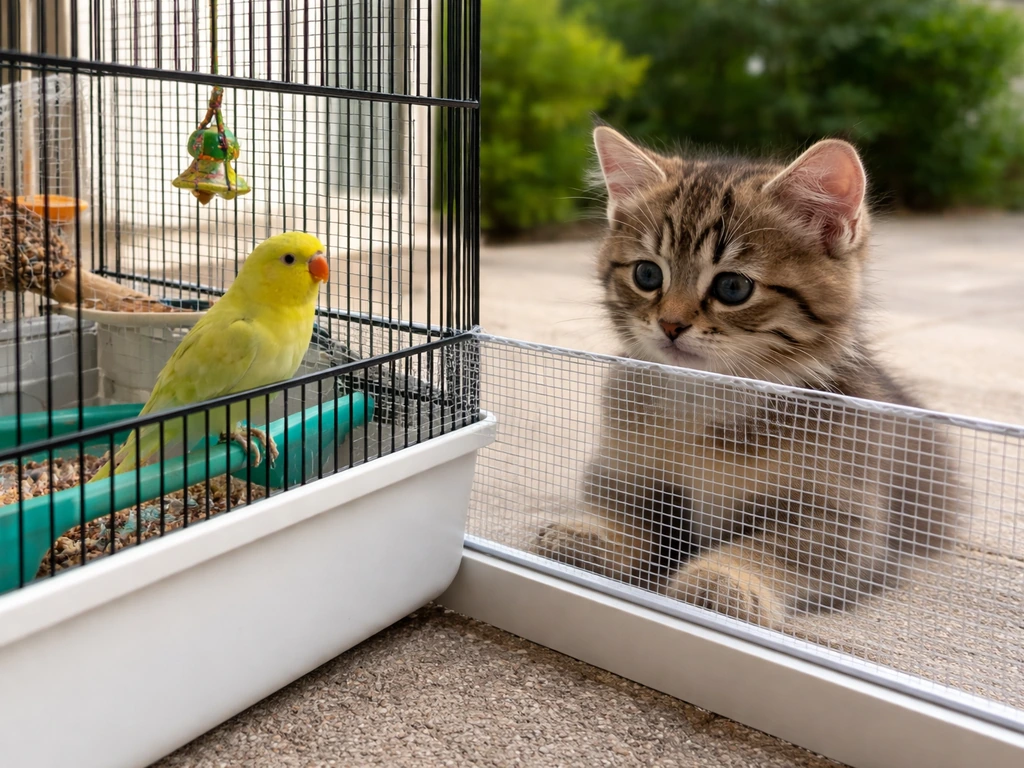
First: yes, this is a safety issue. Any time a bird shares a space with a predator animal, even a young kitten, the risk is real. Cats and foxes are hardwired to hunt birds.
A kitten may seem harmless, but even a playful swipe through cage bars can injure a bird's feet or wings, and the stress alone from a cat stalking the cage can cause chronic anxiety, feather plucking, and even cardiac episodes in small species like budgies, cockatiels, and canaries. Foxes are more of an outdoor threat and can damage enclosures, dig under them, or simply terrify birds into dangerous panic behavior.
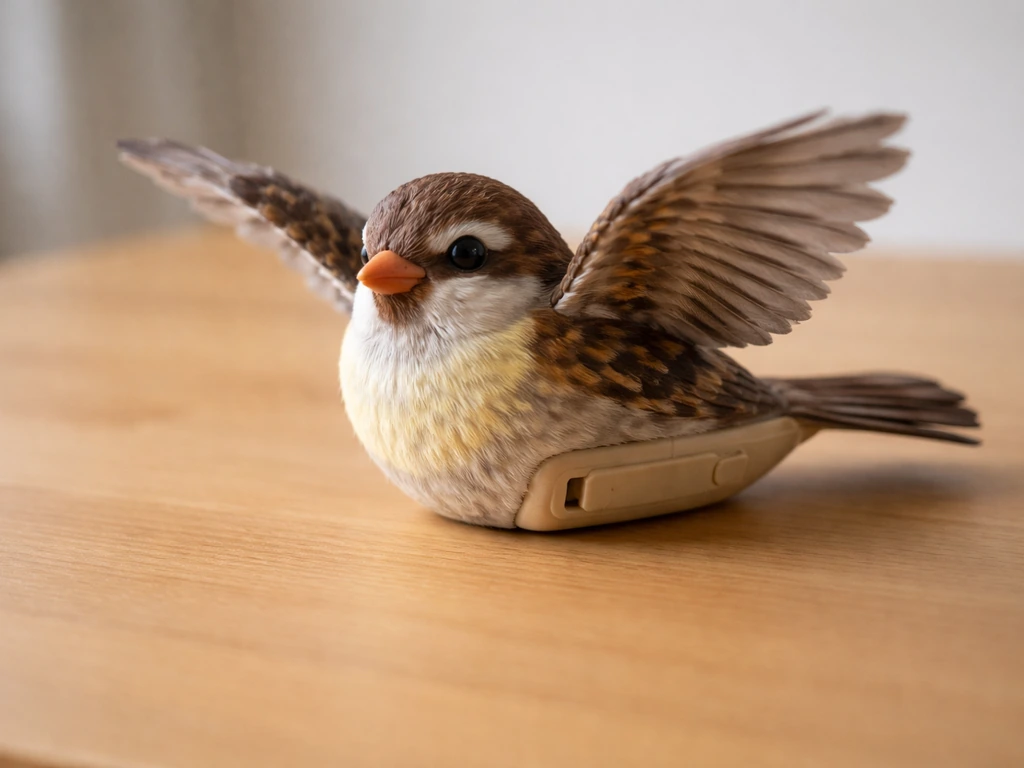
If you also want to keep the cat happily occupied without reaching the cage, choose the best flapping bird cat toy designed for safe, supervised play.
The planter element adds a second layer. If you've put live plants near the cage for enrichment or decoration, some common houseplants and garden plants are genuinely toxic to birds. If the planter is outdoors and has been treated with pesticides or fertilizers, that's an airborne and contact risk. Even the soil itself can be a problem if a bird gets access to it, since granular pesticides and certain mineral additives can look like grit or food to a foraging bird.
Make your bird-safe plan: housing, environment, and access control
Before you do anything else, think about your bird's cage placement. A lot of beginner advice says 'put the cage near a window so the bird can watch the world.' That's actually backwards for safety. Merck's veterinary guidelines specifically warn against placing bird cages near windows because temperature swings can be dangerous, and near air-conditioning outflows for the same reason. A window also gives a kitten or outdoor fox a clear sightline to your bird, which keeps the bird in a permanent state of alert stress. Move the cage to a central, stable wall where temperatures don't swing, predators can't press up against the glass nearby, and the bird has a clear sense of its own space.
The cage itself needs to be solid, not flimsy. If you're using a basic starter cage, check that the bar spacing is appropriate for your species and that the door latches can't be nudged open by a curious cat. Cats can and do open simple spring latches. Use a secondary clip or carabiner on every door. If you have an outdoor aviary, check the base: foxes dig, and a buried hardware cloth skirt (at least 12 inches deep and bent outward at the bottom) is the only reliable deterrent.
Indoor cage placement checklist
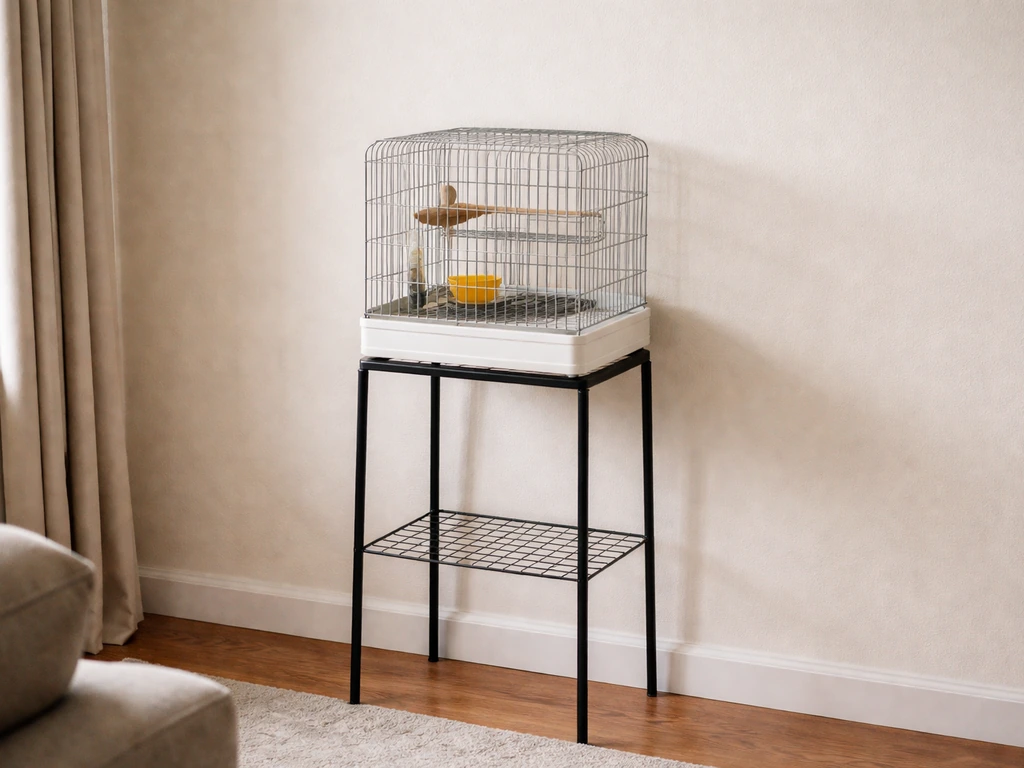
- Place the cage against a solid interior wall, not a window or exterior wall.
- Keep the cage elevated: a stand that brings the cage to chest height puts the bird above where a cat can easily swipe.
- Make sure at least one side of the cage backs against a wall so the bird has a safe 'corner' to retreat to mentally.
- Avoid the kitchen entirely: PTFE (Teflon) fumes from overheated non-stick cookware are lethal to birds, and treatment is just removing the bird from exposure immediately. The kitchen is never a safe room for pet birds.
- Add a secondary latch to every cage door.
Prevent predators and other pets from interacting with your bird
The safest rule is: the kitten and the bird should never share unsupervised space. Ever. I know some people will say their cat is 'gentle' and 'not interested,' but instinct can kick in without warning, and birds are prey animals that will panic even if the cat does nothing at all. Physical separation is the only reliable solution. Keep the bird's room off-limits to the cat using a solid door, not a baby gate (cats jump). When you let the bird out for free flight time, the kitten needs to be in a completely separate room with the door closed.
For foxes, the threat is almost always outdoor, so this matters most if you have a backyard aviary or let your bird have any outdoor time. Even if a fox doesn't get in, it will patrol around the enclosure at night, and birds can injure themselves panicking inside the cage. Motion-activated lights around an outdoor aviary help deter foxes. A solid roof (not just wire mesh) prevents climbing. And again, that buried skirt of hardware cloth stops digging. Check the aviary structure every few weeks for any new gaps or damage.
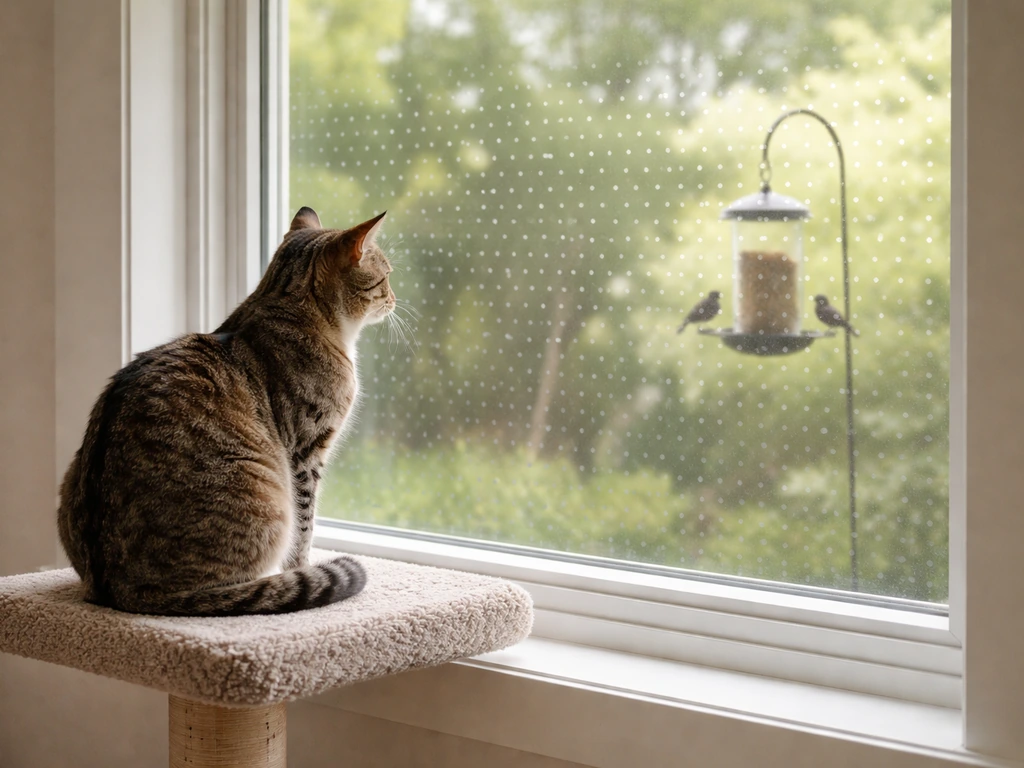
One thing people overlook: even if the cat never touches the bird, the constant presence of a predator causes chronic stress that affects the bird's immune system and behavior over time. If your bird is feather-plucking, screaming more than usual, or refusing to come off the cage bars, predator stress from a cat or dog in the home is one of the first things to investigate. If you are wondering whether bird watching is good for cats, focus on supervised, separated time because cats can still become a predator even when the bird is only watched. Are bird videos good for cats, or do they just add excitement and stress?
Plant and planter setup: what's safe and what isn't
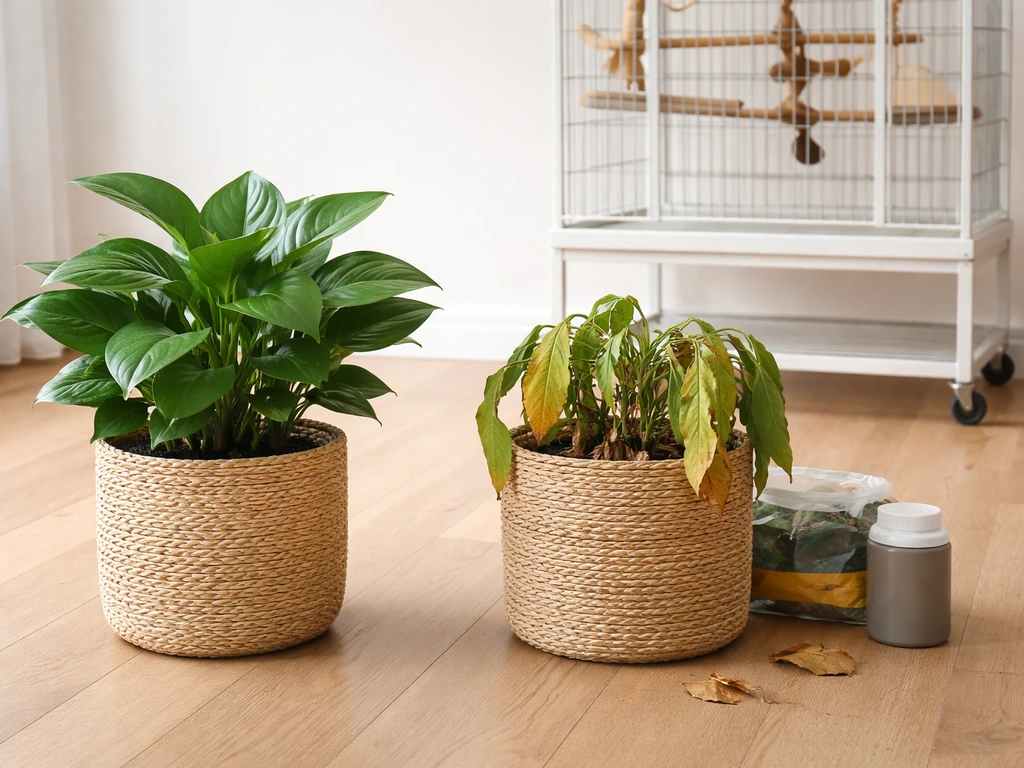
Planters near a bird's space can be a great enrichment tool, but there are real hazards to sort through before you set one up. The biggest categories of risk are toxic plants, pesticide or fertilizer contamination, unsafe planter materials, and soil access.
Plants that are safe vs. toxic for birds
| Category | Examples | Safe for birds? |
|---|---|---|
| Bird-safe plants | Spider plant, Boston fern, African violet, basil, dill, parsley, wheatgrass | Yes, generally safe |
| Toxic plants to avoid | Philodendron, pothos, dieffenbachia, lily species, oleander, avocado plant | No, keep away entirely |
| Borderline/uncertain | Aloe vera, jade plant, dracaena species | Avoid near birds to be safe |
| Outdoor garden plants | Marigolds, sunflowers (unsprayed), nasturtiums | Generally safe if pesticide-free |
The pesticide issue is serious and worth treating with real caution. Granular pesticides can be mistaken for grit or seed by foraging birds, and wildlife die-offs have been documented after pesticide exposure. A major poisoning source in pet birds is [lead from common household items](https://vet. purdue.
edu/hospital/small-animal/articles/general-husbandry-of-caged-birds. php), such as curtain weights or pulls, leaded or stained glass, fishing sinkers, pocket change, and ammunition, which can become accessible on floors or in the bird’s environment. If you have any outdoor planters that have been treated with pesticides or herbicides, your bird should not have access to that area. Remove contaminated granules and soil from any area the bird can reach, and don't use treated plants as cage enrichment.
If you're buying plants from a nursery, ask specifically about pesticide treatment and let any new plant sit in a safe, ventilated area away from the bird for at least two weeks before bringing it near the cage.
Planter materials and placement
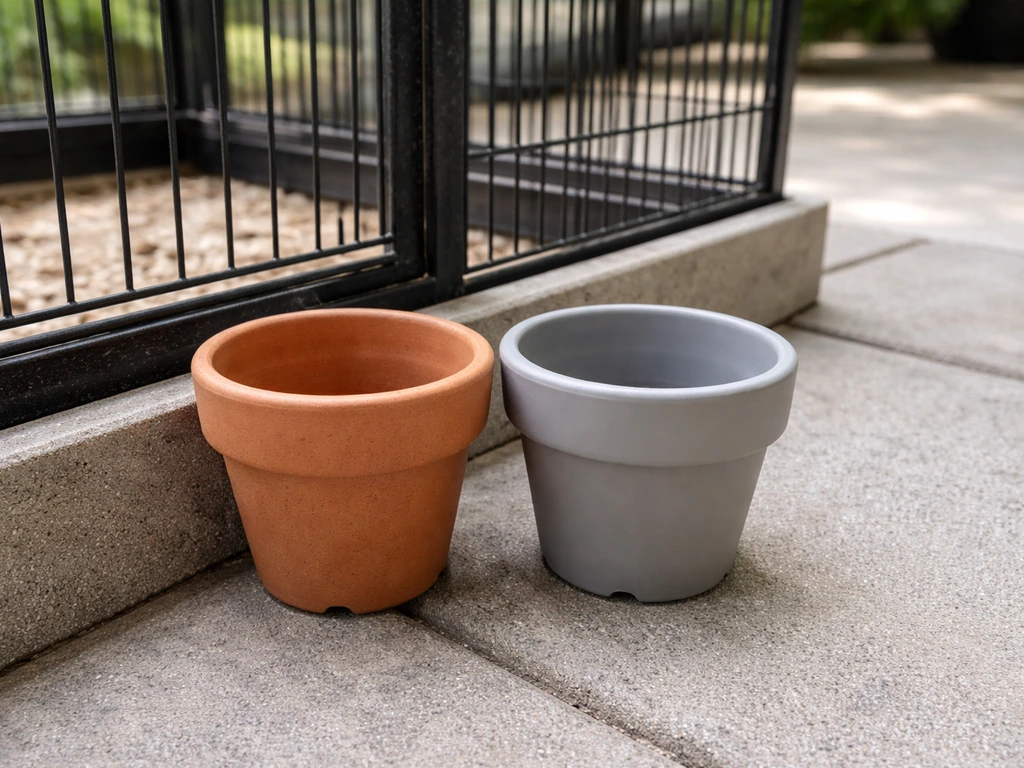
- Use unglazed ceramic or food-safe plastic planters. Avoid decorative glazed ceramics with unknown coatings, which can leach heavy metals.
- Keep planters physically outside the cage. A plant on a shelf near the cage is fine; a plant inside the cage is a chewing invitation and a soil-ingestion risk.
- Make sure the bird cannot reach the soil directly. Ingesting soil can introduce bacteria and, if the soil has been treated, pesticide residue.
- Avoid using pebbles or decorative gravel as a top dressing in planters near birds, since they can be mistaken for grit and eaten.
- Lead is a major poisoning risk for birds, and it can come from unexpected sources. Check that any decorative items near the planter (stakes, figurines, old pottery) don't contain lead-based paint or glazing.
If you want to use plants as actual enrichment inside the cage or as chewable perch material, stick to verified bird-safe species only and grow them yourself from seed using untreated potting mix. Wheatgrass is a great beginner option: fast growing, safe, and birds love to chew and pick at it.
Air quality matters more than you think
If the planter is indoors, think about what else is in that air. Birds have an extremely efficient respiratory system, which means they're far more sensitive to airborne toxins than we are. PTFE fumes from overheated non-stick pans are the most commonly cited danger, but scented candles, air fresheners, spray fertilizers, and even aerosol pesticides can cause serious respiratory distress in birds. If you're fertilizing your planters indoors, use liquid fertilizer applied directly to the soil (not spray) and ventilate the room well. Never use any aerosol product in the same room as your bird.
Immediate next steps: what to do today
Here's the action list I'd work through right now if I were in your situation. Knock these out in order and you'll have the most urgent risks addressed within a few hours.
- Physically separate the bird and the kitten (or keep the fox out of the bird's area) with a closed, solid door or a secured outdoor structure. Do this first, before anything else.
- Check all cage door latches and add a carabiner clip or secondary latch to every one.
- Move the cage away from windows, air-conditioning vents, and the kitchen if it's currently in any of those locations.
- Audit every plant within reach of the bird's cage or free-flight area. Cross-reference against a bird-safe plant list and remove anything you can't confirm is safe.
- Check all planters and nearby soil for granular pesticides, fertilizer pellets, or decorative gravel and remove them from the bird's accessible area.
- If you have an outdoor aviary, inspect the base for any new gaps, digging signs, or damage and repair immediately. Add a buried hardware cloth skirt if you haven't already.
- Remove any non-stick cookware from rooms shared with your bird, or commit to never overheating it (above about 500°F/260°C) when the bird is in the home.
- If you want to add plant enrichment, start a pot of wheatgrass from untreated seed and untreated potting mix today. It'll be ready in about a week.
- Observe your bird for signs of stress (feather-plucking, excessive screaming, cowering) over the next 48 hours after making these changes, and contact an avian vet if anything looks off.
One last thought: the combination of a bird, a predator pet, and a planting setup is totally manageable, it just requires deliberate separation and a bit of environmental audit work. If you're also thinking about ways to enrich your cat's interest in birds safely and separately, there's a lot of content out there on bird videos for cats and bird-themed cat toys that can satisfy the cat's instincts without putting your bird at risk. Keeping those two worlds completely separate is genuinely the best outcome for both animals. If you want to keep things calm while you set up safer conditions, watching some of the best bird videos for cats can help you manage their reactions before you make changes best outcome.
FAQ
My kitten is calm and stays away from the cage. Is the bird still at risk?
Even if the kitten never physically reaches the bird, the key risk is the bird being able to see or hear the predator, which can trigger nonstop alert behavior. If your bird room has windows, keep the cage on an interior wall and add opaque barriers so the kitten cannot get a sightline.
What’s the safest way to separate a kitten and a bird during free-flight time?
Don’t rely on “baby gates” or mesh playpens, because cats can jump and fit between gaps. Use a solid door with the bird in a separate room, and only allow interaction time when the kitten is in another closed room or under direct human supervision with clear physical separation.
How can I check if my bird cage door is cat-proof?
Choose enclosure door hardware based on the cat, not the bird, since cats can sometimes manipulate spring latches and slide bolts. Add a second locking method (secondary clip or carabiner) and do a quick “cat test” by checking whether a realistic push or bump from the outside can open it.
Does the risk change if the planter is indoors versus outdoors?
Yes, but it depends on what “planter” means. If it’s outside, the real concern is digging and contaminated soil or granules that your bird could peck. If it’s inside, the bigger concern is airborne exposure like scented products, aerosol pesticides, and fumes from cookware, so keep scented or spray products out of the room entirely.
If a plant is “bird-safe,” can the soil or potting tray still be dangerous?
Plant toxicity is only one category. The less obvious hazards are treated soil and airborne chemicals. Remove any pesticide granules and don’t let the bird access the potting mix, drainage tray, or under-plant surface where residue may collect.
I’m buying new plants for my bird enrichment, what’s a safe quarantine step?
If you buy new greenery for the bird area, isolate it from the bird first. Let it sit in a ventilated spot away from the cage for at least two weeks, and wash the outside of the pot and leaves before bringing it near, so any nursery residue does not become contact or inhalation exposure.
What’s the correct way to deter foxes from digging under an outdoor aviary?
Hardware cloth must be both buried deep enough and properly angled to resist digging under it. For outdoor aviaries, use a skirt at least 12 inches deep, bend the bottom outward, and re-check after storms because gaps often appear where ground shifts.
Should I put my bird cage near a window for “natural light”?
Fix the placement before you add anything decorative. A window can create temperature swings, and it also gives a predator a direct sightline. Move the cage to a stable interior wall with minimal drafts and avoid areas near HVAC outflows or places where a cat can stare at the bird through glass.
My bird is feather-plucking more and seems jumpy. How do I know if it’s from the cat or the planter setup?
Start by eliminating the most likely cause of stress behaviors: open access to predators, predator sightlines, and environmental fumes. If feather plucking or frantic cage bar activity increases after you add a planter or allow predator access, treat it as a stress signal and remove the new trigger, then reassess cage security and separation.
What’s a practical “chewable plant” approach that reduces planter risk?
Wheatgrass is a good beginner option, but the practical rule is to grow it using untreated potting inputs and keep it contained so your bird cannot access fertilizer or any treated packaging materials. For chewable enrichment, offer only fresh, clean material and remove it if it starts to mold or smell off.
Next Articles
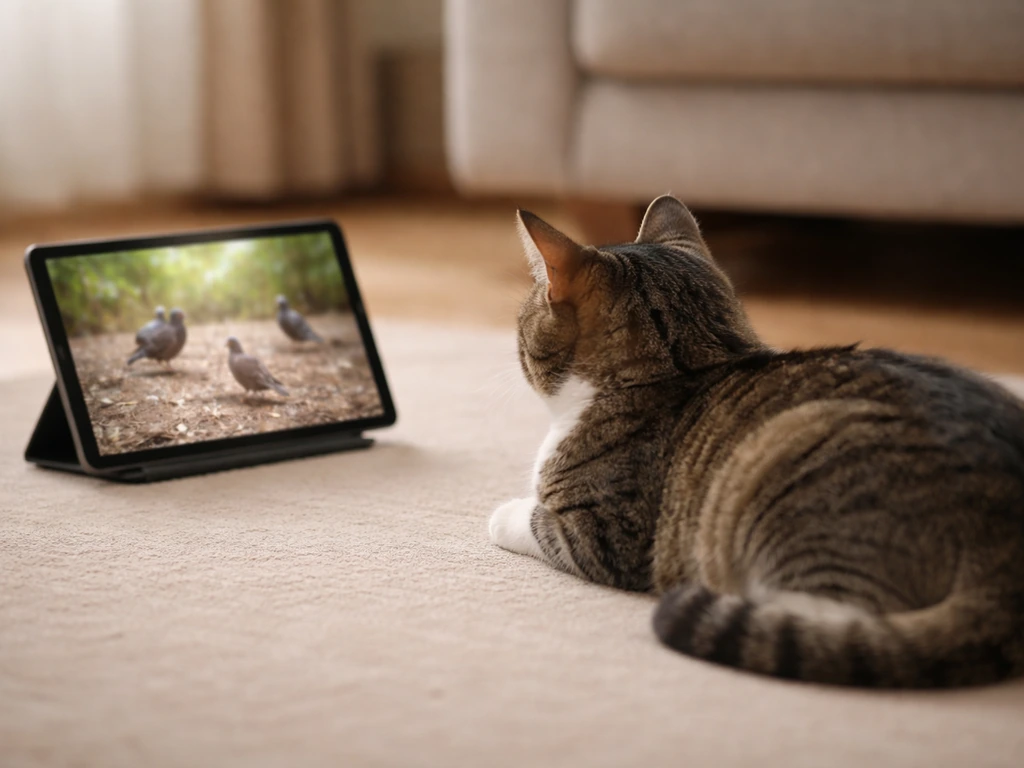
Best Bird Videos for Cats: What to Watch and Setup Tips
Pick the best bird videos for cats by matching video type, pacing, bird behavior, and safe screen setup to your cat’s te
Best Flapping Bird Cat Toy: Safe Choosing and Setup Guide
Choose the best flapping bird cat toy safely, set up properly, and protect pet birds from stress and hazards.
Is Bird Watching Good for Cats? Safety and Setup Guide
Yes if set up safely: manage cat focus, prevent window hits and bird access risks, and reduce stress with proper viewing