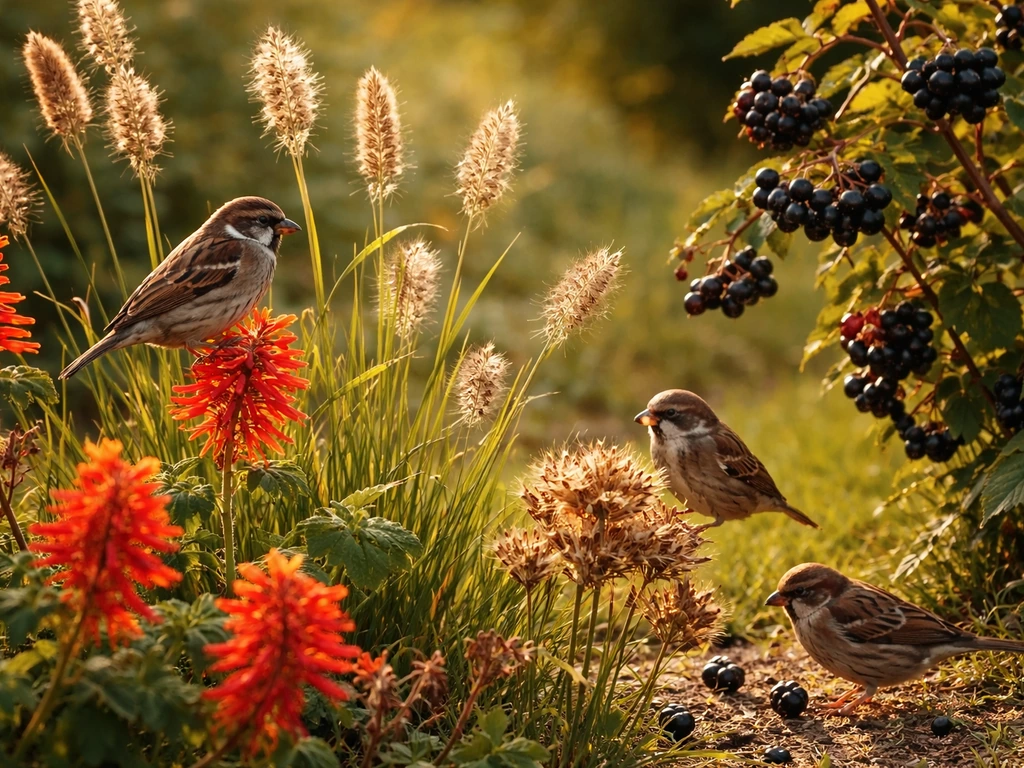
The plants that reliably attract birds are native species that produce real food, seeds, berries, nectar, and the insects birds need to feed their young. In most US yards, a core lineup of natives like coneflowers, native viburnums, oaks, serviceberries, and tubular-flowered plants like salvia or trumpet honeysuckle will draw far more birds than any imported ornamental. But the exact list depends on where you live, how much sun you have, and which birds you're trying to attract, so this guide walks through all of that, region by region and bird by bird.
Best Bird Attracting Plants: A Practical Guide for Your Yard
Marcus Chen
7 Jun 2026
How to choose the right plants for your yard and your birds
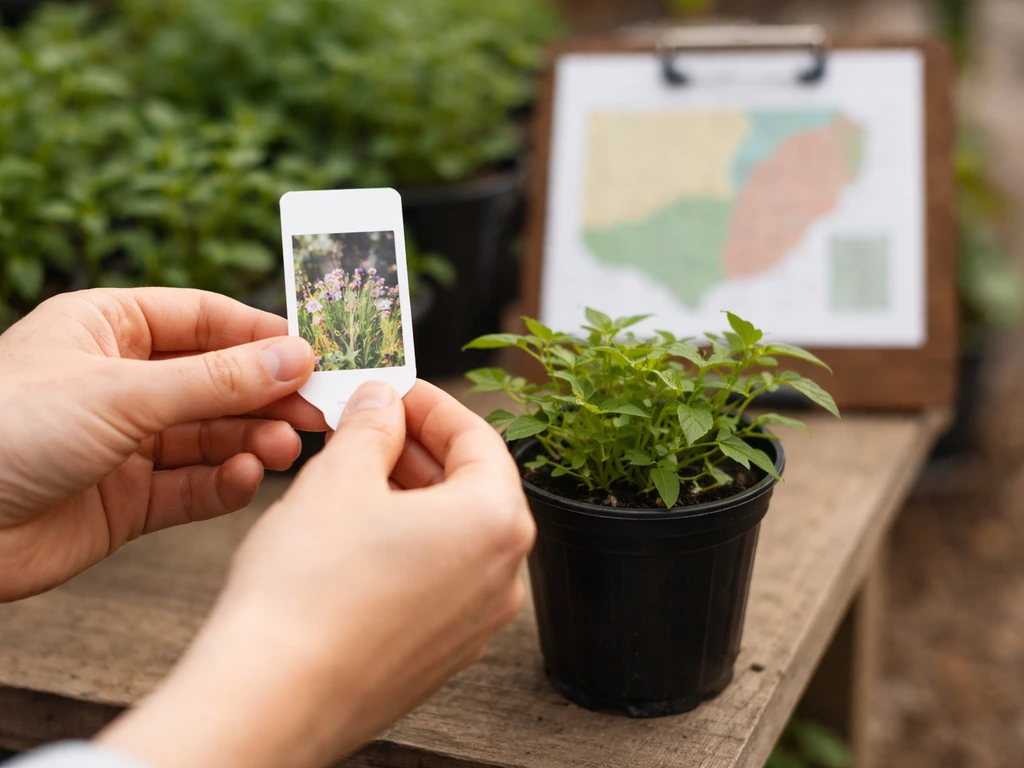
The single biggest mistake I see is buying a plant labeled 'attracts birds' at a big-box store without checking whether it's native to your region or relevant to the birds in your area. A butterfly bush might look great and attract some attention, but it's invasive in many states and provides almost no insect food value, which is actually the food chain that makes a yard worth living in for most birds, especially during nesting season.
Start by thinking about what your local birds actually eat. Audubon breaks it into four food groups: insects, fruit and berries, nectar, and seeds. Audubon’s Plants for Birds program frames native plant landscaping as building bird-friendly habitat by providing food such as seeds, berries, and nectar, along with shelter and nesting opportunities Audubon breaks it into four food groups. Native plants support all four because they've co-evolved with local insects and birds over thousands of years. An oak tree, for example, hosts hundreds of caterpillar species, which are the primary food source for songbird nestlings, even for species you'd normally think of as seed eaters. That's the kind of food-web value an imported ornamental simply can't replicate.
Before you buy anything, answer these four questions: What birds are actually in your area (use Cornell Lab's eBird to check)? How much direct sun does your planting space get? What's your soil type, clay, sandy, loam, or wet? And how much space do you have for shrubs or trees versus perennials? Once you know those four things, you can match plants to your conditions instead of crossing your fingers.
Native vs. non-native: why it actually matters here
I'm not going to tell you non-native plants are useless, some do provide seeds or berries birds will eat. But native plants do it better across the board. They support the full insect food web, they're adapted to local rainfall and soil, and they almost always require less maintenance once established. Audubon's Plants for Birds program makes a strong case that native landscaping is the most reliable single investment for attracting and supporting birds long-term. If you can only make one rule, make it this: prioritize natives, and check invasiveness before you plant anything.
What kinds of plants attract birds (and why)
Birds don't just want feeders, they want a yard that functions like habitat. That means plants serving different roles: food in multiple forms, structure for perching and hiding, and material and sites for nesting. Here's how to think about each category.
Nectar plants
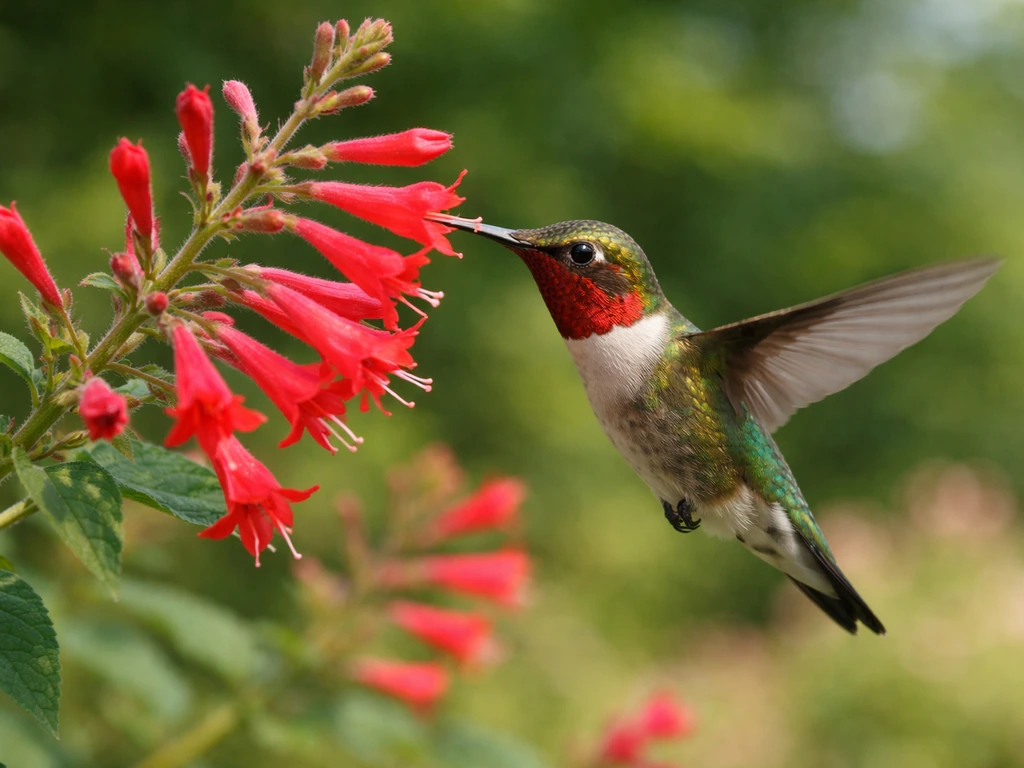
Nectar plants are primarily hummingbird territory, though orioles and a few others use them too. The key insight from Audubon's hummingbird research is that hummingbirds also need insects for protein, so a yard full of nectar plants that's been heavily sprayed with pesticides won't sustain them long-term. Native tubular-flowered plants are the best bet: trumpet honeysuckle (Lonicera sempervirens), native salvias, red columbine (Aquilegia canadensis), cardinal flower (Lobelia cardinalis), and native bee balm (Monarda) are all excellent. These also support pollinators that make the yard more productive overall.
Seed-bearing plants
For finches, sparrows, and cardinals, seed-producing natives are the backbone of a bird-friendly yard. Purple coneflower (Echinacea purpurea) is a workhorse, it blooms mid-summer and the seed heads feed goldfinches into fall and winter if you leave them standing. Black-eyed Susan (Rudbeckia hirta), native sunflowers (Helianthus annuus), and grasses like little bluestem (Schizachyrium scoparium) are similarly productive. blank" rel="noopener noreferrer">American Goldfinches time their nesting to late-season seed availability, specifically waiting until plants like milkweed and thistle produce fibrous seeds in June and July, both for nest material and to feed their young an all-seed diet. That's a level of dependency that makes seed plants non-negotiable if you want goldfinches to actually breed in your yard.
Fruit and berry shrubs and trees
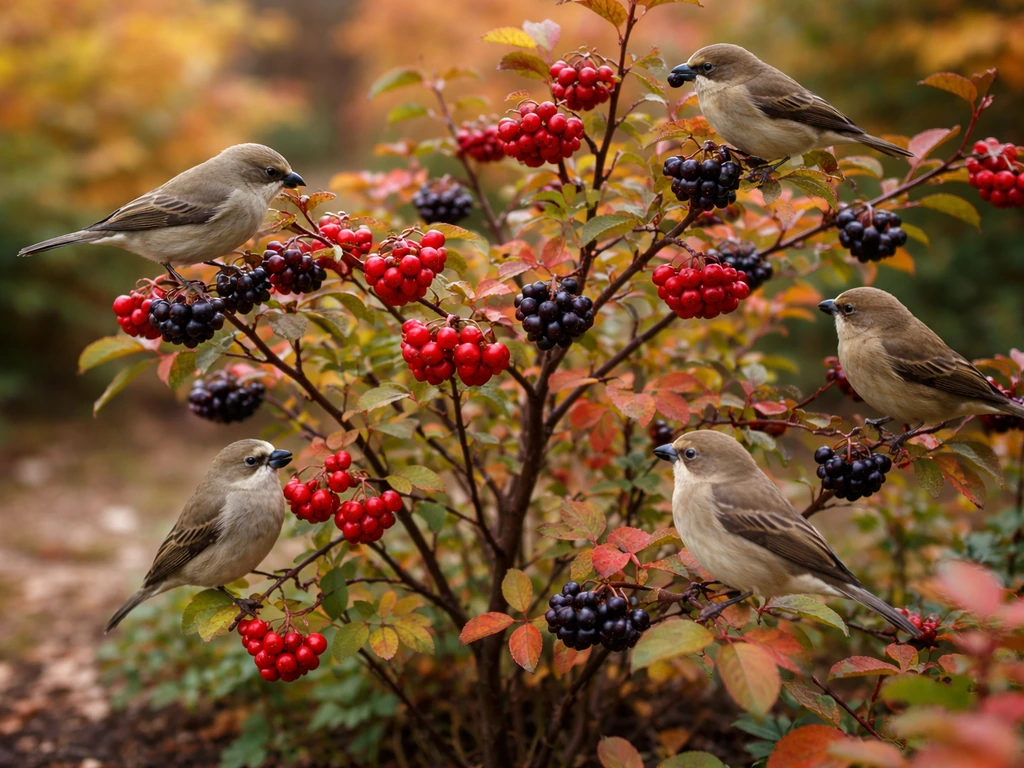
Berries are critical for fall and winter bird survival and migration fuel. Eastern Bluebirds shift heavily to fruit and berries in fall and winter. Black-capped Chickadees do the same. Top native choices: serviceberry (Amelanchier), native viburnums (especially Viburnum lentago and Viburnum trilobum), native dogwoods (Cornus), winterberry holly (Ilex verticillata), and American beautyberry (Callicarpa americana) in the Southeast. These aren't just snacks, for many species they're the difference between surviving a cold winter and not.
Insect-supporting plants
This is the category most people underestimate. Native oaks are the single best insect-supporting tree in most of the US, hosting more caterpillar species than any other genus, and caterpillars are what most songbird parents bring to their nestlings, regardless of what the adults eat. Native willows, cherries (Prunus), and goldenrod (Solidago) are also exceptional insect hosts. Even if you never see a bird eating directly from an oak, that tree is feeding the food web that makes your whole yard worth inhabiting.
Dense cover for nesting and shelter
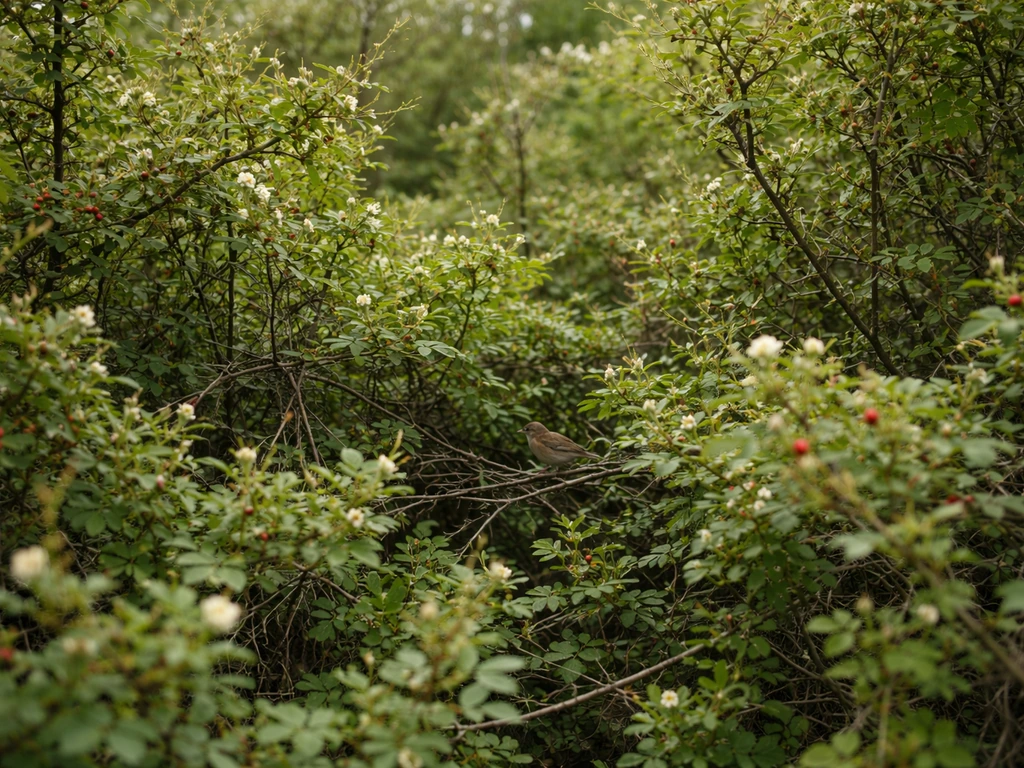
Birds need places to hide from predators, rest, and build nests. Thorny shrubs like native roses (Rosa carolina, Rosa palustris) and hawthorns (Crataegus) provide berry food and near-impenetrable nesting cover. Evergreen shrubs and trees, native hollies, eastern red cedar (Juniperus virginiana), and arborvitae, are especially valuable in winter when deciduous plants drop their leaves. Chickadees nest in cavities and won't use shrubs for nesting, but they'll absolutely use dense evergreens as winter roost cover.
Best bird-attracting plants by region and climate
No single plant list works everywhere. Here's a practical regional breakdown to get you started. These are well-documented performers that are native or regionally appropriate, not exotic imports.
| Region | Top Seed/Berry Plants | Top Nectar Plants | Top Insect/Tree Plants | Key Birds Attracted |
|---|---|---|---|---|
| Northeast & Midwest | Serviceberry, Winterberry Holly, Native Viburnum, Coneflower | Cardinal Flower, Native Columbine, Trumpet Honeysuckle | Oak, Wild Cherry, Goldenrod | Cardinals, Goldfinches, Chickadees, Bluebirds, Hummingbirds |
| Southeast | American Beautyberry, Possumhaw Holly, Native Dogwood | Coral Honeysuckle, Native Salvia, Trumpet Creeper | Live Oak, Eastern Redbud, Sweetgum | Bluebirds, Mockingbirds, Warblers, Ruby-throated Hummingbirds |
| Pacific Northwest | Red Elderberry, Osoberry, Pacific Wax Myrtle | Red Flowering Currant, Native Fuchsia, Salvia spathacea | Oregon White Oak, Camas, Red Osier Dogwood | Varied Thrush, Bushtit, Anna's Hummingbird, Finches |
| Southwest & California | Toyon (California Holly), Coffeeberry, Lemonade Berry | Hummingbird Sage, Penstemon, Desert Willow | Blue Oak, California Buckwheat, Elderberry | Allen's/Anna's Hummingbirds, Phainopepla, Towhees |
| Great Plains | Chokecherry, Wild Plum, Leadplant | Native Salvia, Wild Bergamot, Prairie Blazing Star | Bur Oak, Plains Cottonwood, Hackberry | Dickcissel, Lark Sparrow, Ruby-throated Hummingbird |
These regional picks aren't exhaustive, and local conditions within each region vary enormously. A yard in coastal Maine will differ from one in western Pennsylvania even though both are 'Northeast.' Use Audubon's native plant finder (search by zip code) and your state's native plant society for the most dialed-in recommendations for your exact county.
How to plant and arrange bird-attracting plants
Arrangement matters almost as much as plant selection. A yard with great plants scattered randomly without cover nearby is less effective than a thoughtfully layered planting that mimics how habitat actually works.
Layer your plants like natural habitat
Natural bird habitat has vertical structure: canopy trees overhead, mid-story shrubs below, and ground-level plants at the base. Replicating that in even a small yard makes a big difference. Put your tallest plants (oaks, serviceberry, dogwood) at the back or perimeter, native shrubs in the middle layer, and low perennials like coneflower, black-eyed Susan, and grasses at the front. This gives birds feeding at every level a place to perch, forage, and escape to cover quickly.
Spacing and proximity to shelter
Overcrowding is a common beginner mistake, shrubs planted too close together mat out before they mature and become harder to maintain. Follow mature-width spacing guidelines on plant tags, even if the bed looks sparse at first. More importantly, place seed and berry plants within about 10 to 15 feet of shrub cover or a dense hedge so birds can quickly retreat if a predator appears. Birds are far less likely to use exposed feeders or plants in the open middle of a lawn with no nearby cover.
Container planting when in-ground isn't an option
If you're limited to a balcony, patio, or rental property, containers can still work. Go for large pots (15 gallons or bigger) for native shrubs like native blueberry or dwarf serviceberry. Coneflowers, salvia, and cardinal flower all do well in containers. Cluster several containers together to create a mini habitat effect, isolated single pots rarely generate the same bird interest as a grouped planting. Keep containers on the shadier side if you're in a hot climate, as containers dry out fast and stressed plants produce less food.
Sun, shade, and soil: match the plant to the spot
Most seed-producing natives like coneflower, sunflower, and black-eyed Susan want full sun (6+ hours). Shade-tolerant options include wild ginger (great ground cover), native ferns (habitat structure), and woodland species like native coral bells (Heuchera) or spicebush (Lindera benzoin), spicebush is especially good because it produces berries and is a host plant for spicebush swallowtail caterpillars. For wet spots, cardinal flower and swamp rose mallow thrive. For dry, sandy soil, look at native prairie plants like coreopsis or prairie dropseed grass.
Planning for year-round bird activity
One of the most common gaps I see in birding gardens is that everything peaks in summer and then there's nothing for birds in fall and winter, when they actually need reliable food most. You want your yard to offer something in every season, which takes deliberate planning.
| Season | What Birds Need | Plants That Deliver |
|---|---|---|
| Spring (Mar–May) | Insects for nestlings, early nectar, nesting material | Native willows, cherries, oaks (insect hosts); red columbine, native currant (nectar) |
| Summer (Jun–Aug) | Seeds, insects, continued nectar; nesting cover | Coneflower, sunflower, native salvia, milkweed, bee balm; dense shrubs for nesting |
| Fall (Sep–Nov) | High-calorie berries and seeds for migration/winter prep | Serviceberry (early fall), native viburnums, beautyberry, dogwood, coneflower seed heads |
| Winter (Dec–Feb) | Persistent seeds, berries on stems, evergreen roost cover | Winterberry holly, eastern red cedar, dried coneflower heads, little bluestem grass (left standing) |
The most important winter habit is to resist the urge to 'clean up' your garden in fall. Leave seed heads standing, leave leaf litter in place (it shelters overwintering insects and ground-feeding birds love it), and don't cut back grasses and coneflowers until late February or early March. Audubon recommends building a year-round songbird border with short trees and evergreens specifically to provide winter food and cover, a tidy fall cleanup actively works against that goal.
Low-maintenance care and the mistakes that quietly wreck your results
Pesticides are the silent killer of bird yards
If you spray pesticides, especially neonicotinoids, you are undermining everything the plants are doing. Neonicotinoids don't just kill the target pest; they persist in plant tissue and kill the caterpillars, beetles, and other insects that birds depend on. Some states have already restricted outdoor neonicotinoid use (Maryland's Pollinator Protection Act, for example), and more will follow. The practical rule: go pesticide-free in any area you're trying to make bird-friendly. If you have a pest problem on a specific plant, spot-treat manually or use targeted, short-residue methods instead of broadcasting systemic insecticides.
Invasive plants will set you back
Some popular 'bird-attracting' plants are invasive in large parts of the US: Asian bittersweet, multiflora rose, autumn olive, Japanese barberry, and English ivy are the most common offenders. Birds do eat the berries from some of these, which is exactly how they spread, birds deposit seeds in new areas. Planting invasives trades a short-term bird attraction for long-term ecological harm, and many invasives displace the native plants that provide far greater overall value. Check your state's invasive species list before planting anything unfamiliar.
Pruning at the wrong time
Pruning timing is something most gardeners get wrong at least once. Pruning berry-producing shrubs in late summer or fall removes the fruit before birds can eat it. Pruning native roses or hawthorns at the wrong time cuts away nesting cover mid-season. General rule: prune spring-blooming shrubs right after they bloom, and prune fall-fruiting shrubs in late winter before bud break, when the berries have already been eaten and nesting season hasn't started. Never prune actively used nest sites; if you find a nest in a shrub, leave it alone until the young have fledged.
Toxicity: plants safe for wild birds vs. pet birds
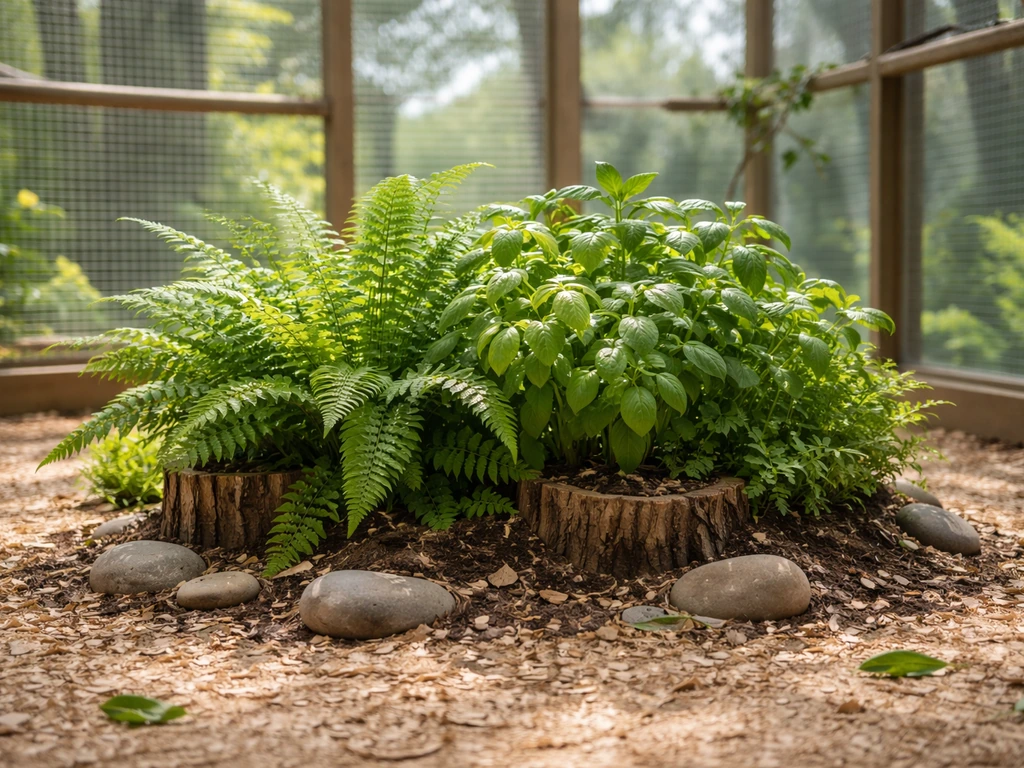
For outdoor wild bird gardening, plant toxicity is rarely an issue because wild birds instinctively avoid plants that harm them and have digestive systems adapted to handle most native berries. The toxicity concern is much more serious if you keep pet birds in an aviary or outdoor enclosure, in that case, you need to vet every plant against a resource like the ASPCA's toxic and non-toxic plant database before placing it near birds you're responsible for.
If you have a bird aviary with a safety door, use it to control access and keep both birds and plants protected aviary or outdoor enclosure. If you are wondering how much a bird aviary costs, you can budget more accurately by factoring in enclosure size, materials, and safety features. If you want specifics, you should also consider what belongs in a bird aviary, including safe materials, food and water setup, and shelter pet birds in an aviary.
Because an aviary is a controlled environment, you also need to vet specific plants for safe use around the species you keep and avoid any toxic varieties pet birds in an aviary. For the best bird aviary setup, choose plants and setup features that keep wild birds safe and thriving year-round. That's a different and more careful calculation than planting a wild bird garden.
If you're thinking about incorporating plants into a bird aviary setup, those considerations are covered in depth elsewhere on this site.
Building a complete bird-friendly habitat beyond just plants
Plants are the foundation, but they won't carry the whole load alone. Audubon Pennsylvania frames bird habitat around four key ingredients: food, water, shelter, and nesting sites. Here's how to address the non-plant pieces without overcomplicating it.
Water: the most underrated attractor
A reliable, clean water source will often attract more birds than any single plant addition. The water should be shallow, about 1 to 2 inches deep, so birds can wade and bathe safely rather than struggling with deep basins. Moving water (a dripper or small fountain) attracts birds that don't normally visit feeders, including warblers and thrushes. Clean the birdbath at least twice a week; stagnant water grows bacteria and algae fast, and dirty baths can spread disease between birds. In winter, a heated birdbath is one of the highest-value things you can add.
Shelter, perches, and dead trees
If you have a dead standing tree (snag) on your property that isn't a safety hazard, leave it. Snags provide nesting cavities, roosting spots, and foraging sites for woodpeckers who create holes that chickadees and bluebirds then use. Medium-height shrubs and small trees give birds perching spots between the ground and the canopy, and Washington Department of Fish and Wildlife notes that these mid-height plants also help birds hide nests from predators. Dense evergreen shrubs pull double duty as winter roost cover and year-round shelter.
Window safety: a non-negotiable
The more birds you attract to your yard, the more likely window collisions become. Audubon's '2x4 rule' for external window treatments recommends markings or barriers spaced about 2 inches apart horizontally and 4 inches apart vertically across any window near bird activity. Hanging feeders very close to windows (less than 3 feet) or very far away (more than 30 feet) reduces collision risk compared to the middle-distance range where birds have enough speed to do serious damage. Reflective or UV-pattern window films, external screens, and paracord strips spaced to the 2x4 rule all work.
Keep cats indoors
Audubon is direct about this: outdoor and free-roaming cats are one of the leading causes of bird mortality. If you're putting serious effort into a bird-friendly yard, keeping pet cats indoors is the single most protective thing you can do for the birds you're trying to attract. This isn't a judgment on cat owners, it's just a practical fact about ground-feeding birds and fledglings, who are especially vulnerable.
Your practical next steps
If this all feels like a lot, start small and layer in complexity over time. A yard that does three things well, provides one reliable native food plant, clean water, and nearby cover, will attract birds. Build from there. If you’re specifically planning the best bird aviary designs, also account for habitat elements like perches, nesting sites, and predator-safe shelter alongside plant choices.
- Look up your zip code in Audubon's native plant finder to get a localized plant list before you buy anything.
- Pick one plant from each category (seed, berry, nectar) that's native to your region and suited to your sun conditions.
- Add or improve a birdbath with shallow water (1–2 inches) and commit to cleaning it twice a week.
- Leave seed heads and leaf litter in place through winter—don't do a fall cleanup in bird zones.
- Check your state's invasive species list for any plants you're already growing or considering.
- Apply the 2x4 rule to any windows near your bird planting areas.
- Go pesticide-free in the areas you're developing as bird habitat, even if that means tolerating some pest damage on plants.
- If you have a pet bird and want to incorporate live plants into their space, check the ASPCA toxic plant database and review aviary-safe planting guides before making changes.
FAQ
If I only have space for a few plants, which ones should I prioritize for birds?
Start with one “anchor” native that covers your hardest need (usually winter food or nesting cover), then add 1 to 2 supporting plants that peak in a different season. For example, purple coneflower (seed in late summer into winter) plus a serviceberry or viburnum (berries for fall through winter) often creates faster results than trying to plant a full palette at once.
Can I still attract birds if I use a lot of feeders instead of adding many plants?
Yes, but do it deliberately. Use a mix of natives that mature at different heights and plant densities, then place feeder stations near but not inside clear “open field” space, with cover within about 10 to 15 feet. Avoid leaving long gaps between shrub cover and food sources, because birds still need quick escape routes.
How long does it typically take for best bird attracting plants to bring birds to my yard?
You usually will, but not always. Birds may not appear immediately, especially if insects are the missing link in your first season. New plantings often need time to establish and attract herbivores, so give it one full growing season, and focus on avoiding pesticide use during that period.
What’s the bird-friendly way to deal with insects if birds are my priority?
If you want fewer pest problems without harming birds, avoid broad-spectrum sprays, especially systemic products that persist in plant tissue. For targeted issues, remove affected leaves by hand, use a soapy water rinse for soft-bodied insects, or use physical barriers on specific plants. This keeps the insect food web working.
My yard looks great in summer, but what should I do so birds have food in fall and winter?
Choose one or two winter food species that match your conditions, then leave structure in place. The highest “bang for winter” is typically seed heads plus berry shrubs (and evergreen roost cover). Also delay cleanup until late winter so insects, leaf litter, and standing stems remain available.
How can I tell whether a plant labeled “attracts birds” is actually a good choice?
Many so-called bird plants are visually attractive but fail ecologically if they are non-native or invasive. Before planting, confirm both “native status in your county” and “invasiveness risk” on your state list, because birds can eat berries from invasives while those species displace the real insect food plants.
Why might birds ignore my plants even though I planted species that supposedly attract birds?
Pesticides and pruning timing are the most common causes. Pruning berry shrubs too late in the season can remove fruit before birds feed on it, and overcutting grasses removes seed and overwinter habitat. Also check whether your plants were chosen for the right sun and soil, because stress reduces flowering and seed production.
How should I water native bird-attracting plants, especially in the first year?
The “right” watering approach depends on establishment. For most natives, deep, infrequent watering during the first year helps roots grow, then you can reduce frequency once plants are established. Containers dry faster, so group pots and monitor moisture so plants do not become drought-stressed and stop producing food.
Is fall cleanup ever a good idea if I want birds year-round?
Cutting too early can be a big issue for birds that rely on winter seed or structure. Delay cutting coneflower and native grasses until late February to early March, leave leaf litter if it is safe for your property, and keep some dead stems standing for small seed eaters.
Where should I place seed and berry plants relative to cover and feeders?
Placement matters almost as much as plant choice. Put perches and hiding cover near feeding areas, and avoid putting all food in the open middle of a lawn. A layered layout with shrubs nearby, plus ground and front-layer plants, creates “feeding lanes” that feel safe to birds.
Can balcony or patio gardening work for birds if I use containers?
Yes, but treat it as “mini habitat,” not just a single pot with flowers. Use large containers (15 gallons or bigger) for shrubs, cluster multiple pots together, and ensure each cluster has some structure plus at least one seasonal food source so birds can forage and retreat nearby.
Is plant toxicity a concern for wild birds in a garden, or only for pet birds?
Most wild birds avoid genuinely harmful plants, but pet birds are a different risk category because they cannot self-regulate and may chew leaves or stems. If you have an aviary or outdoor enclosure, vet every plant for safety for the specific species you keep, and restrict access so wild birds can benefit without creating a risk for pets.
What’s the most practical non-plant thing I can add to increase bird visits?
Aim for both food and water, and keep water consistently available. A shallow water source (about 1 to 2 inches deep) plus frequent cleaning (at least twice a week) often attracts more species than adding another single plant. If winter is involved, a heated birdbath can dramatically improve reliability.
How do I reduce window collisions when I’m attracting more birds with plants and feeders?
Most collisions happen near active windows where birds can’t judge reflective surfaces or clear spaces. If you have feeders or dense planting within a key range, add external solutions such as screens, UV patterns, or exterior strips spaced to break up the flight path.
Next Article
What Plants Are Safe in a Bird Aviary: Quick Guide
Non-toxic plant list and safety rules for bird aviaries, including what to avoid, pest residues, and first exposure tips