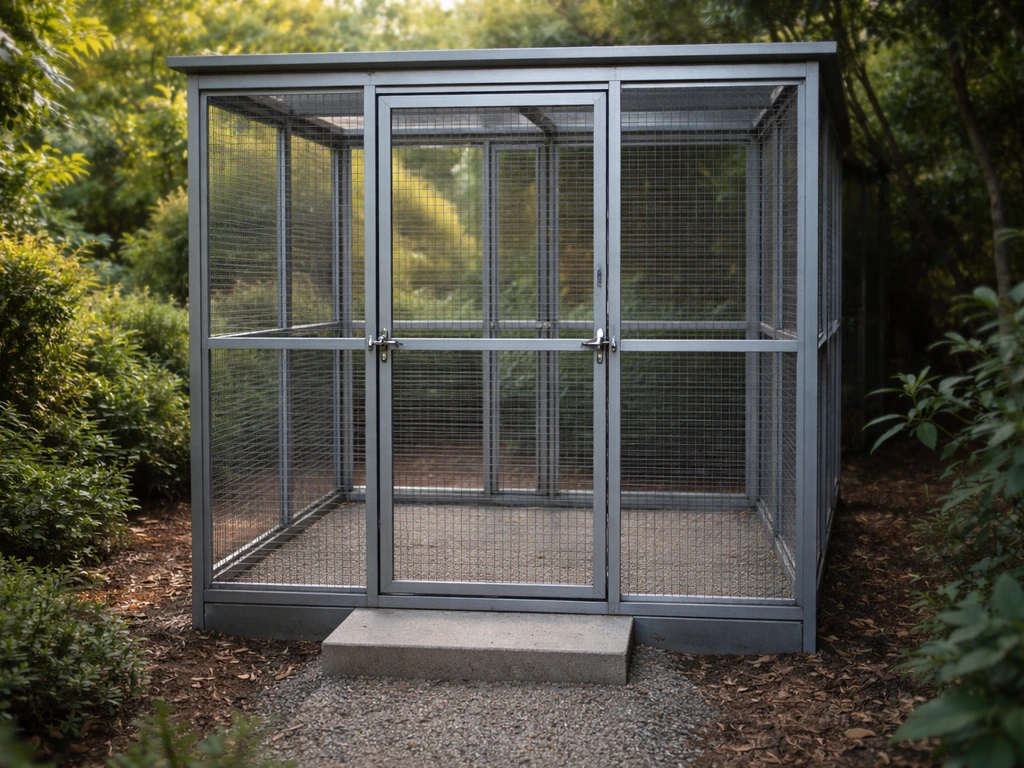
Generally safe aviary plants include spider plants, Boston ferns, nasturtiums, sunflowers, hibiscus, rosemary, basil, wheatgrass, and many grasses and sedges. Those are your go-to starting points. If you want more than just “safe,” aim for the best bird attracting plants, since the same non-toxic options are often the most enticing for foraging and perching.
What Plants Are Safe in a Bird Aviary: Quick Guide

Marcus Chen
27 May 2026
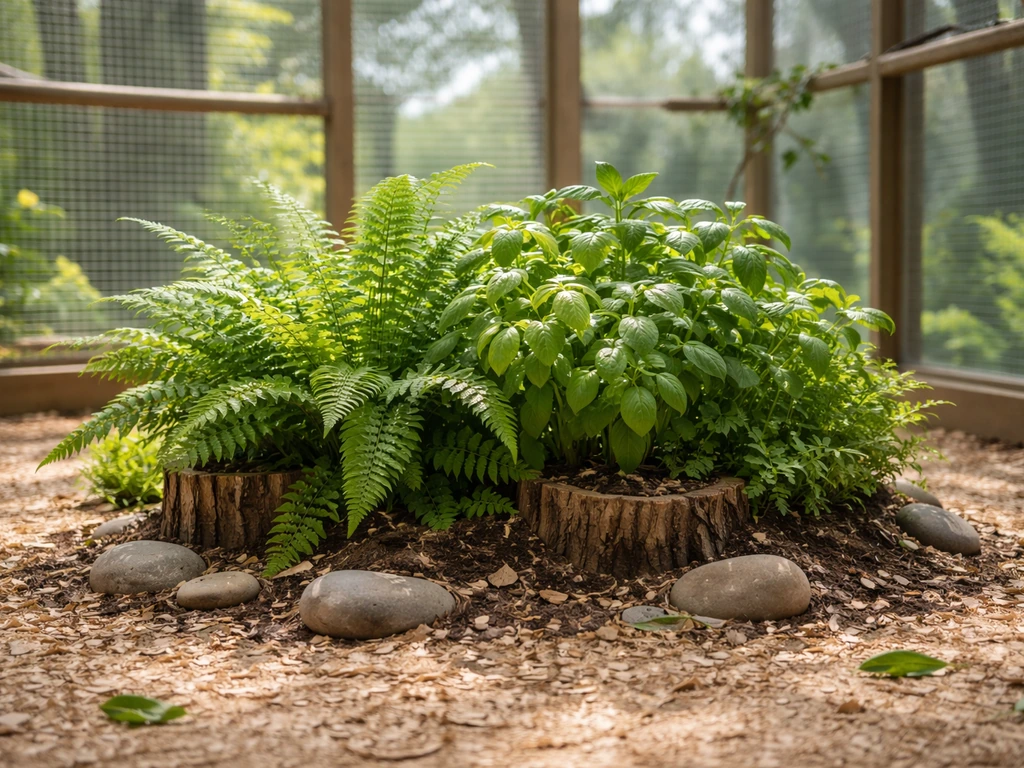
If you want the quickest path, use this guide to the best plants for bird aviary setups and confirm the exact species first go-to starting points. But 'safe' for a bird aviary means more than just 'not toxic on paper,' and some of the most popular garden and houseplants, think azaleas, lilies, and anything in the nightshade family, can be genuinely dangerous.
Getting this right matters because birds chew and forage constantly, so every plant in the aviary is basically a snack bar.
What 'safe' actually means for aviary plants
Most people treat plant safety as a simple yes/no list, and that's actually the first mistake. A plant being 'non-toxic' in a general pet database doesn't automatically make it safe in an aviary. You need to check several things at once, and if any one of them fails, the plant shouldn't go in.
Here's the checklist I use before any plant goes near my birds. Run every candidate through all of these, not just the first one.
- Toxicity: Is every part of the plant (leaves, stems, flowers, seeds, berries, roots, sap) classified as non-toxic or, at worst, producing only mild GI upset? The ASPCA Poison Control plant database is the most practical starting point, but cross-check with the Merck Veterinary Manual because mechanisms matter. For example, some plants contain insoluble calcium oxalate crystals throughout the entire plant, not just in one part.
- Chew safety: Will chewing or grinding the plant release something dangerous? Some seeds and pits contain compounds that convert to cyanide when the seed tissue is physically broken down. Apple seeds are the most famous example. A plant can look harmless until a bird grinds through a seed.
- Sap and latex: Milky or sticky saps can be skin and mucous-membrane irritants. Even if not acutely toxic, these cause enough irritation to hurt a bird's beak, eyes, or crop.
- Volatile oils and fumes: Birds have a uniquely sensitive respiratory system. Plants with strong essential oils—eucalyptus, tea tree, cedar, certain pine species—produce volatile organic compounds that birds can inhale even if they never touch the plant. Inhalation risk is separate from ingestion risk.
- Chemical residues: Was the plant grown, treated, or shipped with pesticides, herbicides, or fertilizers? A perfectly non-toxic plant sprayed with a pyrethrin-based pesticide becomes a hazard. More on this below.
- Berry and seed access: Some plants are safe except for their seeds or berries. If your birds will inevitably reach those parts, the whole plant is off the list.
- Species suitability: Is this plant appropriate for the specific species in your aviary? A plant that causes no problems for a large macaw chewing thick stems might overwhelm a small finch.
Plants that are generally safe for bird aviaries
The lists below are organized by plant type. These are plants with solid non-toxic records for birds and that hold up well under real foraging pressure. That said, always confirm the exact species name before buying, because common names get reused for unrelated (sometimes toxic) plants.
Herbs and edible plants
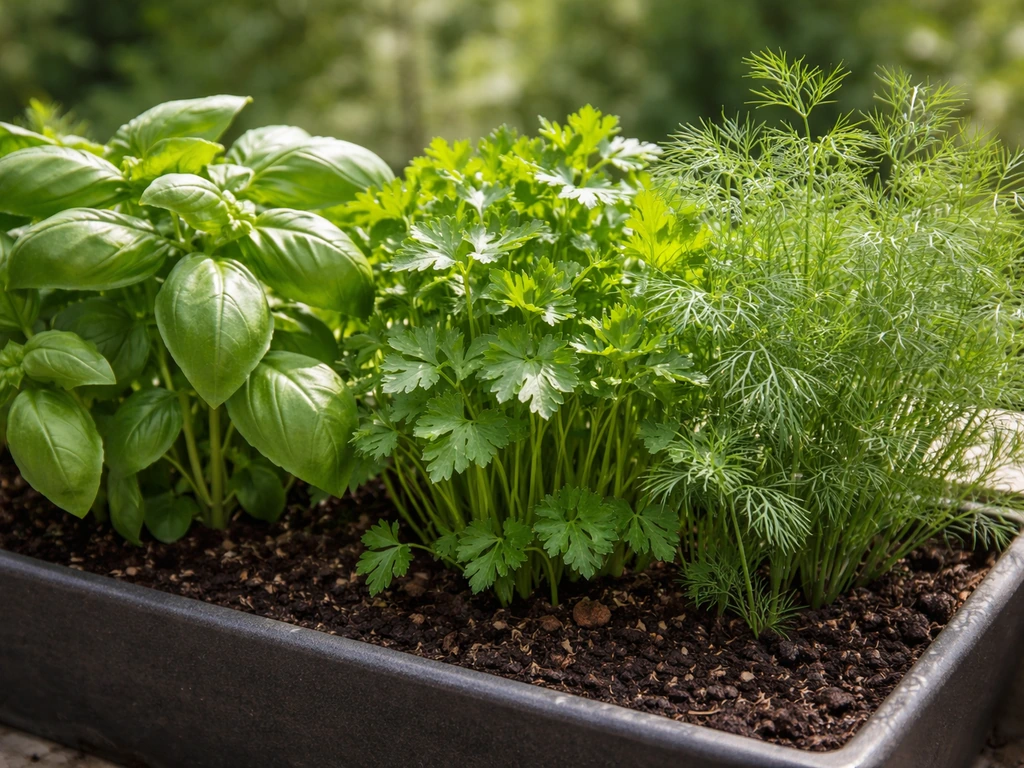
This is actually the easiest category to start with because most culinary herbs are well-studied, easy to grow, and birds love them. Basil, parsley, cilantro, dill, fennel, rosemary, and thyme are all consistently listed as safe. Nasturtiums are particularly great because the flowers, leaves, and seeds are all edible and birds will use every part. Wheatgrass and sprouted seeds (sunflower, mung bean, lentil) are also reliably safe and excellent enrichment. Chamomile works well as a ground cover option too.
Ferns and grasses
Boston fern is one of the most commonly recommended aviary plants for good reason. It's non-toxic, tolerates the humidity that often comes with outdoor aviaries, and gives smaller birds good cover. Maidenhair fern is another solid option. For grasses, ryegrass, timothy grass, oat grass, and most ornamental grasses (that haven't been treated) work well. Sedges are also generally fine. Just avoid plants sold under the umbrella name 'ornamental grass' without confirming the exact species, since a few grasses, like pampas grass, have sharp edges that can injure small birds.
Flowering plants and shrubs
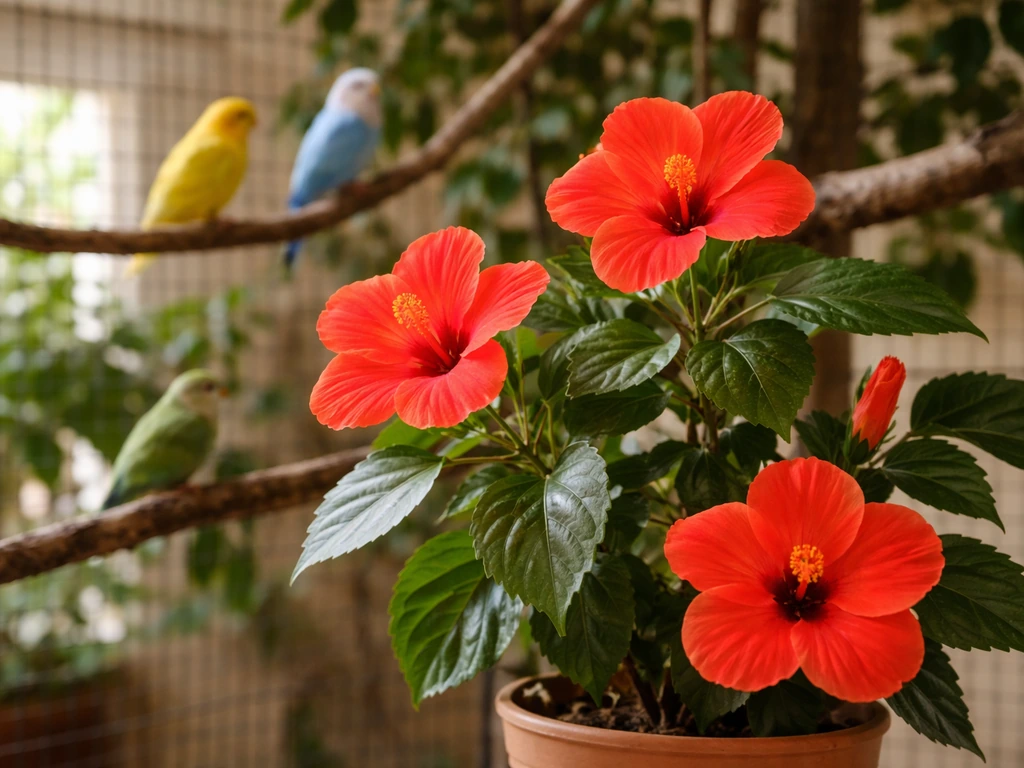
Hibiscus is one of the best aviary flowering plants available. Flowers and leaves are safe, birds interact with them enthusiastically, and they're visually enriching. Roses (without pesticide treatment) are safe, though remove thorny stems if you're housing smaller species. African violets, impatiens, and begonias are consistently non-toxic. Sunflowers are excellent because the flowers, leaves, and seeds are all safe and nutritionally valuable. Petunia, snapdragon, and marigold round out a good low-maintenance aviary garden.
Trees and shrubs (larger or outdoor aviaries)
For bigger walk-in or outdoor aviaries, you'll want some structural plants. Willow (most species), elderberry (the berries are safe but confirm the species), and fruit trees like apple, pear, and cherry are commonly used, but only include the branches and flowers, not the seeds or pits. Fig trees are popular in parrot-appropriate aviaries. Bamboo is a great structural option and birds love to forage on fresh bamboo shoots. Magnolia branches also work. When in doubt about a tree, offer only clean, untreated branches rather than the whole plant.
Plants to keep out entirely
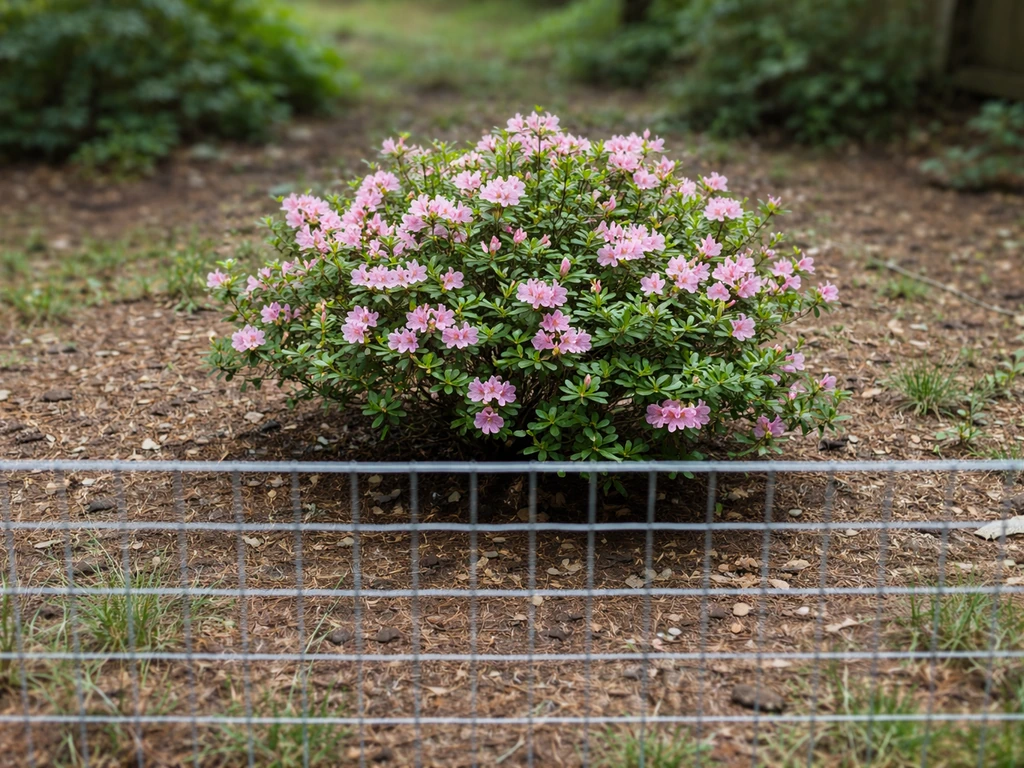
This is the list that surprises most first-time bird owners, because almost every plant on it is extremely popular in home gardens. Looking harmless is genuinely not the same as being harmless.
| Plant | Why it's dangerous | Notes |
|---|---|---|
| Azalea / Rhododendron | Contains grayanotoxins affecting the heart and nervous system | All parts toxic; very common landscaping plant |
| Lily (many species) | Highly toxic, especially to kidneys; even pollen is dangerous | Easter lily, tiger lily, day lily — none belong in an aviary |
| Nightshade family (Solanum) | Contains solanine; leaves, unripe berries highly toxic | Includes ornamental peppers and some garden vegetables |
| Lantana | Berries especially toxic; liver damage risk | Extremely common in warm climates; looks cheerful and harmless |
| Oleander | Cardiac glycosides with very narrow safety margin | All parts toxic; even smoke from burning oleander is dangerous |
| Yew | Taxine compounds; fast-acting cardiac toxin | Seeds and leaves both toxic; very small amounts can be lethal |
| Foxglove (Digitalis) | Source of cardiac glycosides; extremely potent | Same mechanism as oleander; no safe parts |
| Philodendron / Pothos | Insoluble calcium oxalate crystals throughout the plant | Very common houseplant; causes severe oral and crop irritation |
| Dieffenbachia (Dumb Cane) | Calcium oxalate crystals; can cause airway swelling | Popular office plant; all parts cause intense irritation |
| Avocado (Persea americana) | Persin compound causes myocardial necrosis in birds | Leaves, bark, pit, and skin all toxic; high fatality rate |
| Wisteria | Toxic lectins and wisterin in seeds and pods | Looks beautiful; do not plant near aviaries |
| Daffodil / Narcissus | Lycorine and alkaloids; bulbs most concentrated | All parts toxic; bulbs are especially dangerous if birds dig |
| Rhubarb | Oxalic acid in leaves; roots also contain anthraquinones | Stalks are food for people, but the leaves are toxic to birds |
| Cedar / Tea Tree / Eucalyptus | High volatile essential oil content; inhalation risk | Even indirect exposure can cause respiratory distress in birds |
A pattern you'll notice in this list: many toxic plants produce their most dangerous compounds in seeds, berries, or bulbs specifically. That's consistent with what we know about plant toxin mechanisms. When plant tissue is chewed or ground, some of those compounds activate. The Merck Veterinary Manual explains that some plant toxins become active when plant tissue is chewed or otherwise compromised, including cases where seed or leaf substances can be converted to cyanide after the plant or seed is damaged when plant tissue is chewed or ground. That's why you can't just look at a plant and decide the fleshy leaves are fine if there are seeds or bulbs birds could reach.
How to introduce plants into the aviary safely
Even safe plants need a careful first introduction. Birds are foragers by nature, and when you add something new, you don't know exactly how aggressively they'll interact with it, especially if you have active chewers like parrots or lovebirds.
Quarantine the plant first, then the bird's access
When you bring a new plant home, keep it out of the aviary for at least two weeks. This gives you time to watch for pest insects, mold, or any signs the plant was recently treated. Rinse the foliage thoroughly, let it dry, and inspect the soil (more on soil below). Only after that holding period should you consider putting it inside.
For the first exposure inside the aviary, I recommend supervised access rather than leaving the plant in full-time immediately. Let your birds interact with it while you watch. This tells you whether they're going to shred it in an afternoon (a problem with some species) or if they'll pace around it nervously for a week. Either reaction is useful information.
Enrichment versus constant free access
Plants serve two different functions in an aviary: enrichment (foraging, mental stimulation, cover) and habitat structure (perching, shelter, visual barriers). For enrichment purposes, rotating fresh-cut branches, bunches of herbs, or hanging foliage in and out is actually better than leaving a living plant in full-time. It gives birds novelty, prevents overuse of any one plant, and lets you control the condition of what they're interacting with. For habitat plants meant to stay long-term, choose hardy, non-toxic species that can handle heavy foraging and still maintain enough structure to be useful.
Soil, mulch, and chemical exposure
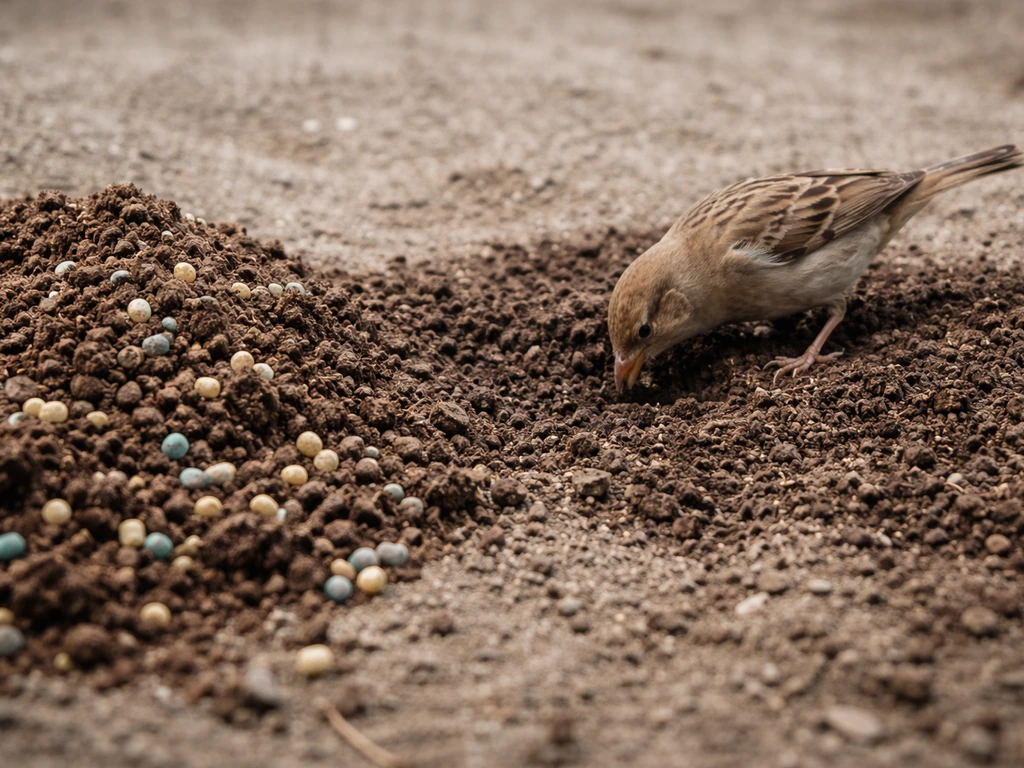
This is the part of aviary plant safety that gets skipped the most, and it's responsible for a lot of the problems people attribute to 'mystery illness.' The plant itself might be fine. The soil it came in might not be.
The soil and pot problem
Commercial potting mixes frequently contain slow-release fertilizer pellets, wetting agents, and sometimes fungicide treatments. Birds will dig. Even species you wouldn't expect to forage at ground level will poke around a pot given enough time. If your birds can reach the soil, assume they will eat some of it. Use untreated organic potting soil with no added fertilizer. Plain coconut coir or a peat-based mix with no additives is the safest option. For outdoor aviaries with ground-level planting beds, avoid any treated or amended soil unless you know exactly what's in it.
Mulch risks
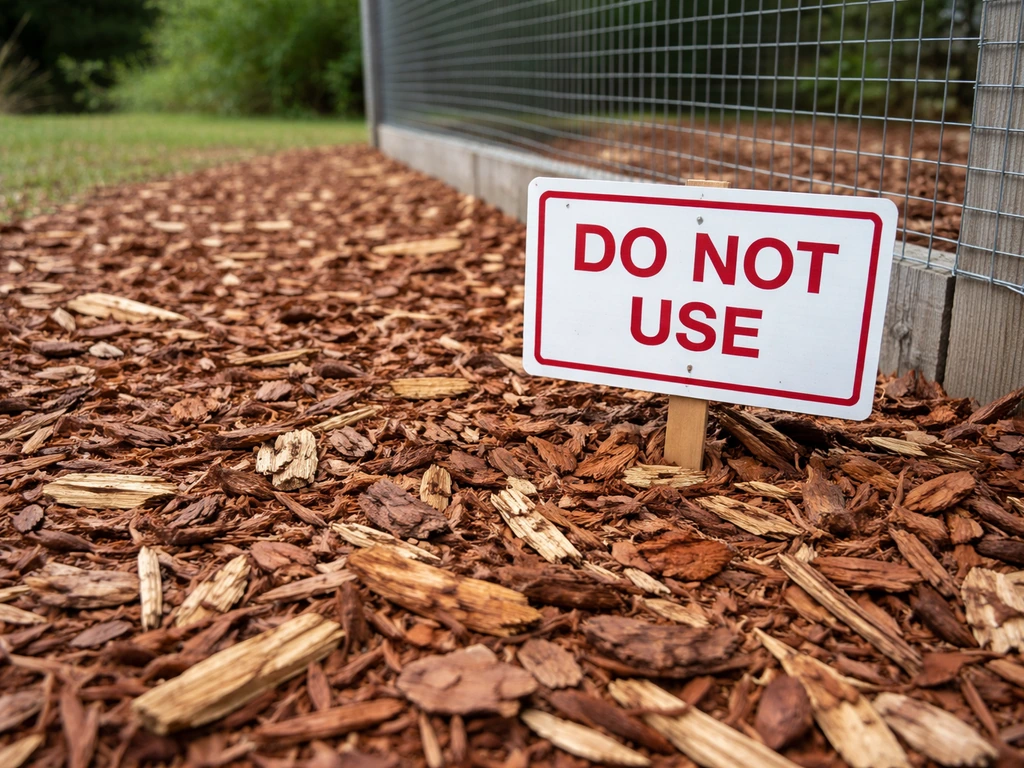
Cedar and pine mulches are common in gardens and genuinely dangerous in aviaries. Cedar especially contains volatile aromatic compounds that are both an inhalation and direct contact risk for birds. Avoid all aromatic wood mulches. Plain organic bark mulch from non-toxic tree species is less risky, but even then, mulch holds moisture and can grow mold quickly in an enclosed aviary. Bare soil, clean sand, or river pebbles are generally safer ground coverage options than mulch inside an aviary.
Pesticides, herbicides, and treated nursery plants
Birds' respiratory systems are extremely sensitive. The Merck Veterinary Manual lists pesticides and sprays among the household hazards that can cause respiratory damage in pet birds even at low exposure levels.
This means a plant that was treated with a pyrethrin spray two weeks ago and looks completely healthy is still a risk if residue remains on the foliage. Ask the nursery specifically whether the plant has been sprayed. If they can't confirm it's untreated, either grow your own from seed or rinse the plant thoroughly, repot it in clean soil, and let it grow out for at least four to six weeks before aviary use.
For outdoor-grown plants from your own garden, the same applies: stop all sprays at least six weeks before introducing any foliage to the aviary.
Aviary-specific considerations by bird type and setup
There's no single plant list that works for every aviary, because a cockatoo and a zebra finch interact with plants in completely different ways. You need to think about this from your specific species' perspective.
Heavy chewers and foragers (parrots, cockatoos, macaws)
Large parrots will destroy most plants quickly and thoroughly. For these birds, plant safety has to assume total consumption of every part, because they will eventually reach every part. Focus on hardwood branches (willow, apple, pear, eucalyptus-free alternatives) that give them something appropriate to chew. Potted herbs and grasses work well as periodic enrichment that gets fully replaced. Don't count on a living plant surviving long-term in a large parrot aviary unless it's a substantial shrub or tree they can't fully dismantle.
Smaller birds (finches, canaries, budgies, doves)
Smaller species typically interact with plants more gently, using them for cover, perching, and light foraging rather than all-out destruction. For these birds, denser foliage plants like Boston fern, spider plant, or grasses provide excellent cover and reduce stress. The main concern with small birds is hidden berries or seeds in ground-level plantings, since they'll forage at all levels and can reach things larger birds wouldn't bother with.
Outdoor vs. indoor aviaries
Outdoor aviaries introduce risks that indoor setups don't have: wild plants that grow through the mesh or drop leaves and seeds from overhead, neighboring garden sprays drifting in, and wild birds potentially contaminating plants with droppings. Check regularly for any plant matter coming in from outside the aviary perimeter. Fallen leaves from trees overhead can include species that are unsafe. Indoor aviaries have better control over what enters, but are more affected by volatile compounds from potting soil treatments and any chemical use nearby, so ventilation matters a lot.
Building a simple safe plant list for your specific setup
Start with five confirmed-safe plants that suit your bird's size and behavior, your climate, and the aviary's light levels. Get comfortable with those before expanding. When considering a new plant, always confirm the full Latin species name (common names are unreliable), run it through the ASPCA database, and check whether any part of it has a known toxic mechanism. Keep a physical or digital list somewhere accessible with the plants currently in use and when they were last checked or replaced. This small habit saves a lot of guesswork if something goes wrong.
What to do if your bird eats something questionable
First, don't wait to see if symptoms develop before calling for help. Birds can deteriorate very quickly, and with plant toxins especially, early intervention matters.
Symptoms to watch for
- Sudden lethargy, fluffed feathers, or sitting on the cage floor (these are always serious in birds)
- Labored or rapid breathing, tail-bobbing with each breath
- Regurgitation or repeated vomiting (not the normal crop regurgitation seen in mating behavior)
- Neurological signs: tremors, loss of balance, head tilting, seizures
- Beak or tongue swelling, excessive drooling, or pawing at the face (suggests oral irritants like calcium oxalates)
- Sudden behavior change: screaming, extreme agitation, or opposite extreme, total withdrawal
- Watery or discolored droppings that represent a clear change from normal
Steps to take immediately
- Remove the bird from the aviary and remove any remaining plant material so you can bring it with you or photograph it clearly.
- Identify the plant as specifically as possible. A Latin name is ideal. If you're unsure, photograph it from multiple angles including leaves, stem, any flowers or berries, and the underside of leaves.
- Call your avian vet immediately. If it's outside regular hours, find an emergency exotic vet. Many avian toxicity cases cannot wait until morning.
- Contact ASPCA Animal Poison Control at (888) 426-4435. This is a 24/7 line with specialists. There is a consultation fee, but they have specific avian toxicology knowledge.
- Do not induce vomiting or give home remedies unless specifically directed to do so by a vet. Birds' anatomy makes this risky without professional guidance.
- Keep the bird warm and calm while in transport. Stress worsens many toxicity situations.
If you're ever unsure whether a plant ingestion happened (you notice a chunk missing, or the bird has been alone near a plant), treat it as a possible ingestion and call anyway. Better to get reassurance from a professional than to wait and miss a window for treatment.
Quick reference: safe and unsafe at a glance
| Category | Safe examples | Avoid |
|---|---|---|
| Herbs | Basil, parsley, rosemary, dill, cilantro, thyme | Pennyroyal, comfrey, hops |
| Flowering plants | Hibiscus, nasturtium, marigold, petunia, sunflower, African violet | Azalea, oleander, foxglove, lantana, lily, daffodil |
| Ferns and grasses | Boston fern, maidenhair fern, wheatgrass, timothy grass, oat grass | Asparagus fern (mild toxicity), unknown ornamental grasses |
| Trees and shrubs (branches) | Willow, apple, pear, fig, magnolia, bamboo | Yew, oleander, cedar, wisteria, all avocado parts |
| Houseplants | Spider plant, begonia, impatiens, chamomile | Pothos, philodendron, dieffenbachia, peace lily, aloe |
| Soil and ground cover | Plain organic coir, untreated peat mix, clean sand | Any pre-fertilized potting mix, cedar mulch, pine mulch |
Getting the plants right in your aviary is genuinely one of the most rewarding parts of the setup once you have a solid list you trust. If you're still working out the broader question of what else to put in the aviary beyond plants, that's worth thinking through as a whole environment, not just plant-by-plant decisions.
If you are still figuring out the budget for the whole enclosure, you can use this plant safety approach to avoid costly mistakes how much is a bird aviary. If you’re wondering what to add besides greenery, focus on safe perches, enrichment toys, and clean bedding or flooring so the whole space stays bird-friendly what else to put in the aviary beyond plants.
And if you're at the earlier stage of choosing or designing the aviary itself, the plant selection question connects directly to how much light, space, and ventilation the structure provides, which affects which plants can even thrive in there. As you design the bird aviary, also plan for a safety door so you can control access and minimize stress during plant and cleaning changes choosing or designing the aviary itself.
Start small, confirm everything, and build the list up from a few reliably safe plants rather than trying to establish a full garden on day one. When you are choosing the best bird aviary designs, plan your plant choices alongside light, space, and airflow so everything stays safe and thriving.
FAQ
Is a plant safe just because it is listed as non-toxic online?
Yes. Many plants sold as “non-toxic” have safe-looking leaves but still pose risk in other parts. If your birds can access bulbs, seeds, berries, or thorny stems, you need to evaluate those parts specifically (and remove/avoid them). For example, whole-plant safety checklists can miss seed and bulb mechanisms that activate when material is chewed or ground.
How long should I wait before putting a new store-bought plant in my bird aviary?
Treat the first two weeks as an observation and contamination window. Even if the plant is naturally safe, you should assume it could carry residues (sprays, fertilizers, fungicides) or arrive with soil containing additives. Keep it out of the aviary, rinse thoroughly, dry, inspect closely, and only then do supervised exposure before any long-term placement.
Can I just rinse a plant thoroughly if I am worried it was sprayed?
Routine rinsing helps, but it does not reliably remove pesticide or fungicide residue that has dried onto foliage. The safer decision is to buy untreated plants, ask the nursery directly about any spraying, then repot into clean untreated media if you are bringing in a potted specimen. If you cannot confirm “no sprays,” grow it out under clean conditions first instead of relying on a rinse.
Why is soil sometimes more dangerous than the plant itself?
Yes, and it is a common failure point. Birds will dig, pry, or forage at pot rims and in soil, even if they usually stay higher in the enclosure. Use untreated potting media with no slow-release fertilizer pellets or additives, or switch to inert options for ground coverage (clean sand, river pebbles, or bare soil) when you can control the base environment.
Are cedar or pine mulches safe for birds?
Be cautious with anything aromatic, including cedar and pine products, even if they seem to be “just mulch” or “natural bedding.” Volatile oils and resin byproducts can irritate or harm birds through inhalation and contact. If you want ground cover, use non-aromatic materials and keep moisture controlled to reduce mold growth.
Do plant safety rules change depending on whether I have a parrot versus a finch?
No single plant rule covers all species, and behavior matters. Large parrots often destroy and consume plant material rapidly, so you need a strategy that assumes total chewing. Smaller birds may only peck and forage lightly, so denser cover plants can work well, but you still must watch for hidden berries or seeds at ground level.
What extra risks come with plants in an outdoor aviary?
If your outdoor aviary sits near neighbors, plan for drift and contamination. Check and remove fallen leaves, blossoms, and seeds from overhead regularly, and inspect plants that extend through mesh because wild growth can introduce unknown species. For outdoor risk, also consider that nearby gardens may be sprayed, and residue can settle on foliage even when you did not treat your own plants.
Why do I need the Latin species name even if I already recognize the plant?
Yes. Common names are unreliable, especially for grasses labeled generically or plants sold under broad “ornamental” categories. Always confirm the full species name, because “ornamental grass” can include sharp-edged species and some varieties with different safety profiles. When in doubt, avoid the item until you can verify the exact species and all accessible plant parts.
What is the safest way to introduce a new plant to my birds?
Use supervised, short-term access for the first introduction so you can watch for tearing, aggressive chewing, or unusual avoidance. Remove the plant promptly if you see heavy shredding, repeated attempts to dig at the pot, or persistent frantic behavior. The goal is to learn the bird’s interaction pattern before committing to long-term enrichment.
What should I do if I think my bird ate part of a plant?
If you suspect ingestion, call for help immediately rather than waiting for symptoms. Birds can decline quickly, and symptoms might not appear right away with toxic exposures. Even if you only notice missing chunks or your bird was near the plant unattended, treat it as a possible exposure and seek guidance right away.
Next Article
Bird Aviary With Safety Door: Setup and Troubleshooting Guide
Step-by-step guide to set up a bird aviary with safety door, align locks, prevent escapes, and troubleshoot sealing issu