When anglers search for a 'top water bird fishing lure,' they almost always mean one of two things: a topwater lure to use in areas where water birds are actively feeding (which is genuinely one of the best fish-locating strategies you can use), or a surface lure that imitates the same small baitfish and prey that water birds are diving after. Either way, the answer is the same: look where the birds are working, pick a topwater lure that matches the size and color of the local baitfish, and fish it with a deliberate twitch-pause cadence. That combination consistently gets bites, and the rest of this guide walks you through every detail to make it happen today.
Top Water Bird Fishing Lure: Choose, Rig, and Fish Fast

Marcus Chen
1 Jun 2026
What 'water bird fishing lure' actually means in practice
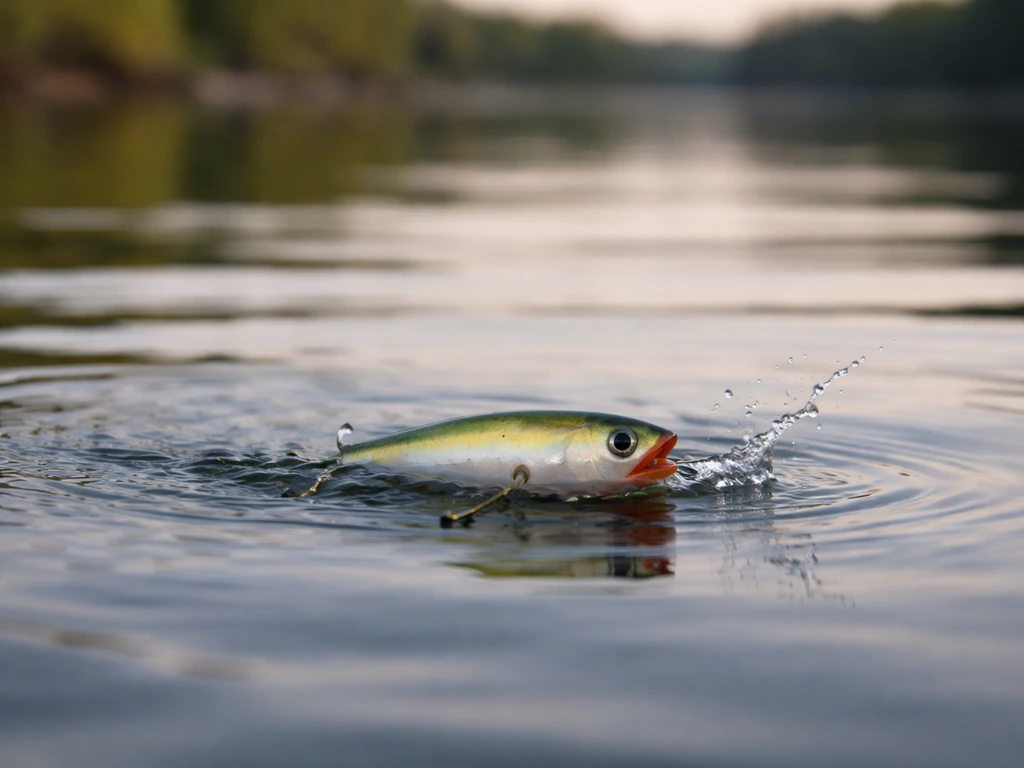
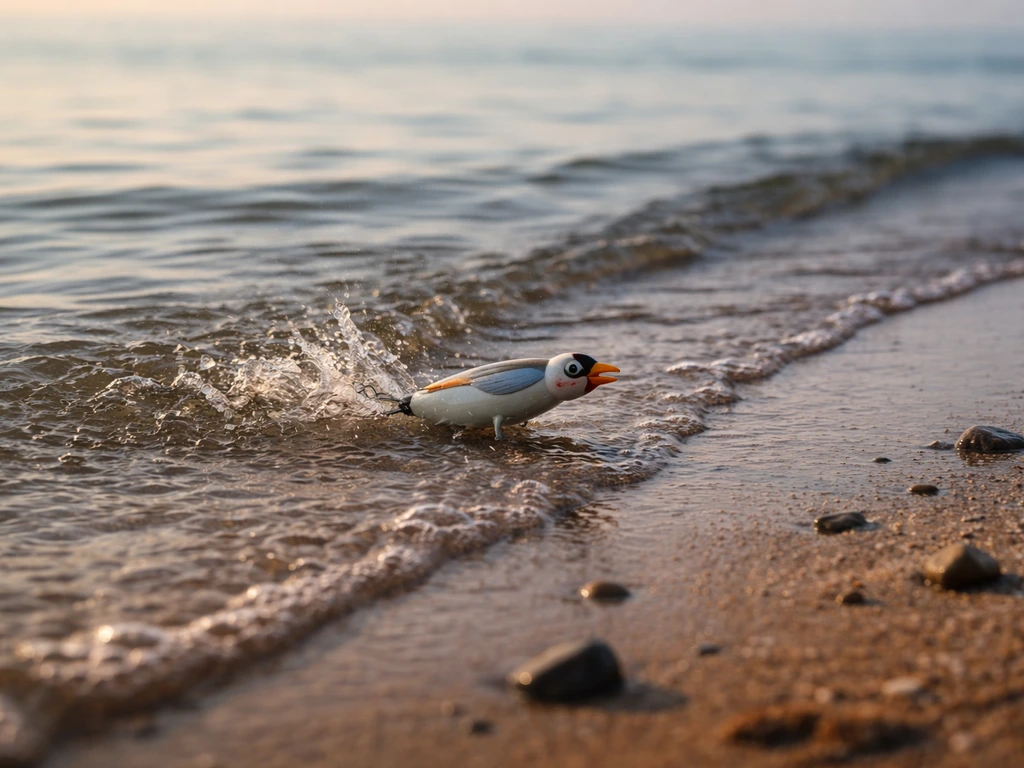
Topwater lures (also called surface lures) are designed to stay at or just below the waterline, imitating prey that predator fish can't resist: injured baitfish struggling at the surface, frogs, drowning insects, or anything creating commotion up top. The 'bird connection' is real and valuable. Experienced anglers watch for large flocks of gulls, terns, cormorants, or herons working the water because those birds are actively pointing to subsurface bait activity. When birds are diving repeatedly in one area, fish are almost certainly pushing baitfish to the surface from below. That's your casting target. The Oklahoma Department of Wildlife Conservation explicitly notes that bird flocks can 'give away' surface-feeding zones where topwater lures are most productive.
So the phrase 'water bird fishing lure' is really shorthand for two overlapping ideas: use birds as fish finders, and use a lure that works the surface the way those birds are working it. Once you connect those two concepts, your whole approach to topwater fishing gets sharper.
Choosing the right lure based on target species and water type
The single biggest mistake beginners make is grabbing any topwater lure without thinking about what species they're after or what kind of water they're fishing. A buzzbait that crushes bass in a weedy lake backwater will go completely ignored on a clear, flat river pool. Match the lure type to the situation.
Still water (lakes, ponds, coves)
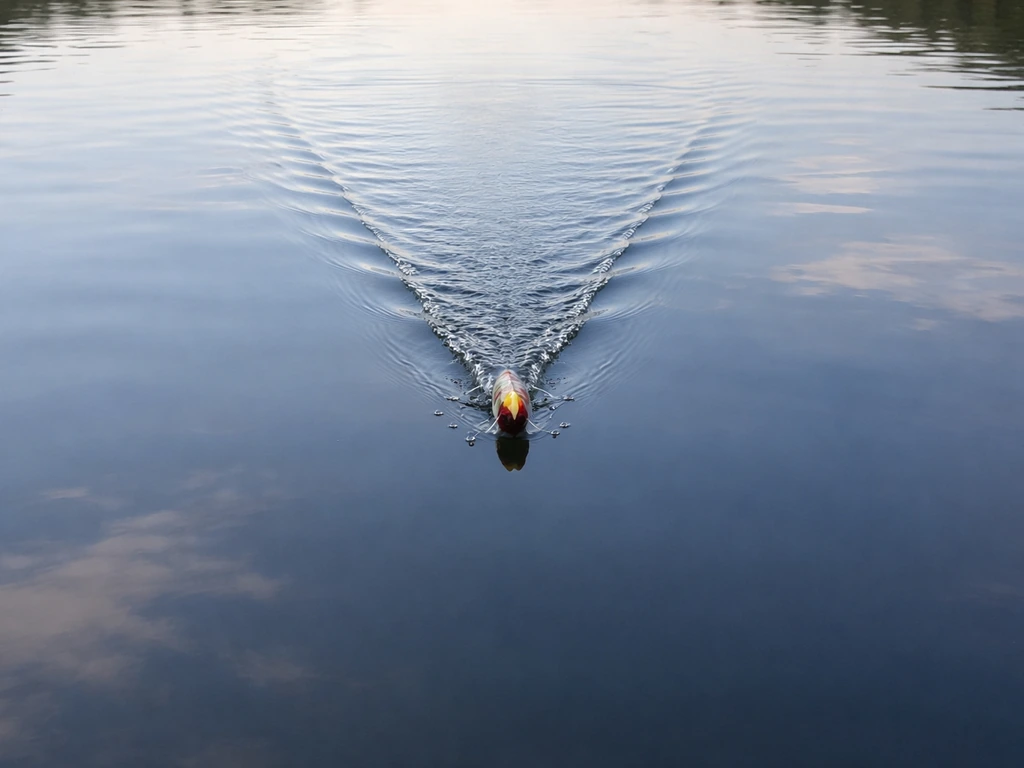
Calm, still water gives you time to work slower presentations. Poppers, walking baits (like the classic Heddon Zara Spook or similar), and ploppers all shine here. Bass, pike, and muskie respond well to surface commotion in these environments. A plopper with a rotating tail produces a rhythmic 'plop-plop' on a steady retrieve that drives fish crazy in flat water. Walking baits need a bit more skill but are incredibly effective once you get the cadence down.
Moving water (rivers, streams, current edges)
Current changes everything. Slow-sinking stickbaits, inline spinners, and streamlined walking lures work better in moving water because they don't fight the current the way a bulky popper does. Fish position behind structure (rocks, eddies, fallen timber) and ambush prey moving past. Cast upstream, let the lure drift naturally with slight twitches, and keep your rod angle high to manage slack. Pike and muskie in rivers respond strongly to topwater that imitates a struggling or panicked baitfish riding the current.
| Water Type | Best Lure Style | Target Species | Key Tip |
|---|---|---|---|
| Still / lake | Popper, walking bait, plopper | Bass, pike, muskie | Slow down more than you think you need to |
| Weedy / lily pads | Hollow-body frog, buzzbait | Largemouth bass | Fish it over cover without hesitation |
| River / current | Stickbait, inline spinner | Pike, bass, trout | Cast upstream, let current do the work |
| Open flats / schooling fish | Walking bait, pencil popper | Stripers, bluefish, bass | Match size to baitfish birds are chasing |
Lure shapes, sizes, and colors: clear water vs. stained water
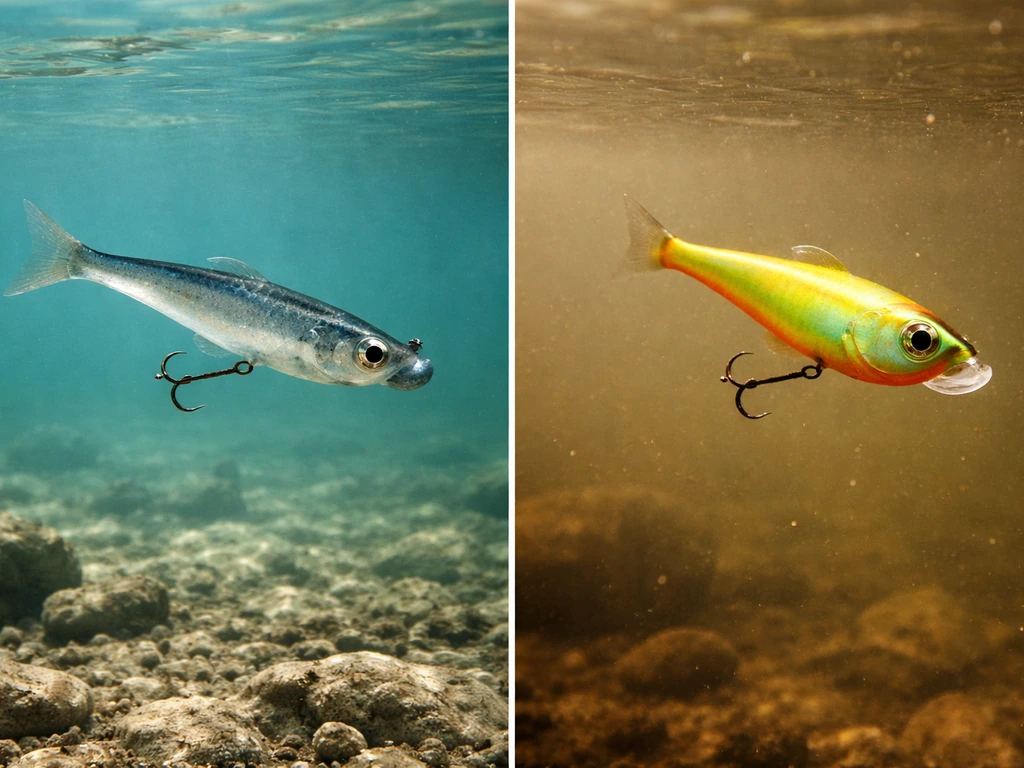
Color and size selection is where a lot of beginners overthink it. Here's the honest breakdown: in clear water, natural and translucent colors almost always outperform flashy ones. blank" rel="noopener noreferrer">A silver/white minnow profile twitched quietly on a glassy surface will trigger explosive strikes when fish can see it clearly. Pearl white, shad, and bluegill color patterns are reliable clear-water starting points. Going too big in clear water is a common mistake. Stick with lures in the 2.5- to 4-inch range for bass; go up to 5 to 6 inches for pike and muskie. A good starting point for bird hunting is typically matching your shot size to the range and the choke you’re using.
In stained or murky water, fish use noise and vibration more than sight. Switch to louder lures: poppers with a cupped face, ploppers with a rotating tail, or buzzbaits with a churning blade. Color contrast matters more here than natural realism, so chartreuse, black, or white in high contrast gives fish a clear silhouette to home in on. Size up slightly too because a bigger profile displaces more water and creates more sound.
| Water Clarity | Recommended Colors | Lure Size | Noise/Action Level |
|---|---|---|---|
| Clear | Silver, white, pearl, shad, bluegill | 2.5–4" (bass), 5–6" (pike/muskie) | Subtle, quiet walking or gentle twitch |
| Stained / tannic | Chartreuse, white, natural shad with rattle | 3.5–5" (bass) | Moderate pop or plop for vibration |
| Murky / dirty | Black, chartreuse, white high-contrast | 4–6" | Loud popper or buzzbait, max vibration |
Retrieval techniques that actually trigger strikes
This is the part nobody talks about enough. You can have the perfect lure for the conditions and still not get a single bite because your retrieve is wrong. The good news is that once you learn a few basic cadences, you can mix them up until fish tell you what they want.
Walking the dog (walking baits)
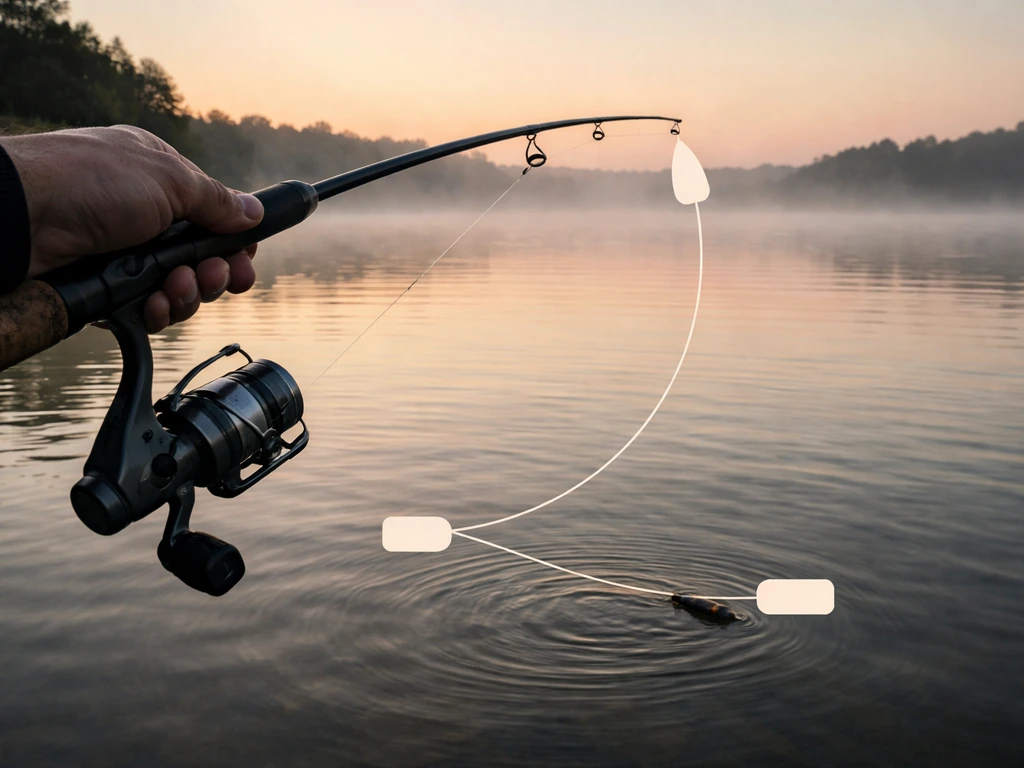
This is the foundational topwater technique. Cast out, let the lure settle for a second or two so it finds its natural position in the water (that pause alone triggers strikes), then use short, rhythmic downward twitches of the rod tip while reeling in slack. The lure should dart side to side in a zigzag pattern. Keep your rod tip low and pointed toward the water at about 90 degrees to help manage slack and nail the hookset. Short casts are actually better here: make a cast, walk it past the target zone, reel up, and repeat rather than fishing out a long cast all the way back to the boat.
Twitch-pause (stickbaits and slender walkers)
The twitch-pause cadence is brutally effective for finicky fish. Two quick twitches followed by a deliberate pause of two to five seconds keeps the lure near the surface without spooking fish and mimics an injured baitfish losing energy. In calm, clear conditions, you can even let the lure sink slightly out of sight during the pause before twitching it back up. That disappearance-and-reappearance can drive bass crazy. The key word is 'pause.' Most beginners never pause long enough.
Pop-and-stop (poppers and chuggers)
Poppers need a sharp upward or sideward rod twitch to spit water and make that signature 'pop' sound. When bass are actively chasing shad on the surface, a brisk sliding or popping retrieve works well. In slower conditions, work it more patiently: pop it once or twice, let it sit next to a target area (dock piling, log, grass edge), and let it bob for a few seconds before moving it again. Some of the most explosive strikes happen during that dead-still pause.
Steady retrieve (buzzbaits and ploppers)
Buzzbaits and ploppers run on a straight steady retrieve. The trick is keeping the lure at the exact surface tension: reel too fast and it rides unnaturally high, too slow and it sinks. Start reeling the moment it hits the water to keep the blade or tail churning. Vary your speed slightly until you find the pace that keeps it working correctly. These are probably the most beginner-friendly topwater lures because there's less technique required and they produce a consistent sound that attracts fish from a distance.
Live bait vs. artificial lures: which one actually wins?
Here's the honest answer: research comparing live bait and artificial lures for largemouth bass shows that live bait tends to produce fewer but larger fish in some conditions, while artificial lures often generate more total strikes and action. For topwater fishing specifically, artificial lures win almost every time because live bait cannot be worked at the surface the same way. The visual excitement and triggering action of a topwater lure is the whole point.
There are situations where live or scented bait makes sense near the surface, like using live shad on a float or adding a scent product to a soft plastic surface lure. Scented lures (like those using formulations similar to Berkley MaxScent) can help in colder or post-cold-front conditions when fish are sluggish and reluctant to commit. But for the active, visual, explosive-strike experience that topwater fishing near bird activity is all about, stick with artificials.
Common mistakes beginners make
- Setting the hook too hard with treble-hooked lures: a firm sweep is enough, not a full power hookset that rips the hooks out of the fish's mouth
- Not pausing long enough: a two-second pause feels like an eternity to a beginner but is completely normal and necessary
- Using a lure that's too big for the local baitfish: match the size of what birds and fish are actually chasing
- Fishing the lure all the way back to your feet: most strikes happen in the first half of the retrieve, near the target zone
- Ignoring the wind: topwater works better with light chop than in dead calm conditions on heavily pressured waters, so don't give up on windy days
Gear setup: rod, reel, line, and rigging
You don't need a specialized rod for topwater, but the right setup makes a real difference. A 7-foot moderate-fast action baitcasting or medium-heavy spinning rod gives you enough sensitivity to feel the lure's action and enough backbone to control a hookset without pulling the treble hooks free. Pair it with a reel in the 6.3:1 to 7.1:1 gear ratio range so you can pick up slack quickly after a strike.
For line, 30 to 40 lb braided line is the go-to for topwater fishing. Braid floats, has zero stretch for immediate hooksets, and transmits the lure's action directly to your rod tip so you always know what your lure is doing. Add a short 12- to 18-inch monofilament or fluorocarbon leader (15 to 20 lb test) to absorb some shock and reduce line visibility near the lure. To stabilize and steady your shots, choosing a monopod vs tripod for bird photography can make a big difference when you are tracking fast-moving subjects monofilament. Fluorocarbon sinks slightly, which can actually work against some topwater presentations, so mono is often the better leader choice here.
Hook and weight choices
Most hard topwater lures (poppers, walkers, ploppers) come pre-rigged with treble hooks. Check that the hooks are sharp before you fish. Upgrading to short-shank, wide-gap trebles in a size appropriate to the lure body is worth it on any lure you'll fish repeatedly. For hollow-body frogs and soft surface lures, use a wide-gap EWG (extra-wide gap) hook in size 3/0 to 5/0 depending on lure size. Avoid adding weight to floating lures: if your lure doesn't float naturally, your rigging is wrong, not the lure.
Rod angle and hookset timing
Keep your rod tip low and aimed at roughly 90 degrees toward the water while working a walking bait. This keeps line management clean and sets you up for a lateral sweep hookset rather than a sharp vertical yank. The biggest timing mistake beginners make is setting the hook the instant they see a swirl or hear a splash. Wait until you feel the weight of the fish on the line before you sweep. Fish often miss on the first strike and come back immediately, so a premature hookset on the swirl pulls the lure away from the fish.
Safety, legality, and respecting wildlife when fishing near birds
This part matters more than most fishing articles let on. Fishing near water birds is productive, but it comes with real responsibilities to the animals sharing that water with you.
Lead tackle: the one change that makes the biggest difference
Lead sinkers and jigs are genuinely dangerous for water birds. Loons, swans, herons, eagles, and other waterbirds ingest discarded lead tackle directly or by eating contaminated fish, and even a single lead sinker can kill a loon. A U.S. Geological Survey study examined over 2,200 waterbirds across 28 species and found ingested lead fishing weights in multiple states including California, Florida, Maine, and Wisconsin. Maine's IFW and the Minnesota DNR both specifically recommend switching to non-lead alternatives: tungsten, tin, bismuth, steel, or ceramic sinkers and jig heads. This is not a minor issue for wildlife, and it's increasingly a legal one in many states and federal waterways.
For most topwater fishing, this is a non-issue because you're not using weighted sinkers on a topwater presentation. But if you add split shots, use weighted hooks, or fish any jig alongside your topwater work, go lead-free. The performance difference between tungsten and lead is negligible, and the wildlife impact difference is not.
Fishing line and entanglement risks
Monofilament line abandoned in the water or along the bank is one of the leading causes of wildlife injury near water. Birds, turtles, and other animals become entangled and can die from it. Never leave cut line in or near the water. Pack it out, or use a line recycling container if your local boat ramp has one. Treble-hooked topwater lures can also snag birds that dive near your lure: if a bird is actively working your area, pause your retrieve until it moves away.
Nesting and disturbance laws
The U.S. Fish and Wildlife Service notes that fishing and boating activity near waterfowl nesting sites can cause nest abandonment and increased predation on young, even if the disturbance seems minor. During spring nesting season (generally March through June), keep distance from any visible nest sites on banks, islands, or emergent vegetation. If birds are acting agitated near your fishing spot, they may be nesting nearby and you should move to another area. Many species including loons, herons, and egrets are protected under the Migratory Bird Treaty Act, which makes intentional harassment illegal regardless of the context.
Your quick-start buying checklist and beginner picks
If you're walking into a tackle shop or opening a browser window today, here's exactly what you need to get started with topwater fishing near water bird activity. You do not need to buy everything on this list: three or four solid lures plus the right line setup will cover most situations.
Essential gear checklist
- Rod: 7-foot medium-heavy moderate-fast action casting or spinning rod
- Reel: 6.3:1 to 7.1:1 gear ratio, baitcaster or spinning depending on your preference
- Main line: 30 lb braided line (floating braid preferred for topwater)
- Leader: 12–18 inches of 15–20 lb monofilament tied to a small snap swivel or direct loop knot
- Lures: one walking bait (white/silver), one popper (shad or chartreuse), one plopper or buzzbait for murky water
- Hooks: spare trebles in matching size to your lures; 4/0 EWG hook if you're using frogs
- Non-lead weights: tungsten split shots or jig heads if you fish any bottom presentations alongside your topwater work
- Line clippers and forceps/pliers for hook removal
Beginner-friendly starter lure picks
For a walking bait, the Heddon Zara Spook (3.5 inches, bone or chrome) is the benchmark that every other walker is measured against. It's forgiving to learn on and catches fish everywhere. For a popper, the Strike King KVD Popping Perch or a Rebel Pop-R in shad color is easy to work and loud enough to call fish from a distance. For a plopper-style bait, the River2Sea Whopper Plopper 90 is one of the most foolproof topwater lures ever made: straight retrieve, consistent action, and fish from bass to pike eat it without hesitation. For frog fishing over heavy cover, a BOOYAH Pad Crasher in black or white is a reliable, affordable starting point.
If it's not working: quick troubleshooting
- Slow down your retrieve: beginners almost universally work topwater too fast
- Add longer pauses: try a full 3–5 second pause after every two twitches
- Downsize: if fish are swirling but not committing, drop to a smaller lure profile
- Change color: in clear water, go more natural; in stained water, go higher contrast
- Move to where the birds are: if you're not seeing surface activity, find the birds working the water and fish underneath them
- Check your leader: a heavy or visible leader can spook fish in clear water; drop to 12 lb mono or switch to a shorter leader
The most important thing is to start simple and pay attention. Topwater fishing is one of the most visual and exciting ways to catch fish, and using bird activity as your guide is one of the smartest strategies you can build into your routine. If you want the best camera setup for bird photography, focus on a long telephoto lens, fast autofocus, and a shutter speed high enough to freeze quick wing and head movements. If you want the best bird pole setup, match your rod to the topwater conditions and fish where birds are actively feeding bird activity. Once you've got your rod angle, your cadence, and your lead-free tackle dialed in, you'll wonder why you ever fished any other way.
FAQ
If I see birds working a spot but my topwater lure keeps missing, what should I change first?
When birds dive and you get no strikes, it is often a depth and cadence mismatch. Try pausing 3 to 5 seconds longer than you think, then switch to a quieter presentation (walking bait or popper with shorter pops). Also re-aim, birds may be feeding a moving bait school, so shorten your cast length and work the lure across the bird’s “working” zone instead of straight out and back.
How do I adjust color when the water is clear and the birds are feeding but fish won’t commit?
In clear water, a lure that is too bright can spook fish, especially right under the surface. Start natural or translucent colors, and if you still get refusals, reduce lure size by about 0.5 to 1 inch, then add contrast only with subtle patterning. Keep your cadence consistent for a full minute before changing speed, so you do not teach the fish to ignore the lure.
What is the correct timing and direction for a topwater hookset to reduce missed strikes?
Topwater hooksets should be delayed, but not endless. Wait until you feel head-shaking or steady weight, then sweep firmly to the side (walking baits) or drive upward and slightly back (poppers). If you miss repeatedly, check hook sharpness first, then consider swapping to short-shank wide-gap trebles (or correct EWG size for frogs) to improve penetration.
My topwater lure tangles during pauses. What rigging or technique issue is most likely?
If your lure keeps fouling or hanging up during pauses, your rod angle and line slack are usually the cause. Keep the rod tip low and pointed toward the water (about 90 degrees for walkers) and manage slack immediately during the pause, so the fish does not pick up line and turn away with the lure. Also confirm your treble sizes are not oversized for the lure body.
Can birds indicate fish feeding depth, and should I switch lure types based on that?
Yes, you can use bird activity as a starting point, but waterbirds can draw predators to different depths than your lure imitates. If birds are diving shallow, slow-sinking stickbaits or sub-surface jerkbaits may outperform true surface lures. If birds are skimming and pecking at the surface, stick with poppers, walkers, or ploppers.
What leader setup works best for topwater when I might have pike or other bite-through species?
Use a leader length and material that matches your goal. Mono is typically better for most topwater because it floats slightly and does not pull your lure down during pauses. If you are targeting pike in clear water, consider a short wire or heavy fluorocarbon leader (still keeping it short enough, often 10 to 20 inches) because pike bite-through failures can look like “no bites.”
How do I set the retrieve speed so a buzzbait or plopper stays at the correct depth?
For buzzbaits and ploppers on top, the key is surface tension control. If they ride too high and look unnatural, speed up slightly, if they sink or “lay over,” slow down a touch. Then keep the speed change small and only adjust while the lure is in open water, do not tune it during heavy weeds where drag masks the true action.
Why am I getting short strikes or no landed fish even when I see a hit?
If you are getting short strikes, you may be spooking fish by popping too hard or setting hooks too early. Reduce pop intensity, increase pause time by 1 to 2 seconds, and wait for solid weight before the hookset. Also make sure treble hooks are sharp and aligned, dull hooks and mis-positioned trebles are a common reason for “they hit it but nothing lands.”
What changes when topwater fishing in moving water versus calm water?
For rivers with current, cast upstream and control drift by maintaining a steady rod angle. Too much slack makes the lure skip ahead of where the fish are ambushing. If your lure is constantly washing out of the target zone, shorten the cast and work a wider angle across eddies and seams, where prey concentrates.
If I use any added weight with my topwater rig, do I need to avoid lead 100% of the time?
It is possible to fish “near birds” without worrying about lead if you avoid adding split shots or weighted jigs to the topwater presentation. If you use a float rig or add weight, switch to tungsten or other non-lead options. The performance difference is usually negligible, but the wildlife impact is the point, so treat lead as a default no.
What is the best way to prevent line and lure-related wildlife hazards while topwater fishing?
Cut line is a hazard even when it looks harmless. Always store leftover line in a pocket or container, and if you retie often, do not “break and drop” tags near the bank. If you are using a boat, keep a small trash bag or line recycling container close by, so you never end up leaving line behind during quick anchor or lure changes.
How can I tell if I am too close to nesting birds, and what should I do immediately?
During spring, avoid nest sites and aggressive staging behavior. If birds are acting agitated, close distance and repeated dives can trigger nest abandonment and increased predation. A practical rule, if birds change their behavior right after you arrive and keep doing it, move to another area rather than trying to “outfish” the disruption.
Next Articles
Best Bird Pole Guide for Beginners: Choose, Install, Safe Setup
Pick the best bird pole for your bird’s size. Safe features, installation tips, and style comparisons for beginners
Monopod vs Tripod for Bird Photography: Which to Choose
Choose monopod or tripod for bird photos with clear use cases, specs to buy, and field-ready shooting tips for sharp res
Best Camera Setup for Bird Photography: Field Guide
Step-by-step camera and settings guide for bird photography, from lens choice and AF to field presets for sharp keepers.