For most beginner bird owners, the best bird pole is a natural wood perch or play stand with a diameter matched to your bird's foot size, mounted securely inside the cage at mid-to-upper height, with a second freestanding tabletop or floor stand for out-of-cage time. That combination covers the two things your bird actually needs: a reliable home base inside the cage and a safe spot for socializing and training outside it. Everything else is a matter of species, space, and budget.
Best Bird Pole Guide for Beginners: Choose, Install, Safe Setup
Marcus Chen
30 May 2026
What a bird pole actually is (and what people use them for)
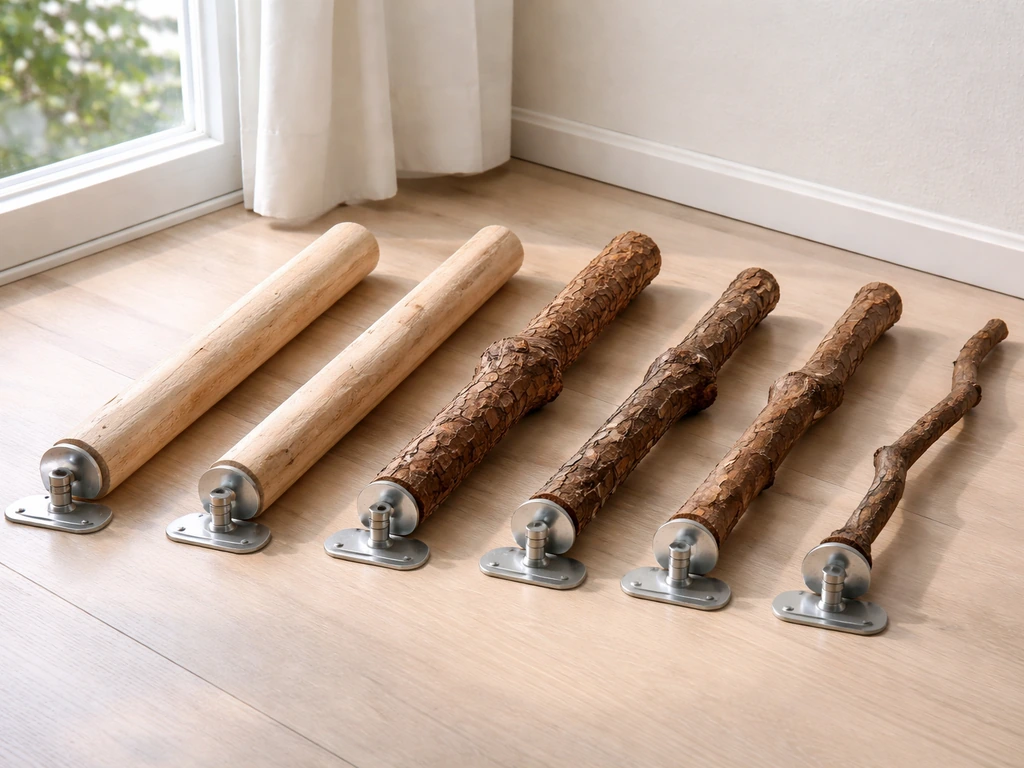
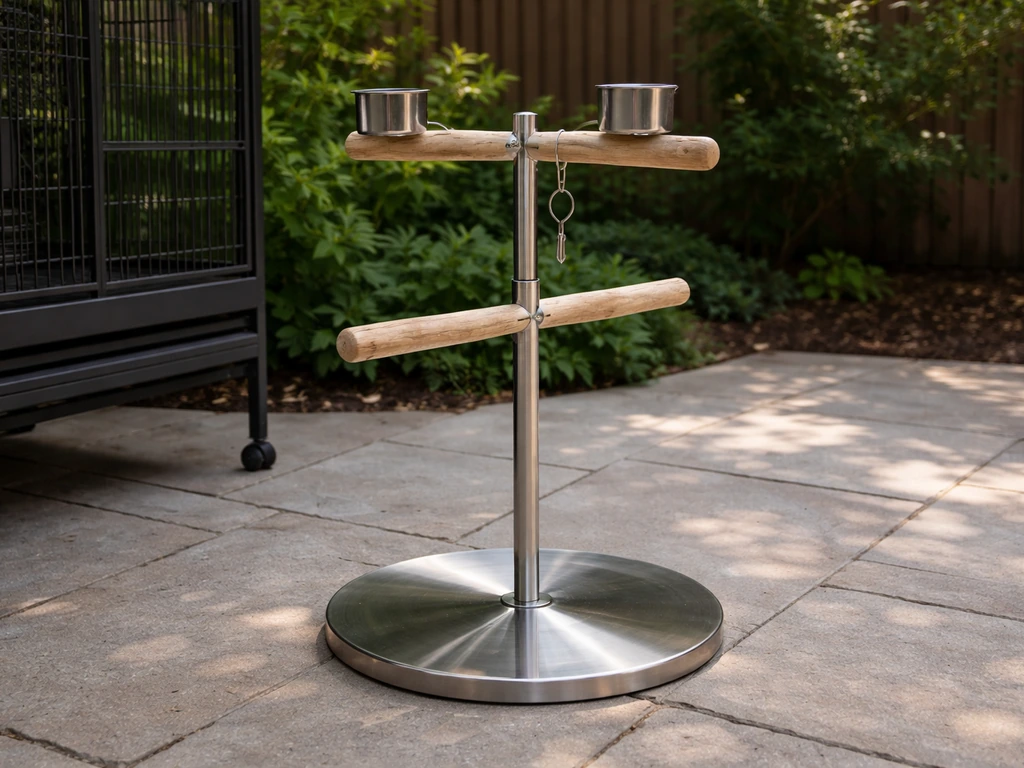
The term 'bird pole' gets used for a few different things, and knowing which one you need saves a lot of confusion. At the most basic level, a bird pole is any perch, stand, or pole-style mount that gives your bird somewhere to sit, climb, or station itself. Inside the cage, these are standard perches: horizontal rods or branches mounted between the cage walls. Outside the cage, they become play stands or training poles: freestanding structures, tabletop perches, or tall floor-mounted stands that give your bird a place to hang out during out-of-cage time.
Perches do a lot more than just give a bird somewhere to stand. Birds use them as a home base for surveying the room, as a surface to groom and condition their beak, and as a launching point for movement. That means the wrong perch doesn't just cause discomfort. It can affect behavior, foot health, and how settled your bird feels in its environment. Play stands and training poles add another layer: they give you a neutral space outside the cage for handling, training cues like 'step up' and 'stay,' and enrichment. If you're doing any training with your bird, a dedicated training stand or tabletop perch makes that process significantly easier.
Choosing the right bird pole for your species and size
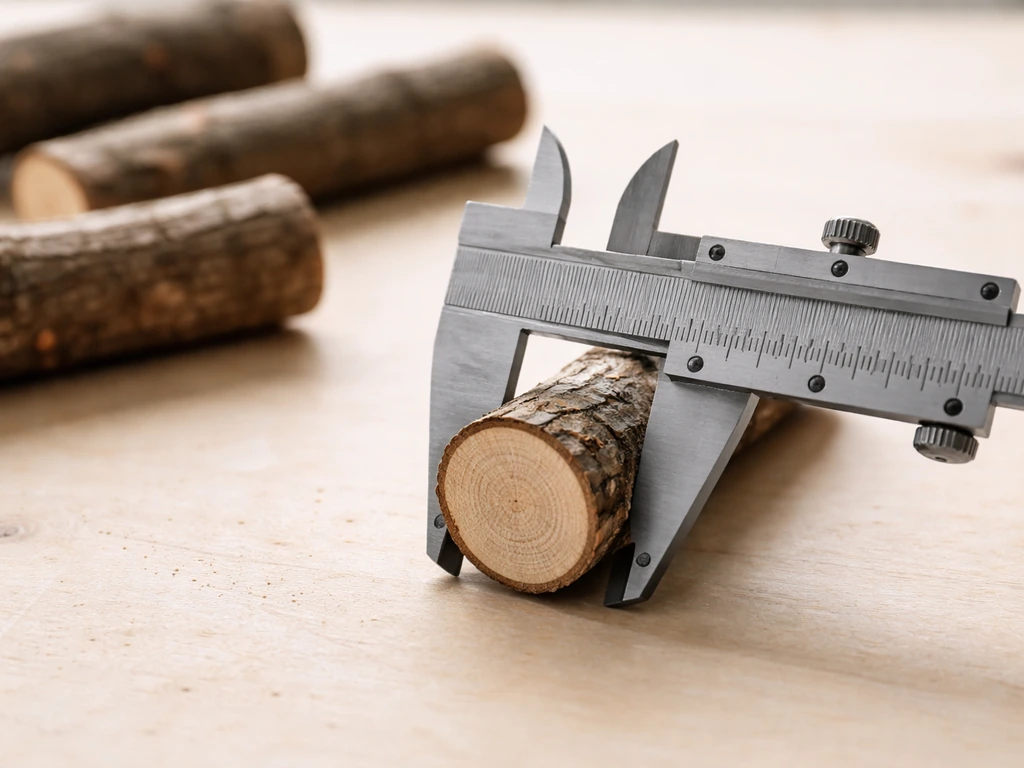
Diameter is the single most important spec to get right, and it's the one most beginners ignore. The rule of thumb is that your bird should be able to wrap its feet about halfway around the perch. For a bird that you hunt with, use shot size charts for the specific species and shot-shell gauge you’re using, since the right choice depends on range and target what size shot for bird hunting.
For parakeets and budgies, that usually means somewhere between 1/4 inch and 1/2 inch in diameter. For cockatiels, you're looking at roughly 1/2 to 3/4 inch. Conures need a bit more, typically 3/4 to 1 inch. Larger parrots like Amazons or African Greys need 1 to 1.
5 inches or more. If the perch is too small, the bird's toes curl under and pressure concentrates at the bottom of the foot, which is how you end up with pododermatitis (bumblefoot) over time. If it's too large, the bird can't grip properly and strains its legs.
Beyond diameter, think about how many perches you're setting up inside the cage. A practical framework that works well is distributing perches at different heights and with slightly different diameters so your bird's feet work different muscle groups throughout the day. Aim for at least three to five perches inside: one higher-up sleeping perch, a couple of mid-level travel perches, a perch near the food and water bowls, and one near toys for activity. This layout keeps birds moving between levels rather than sitting in one spot all day.
| Bird Species | Suggested Perch Diameter | Stand Type to Consider |
|---|---|---|
| Finches / Canaries | 1/4 inch or less | Cage perches only; small tabletop stand |
| Parakeets / Budgies | 1/4 to 1/2 inch | Cage perches + small tabletop training stand |
| Cockatiels | 1/2 to 3/4 inch | Cage perches + tabletop or small floor stand |
| Lovebirds / Parrotlets | 3/8 to 1/2 inch | Cage perches + tabletop stand |
| Conures | 3/4 to 1 inch | Cage perches + medium floor play stand |
| Amazons / African Greys | 1 to 1.5 inch | Cage perches + large floor-mounted play stand |
Safety checklist before you buy or install anything
This is the section most beginners skip, and it's where the costly mistakes happen. Run through this list before you put any perch or pole in or near your bird's space.
Materials
The safest hardware for any bird product is stainless steel. It's non-toxic, easy to clean, and doesn't corrode. For bird items, stainless steel is generally recommended because it is non-toxic and easy to clean, while zinc-coated or galvanized parts should be avoided [It's non-toxic, easy to clean, and doesn't corrode. ](https://www.
pethealthandnutritioncenter. com/blogs/natural-pet-health-education/bird-toy-safe-and-unsafe-material). Avoid anything zinc-coated or galvanized. Zinc and lead are genuinely toxic to birds, and those coatings are common on cheaper hardware and cage components.
For the perch itself, natural untreated wood is ideal. Grapevine is widely regarded as one of the best natural perch materials because of its texture and grip. Manzanita is another popular and durable choice. Whatever wood you use, make sure it hasn't been treated with pesticides, stains, or varnishes.
'Natural' on a label doesn't always mean untreated, so buy from bird-specific suppliers when possible.
Stability
A wobbly perch is more than annoying. It stresses birds out and can cause falls or injuries. Inside the cage, perches should be mounted securely between bars with the correct hardware. For freestanding play stands and floor poles, check that the base is wide and heavy enough that your bird's movement won't tip it over. Larger birds especially will test the limits of cheap stands quickly.
Foot health and surface safety
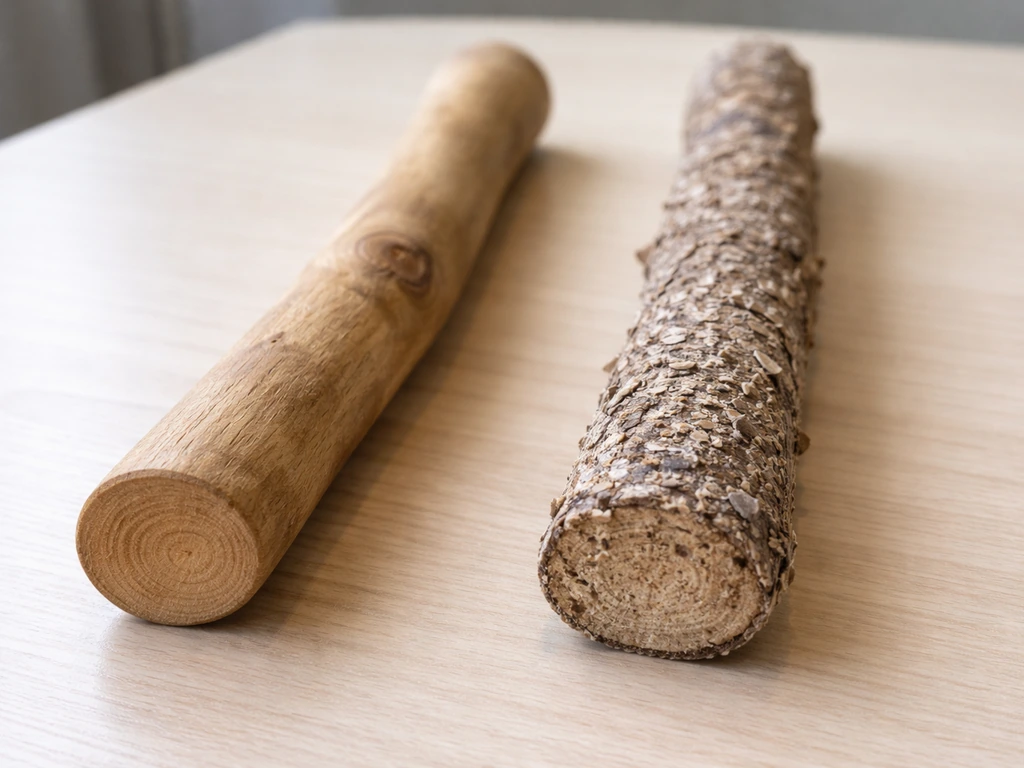
Rough or hard uniform surfaces are a leading cause of bumblefoot in pet birds. The problem isn't texture per se. It's when the surface creates abnormal, concentrated pressure on one part of the foot over and over. Variety in diameter and texture across multiple perches is what prevents this. Avoid sandpaper-covered perches entirely. They're marketed as nail trimmers, but they cause far more foot damage than they prevent. Rope perches made from natural cotton or hemp can be fine, but inspect them every day for frays and loose fibers. A tangled toe or leg is a veterinary emergency.
Spacing and entrapment risk
For small birds like finches, canaries, parakeets, and lovebirds, cage bar spacing should not exceed 1/2 inch. This matters for perch placement too: any external attachment, corner mount, or accessory you add to the cage creates new gaps and angles that a small bird can get a foot, toe, or head caught in. Check every mount point before introducing your bird. Make sure talon-sized gaps are eliminated or covered.
Where to put the pole: inside the cage vs. outside
Inside the cage
Position perches at varying heights, but keep the highest perch at least a few inches below the cage ceiling so your bird doesn't feel cramped. Never place perches directly above food or water dishes. Droppings contaminate the bowls constantly when you do, and cleaning frequency goes way up. Space perches so birds can hop between them without being forced to land on food dishes or toys. In a well-set cage, a bird should be able to move from perch to perch without squeezing past anything or knocking things over. For small birds, don't overcrowd: two to three well-placed perches in a compact cage beats five crammed-in ones.
Outside the cage: play stands and training poles
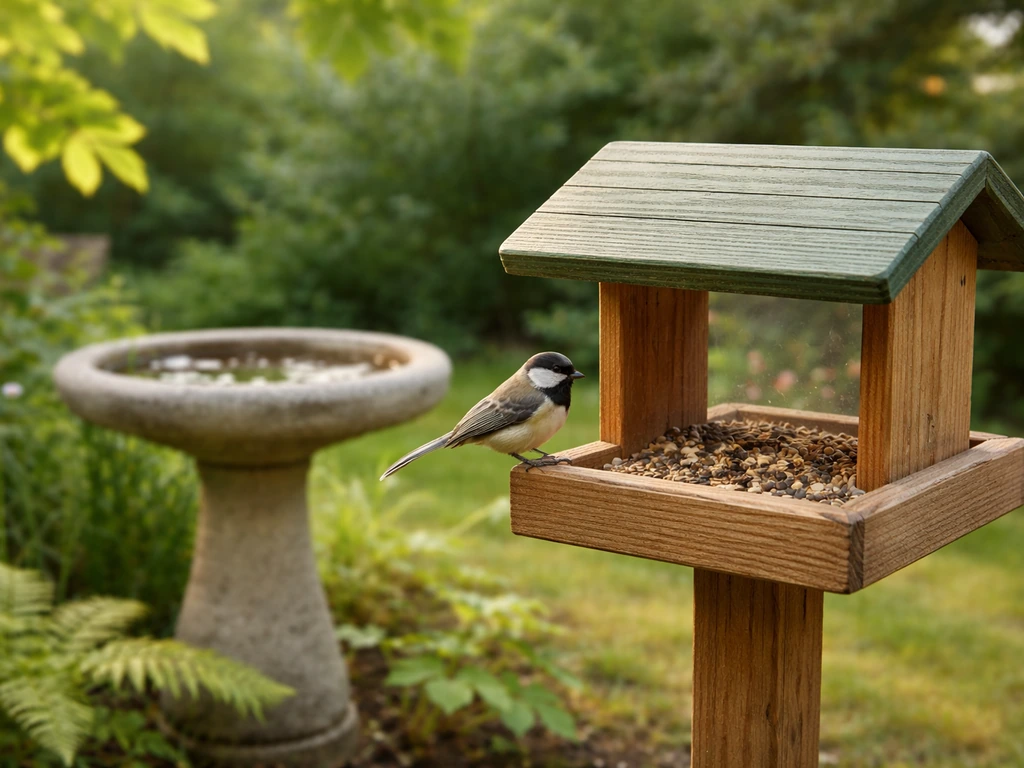
A floor-standing play stand or tabletop perch gives your bird a dedicated out-of-cage zone. This is where training, socialization, and extended interaction happen most naturally. Place the stand in a room where your bird can see you and hear household activity without being overwhelmed. Keep it away from ceiling fans, open windows, other pets, and kitchen fumes (non-stick cookware off-gassing is a real hazard). Tabletop stands work well for smaller birds and smaller spaces. Floor stands with activity arms are better for conures, medium parrots, and larger species that need more movement. A good out-of-cage session of at least an hour or two daily makes a significant difference in bird behavior and wellbeing.
Comparing pole styles: what beginners should actually buy
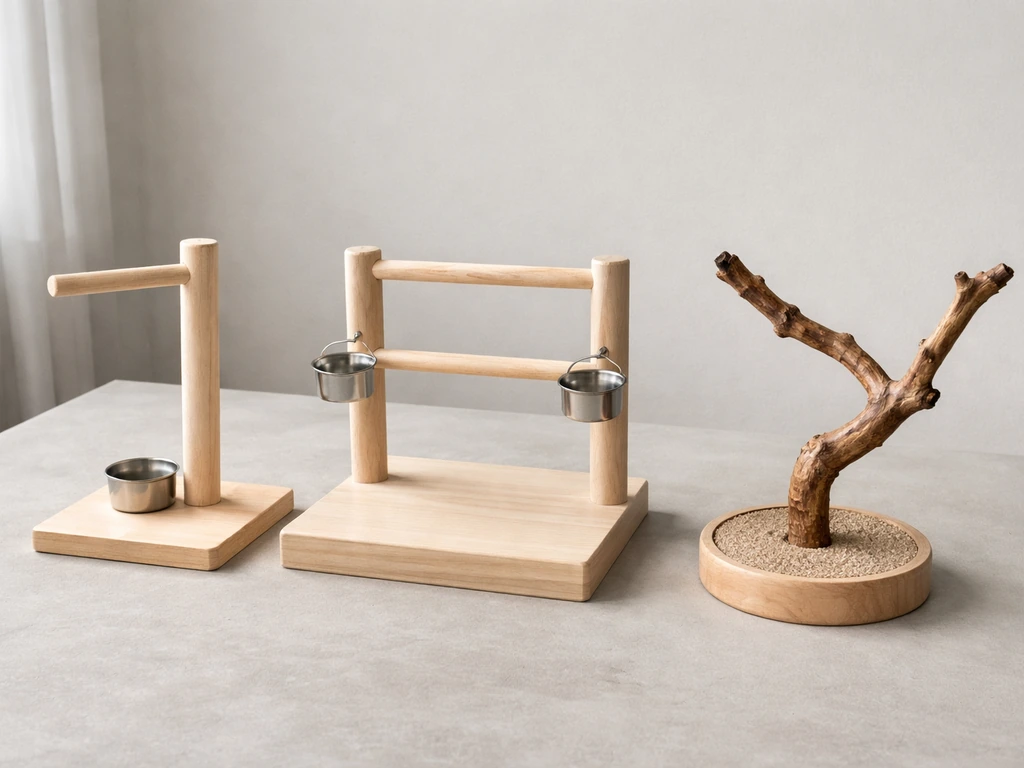
There are more perch and stand designs on the market than any beginner needs to consider. If you are also selecting a camera setup, pairing the right perch choices with the right gear can make your bird photos sharper and easier to capture best camera setup for bird photography. If you also use fishing-lure style toys for training or enrichment, choose a safe “top water” type and only use it when it cannot get tangled or injure your bird top water bird fishing lure. Here's how the main styles break down practically.
| Style | Best For | Pros | Cons | Beginner Recommendation |
|---|---|---|---|---|
| Natural wood branch perch (cage-mounted) | All species inside the cage | Varied texture, beak conditioning, realistic grip | Can be harder to clean thoroughly | Yes, as primary cage perch |
| Manzanita perch (cage-mounted) | Small to medium birds | Very durable, easy to clean, long-lasting | Hard surface, so combine with softer perches | Yes, as one of several perches |
| Rope perch (cotton/hemp) | Cockatiels, conures, parakeets | Soft, comfortable, birds love them | Must check daily for frays; can harbor bacteria | Yes, with strict daily inspection |
| Tabletop play stand | Parakeets, cockatiels, small parrots | Compact, great for training, easy to move | Limited space for large birds | Yes for small birds or small spaces |
| Freestanding floor play stand | Conures, medium/large parrots | Multiple activity points, natural foraging setup | Takes floor space, pricier | Yes for medium/large birds |
| Sandpaper-covered perch | None recommended | Marketed as nail trimmer | Causes foot damage and bumblefoot risk | No, avoid entirely |
| Plastic dowel perch (included with cheap cages) | Temporary use only | Inexpensive, included free | Hard, uniform surface, no grip variation | Replace as soon as possible |
For a first-time owner of a small bird like a parakeet or cockatiel, the most practical starting setup is two or three natural wood perches of slightly different diameters inside the cage plus a small tabletop stand for out-of-cage time. That covers foot health, enrichment, and training without overcomplicating things. If you're starting with a conure or medium parrot, add a floor-standing play stand to that list. The plastic dowels that come with most starter cages are fine for the first day or two while you get proper perches ordered, but swap them out fast.
Introducing the pole, keeping it clean, and watching for problems
How to introduce a new perch or stand
Most birds are cautious about new objects in their space, especially inside the cage. Start by placing the new perch where your bird already likes to sit so it feels familiar in context, not foreign. For a freestanding play stand, put it near the cage for a few days before asking your bird to step onto it. Use 'step up' as the transition cue, reward calm behavior immediately, and keep the first sessions short.
Some birds walk right onto a new stand on day one. Others need a week. Neither is a problem. The training resource approach of using a 'station' perch to anchor training behaviors works well here: once your bird learns the stand is where treats and attention happen, it becomes a positive destination rather than a stressful one.
The Parrots. org workshop material also describes using a perch or [station](https://www. parrots. org/pdfs/allaboutparrots/referencelibrary/behaviourandenvironmentalenrichment/PS%2017%201%20Feb%2005%20companion%20parrot.
pdf) during training, including placing the bird onto a play or perch position as part of instruction.
Cleaning and maintenance
Perches need attention on two timescales. Daily, wipe down food debris and droppings from the perches your bird uses most heavily. Once a week, do a thorough clean: remove perches, scrub them with a bird-safe disinfectant, rinse completely, and let them dry before putting them back. For natural wood perches, you can scrub with warm water and a stiff brush. For disinfecting, use a product specifically formulated as bird-safe. F10CL is one well-regarded option used in avian care settings. Avoid household cleaners, bleach sprays near the bird, and any product with strong fume residue. Replace rope perches at the first sign of significant fraying. Replace natural wood perches when they're heavily soiled or cracked in ways that trap bacteria.
Watching for foot problems and stress
Check your bird's feet every week during handling or close interaction. Healthy feet are smooth and evenly colored with no swelling, redness, or sores on the bottom. Redness on the sole of the foot, especially near the ball, is an early warning sign of pododermatitis. Swelling, scabbing, or a bird that seems reluctant to perch or shifts weight repeatedly are signs that need a vet visit. Bumblefoot progresses quickly and is much easier to treat caught early. Changing to softer, varied-diameter perches is always the first management step, but don't wait on veterinary input if you see visible sores.
On the behavioral side, a bird that refuses to use a perch or stand repeatedly is telling you something. It might be the wrong diameter, an unstable mount, an uncomfortable surface, or a location that feels exposed or threatening. Troubleshoot one variable at a time rather than replacing everything at once. Most perch problems come down to diameter, surface hardness, or placement, and all three are easy to fix once you know what you're looking for.
Quick-reference checklist
- Match perch diameter so your bird can wrap its feet about halfway around
- Use natural untreated wood or manzanita as your primary perch material
- Include at least two or three perches at different heights and diameters inside the cage
- Never position perches directly above food or water bowls
- Avoid sandpaper-covered perches and plain plastic dowel perches as permanent fixtures
- Use stainless steel hardware only; no zinc-coated or galvanized components
- Inspect rope perches every single day for fraying
- For small birds, keep bar spacing and all attachment gaps at 1/2 inch or less
- Clean perches daily (wipe) and thoroughly once a week with a bird-safe disinfectant
- Add a tabletop or floor play stand for daily out-of-cage training and socialization
- Check your bird's feet weekly for redness, swelling, or sores, and see a vet promptly if you spot any
FAQ
What should I do if my bird keeps avoiding one of the perches?
If your bird keeps choosing the same perch and ignoring the others, the most common causes are the perch diameter being off, one perch surface being harsher than the rest, or the placement being too exposed. Try softening only one variable, for example swap the ignored perch to a slightly smaller or softer natural wood, then move it to a mid-level location that lets your bird hop to it without stepping over toys or bowls.
Can I treat or seal natural perches to make them smoother and easier to clean?
Don’t use oil, conditioners, or varnishes to “smooth” wood. Even products marketed for wood furniture can create a slippery surface that increases slip and pressure points on the feet. Instead, choose untreated wood from the start, clean with warm water and a stiff brush for routine dirt, and replace perches that are cracked, heavily soiled, or feel rough after cleaning.
How low or high should I place perches for comfort, especially for older birds?
For most small to medium pet birds, you want a perch height that still lets the bird fully grip without forcing a stretched stance. A practical guideline is to keep the highest perch several inches below the ceiling and ensure at least one lower mid-level option is within easy hopping reach. If your bird has to jump from floor level to a high perch repeatedly, add a perch closer to ground so footing stays comfortable.
Are the plastic dowels that come with starter cages safe to use longer than a couple days?
Plastic dowels in starter cages are usually acceptable temporarily, but they can become rough where they crack, and they often don’t match the foot wrap size for your bird. Use them only until your natural perches arrive, then transition gradually by placing the new perch where your bird already likes to sit so it becomes the familiar option rather than a surprise object.
What’s the right way to secure a perch if it’s wobbling?
If a perch is wobbly, don’t “fix it” with tape, zip ties, or improvised fasteners. Remove it and re-mount with appropriate stainless steel hardware designed for cages, or use a freestanding stand with a wide heavy base. Wobbling increases stress, and it also increases fall risk, especially during landing.
Why is it a problem to put a perch directly above food or water, and can I offset it with liners?
Keep perches away from food and water not just because of contamination, but because birds often choose to drop while eating or drinking, increasing bacterial load. If you accidentally placed a perch above a bowl, the safest move is to reposition it rather than try to “catch” droppings with liners. Clean perches and bowls more frequently only as an immediate stopgap until the layout is corrected.
Can rope perches be a good option, and how often should I replace them?
Yes, rope and fabric-style perches can be used, but only if they’re tightly woven without frays and you inspect them daily. Replace immediately if you see loose fibers, unraveling edges, or any sign a toe is snagging. Natural fiber rope can also flatten with use, which changes grip and pressure distribution.
My bird panics around a new play stand, how do I introduce it safely?
Use a dedicated transition spot. Place the new stand near the cage for a short “familiarization” period, offer treats for stepping onto it, and keep early sessions short. If your bird won’t step up, don’t force it, troubleshoot location first (too exposed, too close to hazards), then adjust diameter and surface hardness rather than buying multiple new designs at once.
If my bird keeps shifting weight or seems sore, what should I check first?
When a bird shows reluctance to perch, check three quick things in order: stability (does it rock), diameter and grip (can the feet wrap halfway without toes curling), and surface harshness (hard uniform abrasion points). Only after those are corrected should you consider cage dynamics like crowding or whether the perch forces awkward landings between toys and bowls.
If I suspect bumblefoot, should I wait to see if it improves after changing perches?
If your bird’s feet show redness on the sole or the bird acts like it is protecting the bottom of the foot, treat it as urgent management plus a vet call. Early bumblefoot is much easier to stop than late disease. Do not wait for “normal wear” or just switch perches, contact an avian veterinarian promptly if you see sores, scabbing, swelling, or persistent limping.
What’s the safest cleaning routine for perches, and should I disinfect every week?
For cleaning, you typically wipe and remove debris daily on heavily used perches, then do a deeper scrub weekly. The key caveat is to fully rinse and fully dry before returning to the cage, because trapped moisture can worsen odor and can irritate skin. Also, avoid household chemicals and strong residue, choose a bird-safe disinfectant if you disinfect weekly, then let everything dry completely.
What if my perch design is hard to remove for a full weekly scrub?
For perches and stands you can’t remove and scrub, reduce the contamination risk by adjusting perch placement and adding appropriate cleaning schedules for droppings and food debris. If a perch material is porous and starts to smell or feels gritty after cleaning, replacement is safer than continued attempts to disinfect it.