For most upland hunting (quail, dove, woodcock), #7.5 or #8 lead shot is the go-to choice inside 35 yards. For pheasant, step up to #5 or #6. For ducks at typical decoy ranges (25–40 yards), #2 or #3 steel is a solid starting point. For geese, BB or BBB steel. Those four sentences cover the majority of bird-hunting scenarios most people will actually face. The rest of this guide explains the reasoning behind those picks so you can adjust confidently when your situation is different.
What Size Shot for Bird Hunting A Quick Field Guide

Marcus Chen
16 Jun 2026
How shot size numbering works (and why it feels backwards)
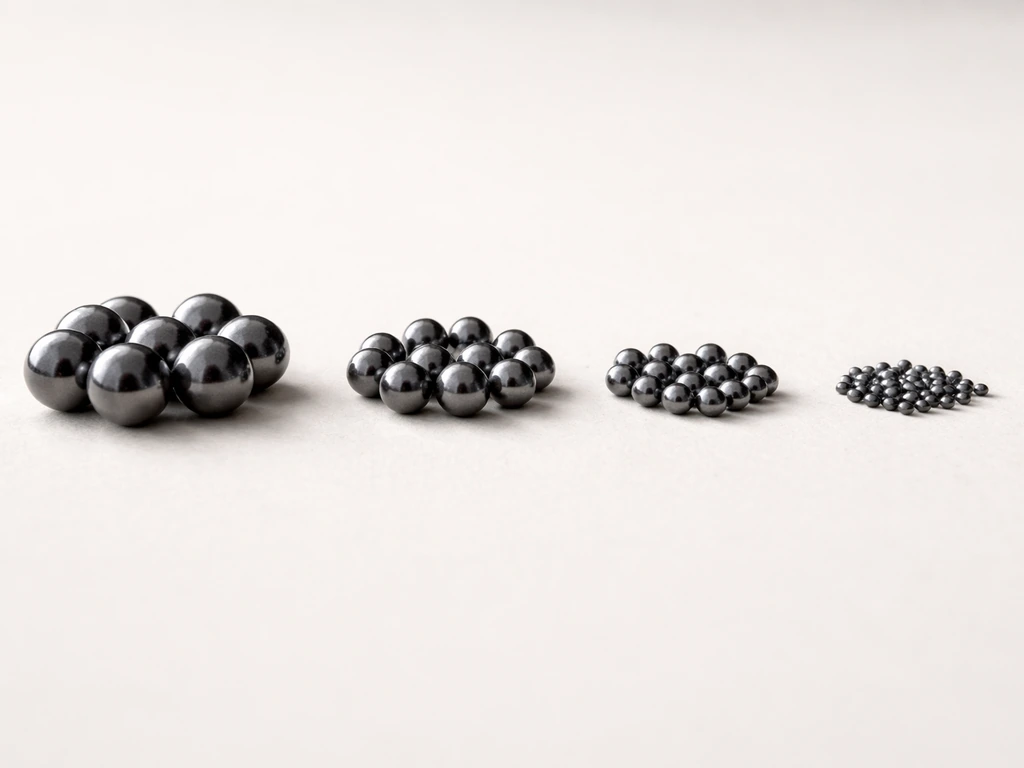
The numbering system trips up almost everyone the first time. Higher numbers mean smaller pellets. #9 shot is tiny. #4 shot is noticeably larger. #2 is bigger still, and once you cross into BB, BBB, and T shot, you're looking at pellets the size of small marbles. The formula people use to estimate pellet diameter is (17 minus the shot number) divided by 100, giving you diameter in inches. So #7 shot works out to about 0.10 inches (roughly 2.5 mm). #4 shot comes out to 0.13 inches. It's a small difference in diameter that translates to a big difference in pellet mass and energy downrange.
The practical takeaway: smaller birds and closer shots call for higher-numbered (smaller) shot because you get more pellets in the pattern and denser coverage. Larger, tougher birds at longer ranges need lower-numbered (larger) shot because individual pellets carry more energy. You're always balancing pellet count versus pellet energy, and getting that balance wrong in either direction costs you birds.
| Shot Size | Approx. Diameter (inches) | Typical Use |
|---|---|---|
| #9 | 0.08" | Skeet, close-range dove |
| #8 | 0.09" | Quail, dove, woodcock (under 30 yds) |
| #7.5 | 0.095" | Dove, clay targets, light upland |
| #6 | 0.11" | Pheasant (close), grouse, turkey (sub-loads) |
| #5 | 0.12" | Pheasant, ducks (small, close) |
| #4 | 0.13" | Pheasant (longer shots), small ducks |
| #2 | 0.15" | Ducks (steel, standard range) |
| BB | 0.18" | Geese (steel), large ducks at distance |
| BBB | 0.19" | Geese (longer range, steel) |
Match shot size to bird type and target range
The single most useful thing I can tell you: match your shot size to the size of the bird and the distance you're actually shooting, not the distance you wish you were shooting. Most upland hunters take shots between 20 and 40 yards. Most waterfowlers shooting over decoys are in the 25 to 40 yard window. If your shots are routinely longer than that, you need to rethink your setup before you rethink your shot size.
Upland birds
- Dove and quail (20–35 yards): #7.5 or #8 lead. You want pellet density above all else because these birds are small and fast.
- Grouse and woodcock (under 30 yards, often tight cover): #7.5 lead. Patterns open up fast in brush so you don't need a tight choke.
- Pheasant (25–45 yards): #5 or #6 lead. Roosters are tough birds—under-gunning is the most common mistake. At 40-plus yards, #5 is a better call.
- Turkey (with lead, if legal in your area): #4, #5, or #6, often through a full or extra-full choke with a dense pattern specifically designed for head/neck shots. This is a specialized situation that deserves its own research.
Waterfowl (steel and non-toxic)
- Teal (close-range, 20–30 yards): #4 or #6 steel. Small birds, dense pattern needed.
- Mallards and medium ducks (25–40 yards): #2 or #3 steel is the standard. #2 is the most commonly recommended all-around duck load.
- Large ducks and divers (35–50 yards): BB or #1 steel. Pattern density can thin out quickly at distance.
- Geese (30–50 yards): BB, BBB, or T steel. The Missouri Department of Conservation's non-toxic shot guidance recommends at least 60 pellet hits in a 30-inch circle at your shooting range as a minimum for geese.
- Ducks over decoys (pattern benchmark): Ducks Unlimited recommends 90 to 100 pellet hits in a 30-inch circle at your planned shooting distance for large ducks. If you're hitting that number, you're good.
Lead vs steel vs tungsten: what actually changes
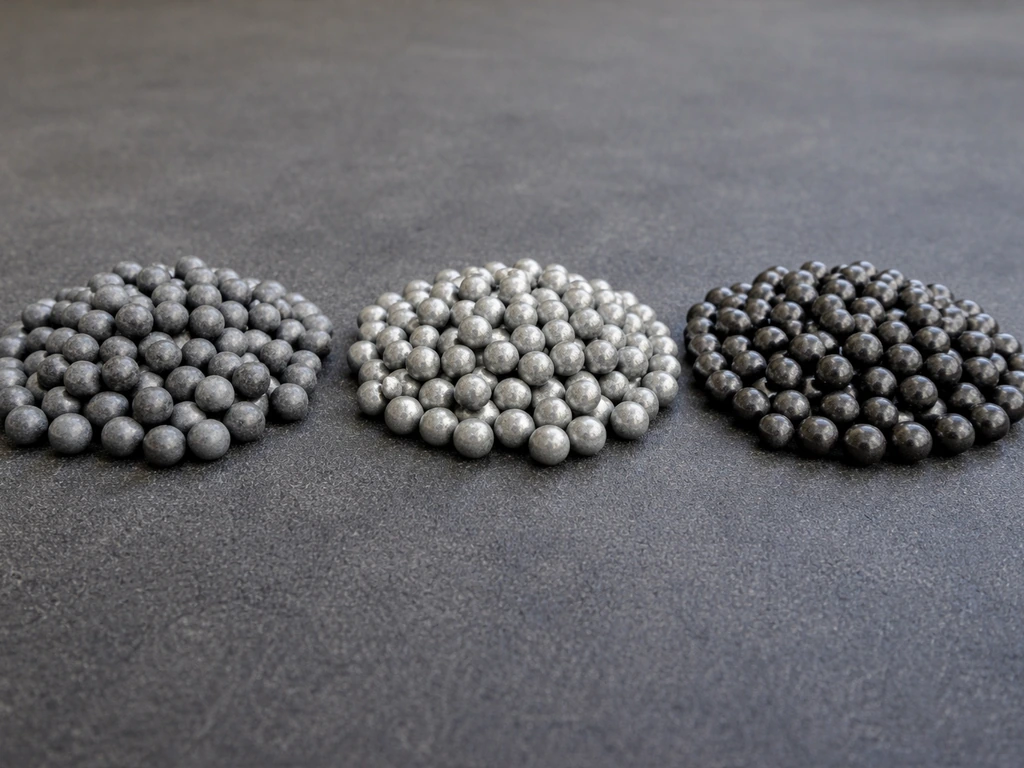
Steel shot is legal for all migratory waterfowl in the US and is the most common alternative to lead. The problem is that steel is significantly less dense than lead, which means a steel pellet of the same size carries less energy and sheds velocity faster. The widely used rule of thumb: go up at least two shot sizes when switching from lead to steel. So if you'd use #4 lead for a situation, use #2 steel. If you'd use #6 lead, use #4 steel. Bismuth (another approved non-toxic option) is closer to lead in density, so you only need to go up about one size from your lead equivalent.
Tungsten-based shot (tungsten-iron, tungsten-nickel-iron, and similar alloys) is denser than steel and approaches or exceeds lead density depending on the specific alloy. That means you can use the same or similar shot size as lead in many cases, but you need to follow manufacturer guidance because these loads pattern and behave differently depending on the specific alloy. Bismuth-tin and tungsten alloys are among the approved non-toxic materials alongside steel.
The bigger practical concern with steel isn't just shot size, it's how steel interacts with your choke. Steel pellets are hard and don't deform as they pass through a choke constriction the way lead does. UK government guidance notes that steel patterns much tighter than lead through the same choke because steel pellets do not deform steel patterns significantly tighter than lead through the same choke. That means steel patterns significantly tighter than lead through the same choke, and it puts physical stress on tighter choke tubes. More on that in the next section.
Choke and patterning basics: getting the right pellet density
Choke controls how tight or spread out your pattern is at a given distance. From most open to most constricted: Cylinder (CYL), Improved Cylinder (IC), Modified (MOD), Improved Modified (IM), and Full. A tighter choke keeps pellets together longer, which helps at distance but thins out your pattern at close range. For dove at 25–30 yards, Improved Cylinder is often recommended because the pattern opens up to cover a moving bird without becoming too sparse. For pheasant at 40 yards, Modified or Improved Modified gets the job done.
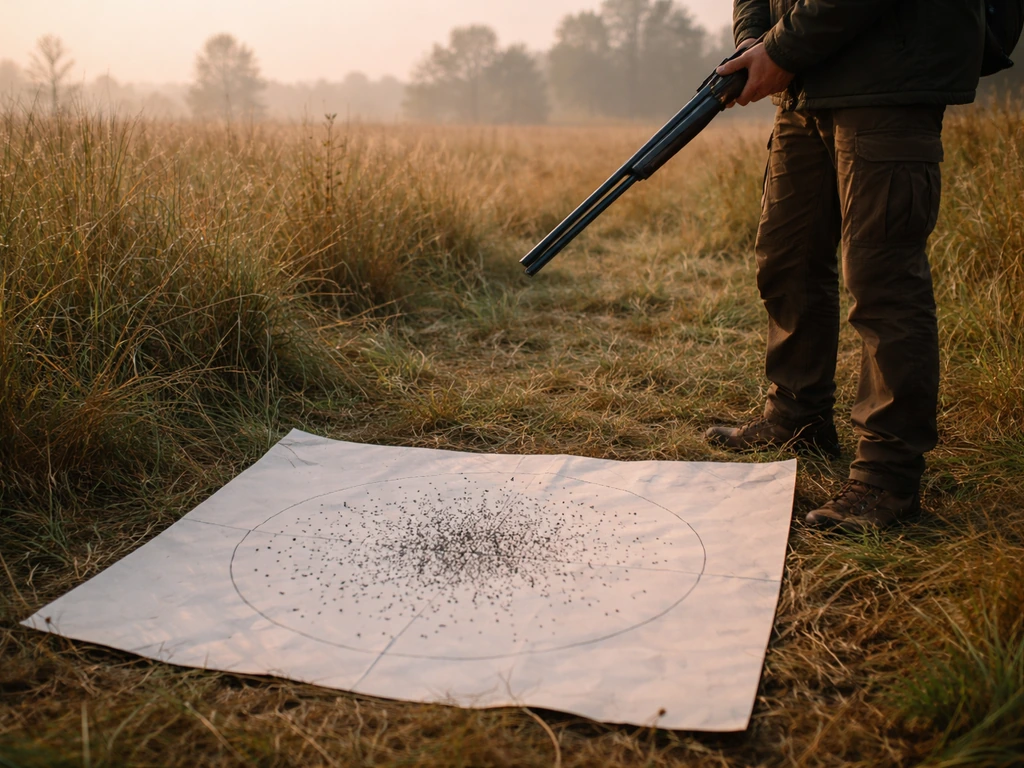
The only way to actually know what your specific gun, choke, and load combination is doing is to pattern it on paper. Here's the standard method: shoot at a large paper target from the distance you'll actually be hunting, then draw a 30-inch circle around the densest cluster of hits and count the pellet strikes inside that circle. Compare to the benchmarks above (90-100 for ducks, 60-plus for geese). If you're well below those numbers, you need more pellets in your load, a tighter choke, or you're shooting from too far out. If every pellet is clustered in the center with a thin fringe, your choke may be too tight and you're likely missing birds that aren't perfectly centered.
Steel shot complicates choke selection in an important way. Because steel doesn't deform, it patterns tighter than lead through the same constriction and puts extra pressure on the choke. Using Full or Extra-Full choke with standard steel loads is a hard no unless the choke is specifically labeled as steel-safe. Stick to Modified (1/2) or more open for standard steel loads. Many manufacturers of tungsten and bismuth loads also publish specific choke recommendations, and following those beats any general rule.
| Shot Material | Lead Equivalent Size | Recommended Choke (max constriction) |
|---|---|---|
| Lead | As labeled | Up to Full (follow gun manufacturer specs) |
| Steel (standard) | Go up 2 sizes from lead | Modified or more open; never standard Full unless steel-safe labeled |
| Bismuth | Go up 1 size from lead | Modified or tighter if bismuth-safe rated |
| Tungsten alloy | Same or near-same as lead (check label) | Follow manufacturer choke specs for that specific load |
Practical recommendations by common hunting situation
Here are concrete starting-point recommendations for the situations most hunters actually encounter. These are starting points, not gospel. Pattern your specific gun and load to confirm. To get consistent results, you’ll also want the best camera setup for bird photography, including the right lens range and settings for fast-moving subjects.
- Dove over a field (20–35 yards, lead): #7.5 or #8, Improved Cylinder or Light Modified. You want pattern density and a forgiving spread for crossing shots.
- Quail over dogs (under 25 yards, lead): #8 or #7.5, Improved Cylinder. Close shots and small birds mean pellet count matters more than energy.
- Pheasant in tall grass (30–45 yards, lead): #5 or #6, Modified or Improved Modified. Roosters can take a hit and keep flying if you under-gun. When in doubt, go #5.
- Pheasant (non-toxic required): #4 steel, Modified choke. The density and energy loss of steel means you want the larger pellet and enough constriction to keep the pattern together at distance.
- Mallards over decoys (25–40 yards, steel): #2 or #3 steel, Modified. Standard recommendation across most of the waterfowl hunting community.
- Teal (fast, close, 20–30 yards, steel): #4 or #6 steel, Improved Cylinder. Fast birds, close range, you need pattern spread.
- Canada geese over decoys (30–50 yards, steel): BB or BBB steel, Modified or Improved Modified (check your choke for steel rating). Aim for 60-plus hits in a 30-inch circle at your shooting distance.
- Late-season divers or big ducks at 45-plus yards (steel): BB or #1 steel. Pushing range with waterfowl is where most hunters get into trouble—if your pattern density drops below the 90-100 hit threshold for ducks, shorten the distance, not the shot size.
Safety, legal notes, and patterning your gun before the season
Non-toxic shot is federally required for all migratory waterfowl hunting in the United States. Lead is still legal for most upland hunting, but some states and specific management areas require non-toxic shot for certain upland species or on certain public lands. Always check current regulations for the specific state, species, and area you're hunting before you buy shells. The regulations change, and the consequences of using the wrong shot aren't worth the risk.
On the firearm safety side: always confirm your choke tube is appropriate for the shot material you're using before you load up. Steel shot in a standard full choke is a damage risk to the choke and potentially the barrel. If you're switching from lead to steel or tungsten, physically check the choke tube for a steel-safe or non-toxic stamp. When in doubt, go more open. A Modified choke and a slightly adjusted shot size will serve you better than a damaged barrel.
The ethical side of shot selection matters too. Under-gunning (using shot that's too small or too light for the bird at your range) leads to wounded birds that aren't cleanly harvested. Pattern density benchmarks exist precisely to prevent this. If you can't hit 90 pellets in a 30-inch circle at 40 yards for ducks, you shouldn't be shooting at 40-yard ducks with that load. Either switch loads, tighten your choke within safe limits, or bring your maximum range in. Clean kills are the goal.
How to pattern your gun (the quick version)
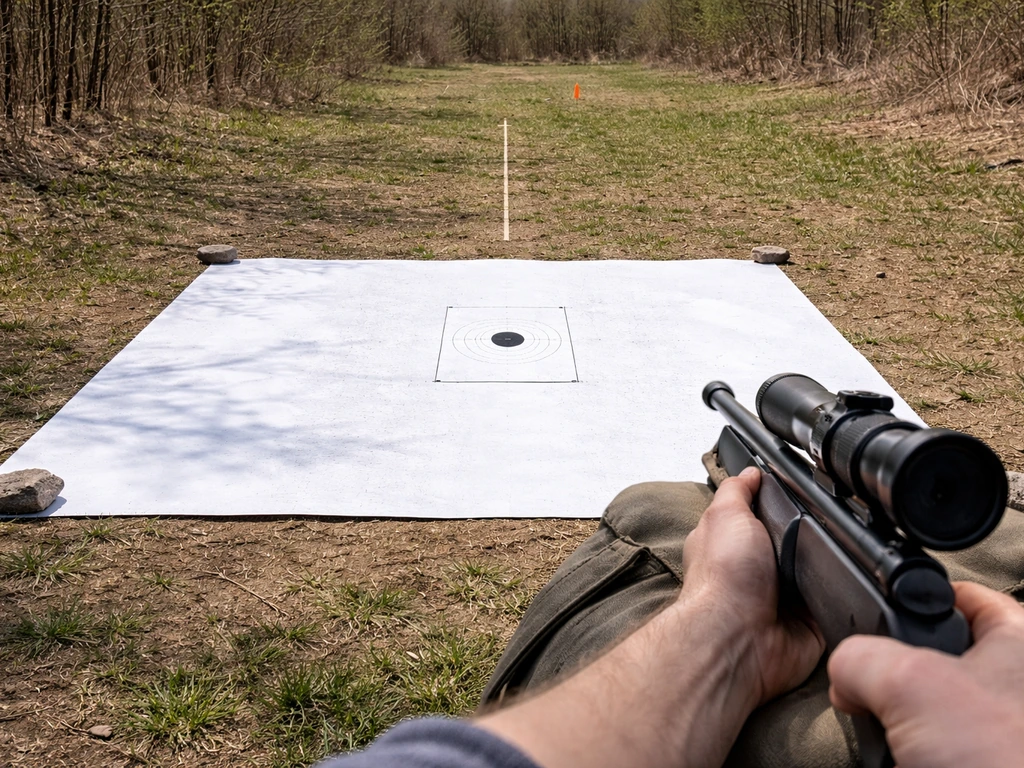
- Get large paper (at least 40x40 inches) or buy patterning paper at a sporting goods store.
- Set it up at the distance you plan to hunt (commonly 30 or 40 yards).
- Fire one shot, aiming at the center of the paper.
- Draw a 30-inch circle around the densest cluster of hits.
- Count the pellet holes inside the circle.
- Compare your count to the target benchmarks: 90–100 for large ducks, 60-plus for geese, and similar proportional targets for upland birds. If you're well below, try a tighter choke or a heavier load. If all your pellets are tightly centered, try a slightly more open choke to improve coverage.
- Repeat with different loads or choke combos until you find a pattern that meets the benchmark with even distribution, not just a dense center with a sparse fringe.
One last note: this article is focused on shot selection for hunting birds in the field. If you're here because you're researching birds from a different angle, like setting up a bird-friendly yard space or photographing wildlife, related topics like the best camera setup for bird photography or choosing the right bird pole for feeders and mounts might be worth a look.
For bird photography in particular, many photographers also debate monopod vs tripod to balance stability and portability while tracking birds. But if you came here to pick the right shell for opening day, you've got what you need. For a complete bird-photography approach, you will also want the best camera setup for bird photography so your lens, shutter speed, and focus can keep up with moving subjects.
For more consistent hookups, match your lure choice to the conditions when you’re topwater fishing for birds pick the right shell. Go pattern your gun.
FAQ
What size shot for bird hunting if my target is between typical ranges, like 40 to 45 yards?
Use your actual distance to choose, then bias toward coverage. If you are stretching past the common 35 to 40 yard window, increase pellet count by going one size smaller (for lead) or one size up (for steel equivalent) and consider tightening only within steel-safe limits. Then confirm with a paper pattern at 45 yards, since many loads look fine at 30 and fall short on pellet count at 45.
For pheasant, do I need to change shot size if the birds are flying fast or crossing hard?
Fast, crossing birds reward pattern width more than maximum pellet energy. If you are missing due to timing, try a slightly more open choke than you would for stationary birds and ensure you still meet your pellet density target at the range you shoot. Also aim to keep your swing-through smooth, because even perfect shot size won’t fix consistently behind-the-motion errors.
What size shot should I use for ducks if I’m not shooting over decoys and the birds come in from farther out?
If you are regularly beyond the 25 to 40 yard decoy range, start by stepping down to larger pellets than you would for closer shots, but do not rely on “bigger is always better.” Bigger pellets can reduce pellet count. Your best move is to pattern at your typical duck distance and judge by pellet strikes in the 30-inch circle, adjusting choke first if you are getting a tight center with a thin fringe.
How do I choose shot size when I’m switching between lead and steel for the same distance?
Use a two-step approach. First, pick the lead equivalent shot size using the “two shot sizes up” rule for steel, then treat choke as the second variable. Steel patterns tighter through the same choke, so you often need a more open choke than you would with lead to get the right coverage, even if the pellet size is correct.
Can I use a Full choke with steel if I’m only firing a few shells?
It’s still a no unless the choke tube is explicitly labeled steel-safe for that load type. Steel’s hardness and reduced deformation can increase stress and tighten the pattern more than expected. If you do not have the stamp or manufacturer guidance, switch to Modified or more open and pattern to confirm you are not over-tight.
Does tungsten change shot size recommendations compared with steel and lead?
Often you can stay closer to the lead shot size because many tungsten alloys are denser than steel, but do not assume the same number will behave the same. Tungsten loads can pattern differently due to construction and velocity, so use the manufacturer’s choke guidance as your baseline and verify with a pattern at hunting distance.
What size shot should I use if I’m getting poor results, like lots of hits but still too many wounded birds?
Wounded birds often indicate under-penetration or marginal pellet energy, not just missed targets. Check whether your pattern meets pellet density at your maximum range, then adjust toward more energy (lower number for lead, or appropriate non-toxic equivalent) and confirm the choke is not creating a too-sparse outer pattern that causes glancing strikes.
What pellet count benchmarks matter most, and what should I do if I can’t hit them?
Focus on the 30-inch circle pellet strikes at the distance you hunt, since that reflects both coverage and density. If you are under your benchmark, adjust one factor at a time: larger pellet energy (lower shot number or appropriate steel/tungsten equivalent), more pellets (heavier payload or less extreme choke), or reduced distance. Don’t assume a single “rule of thumb” will transfer across guns and loads.
How do I pattern correctly so the results actually translate to bird hunting?
Pattern at the same distance you hunt, using the same choke tube and the same shell lot you’ll carry. Use a large enough paper target to capture the full pattern, then draw the 30-inch circle around the densest cluster and count pellet impacts inside it. If your hits are in a tight center with a thin fringe, that’s a sign your choke may be too tight for moving birds.
Do state rules affect what size shot I can buy or use?
Yes. Even if the shot size would be ballistically correct, some areas require non-toxic shot for particular species or public land rules. Always confirm current regulations by state, species, and management area before purchasing shells, because non-compliance is the fastest way to lose hunting access.
What size shot is best for beginners who want a “safe, flexible” choice for upland birds?
A practical beginner approach is to start with #7.5 or #8 lead for most quail and doves within typical 20 to 40 yard shots, then only change shot size when you move to larger birds like pheasant. The key is to pattern your exact shotgun and choke, so you know your coverage before you rely on field assumptions.