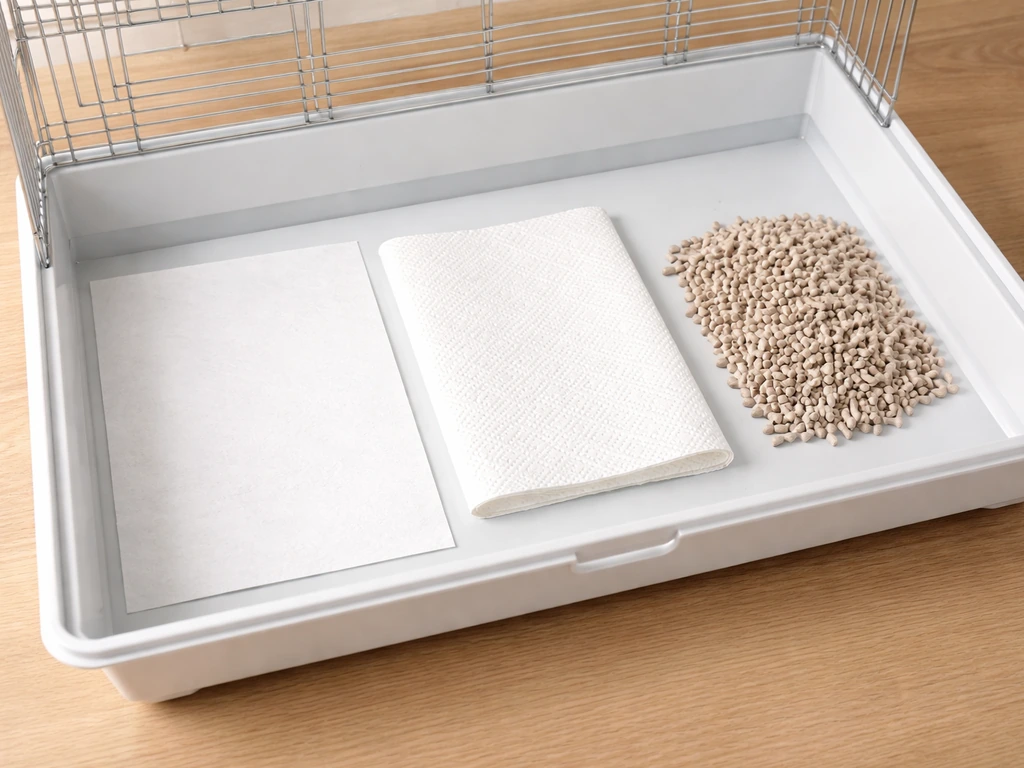
blank" rel="noopener noreferrer">Plain paper liners, changed daily, are the best bird litter for most pet birds. That means newspaper, paper towels, or purpose-made cage liner sheets laid flat in the bottom tray. They're safe if pecked, produce almost no dust, make dropping monitoring easy, and cost almost nothing. For birds on a solid cage floor (no grate), you can add a thin layer of paper-based pellet bedding or recycled paper crumbles on top for extra absorbency. That's the core answer. Everything below is about matching the right setup to your specific bird, avoiding materials that can genuinely hurt them, and keeping the cage clean without creating new problems.
Best Bird Litter: How to Choose, Use, and Clean Safely

Marcus Chen
5 Jun 2026
What 'bird litter' actually means (and where it goes)
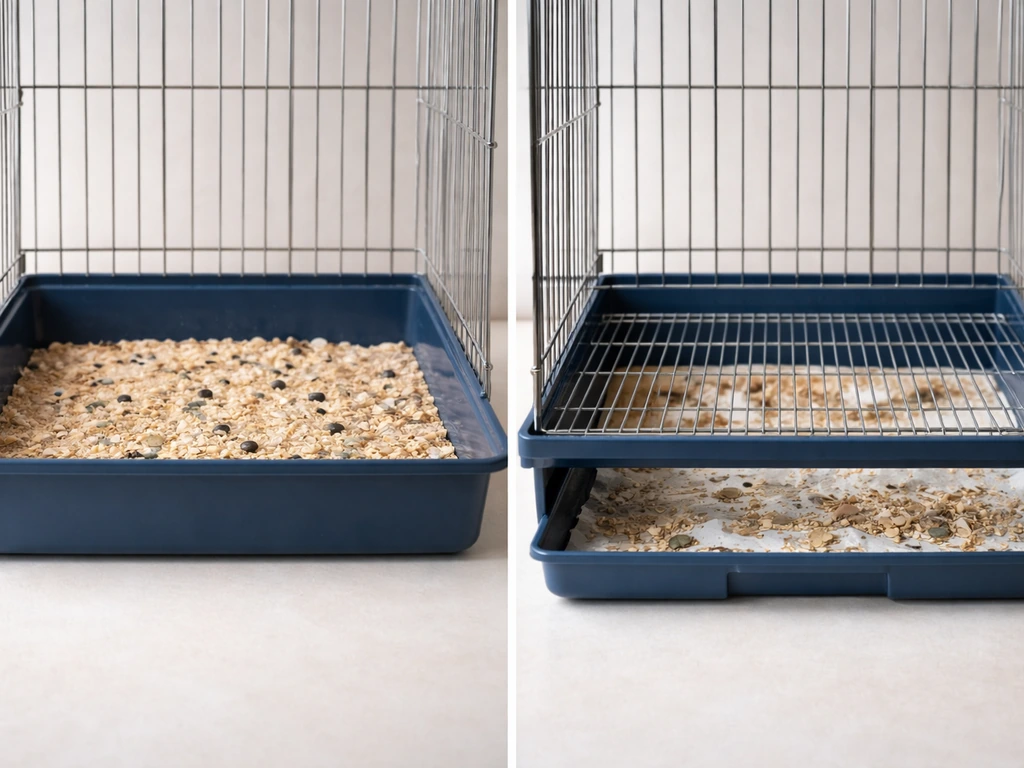
Unlike cats, birds don't use a separate litter box. 'Bird litter' refers to whatever you put in the bottom tray of the cage, directly under where your bird lives, eats, and drops waste. Most cages have a pull-out tray at the very bottom, and many have a wire or plastic grate sitting above that tray. The litter, liner, or bedding goes in the tray, not on the grate. Your bird should rarely, if ever, be standing directly on the litter material, which matters a lot when you start evaluating what's safe.
Some cages don't have a grate at all, just a solid floor pan. That's common in smaller or more budget-friendly cages for budgies and finches. In that case, your bird may walk across the litter, which changes what you can safely use. A material that's harmless sitting under a grate could become a foot or ingestion hazard when your bird is standing on top of it. Keep this in mind throughout: grate-bottom cage or solid-floor cage is one of the most important variables in choosing bird litter.
How to choose litter based on your bird and cage setup
Before you buy anything, answer two questions: What bird do I have (or am I getting)? And does my cage have a grate above the floor tray? Those two factors narrow your options fast.
Small birds: budgies, parakeets, finches, canaries
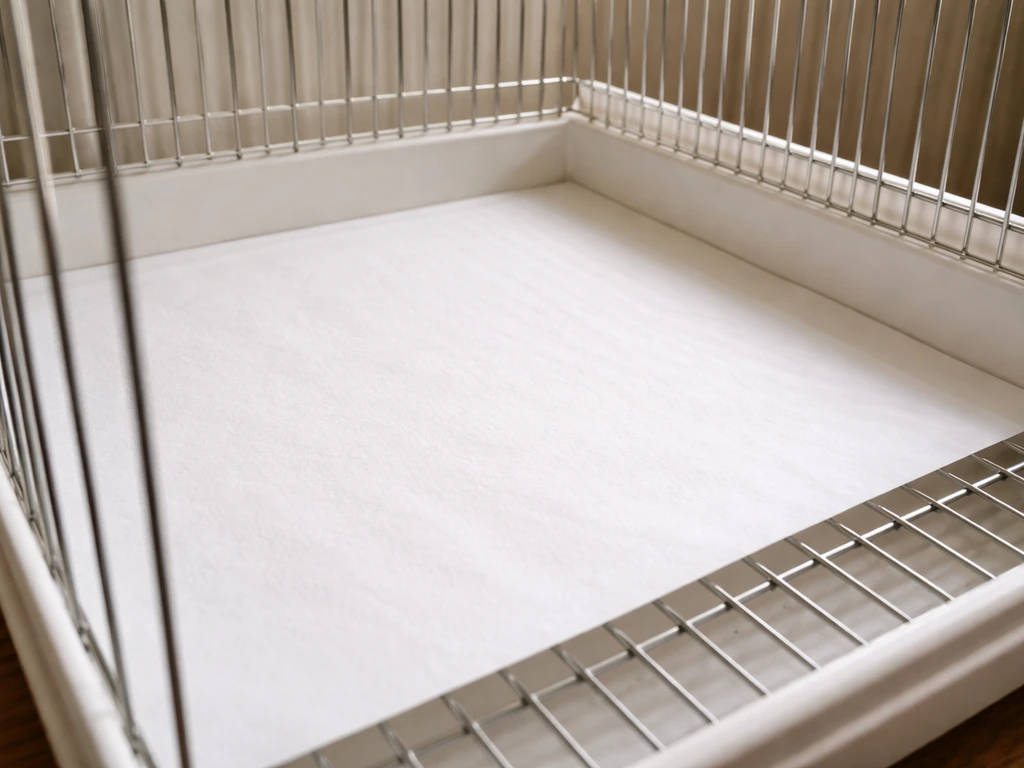
These birds are lightweight, often floor-forage, and are curious about everything. Plain paper liners are ideal. If the cage has a grate, you're fully covered with a daily liner change. If it's a solid-floor cage and your bird likes to poke around the bottom, consider adding a thin layer of paper-based crumble bedding (like CareFRESH or similar recycled paper products) over the liner. Avoid anything sandy or loose at the bottom for finches and canaries specifically, since dust can trigger respiratory issues in small birds very quickly.
Medium birds: cockatiels, conures, lovebirds, caiques
Cockatiels are notoriously dusty birds on their own, so you don't want to add more airborne particles with a dusty litter. Stick with flat paper liners or paper pellet bedding in the tray, and avoid anything with powdery texture. Conures and caiques tend to throw food around like they're being paid to do it, so you'll want something easy to spot-clean and fully swap out. Paper liners win again here because you can do a full tray swap in under two minutes.
Larger birds: cockatoos, African greys, macaws, Amazons
Big birds produce big messes. For cockatoos especially (another high-dust species), plain paper liners or unscented paper towels work well, and some owners double-layer them for extra absorbency. African greys are respiratory-sensitive, so anything with fragrances, oils, or dust is genuinely risky. Paper pellet bedding can work under a grate for larger cages, but stick with brands that compress cleanly without crumbling into powder when wet.
| Bird Type | Cage Grate? | Best Litter Choice | Avoid |
|---|---|---|---|
| Budgies / Parakeets | Yes | Plain paper liner, daily change | Sand, clay, cedar, fragranced products |
| Budgies / Parakeets | No (solid floor) | Paper liner + thin paper crumble layer | Loose seed husks, dusty substrates |
| Finches / Canaries | Yes | Plain paper liner | Anything dusty or loose |
| Cockatiels | Yes or No | Flat paper liner or paper pellets | Anything powdery, pine/cedar shavings |
| Conures / Lovebirds | Yes or No | Paper liners or paper pellets | Scented products, wood chips |
| Cockatoos / African Greys | Yes | Plain paper liner, unscented paper towels | Any fragranced, dusty, or oily substrate |
| Macaws / Amazons | Yes | Paper liner or paper pellets (compressed) | Cedar, pine, clay-based products |
Litter materials: what's safe, what's risky, and why
Safe options
- Newspaper (plain, non-glossy): The original bird litter and still one of the best. Cheap, absorbent enough for daily use, easy to read for dropping changes. Modern newspaper inks are generally soy-based and considered safe. Use the plain news sections, not glossy inserts.
- Paper towels: Slightly more absorbent than newspaper, great for birds that produce wetter droppings. White unscented only — avoid anything with embossing fragrance, antibacterial coatings, or heavy dyes.
- Pre-cut cage liner sheets: These are sold specifically for bird cages (brands like Prevue Pet Products make them). Convenient, pre-sized, and usually plain paper. Fine for any bird.
- Paper pellet bedding (recycled paper): Products like Carefresh, Small Pet Select Paper Bedding, or Yesterday's News (the unscented cat litter version, which is also used by bird owners) offer good absorbency and low dust. Best used in solid-floor cages or under grates in larger tray setups. Avoid any version marketed with 'fresh scent' or added baking soda.
- Recycled cardboard-based crumbles: Similar to paper pellets, these are low-dust and fairly absorbent. Make sure the product is unscented and made without dyes or chemical binders.
Risky or outright dangerous options
- Cedar shavings: Cedar contains aromatic oils (phenols) that are toxic to birds' respiratory systems. Even small amounts can cause liver damage and respiratory distress. This is a hard no.
- Pine shavings (untreated/raw): Same problem as cedar. The oils in raw pine are harmful. Kiln-dried pine has lower oil content and is used in some small-animal bedding, but it's still not recommended for birds — just not worth the risk when paper exists.
- Clay-based litters (cat litter): These produce fine dust that can coat and damage bird lungs. Clumping clay litters are especially dangerous if ingested. Never use cat litter in a bird cage.
- Corn cob bedding: This sounds natural and harmless, but corn cob absorbs moisture poorly and molds fast, especially in humid environments. Moldy substrate is a direct source of Aspergillus fungal spores, which can cause fatal respiratory disease in birds. Skip it.
- Walnut shell bedding: Sometimes marketed for reptiles. Too coarse for birds, slow to dry, and another mold risk.
- Scented or fragranced anything: Birds have a highly efficient respiratory system that makes them far more sensitive to airborne chemicals than mammals. Fragrances, essential oils, air fresheners, and scented litter products can cause serious respiratory damage or death. If a product has 'fresh scent,' 'odor control formula,' or any added fragrance, don't use it.
- Sand or bird gravel used as primary litter: Loose sand as a floor covering kicks up dust and gets into eyes and nares. Grit and gravel have their own specific uses (mostly dietary debate territory), but a thick layer of sand on the cage floor is not safe or practical litter.
Cleaning, odor control, and safe change-out routines
Daily liner changes are the single most effective odor control strategy, full stop. VCA Animal Hospitals similarly recommends lining the bottom of a bird’s cage with disposable paper that you can throw away every day, since skipping daily changes lets stool and food waste accumulate. The AAV, VCA Animal Hospitals, and [Purdue University's veterinary program all recommend changing cage papers every single day](https://vet.
purdue. edu/hospital/small-animal/articles/general-husbandry-of-caged-birds. php), not every few days. I know it sounds like a lot, but it takes under two minutes once you're in the habit.
You pull the tray, drop the old liner, lay a fresh one, slide the tray back in. Done. Waiting several days means ammonia from droppings builds up, mold can start forming in wet areas, and you lose your best early-warning system for health changes in your bird.
Dropping monitoring is a huge hidden benefit of daily liner changes. A healthy bird's droppings have three distinct parts: a solid dark green or brown fecal portion, white or cream urates, and clear liquid urine. When you change liners daily, you immediately notice if something looks wrong: all liquid, blood-tinged, entirely white, or very dark and tarry. Catching that on day one versus day four can genuinely matter.
Weekly deep clean of the tray
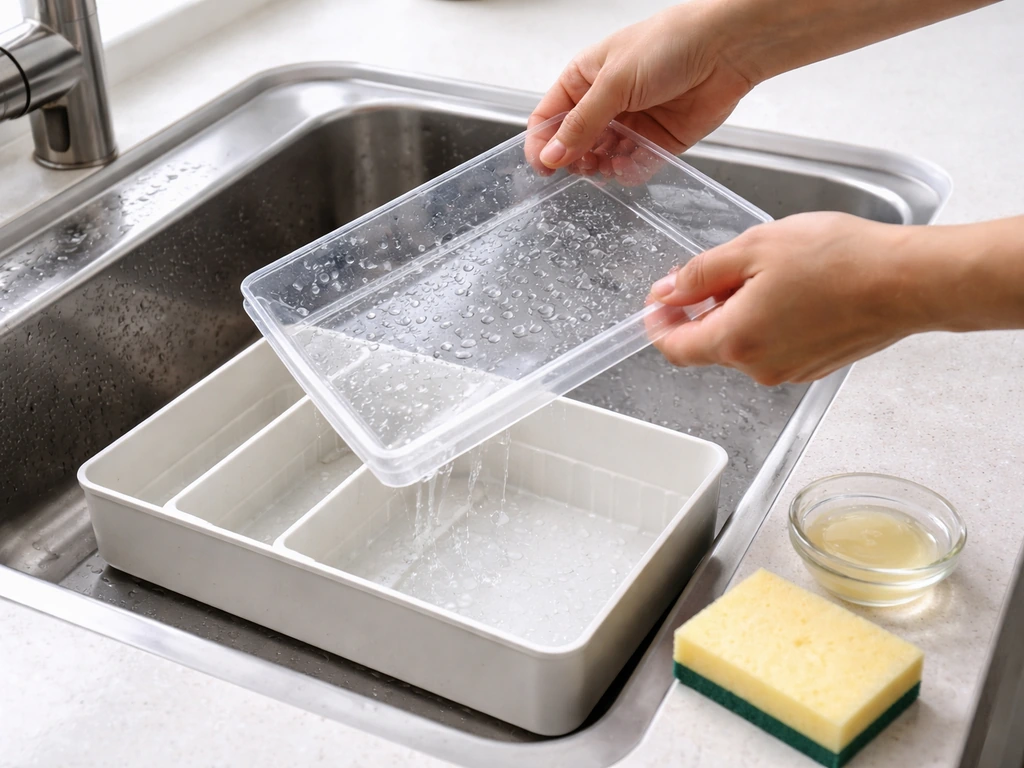
Even with daily liner changes, the tray itself needs a weekly scrub. Pull it out, wash with warm water and a few drops of unscented dish soap, rinse thoroughly, and let it dry completely before putting in a fresh liner. Any soap residue or moisture left in the tray will create problems. If you use a heavier paper pellet or crumble bedding under the grate, do a full replacement weekly and check for any wet clumps or moldy spots mid-week.
Odor control without harmful chemicals
- Daily liner changes: nothing beats this for odor prevention
- Good cage placement and room ventilation: fresh air circulation reduces ammonia buildup significantly
- Avoid scented candles, air fresheners, or plug-in diffusers near bird areas — these are toxic to birds regardless of litter type
- Baking soda can be sprinkled very lightly in the tray before laying the liner; it's generally considered safe and absorbs odor without adding airborne chemicals
- If odor is persistent despite daily changes, check for any hidden moisture in cage seams, bar debris, or food waste caught in grate gaps
How to switch litters without stressing your bird or worsening air quality
Birds notice changes in their environment much more than people expect, and some birds (especially parrots) treat cage modifications as a potential threat first. A sudden switch from one litter type to another isn't usually dangerous on its own, but if you're going from a dense paper pellet to a loose crumble material, the change in texture, smell, and dust levels can cause stress or mild respiratory irritation. A gradual transition over four to seven days is the safest approach.
- Days 1 to 2: Keep using your current litter but do a daily full change as normal. This establishes baseline behavior to compare against.
- Days 3 to 4: Mix a small amount of the new litter with the old in the tray (roughly 25% new, 75% old). Watch for any sneezing, nasal discharge, or change in droppings.
- Days 5 to 6: Go to about 50/50. Continue monitoring. If you're switching to a pellet or crumble type, watch whether your bird is pecking at it or eating it — some birds will mouth new substrate out of curiosity.
- Day 7 and beyond: Switch fully to the new litter. If your bird shows prolonged sneezing (more than a day or two), watery eyes, or unusually wet droppings, go back to the previous material and consult an avian vet.
Never switch to a new litter right before a stressful event like a vet visit, new bird introduction, or cage relocation. Stack changes on calm, normal days so you can accurately attribute any reaction to the litter change and not outside stress.
Troubleshooting common litter problems
Problem: Excessive dust
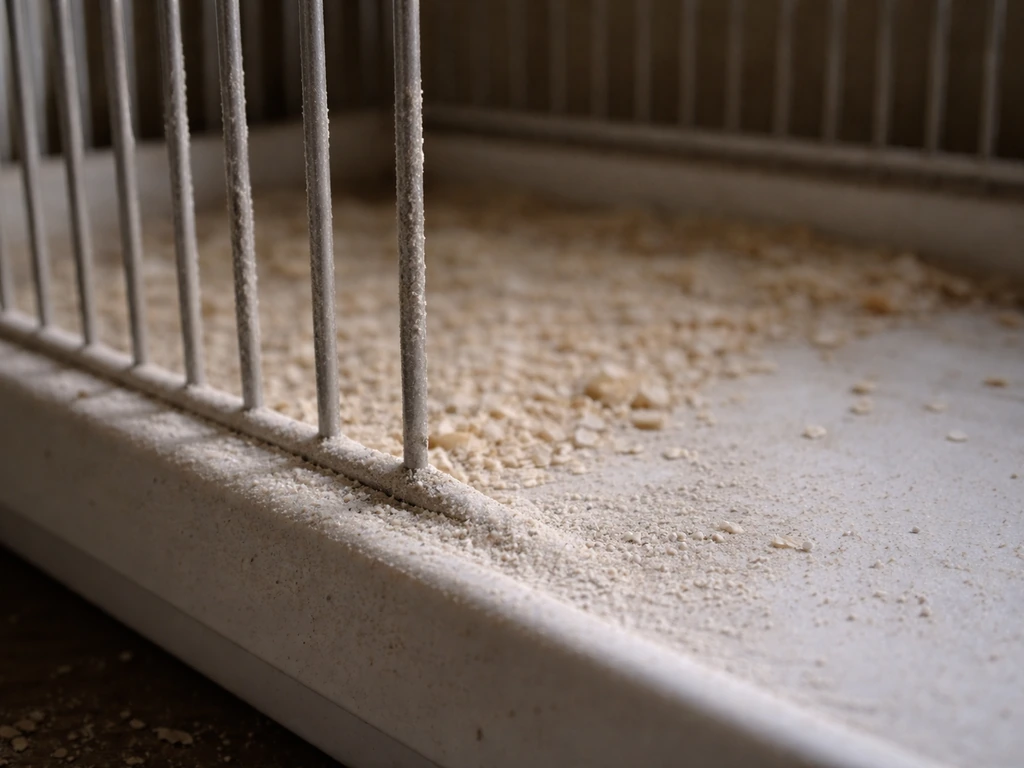
If you're seeing a fine powder coating cage bars or nearby surfaces, the litter is too dusty. This is a serious problem for cockatiels, African greys, and any bird with a history of respiratory issues. Switch to flat paper liners immediately. If you want a crumble-style bedding, look for products specifically labeled 'low dust' and sift a small amount by hand before putting it in the cage to check the actual dust level.
Problem: Litter gets kicked into water or food dishes
This usually happens when loose-fill bedding is used in a cage where the bird has access to the floor. Flat paper liners essentially eliminate this problem. If you prefer some depth in the tray, move dishes up to a higher cage position or use coop cups that attach to the bars above the litter level.
Problem: Persistent smell despite regular changes
If it smells bad the day after a fresh liner goes in, you may have a moisture problem in the tray itself, food debris caught in the cage grate, or a health issue with the bird (GI infections, for example, produce distinctly foul-smelling droppings). Do a thorough cage cleaning, inspect the grate for debris, and check the consistency of the droppings. If the smell is distinctly different from normal waste, an avian vet visit is worth considering.
Problem: Litter tracking outside the cage
Loose crumble or pellet bedding gets kicked out of cages, especially by active birds. Flat paper liners don't track. If you want the absorbency benefits of crumbles but hate the mess, try placing the cage on a mat or tray that catches scatter, or switch to paper pellets (Yesterday's News style), which are heavier and don't scatter as easily as fluffy crumbles.
Problem: Signs of irritation (sneezing, eye watering)
If your bird is sneezing repeatedly, rubbing its face, or has any discharge after a litter change, assume the new material is the cause until proven otherwise. Go back to plain paper immediately, ventilate the room, and monitor for 24 to 48 hours. If symptoms clear up, the litter was the culprit. If they persist, call an avian vet, as respiratory infections in birds progress quickly.
Problem: Mold appearing in the tray
Mold in the cage tray is almost always caused by infrequent changes combined with a substrate that holds moisture (corn cob and walnut shell are the biggest offenders, but even paper can mold if the tray stays damp). The fix is daily changes and choosing a substrate that dries more quickly, like flat paper liners. If you're in a humid climate, consider wiping the tray dry before adding the new liner.
Quick-buy checklist and first-week monitoring guide
Here's the fast version for someone buying today. You don't need to overthink this. Get the basics right and you're ahead of most new bird owners.
What to buy
- For any bird with a grate-bottom cage: a roll of unscented paper towels or a pack of plain newspaper. That's it. Pre-cut cage liner sheets (like Prevue or Living World brand) are a convenient upgrade.
- For solid-floor cages or large tray setups: plain paper liner as the base, plus one small bag of unscented recycled paper pellet bedding (Yesterday's News unscented, Carefresh Natural, or similar). Check that the label says 'unscented' and has no added baking soda or fragrance.
- Cleaning supplies: a spray bottle with diluted unscented dish soap, a dedicated cage brush or old toothbrush for grate scrubbing, and a second tray if your cage allows it (swap and clean, never rush-dry a wet tray).
What to skip
- Cedar or pine shavings of any kind
- Cat litter (clay or silica types)
- Corn cob or walnut shell bedding
- Any product with 'fresh scent,' 'odor eliminator,' or fragrance listed in the description
- Sand as a primary floor covering
First-week monitoring checklist
- Day 1: Set up fresh liner, note what normal droppings look like for your bird (three-part: fecal, urate, liquid). Photograph them if helpful.
- Day 2 to 3: Check for sneezing, eye discharge, or nasal discharge after introducing any new litter material.
- Daily: Change the liner every single day. Check for any unusual dropping color, texture, or volume changes.
- Day 4 to 5: Inspect tray edges and grate underside for moisture buildup or early mold. Adjust cleaning frequency if needed.
- Day 7: Do the first full weekly tray scrub. Dry completely before replacing. Note whether odor has been acceptable all week — if not, troubleshoot before week two.
- Ongoing: If your bird is healthy, active, eating well, and you're seeing normal droppings daily, your litter setup is working.
The goal isn't perfection, it's consistency. A plain paper liner changed daily beats the fanciest bedding changed weekly every time. Get into the daily habit, keep it simple, and you'll keep your bird healthier and make vet check-ins a lot more informative.
If you're exploring related cage-floor topics like what bird sand and grit are actually for, how bird gravel differs from litter, or what the best overall flooring looks like for a dedicated bird room, those are separate but connected questions worth looking into as you build out your setup.
If you're exploring related cage-floor topics like what bird sand and grit are actually for, how bird gravel differs from litter, or what the best overall flooring looks like for a dedicated bird room, those are separate but connected questions worth looking into as you build out your setup what bird gravel differs from litter.
If you're exploring related cage-floor topics like what bird sand and grit are actually for, how bird gravel differs from litter, or what the best overall flooring looks like for a dedicated bird room, those are separate but connected questions worth looking into as you build out your setup.
For help narrowing it down, see the best flooring for bird room options that balance safety, odor control, and easy cleaning what the best overall flooring looks like for a dedicated bird room. Bird feet are made of keratin, which is similar to what makes up human fingernails, and the outer scales help protect and grip surfaces what bird sand and grit are actually for.
FAQ
Can I use scented litter or odor-neutralizing products under my bird’s cage?
Avoid scented liners, perfumes, deodorizing additives, and anything with essential oils. Even if the odor seems pleasant to you, fragrance and oils can irritate the respiratory tract. For sensitive birds, stick to plain paper or unscented paper pellet bedding.
What’s the safest way to add absorbency if my bird’s cage has a grate?
No, not as a long-term plan. If you have a grate, the goal is to keep the tray material from contacting your bird’s feet, since some loose substrates can become an ingestion or foot irritation risk. If you must add absorbency, use a thin paper layer and increase to daily changes.
If the cage still smells bad after switching to paper, what should I check first?
In most setups, yes: switch to daily liner changes and do a full tray scrub weekly. If odor returns quickly, inspect for stuck food, wet clumps, or damp spots on the tray before blaming the liner.
How do I know whether a crumble or pellet bedding is too dusty?
If you see “dust” coating nearby surfaces, treat it as a red flag even if your bird looks okay. Move to flat paper immediately, improve ventilation, and use only low-dust crumble if you want texture later. Cockatiels and African greys are especially vulnerable.
What’s the safest way to transition from one bird litter to another?
A gradual transition over 4 to 7 days helps with texture and smell changes. Keep the old material available during the transition if possible, and do the switch on a calm day, not right before vet visits, relocations, or new-bird introductions.
Is washing the tray enough, or do I need to dry it a certain way?
Do not rely on rinsing alone. Wash the tray with warm water and a few drops of unscented dish soap, rinse thoroughly, then dry completely before adding a fresh liner. Any residue or lingering moisture can increase odor and mold risk.
My bird sneezes after changing the litter, how quickly should I react?
If your bird is sneezing, rubbing its face, or has discharge after a change, revert to plain paper right away and monitor 24 to 48 hours with the room ventilated. If symptoms continue or worsen, call an avian vet because respiratory infections can progress quickly.
Does safe litter under a grate stay safe if my bird can walk on the bottom?
For birds on a solid floor, choose materials that are both safe to stand on and low in loose particles. If you use crumble bedding, keep it very thin and avoid anything that easily breaks into powder. Flat paper is usually the safest default.
Do I still need to clean the grate and cage if I change the tray liner daily?
Yes, but only as an added step, not a replacement for daily changes. Scoop any debris from the cage and grate area so it is not sitting on top of the litter. If food debris is trapped, daily liners alone may not fix odor or moisture problems.
When abnormal droppings might not be from the litter, when should I call a vet?
If droppings become abnormal for more than a day, worsen, or your bird is acting off, don’t just change litter again. Litter change can be a trigger for irritation, but GI issues and infections can also cause distinct waste patterns, so consider contacting an avian vet.
What should I do about mold risk in a humid home?
In humid climates, paper can still mold if the tray stays damp, even with daily changes. Wipe the tray dry before installing a fresh liner, keep the room ventilated, and watch for recurring damp clumps mid-day.
My bird kicks bedding everywhere. What’s the best way to reduce tracking and scatter?
Use a mat or catch tray approach, or switch to heavier paper pellets that track less. Avoid fluffy loose-fill bedding when your bird is a heavy scatterer, because it increases mess and makes cleaning harder.