Bird gravel is a common name for small pieces of grit, stone, or mineral material given to birds to help grind food in the gizzard. The catch is that most popular pet birds, including budgies, cockatiels, and parrots, don't need it at all, and giving it to them can actually cause serious harm. The birds that genuinely benefit from gravel are those that swallow seeds whole, mainly pigeons and doves. If you have a parrot or any bird in the psittacine family, skip the gravel entirely.
What Is Bird Gravel and Do Your Birds Need It?

Marcus Chen
10 Jun 2026
What bird gravel actually is (and what it's for)
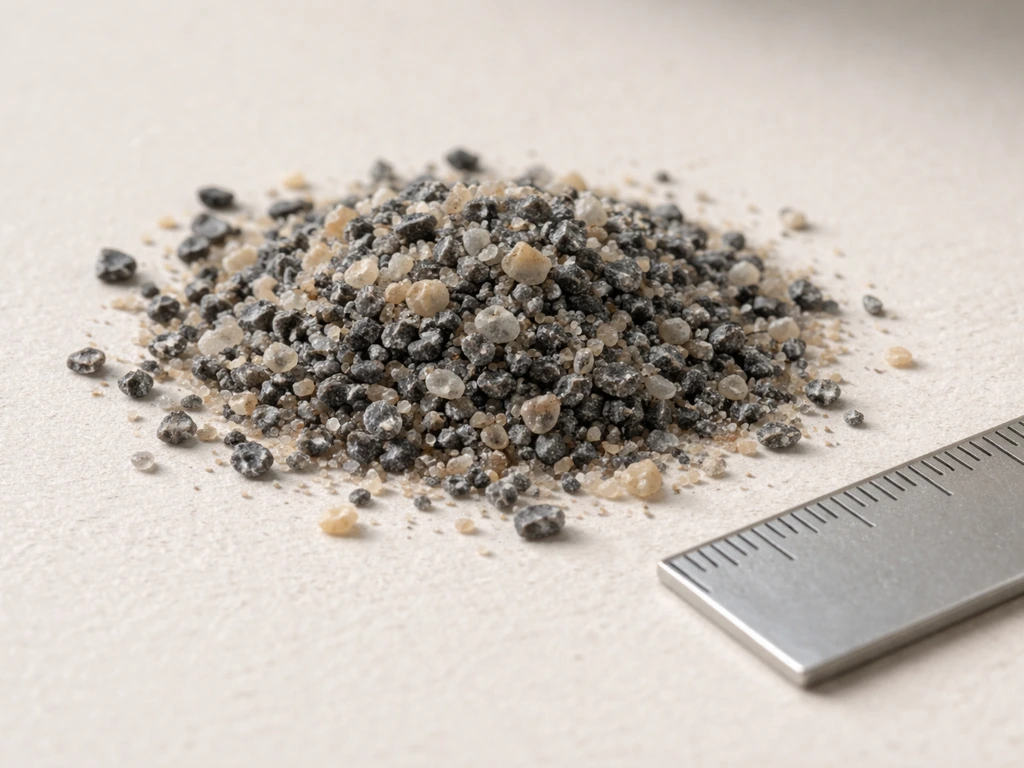
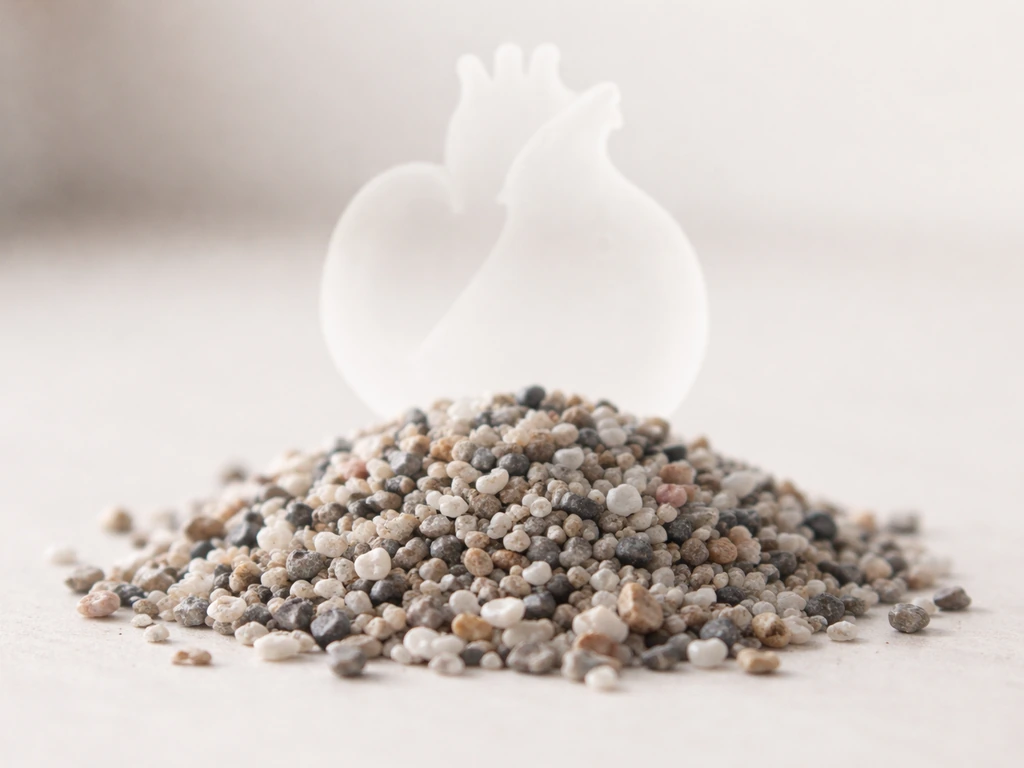
When people say 'bird gravel,' they usually mean insoluble grit: tiny chips of stone like granite or flint that a bird swallows deliberately and retains in its gizzard. The gizzard (also called the ventriculus) is a muscular stomach that grinds up tough food. In species that swallow whole seeds without removing the outer hull first, that grinding action needs a little help, and insoluble grit acts like small millstones to get the job done. The grit can stay in the gizzard for months before being passed.
There's a second type worth knowing: soluble grit. This is calcium-based material, typically ground limestone or oyster shell, that actually gets digested and provides minerals like calcium and phosphorus. Cuttlebone works on a similar principle. Soluble grit doesn't help with mechanical grinding because it dissolves rather than staying in the gizzard, but it can support bone and egg health. The two types get lumped together under 'bird gravel' in pet stores, which is part of why the topic is so confusing for beginners.
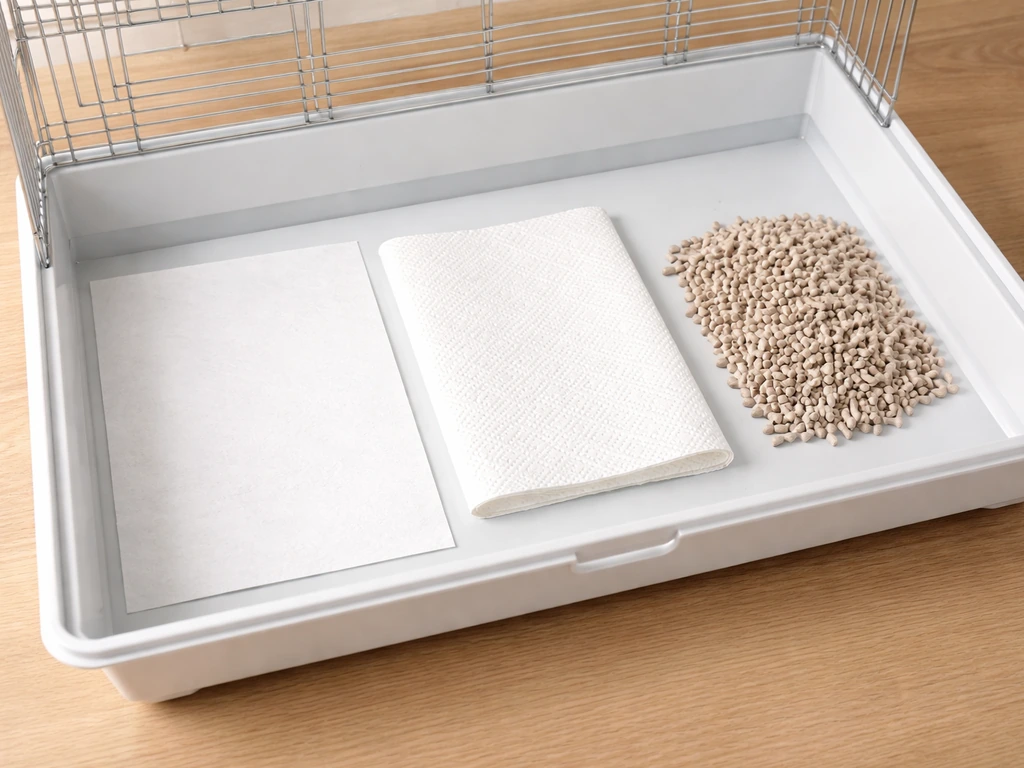
It's also worth clearing up what bird gravel is not. It's not aquarium gravel, decorative pebbles, coarse sand, or general cage bedding. Those products aren't designed for consumption and should never be offered as grit substitutes. If you're researching cage substrate or floor covering for your bird's habitat, that's a separate conversation from digestive grit entirely.
Which birds actually need it (and which ones definitely don't)
The rule is simple once you understand it: birds that hull their seeds before swallowing don't need insoluble grit. Birds that swallow seeds whole do. The problem is that most beginner bird owners don't realize their bird hulls seeds, because the bird does it so fast it looks like the seed just disappears.
Birds that do NOT need bird gravel
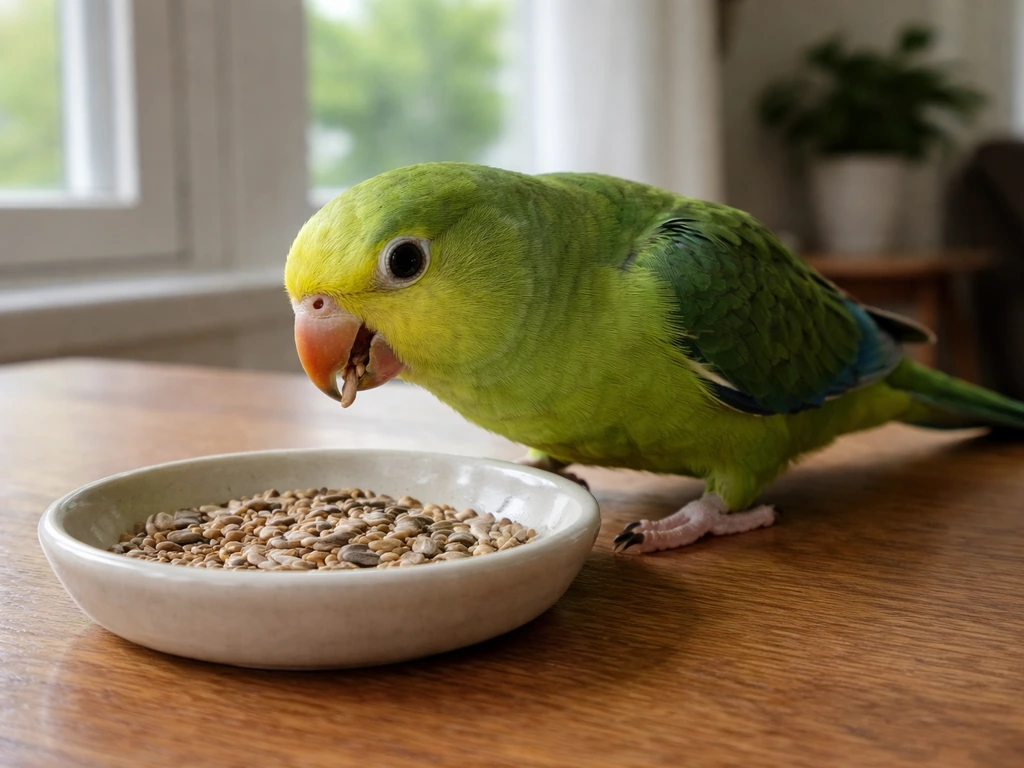
Budgies, cockatiels, and all other psittacines (the parrot family) remove the outer hull of a seed before eating the kernel. Because the hard, indigestible part never makes it into their digestive system, their gizzard doesn't need grit to process it. Veterinary sources are emphatic on this: grit should never be given to birds in the parrot family. Canaries and finches are also generally in the 'no grit needed' category, especially if they're eating a quality diet. These birds can meet their calcium needs through cuttlebone or mineral-fortified foods instead.
Birds that can benefit from small amounts of gravel
Pigeons and doves swallow seeds whole without hulling them first, so insoluble grit genuinely helps their gizzard do its job. That said, even here the need depends heavily on diet. If a pigeon or dove is eating a pelleted ration rather than whole seeds, grit becomes much less important and may not be necessary at all. When grit is appropriate for these species, the emphasis is on very small amounts. Overfeeding is a real hazard even for birds that biologically use it.
| Bird Species | Hulls Seeds? | Needs Insoluble Grit? | Calcium Source |
|---|---|---|---|
| Budgie | Yes | No | Cuttlebone, mineral block |
| Cockatiel | Yes | No | Cuttlebone, mineral block |
| Parrots (all) | Yes | No — avoid entirely | Cuttlebone, varied diet |
| Canary | Yes | Generally no | Cuttlebone, fortified seed |
| Finch | Yes | Generally no | Cuttlebone, fortified seed |
| Pigeon | No (swallows whole) | Yes, small amounts | Diet + soluble grit if needed |
| Dove | No (swallows whole) | Yes, small amounts | Diet + soluble grit if needed |
Safe types and the right particle size
If you have a bird that genuinely needs grit (pigeons, doves on whole-seed diets), stick to products made specifically for birds. Granite grit and flint grit are the most common insoluble options. Particle size matters a lot: the pieces should be very small, roughly 1 to 2 mm for smaller birds like doves, and sized appropriately for the bird's body. Anything too large won't pass through the digestive system normally and raises the risk of blockage. Anything too fine basically turns to dust and doesn't do the grinding job.
Avoid using sand from the yard, aquarium gravel, decorative stones, or anything that isn't food-grade and bird-specific. Contamination from pesticides, heavy metals, or bacteria in non-food-grade materials is a genuine risk. Commercially packaged bird grit sold by reputable pet bird suppliers is the safe starting point. For calcium needs across most pet bird species, soluble options like cuttlebone, crushed oyster shell (food-grade), or calcium mineral blocks are safer and more appropriate than insoluble grit.
How to offer it correctly
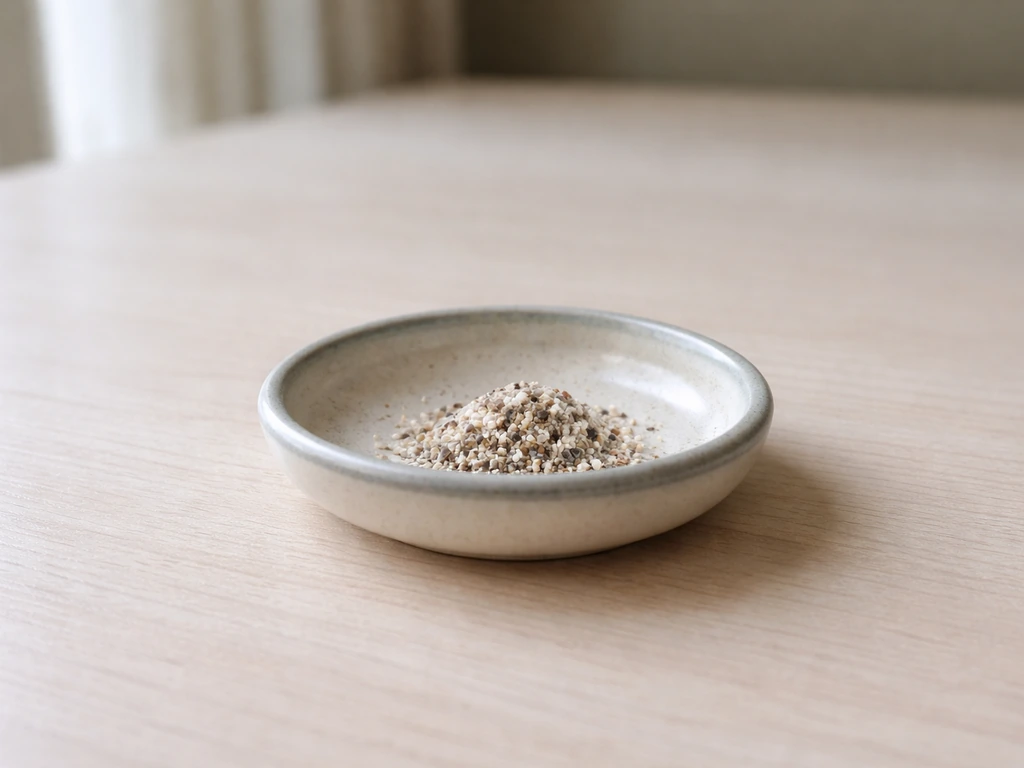
For birds that do need grit (again, primarily pigeons and doves on whole-seed diets), the guiding principle is: a little goes a long way. A small pinch in a separate dish, offered once or twice a week, is typically enough. Grit should always be offered in a dedicated small dish rather than mixed into food or scattered on the cage floor, where it can get contaminated with droppings.
- Use a small, shallow dish placed away from the water and food bowls to keep it clean.
- Offer only a small pinch at a time, not a full dish that stays out indefinitely.
- Replace or refresh any uneaten grit weekly to prevent bacterial buildup.
- Never mix grit directly into seed or pellet mixes.
- If your bird ignores the grit, that's usually fine. Do not force the issue.
- If your bird is eating a pelleted diet rather than whole seeds, check with your vet before offering grit at all.
The biggest mistake new bird owners make is treating grit like a standard supplement that every bird should have. It isn't. Think of it as a tool with a very specific job for a very specific situation, not a daily supplement for the whole flock.
Risks, mistakes, and what can go wrong
The most serious risk is gizzard impaction. This happens when a bird consumes more grit than its digestive system can handle, and a hard mass builds up in the ventriculus (gizzard), blocking normal food movement. This is not a theoretical risk. It's documented in clinical veterinary literature and can affect both birds that shouldn't have grit at all (like parrots given it by mistake) and birds that technically can use it but get too much. Young birds, sick birds, or birds with existing digestive issues are especially vulnerable.
The other major risk is contamination. Grit left in the cage too long or placed near the cage floor where droppings land can become a source of bacterial or fungal exposure. This is one reason to refresh any grit dish frequently and never let it accumulate.
- Giving any grit to parrots, cockatiels, or budgies: their anatomy doesn't need it and it can cause impaction.
- Using non-food-grade materials like aquarium gravel, garden sand, or craft stones as grit substitutes.
- Leaving a full dish of grit available at all times, which encourages overconsumption.
- Offering grit to birds that are ill, stressed, or already showing digestive symptoms.
- Assuming the grit sold for chickens or backyard poultry is appropriate for small pet birds (particle size and mineral content differ).
- Confusing bird gravel with general cage substrate or bedding, which serves a completely different purpose.
Better ways to support digestion and set up a healthy habitat
For the vast majority of pet birds, digestive health comes from diet quality, not grit. A species-appropriate diet of high-quality pellets supplemented with fresh vegetables, limited fruit, and modest amounts of seed (especially for smaller birds) gives the digestive system what it needs without any grit at all. PetPlace veterinarians also note that when birds are on an easily digested, appropriate diet, grit is not a dietary requirement grit is not a dietary requirement for birds on an easily digested, appropriate diet. Pellets in particular are already broken down into a form the bird's stomach handles efficiently, removing the mechanical grinding challenge that grit is meant to solve.
Calcium supplementation, which is often what people are actually trying to address when they reach for grit, is better handled through cuttlebone or a mineral block mounted inside the cage where the bird can access it freely. These are soluble, safe, and appropriate for psittacines, finches, and canaries alike. If you're setting up a cage for the first time and wondering what should go on the floor or inside the habitat, the right bedding or substrate is a separate consideration from digestive grit, and it matters for hygiene and foot health more than digestion. If you’re choosing bedding or substrate for a pet bird’s cage, you’ll want the best bird bedding option for safety, comfort, and hygiene. Bird feet are typically made of keratinized scales and tough outer skin, with an underlying structure that supports grip and movement.
Hydration also plays a role in smooth digestion that beginners sometimes overlook. Fresh, clean water changed daily is non-negotiable. A bird that's dehydrated is much more likely to have crop or digestive slowdowns, regardless of what it's eating. Environmental factors like clean air, appropriate temperature, and enough space to move around all contribute to a bird's overall gut health too, even if they don't seem directly connected.
When to call an avian vet
If your bird is showing any digestive symptoms, don't try to solve it by adding or removing grit on your own. See an avian vet. Signs that warrant a prompt call include vomiting or regurgitation (beyond normal social regurgitation in bonded birds), loose or discolored droppings that last more than a day, a distended or palpably hard abdomen, loss of appetite or sudden weight loss, and lethargy or fluffed feathers alongside any of the above.
If you're genuinely unsure whether your specific bird or species needs grit, an avian vet is the right person to ask. General pet store advice on this topic is inconsistent and sometimes flat-out wrong. A vet can assess your bird's diet, check for underlying issues, and give you a clear yes or no based on your bird's actual situation rather than a generic species profile. This is especially important if you've already given grit to a bird that shouldn't have had it, like a cockatiel or parrot, and you're now worried about potential impaction.
The bottom line: bird gravel has a legitimate place in the care of pigeons and doves eating whole seeds, and essentially no place in the care of the parrots, cockatiels, budgies, finches, and canaries that make up the majority of pet birds. If you're wondering what a bird litter is called, it's the same idea as “bird gravel” used as grit, but the name can be misleading what is a bird litter called. Choosing the best bird litter or cage substrate can also help support cleanliness and digestion without adding unnecessary grit. If you're wondering what bird sand is used for, it usually refers to grit, which some birds need to help grind tough foods in the gizzard what is bird sand used for. Get the diet right first, offer cuttlebone for calcium, and consult an avian vet before adding any grit to your bird's environment.
FAQ
My parrot is very interested in the grit dish. Should I let it sample a little?
No. Interest in the dish does not mean it will process it safely. For psittacines, even small amounts of insoluble grit can contribute to gizzard problems, and calcium sources are better provided as cuttlebone or a mineral block in an accessible location.
Can I mix bird gravel into my bird’s seed or pellets to control how much they eat?
It’s better not to. Mixing can make it harder to monitor intake and increases the chance of the grit becoming contaminated with droppings if any is spilled. If a species truly needs grit, use a dedicated small dish and remove or refresh it often.
If my bird already eats pellets, do I still need to provide insoluble grit?
Usually no, especially for parrots, cockatiels, budgies, finches, and canaries. Pellets reduce the need for mechanical grinding because they are already processed, so grit becomes an unnecessary risk rather than a benefit.
What grit size should I buy, and what happens if it’s too large or too fine?
Choose bird-specific grit where the particle size is intended for that species. Pieces that are too large may not pass normally, raising blockage risk. Pieces that are too fine can behave like dust and do not provide the intended grinding function.
Is cuttlebone the same thing as bird gravel, can I use it as a substitute?
Cuttlebone is generally a soluble calcium source, it does not replace insoluble grit’s mechanical grinding role. For birds that do not need insoluble grit, cuttlebone can support calcium needs. For pigeons and doves that need grinding help, cuttlebone alone will not provide the same benefit.
How long can grit stay in the cage before it becomes unsafe?
Don’t let it accumulate. Remove or refresh grit frequently, especially if it sits near droppings or gets spilled. This reduces bacterial and fungal exposure risks that rise when grit becomes contaminated over time.
My dove/pigeon is eating mostly whole seeds some days and pellets other days. Do I offer grit every time?
Offer grit based on the current diet, whole-seed days are the times it may be useful. If the bird is largely on pellets, grit may be unnecessary or can be reduced. When in doubt, ask an avian vet to confirm based on your exact ration.
What are early signs that my bird may have gizzard impaction from too much grit?
Watch for loss of appetite, sudden lethargy, an abnormally distended or firm abdomen, vomiting or regurgitation beyond normal behavior, and persistent abnormal droppings. If you see these, seek avian care promptly rather than waiting or changing grit amounts on your own.
If I accidentally gave grit to a parrot or cockatiel, should I stop immediately or can it be continued safely?
Stop immediately and contact an avian vet for guidance, especially if it was given regularly or in larger amounts. Even if the bird appears normal, a vet can advise whether any monitoring is needed based on how long it was offered and how much was consumed.
Is yard sand or aquarium gravel ever acceptable as a grit substitute?
No. Non-food-grade sand and gravel can carry pesticides, heavy metals, or microbes, and decorative stones are not designed for ingestion. Use only food-grade bird grit made for this purpose, or skip insoluble grit entirely for species that don’t need it.
How much grit is “a little,” and is there a maximum amount I should not exceed?
For species that truly need insoluble grit, the approach is a small pinch in a dedicated dish, offered infrequently (often once or twice per week). Avoid free-choice unlimited access because overfeeding is a real hazard for gizzard impaction.
Next Article
Best Bird Litter: How to Choose, Use, and Clean Safely
Choose the best bird litter by bird type and cage setup, with safe materials, step-by-step cleaning, and switching tips.