If your pet bird gets caught in the rain, bring them inside immediately, get them dry and warm as quickly as you safely can, and watch them closely for the next few hours. That's the core of it. The 'Batman' phrasing floating around is just a meme format ("What does Batman need in the rain?
What Does a Bird Need in the Rain: Safe Care Guide
Marcus Chen
17 May 2026
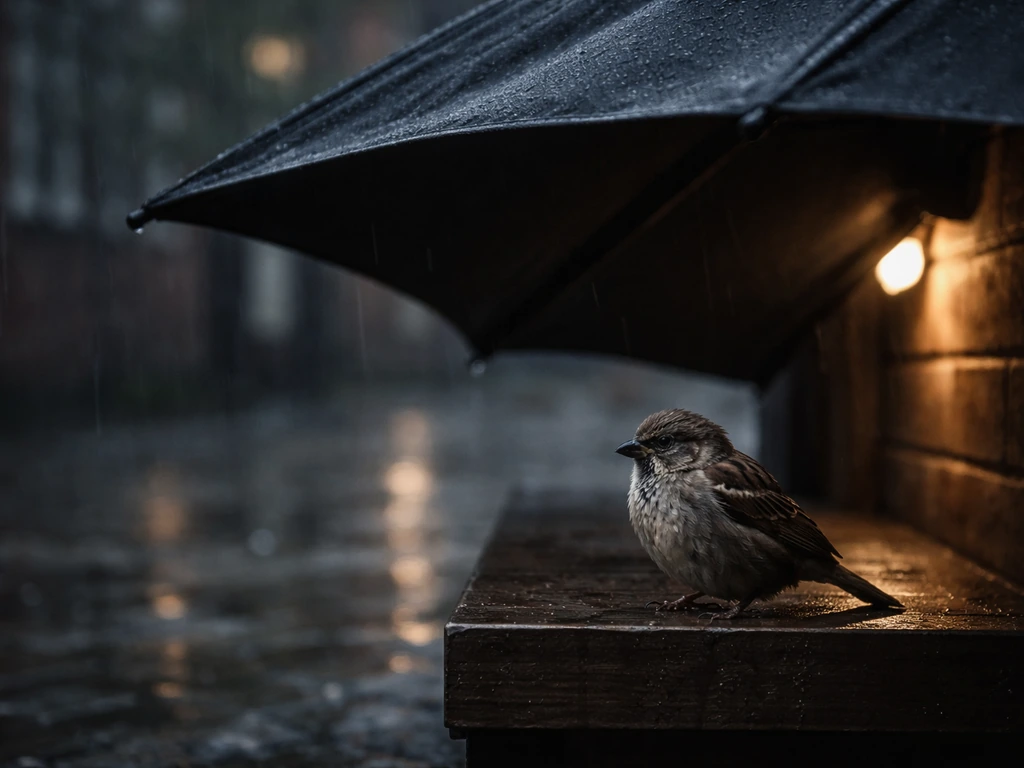
So, when you ask what a bird needs in the rain, the real answer is warmth, airflow, and controlled humidity so it can recover safely. A bat-umbrella! ") that people riff on, but when you're a bird owner asking it, there's a real and urgent question underneath: rain and wet weather are genuinely risky for pet birds, and most first-time owners don't know exactly what to do when it happens.
Why rain is actually dangerous for pet birds
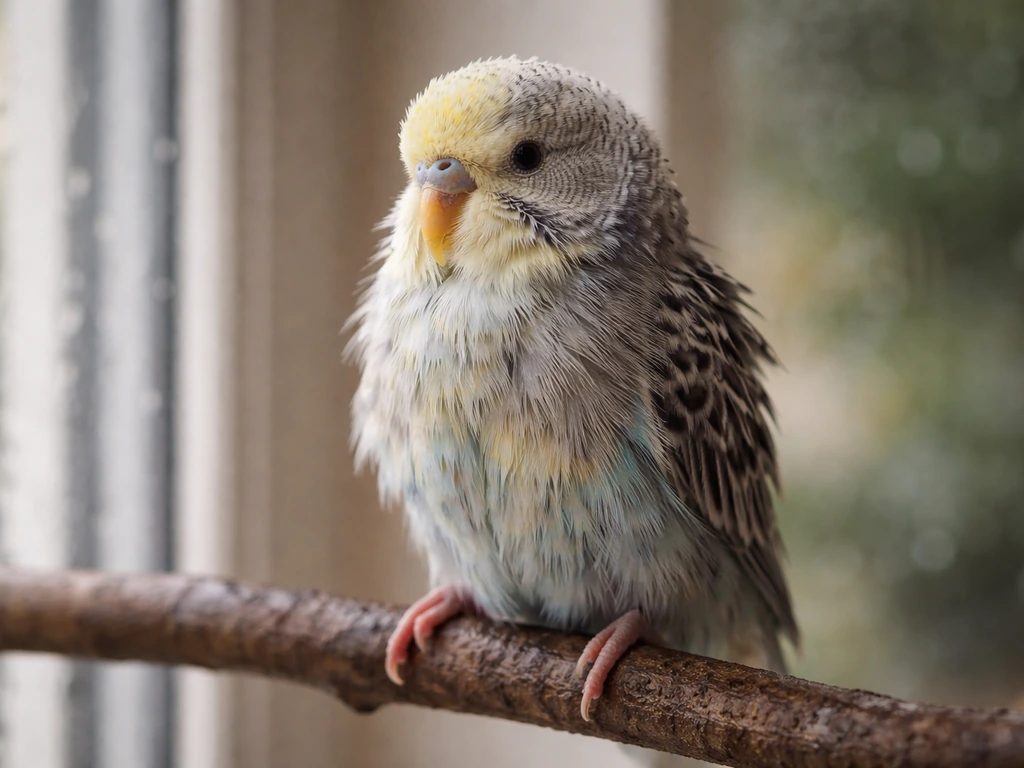
Wild birds handle rain because they have oiled, weatherproof feathers, the instinct to seek shelter, and the body condition to manage it. Pet birds, especially parrots, canaries, finches, and cockatiels kept indoors most of their lives, don't always have those same defenses. Their feathers can become saturated quickly, and once wet, a bird struggles to stay warm. That's not a minor inconvenience. It can lead to hypothermia, and it happens faster than you'd expect.
Birds with any kind of feather loss, whether from molting, plucking, or illness, are especially at risk. Feathers are their insulation, and without a full coat, a soaked bird loses body heat rapidly. On top of the cold danger, prolonged wet conditions encourage the growth of mold and bacteria in cage bedding and on perches, which can trigger respiratory infections from fungi like Aspergillus, or gut infections from Candida. These aren't rare edge cases. Mycotic (fungal) diseases are among the more common illnesses vets see in pet birds, and damp, poorly ventilated environments are a major contributing factor.
There's also stress. Birds are prey animals. Being cold, soaked, and exposed triggers a stress response that suppresses their immune system. A bird that looks 'fine' after getting wet might be fighting something off for the next few days.
Immediate steps if your bird gets caught in the rain
Speed matters here. The longer a wet bird stays wet, the harder it is for them to recover their body temperature. Here's what to do right now:
- Move the bird inside or into a warm, sheltered area immediately. Don't wait to see if they 'shake it off.'
- Wrap them loosely in a clean, dry towel. Gentle towel-drying helps absorb surface moisture without stressing them more than necessary. Don't rub hard, just blot and wrap.
- Get the room warm. Aim for around 75 to 80°F (24 to 27°C). A cold room defeats the purpose of drying them.
- If the bird is shivering, fluffed up, or unresponsive, treat it as an emergency and skip ahead to warming with a heat source (see below) while you call an avian vet.
- Once surface moisture is reduced, you can use a hair dryer on the lowest heat setting, held at least 12 inches away, to finish drying. Keep it moving and constantly check the warmth with your hand. Never point it directly at the bird's face.
- After drying, give the bird time to rest in a quiet, warm, draft-free space. Cover part of the cage to help them feel secure.
- Offer fresh water and food. Don't force it, but having it available matters.
Safe shelter and environment: warmth, airflow, and humidity
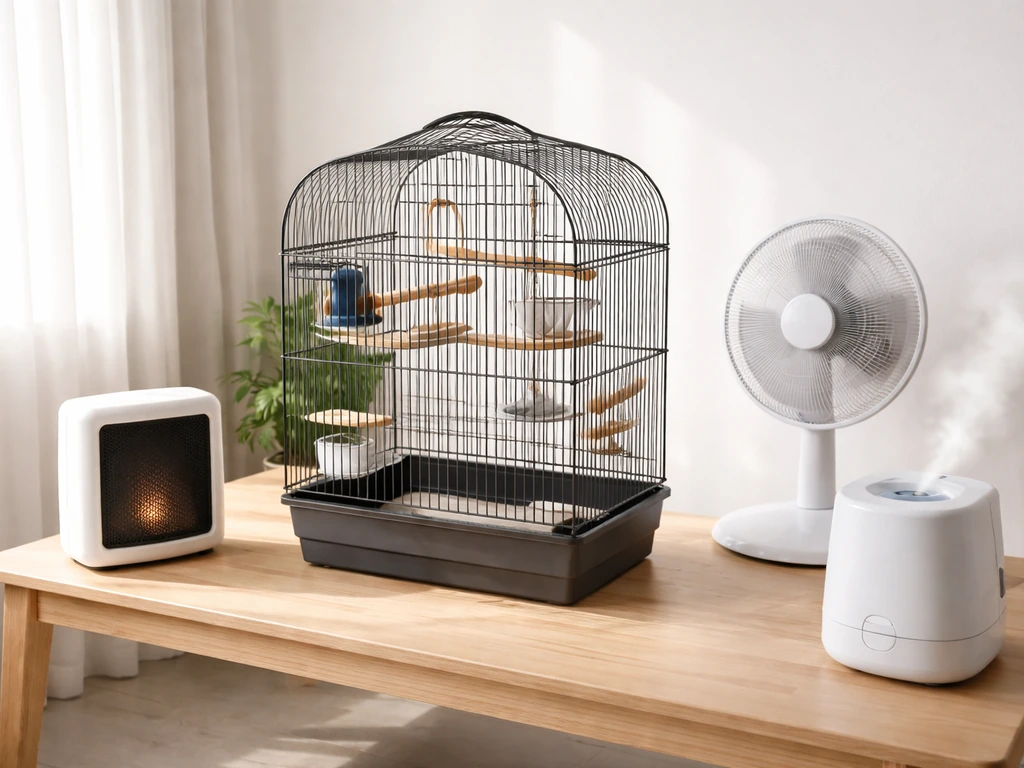
Whether your bird lives indoors or in an outdoor aviary, the environment needs to check three boxes after a rain event: warmth, airflow without drafts, and controlled humidity. These sound like they might conflict with each other, but they don't when you set things up right.
Temperature
Most pet birds are comfortable between 65 and 85°F (18 to 29°C). After rain exposure, lean toward the warmer end of that range while the bird recovers. A ceramic heat emitter (not a light-based heat lamp, which can disrupt sleep cycles) placed safely outside the cage works well. Avoid placing the heat source so that the bird can't move away from it. They need to self-regulate.
Airflow vs. drafts
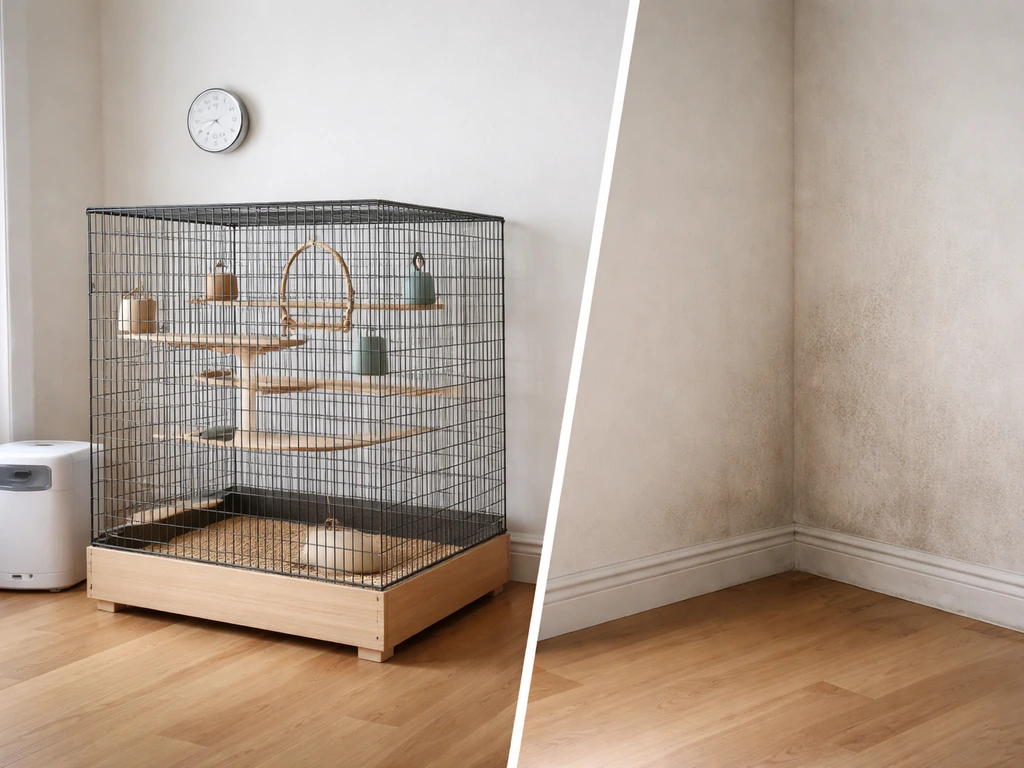
This is where people get confused. Birds need fresh air circulation to prevent fungal buildup, but they're highly sensitive to cold drafts, which can cause chills and worsen a respiratory situation. Good airflow means a room with gentle, indirect ventilation, not a fan pointed at the cage and not a cage sitting next to an open window during a storm. Keep the cage away from exterior walls, AC vents, and windows during wet weather.
Humidity
Moderate humidity (around 40 to 60%) is generally fine for most pet birds. The problem is when humidity spikes into the 70s or 80s and stays there, which encourages mold growth in cage substrate, on wood perches, and in food bowls. After rain, check and replace wet bedding or cage liner immediately. Let wooden perches dry fully before putting them back. If you're in a persistently humid climate, a small dehumidifier in the bird room can make a noticeable difference in long-term health.
Can birds be outside in rainy weather?
The honest answer is: it depends on the setup, the species, and the bird's individual condition, but erring on the side of bringing them in is almost always the right call for pet birds. In the same way, trees provide birds with natural shelter and perches that can help them stay safer in bad weather how does a tree help a bird.
| Setup | Rain Risk Level | What to Do |
|---|---|---|
| Indoor cage near a window | Low (unless window is open) | Close windows, check for drafts |
| Covered outdoor aviary with solid roof | Moderate | Ensure all perches and food are under cover; bring bird in if temperature drops below 60°F or storm is severe |
| Uncovered outdoor aviary or pen | High | Bring the bird inside whenever rain is forecast. No exceptions. |
| Bird on a patio perch or play stand | Very High | Never leave unsupervised outside during or before a storm; bring in at first sign of rain |
| Outdoor flight cage with partial cover | Moderate to High | Install additional weather protection; have a plan to relocate the bird quickly |
Some hardier species, like certain doves, pigeons, or birds bred for outdoor aviaries in your climate, can tolerate more than a typical hand-raised parrot or canary. But even then, a soaking rain with wind is different from a light drizzle. If you're building or improving an outdoor setup, a solid waterproof roof that extends beyond the cage walls, plus a wind-blocking back and side panel, gives you a buffer that makes these decisions much less stressful.
How much space your bird needs in that outdoor setup is a separate (but related) question worth thinking through before you build anything permanent. If you're also wondering about daily care, knowing how much water a bird needs helps you avoid both dehydration and over-wetting during recovery. In general, you want enough space for your bird to move away from wet or cold areas, stretch, and maintain normal routines How much space your bird needs.
How to dry and settle a bird after rain
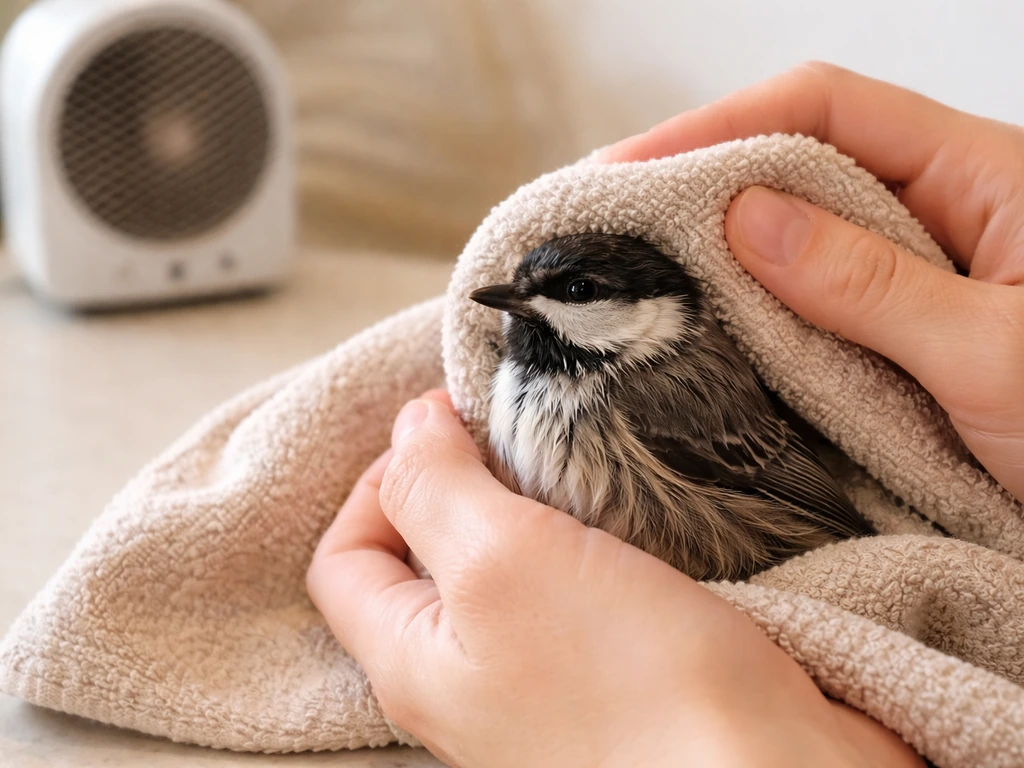
You've brought the bird inside. Now what? This connects to what does a bird need day to day, since the right warmth, airflow, and clean environment help them recover after rain. The drying process matters almost as much as the speed at which you started it.
What to do
- Use a soft, dry towel to blot (not rub) moisture from the feathers. Some birds tolerate being held in a towel; others panic. Know your bird.
- Follow up with a hair dryer on the lowest heat setting, kept moving and at least 12 inches from the bird. Watch for any signs of overheating like open-mouth breathing or holding wings away from the body.
- Place the bird in a warm, quiet room. Dim the lights slightly to reduce stress.
- Offer a small amount of their favorite food as a comfort measure once they've calmed down.
- Monitor for the next 4 to 6 hours. Watch their breathing, posture, and droppings.
What to avoid
- Don't use high heat from a hair dryer or place the bird directly in front of a space heater. Burns happen fast.
- Don't put a soaking wet bird back in a cold cage.
- Don't use scented candles, air fresheners, or cleaning sprays near a stressed bird. Their respiratory systems are extremely sensitive.
- Don't force interaction. Let them rest.
- Don't assume they're fine just because they've stopped shivering. Keep watching.
Equipment and routines that prevent problems before they start
The best rain prep happens before it rains. A few pieces of equipment and some simple habits go a long way toward making wet weather a non-event for your bird. If you're wondering what do you need for a pet bird, start with the basics like housing, heat support, and a routine you can stick to during weather changes. If you are just getting started, it helps to know what do you need for a bird before wet weather happens. If you are new to bird watching, it also helps to know what you need before you head out so you can stay comfortable and ready to spot birds what do you need for bird watching.
- Waterproof cage cover: A fitted, waterproof cage cover (not just a cloth one) keeps moisture out if you have an outdoor or patio setup. Some covers also help retain warmth at night.
- Ceramic heat emitter: Safer than heat lamps for birds because it doesn't emit light. Plug it into a thermostat-controlled outlet so the temperature stays in range automatically.
- Thermometer and hygrometer: A basic combo unit that measures both temperature and humidity costs under $15 and tells you what's actually happening in the bird's environment. I'd call this non-negotiable.
- Absorbent cage liner: Paper-based liners are easiest to replace quickly after a wet event. Avoid corn-cob or wood-chip substrates in humid conditions because they mold fast.
- Replacement perches: Keep a second set of wooden perches so you can rotate them out to dry fully before returning them to the cage.
- Small dehumidifier: Worth it if you live in a consistently humid climate or have a basement bird room.
- Daily cage check: Even without rain, checking food/water bowls and the cage floor daily for moisture or mold is the single most underrated habit in bird care.
Routine matters as much as equipment. After any rain event, even if your bird stayed inside, check the cage for any moisture that got in through a nearby window or vent, replace bedding, and wipe down any wet surfaces with a bird-safe cleaner. The goal is to never let wet conditions sit. What your bird needs on a daily basis, including clean water, appropriate food, and a well-maintained cage, forms the foundation that helps them bounce back quickly when something unexpected like a rainstorm happens. If you're also planning a bird-watching outing, start by gathering the essentials like binoculars, a field guide, and a comfortable way to take notes bird watching.
Warning signs and when to call an avian vet
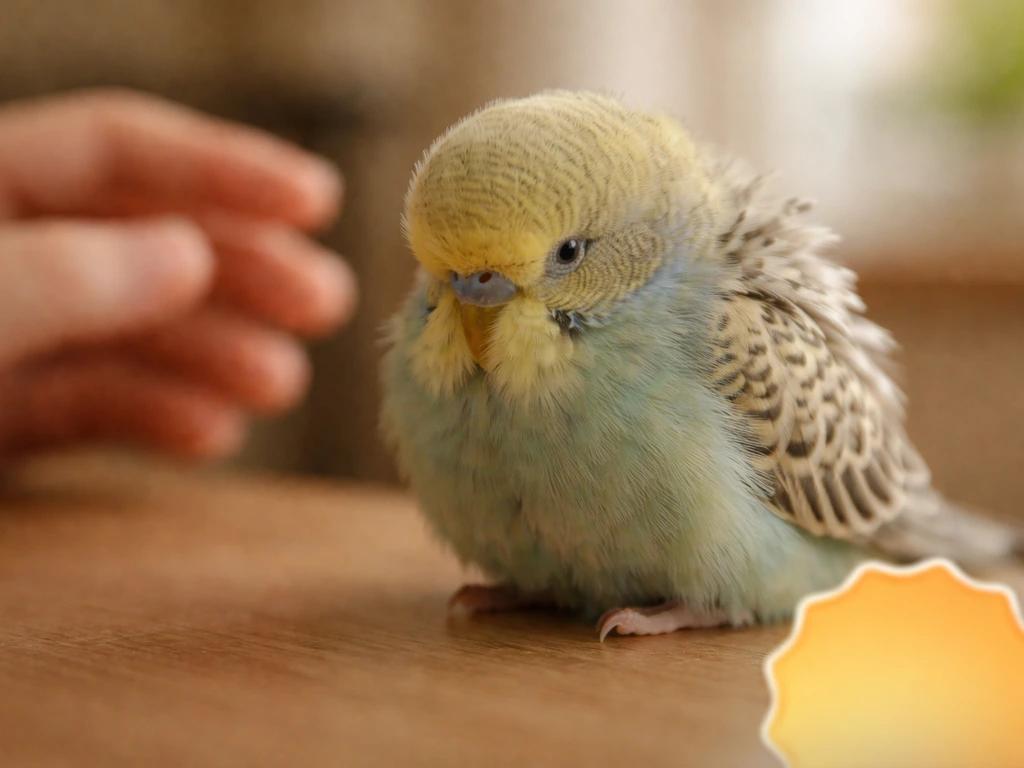
Birds are prey animals and they hide illness well. By the time they look obviously sick, they've usually been struggling for a while. After any significant rain or cold exposure, watch for these signs over the next 24 to 48 hours:
- Fluffed-up feathers for an extended period (beyond the initial drying phase): This is a classic sign of a bird trying to conserve heat, and it's one of the earliest visible hypothermia indicators.
- Shivering or trembling that doesn't stop once they're warm and dry.
- Lethargy or slow reactions: If your normally active bird is sitting low on the perch, eyes half-closed, and not responding normally to you, that's a red flag.
- Labored or noisy breathing: Clicking, wheezing, or tail bobbing with each breath can signal a respiratory infection.
- Loss of appetite lasting more than 24 hours.
- Changes in droppings: Very watery, discolored (especially green or black), or absent droppings all warrant attention.
- Discharge from the nostrils or eyes.
- Any visible injury from the weather event, like a cut, bruise, or broken feather shaft bleeding.
If you see any combination of these signs, especially fluffing plus lethargy plus breathing changes, don't wait to see if they improve on their own. The RSPCA wildlife-practice guide lists hypothermia signs such as birds being fluffed up, shivering, depressed, and having slow reactions. Call an avian vet, not just a general small-animal vet. Avian medicine is specialized, and a bird that's declining from hypothermia or a developing respiratory infection needs someone who knows what they're looking at. Many avian vets offer phone consultations, so even a quick call to describe what you're seeing can help you decide how urgently to bring the bird in.
The good news is that if you act fast, get your bird dry and warm, and watch them closely, most healthy pet birds recover from a brief rain exposure without any lasting issues. The problems come when owners don't notice the signs, or leave a wet bird in a cold cage overnight thinking it'll be fine. It usually isn't. Treat any rain exposure with respect, run through the steps above, and you'll be giving your bird the best chance at bouncing back quickly.
FAQ
Should I dry my pet bird with a towel or leave it to air-dry after rain?
Use gentle towel drying only to remove obvious surface wetness, then focus on getting the bird warm. Do not rub hard on feathers, and avoid hair-dryer heat or forced air, since overheating and drafts both increase risk. Keep close watch for 24 to 48 hours after, because breathing or energy changes may show up later.
Is it ever safe to use a fan to help a wet bird dry faster?
Usually no. Airflow should be indirect and gentle, not a fan blowing directly at the cage or the bird. Pointed airflow can chill them, especially while their feathers are still damp, and can also worsen respiratory irritation if the room is cold.
What temperature should I aim for while the bird recovers, and for how long?
After rain, lean toward the warmer end of their comfort range, then keep the bird warm until feathers are fully dry and behavior looks normal. If your room is cool, plan on longer warmth than you think, since birds can take time to regain stable body temperature. Rewarming should not involve getting them hot enough to pant or become unusually restless.
Can I put wet food, wet toys, or wet perches back in the cage once the bird is indoors?
No, not immediately. Remove and discard any soaked food, wipe down bowls, and replace wet substrate or liner right away. Wooden perches should dry completely before reuse, because lingering dampness promotes fungal growth even if the bird looks okay.
If my bird stayed dry during the rain but was exposed to cold air outside, should I still bring them in?
Yes, if they were chilled or there is any chance they got wet through vents, a window, or wind-driven spray. Cold exposure can suppress immunity and set up respiratory problems even without visible wet feathers, so treat cold-plus-wet conditions as higher risk.
My bird is molting. Is rain risk higher, and what should I change?
Yes. Feather loss during molting or illness reduces insulation, so a soaked bird loses heat faster. Be more aggressive about warmth and monitoring, and consider extra humidity control and quicker drying. If the bird is already fluffed frequently or breathing differently, contact an avian vet sooner rather than waiting.
What signs mean I should call an avian vet immediately after a rain incident?
Call promptly if you notice lethargy that is more than mild, persistent fluffing, labored or open-mouth breathing, wheezing, tail-bobbing, or sudden refusal to perch normally. If you see multiple signs together, especially breathing changes plus weakness, do not wait for improvement.
If the bird looks normal after a few hours, can I stop monitoring?
Keep watching for 24 to 48 hours. Birds can hide illness, and stress plus damp conditions may trigger respiratory or fungal issues later. Check temperature comfort, breathing rhythm, droppings normality, and whether the bird is eating and perching normally.
Can I use a heat lamp instead of a ceramic heat emitter to warm the bird?
Prefer a ceramic heat emitter positioned safely outside the cage, because light-based heat can disrupt sleep cycles. If you only have a heat lamp, use extreme caution to avoid overheating and ensure the bird can move away. Self-regulation matters, so never set heat so strong that the bird cannot choose a cooler spot.
What is the best way to prepare for rain before it happens?
Stage a simple warm, draft-free recovery plan: a designated indoor space, an appropriate heat source placed safely outside the cage, lined bedding you can swap quickly, and a way to keep humidity from staying high. Also create a routine checklist you can follow immediately after any storm so you do not delay drying and cage cleanup.
Next Articles
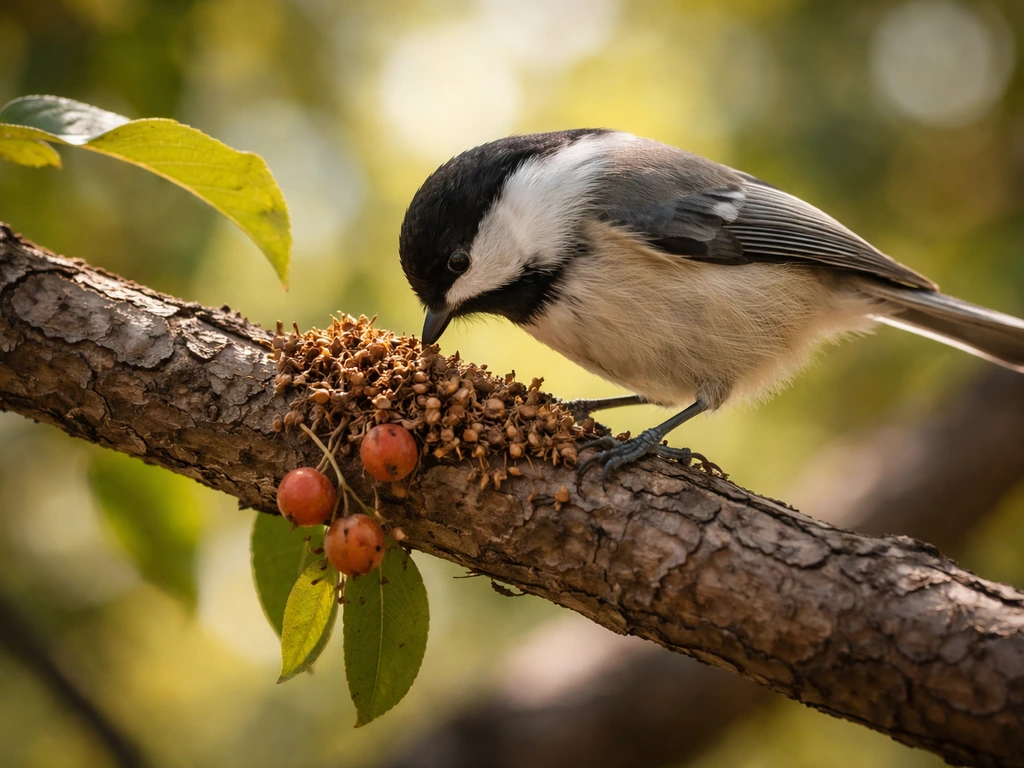
How Does a Tree Help a Bird: Food, Shelter, and Care Tips
Learn how trees feed, shelter and protect birds, plus how birds disperse seeds and how to mimic it at home.
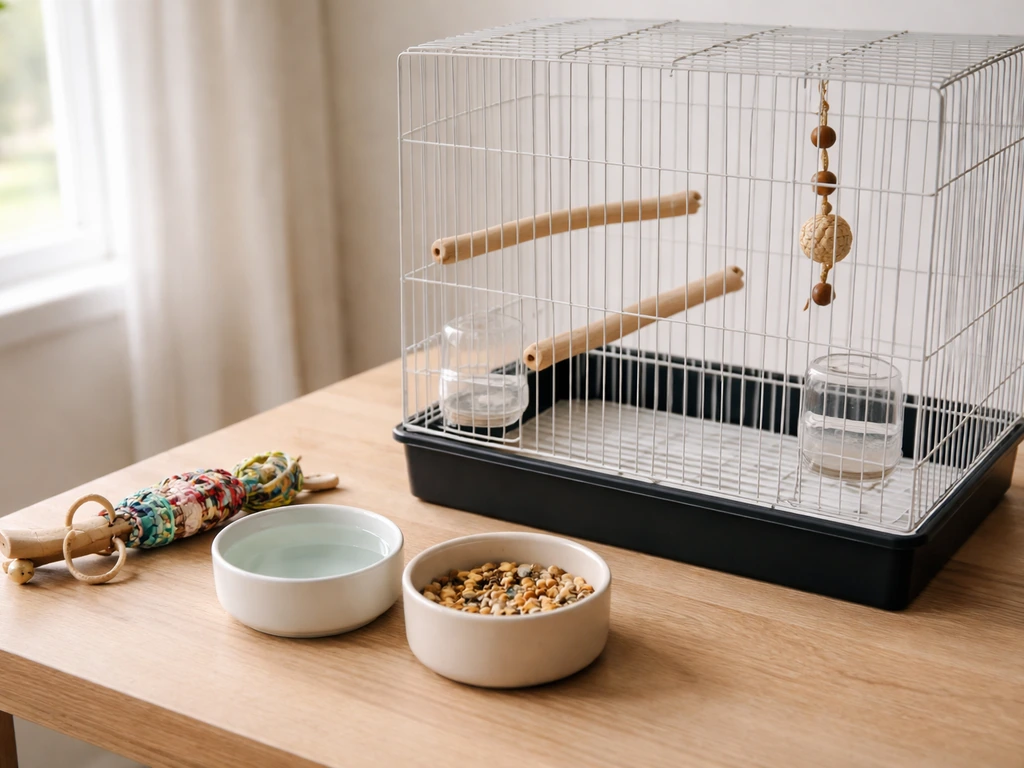
What Do You Need for a Bird? Beginner Supplies Checklist
Beginner bird owner checklist: cage setup, safe food and water, perches, cleaning, hazards to avoid, enrichment, and fir
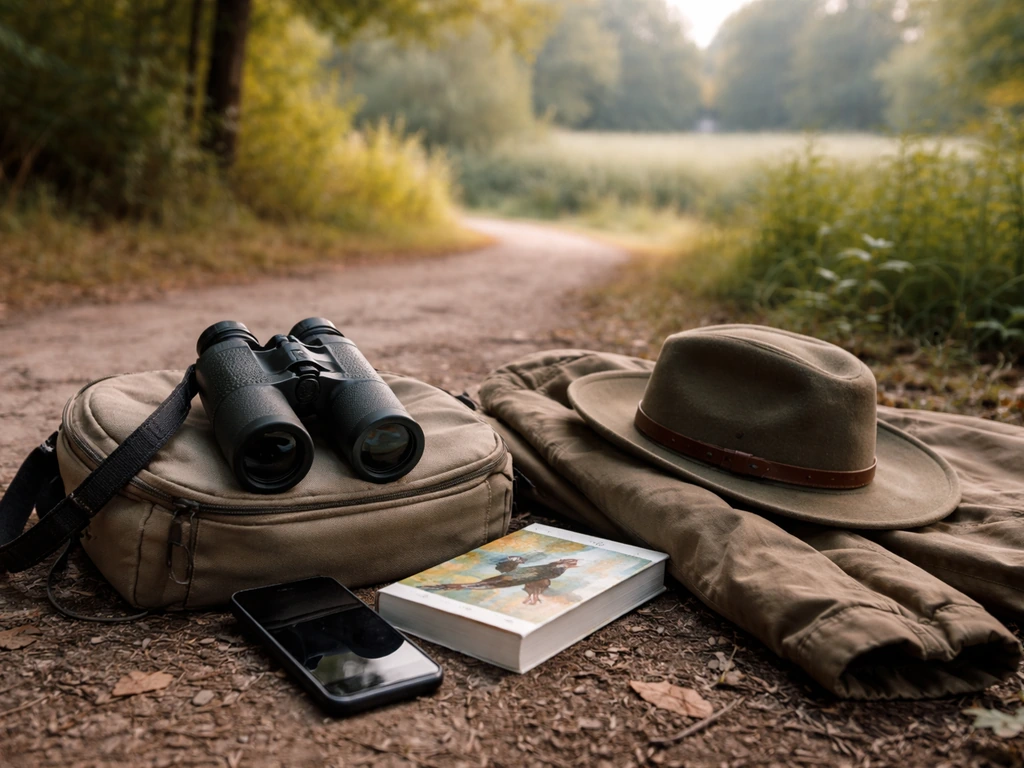
What Do You Need for Bird Watching: Beginner Gear List
Beginner bird-watching gear checklist: binoculars, field guide or app, comfy clothing, plus budget upgrades and first-tr