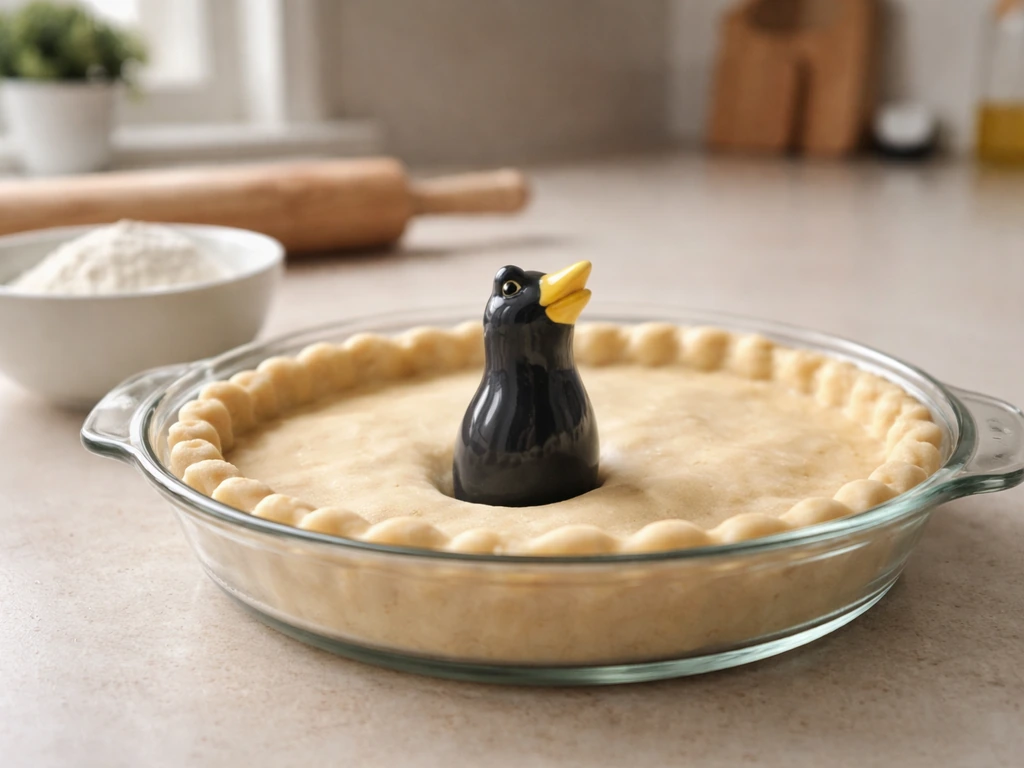
A pie bird has nothing to do with pet birds. It is a hollow ceramic steam vent, shaped like a little bird, that bakers place in the center of a two-crust pie to let steam escape while it bakes. If you landed here because you are setting up a cage for a parakeet, cockatiel, or any other pet bird and you are wondering whether you need one, the answer is a firm no. A pie bird is a kitchen tool. Your bird's habitat does not need one, and no version of it belongs in a bird cage. What you do need are the right cage accessories, placement choices, and daily care habits, and that is exactly what this guide covers.
Is a Pie Bird Necessary? When to Skip It and What to Use

Marcus Chen
11 Jun 2026
What a pie bird actually is (and why beginners get confused)
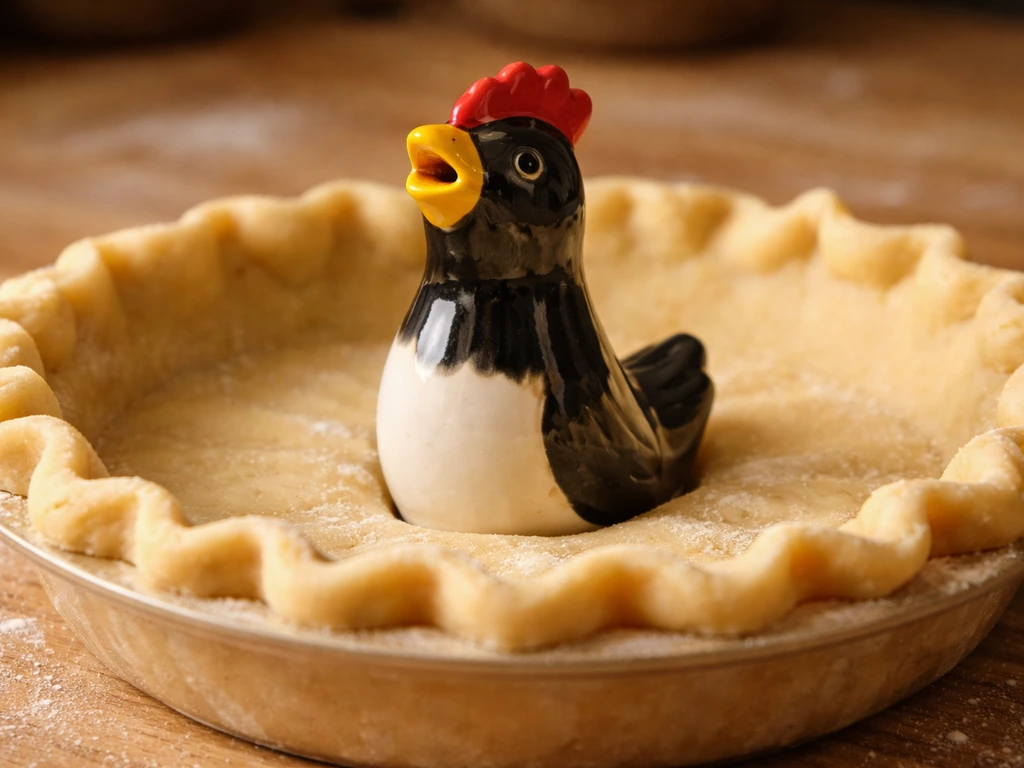
The pie bird became a common kitchen item by the 1930s. Retailers like Lee Valley sell them as hollow ceramic chimneys, often shaped like a rooster or songbird, that sit upright in the middle of a pie so steam vents upward instead of bubbling through the crust or spilling out the sides. That is the entire job. The form is charming, which is probably why the name stuck and why it occasionally crosses into searches about actual birds.
The confusion I see most often from first-time bird owners usually comes from one of three places: someone read a care guide that used unfamiliar vocabulary and assumed 'pie bird' was a product category they were missing, someone conflated the whimsical bird shape with a cage perch or enrichment toy, or someone simply found the term while searching broadly for 'bird accessories.' None of those routes lead anywhere useful for pet bird care. The term does not describe a cage fitting, a supplement, or a specific bird species. Once you know that, you can move on to what actually matters for your setup.
When a pie bird is or is not necessary for your setup
For a pet bird setup, a pie bird is never necessary. Full stop. There is no scenario in which a steam vent for baking pies improves a bird's habitat, comfort, safety, or enrichment. If someone told you that you needed one for your cage, they were either joking, using the term loosely to describe something else entirely, or passing along bad information.
Where the pie bird concept does matter is if you are also a baker and you keep birds in your home. Baking and cooking produce fumes that can be genuinely dangerous to birds. Overheated non-stick cookware releases polytetrafluoroethylene (PTFE) fumes that can kill a bird in minutes. Smoke, strong odors, and even steam from busy kitchens can stress birds or irritate their respiratory systems.
If you use a pie bird or any other baking tool, make sure your bird is in a well-ventilated room away from the kitchen while you cook. That is the only practical connection between a pie bird and pet bird care. Kadai bird benefits are a different topic than pie birds, and this guide focuses on what actually helps pet birds safely.
What to actually look for instead: real cage accessories that matter
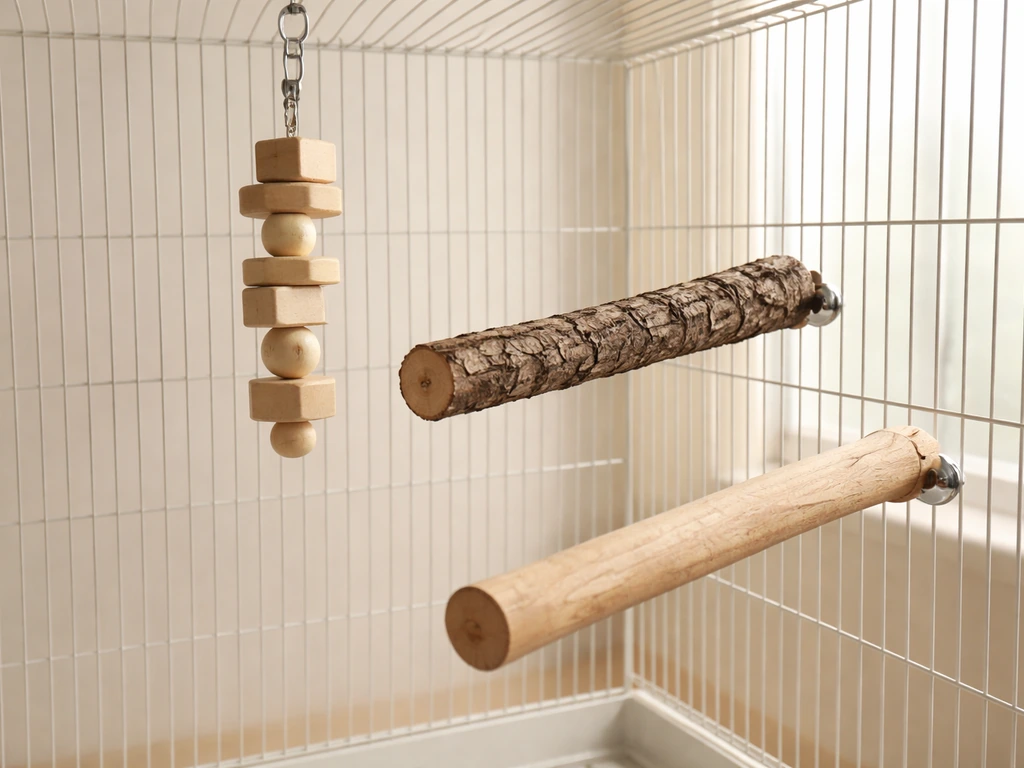
Since the pie bird is off the list, here is where to focus your money and attention. The accessories that genuinely affect a bird's daily quality of life fall into a few clear categories.
- Perches of varying diameter and texture: Natural wood perches (manzanita, dragonwood, java wood) let a bird's feet grip at different angles, which prevents the foot problems that come from uniform dowel perches. Aim for at least two or three perches at different heights with diameters that match your bird's foot size.
- Foraging and enrichment toys: Cockatiels, conures, and parakeets need mental stimulation to avoid feather-destructive behaviors. Foot toys, shreddable toys, and foraging holders where you hide pellets or treats are far more valuable than any decorative accessory.
- Food and water dishes that attach securely: Stainless steel cups that lock onto the cage bars are easier to sanitize than plastic, which holds bacteria in scratches over time.
- Cage tray liners: Plain paper or paper-based liners (not cedar shavings, which release aromatic oils) make daily spot-cleaning fast and let you monitor droppings easily.
- A thermometer and air quality monitor: Birds are sensitive to temperature swings and airborne toxins. Keeping the room between 65 and 85 degrees Fahrenheit and monitoring for drafts is practical safety, not overcaution.
If you are researching supplemental support for a stressed or anxious bird, bird calming supplements are a separate category worth looking into once your cage setup is solid. If you do choose one, compare ingredient lists and talk to an avian vet so you pick the best bird calming supplement for your bird’s needs bird calming supplements. Similarly, if you are exploring enrichment from an activity or exercise angle, that is its own rabbit hole with some genuinely useful options. If you are considering an exercise-style routine for your bird, you may have seen discussions about drinking bird exercise benefits and whether they actually help. But accessories come first.
Choosing the right cage and placement without overthinking it
Cage selection is where beginners spend money in the wrong places more than anywhere else. The rule I wish someone had told me upfront: bar spacing matters more than cage size labels. A cage marketed as 'large' with half-inch bar spacing is dangerous for a cockatiel and completely wrong for a smaller bird like a budgie (parakeet), which needs bar spacing no wider than about half an inch to prevent head entrapment. Larger parrots like conures need three-quarter inch spacing, and larger species like African greys need one inch or more.
Placement is the second biggest setup decision. Birds do best against a solid wall on one or two sides, at roughly eye level or slightly above, which gives them a sense of security without full exposure. Avoid windows with direct afternoon sun (overheating risk), kitchens (fumes), and high-traffic hallways where constant movement stresses them. A living room corner with indirect natural light and regular household activity is usually ideal because birds are social and benefit from watching what is happening around them.
| Factor | What to prioritize | Common mistake |
|---|---|---|
| Bar spacing | Match to your bird's species size | Buying by cage volume alone |
| Cage material | Powder-coated steel or stainless steel | Galvanized or zinc-coated wire (toxic) |
| Placement | Eye level, one solid wall, away from kitchen | Near a window with direct sun or near a stove |
| Perch variety | Two to three natural wood perches, varying diameter | Uniform plastic or dowel perches only |
| Tray/liner | Paper liner for daily spot-cleaning | Sand or cedar shavings (unsafe) |
Daily care routines: what actually keeps your bird healthy
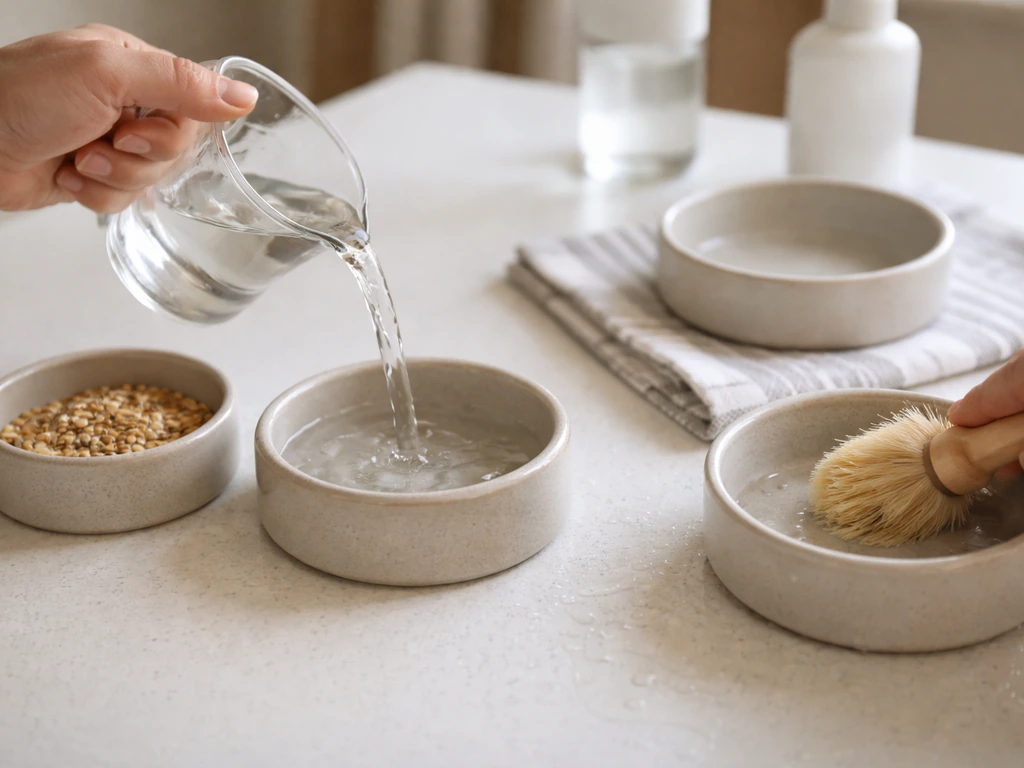
Whether or not you end up buying any specific accessory, a consistent daily routine does more for a pet bird's health than any single product. Here is what a practical daily check should look like.
- Fresh water, every single day: Bacteria multiply fast in standing water, especially in warm rooms. Rinse and refill the water dish each morning.
- Fresh food portion: A base of species-appropriate pellets plus a small amount of fresh vegetables (leafy greens, bell pepper, carrot) and the occasional fruit. Remove uneaten fresh food after a few hours to prevent mold.
- Dropping check: Before you change the tray liner, look at the droppings. Changes in color, consistency, or volume are often the first sign of illness. This takes about 30 seconds and can catch problems early.
- Toy rotation: Swap one toy out every few days. Birds habituate to familiar objects quickly, and a 'new' toy (even one you pull from rotation two weeks ago) reactivates their curiosity.
- Out-of-cage time: Most small to medium birds benefit from at least one to two hours outside the cage daily in a bird-safe room. This supports exercise, socialization, and trust-building.
- Quick safety scan: Check for anything in the room that was not there yesterday. Candles, air fresheners, new cleaning products, and fresh paint all release fumes that affect birds before you notice anything yourself.
Air quality is the safety check that beginners most consistently underestimate. Birds have highly efficient respiratory systems that also make them vulnerable to airborne toxins at concentrations that do not bother humans at all. Non-stick cookware overheated above about 570 degrees Fahrenheit, scented candles, aerosol sprays, and cigarette smoke are the most common household hazards. If you bake with any kind of steam vent or baking tool in a kitchen adjacent to your bird's room, make sure the ventilation is good and your bird is not in direct airflow from that space.
Cost, maintenance, and when it actually makes sense to buy a pie bird
blank" rel="noopener noreferrer">Pie birds as baking tools typically run between 8 and 25 dollars. They are ceramic, so they clean easily with soap and water and last essentially indefinitely if you do not crack them. From a baking standpoint, they are a low-cost, low-maintenance tool that does a specific job well.
If you bake fruit pies or pot pies with two-crust tops regularly, a pie bird or a simple ceramic chimney vent (the same function, less decorative) is a genuinely useful kitchen purchase. In the center of a two-crust pie, a pie bird steam vent helps steam escape so the pie is less likely to bubble or boil over and the crust is supported pie bird or a simple ceramic chimney vent.
If you are looking for a pie bird alternative for baking, focus on a safe steam-vent chimney that does the same job without creating extra risks in your kitchen pie bird or a simple ceramic chimney vent.
If you are shopping for your bird's cage, that 8 to 25 dollars is much better spent on a natural wood perch, a foraging toy, or a second stainless steel water dish. A solid beginner cage for a budgie or cockatiel runs between 80 and 200 dollars. A decent starter setup including cage, two or three perches, a few toys, dishes, and a bag of pellets typically comes in around 150 to 300 dollars depending on the species. Prioritize cage bar spacing and material quality over size or decorative features when you are working with a limited budget.
Where to find what you actually need: pet specialty retailers like PetSmart, Petco, and independent bird specialty shops carry cages and accessories. For natural wood perches and enrichment toys specifically, bird-focused online retailers (many Etsy sellers make excellent hand-crafted bird toys from bird-safe wood) often have better variety and quality than big-box stores. Avoid marketplace listings for used cages unless you can verify the material and confirm no zinc or lead components, since older cages sometimes used coatings that are now known to be unsafe.
Bottom line: you do not need a pie bird for your bird's cage, now or ever. What you do need is the right cage with correct bar spacing, a few good perches, enrichment toys you rotate regularly, fresh food and water daily, and a kitchen routine that keeps cooking fumes away from your bird. Get those basics right and you will be ahead of most first-time bird owners from day one.
FAQ
If pie birds are unnecessary, what should I do instead in my bird’s cage to help with stress or comfort?
Start with cage conditions that reduce stress first, correct bar spacing, secure perches with a mix of diameters, and predictable daily out-of-cage time. If you still need extra support, discuss bird-calming supplements with an avian vet rather than trying to substitute baking tools or gimmicks for environmental changes.
Someone told me a “pie bird” is an actual cage accessory. How can I tell what they meant?
Ask what product they are referring to and what job it performs. A pie bird, when used correctly, is a baking steam vent for pies, it should not be described as a cage fitting, perch, mineral holder, or enrichment item. If the seller or friend cannot explain the function clearly, treat it as misinformation.
Can placing a pie bird near my bird, even if it is not inside the cage, be risky?
Yes, it can be indirectly risky if it is connected to cooking or holds residues. Ceramic is usually inert, but the real concern is kitchen air quality, steam, and fumes, so keep your bird away from cooking areas and avoid any items you recently used with overheated cookware or strong odors.
Is there any situation where a pie bird could benefit pet birds during cooking?
It does not improve the bird’s habitat directly. The only practical connection is kitchen ventilation, place your bird in a well-ventilated room away from the kitchen during baking, and avoid non-stick overheating, aerosols, candles, and cigarette smoke regardless of any baking vent you use.
What’s a common mistake when choosing a cage if bar spacing matters more than size labels?
People buy a “large” cage without checking measurements. Always confirm the gap width between bars for your species, also check that hardware details are not sharp or chewable, and verify the cage is stable and cannot tip, especially when birds climb.
How should I position my bird’s cage if I live in a small apartment?
Use a corner or side against a wall with the cage at about eye level or slightly above. Avoid spots directly in afternoon sun and avoid areas where cooking steam or aerosols drift, if space is tight, consider using a physical barrier and a dedicated “quiet room” during cooking.
Are there safe alternatives to a pie bird for baking that do not increase kitchen risk?
Choose a ceramic or metal steam-vent chimney designed for baking pies, and keep your bird out of the cooking room. The alternative should do the same steam-venting job without introducing additional fumes, odors, or non-stick surfaces that could overheat.
If I am spending money for my bird, how do I decide between a new toy versus upgrading something else?
Prioritize structural safety first, correct bar spacing, perch quality, and daily food and water access. After that, spend on rotation-worthy enrichment such as foraging toys, chew-safe wood, and a second stainless-steel water dish, rather than on novelty items.
What daily check should I do to catch air-quality problems early?
Do a quick “fume and odor” scan before letting your bird into the same room as cooking. If you notice lingering smells from non-stick pans, aerosols, candles, or sprays, treat it as a sign to move the bird and increase ventilation before continuing.