The safest, most widely available bird calming supplement right now is Morning Bird Avian Calming Formula (Mood Food), which uses L-theanine, pyridoxine (vitamin B6), and organic lecithin, dosed by bird size and added to food every 8 to 12 hours. But here is the part most people skip: before you order anything, you need to rule out whether your bird is stressed, bored, or sick, because a supplement will not fix the wrong problem, and giving one while something environmental or medical is going on can delay care that actually matters.
Best Bird Calming Supplement: How to Choose Safely

Marcus Chen
7 Jun 2026
What a "calming supplement" actually does for a bird
Bird calming supplements are not sedatives. They do not knock your bird out or suppress normal behavior. The better ones work by supporting neurotransmitter balance, mostly through amino acids and B vitamins, so the bird is less reactive to stressors without becoming sluggish or disoriented. Think of it as taking the edge off, not turning the bird off.
L-theanine is the active ingredient you will see in most avian-specific formulas. It is an amino acid found naturally in green tea, and there is a reasonable body of safety research behind it, including toxicity studies that did not raise red flags. Vitamin B6 (pyridoxine) shows up alongside it because B vitamins play a role in nervous system function. These are a far cry from the herbal blends or human GABA supplements that some bird owners reach for out of desperation, many of which have never been tested in birds at all.
When a product label says "non-sedating" and "for nervous birds," that is a behavioral support claim, not a medical one. It means the formula is positioned to help with low-grade, ongoing situational stress, things like adjusting to a new home, reacting to routine changes, or being easily startled. It is not designed to treat feather-destructive disorder, screaming rooted in territorial behavior, or pain.
Is your bird stressed, bored, or actually sick? Start here
This is the step most first-time owners skip, and it costs them weeks of trying supplements that do nothing. Boredom, loneliness, poor sleep, and under-stimulation all produce the same surface behaviors as anxiety: excessive vocalizing, pacing, feather-picking, withdrawal. PetMD and Merck both make this point clearly, and I think it is genuinely the most important thing in this whole article.
Common stress triggers to identify first
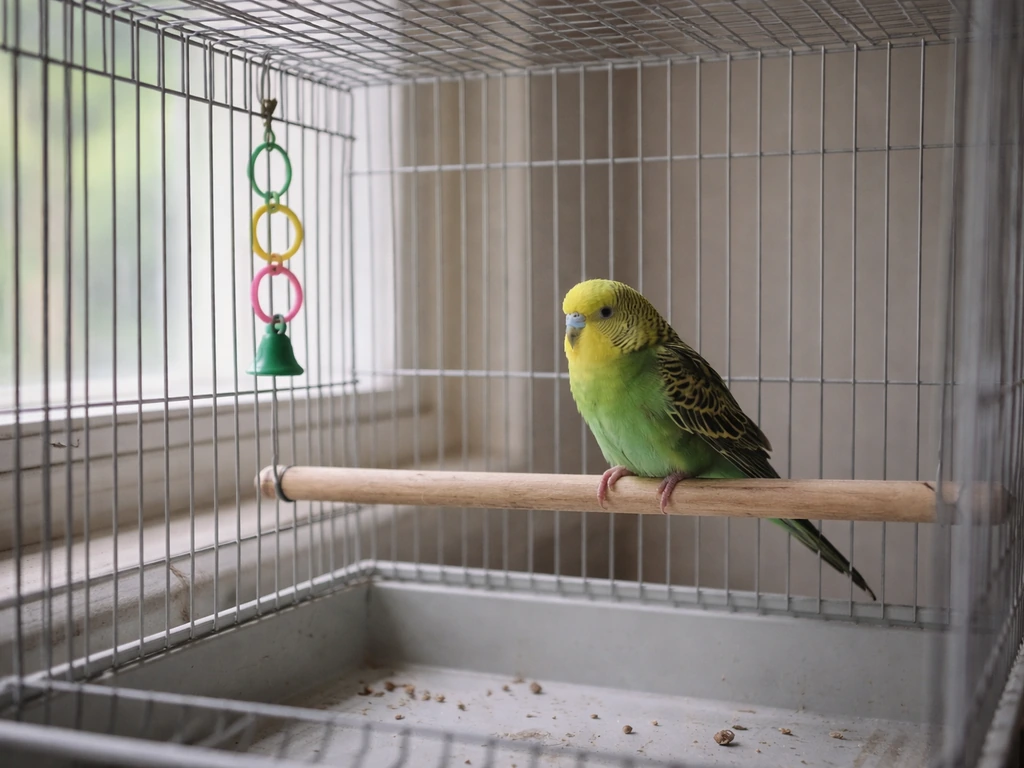
- Boredom and under-stimulation: Birds that lack foraging opportunities, rotating toys, or out-of-cage time often develop repetitive or anxious-looking behaviors that look just like stress but are really welfare deficits.
- Poor sleep: Birds need 10 to 12 hours of uninterrupted darkness. A cage in a busy living room where the TV runs until midnight is a chronic sleep deprivation situation.
- Cage placement: A bird in a high-traffic corner with no solid wall at its back feels exposed and threatened all day long.
- Social isolation or improper socialization: Parrots are flock animals. A bird that spends most of its day alone without interaction will vocalize, pace, or pluck.
- Noise and overstimulation: Loud music, arguing, dogs barking, or chaotic household schedules all register as threat signals.
- New people or animals in the home: Even a brief visit from an unfamiliar person can throw a sensitive bird off for days.
- Air quality and fumes: This one is underappreciated. Nonstick cookware (PTFE/Teflon), aerosol sprays, air fresheners, perfumes, disinfectants, and candles can cause respiratory injury that looks like anxious behavior but is actually toxicosis. If there is any chance your bird inhaled fumes, stop reading this article and call an avian vet or emergency clinic right now.
That last point is not overblown. PTFE toxicosis from overheated nonstick pans can kill a bird within hours, and early signs include difficult breathing, weakness, depression, and anxious restlessness. If you just cooked with a nonstick pan, used an aerosol spray, or burned a scented candle near your bird's space, that is a vet call, not a supplement situation.
Once you have genuinely ruled out environmental and medical causes, a calming supplement becomes a reasonable supporting tool. Not before.
How to pick the safest option for your specific bird
Not every product marketed as a bird calming supplement is actually safe, species-appropriate, or even tested. A veterinary reference guide lists ingredients like magnesium L-threonate alongside magnesium L-threonate and other supplement ingredients in general calming contexts, underscoring the need for ingredient-level review to avoid potential contraindications instead of assuming all calming supplements are benign. Here is what to look for before you buy anything.
Ingredients to look for (and what to skip)
| Ingredient | What It Does | Safety Level for Birds |
|---|---|---|
| L-theanine | Amino acid that supports calm neurotransmitter activity | Well-studied; appears in avian-specific products with dosing guidance |
| Vitamin B6 (pyridoxine) | Nervous system support, often paired with L-theanine | Generally safe at appropriate doses; avoid mega-doses |
| Organic lecithin | Emulsifier and brain-support lipid | Low risk; used in Morning Bird formula |
| Magnesium (e.g., magnesium L-threonate) | Muscle and nerve relaxation support | Use only in avian-formulated products with clear bird dosing |
| Chamomile (herbal) | Mild relaxant in some formulations | Variable; ASPCA flags chamomile plant toxicity concerns for some species, check with your vet |
| CBD oil | Cannabinoid marketed for anxiety | Not recommended without avian vet guidance; no standardized bird dosing; quality and purity vary widely |
| Human GABA or melatonin supplements | Human/mammalian calming agents | Do not use; bird metabolism differs significantly from mammals |
| Essential oils / aromatherapy | Commonly marketed for calming | Avoid entirely; birds' respiratory tracts are extremely sensitive to airborne chemicals |
Species fit and dosing
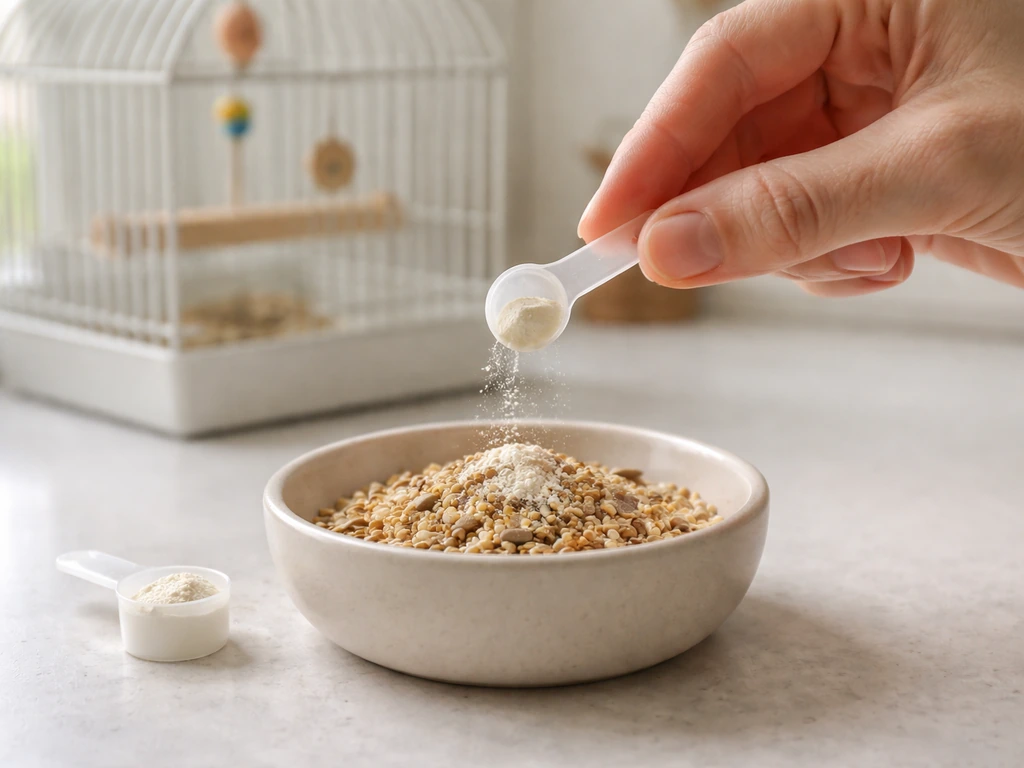
Morning Bird's Avian Calming Formula doses by bird size, not body weight in grams, which makes it practical to use without a kitchen scale. Small birds (finches, canaries, budgies, parrotlets) get the smallest amount added to food; medium birds (cockatiels, lovebirds, conures) get a mid-range dose; large birds (African greys, Amazons, larger parrots) and extra-large birds (macaws, cockatoos) get proportionally more. Follow the label exactly. Do not assume a medium dose is "safer" for a large bird or that doubling up will work faster.
For very small birds like finches and canaries, be especially conservative. Their entire body weight may be under 15 grams, and even slight overdoses of B vitamins can cause problems over time. When in doubt, use the lower end of the recommended range for the first two weeks.
How to evaluate a product's quality
- The label should list every ingredient with quantities, not just a proprietary blend total.
- Look for a manufacturer that specializes in avian products, not a general pet supplement brand that added a bird SKU to its lineup.
- Third-party testing (a certificate of analysis) is ideal, especially for anything with herbal ingredients or CBD.
- Avoid products that make disease-treatment claims on the label, such as "treats feather-destructive disorder" or "stops plucking," because those are medical claims that trigger regulatory concern.
- Check that the product has clear bird-specific dosing, not instructions that say "adjust for pet size" without specifics.
Forms, delivery methods, and how to actually trial one
Bird calming supplements come in powders, liquids, and treats. Each has real trade-offs depending on your bird's personality and how picky they are.
Powder (sprinkled on food)
This is the most common form and the easiest to dose accurately. Morning Bird's formula is a powder you add to food every 8 to 12 hours. The catch is that some birds, especially suspicious parrots, will notice the change in texture or smell and refuse to eat. If that happens, try mixing the powder into a soft food like cooked sweet potato or scrambled egg rather than sprinkling it on pellets.
Liquid (added to water)
Liquid supplements mixed into drinking water are convenient but unreliable for dosing, because you cannot control how much water your bird drinks in a given period. Birds also notice flavor changes in their water and may drink less, which creates a hydration problem on top of everything else. Use water-based delivery only if the product is specifically formulated and dosed that way.
Calming treats
Some birds accept calming treats more readily because they associate treat delivery with positive interaction. The downside is that treats are harder to dose precisely, especially for small birds where one extra treat might push past the intended range. Use treats as a starting point if your bird refuses powder, but transition to powder once they are comfortable.
Running a proper trial
- Start on a calm, low-stress day, not during a move, holiday gathering, or vet visit week.
- Use the lowest recommended dose for your bird's size for the first week.
- Keep a simple daily log: note the behavior you are trying to address, how much the bird ate, any changes in droppings, energy, or activity.
- Do not change anything else about the environment, diet, or routine during the trial period, or you will not know what caused any change.
- Give it at least 2 weeks before judging whether it is working. Some birds respond within a few days; others need longer for consistent benefit.
- If you see no change after 3 to 4 weeks at the full recommended dose, the supplement is probably not addressing the actual cause. Reassess the environment and consult an avian vet.
When to fix the habitat and enrichment first (and pair that with a supplement)
A calming supplement alone will not solve a fundamentally stressful environment. Think of it like taking ibuprofen while sleeping on a broken mattress every night. The supplement might take the edge off, but the underlying problem keeps the stress response running.
Sleep and lighting
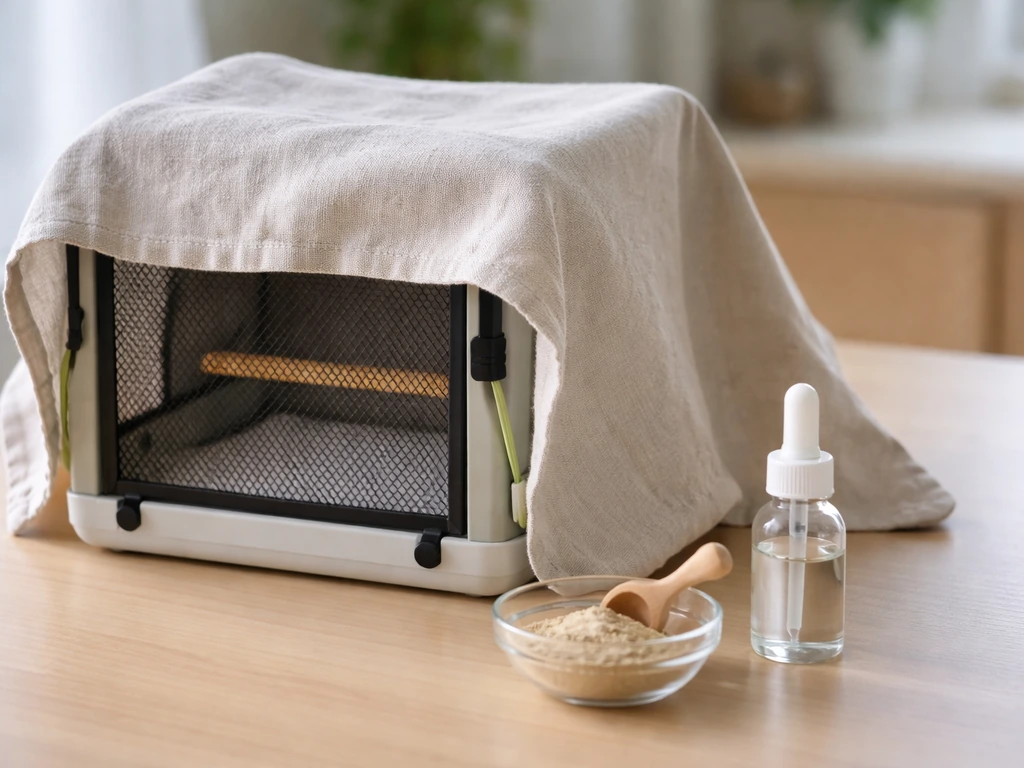
Cover the cage at the same time every night to create 10 to 12 hours of darkness and quiet. Use a dedicated sleep cage in a quieter room if the main cage is in a busy living area. Consistent sleep schedules, same time every night and morning, reduce baseline cortisol levels in birds far more reliably than any supplement on the market.
Air quality
Replace all nonstick cookware in your home if you have a bird. Use stainless steel or cast iron. Stop using aerosol sprays, scented candles, plug-in air fresheners, and anything with PTFE coatings (including some ironing board covers and space heaters) anywhere near the bird's space. This is not optional. Birds' air sac respiratory systems make them vastly more sensitive to airborne chemicals than mammals, and what smells mild to you can cause permanent lung damage or death in a budgie or cockatiel.
Cage placement and setup
Place the cage at eye level or slightly above, against a solid wall so the bird has a secure back. Keep it away from drafts, windows that get direct afternoon sun, and high-traffic doorways. A bird that feels exposed all day is chronically stressed, and no supplement will change that geometry.
Enrichment and boredom
Rotate toys every few days so there is always something novel. Add foraging opportunities by hiding food in paper cups, cardboard rolls, or puzzle feeders. If your bird is alone for long periods, leave a radio or TV on low (nature documentaries and calm music work well) to provide background stimulation without overwhelming them. Merck specifically recommends this approach for managing boredom-driven behaviors, and it works. Combining this with a supplement gives you the best chance of real improvement. If you are looking for a pie bird alternative, compare formulas for species fit, dosing, and whether they have been tested for birds. When you use calming treats or powders correctly, you can often see kadai bird benefits like less pacing and fewer feather-picking episodes.
Safety checklist: what to avoid and when to call an avian vet
Birds are not small cats or dogs. Products validated for mammals, including pheromone diffusers like Feliway, human calming supplements, essential oil diffusers, and CBD products without a certificate of analysis, are not safe to assume will work safely in birds. FELIWAY explains that its feline facial pheromone is species-specific and aims to reduce stress-related signs in cats, which is why bird-validated evidence for “pheromone calmers” is not a safe assumption Pheromone diffusers like Feliway. Feliway's own FAQ recommends keeping the diffuser in another room away from caged birds because even cat-targeted products raise respiratory concerns for birds.
What to avoid entirely
- Human GABA, melatonin, or valerian supplements (not dosed or tested for birds)
- Essential oils or aromatherapy near birds (respiratory hazard)
- Any supplement with a proprietary blend that does not disclose individual ingredient amounts
- Products that claim to treat medical or behavioral disorders without a veterinary label
- Herbal supplements with chamomile, tea tree, eucalyptus, or pennyroyal (toxicity concerns for birds)
- CBD products without a third-party certificate of analysis showing the product is free from heavy metals, pesticides, and accurate cannabinoid levels
- Anything added to drinking water where you cannot control actual intake
Red flags that mean stop the supplement and call an avian vet
- Lethargy, fluffed feathers, or sitting on the cage floor after starting a supplement
- Changes in droppings (color, consistency, or volume) within 48 hours of starting
- Reduced food or water intake that lasts more than a day
- Breathing changes: wheezing, tail bobbing with each breath, open-mouth breathing
- Sudden worsening of the behavior you were trying to address
- Any sign of respiratory distress after fume or chemical exposure, even mild
Withdrawal, cowering, and excessive sleeping are not signs that the supplement is "working too well." They are signs something is wrong and needs to be assessed, not masked. An avian vet, not a pet store, is the right resource here. If you are also trying to decide whether a pie bird is a must-have for your setup, compare that consideration alongside these supplement red flags is a pie bird necessary. Avian vets are different from general practice veterinarians; find one who specifically lists birds as a specialty.
Real-life scenarios and your action plan for today
Here are the situations I hear about most often, and what to actually do in each one.
New bird settling in (first 2 to 4 weeks)
This is actually one of the best use cases for a supplement, but start with environment first. Keep the routine consistent: same feeding time, same cleaning schedule, same person doing the interacting. The Avian Welfare Coalition's shelter guidance is clear that familiar routines reduce stress more than any product. Once the routine is solid, you can layer in a powder supplement at the lowest dose for your bird's size. Give the bird at least two weeks to adjust before deciding the supplement is or is not working.
Reaction to guests, loud noise, or household chaos
If your bird loses it every time you have people over or a delivery truck comes past, a supplement can help lower baseline reactivity. Drinking bird exercise benefits are similar in that they can support gentle physical activity, but they should never replace proper bird care for stress or medical issues. But also give the bird a covered, quiet retreat space in the cage and move it out of the main social area during high-traffic events. The supplement works better when you are also reducing the peak stressor, not just trying to chemically override it.
Transport and travel
Start the supplement a few days before travel, not the morning of. Cover the carrier with a breathable cloth to reduce visual stimulation. Keep the car temperature consistent. Do not use a new supplement for the first time on travel day; if the bird has a reaction, you want to be home, not in a car.
Nighttime frights (night frights)
Cockatiels especially are prone to panic-thrashing in the dark. A supplement can help, but also add a low-wattage nightlight near the cage and check for what might be triggering the panic: a neighbor's car headlights sweeping the room, a cat outside the window, or sounds from a TV in an adjacent room. Fix the trigger. Then use the supplement. Both together work better than either alone.
Post-vet or post-medical stress
If your bird just went through a medical procedure, wing clip, or handling stress at the vet, give it 24 to 48 hours of quiet and familiar routine before introducing a supplement. You want the bird calm and eating normally before adding anything new, so you can monitor for any supplement-related changes against a stable baseline.
Your step-by-step action plan starting today
- Rule out fumes and toxin exposure first. Scan your kitchen, cleaning supplies, and air fresheners. If you have nonstick cookware, replace it.
- Audit the cage placement and sleep schedule. Is the bird getting 10 to 12 hours of dark quiet? Is the cage against a wall, away from drafts and chaos?
- Add enrichment before reaching for a supplement. Rotate toys, add a foraging activity, and leave calm background sound on during the day.
- If you still see stress behaviors after two weeks of environmental improvements, choose Morning Bird Avian Calming Formula (or a comparable avian-specific L-theanine/B6 formula with clear bird dosing).
- Start at the lowest dose for your bird's size, mixed into food twice daily.
- Keep a daily log of behavior, appetite, and droppings for the first two weeks.
- If there is no improvement after 3 to 4 weeks, stop the supplement and book an appointment with an avian vet to look for an underlying cause.
- If you see any red-flag symptoms at any point, stop the supplement immediately and call an avian vet.
FAQ
How long should it take before I know the best bird calming supplement is helping, and what if nothing changes?
Give it at least 2 weeks at the label dose. If there is no change by then, do not “double up” or switch to a stronger product right away, instead reassess the environment and the original cause (boredom, noise exposure, sleep disruption, or an overlooked medical issue). If symptoms are worsening or include lethargy, breathing changes, or feather loss that accelerates, stop and contact an avian vet.
Can I use the supplement while my bird is sick or recovering from illness?
Usually no. If there is any sign of illness (reduced appetite, weight loss, weakness, labored breathing, abnormal droppings, or staying hunched), treat it as a medical situation first. A supplement may delay care and can complicate monitoring, because you will not know whether changes are from recovery or from the product.
What does “non-sedating” really mean for birds, and how do I tell if my bird is reacting badly?
Non-sedating means it is intended to support stress reactivity rather than cause drowsiness. Watch for red flags like withdrawal, cowering, excessive sleeping, refusal to eat, vomiting, or unusual clumping, especially shortly after dosing. Any breathing or weakness signs are an emergency, not something to troubleshoot with a dosage adjustment.
Is it safe to crush the powder and mix it with any food, including pellets?
Follow the product instructions, but in general you should avoid mixing into foods that the bird will strongly avoid or that create inconsistent intake. If you mix into pellets, ensure the bird still eats the full portion, because leftover pellets mean the dose was not actually delivered. For finches and canaries, use the lower recommended range and monitor acceptance carefully.
My bird drinks very little, can I still use a liquid calming supplement in water?
That setup is risky. If water intake varies, the dose becomes unpredictable, and reduced drinking can become a hydration problem. Use water delivery only when the specific product is formulated for it and the bird reliably drinks the expected amount, otherwise switch to powder or treats.
How often should I re-dose, and what if I miss a scheduled dose?
Use the label dosing frequency and do not “catch up” by doubling. If you miss a dose, give the next dose at the normal time based on the schedule, so you stay within the recommended total exposure.
Can calming supplements worsen feather-picking or screaming if the cause is territorial or medical?
Yes. A calming supplement is for situational stress support, not for pain, illness, or strongly territorial behavior. If feather destruction, intense aggression, or vocalization is driven by specific triggers, ongoing pain, hormonal issues, or disease, you need targeted assessment rather than expecting the supplement to resolve it.
Are there bird-safe alternatives if my bird refuses the powder?
Yes. If texture or smell makes your bird refuse food, mix the powder into a soft food the bird already eats willingly (for example, cooked sweet potato or scrambled egg), and start at the lower end of the range for smaller species. If treats are easier, use them as an initial bridge and then transition to powder once the bird is comfortable to improve dosing precision.
Can I combine the best bird calming supplement with other supplements, probiotics, or vitamins?
Be cautious about overlapping ingredients. For example, since B vitamins are often included, adding other multivitamins or B-heavy products can raise the risk of excessive intake over time. If you want to combine products, check the labels for duplicate vitamin ingredients and ideally confirm dosing with an avian vet, especially for small birds.
Do I need to change the bird’s schedule, or is the supplement enough by itself?
You still need environmental support. Supplement use works best when baseline stressors are reduced, consistent sleep is established (10 to 12 hours of darkness and quiet), and the cage setup provides security and avoids drafts and direct sun. If the underlying issue is ongoing (noise, lack of stimulation, poor sleep, exposure to fumes), the supplement alone typically will not produce stable improvement.
What should I do if my bird becomes more withdrawn or sleeps more after starting the supplement?
Do not assume it is simply “working.” Increased withdrawal or excessive sleeping can indicate the bird is not tolerating the product or that something else is wrong. Stop dosing, return to a stable baseline without new changes, and contact an avian vet promptly if symptoms persist or include breathing issues.
Is it okay to introduce a new calming supplement during travel or after a vet appointment?
No for travel day or immediately post-procedure. Start a few days before travel so you can observe for reactions at home. After a vet procedure, wait 24 to 48 hours of quiet with normal eating and routine before adding anything new, so you can tell what is causing changes.
Next Articles
Drinking Bird Exercise Benefits: Safe Beginner Guide
Beginner guide to drinking bird exercise benefits: safe setup, risks, stress cues, and enrichment alternatives for pet b
Garden Bird Checklist: Wild Species, IDs, and Tracking Tips
Ready-to-use wild garden bird checklist with IDs, field marks, tracking tips, and a bird station setup for beginners.
Printable Backyard Bird Guide for Beginners and First IDs
Printable backyard bird guide for beginners: simple ID key, look-alikes, and a ready-to-fill checklist for backyard sigh