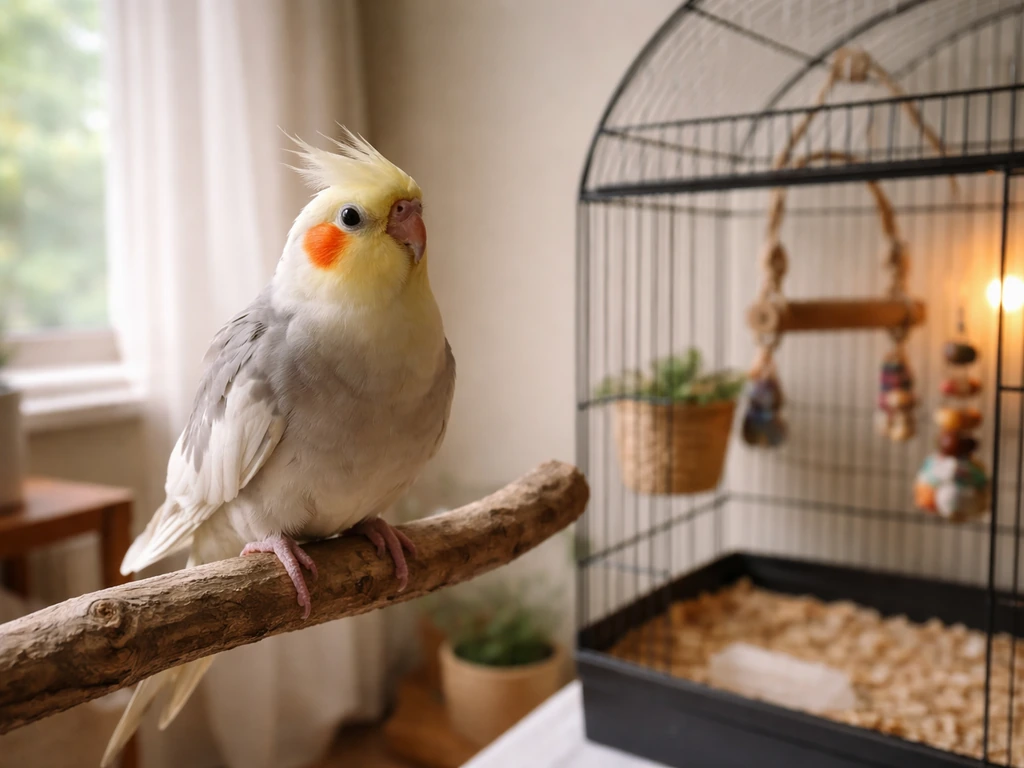
If you're searching for a pie bird alternative, there's a good chance you mean one of two very different things: a steam-venting tool for baking pies, or some kind of bird-related product for your yard or pet bird setup. This site focuses on bird care, so this guide is built for bird owners and backyard birders. If your goal involves attracting wild birds, deterring problem birds, or adding something safe and enriching to a pet bird's environment, you have several solid options you can set up today without spending much money or taking any safety risks.
What Can I Use Instead of a Pie Bird Today

Marcus Chen
14 May 2026
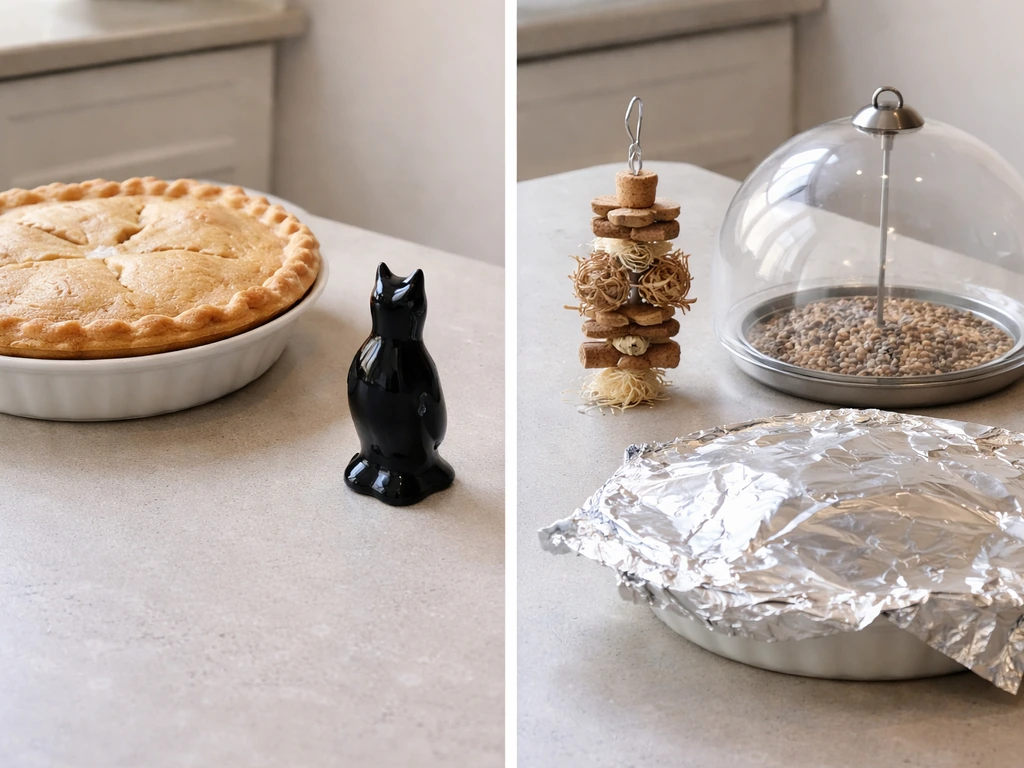
Wait, what actually is a pie bird?
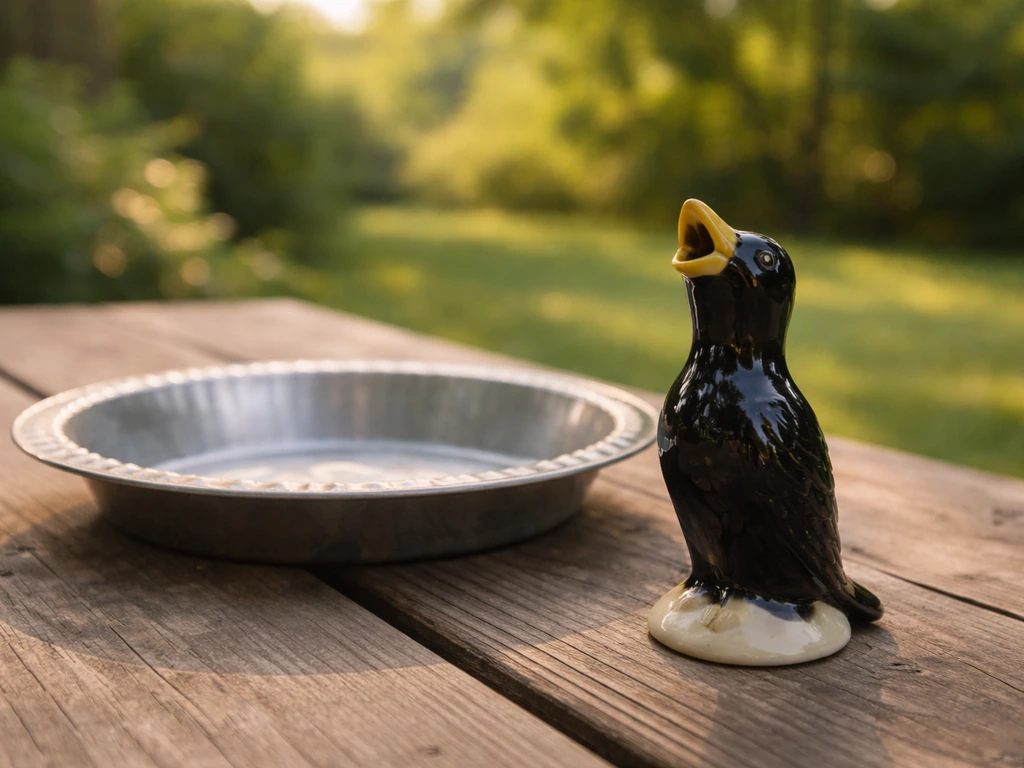
A pie bird (also called a pie vent or pie funnel) is a Victorian-era ceramic or clay figure shaped like a bird, traditionally placed upright in the center of a pie before baking. Its job was purely functional: it acted as a steam vent to let pressure escape and prevent the crust from going soggy or erupting. In baking, it's genuinely useful. In bird care circles, though, the term gets borrowed loosely to describe novelty bird figures, decoys, deterrents, or decorative objects placed near feeders, windows, or cages. The reason people want a replacement varies: maybe they can't find the original product, it broke, or they're looking for something safer or more effective for their specific situation.
For the purposes of this guide, we're focused on the bird-keeping and backyard birding context, which has three main use cases: (1) a visual decoy or enrichment figure placed in or near a pet bird's space, (2) a deterrent figure used to scare off or redirect wild birds from a problem area, or (3) a feeder or placement product used to attract specific wild birds. Figuring out which one you need is the first step, and the answer changes what you should buy or build.
Safe, beginner-friendly alternatives you can buy today
For pet bird enrichment (something to hang in or near the cage)
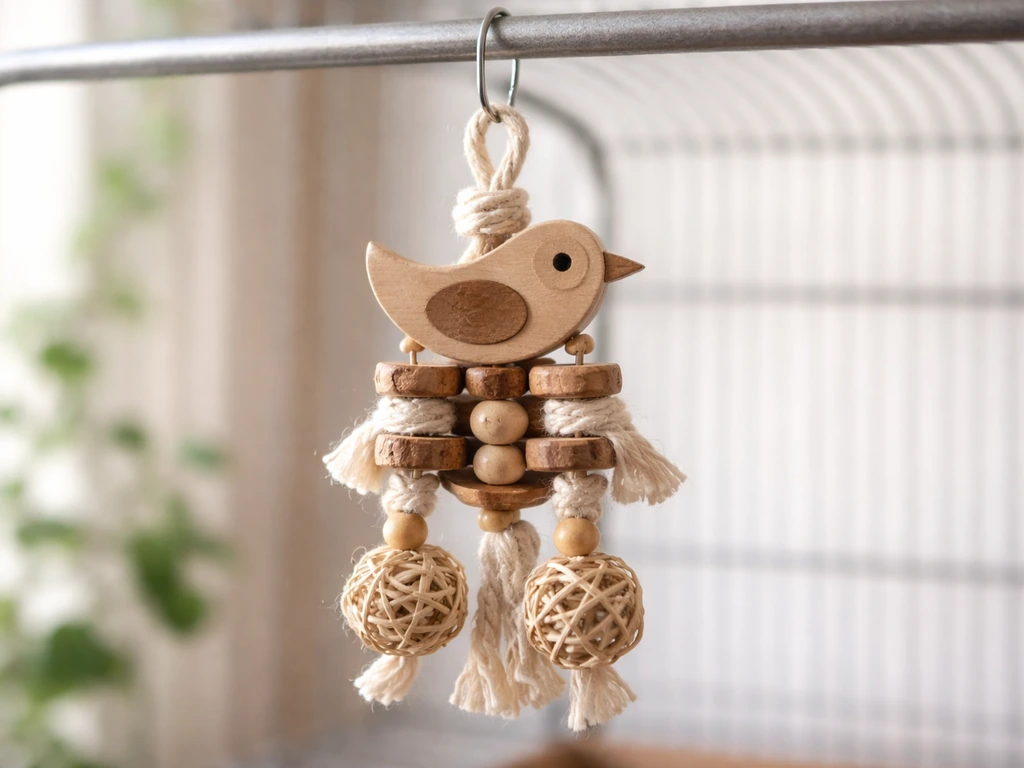
If you wanted a bird-shaped figure to add visual interest or novelty near your pet bird's cage, the best replacement is a certified bird-safe foraging or enrichment toy. Look for toys labeled for pet birds, made from untreated wood, food-grade dyes, and stainless steel hardware. Companies like Planet Pleasures, Super Bird Creations, and Bonka Bird Toys make small wooden or woven figures that serve the same visual/novelty purpose a decorative pie bird figure would, without any toxic coatings or unsafe parts. Avoid anything with small detachable beads, loose metal rings smaller than your bird's head, or glossy paint finishes, since those can be chewed off and ingested.
For deterring nuisance wild birds
If you're using a bird figure as a deterrent (to scare woodpeckers, starlings, or other problem birds away from a specific spot), reflective visual deterrents are your most effective and cheapest alternative. Reflective Mylar tape, sometimes sold as bird scare tape, costs a few dollars and creates unpredictable light flashes that unsettle birds far better than a static figure. Aluminum foil strips or old aluminum pie pans hung so they spin and catch light work on the same principle. Pinwheels and helium balloons with large eyespot patterns are also commonly used and can be set up in minutes. The key insight here is that movement plus reflection is more effective than a stationary decoy, which birds learn to ignore quickly. Using reflective deterrents can still offer bater bird benefits by keeping nuisance species away while letting desirable birds feel safer around your yard.
For attracting specific wild birds (feeder alternatives)
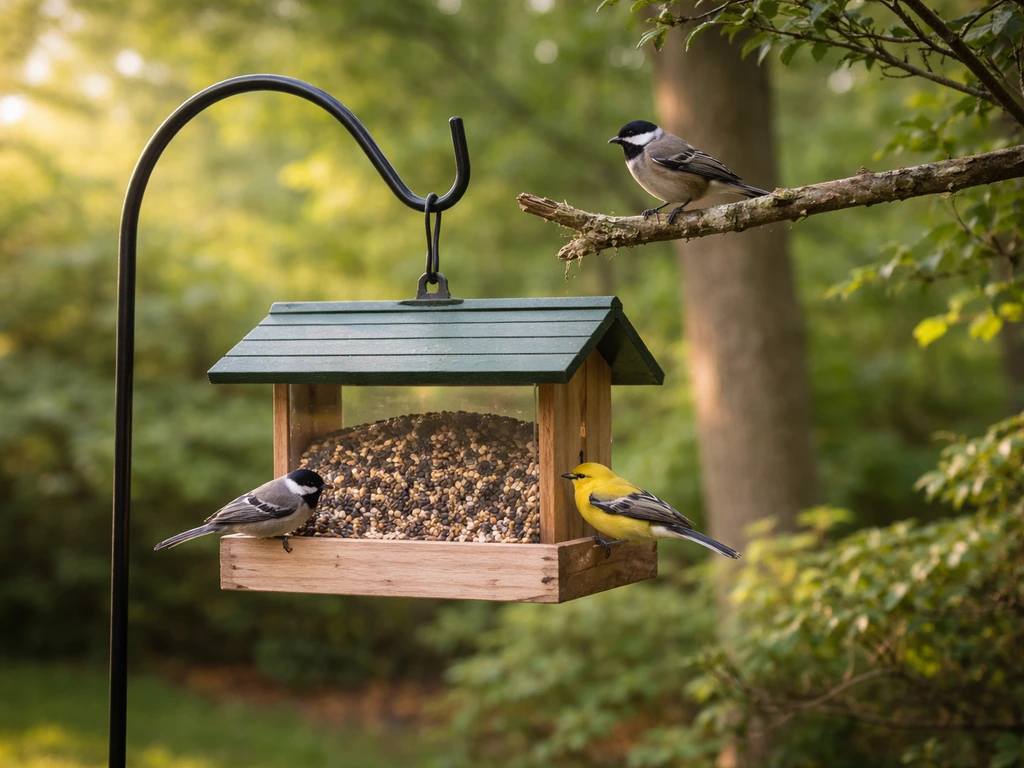
If you were using a pie bird figure as a landmark, visual marker, or companion piece near a wild bird feeder, a proper species-matched feeder is the real functional replacement. If you want the best results for finches, aim for a blend that’s designed for finch-loving birds, not a one-size-fits-all seed mix. Tube feeders attract finches and chickadees. Platform feeders work for larger ground-feeding birds. Suet cages bring in woodpeckers and nuthatches. The figure itself matters far less than feeder type, seed selection, and placement. If you're looking for a simple substitute to try, the same idea applies to choosing the right feeder as a bird dog exercise alternative, since the setup details matter more than the gimmick itself. Matching the feeder to your target species is what actually drives results, and getting that right is covered more in the placement section below.
Feeder placement: where to put it and what actually matters
Placement is probably the most commonly botched part of backyard bird setup, and it's more important than whatever object you're using. The biggest hazard to address is window strikes. Research is clear on this: feeders should be placed either within 3 feet of a window or more than 30 feet away. The dangerous zone is anywhere between 3 and 30 feet, where birds can build enough speed to cause fatal collisions. If you're within that range, place the feeder closer to the glass (within 1.5 feet is ideal), which limits a bird's flight distance before impact. If you're positioning something purely decorative or deterrent-related near glass, add closely spaced visual markers on the window itself (like 4-inch spaced dots or strips of tape on the outside of the glass) to break up the reflection.
For pet bird enclosures, placement of any new object should follow a simple rule: introduce it gradually and at the edge of the cage first, not directly next to food or water. Birds are neophobic by nature, and a new figure dropped into the center of their space can cause real stress. Let them investigate on their own terms over a few days before moving it closer to their primary perch.
DIY alternatives (and what to absolutely avoid)
Making your own bird figure or deterrent is easy and often works just as well as a purchased product, as long as you're careful about materials. For a wild bird deterrent, the simplest DIY option is a strip of aluminum foil or Mylar balloon material tied to a post or fence, cut into 1-2 inch wide strips and left to flutter. For a pet bird enrichment piece, you can shape untreated natural wood (pine, balsa, or willow) into a simple figure and hang it with bird-safe stainless steel wire. Some people also look for solutions to carpenter bee trouble, including knowing what bird eats carpenter bees.
Here's where people get into trouble. The 'do not use' list for anything going near birds is not a suggestion, it's genuinely serious because birds have highly sensitive respiratory systems and can absorb toxins through skin contact and ingestion much faster than most pets. VCA Animal Hospitals notes that fumes from cleaning products, paints, and other airborne hazards can harm pet birds, and that PTFE or Teflon coatings pose serious risks highly sensitive respiratory systems.
- No spray paint, aerosol finishes, or varnishes: fumes from these products are directly toxic to birds, and residue on surfaces continues to off-gas after drying
- No PTFE or Teflon-coated materials: overheated non-stick coatings are fatal to birds at levels that are harmless to humans
- No craft glues, hot glue, or adhesives that haven't fully cured and aired out for at least 48 hours away from birds
- No small parts under roughly 1 inch in diameter if a pet bird can reach the object: buttons, beads, and loose metal rings are ingestion and entanglement risks
- No sharp edges or exposed wire ends: use pliers to fold all wire tips flat
- No treated or pressure-treated lumber: these contain preservative chemicals that are toxic to birds
- No rubber bands, string, or yarn: these are entanglement hazards and can cause constriction injuries
- No household cleaners or bleach solutions used to 'clean' the DIY piece unless you rinse thoroughly and allow complete drying with full ventilation before the bird has any access
Bird-safety checklist before using any replacement
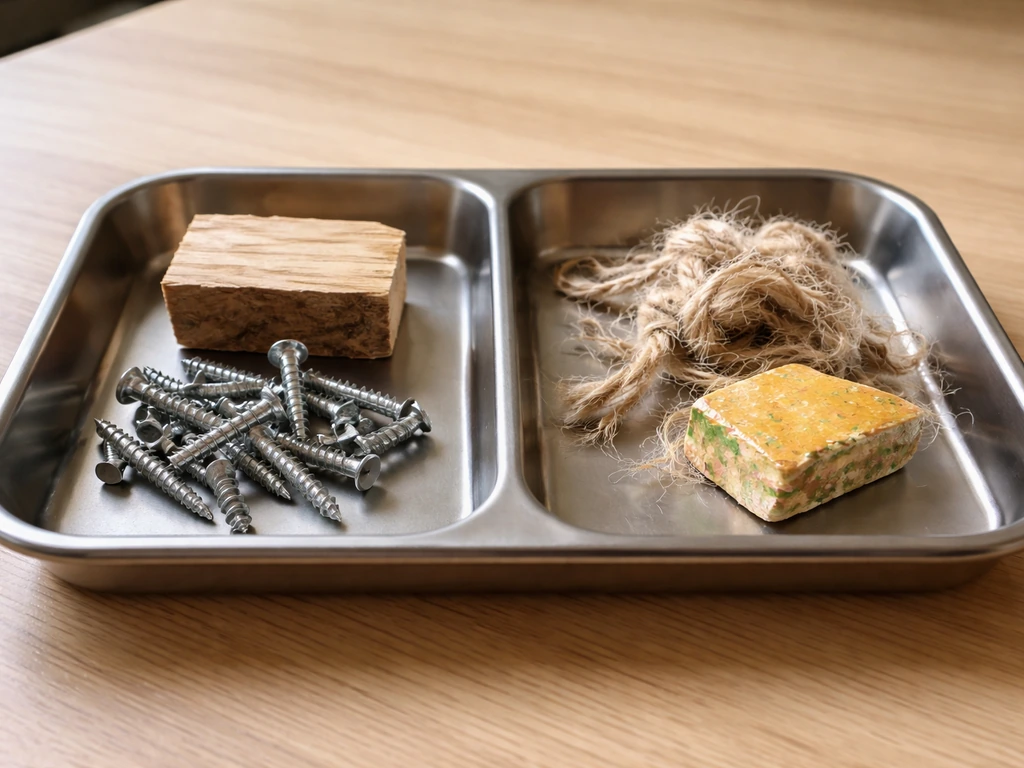
Run through this before putting anything new in or near your bird's space, whether it's purchased or homemade.
- Material check: is it untreated natural wood, stainless steel, food-grade dyed rope, or another verified bird-safe material?
- Finish check: no aerosol paint, varnish, or chemical coating of any kind
- Hardware check: all metal parts are stainless steel or nickel-plated, with no zinc, lead, or copper (these cause heavy metal toxicity)
- Size check: no part is small enough to be swallowed or lodged in the beak of your specific bird species
- Edge check: no sharp points, exposed wire ends, or rough splinters
- Entanglement check: no loose strings, loops, or fibers long enough to wrap around a toe or neck
- Placement check: introduced at cage perimeter first, away from food and water, and monitored for the first several hours
- Reaction check: watch for signs of stress (feather fluffing, screaming, refusal to eat) and remove the object if stress persists beyond 24 hours
How to choose based on your bird and situation
| Your situation | Best replacement | Key watch-out |
|---|---|---|
| Pet bird (small: parakeet, canary, finch) | Small untreated wood foraging toy or woven figure | Avoid loose fiber strands longer than 2 inches |
| Pet bird (medium: cockatiel, conure) | Medium enrichment toy with bird-safe dyed wood blocks | Check all hardware is stainless steel |
| Pet bird (large: African grey, Amazon, macaw) | Larger hanging toy or bird-safe wood carving | Large birds can destroy objects fast; inspect daily for sharp edges |
| Wild bird feeder companion/marker | Species-matched feeder (tube, platform, or suet cage) | Match seed type to target species |
| Wild bird deterrent (woodpecker, starling) | Reflective Mylar tape or aluminum foil strips | Rotate position every 5-7 days to maintain effectiveness |
| Window strike prevention near feeder | Visual window markers plus feeder repositioned within 3 feet of glass | Markers must be on outside of glass to work properly |
If you're working with a pet bird, species matters a lot beyond just size. Larger parrots will chew through almost anything and turn a safe object into sharp fragments within hours, so daily inspection is non-negotiable. Finches and canaries are more likely to get entangled in loose materials. Softbills like lories are sensitive to sugar-based residues on surfaces. When in doubt, go simpler and more durable rather than more elaborate.
What to do when birds ignore or react badly to the replacement
Wild birds are ignoring your deterrent
This is extremely common and it's not a product failure, it's a habituation problem. Birds are smart enough to figure out within a few days that a static or predictable object isn't actually a threat. The fix is rotation: move reflective tape or decoys to a new position every 5 to 7 days and vary the pattern. Combining two types of deterrents (say, reflective tape plus a motion-triggered sound device) slows habituation significantly. Wildlife Illinois also notes that frightening devices can lose effectiveness over time as birds learn they are harmless, so keep rotating and varying the setup Combining two types of deterrents (say, reflective tape plus a motion-triggered sound device) slows habituation significantly.. If you've had the same deterrent in the same spot for more than two weeks without moving it, start over with a fresh placement strategy.
Your feeder is attracting the wrong birds
This almost always comes down to seed selection or feeder style, not the placement object itself. Black oil sunflower seeds in an open platform feeder will pull in virtually everything, including species you may not want. Switch to a tube feeder with nyjer (thistle) seed if you specifically want finches, or a cage-style suet feeder to target woodpeckers and nuthatches while excluding larger birds. The right feeder type is far more species-selective than any decoy or marker you could add nearby.
Your pet bird is stressed or scared by the new object
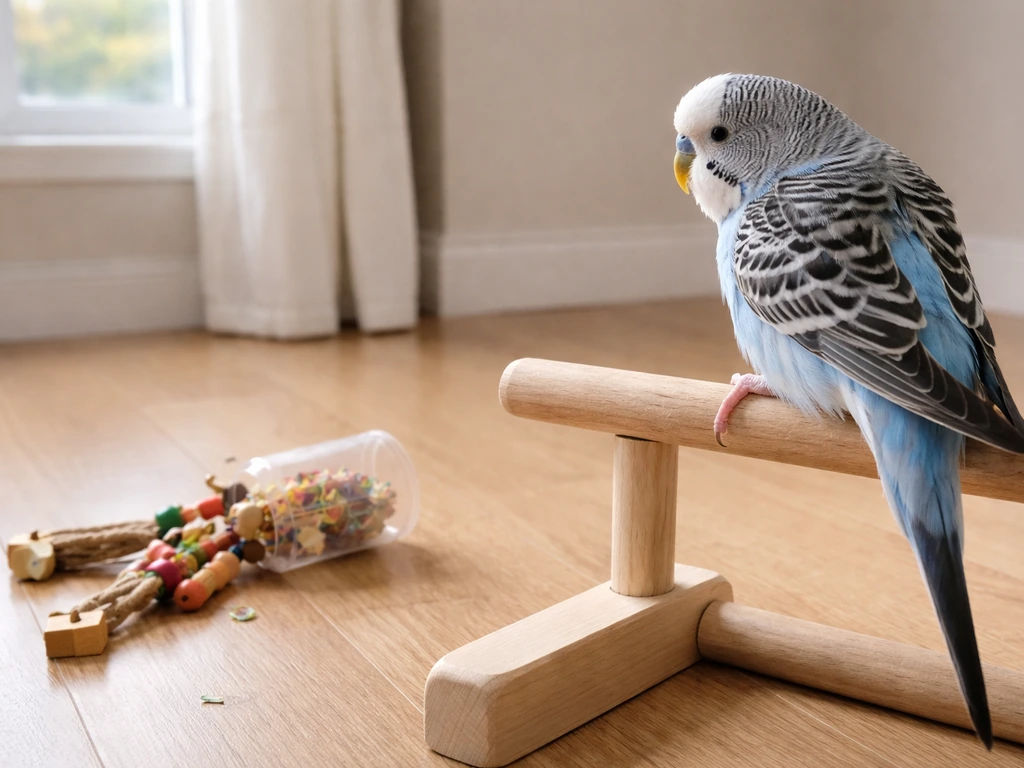
Remove the object immediately if your bird is showing sustained stress: panting, screaming, aggressive lunging, or refusal to eat for more than a few hours. Reintroduce it much more gradually, starting with the object placed outside the cage at a distance of several feet for two or three days, then moving it closer to the cage door, then eventually inside. Some birds will never accept a new figure in their space, and that's okay. The enrichment goal matters less than the bird's comfort, and there are plenty of other ways to provide novelty and stimulation without the specific object you started with.
Your pet bird is destroying the replacement too quickly
For larger parrots especially, this is actually a sign the object is working as intended, since foraging and chewing are natural enrichment behaviors. The real concern is safety of the fragments, not the destruction itself. Check the remnants daily and remove any piece that's become small enough to swallow or has developed sharp edges. Upgrade to harder wood species (like manzanita or java wood) if you want something with more longevity, and keep a supply of replacements on hand rather than trying to find one indestructible object.
FAQ
How long should I expect a pie bird alternative to work before I need to change something?
For wild birds, use the object as a temporary aid, then reassess. If you do not see any change in the problem behavior within about 3 to 7 days, the birds may already be habituated or the placement is off. Move reflective tape, pinwheels, or decoys to a new position and consider switching from a static figure to movement-based deterrents. For attractors, do not rely on the figure alone, switch to a feeder and seed blend matched to your target species.
Can I use a pie bird alternative inside a pet bird cage?
Yes, but only if it is bird-safe and placed in a way that cannot trap feet or be pecked into unsafe fragments. For pet birds, avoid items with loose parts, dangling cords, or small detachable rings and beads. If the “alternative” is a reflective deterrent, keep it outside the cage or behind a physical barrier where your bird cannot access it, then introduce only bird-safe enrichment pieces inside.
What should I do if the bird ignores the alternative?
Static bird figures work poorly long-term because many birds habituate quickly. If you see the same bird continuing to land close to the object, increase unpredictability by rotating the position every 5 to 7 days, changing the angle, and mixing types (for example, reflective tape plus a motion-triggered element). If it has been in the same exact spot for more than two weeks with no improvement, start over with a new placement plan.
Will a pie bird alternative near my window help, or could it increase collisions?
If you are using it near a window, follow the collision-risk rule first. Put feeders and visible placements either very close to the glass (about 3 feet or less) or much farther away (more than 30 feet). In the dangerous middle range, add closely spaced outside-of-window visual markers like small dots or stripes to reduce reflection. Never place a decorative bird figure alone if it keeps the feeder in the 3 to 30 foot danger zone.
Are reflective or moving deterrents better than a bird-shaped decoy?
For deterring problem birds, prioritize reflective, moving, and irregular cues. Mylar or reflective tape that flutters, aluminum strips that spin, and pinwheels tend to outperform a stationary ceramic-looking bird. If the problem bird is returning nightly, reposition the deterrent at the same time of day to create a fresh pattern rather than leaving it unchanged all week.
What materials are the biggest red flags when choosing a pie bird replacement for a pet?
Do not treat “bird-safe” as universal. Check for untreated wood and stainless steel hardware for pet enrichment, and avoid glossy coatings, unknown paints, or anything that can shed flakes. Also watch for common failure modes like loose threads, frayed wire, or small parts that can be pulled off and swallowed or get caught.
Can I make my own pie bird alternative, and what are the safest DIY approaches?
Yes, the easiest safer option is to make a pet enrichment piece from untreated natural wood and bird-safe stainless steel wire, then inspect daily for damage. For a wild-bird deterrent DIY, a simple strip of aluminum foil or Mylar balloon material tied to a post so it flutters is often enough. If you DIY near a pet cage, keep the reflective material out of reach unless it is specifically designed as a pet-safe toy.
Why am I still attracting the wrong birds even after switching the pie bird alternative?
The main reason is habituation plus a mismatch between the object and the species. Birds often learn that a stationary decoy is harmless within days. If you are attracting a specific wild species and still getting “unwanted” visitors, change feeder type and seed first, since feeder design is more selective than a decorative figure.
How should I introduce a new bird figure or deterrent to a pet bird to avoid stress?
A good rule is, introduce any new object at the edge of the cage first, not next to food or water. Give the bird a few days to investigate at their own pace. If stress appears (like sustained vocalizing, panting, refusal to eat), remove it immediately and reintroduce later outside the cage at several feet away for a couple of days before moving closer.
My parrot is chewing the alternative, is that a problem?
If your bird destroys the item quickly, it is not automatically unsafe, but you must respond based on what remains. Remove and inspect daily, and discard any pieces that are small enough to swallow or have sharp edges. For larger parrots, expect aggressive chewing and plan to replace the object more often and use harder, safer woods designed for stronger foragers.
Next Article
Bater Bird Benefits: How to Choose and Care for Beginners
Learn how choosing the right beginner pet bird boosts bonding, enrichment, and easy care, plus setup and health tips.