The safest and most useful bird accessories to buy first are a correctly sized stainless steel or powder-coated cage, a mix of natural wood perches in varied diameters, a water bottle or heavy ceramic dish, stainless steel food bowls, a pellet-forward diet, two or three beginner-safe toys, an unscented paper cage liner, and a bird-safe disinfectant. Get those right and you have a solid foundation. Everything else is an upgrade.
Best Bird Accessories: Beginner Guide to Safe Setup
Marcus Chen
31 May 2026
I want to be upfront: most beginner setups have at least one or two things that seem fine but are quietly causing problems. A galvanized cage from a bargain bin. Sandpaper cage liners. A seed-only diet. Scented candles in the same room. This guide is built around avoiding those mistakes first and then filling in everything else.
Essential accessories for food, water, and housing
Getting the cage right before anything else
The cage is the single most important purchase. Get it wrong and no accessory fixes it. Bar spacing is the first thing to check: for budgerigars, cockatiels, lovebirds, and parrotlets, the spacing should be around 0.5 inches so the bird cannot get its head through the bars. Conures, caiques, Poicephalus parrots, and mini macaws need bars around 0.75 inches. African greys, Amazons, and small cockatoos also fall in the 0.75-inch range. A budgie in a cage sized for a cockatiel can slip its head between bars and get stuck or injured.
Minimum cage size for a budgerigar, cockatiel, or lovebird is around 20 x 20 x 30 inches, and that is genuinely a minimum for one bird. Wider is always better than taller because birds fly horizontally. For material, stick with stainless steel or a powder-coated finish from a manufacturer that explicitly says their coating is bird-safe. If you are buying for someone who loves birds and wants the right starter items, start by figuring out what to get a bird watcher based on their birding style and typical outings. blank" rel="noopener noreferrer">Avoid anything galvanized. Galvanized wire and hardware contain zinc, which causes zinc toxicosis in birds when they chew or preen against the bars, and the risk is real enough that multiple veterinary sources flag galvanized cages as a known source of heavy-metal poisoning.
Food bowls and feeding setup
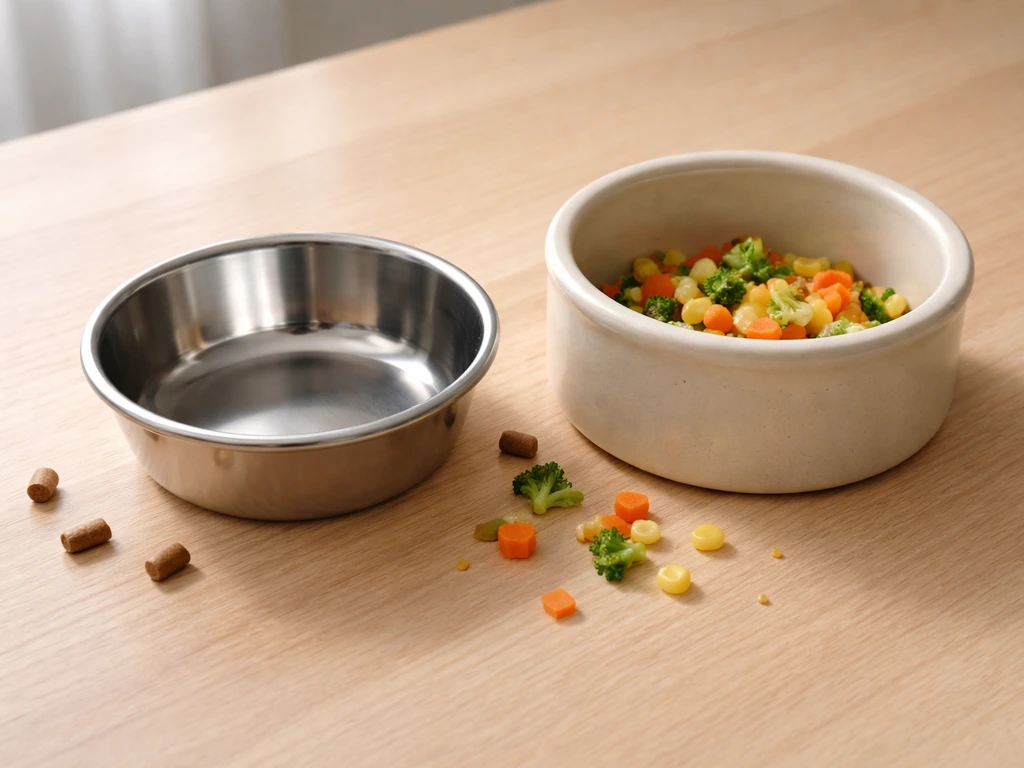
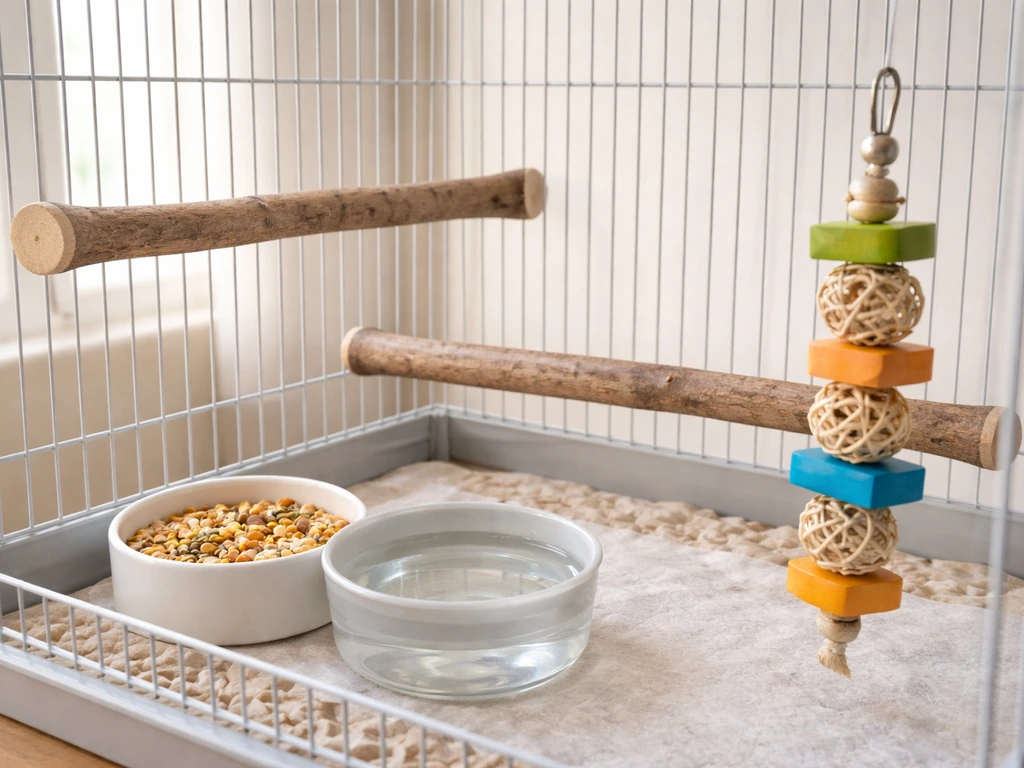
Stainless steel bowls are the gold standard for food because they don't harbor bacteria in scratches and they're easy to sterilize. Heavy ceramic crocks work too. Avoid plastic long-term because small cracks and scratches in plastic are hard to clean thoroughly and can harbor bacteria and mold, especially in a humid food environment.
Diet composition matters more than the bowl itself. A balanced plan for most small parrots looks roughly like this: about 40 to 50 percent high-quality pellets, 30 to 40 percent seed mix, 10 to 15 percent fresh vegetables, and 5 to 10 percent fresh fruit. The biggest mistake I see is a pure seed diet, or a mixed diet where the bird just picks out its favorite seeds and leaves everything else. That selective eating approach is a recognized malnutrition risk. Using separate bowls for pellets, seeds, and fresh food makes it harder for a bird to cherry-pick only the seeds.
Water setup: bottle vs. bowl
Many birds dip their food into their water bowl, which turns the water into a murky soup within hours. A sipper water bottle keeps water cleaner and reduces that problem significantly. The tradeoff is that water bottles need to be scrubbed thoroughly and regularly because bacteria can build up inside if you just refill without cleaning. If you use a bowl, plan to change the water at least twice a day. Either way, wash the water container daily. Heavy ceramic or stainless steel bowls are easier to clean than plastic bottles, but a clean bottle beats a dirty bowl every time.
Perches, cage accessories, and materials to look for (and avoid)
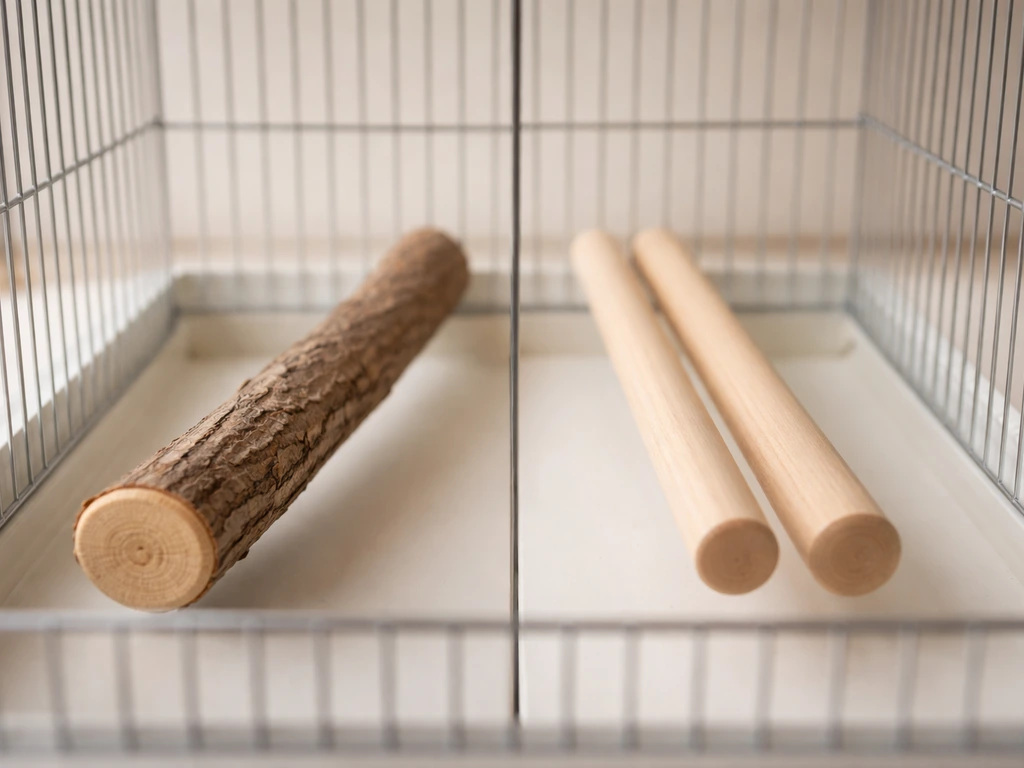
Perches are massively underrated. Most starter cages come with two smooth dowel perches of the same diameter, and that's actually one of the worst things for a bird's feet. Standing on the exact same diameter all day, every day leads to foot soreness and pressure sores over time. The fix is easy and inexpensive: replace or supplement with natural wood branches that have irregular, varying diameters. The variation forces the foot muscles to adjust constantly, which is genuine exercise. Look for perches made from bird-safe wood species like manzanita, dragonwood, or java wood. Avoid anything treated with pesticides, unknown sealants, or glossy paint.
A good perch setup for a small cage includes one thicker natural wood perch positioned near the food and water, one rope perch for comfort and variety (cotton rope is generally fine; avoid nylon or synthetic fibers that fray into long threads a bird could get tangled in), and one slightly thinner branch perch near the top where the bird sleeps. Position the highest perch near the back wall so the bird feels secure. Avoid placing perches directly above food or water bowls because droppings contaminate both.
For other cage accessories, keep it simple at first. A cuttlebone or mineral block provides calcium and beak conditioning. A small foraging net or clip lets you attach fresh greens or vegetables to the bars. A cage cover or partial cover for nighttime gives the bird a sense of security and helps regulate sleep. All cage accessories should be free of zinc, lead, and unknown metal coatings. If you see rust on a cage accessory, remove it immediately, as rust can indicate compromised coatings that may release heavy metals.
Enrichment toys and foraging gear that actually prevent boredom
Boredom is a genuine welfare problem for pet birds, not a soft concern. Research into feather-damaging behaviors like plucking and chewing consistently identifies lack of environmental enrichment and stimulation as a significant risk factor. In Amazon parrots specifically, providing foraging opportunities and increased physical complexity has been shown to reduce psychogenic feather picking. That's a strong signal that foraging toys aren't a luxury item.
Foraging is a species-typical behavior. In the wild, parrots spend a large portion of their day searching for and working to access food. A pet bird eating from a full bowl has that drive with nowhere to go. Foraging toys that hide food inside compartments, puzzle feeders that require pulling or sliding to access treats, and hanging items stuffed with foraging material all redirect that energy productively. Start simple: a foraging box stuffed with shredded paper and a few pieces of food is enough for a first week.
Toy safety is a real issue and worth a few minutes of attention before buying. The main risks are entanglement, ingestion of broken pieces, and getting toes or beaks caught in link rings. Check that any link rings are large enough that a small bird cannot trap a toe in the opening. Avoid toys with long loops of string or fabric that a bird could get wrapped around its neck. Avoid bells with clappers that can be removed and swallowed. Supervise a new bird with a new toy for the first session to see how it interacts. A toy that's safe for an African grey may not be appropriate for a budgie.
One practical tip: rotate toys every one to two weeks rather than filling the cage with everything at once. New toys introduced gradually are more engaging, and a sudden cage full of unfamiliar objects can actually stress a bird rather than stimulate it. Introduce one new item at a time and watch how the bird responds before adding more.
Cleaning supplies and maintenance tools you actually need
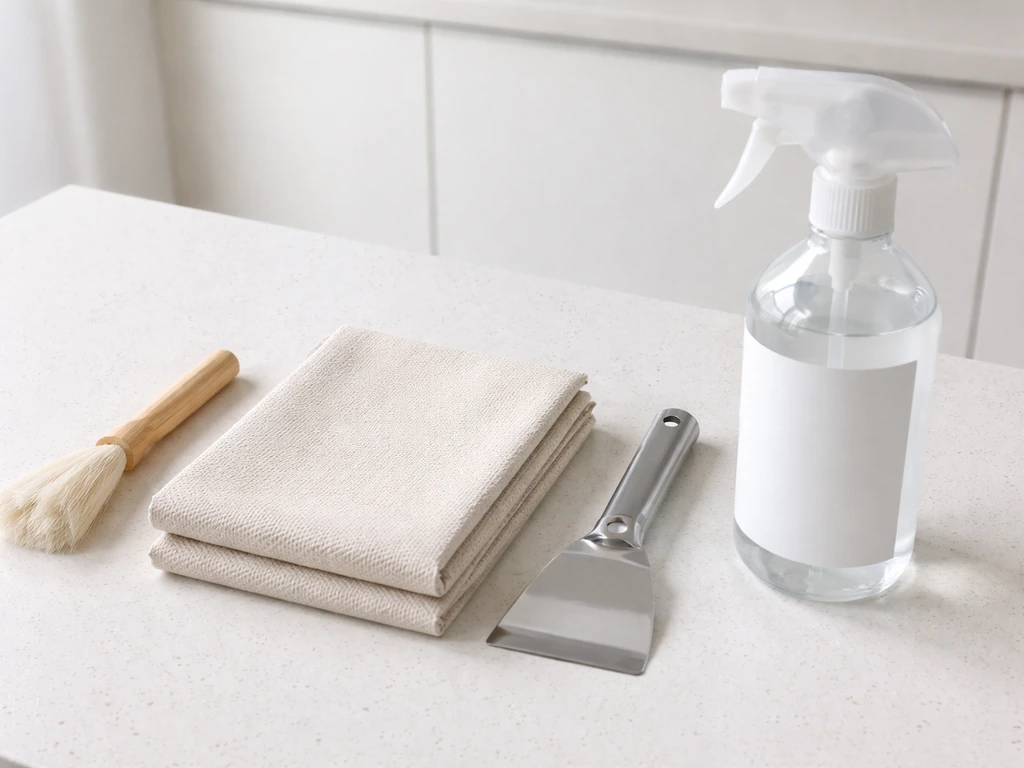
Cage hygiene is one of those areas where being lazy early leads to real health problems later. The basic routine is a daily spot clean and a thorough weekly clean. Daily means removing soiled liner, wiping down any visibly dirty surfaces, washing food and water containers, and replacing fresh food. Weekly means a full disinfection of the cage, all perches, and all accessories.
For disinfectants, contact time matters more than most people realize. Spraying a cage and immediately wiping it down does almost nothing. Disinfectants typically need to sit on the surface for 10 to 15 minutes to actually kill pathogens, and the surface needs to be cleaned of visible dirt first before the disinfectant can work properly. Spray, wait, scrub, rinse thoroughly, and let everything dry before the bird goes back in. Use a bird-safe disinfectant, such as diluted white vinegar (for light cleaning), F10SC, or veterinary-grade disinfectants labeled safe for use around birds.
One thing to skip immediately: sandpaper cage liners. They're sold widely in pet stores, but birds pick at the grit and can ingest enough of it to cause gastrointestinal obstruction or irritation. Use plain unbleached paper, newspaper without colored ink, or paper bags instead. Change liner daily. It takes 30 seconds and makes a noticeable difference in odor and cage hygiene.
The tools you need are simple: a stiff-bristled cage scrub brush, a smaller bottle brush for water bottles and tube feeders, a small handheld vacuum or dustbuster for catching seed debris and feather dust around the cage base, and a dedicated set of cleaning cloths or paper towels used only for the bird area. Always wash your hands after handling bird accessories, food dishes, or toys.
Air quality, safety add-ons, and hazards most beginners miss
Birds have highly efficient respiratory systems, which is exactly why they're so vulnerable to airborne hazards that barely register for humans. The most dangerous single item in most homes is non-stick cookware. PTFE (the coating on Teflon and many other non-stick pans) releases fumes when overheated that are rapidly fatal to birds. Cases of sudden death from PTFE exposure in birds are well documented in the veterinary literature. The standard recommendation is to not house birds in or near a kitchen at all, and to never use non-stick cookware in a home with a pet bird. If you're not ready to make that change, at minimum keep the bird in a room as far from the kitchen as possible with good ventilation between the spaces.
Beyond PTFE, the list of inhalation hazards that can make a bird sick is long: scented candles, air fresheners, aerosol sprays (including hairspray and cleaning sprays), cigarette or incense smoke, fumes from paints and varnishes, fireplace smoke, and fumes from overheated or dirty air ducts. None of these are immediate death risks at low exposure, but repeated exposure adds up. A HEPA air purifier near the bird's room helps filter particulates and feather dust, which also benefits any people with allergies in the household.
Water hazards are less obvious but worth flagging. Birds can drown in open toilets, sinks with standing water, and open pots of liquid on a stove. During out-of-cage time, keep bathroom doors closed, close toilet lids, and keep the bird away from the kitchen entirely. Place the cage somewhere the bird can partially retreat to a back wall or corner and is not constantly exposed to foot traffic from multiple directions, which is a source of chronic low-level stress.
A few specific items to check or avoid when buying accessories: anything galvanized (zinc toxicity risk), any toy or cage component with unknown metal content or peeling paint (lead and zinc risk), plastic toys or dishes that are cracked or heavily scratched (bacteria harboring), and long loose threads on rope toys that fray easily (entanglement risk).
Budget vs. quality: what's actually worth paying for
Not everything needs to be top-shelf, but a few items genuinely justify spending more. Here's a clear breakdown.
| Item | Budget option | Worth paying more for? | Notes |
|---|---|---|---|
| Cage | Powder-coated steel (mid-range brand) | Yes, prioritize this | Stainless steel is the safest long-term; avoid galvanized regardless of price |
| Food bowls | Stainless steel (inexpensive) | No, cheap stainless is fine | Material matters more than brand; replace if scratched heavily |
| Water bottle or bowl | Basic sipper bottle or ceramic crock | Not critical | Cleanliness matters more than cost; scrub daily |
| Perches | Natural wood branches (low cost) | No, cheap natural wood is excellent | Variety of diameter beats expensive single perch |
| Toys | Rotate simple foraging items | Partially | Safe materials matter; big toy hauls aren't needed, rotate a few good ones |
| Disinfectant | Diluted white vinegar (basic) or F10SC (upgrade) | Yes for F10SC if budget allows | Proper contact time matters more than brand |
| Cage liner | Plain newsprint or unbleached paper | No, cheapest option is best | Skip sandpaper liners entirely |
| Air purifier | HEPA unit (mid-range) | Yes, worth it | Especially important for dusty species like cockatiels and African greys |
| Pellet diet | Reputable brand (Harrison's, Roudybush, Zupreem) | Yes | Diet quality has direct long-term health impact; don't cut corners here |
The honest summary: spend on the cage, the food quality, and a HEPA air purifier if your species is a dusty one. Everything else can be budget-friendly as long as the material is safe. A $15 set of natural wood branches from a reputable bird supply shop beats a $40 fancy perch made from unknown materials with a glossy finish.
Beginner setup checklist and first-week routine
Before the bird arrives: what to have ready
- Correctly sized cage with appropriate bar spacing for your species, made from stainless steel or bird-safe powder-coated steel (no galvanized parts)
- Three or four perches in varying diameters: at least one natural wood branch, one rope perch, one standard dowel for near the food station
- Two stainless steel or heavy ceramic food bowls (one for pellets/seeds, one for fresh food) and one water bottle or heavy water crock
- A starter supply of quality pellets and a seed mix appropriate for your species
- Unbleached paper or plain newsprint for cage liner
- A bird-safe disinfectant and a cage scrub brush
- Two or three beginner toys: one foraging box or simple puzzle feeder, one hanging chew toy made from bird-safe wood and natural rope
- A cuttlebone or mineral block clipped to the cage bars
- A partial cage cover or dark cloth for nighttime
- A small HEPA air purifier if you have a dusty species or anyone with allergies in the home
Cage placement before anything else
Choose a room away from the kitchen. Position the cage so one side or the back is near a wall, giving the bird a sense of security and somewhere to retreat visually. Eye level or slightly below eye level for the perches works well. Avoid placing the cage near windows with direct afternoon sun (overheating risk), exterior doors (draft risk), or in high-traffic hallways where the bird gets startled constantly. Do not place it in a room where scented candles, air fresheners, or aerosol products are regularly used.
First-week daily routine
- Morning: Remove overnight cage cover, replace liner if soiled, refill food bowls with fresh pellets and a small amount of seed, offer a small piece of fresh vegetable, refill and rinse the water bowl or bottle
- Midday (if home): Check water cleanliness, especially if the bird dips food; replace if dirty
- Afternoon: Offer a short out-of-cage time in a bird-proofed room (no open water, no non-stick pans in use, no ceiling fans running, no cats or dogs unsupervised in the room)
- Evening: Remove any uneaten fresh food after two hours maximum to prevent spoilage, do a quick wipe of visibly soiled perches or bars, partially cover the cage as it gets dark
- Every day: Wash food bowls and water container thoroughly with hot soapy water, rinse well, and dry before refilling
- Day 7 (and every week after): Full cage clean with disinfectant, allow 10 to 15 minutes contact time, scrub all surfaces, rinse thoroughly, let dry completely, replace all liner, wipe down all perches and accessories, wash and inspect all toys
First-week behavioral observations to make
Use the first week to watch how your bird interacts with everything you've set up. Note which perch it prefers, whether it's using the water bottle correctly (you may need to show it by tapping the nozzle), whether it's eating pellets or just picking out seeds, and how it responds to each toy. A bird that ignores a toy completely or seems stressed by it should have that item removed and reintroduced gradually later. New environments are stressful for birds, so don't overwhelm a new arrival with too many new things in week one.
If you're buying for someone else rather than setting up for yourself, many of these same accessories make thoughtful gifts for bird owners at any stage. Quality items like a stainless steel food bowl set, a foraging toy bundle, or a good HEPA air purifier are genuinely useful regardless of how long someone has been keeping birds. If you are shopping for backyard bird watchers, the best gifts often focus on comfort, visibility, and reliable bird-friendly tools that make spotting and observing easier. Investing in quality bird supplies like safe cages, stainless bowls, and bird-safe disinfectants helps prevent problems before they start. If you are wondering what to get a bird lover first, focus on the basics that cover food, water, and safe housing stainless steel food bowl set.
FAQ
Can I use a used cage or used accessories to save money?
You can, but only if you fully verify material safety and do a deep clean. Avoid any cage that was galvanized at any point, and inspect for peeling powder coat or rust, especially on bar ends and around hardware. If you buy secondhand toys or wood perches, look for unknown coatings, cracked rope fibers, and signs of chew damage that could loosen fragments.
What bar spacing should I use if I’m not sure of the exact species or mix in the home?
Pick based on the smallest bird you keep, because head-through-bar risk is species and size dependent. Since the safest approach is “cannot pass head,” use the tighter spacing guidance for small parrots and budgerigars, then confirm with the bird’s veterinarian or a species sizing chart before purchase.
Do I need separate bowls for pellets and seeds, or is one bowl fine?
Separate bowls make it harder for selective eating, but if you start with only one bowl, monitor closely for cherry-picking. If your bird leaves pellets consistently, switch to two bowls and offer fresh vegetables in a third “complement” bowl so the bird learns to use all food types, not just seeds.
How do I transition a seed-only bird to pellets without shocking them?
Do it gradually over several weeks by reducing seed availability slowly and pairing pellets with preferred foods in small amounts. Use a few pellets mixed into the seed the first week, then increase the pellet portion. If the bird refuses, consult an avian vet for weight checks and rule out dental or GI issues before pushing faster.
My bird seems to tip water bottles. Are there setup changes that prevent mess and unsafe water?
Yes. Ensure the bottle is mounted at a height the bird can reach comfortably without forcing its head deep into the stream. Position the cage so droppings and spilled food do not collect under the sipper. If the bird persists, use a heavier stainless or ceramic water option and refresh water more frequently, at least twice daily.
How can I tell whether my bird-safe disinfectant is being used correctly?
The key is dwell time. After cleaning off visible dirt, keep the surface wet for the full contact window recommended for that product, then rinse thoroughly to remove residues. Skipping the wait period is a common mistake because “spray and wipe” does not reliably kill pathogens.
Is a HEPA air purifier enough, or do I still need to remove all fragranced products?
A HEPA purifier helps with particulates like dust and feather debris, but it does not reliably neutralize gases from fragrance, aerosols, or some combustion products. If you use candles, air fresheners, or hairspray, treat those as bird-safety hazards and move the bird away from that room or stop using them altogether.
What should I do if I notice rust on an accessory or a cage part?
Remove it immediately and stop using that piece. Rust can indicate coating failure, which may expose or release metals. Replace with an accessory that has known, bird-safe materials, and double-check the rest of the set for similar coating issues.
Are cuttlebones and mineral blocks safe for every bird?
Most small parrots use them, but it is still worth checking your bird’s diet balance and calcium needs. If your bird is on a pellet-forward diet and already gets adequate mineral content, offer cuttlebone in moderation rather than relying on it as a primary calcium source. If you have a bird prone to kidney problems or on veterinary guidance, ask your avian vet first.
How do I choose rope perches safely if my bird chews ropes?
Use rope designed for birds and avoid frayed, shedding, or loose fibers. If your bird starts pulling and eating threads, remove the rope perch and switch to a safer option like natural branch wood. Also avoid cotton rope if your bird reliably shreds and swallows fibers, since ingestion risk increases with active chewers.
Do I need to rotate toys, or can I leave them in the cage permanently?
Rotate. Even safe toys lose novelty, and too many at once can increase stress in a new bird. Introduce one new item at a time, then rotate every one to two weeks so the bird keeps exploring instead of ignoring everything.
My bird is new to the water bottle, it won’t drink. Should I switch to a bowl immediately?
Try a guided first session before switching. Many birds learn with gentle demonstration, like tapping or letting the nozzle release a small drop they can see. Only switch to a bowl if the bird repeatedly refuses or struggles to access water safely, then compensate with more frequent water changes.
How often should I disinfect perches and cage accessories, not just the cage?
At minimum, follow the weekly full clean, which should include perches and accessories. If you have visibly soiled toys, food-stained foraging items, or a bird that tends to smear droppings around, spot-clean more often and fully disinfect those items during the weekly cycle.
What are signs a perch setup needs changes right away?
Watch for foot swelling, limping, frequent toe gripping without shifting, and reduced standing time. If your bird avoids the highest perch, sits at odd angles, or shows reluctance to move between perches, adjust placement to reduce climbing strain and swap to varied-diameter branches with smoother, natural contours.
Can I use paper liners like brown paper bags, or do they have to be plain white?
Brown paper bags and unbleached paper are generally preferable because they avoid colored inks and chemical coatings. Avoid glossy, heavily printed, or scented paper. If you notice any ink transfer when rubbed, discard it and switch to plain, unbleached options.
Is it safe to hang foraging toys directly above the food bowls?
Prefer not to. Items above food or water increase contamination from droppings and falling debris. Position foraging areas so mess drops onto liner-covered surfaces rather than directly into bowls.
Next Article
Best Gifts for Backyard Bird Watchers: Practical Picks
Practical gift guide for backyard bird watchers: binoculars, ID tools, ethical feeders, water, safety, and starter upgra