The best gifts for backyard bird watchers are a decent pair of binoculars, a well-placed feeder stocked with the right seed, and a field guide or identification app to tie it all together. Those three things, chosen thoughtfully for the person's experience level and yard setup, will do more for their enjoyment than any novelty item. Everything else, baths, habitat plants, camera adapters, cleaning kits, builds on that foundation. This guide walks through the full gift stack so you can pick what fits, avoid the common traps, and actually set the recipient up for success.
Best Gifts for Backyard Bird Watchers: Practical Picks

Marcus Chen
26 May 2026
Start with the receiver: skill level, budget, and yard setup
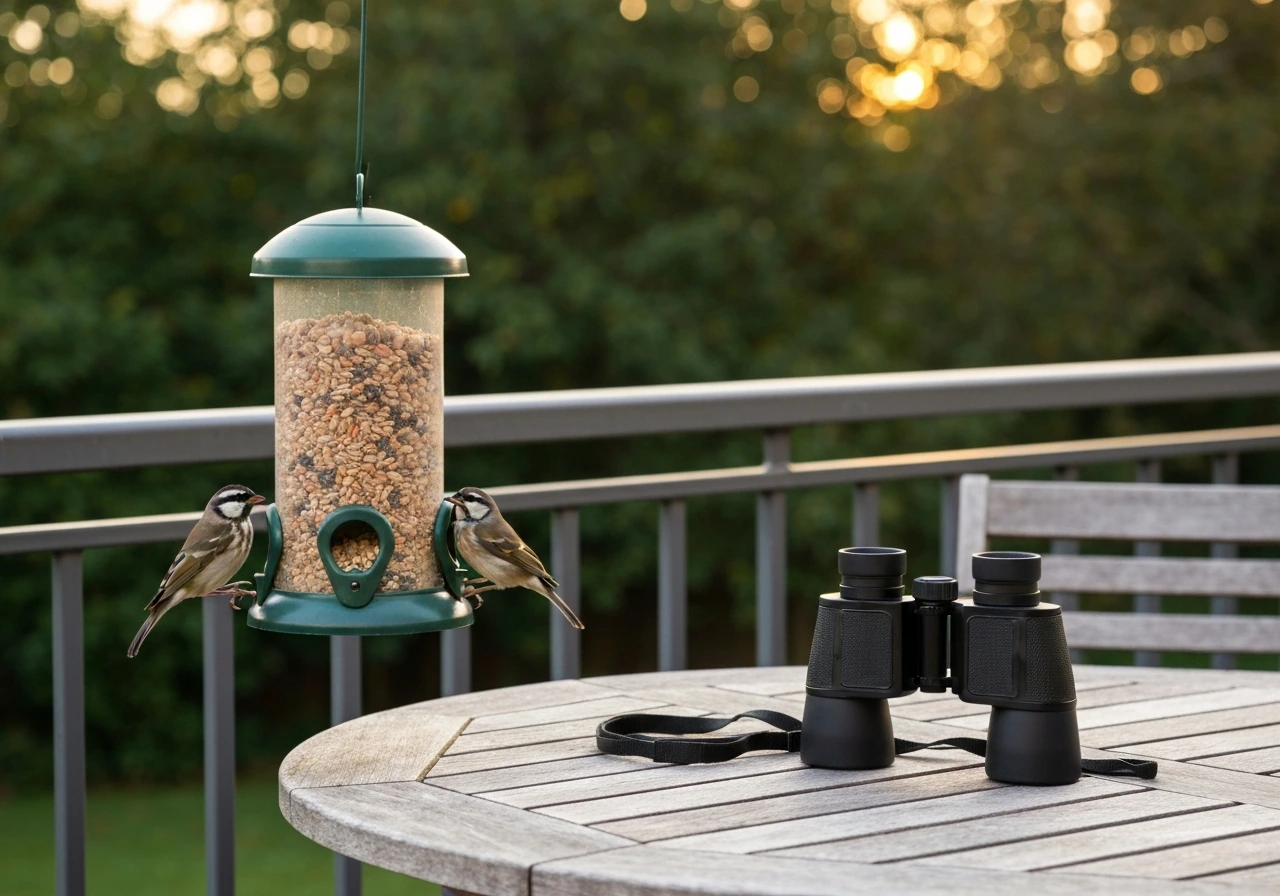
Before you buy anything, run through three quick questions. How experienced are they? What's their budget? And what does their outdoor space actually look like? A beginner with a small apartment balcony needs something completely different from an enthusiast with a half-acre suburban yard and existing feeders. Getting this wrong is the most common gifting mistake, and it's entirely avoidable.
| Experience Level | Budget Sweet Spot | Best Starting Gift |
|---|---|---|
| Total beginner | $30–$60 | Entry binoculars + a regional field guide |
| Casual hobbyist | $60–$120 | Quality feeder + premium seed mix + hanging hardware |
| Enthusiast / upgrader | $120–$300+ | Mid-range optics upgrade, camera adapter, or habitat kit |
Yard setup matters just as much. A dense suburban lot surrounded by trees calls for a feeder with a seed mix that attracts songbirds. An open yard with a fence line is a better candidate for a pole-mounted setup. A balcony or patio? A window-mount feeder and a compact monocular or binocular are the move. Don't gift a large hopper feeder to someone with no yard.
Identification essentials: binoculars, scopes, guides, and apps
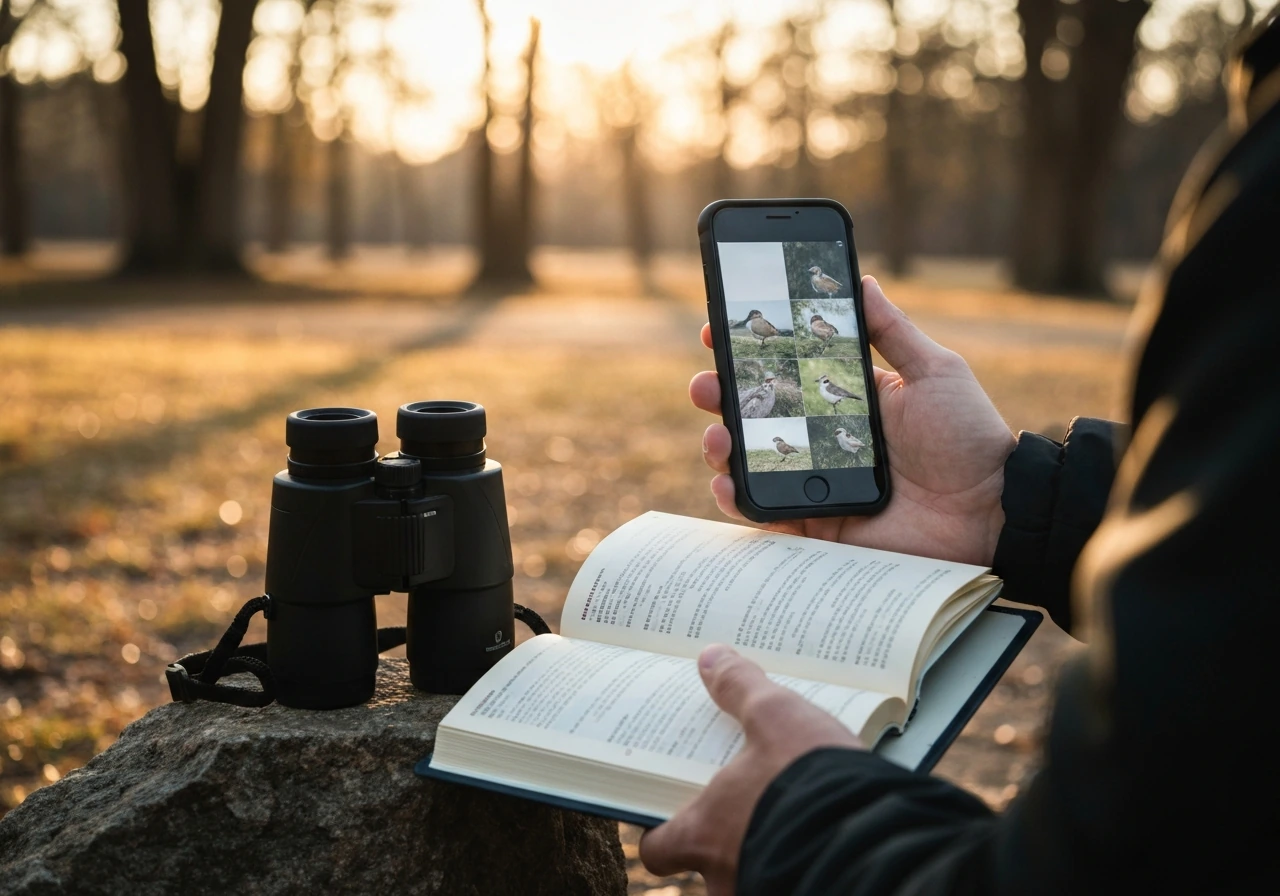
Optics are the single highest-impact gift in birding. The problem is that the range runs from $25 junk to $3,000 professional glass, and the difference in the middle tier is huge. For most backyard birders, an 8x42 binocular is the right spec: it's bright, has a forgiving field of view, and works well at the 10–50 foot distances you see from a patio or window. The Celestron Nature DX 8x42 is a reliable beginner-to-intermediate pick, it weighs in at 24. All About Birds reports the Nature DX ED 8×42 weighs 24.2 oz (687 g) blank" rel="noopener noreferrer">weighs in at 24.2 oz (687 g). 2 oz (687 g) and delivers 17.5 mm of eye relief, which matters a lot for glasses wearers or anyone who plans to use them for extended sessions. If the recipient prefers more magnification and is likely to use the bins for wider habitat scanning, the Nikon PROSTAFF P3 10x42 is worth the slight step up, it's been tested for light transmission and offers 15.7 mm of eye relief with a wide field of view suitable for tracking birds in flight.
A spotting scope makes sense as a gift only for enthusiasts who already have binoculars and want to watch birds at greater distances, like open feeders 30+ yards away or birds at a pond edge. For everyone else, it's overkill and often ends up unused.
Field guides are underrated gifts. The Sibley Guide to Birds (Eastern or Western edition depending on location) and the National Audubon Society Field Guide series remain the most trusted print options. For apps, Merlin Bird ID from Cornell Lab is free, excellent, and includes a Sound ID feature that identifies birds by their calls in real time, it's genuinely impressive and a joy to use. If you want to gift an app upgrade, eBird Premium pairs with Merlin and is worth mentioning. A phone adapter that mounts a smartphone to binoculars for digiscoping is a thoughtful add-on for someone who already has decent optics and wants to capture photos without a dedicated camera.
Attracting birds safely: feeders, seed choices, and water
Feeders worth giving
Not all feeders are equal, and the wrong feeder for a yard or seed type creates more problems than it solves. Here's a straightforward breakdown by feeder type and who it's best for.
| Feeder Type | Best Seed / Food | Best For |
|---|---|---|
| Tube feeder (ports) | Black-oil sunflower, nyjer/thistle | Finches, chickadees, nuthatches — small to medium birds |
| Hopper / house feeder | Sunflower, safflower mix | Cardinals, jays, larger songbirds — open suburban yards |
| Platform / tray feeder | Mixed seed, millet, fruit | Ground-feeding birds, easy cleaning, high visibility |
| Suet cage | Suet cakes (fall/winter) | Woodpeckers, nuthatches — best in cooler months |
| Window-mount feeder | Sunflower hearts, small seed | Apartments, patios, close-up viewing |
Seed choice is where a lot of people go wrong. Cheap wild bird mixes loaded with milo, wheat, and filler grains attract house sparrows and starlings while most desirable backyard birds ignore them. The single best all-around seed to gift (or recommend alongside a feeder) is black-oil sunflower seed. It attracts the widest variety of birds and produces less waste than mixes. For goldfinch-focused setups, nyjer (thistle) seed in a finch sock or tube feeder is unbeatable. Safflower seed is worth knowing about too, squirrels largely ignore it, but cardinals and chickadees love it.
Water: the most underrated gift
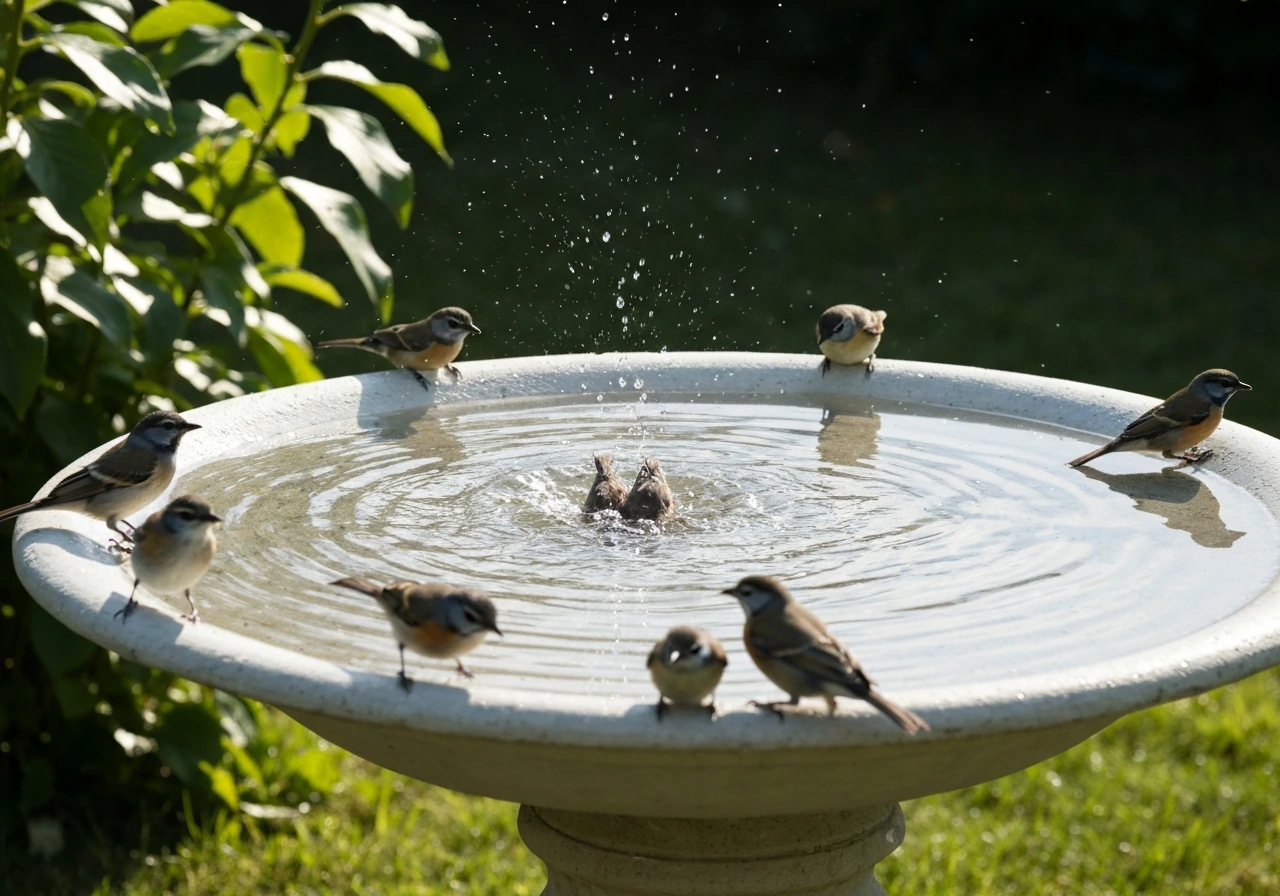
A clean, shallow water source attracts more bird species than almost any feeder. Many birds that never visit seed feeders will reliably visit a birdbath. The ideal depth is 1–2 inches at the center, deep baths are actually less attractive to small birds. A simple pedestal birdbath is a great gift for a beginner. For an enthusiast, a dripper or mister attachment that adds moving water is a genuine upgrade, moving water catches light and sound, and birds find it irresistible. Solar-powered fountain inserts that drop into an existing bath are inexpensive and surprisingly effective.
Bird-friendly add-ons: baths, landscaping, and simple habitat upgrades
Once the basics are covered, these additions make a yard significantly more bird-friendly without requiring major investment or renovation.
- Native plant seed kits or small native shrubs (serviceberry, coneflower, native sunflowers) provide natural food and cover — one of the highest-value habitat upgrades possible
- Brush pile or log bundle: sounds simple, but a loose pile of sticks or a small log section gives ground-feeding and cavity-nesting birds shelter and foraging opportunities
- Nesting boxes or birdhouses sized for local cavity nesters (bluebird boxes, chickadee houses) are a great gift for someone with a yard that lacks natural tree cavities
- Feeder poles with squirrel baffles: a dedicated pole system with a raccoon/squirrel baffle below the feeder keeps seed where it belongs and reduces frustration enormously
- Tray liners and seed catchers that hang below tube feeders reduce ground mess and the mold/pest problems that come with wet fallen seed
Landscaping gifts work especially well for intermediate and enthusiast birders who already have feeders but want to make their yard more naturally attractive. Native plants feed birds year-round (berries, insects, seed heads) in a way that feeders alone can't replicate. A gift card to a local native plant nursery, paired with a short note about what grows well in their region, is honestly one of the most thoughtful birding gifts you can give.
Safety and common mistakes: windows, cleaning, contamination, and sourcing
This section covers things that don't always make it onto gift guides but matter a lot to anyone who actually cares about the birds they're feeding.
Window strikes
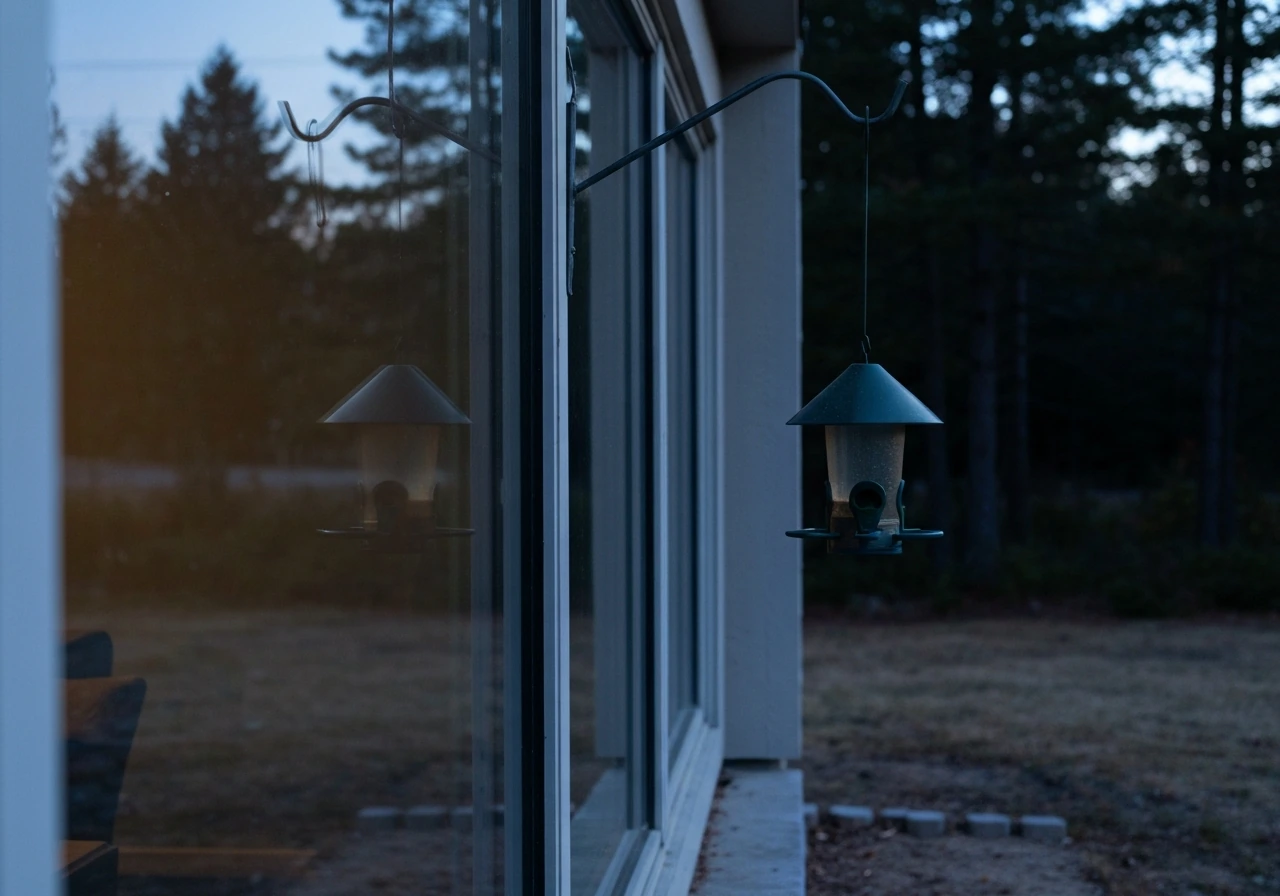
Window collisions kill an estimated 600 million birds per year in North America. Feeders placed either very close to windows (within 3 feet) or very far away (more than 30 feet) reduce collision risk, birds either can't build up enough speed to be hurt, or they have time to see and avoid the glass. The danger zone is the 3–30 foot range. Window collision deterrent tape or decals (like Feather Friendly tape) applied to the outside of glass are a practical, inexpensive safety gift that any backyard birder will appreciate, and most people haven't thought of it.
Feeder cleaning and disease prevention
Dirty feeders spread salmonella, aspergillosis, and other diseases that can wipe out local bird populations. The rule of thumb is to clean feeders every one to two weeks (more often in wet or humid weather) using a dilute bleach solution (one part bleach to nine parts water), then rinse thoroughly and let dry before refilling. A feeder cleaning brush set is a legitimately useful practical gift that most people skip. Avoid gifting cheap feeders with complex seams and crevices that are impossible to clean properly, simple, smooth surfaces are the right call.
Seed quality and contamination
Old, moldy, or improperly stored seed is one of the most common and underappreciated hazards at backyard feeders. Gift seed from a reputable supplier (wild bird specialty stores, reputable online retailers) rather than bulk discount bins that may have sat for months. A seed storage container with an airtight lid is a genuinely practical pairing gift that protects both the seed and the birds. Also worth knowing: nyjer seed has a shorter shelf life than sunflower, if birds are ignoring a nyjer feeder, the seed is probably stale.
What to avoid gifting
- Cheap mixed seed bags heavy with milo and wheat filler — most desirable birds won't eat it and it rots on the ground
- Feeders with rough interior surfaces or complex corners that can't be cleaned with a brush
- Nectar feeders left as a gift without including a cleaning reminder — hummingbird feeders need cleaning every 2–3 days in warm weather or they grow dangerous mold fast
- Pesticide-treated seed or suet from unknown sources
- Decorative birdhouses with no drainage holes or access panel for cleaning — they look nice but are actually harmful
Gift pairing and starter kits: what to bundle together
Pairing gifts thoughtfully is what separates a useful present from a well-intentioned one that collects dust. If you are wondering what to get a bird watcher, start by building one solid bundle around their skill level, yard setup, and what they want to enjoy most. Think in functional bundles: each pairing addresses a complete step in the birding experience rather than leaving an obvious gap.
- Beginner starter kit: Celestron Nature DX 8x42 binoculars + a regional field guide (Sibley Eastern or Western) + a tube feeder + a bag of black-oil sunflower seed. This covers spotting, identifying, and attracting birds — the full loop.
- Feeder upgrade kit: A quality hopper or platform feeder + a squirrel-baffle pole system + an airtight seed storage container + a feeder cleaning brush set. Perfect for someone who already has cheap or basic feeders.
- Water and habitat kit: A pedestal birdbath or solar fountain insert + a native plant seed packet + window collision deterrent tape. Great for an enthusiast who already has optics and feeders.
- Tech and optics bundle: A mid-range binocular upgrade (Nikon PROSTAFF P3 10x42) + a smartphone digiscoping adapter + a year's worth of eBird/Merlin premium. Ideal for someone who wants to document and share what they see.
- Kid-friendly beginner set: A simple window-mount feeder + sunflower hearts (no shells, easier for kids to handle) + the Merlin Bird ID app downloaded on a shared device + a junior field guide. Keeps it hands-on and immediately rewarding.
If you're looking at gift ideas for a broader bird lover audience, someone who enjoys birds but isn't specifically a backyard watcher, there are related gift directions worth exploring, like indoor enrichment for pet bird owners or accessories for birders who travel and go on field trips rather than watching from home. If you’re not sure what to get a bird lover, start with the basics that match their skill level and setup, then add one practical upgrade like optics or bird-safe water broader bird lover audience.
Shopping checklist: what to look for and what to avoid
Use this as a quick reference before you check out. The goal is to avoid the most common gifting traps while making sure whatever you buy actually gets used. If you want a simple way to pull it together, the best bird accessories often come down to smart optics, safe feeders, and practical add-ons like cleaning tools and feeders for their setup.
| Category | Look For | Avoid |
|---|---|---|
| Binoculars | 8x42 or 10x42, 15mm+ eye relief, BAK-4 prisms, nitrogen-purged waterproofing | Zoom binoculars, anything under $40, cheap plastic eyecups |
| Feeders | Smooth cleanable surfaces, drainage holes, tight-fitting lid, UV-resistant materials | Complex seams, no access for cleaning, flimsy perches |
| Seed | Black-oil sunflower, nyjer, safflower from a reputable supplier | Milo-heavy cheap mixes, old or musty-smelling seed |
| Birdbaths | 1–2 inch depth, textured bottom, easy to empty and scrub | Deep basins, glazed slippery surfaces, no drainage |
| Field guides | Regional editions, clear range maps, behavioral notes | Generic national guides with too-broad coverage for beginners |
| Birdhouses | Species-specific entry hole size, drainage holes, clean-out panel | Decorative houses with no ventilation or access, incorrect hole sizes |
| Safety accessories | Window collision tape (Feather Friendly type), squirrel baffles, cleaning brush kits | Cheap generic decals that peel off, baffles without proper weight rating |
One last thing: buying from a dedicated wild bird supply store (local or online specialty retailer) rather than a big-box general retailer almost always means better seed freshness, better staff knowledge, and products that are actually designed for birds rather than aesthetics. For the best results, buy from a dedicated source of quality bird supplies so the gear and food you choose actually get used and work as intended. It's worth the extra few minutes of research.
FAQ
What’s the best “one gift” choice if I don’t know what they already own?
It depends on whether they already have optics and a place to hang or mount a feeder. If they have no binoculars, start there. If they have binoculars but not a way to feed birds from their specific space, choose a window-mount setup for patios or apartments. Avoid gifting a spotting scope to someone who has not started using binoculars, since they will likely not see enough extra detail to justify the cost.
Are gift cards a good option for backyard bird watchers, and how should I pair them?
Yes, but choose the package carefully. If they are a beginner, add seed and a simple feeder plus a small cleaning brush, then include a short feeding schedule note (how often to refill and when to wipe down). If they are more experienced, a higher-quality feeder design, a water add-on like a dripper, or bird-safety upgrades like collision deterrents are usually appreciated and more likely to get used.
My recipient wears glasses. Should I still buy binoculars, and what spec should I focus on?
For glasses wearers, eye relief matters more than magnification. An 8x42 class binocular is often the sweet spot because it tends to have a forgiving field of view and good brightness for backyard distances. If they already own binoculars, consider an eye-cup or lens-cleaning solution upgrade, or a phone adapter for digiscoping, rather than buying a second full pair of optics.
Can I buy a feeder and seed as a matched set, or will they need different types?
Do not assume any feeder will work with the seed mix they want. Black-oil sunflower generally works as an all-around choice, but finch-focused feeders often require nyjer (thistle) and a finch sock or tube feeder. If you buy both, match the seed type to the feeder type, or include a note with the correct seed.
How do I choose window-collision protection if I do not know where their feeders are?
Use the window-distance guidance as a deciding factor. If the feeder is within about 3 feet of glass or more than 30 feet away, collision risk is lower. The risky zone is roughly 3 to 30 feet, where deterrent tape or decals are most valuable. If you are unsure of the layout, write a note asking them to measure their current feeder position.
What’s the best gift for bird feeders when squirrels keep ruining the setup?
If they live in an area with heavy squirrel pressure, favor safflower, since squirrels largely ignore it, or use a baffle designed for the pole and feeder type. Also consider a more squirrel-resistant feeder design with fewer accessible access points for claws. Avoid gifting a large open hopper in a high-squirrel yard unless they already have a proven baffle system.
What should I do if they use a specific seed but birds stop visiting it?
Yes. Start with storage and freshness. Put the seed in an airtight container, and prefer seed from specialty suppliers when possible. Also note that nyjer typically stays viable for a shorter period than sunflower, so if their nyjer feeder goes untouched, stale seed is a likely cause.
What water gift works best for small yards or apartments with limited space?
Gift a shallow, stable water source and, if they already have a bath, consider a moving-water add-on. The article’s guidance of about 1 to 2 inches at the center is key, since deeper baths are less attractive to small birds. For apartments, a window-safe water setup paired with a simple cleaning brush is often more practical than a big outdoor fountain.
How do I decide between higher magnification binoculars and a spotting scope?
Pick optics based on how far they will actually watch. If birds are typically within 10 to 50 feet from a window or patio, 8x42 class binoculars are usually a good match. If they often watch from farther distances outdoors, then a higher magnification binocular may help more than jumping straight to a spotting scope.
Can I gift a phone adapter for digiscoping if they have never used their binoculars with a camera?
Yes, if it is the right kind of phone adapter and they already have decent optics. Confirm it fits their phone model and their binoculars, and check that it supports stable mounting. If they do not have binoculars, a phone adapter alone will likely underdeliver, since digiscoping depends on good glass and alignment.
How often should they clean feeders in wet weather, and what are common mistakes?
In humid or rainy climates, clean more frequently than the standard interval. The safest approach is to clean every one to two weeks as a baseline, then increase the frequency during wet stretches, and fully rinse and dry before refilling. A cleaning brush set helps them do it properly instead of skipping the task or using unsafe shortcuts.
Next Article
Quality Bird Supplies for Beginners: What to Buy First
A beginner checklist for quality bird supplies: safe cage, food and water setup, perches, toys, cleaning, and health bas