Most bird owners don't realize they're making a serious mistake until their bird gets sick, starts screaming all day, or plucks its feathers out. The 12 most common mistakes come down to a few core categories: picking the wrong species for your actual life, setting up the cage badly, feeding a seed-heavy diet, skipping enrichment, mishandling socialization, and ignoring toxic hazards hiding in plain sight in your home. Every one of these is fixable, and most can be corrected this week without spending a lot of money.
12 Common Mistakes Bird Owners Make and How to Fix Them
Marcus Chen
2 Jun 2026
Mistake #1: Choosing the wrong bird for your lifestyle
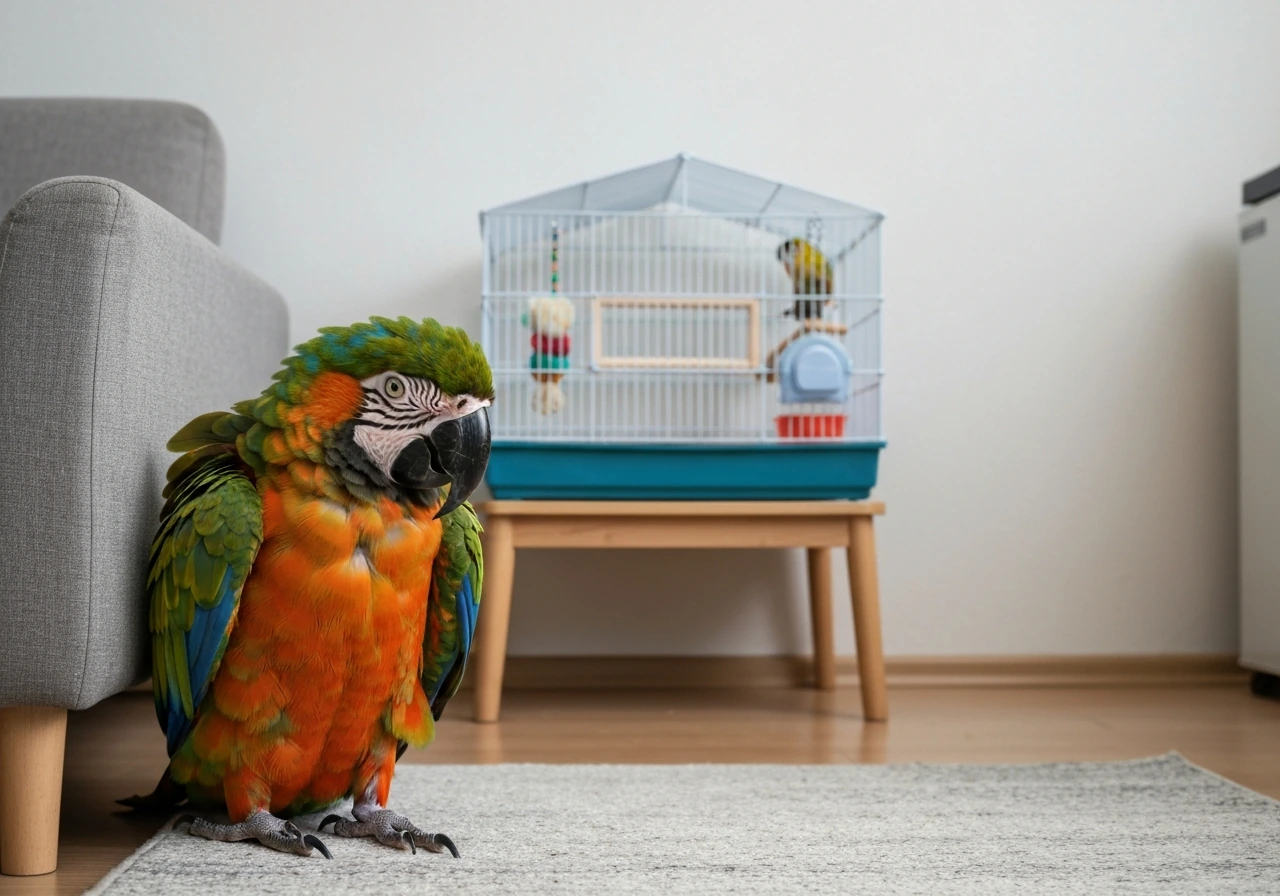
This is the mistake that causes every other mistake to get worse. A macaw in a small apartment with a 9-to-5 owner is a recipe for a screaming, destructive, unhappy bird. A quiet finch handed to someone who wanted a cuddly companion is going to disappoint both parties. Before you pick a species, be brutally honest about three things: how many hours per day you can actually commit to interaction, how much noise your living situation tolerates, and your long-term availability (some parrots live 50-plus years).
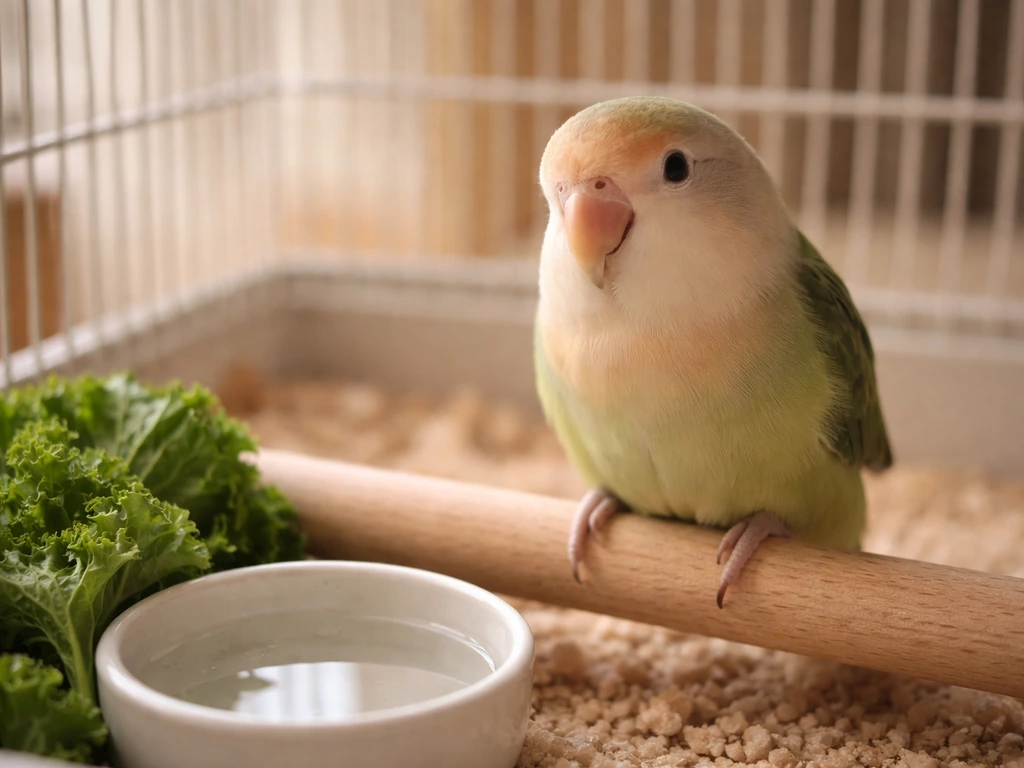
Budgerigars, cockatiels, and parrotlets are genuinely good beginner birds because they're social without being demanding, they're quieter than large parrots, and their care requirements are manageable. Lovebirds are charming but need a lot of attention or a bonded companion bird, which adds complexity. If you're researching lovebirds specifically, the care details around bonding and pair dynamics are worth digging into separately. The fix here isn't complicated: research the species before you buy, not after.
Mistake #2: Getting a cage that's too small
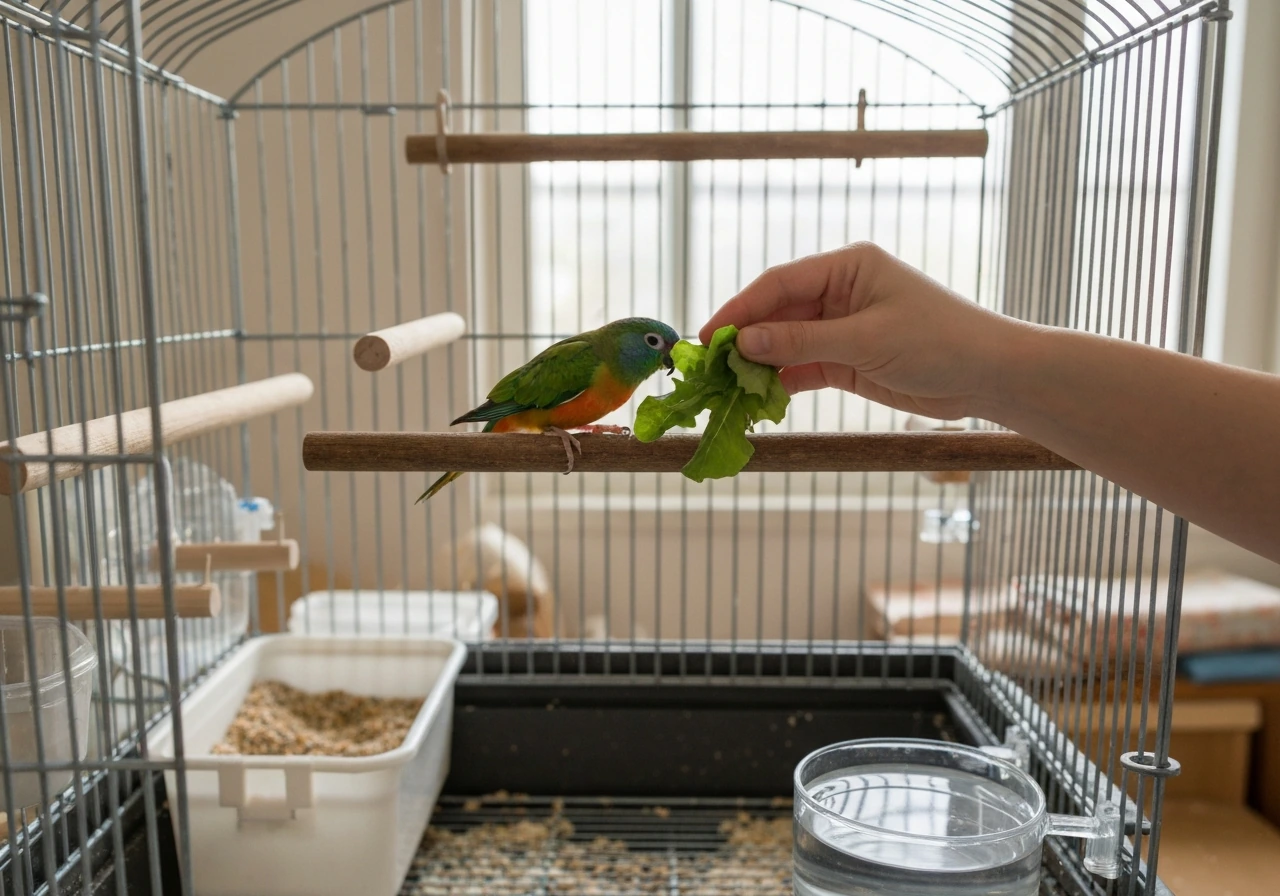
Cage sizing is one of the most consistently underestimated factors in bird health. If you are dealing with bird table problems like repeated injuries or poor health, cage size and setup are often the first issues to check. The Merck Veterinary Manual recommends a minimum cage size of 20 x 20 x 30 inches for smaller birds like budgerigars, cockatiels, lovebirds, and parrotlets. That's the floor, not the goal. If you can afford bigger, go bigger. A bird that can't fully extend its wings and move between perches is going to develop both physical and behavioral problems over time.
Bar spacing matters just as much as overall size. For the small species listed above, bar spacing should be no more than 0.5 inches. Wider spacing creates a real risk of head entrapment, and bars that are too widely spaced on a small-bird cage can also allow escape. When you're buying a cage, check both dimensions before you purchase, not after.
Mistake #3: Bad cage placement and unsafe materials
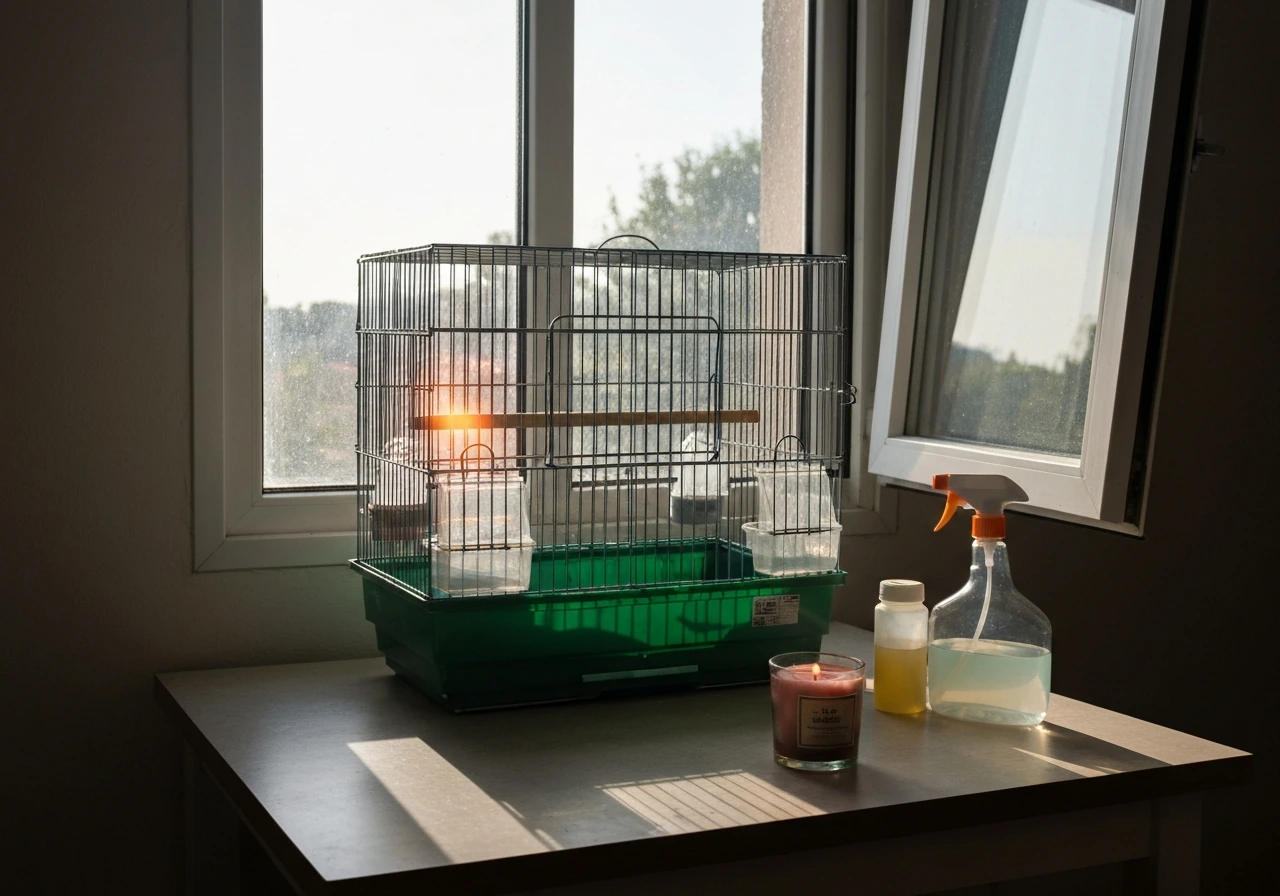
Where you put the cage matters more than most people think. Drafty spots near windows, direct sun exposure for hours at a time, and placement near the kitchen are all problematic. The kitchen hazard is particularly serious and is covered more in the toxic hazards section below. The cage should be in a room where the family spends time (birds are social and need to feel included), but placed against a wall so the bird has a sense of security on at least one side.
Inside the cage, perch variety is genuinely important. Using only the smooth, same-diameter dowel perches that often come with cages can contribute to foot problems over time. Offer perches of varied diameter and texture, including natural wood branches. VCA recommends replacing wood, wicker, and bamboo materials, including perches, every 6 to 12 months as they harbor bacteria and become difficult to properly sanitize.
Mistake #4: Feeding mostly seeds
Seed mixes look natural and birds love them, which makes this mistake easy to rationalize. Here's why the popular advice to just 'feed seed' is actually backwards: seeds are high in fat and relatively low in the vitamins and minerals birds need for long-term health. The Merck Veterinary Manual is direct about this, noting that seeds shouldn't make up most of a bird's diet. A seed-heavy diet is one of the most common contributors to obesity, vitamin A deficiency, and shortened lifespan in pet birds.
The better foundation is a high-quality formulated pellet, supplemented with daily fresh vegetables and some fruit. Pellets are nutritionally balanced in a way that seeds simply aren't. The challenge is that birds often resist the switch, especially if they've been on seeds for years. The fix is a gradual transition rather than a cold switch.
How to transition from seeds to pellets
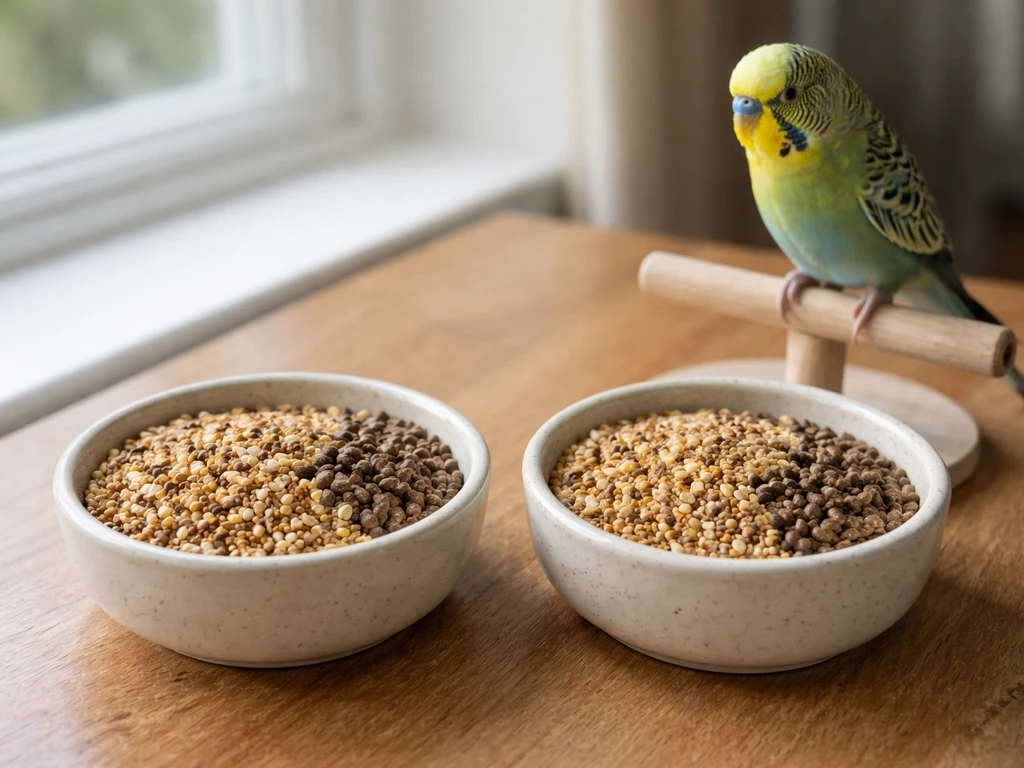
- Start with a ratio of roughly 80% seed to 20% pellets for about two weeks. Don't just layer the pellets on top and expect the bird to pick them out.
- Sprinkle a small amount of seed over the pellets so the bird has to pick through the pellets to get to the seeds. This builds familiarity.
- Offer the new pellet-based diet in the morning when the bird is hungriest. Offer the seed portion in the evening.
- Gradually shift the ratio toward more pellets and fewer seeds over four to six weeks.
- Monitor your bird's weight and droppings throughout. If the bird isn't eating at all, slow the transition down.
Mistake #5: Ignoring water hygiene
Dirty water bowls are a surprisingly common source of illness in pet birds. Many birds will dip food into their water, turning a clean bowl into bacterial soup within hours. If you use an open water dish, it needs to be refreshed at least once daily, and the bowl itself needs to be properly scrubbed, not just rinsed. The Merck Veterinary Manual notes that using a water bottle rather than an open bowl can significantly reduce contamination from food dipping. It's not glamorous advice, but it's worth implementing today.
Mistake #6: Inconsistent cage cleaning
Most birds live with owners who clean when the cage smells bad rather than on a schedule. By the time you can smell it, the bacterial load is already a problem. VCA recommends lining the cage bottom with disposable paper, such as newspaper or paper towels, and replacing that liner every single day. That daily swap takes about 30 seconds and makes a real difference in overall hygiene. For deeper cleaning, the entire cage should be scrubbed with hot water and a non-toxic disinfectant soap one to two times per month.
One specific liner mistake worth flagging: sandpaper cage liners are still sold in pet stores and are still a bad idea. Birds will pick at the sand coating and ingest it, which can cause gastrointestinal irritation or obstruction. Stick with plain paper.
Mistake #7: Overlooking toxic household hazards
Birds have incredibly sensitive respiratory systems, which means airborne toxins that barely affect humans can be fatal to a bird within minutes. This is the area where ignorance genuinely costs lives. Nonstick cookware coated with PTFE (commonly known by the brand name Teflon) releases fumes when overheated that are lethal to birds. Many owners only find out about this after a tragedy.
Beyond the kitchen, there are several other common toxin sources that bird owners need to know about:
- Scented candles, air fresheners, and aerosol sprays: these release volatile compounds that can cause respiratory distress and worse
- Self-cleaning ovens: the high-heat cycle releases fumes that can be lethal to birds in the same home
- Cigarette and vape smoke: secondhand smoke causes chronic respiratory and feather problems
- Certain houseplants: avocado is particularly toxic to birds; so are philodendron, dieffenbachia, and many common houseplants
- Heavy metals: zinc and lead from galvanized cage materials, old paint, or certain toys cause serious toxicity
- Cleaning products used near the cage or without adequate ventilation
The practical rule is this: if it has a strong smell, produces smoke, or is used as a spray, keep it away from your bird. Keep the bird's room well ventilated with fresh air, and never use nonstick cookware in a kitchen that shares airflow with your bird's space.
Mistake #8: Skimping on enrichment
A bored bird is a problem bird. Feather plucking, constant screaming, and aggression are often symptoms of under-stimulation rather than a fundamental behavioral problem. Birds in the wild spend most of their day foraging, problem-solving, and socializing. A cage with two plastic toys that have sat in the same position for six months doesn't come close to meeting that need.
The fix involves both variety and rotation. Rotate toys in and out every one to two weeks so the bird is regularly encountering something new. Include foraging opportunities: hiding food in paper folds, using foraging toys that require the bird to work for a treat, or scattering pellets on a clean flat surface. Different textures and materials, including paper, wood, rope (with supervision for fraying), and puzzle-style toys, provide different types of stimulation.
Species-specific enrichment matters too. A cockatiel may love music and whistling interaction while a parrotlet may prefer problem-solving toys. If you're focused on bird keeping in general, exploring species-specific enrichment strategies is a worthwhile follow-up. If you want more bird keeping tips, focus on consistency and species-specific needs so your routine stays safe and effective.
Mistake #9: Getting the daily routine wrong
Birds thrive on predictable routines, and three specific routine factors trip up most beginners: sleep, temperature, and light exposure. Birds need 10 to 12 hours of sleep in a quiet, dark environment. If the TV is on until midnight and the bird is in the living room, it's almost certainly sleep-deprived, which leads to crankiness, immune suppression, and hormonal issues. Using a cage cover each evening at a consistent time is one of the simplest improvements you can make.
Temperature stability matters more than exact temperature. Most pet birds do well between 65 and 80 degrees Fahrenheit, but sudden drafts or rapid temperature swings are more dangerous than a slightly cool room. Keep the cage away from air conditioning vents and doors that open to the outside. On light exposure: natural light or a full-spectrum avian light for roughly 12 hours per day supports normal hormonal cycles and mood. Birds kept in dim rooms with inconsistent light schedules often show behavioral problems that clear up with proper lighting.
Mistake #10: Rushing handling and skipping trust-building
Grabbing a new bird, forcing it to step up, or trying to interact on your schedule rather than the bird's is probably the single fastest way to create a bird that bites and fears you. Trust-building with birds is slow and nonlinear, especially with birds that were not hand-raised or that had poor early socialization. The approach that actually works is spending time near the cage without direct interaction at first, talking quietly, letting the bird get used to your presence, and only introducing hands when the bird is already comfortable with you as a non-threatening presence.
Step-up training using positive reinforcement, rewarding the bird with a small treat or verbal praise when it steps onto your hand voluntarily, is far more effective and lasting than forcing compliance. Keep early handling sessions short (five minutes or less) and end them on a positive note. If the bird shows stress signals like flattened feathers, crouching, or open-mouth breathing, back off immediately. Stress-free interaction is a practice, not a one-time event.
Mistake #11: Not grooming or monitoring basic health markers
Nail overgrowth, beak problems, and feather condition are visible health indicators that many first-time owners ignore until they're severe. Nails that are too long can catch on cage materials and cause injury. Some birds need periodic nail trims, which can be done by an avian vet or a knowledgeable groomer. Beaks that are overgrown, misshapen, or have unusual discoloration are a sign something is wrong, either nutritionally or medically, and warrant a vet visit. Monitoring your bird's droppings daily (yes, daily) is genuinely one of the best health monitoring tools you have. Changes in consistency, color, or frequency are often the first sign of illness.
Mistake #12: Skipping the avian vet entirely
Most bird owners don't take their bird to a vet until something is obviously wrong. By that point, many birds have been sick for weeks, because birds instinctively hide illness as a survival mechanism. A bird sitting at the bottom of its cage, fluffed up and lethargic, has been sick for a while. A new bird should have a baseline wellness exam with an avian vet within the first few weeks of bringing it home, and annual checkups are a reasonable standard. Not every vet sees birds, so make sure you're looking for a vet with avian experience or certification.
Red flags: when to call the vet immediately
Some symptoms mean you should call an avian vet the same day, not wait and see. Birds decline quickly once they show outward signs of illness, so acting fast matters.
- Sitting fluffed at the bottom of the cage or on the cage floor
- Labored or open-mouth breathing
- Discharge from the eyes or nares (nostrils)
- Sudden changes in droppings: very watery, bloody, or absent
- Sudden weight loss or prominent keel bone
- Seizures or loss of balance
- Sudden feather loss in large patches
- Completely stopped eating for more than 24 hours
- Suspected toxic exposure (nonstick fumes, smoke, ingested plant or metal)
Your action checklist: fixes you can do right now
Use this as your starting point. You don't have to fix everything at once, but work through the list over the next week or two and you'll have addressed the most impactful issues.
- Check your cage dimensions and bar spacing against the minimums (20x20x30 in, 0.5 in bar spacing for small birds). Upgrade if needed.
- Replace the cage liner with plain newspaper or paper towels today, and commit to changing it daily.
- Throw out the sandpaper liner if you have one.
- Start the seed-to-pellet transition at an 80/20 ratio, offering pellets in the morning.
- Switch to a water bottle or commit to refreshing the water dish and scrubbing it every day.
- Remove nonstick cookware from any kitchen that shares air with your bird, or relocate the bird.
- Take stock of all aerosols, scented products, and candles used near the bird's space and stop using them.
- Add at least two new enrichment items to the cage this week and plan a monthly rotation.
- Set a consistent sleep schedule: cover the cage at the same time each evening for 10 to 12 hours of darkness.
- Check that the cage is not near a vent, drafty window, or the kitchen.
- Book a wellness checkup with an avian vet if your bird hasn't had one in the past year.
- Observe your bird's droppings and behavior daily and note any changes.
Getting bird care right is mostly about catching the small chronic mistakes before they compound into real health problems. The birds that thrive long-term are the ones whose owners caught these issues early and adjusted. If you're building your overall knowledge base, exploring broader bird keeping tips and general learn-bird-care resources alongside this checklist will help you fill in any remaining gaps. If you’re looking for bird taxidermy for beginners, start with the basics of safe preparation and proper materials before you attempt any projects bird keeping tips.
FAQ
My bird refuses pellets after switching from seed, what should I do next?
Don’t try to “make up for it” by adding extra seed or pellets later in the day. Instead, follow the target feeding ratio for pellets, then add a measured amount of fresh produce at the same time daily. If your bird is very underweight or has a history of deficiency, confirm the plan with an avian vet because rapid diet changes can worsen GI upset.
What’s the fastest way to handle a possible toxin exposure in my home?
Remove unsafe items immediately rather than waiting for the bird to “finish chewing.” Many hazards are invisible until they cause symptoms, so do a quick room reset: switch out cookware, cancel sprays, unplug fragrance warmers, and move the cage away from the kitchen and any aerosol use. Then monitor for early respiratory signs, like tail bobbing or open-mouth breathing.
How often should I check my bird’s environment beyond the daily tasks?
For most birds, one daily deep check beats occasional spot-cleaning. Do a 30 second “lick and look” routine: replace liners daily, refresh water at least daily (or more if food is dipping), and scan droppings each morning for color or consistency changes.
I can’t do everything every day, what should I prioritize first?
If you’re short on time, prioritize sleep and hygiene before adding more toys. A good order is, provide a consistent dark sleep window, maintain daily liner and water cleanliness, then add foraging in a scheduled rotation. Toy variety without enough sleep often worsens stress behaviors rather than improving them.
My bird bites when I try step-up, does that mean training isn’t working?
Often you’ll see it as “behavior that looks like disobedience,” but it can actually be fear. Use short, predictable sessions, reduce direct handling, and aim for step-up only when the bird offers calm body language. If the bird bites during most attempts, pause and rebuild trust from a distance (talking near the cage, letting the bird approach).
Is it okay to cover the cage earlier than usual if my bird seems tired?
Covering the cage too early, too tightly, or in a too-warm room can create overheating or poor air exchange. Use breathable cage covers and keep the bird’s room at a stable temperature, ideally away from drafts and direct sun even during daylight hours.
Can I move my bird closer to a heater or AC vent to fix temperature issues?
Yes, but the goal is temperature stability, not perfect uniformity. Place the cage away from AC vents, heater blasts, and frequently opened doors. If your bird seems chilled, raise the room temperature gradually rather than blasting heat directly at the cage.
What’s the safest way to improve my bird’s light schedule if my room is dim?
Start with a cage location change first, avoid sudden rearranging that adds stress, and then adjust light gradually. If you use an avian full-spectrum light, keep the schedule consistent (about 12 hours on) and use a timer. Sudden changes in day length can trigger hormonal behaviors in some species.
Which breathing-related symptoms mean I should call the avian vet immediately?
If you see head bobbing, tail flicking, open-mouth breathing, or rapid breathing, don’t wait for a next-day appointment. Call an avian vet urgently, because respiratory decline can move quickly in birds. While you wait, remove potential fumes immediately and move the bird to fresh air away from the kitchen and any fragrances.
How can I tell whether feather plucking is stress-related or a medical issue?
Not always. Hair-like feathers, dust, or normal shedding can be harmless, but plucking, patchy bare areas, and broken pin feathers often signal stress, a diet issue, or an underlying medical problem. Pair the visual check with daily droppings monitoring and a quick review of sleep, temperature, and enrichment.
Do I need to rotate perches like I rotate toys, and how do I know when to replace them?
Switching cage hardware matters because some perches wear down naturally and can become slippery or contaminated. Aim for safe variety, then inspect weekly: remove perches that are worn, splintering, fraying, or hard to sanitize. For any changes, confirm your bird’s comfort, especially on night perches.
What’s the best way to monitor droppings if my bird is on a pellet-plus-veg diet?
If droppings are abnormal, treat it as a real data point, not “just one bad day.” Record what you observe (frequency, color, consistency) and review what changed in the last 24 to 48 hours, like diet, water bowl type, new foods, or cleaning products. Any persistent change warrants an avian vet call.
I used a cleaner that smells strong, what should I do before putting my bird back?
In most cases, it’s safer to replace contaminated paper liners and clean the cage promptly rather than “airing it out” for days. Use a non-toxic disinfectant soap as directed, rinse thoroughly, and allow full drying before returning the bird. Never use strong-smelling cleaners in the same airflow as the bird’s room.
Next Articles
Bird Table Problems: Troubleshooting and Fixes for Pet Birds
Troubleshoot bird table problems fast: feeding setup, hygiene, pests, mold, pickiness, crowding, placement, and vet red
Bird Taxidermy for Beginners: A Legal, Safe Starter Guide
Legal and safe beginner bird taxidermy guide: tools, handling steps, drying basics, storage, and common mistakes
Learn Bird Care: Beginner Checklist, Routine, and Health Tips
Beginner bird care checklist with daily routines, habitat setup, feeding, health warnings, safety, enrichment, and next